
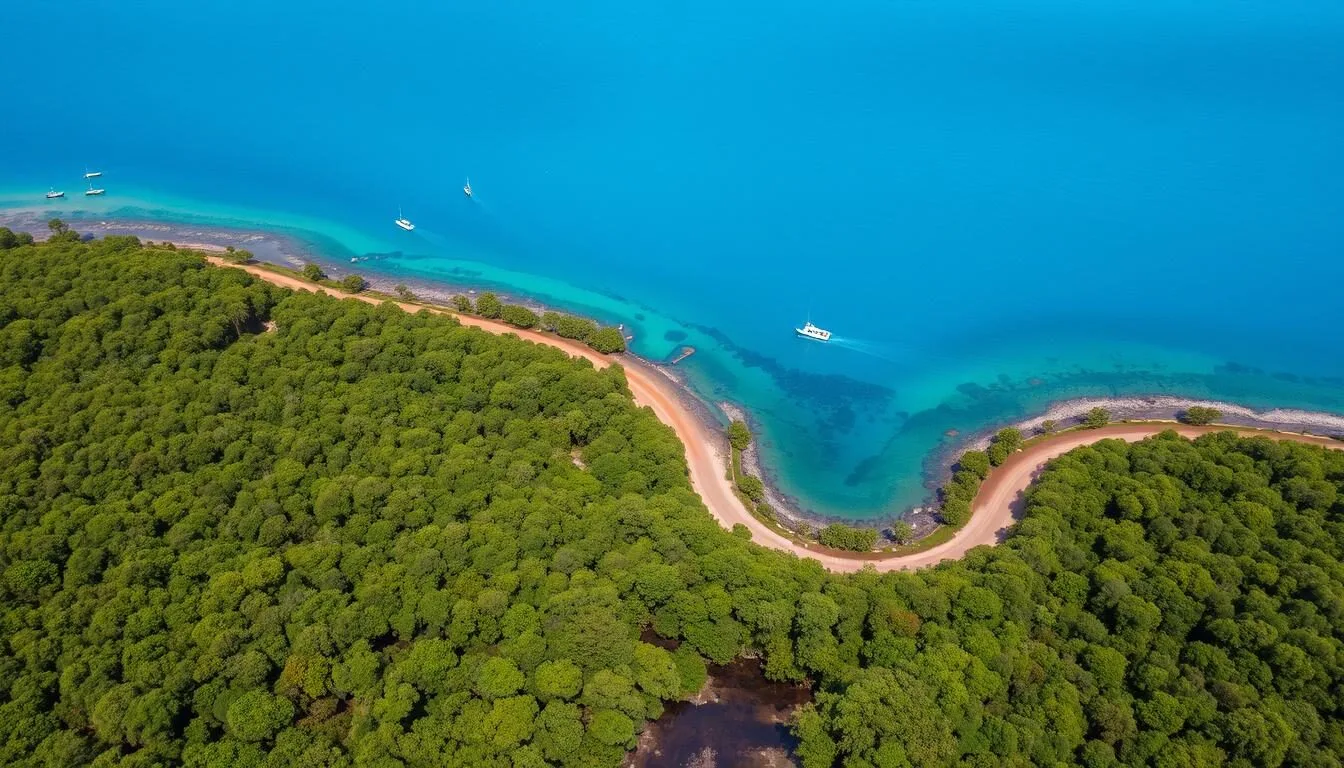
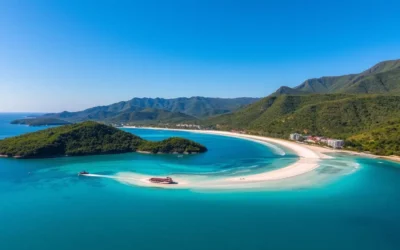
Home to four endangered sea turtle species and over 100 bird species, Rio Kruta National Park protects one of Central America’s largest intact wetland ecosystems, yet remains one of Honduras’ least visited natural treasures. This massive 115,000-hectare preserve along the Caribbean’s Miskito Coast offers intrepid travelers a rare glimpse into pristine mangrove forests, winding waterways, and indigenous communities largely unchanged by modern tourism.
Getting There & Planning Your Journey
Reaching Rio Kruta National Park requires some advance planning due to its remote location on Honduras’ eastern Caribbean coast. The park stretches along the coastline between the mouths of the Rio Kruta and Rio Cuco, with Puerto Lempira serving as the main access point.
By Air
The most practical way to reach the park is flying to Puerto Lempira (PEU), a small town located within the park boundaries. CM Airlines operates turboprop aircraft three times weekly from Tegucigalpa. Flights typically take about 1.5 hours but schedules can change frequently, so booking directly with the airline is recommended.
By Sea
For the more adventurous traveler, a ferry operates from La Ceiba to Puerto Lempira. The journey takes approximately 18 hours and offers stunning coastal views, though comfort is basic. Ferries don’t run daily, so check schedules in advance.
Best Time to Visit & Weather Tips
The Caribbean coast of Honduras has a tropical climate with distinct wet and dry seasons. Understanding the weather patterns will help you plan an optimal visit to Rio Kruta National Park.
Dry Season (February-May)
The most comfortable time to visit is during the dry season from February to May when temperatures average 28°C (82°F) with lower humidity. This period offers the best conditions for wildlife viewing and outdoor activities with minimal rainfall interruptions.
Wet Season (June-January)
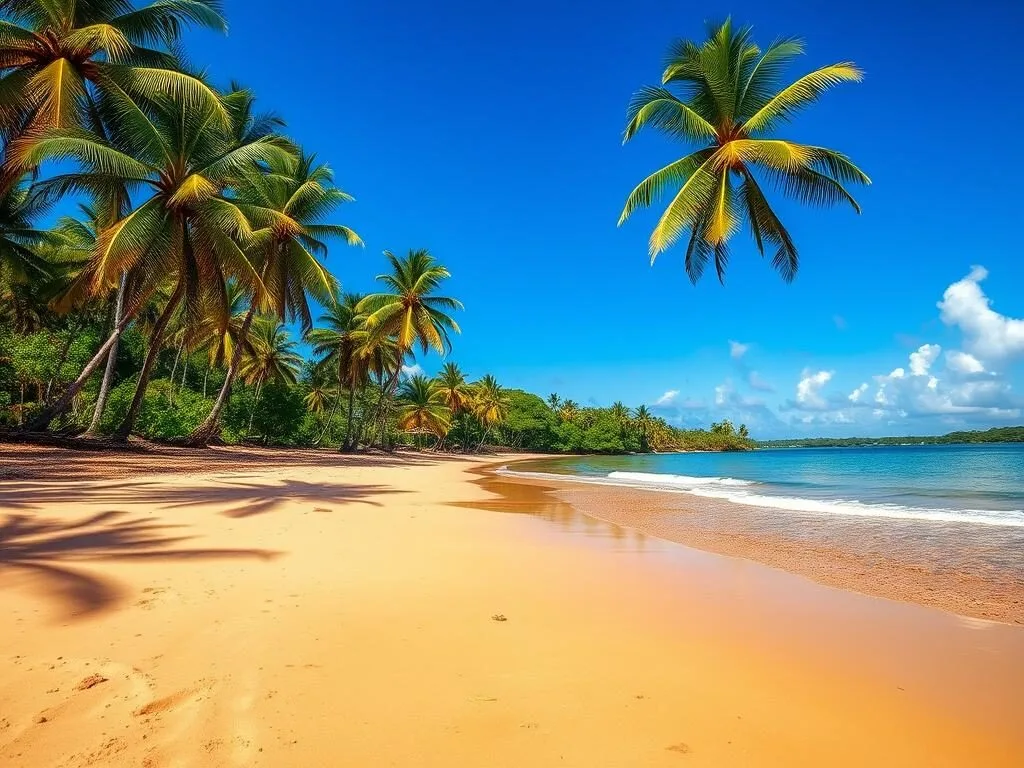
The wet season brings heavy rainfall, particularly from September to December. While the landscape becomes lushly verdant, trails can become muddy and difficult to navigate. However, this season offers excellent opportunities to observe nesting sea turtles along the beaches.
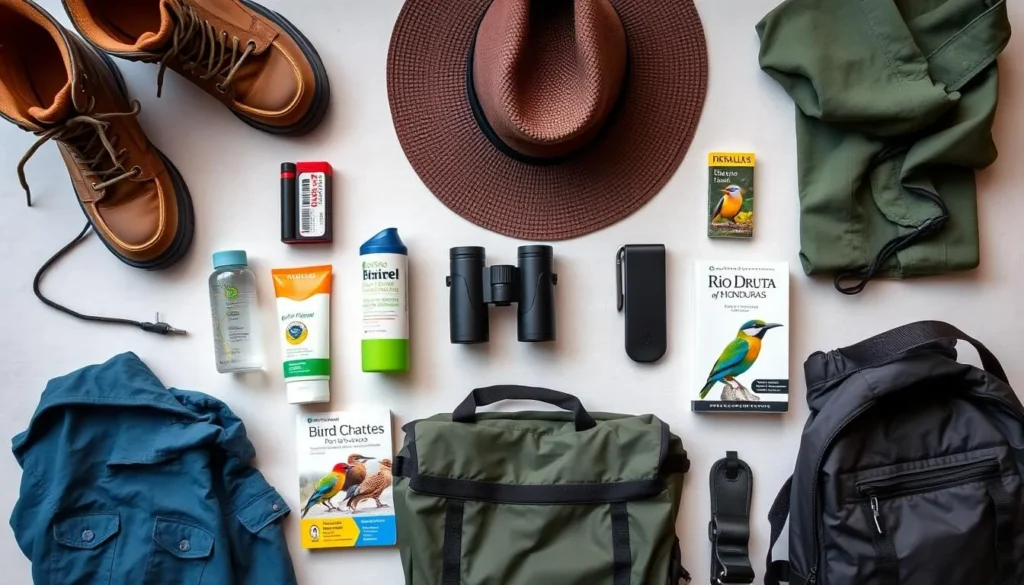
Packing Tip: Regardless of season, bring appropriate clothing for hot weather and jungle exploration, including long pants, heavy boots, and plenty of clean socks. Don’t forget insect repellent, sunscreen, a wide-brimmed hat, and at least 2 liters of drinking water per day.
Getting Around Locally
Rio Kruta National Park’s dense jungle and network of waterways make traditional transportation impossible. The park’s unique geography requires specific methods to explore its natural wonders.
Water Transportation
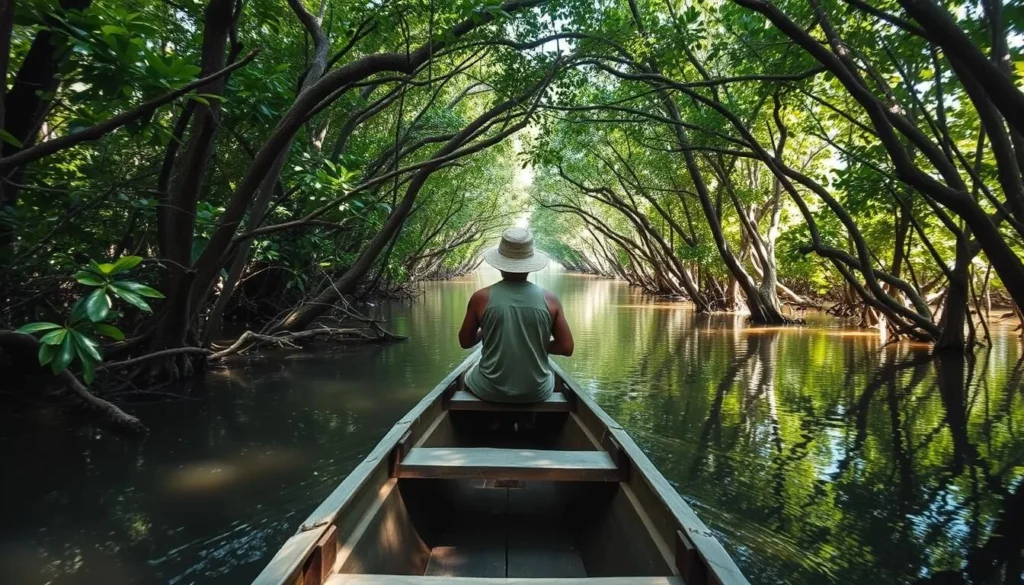
The primary way to explore the park is by water. Small boats called “lanchas” can be hired in Puerto Lempira to navigate the rivers, canals, and coastal areas. These boats are essential for accessing remote areas of the park and observing wildlife in the mangrove ecosystems.
Guided Hikes
Trails lead from Puerto Lempira into the surrounding jungle. Hiring a local guide is highly recommended not only for safety but also for their invaluable knowledge of the ecosystem and wildlife. Many guides are from the indigenous Miskito community and speak Spanish and sometimes English in addition to their native Miskito language.
Where to Stay
Accommodation options within Rio Kruta National Park are limited to Puerto Lempira, the only developed town inside the park boundaries. While facilities are basic by international standards, they provide comfortable bases for exploring this remote region.
Hotel Options
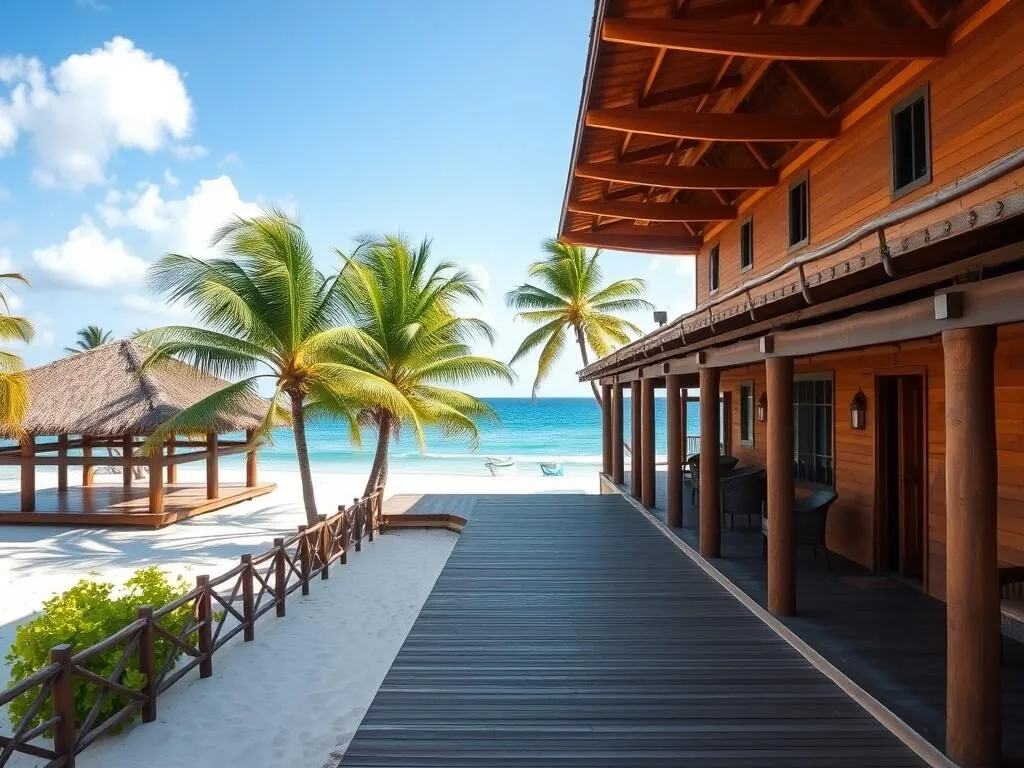
- Hotel Yu Baiwan – A modern beachside hotel with an on-site restaurant and bar. Rooms are clean, spacious, and well-furnished with friendly service. Offers tables outdoors on the beach for dining.
- Hotel Pinares – A traditional colonial-style hotel with ocean views from many rooms. Features an on-site restaurant and bar (closed Sundays). Note that electricity is provided by generator which typically runs only from 6 PM to midnight.
Important Note: Electricity in Puerto Lempira can be intermittent, with some accommodations running generators only during evening hours. Pack accordingly with portable chargers for electronics and a headlamp or flashlight.
Dining & Local Cuisine
The culinary scene in Rio Kruta National Park centers around Puerto Lempira, where you’ll find restaurants serving authentic Honduran dishes with a distinctive Caribbean influence. Seafood features prominently, reflecting the coastal location and fishing traditions of the Miskito people.
Where to Eat
- Polloki – A clean, comfortable restaurant serving traditional Honduran dishes like roast chicken with fried plantains.
- Sweet Liberty – A casual beachfront restaurant with a spacious patio dining area offering seafood and regional Honduran cuisine. Open daily from 8:30 AM to midnight.
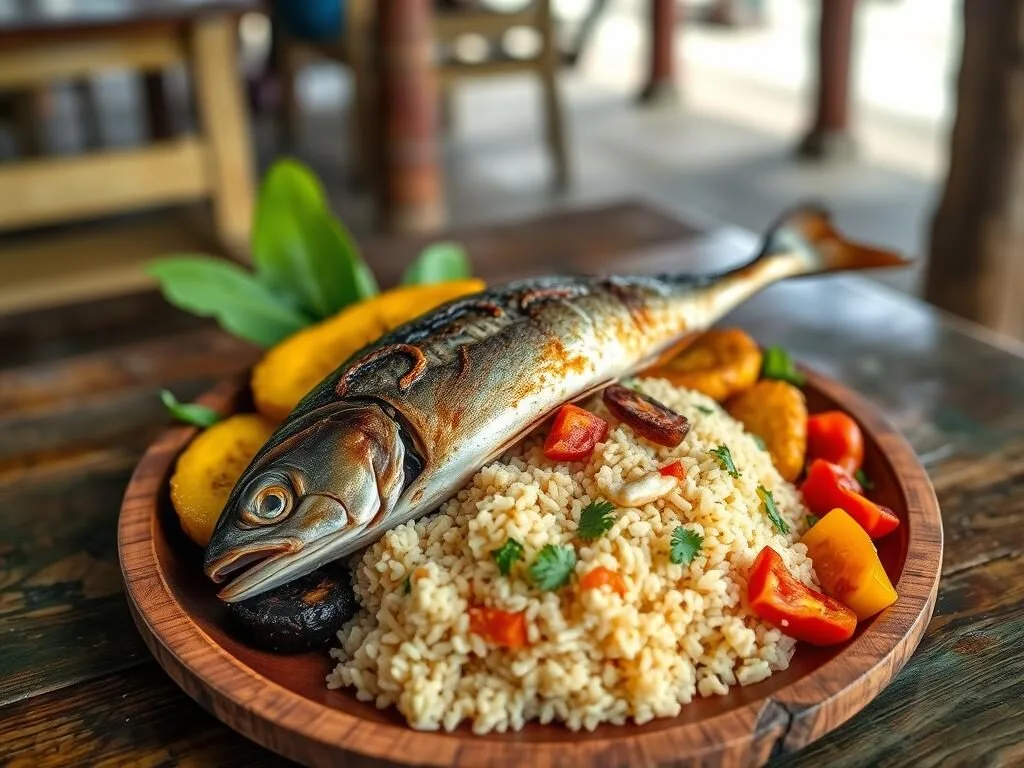
Local Specialties
Don’t miss these regional dishes that showcase the unique flavors of Honduras’ Caribbean coast:
- Sopa de Caracol – Conch soup with coconut milk, yucca, plantains, and spices
- Tapado – Seafood stew with coconut milk and plantains
- Pescado Frito – Whole fried fish typically served with rice, beans, and plantains
- Baleadas – Flour tortillas filled with refried beans, cheese, and cream
Attractions, Sightseeing & Activities
Rio Kruta National Park offers a wealth of natural attractions and activities for the adventurous traveler. From wildlife watching to cultural experiences, the park provides unique opportunities to connect with nature and local traditions.
Wildlife Viewing
The park is a biodiversity hotspot with excellent opportunities for wildlife observation:
- Sea Turtle Nesting – Four species of sea turtles nest on beaches in the Laguna de Caratasca and along river deltas. Best observed during the wet season.
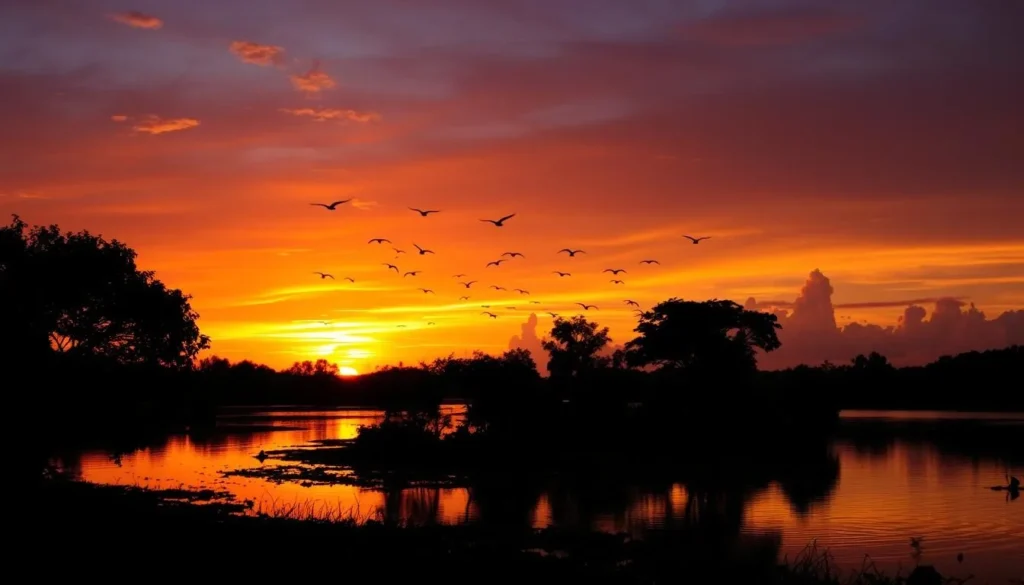
- Birdwatching – Over 100 bird species inhabit the park, including herons, ibises, parrots, and birds of prey. Early morning boat trips offer the best viewing opportunities.
- Manatee Spotting – The rivers provide habitat for these gentle marine mammals, which can be observed in the mangrove swamps with a knowledgeable guide.
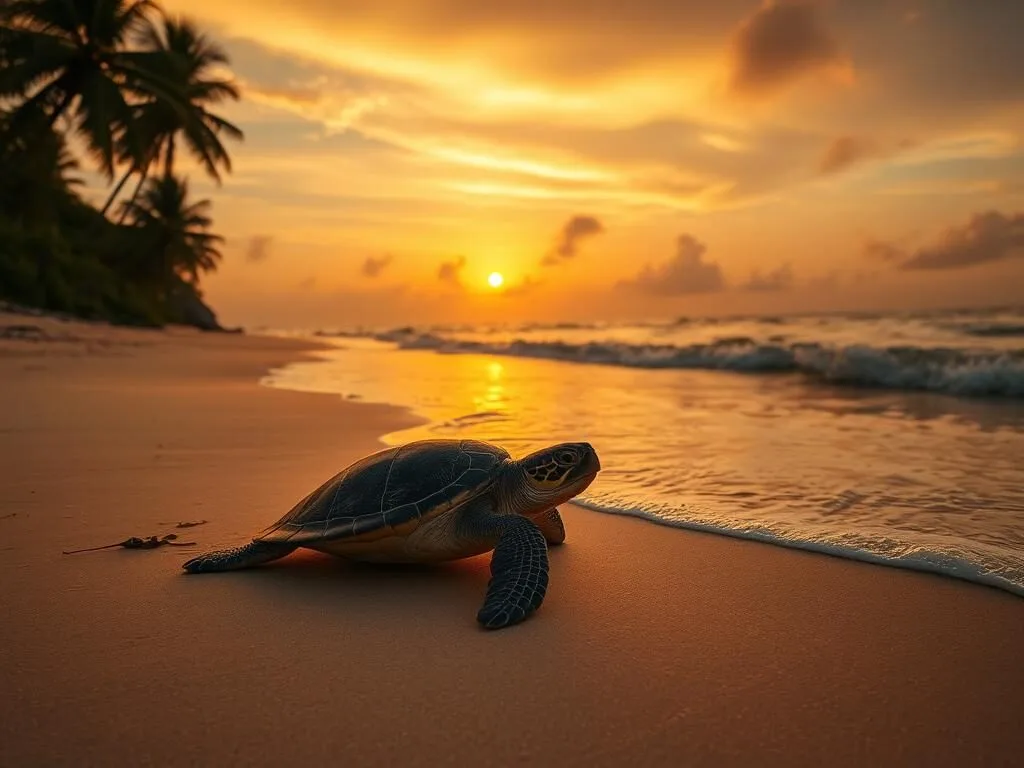
Exploring Waterways
The network of rivers, canals, and lagoons forms the heart of the park’s ecosystem:
- Mangrove Tours – Explore the intricate mangrove forests by boat, observing the unique root systems and the diverse wildlife they support.
- Rio Kruta Expedition – Journey along the namesake river to witness the transition from coastal to inland ecosystems.
- Laguna de Caratasca – Visit this large coastal lagoon known for its biodiversity and importance to local fishing communities.
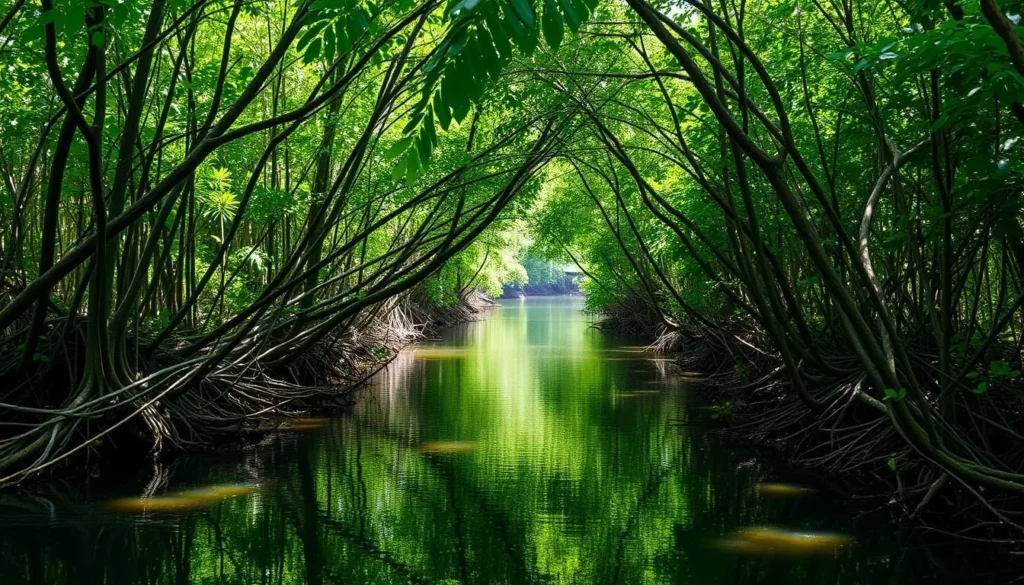
Cultural Experiences & Local Communities
The Rio Kruta region is home to the indigenous Miskito people, who have inhabited this coastal area for centuries. Engaging with local communities offers valuable insights into traditional ways of life that remain largely unchanged by modern influences.
Miskito Communities
Several small Miskito villages are scattered throughout the park. With proper arrangements and a respectful approach, visitors can learn about:
- Traditional fishing techniques that have sustained communities for generations
- Local crafts, including handwoven baskets and carved wooden items
- Cultural practices and folklore that reflect the deep connection between the Miskito people and their natural environment
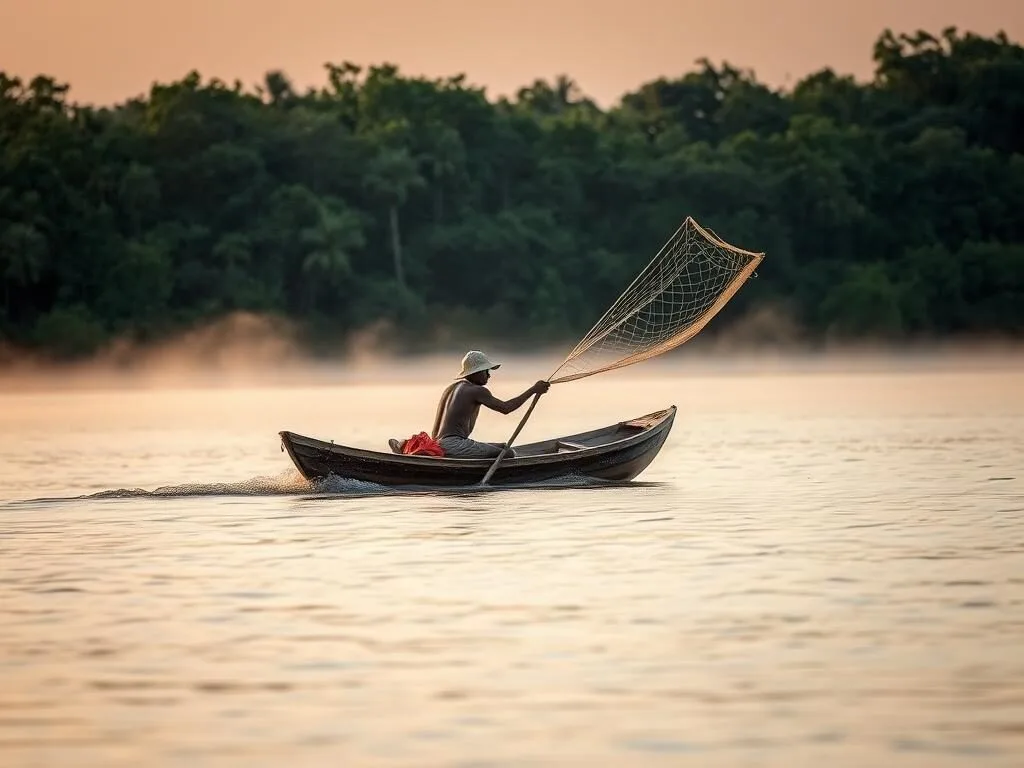
Language
The traditional Miskito language is widely spoken throughout the region, though most people also speak Spanish. Some community members, particularly those working in tourism, may speak basic English. Learning a few Miskito greetings can help foster positive interactions with local residents.
Respectful Tourism: When visiting Miskito communities, always ask permission before taking photographs, respect private property, and consider bringing small gifts like school supplies rather than money. Hiring local guides not only enhances your experience but also provides important economic support to the community.
Practical Travel Tips
Preparing for a trip to Rio Kruta National Park requires careful planning due to its remote location and limited infrastructure. These practical tips will help ensure a smooth and enjoyable experience.
Health & Safety
- Consult a travel medicine specialist before your trip for recommended vaccinations
- Bring a basic first aid kit with treatments for minor injuries, stomach issues, and allergic reactions
- Pack insect repellent with DEET to protect against mosquitoes
- Use sunscreen with high SPF and wear protective clothing
- Drink only bottled or purified water
What to Pack
- Lightweight, quick-drying clothing (long sleeves and pants for protection)
- Sturdy hiking boots or water shoes for boat excursions
- Wide-brimmed hat and sunglasses
- Waterproof bag for electronics and valuables
- Flashlight or headlamp (essential due to limited electricity)
- Portable charger for electronic devices
Communication
Cell phone coverage in the park is extremely limited, with service available primarily in Puerto Lempira. Consider renting a satellite phone if you need reliable communication. Internet access is available at some hotels in Puerto Lempira but is typically slow and intermittent.
Experience the Untouched Beauty of Rio Kruta
Rio Kruta National Park represents one of Central America’s last truly wild places—a pristine ecosystem where dense mangrove forests meet the Caribbean Sea, creating a haven for endangered wildlife and preserving traditional ways of life. While reaching this remote corner of Honduras requires effort, the rewards are immeasurable: encounters with rare species, genuine cultural exchanges, and the profound sense of discovery that comes from venturing beyond the beaten path.
Whether you’re tracking sea turtles along deserted beaches, navigating winding waterways through towering mangroves, or sharing stories with Miskito fishermen, Rio Kruta offers authentic experiences increasingly rare in our interconnected world. For the adventurous traveler willing to embrace the journey, this hidden gem promises memories that will last a lifetime.
The above is subject to change.
Check back often to TRAVEL.COM for the latest travel tips and deals.

0 Comments