
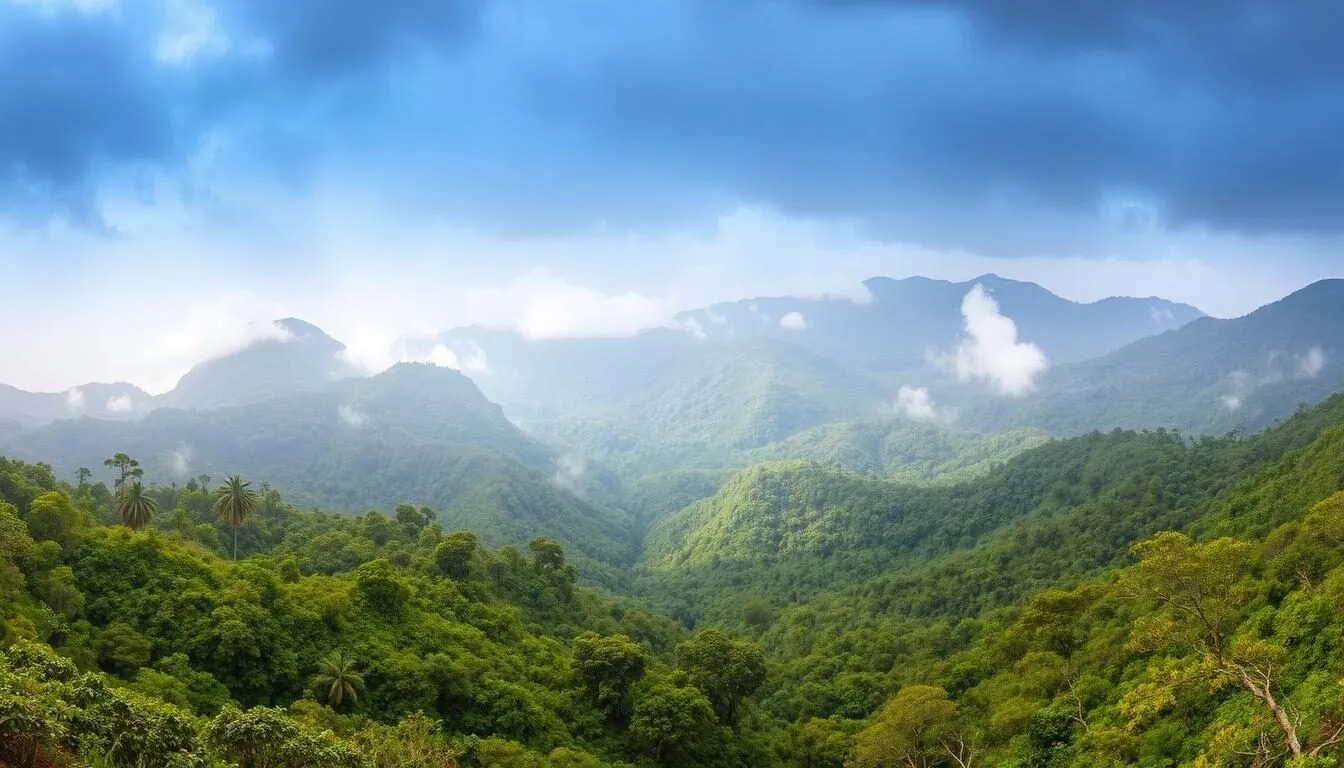
Home to one of Central America’s last pristine cloud forests, Sierra de Agalta National Park remains Honduras’ best-kept natural secret. Established in 1987, this 80-square-mile paradise shelters more than 400 bird species and rare wildlife like jaguars and tapirs that roam freely through its misty mountains. Unlike its more famous counterparts, Sierra de Agalta offers travelers a genuine wilderness experience where you might hike an entire day without encountering another soul.
Getting There & Planning Your Journey
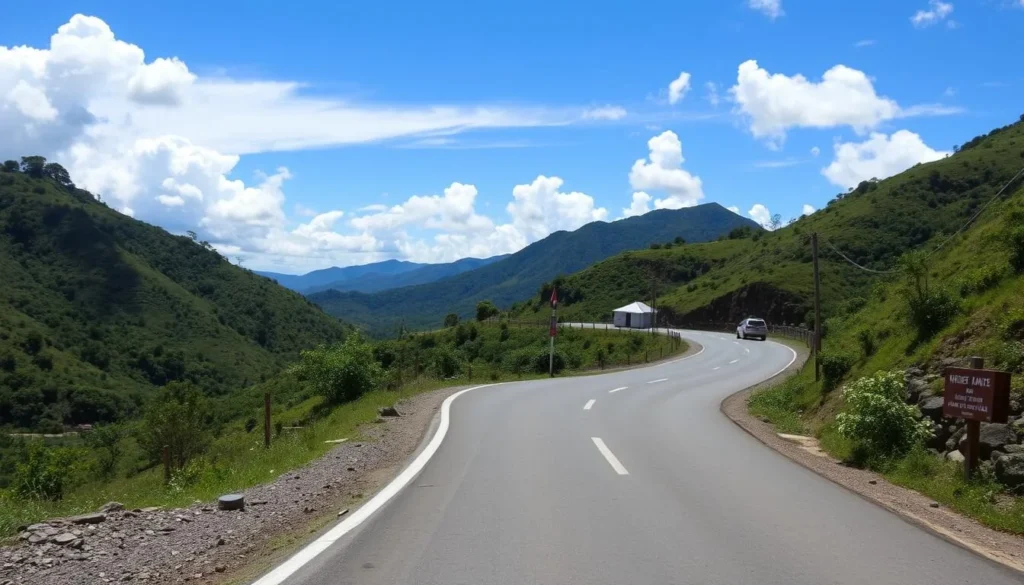
Sierra de Agalta National Park is located in the Olancho region of eastern Honduras, approximately 215 km (134 miles) from Tegucigalpa. The nearest town is Gualaco, which serves as the main gateway to the park. Most visitors arrive via rental car or guided tour from larger cities.
Access Points
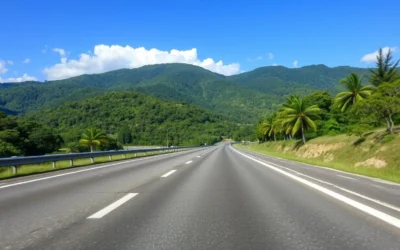
- From Tegucigalpa: Take Highway CA-5 to CA-13 toward Gualaco (3-4 hour drive)
- From San Pedro Sula: Connect through Tegucigalpa or take a regional flight to Catacamas
- Local Transport: Limited bus service runs to Gualaco from Juticalpa
Due to the remote nature of the park, hiring a local guide is highly recommended. The Grupo Ecologista de Olancho, an environmental organization operating along the park boundaries, can provide valuable information about trails and wildlife.
Best Time to Visit & Weather Tips
The dry season from November to April offers the most favorable conditions for exploring Sierra de Agalta National Park. During these months, trails are more accessible, and the weather is generally pleasant with temperatures averaging 22°C (72°F) during the day and cooler nights at higher elevations.
Dry Season (November-April)
- Ideal for hiking and wildlife viewing
- Clear views from mountain summits
- Easier navigation of trails and river crossings
- Temperatures: 18-26°C (64-79°F)
Rainy Season (May-October)
- Lush, vibrant vegetation
- Fewer visitors
- Challenging trail conditions
- Potential for flash floods
- Temperatures: 20-28°C (68-82°F)
Packing Tip: Even during the dry season, the cloud forest environment means moisture is always present. Pack quick-dry clothing, waterproof hiking boots, and rain gear regardless of when you visit.
Getting Around Locally
Sierra de Agalta National Park’s remote location means limited transportation options within and around the park. Planning your local transportation in advance is essential for a smooth experience.
Transportation Options
Rental Vehicles
A 4WD vehicle is highly recommended for navigating the rough roads leading to trailheads. Most visitors rent vehicles in Tegucigalpa or San Pedro Sula before making the journey to Olancho.
- Provides maximum flexibility for exploring different areas
- Allows for carrying camping equipment and supplies
- Essential during rainy season when roads deteriorate
Local Guides
Hiring a local guide is not just recommended—it’s practically essential for exploring Sierra de Agalta safely. Guides can be arranged through:
- Grupo Ecologista de Olancho (environmental organization)
- Accommodations in Gualaco or Catacamas
- Tour operators in Tegucigalpa
A guide typically costs between $25-40 USD per day and provides invaluable knowledge about trails, wildlife, and safety considerations.
Where to Stay
Accommodations near Sierra de Agalta National Park range from basic guesthouses to eco-lodges. Most visitors stay in the nearby towns of Gualaco or Catacamas, though limited camping options exist within the park for the adventurous.
Gualaco
This small town on the park’s border offers basic but comfortable accommodations:
- Hotel Gualaco – Simple rooms with private bathrooms
- Hospedaje El Mirador – Budget-friendly option with mountain views
- Family homestays – Arranged through local guides
Price range: $15-35 USD per night
Catacamas
Larger town with more amenities and accommodation options:
- Hotel Plaza Catacamas – Mid-range hotel with restaurant
- Hotel Las Américas – Clean rooms with air conditioning
- Posada Don Juan – Family-run guesthouse with local charm
Price range: $25-60 USD per night
Eco-Lodges & Camping
Limited but rewarding options for nature immersion:
- Cabañas Cocobolo – Rustic cabins near La Picucha trailhead
- El Carbon Community Lodging – Basic accommodations run by indigenous community
- Camping – Permitted at designated sites with guide accompaniment
Price range: $10-45 USD per night
Dining & Local Cuisine
The Olancho region offers authentic Honduran cuisine with influences from the local agricultural traditions. Most dining options are found in Gualaco and Catacamas, while park visitors should plan to bring supplies for day trips.
Local Specialties
- Baleadas – Flour tortillas filled with refried beans, cheese, and cream
- Carne Asada – Grilled beef, a specialty in cattle-ranching Olancho
- Sopa de Mondongo – Traditional tripe soup with vegetables
- Catrachas – Fried corn tortillas topped with beans and cheese
- Rosquillas Olanchanas – Ring-shaped corn biscuits, a regional specialty
Where to Eat
Gualaco
- Comedor Doña María – Home-style Honduran cooking
- Restaurante El Campesino – Local specialties and grilled meats
Catacamas
- Restaurante Típico – Traditional Honduran dishes
- Comedor Familiar – Budget-friendly local food
- Café Don Pedro – Coffee and light meals
Dining Tip: Most restaurants in this region serve breakfast from 6-9 AM, lunch from 11 AM-2 PM, and dinner from 5-8 PM. Plan accordingly, as options outside these hours may be limited.

Attractions, Sightseeing & Activities
Sierra de Agalta National Park offers diverse attractions for nature lovers and adventure seekers. From challenging hikes to serene wildlife watching, the park’s pristine environment provides memorable experiences for all visitors.
Top Attractions
La Picucha Peak
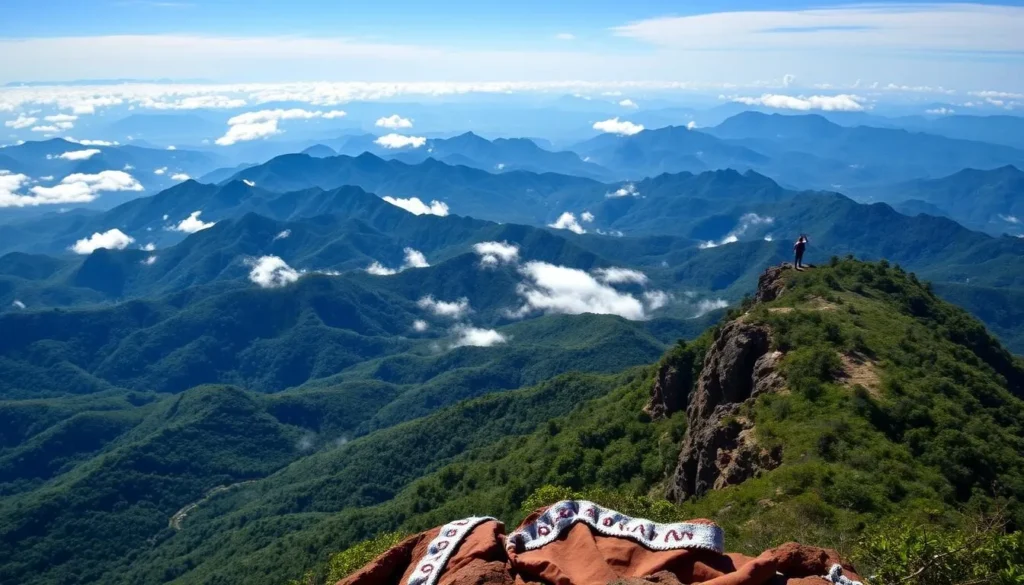
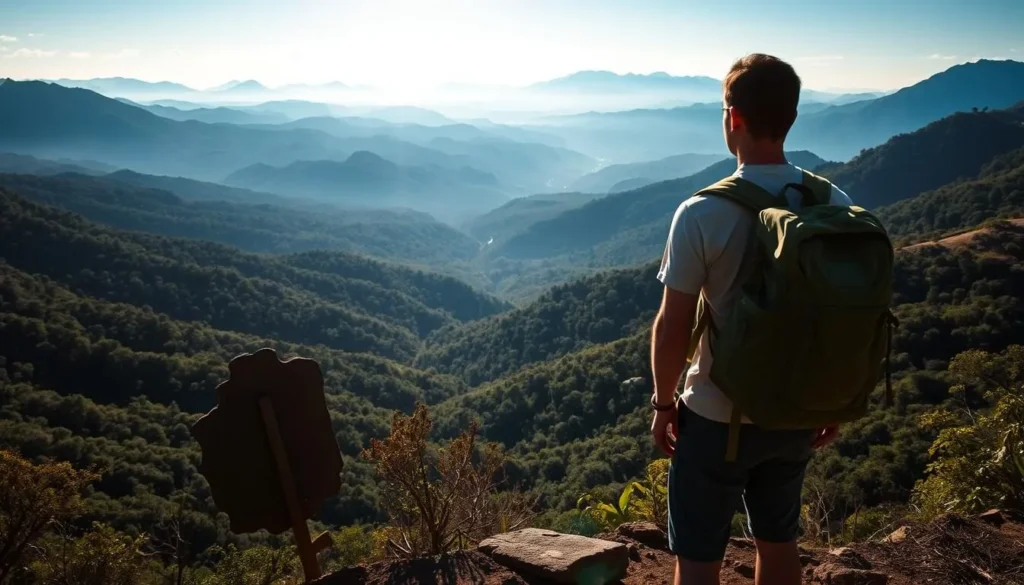
The crown jewel of Sierra de Agalta and Honduras’ fourth-highest peak at 2,354 m (7,723 ft). The challenging trek to the summit rewards hikers with panoramic views of cloud forests and, on clear days, glimpses of the distant Caribbean coast.
- Difficulty: Challenging
- Duration: 3-5 days (round trip)
- Guide: Required
Other Notable Attractions
Susmay Caves
An extensive cave system with crystal-clear underground waters perfect for snorkeling. The caves feature intricate formations and require a local guide to navigate safely.
Location: Northern section of the park
Activities: Cave exploration, swimming, snorkeling
El Carbon Community
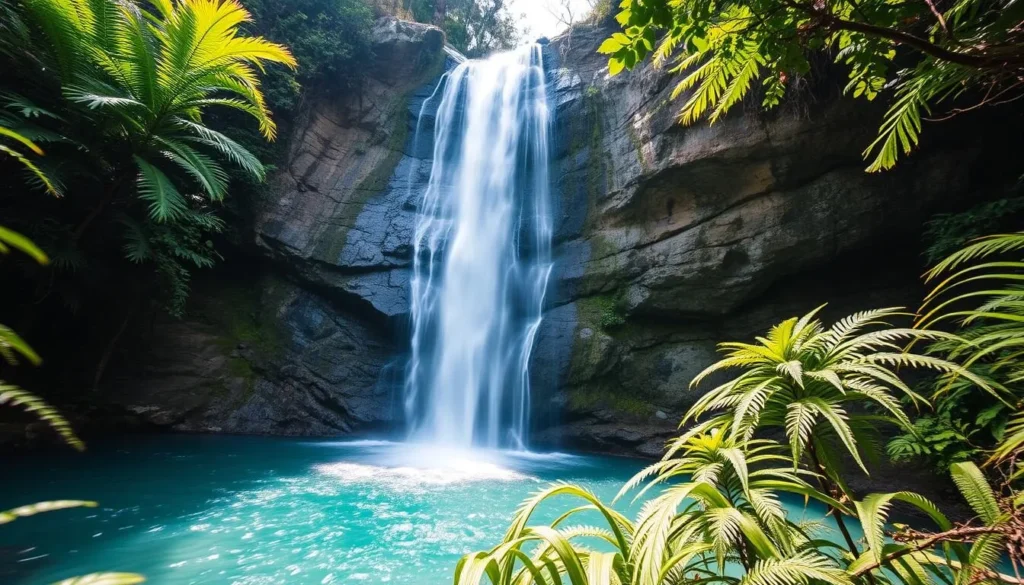
A small indigenous community of approximately 900 people working to preserve their cultural heritage through ecotourism. Visitors can explore pre-Hispanic ruins and hike to La Cascada, a 30+ meter (100+ ft) waterfall.
Location: Eastern edge of the park
Activities: Cultural tours, waterfall hikes
Cloudforest Trails
Network of trails through pristine cloudforest habitat, offering opportunities for wildlife viewing and bird watching. The diverse ecosystem supports hundreds of plant and animal species.
Location: Throughout the park
Activities: Hiking, photography, bird watching
Wildlife & Natural Highlights
Sierra de Agalta National Park is a biodiversity hotspot, sheltering numerous species within its varied ecosystems. From dense cloudforests to pine-oak woodlands, the park offers exceptional wildlife viewing opportunities for patient observers.
Notable Wildlife
Mammals
- Jaguar (rare, primarily nocturnal)
- Ocelot
- Howler monkeys
- Spider monkeys
- Tapir
- Collared peccary
- Anteater
Birds
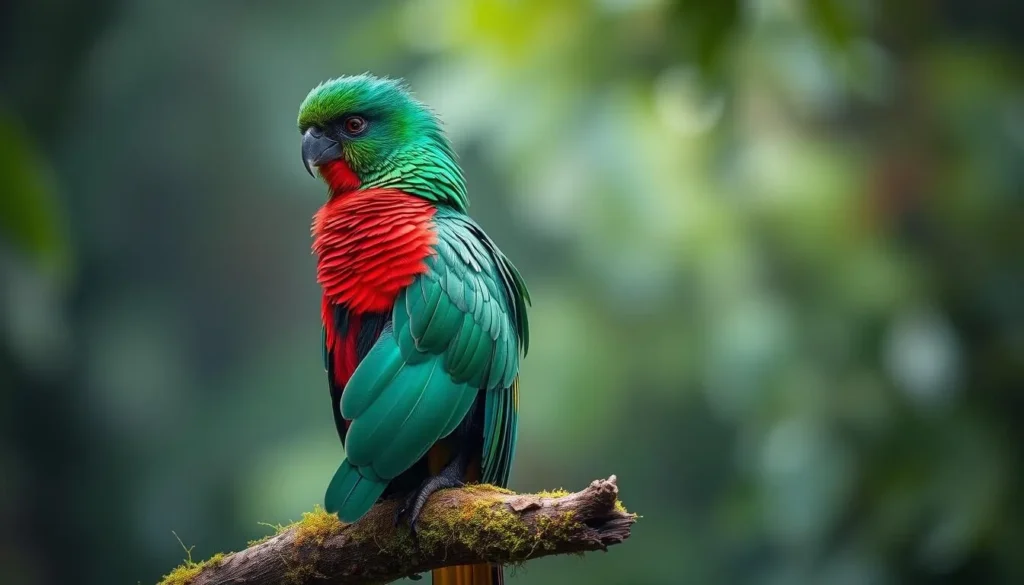
- Resplendent Quetzal
- Highland Guan
- White-eared Ground Sparrow
- Various trogon species
- Toucans
- Hummingbirds (multiple species)
- Hawk eagles
Ecosystems & Plant Life
The park encompasses several distinct ecosystems as elevation changes from valley floors to mountain peaks:
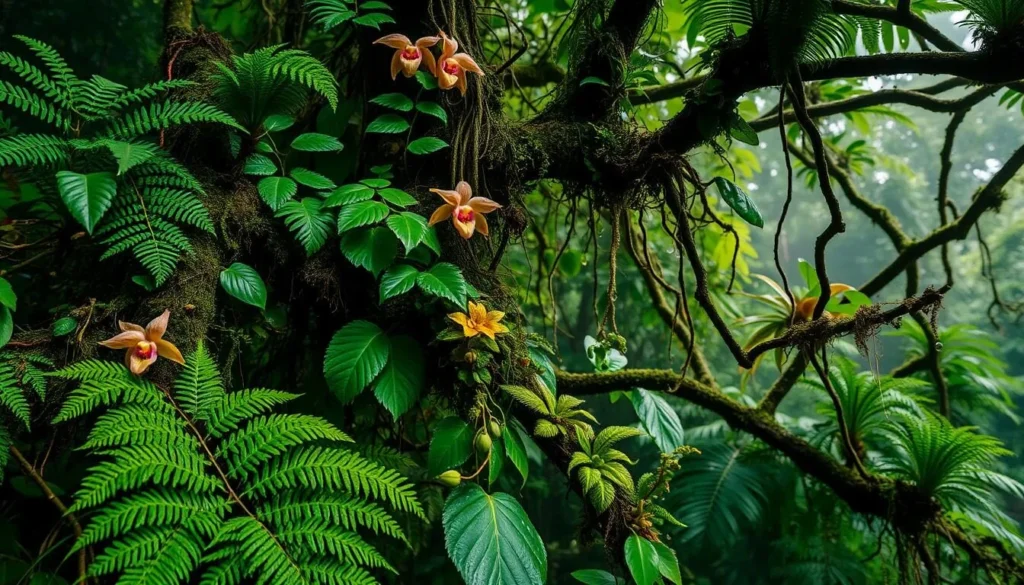
- Cloud Forest (1,800-2,300 m): Misty forests draped in epiphytes, mosses, and ferns. Home to orchids, bromeliads, and ancient tree species.
- Pine-Oak Forest (1,200-1,800 m): Mixed forests dominated by pine and oak species, with diverse understory plants.
- Tropical Dry Forest (below 1,200 m): Deciduous trees adapted to seasonal rainfall patterns.
- Dwarf Forest (above 2,300 m): Stunted trees and specialized plants adapted to high-altitude conditions.
Safety, Etiquette & Local Customs
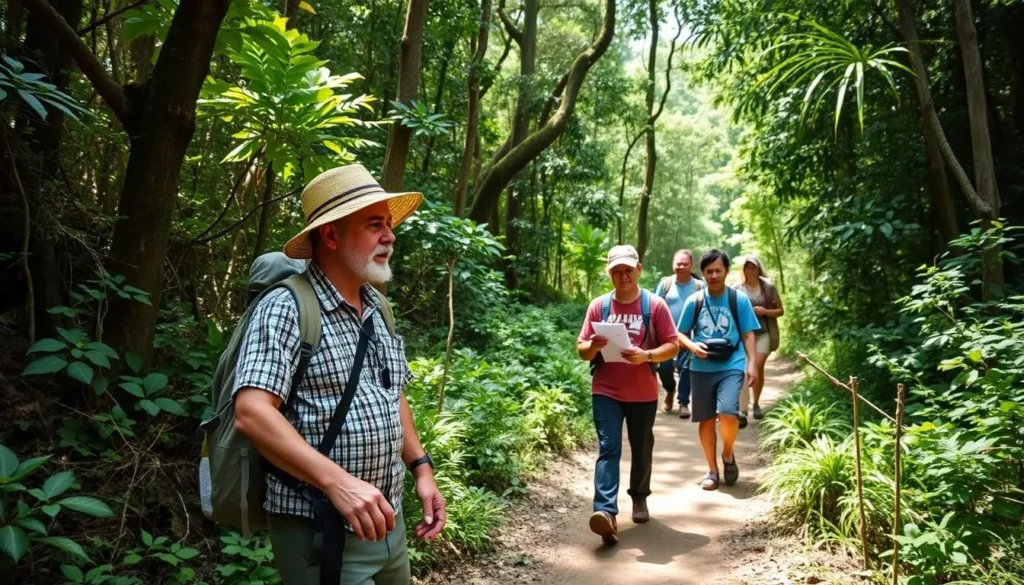
Visiting Sierra de Agalta National Park requires preparation and respect for both the natural environment and local communities. Following safety guidelines and cultural etiquette ensures a positive experience for all.
Safety Considerations
Important: Never hike alone in Sierra de Agalta. Always use a local guide who knows the terrain and can assist in emergencies.
- Communications: Cell service is extremely limited within the park. Consider renting a satellite phone for emergencies.
- Wildlife: Keep a safe distance from all wildlife. While dangerous encounters are rare, jaguars and other large mammals inhabit the park.
- Weather: Be prepared for sudden weather changes, especially at higher elevations where temperatures can drop significantly.
- Water: Treat all water before drinking, even from seemingly clear streams.
- Medical: The nearest medical facilities are in Catacamas and Juticalpa. Bring a comprehensive first aid kit.
Cultural Etiquette
The communities surrounding Sierra de Agalta maintain traditional lifestyles and customs. Respecting local practices enhances your experience and supports conservation efforts:
- Ask permission before photographing local people
- Dress modestly when visiting communities (cover shoulders and knees)
- Learn basic Spanish greetings and phrases
- Support local businesses and guides
- Respect private property and agricultural areas
Practical Travel Tips
Proper preparation is essential for enjoying Sierra de Agalta National Park. These practical tips will help you make the most of your visit to this remote wilderness area.
Essential Packing List
Hiking & Outdoor Gear
- Waterproof hiking boots with ankle support
- Quick-dry clothing (layers for variable temperatures)
- Rain jacket and waterproof pack cover
- Hat with brim for sun protection
- Hiking poles for steep terrain
- Headlamp or flashlight with extra batteries
- Binoculars for wildlife viewing
Health & Safety Items
- Comprehensive first aid kit
- Insect repellent (30%+ DEET)
- Sunscreen (SPF 30+)
- Water purification tablets or filter
- Personal medications
- Hand sanitizer
- Toilet paper (not available on trails)
Money & Documentation
The remote location of Sierra de Agalta means limited access to banking services:
- Bring sufficient cash (Honduran Lempiras) for your entire stay
- ATMs are available in Catacamas but not in smaller villages
- Most accommodations and guides accept only cash
- Carry your passport (and copies) securely at all times
- Consider travel insurance that covers emergency evacuation
“The true value of Sierra de Agalta isn’t just in its biodiversity, but in the sense of discovery it offers. This is Honduras as it was meant to be experienced—wild, authentic, and profoundly beautiful.”
Ready for Your Sierra de Agalta Adventure?
Sierra de Agalta National Park offers a rare glimpse into Central America’s pristine wilderness. From challenging mountain ascents to peaceful forest trails, the park rewards visitors with authentic natural experiences far from the tourist crowds. By respecting the environment, supporting local communities, and preparing adequately, you’ll discover one of Honduras’ most magnificent treasures.
0 Comments