

Did you know that Trujillo was the site of Christopher Columbus’s first mainland American landing in 1502? This historic Caribbean coastal town, once the first capital of Honduras under Spanish rule, remains one of Central America’s best-kept secrets. With its pristine beaches, colonial architecture, and rich Garifuna culture, Trujillo offers travelers an authentic Honduran experience away from the tourist crowds.
Getting to Trujillo & Planning Your Journey
Most international travelers arrive in Honduras through Ramón Villeda Morales International Airport in San Pedro Sula, located about 220 km (137 miles) from Trujillo. From there, you can rent a car for the scenic 4-hour drive or take a direct bus to Trujillo.
Alternatively, some travelers arrive via cruise ships that dock at Trujillo’s port. The town is becoming increasingly popular as a cruise destination, offering day-trippers a taste of authentic Honduras.
Best Time to Visit & Weather Tips
Trujillo enjoys a tropical climate with warm temperatures year-round. The best time to visit is during the dry season from February to June when temperatures average 28°C (82°F) with minimal rainfall. The wet season runs from September to January, bringing afternoon showers but also lush, green landscapes.
Dry Season (February-June)
- Average temperatures: 26-30°C (79-86°F)
- Minimal rainfall, perfect for beach activities
- Peak tourist season with optimal conditions
- Clearer waters for snorkeling and diving
Wet Season (September-January)
- Average temperatures: 24-28°C (75-82°F)
- Afternoon showers, but rarely all-day rain
- Fewer tourists and lower accommodation rates
- Lush green landscapes and vibrant flora

Getting Around Trujillo
Trujillo’s compact historic center is easily explored on foot, with most attractions within walking distance of the central plaza. For venturing to nearby beaches and natural attractions, you have several transportation options:
Transportation Options in Trujillo
- Taxis: Abundant and affordable, perfect for short trips around town. Negotiate the fare before getting in.
- Tuk-tuks: Three-wheeled vehicles that are cheaper than taxis and fun for short distances.
- Rental cars: Ideal for exploring the surrounding areas at your own pace. 4WD recommended for some rural roads.
- Collectivos: Shared vans that run to nearby towns and beaches on set routes.
Where to Stay in Trujillo
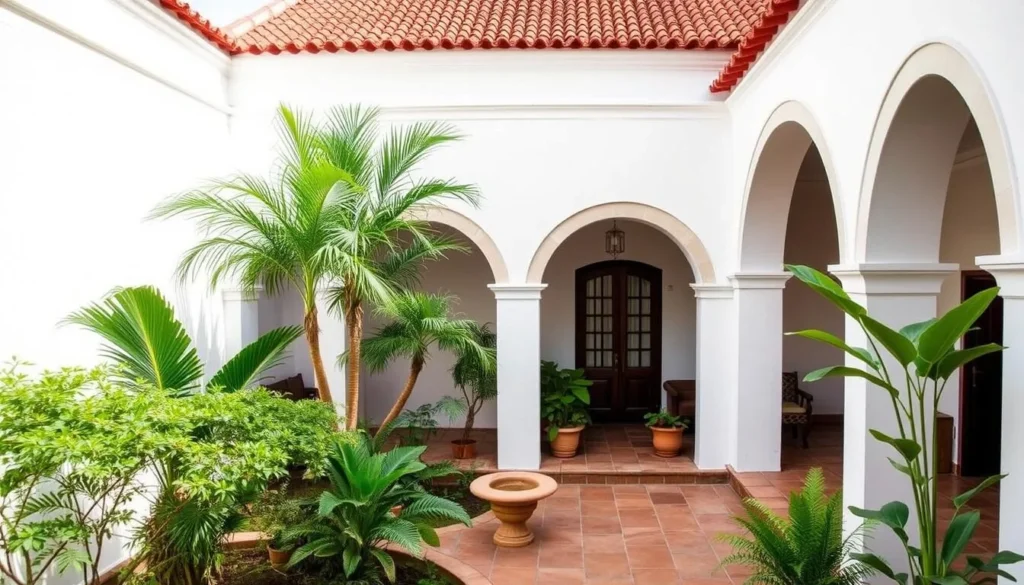
Trujillo offers a range of accommodations from budget-friendly hostels to boutique hotels with colonial charm. Most lodging options are concentrated around the historic center or along the beachfront.
Budget Options
Hostels and guesthouses in town start around $15-30 USD per night. Many offer basic but clean rooms with fans and shared bathrooms.
Mid-Range Hotels
For $40-80 USD, enjoy comfortable rooms with air conditioning, private bathrooms, and often breakfast included. Many are in restored colonial buildings.
Beachfront Resorts
Higher-end options ($100+ USD) offer amenities like pools, restaurants, and direct beach access with stunning Caribbean views.
Dining & Local Cuisine in Trujillo
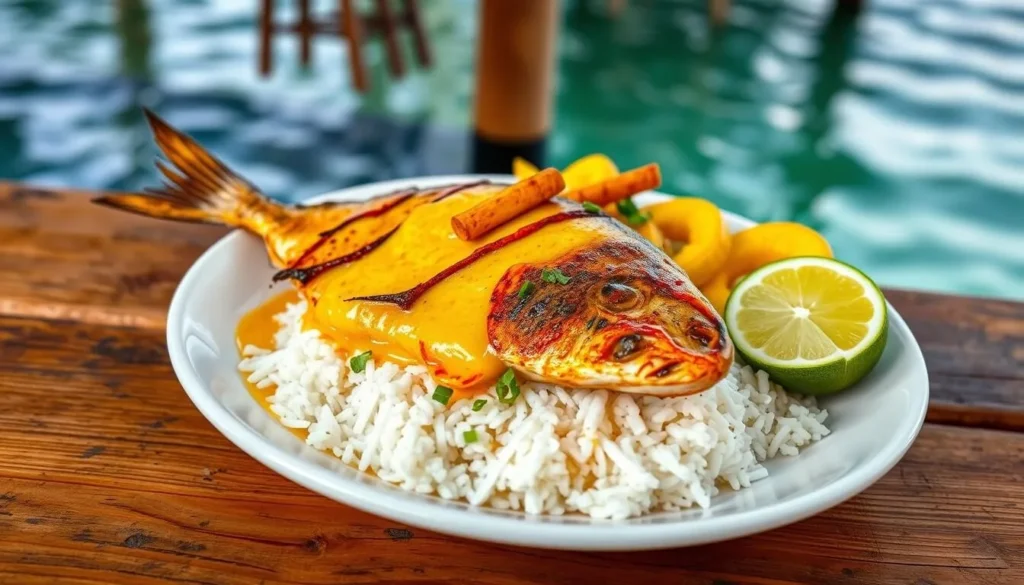
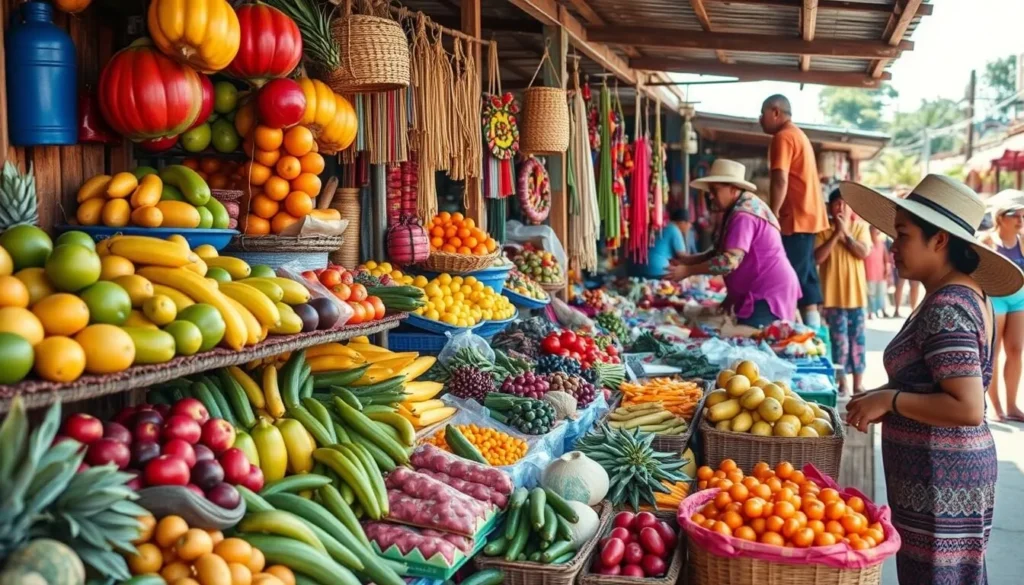
Trujillo’s cuisine blends Spanish, Caribbean, and indigenous influences, with seafood featuring prominently on most menus. The Garifuna culture also contributes unique flavors and cooking techniques that you won’t find elsewhere in Honduras.
Must-Try Local Dishes
- Sopa de Caracol: Conch soup with coconut milk, yucca, plantains, and spices – a Garifuna specialty.
- Pescado Frito: Whole fried fish served with plantains, rice, and beans.
- Tapado: Seafood stew with coconut milk, popular among the Garifuna community.
- Baleadas: Flour tortillas filled with refried beans, cheese, and cream – a Honduran staple.
- Tajadas: Fried plantain chips often served with meat and cabbage salad.
- Coconut Bread: Sweet bread made with coconut, a local specialty.
- Gifiti: Traditional Garifuna liquor made with herbs and roots.
- Machuca: Mashed plantains with coconut soup and seafood.
“The seafood in Trujillo is some of the freshest you’ll find anywhere in Central America. Don’t miss trying the local Garifuna dishes – they represent a unique culinary tradition found nowhere else.”
Top Attractions & Sightseeing in Trujillo
Trujillo blends historical sites, natural beauty, and cultural experiences. Here are the must-visit attractions that should be on every traveler’s itinerary:
Fortaleza de Santa Bárbara
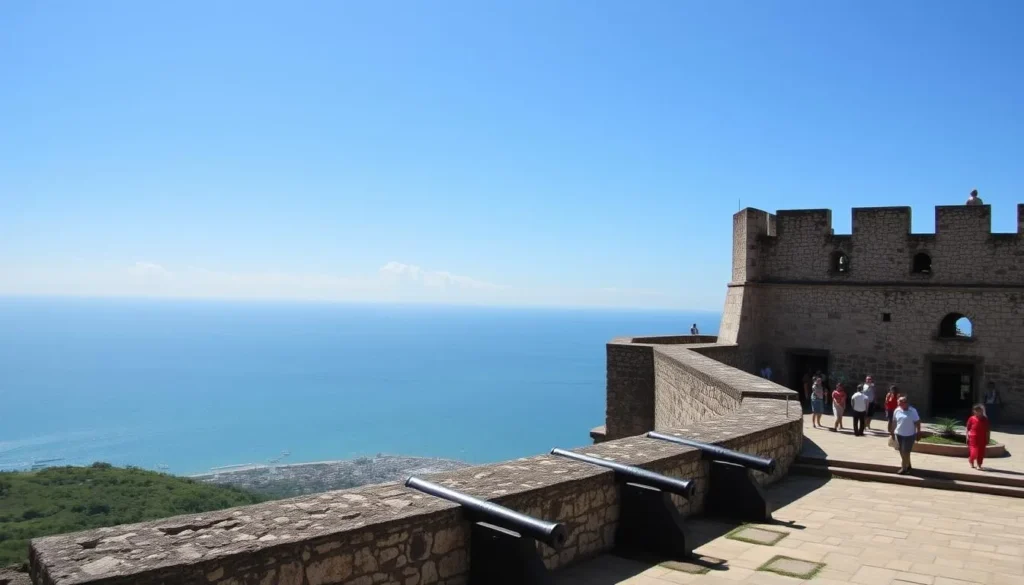
This 17th-century Spanish fortress was built to protect the city from pirate attacks. Today, it houses a small museum with pre-Hispanic artifacts and offers spectacular views of Trujillo Bay. The site where American mercenary William Walker was executed in 1860 is marked within the fortress grounds.
- Opening hours: 8:00 AM – 5:00 PM daily
- Entrance fee: 50 Lempiras (approx. $2 USD)
- Guided tours available in Spanish and English
Trujillo Cathedral
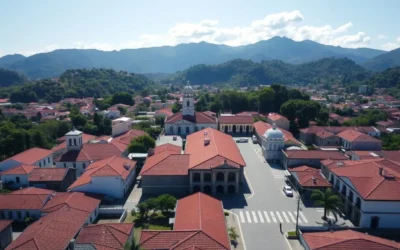
The San Juan Bautista Cathedral in the central plaza dates back to colonial times and features beautiful architecture. The cathedral has been restored several times but maintains its historical charm and serves as the spiritual center of the community.
Old Cemetery (Cementerio Viejo)
This 300-year-old cemetery contains the grave of William Walker and other historical figures. The weathered tombstones and overgrown paths create an atmospheric glimpse into Trujillo’s past. It’s located near the fortress.
Natural Attractions
Trujillo Beach
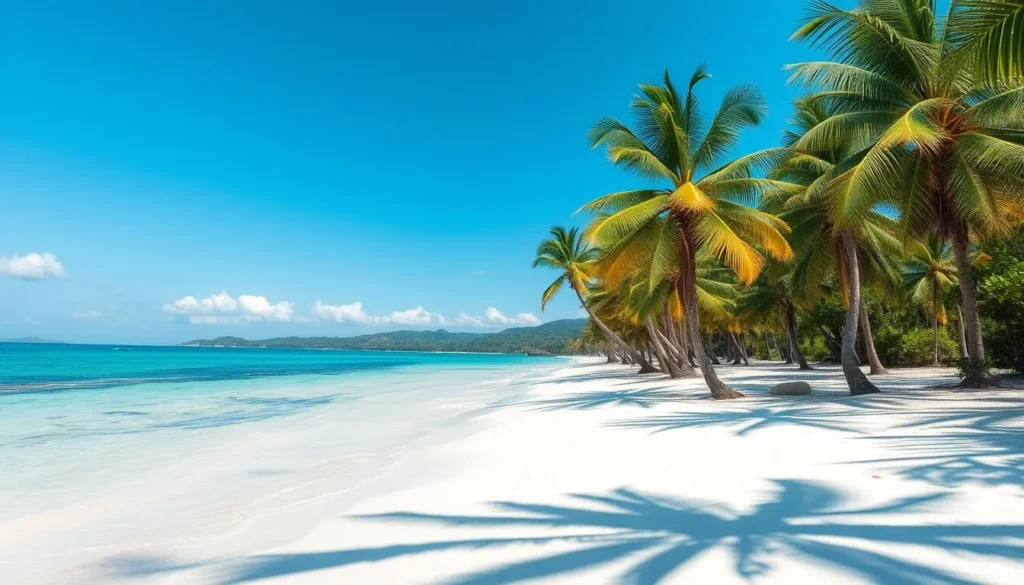
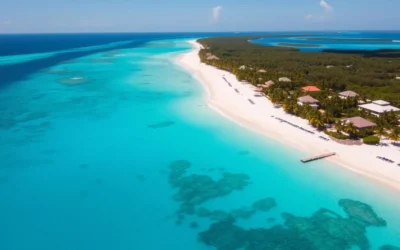
The main beach stretches for several kilometers with white sand and clear waters. It’s perfect for swimming, sunbathing, and watching local fishermen bring in their daily catch. Several beachfront restaurants serve fresh seafood.
Capiro and Calentura National Park
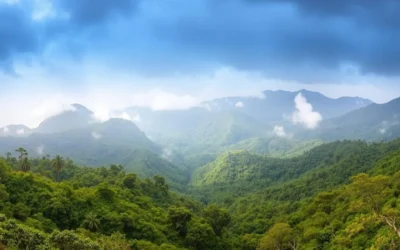
This protected area just outside town offers hiking trails through tropical forest with diverse wildlife, including howler monkeys and exotic birds. The park covers both mountains and provides spectacular views of the bay.
Cultural Experiences & Museums
Trujillo’s rich cultural heritage blends Spanish colonial influences with indigenous traditions and Garifuna culture, creating a unique cultural tapestry.
Garifuna Culture
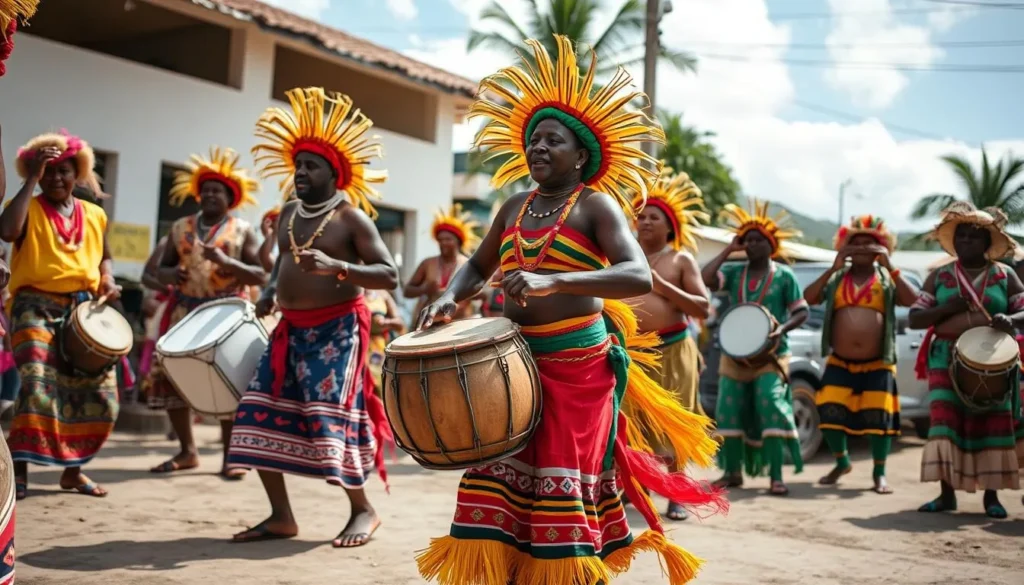
The Garifuna people, descendants of shipwrecked African slaves who intermarried with indigenous Caribs, have a strong presence in Trujillo. Their unique language, music, dance, and cuisine have been recognized by UNESCO as a Masterpiece of the Oral and Intangible Heritage of Humanity.
Garifuna Villages
Visit nearby Garifuna communities like Santa Fe and San Antonio to experience authentic cultural demonstrations, traditional punta dancing, and drum performances. Many villages welcome visitors and offer cultural tours.
Archaeological Museum
Located near the fortress, this small museum houses pre-Columbian artifacts, colonial-era items, and exhibits on local history. It provides valuable context for understanding the region’s rich past.
Cultural Tip: If you visit during May or June, you might catch the Garifuna Settlement Day celebrations, featuring traditional music, dance performances, and special foods that commemorate the arrival of the Garifuna people to Central America.
Outdoor Adventures & Natural Experiences
Beyond its historical sites, Trujillo offers numerous opportunities for nature lovers and adventure seekers to explore the region’s diverse ecosystems.
Guaimoreto Lagoon
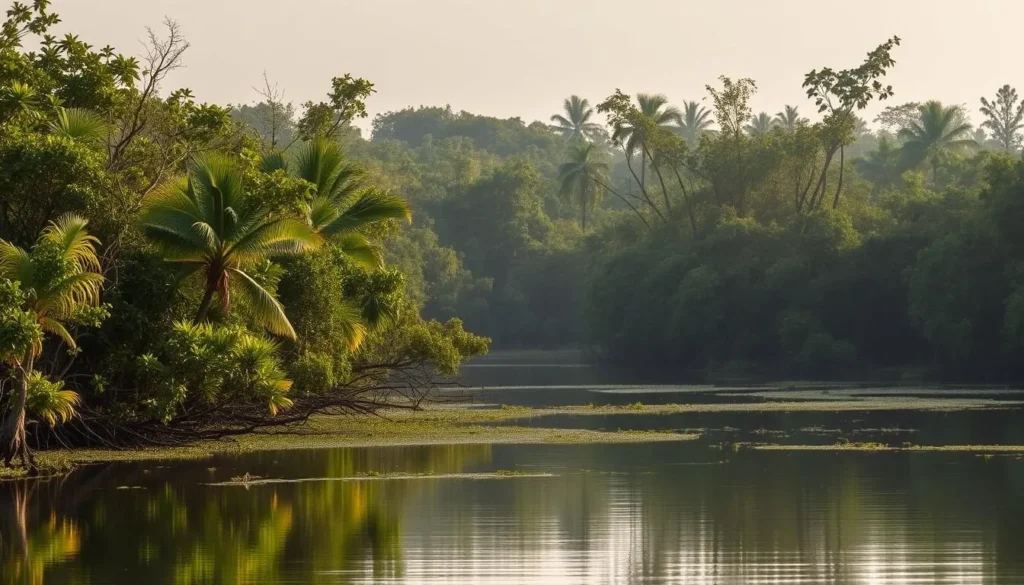
This protected wetland area is a paradise for birdwatchers and nature enthusiasts. Take a boat tour through mangrove channels to spot herons, kingfishers, and other wildlife. The lagoon is located just east of Trujillo.
Banco de Estrellas
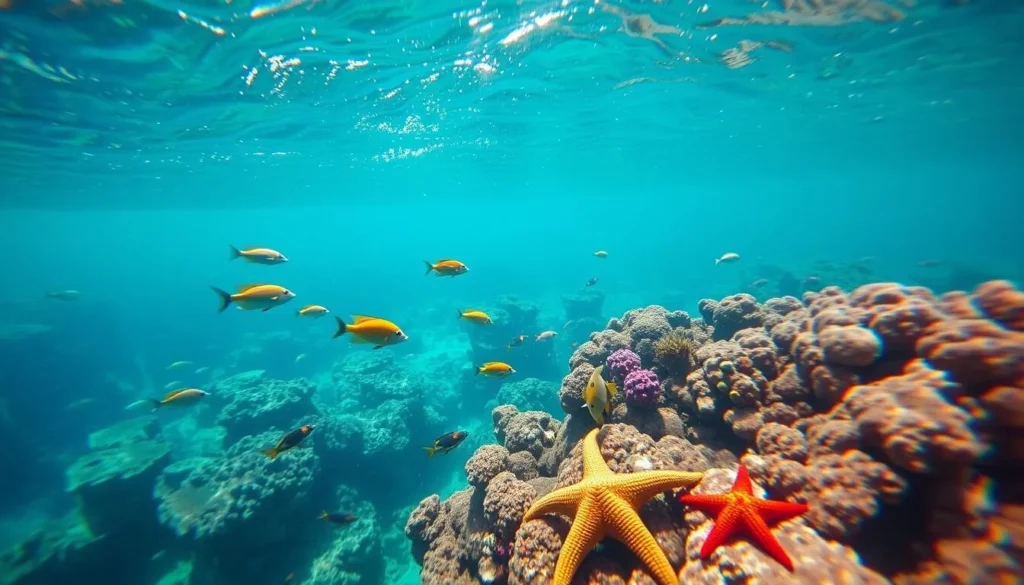
Trujillo’s famous “Starfish Bank” is a unique marine area where you can find around 30 different types of starfish in one location. Snorkeling tours take you to this remarkable underwater attraction.
Hot Springs
The natural hot springs (Aguas Calientes) near the village of Silin offer a relaxing experience. These thermal pools surrounded by tropical forest make for a perfect day trip from Trujillo.
Safety Tips & Local Customs
While Trujillo is generally safe for tourists, it’s always wise to take standard precautions and respect local customs during your visit.
Safety Recommendations
- Avoid displaying expensive jewelry or electronics, especially in crowded areas.
- Use official taxis or transportation arranged through your hotel, particularly at night.
- Keep a photocopy of your passport and store the original in your hotel safe.
- Stay on marked trails when hiking in national parks.
- Apply insect repellent to protect against mosquitoes, especially during the rainy season.
Local Customs & Etiquette
- Greetings are important – a simple “Buenos días” (good morning) or “Buenas tardes” (good afternoon) goes a long way.
- Ask permission before photographing local people, especially in Garifuna communities.
- Dress modestly when visiting churches or religious sites.
- Tipping 10% is customary in restaurants if service charge isn’t included.
- Learning a few basic Spanish phrases will be greatly appreciated by locals.
Practical Travel Tips
These essential details will help you navigate your Trujillo adventure with ease:
Currency & Money
The official currency is the Honduran Lempira (HNL). While some tourist establishments accept US dollars, it’s best to carry local currency for smaller shops and restaurants. ATMs are available in town, but it’s wise to bring some cash as backup.
Language
Spanish is the official language, though you’ll hear Garifuna spoken in some communities. English is limited to tourist areas, so learning basic Spanish phrases will enhance your experience and help with navigation.
Connectivity
Wi-Fi is available in most hotels and some restaurants, though connection speeds may be slower than you’re used to. Local SIM cards can be purchased for data access if needed during your stay.
Is Trujillo worth visiting?
Absolutely! Trujillo offers a unique blend of colonial history, Caribbean beaches, and Garifuna culture that you won’t find in more touristy parts of Honduras. It’s perfect for travelers seeking authentic experiences off the beaten path.
How many days should I spend in Trujillo?
Three to four days is ideal to explore the town’s historical sites, enjoy the beaches, and take day trips to nearby attractions like Garifuna villages and natural areas. This gives you enough time to experience Trujillo without rushing.
What should I pack for Trujillo?
Light, breathable clothing, sun protection (hat, sunscreen, sunglasses), insect repellent, comfortable walking shoes, and a light rain jacket if visiting during the wet season. Don’t forget swimwear and a reusable water bottle.
Ready to Explore Trujillo?
With its rich history, stunning beaches, and vibrant culture, Trujillo offers a genuine Honduran experience that combines relaxation with adventure. From exploring colonial fortresses to immersing yourself in Garifuna traditions or simply unwinding on pristine Caribbean beaches, this hidden gem on Honduras’ north coast promises unforgettable memories.


0 Comments