
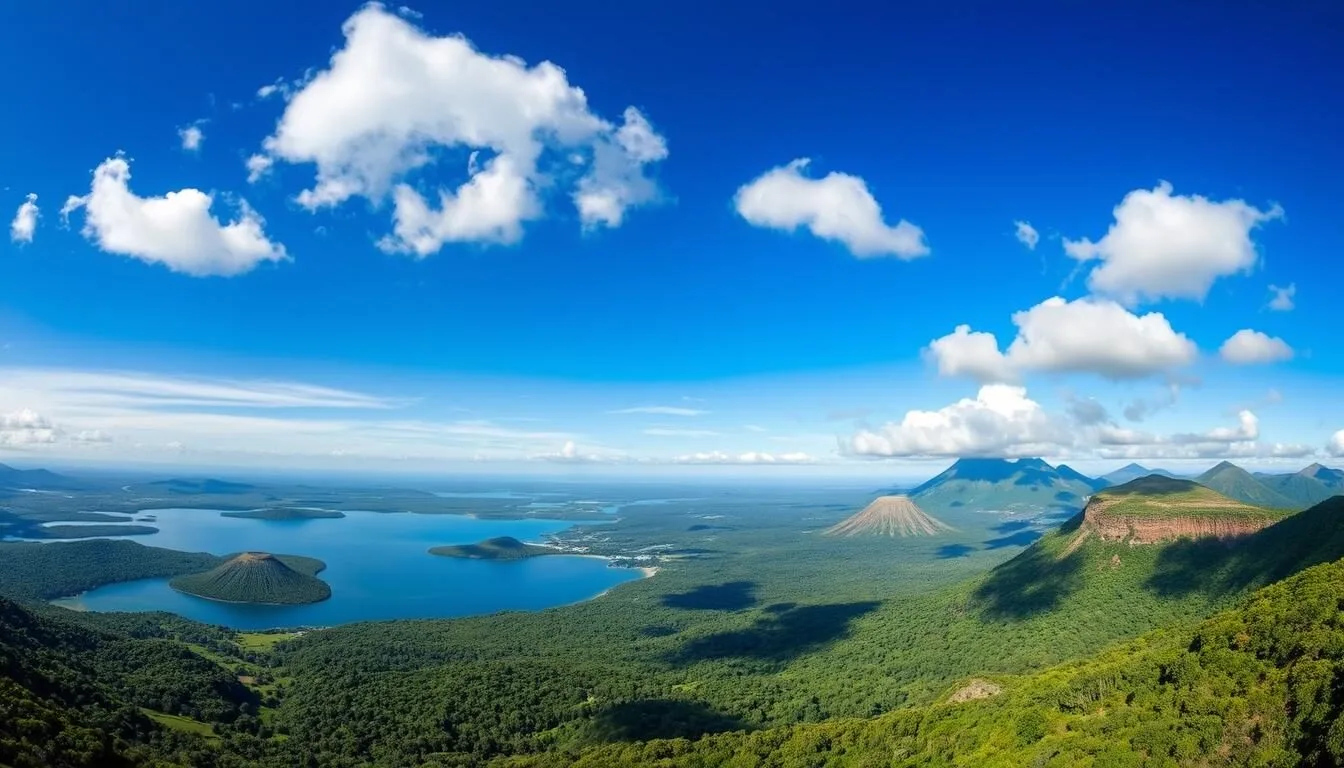
Did you know Nicaragua is home to the only freshwater lake in the world containing oceanic marine life, including sharks that have adapted to freshwater? This fascinating fact is just one glimpse into what makes this Central American gem so extraordinary. Nestled between Honduras and Costa Rica, Nicaragua offers travelers an authentic experience with its stunning volcanic landscapes, colonial architecture, pristine beaches, and rich cultural heritage.
Whether you’re seeking adventure, relaxation, or cultural immersion, Nicaragua delivers with remarkable diversity and surprisingly affordable prices. Let’s explore the best things to do in this underrated destination that’s quickly gaining popularity among savvy travelers.
Getting to Nicaragua
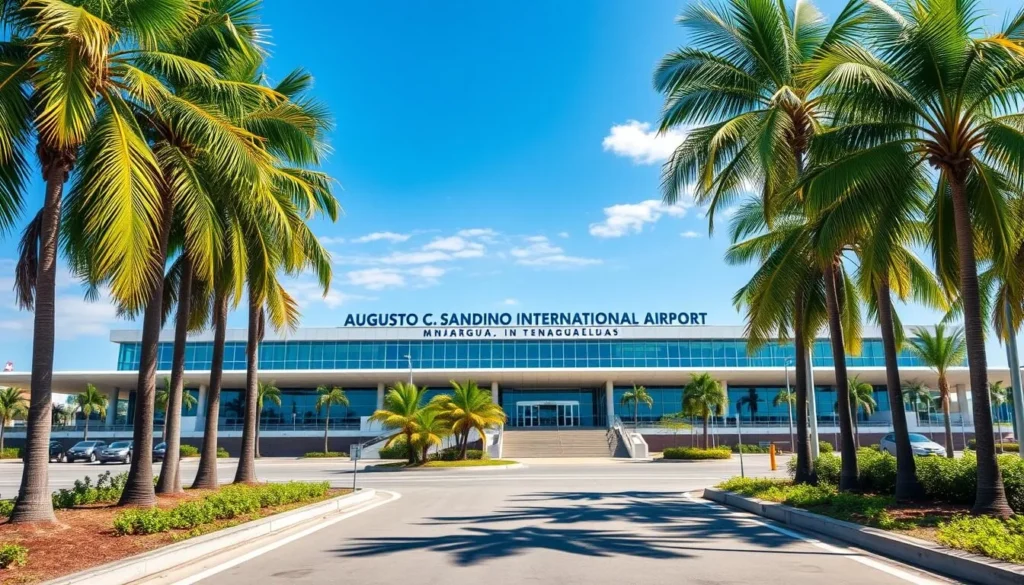
Most international travelers arrive at Augusto C. Sandino International Airport in Managua, the country’s capital. Direct flights are available from major hubs in the United States, including Miami, Fort Lauderdale, and Houston. Travelers from Europe typically connect through the U.S. or Panama City.
Alternatively, you can enter Nicaragua by land from neighboring Honduras or Costa Rica if you’re doing a multi-country Central American journey. Many travelers also arrive by bus from these countries, with several companies offering comfortable coach services.
Best Time to Visit Nicaragua
Nicaragua has two distinct seasons: the dry season (November to April) and the rainy season (May to October). The dry season is generally considered the best time to visit, with sunny days and minimal rainfall, making it ideal for exploring volcanoes, beaches, and cities.
Dry Season (November-April)
- Perfect weather for outdoor activities
- Ideal for volcano boarding and hiking
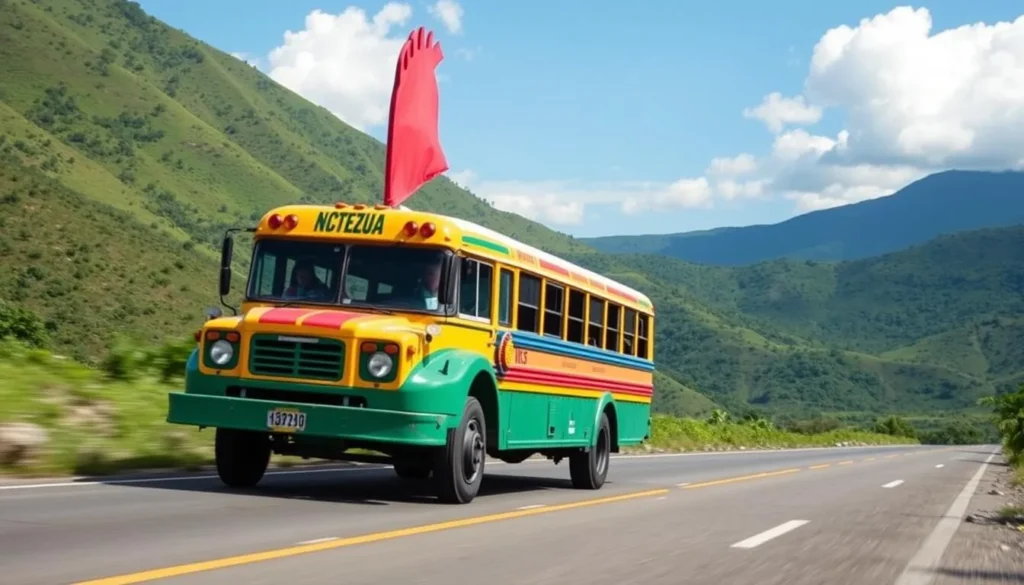
- Best time for beach visits
- Peak tourist season (book accommodations in advance)
- Higher prices for accommodations
Rainy Season (May-October)
- Lush, green landscapes
- Fewer tourists and lower prices
- Morning activities with afternoon showers
- Better surfing conditions
- Some rural roads may become difficult to navigate
If you’re planning to surf, the rainy season offers better waves, particularly along the Pacific coast. For wildlife enthusiasts, the transition months (April/May and October/November) can be excellent for spotting animals and birds.
Getting Around Nicaragua
Nicaragua offers several transportation options to help you explore the country efficiently. Your choice will depend on your budget, itinerary, and comfort preferences.
Public Transportation
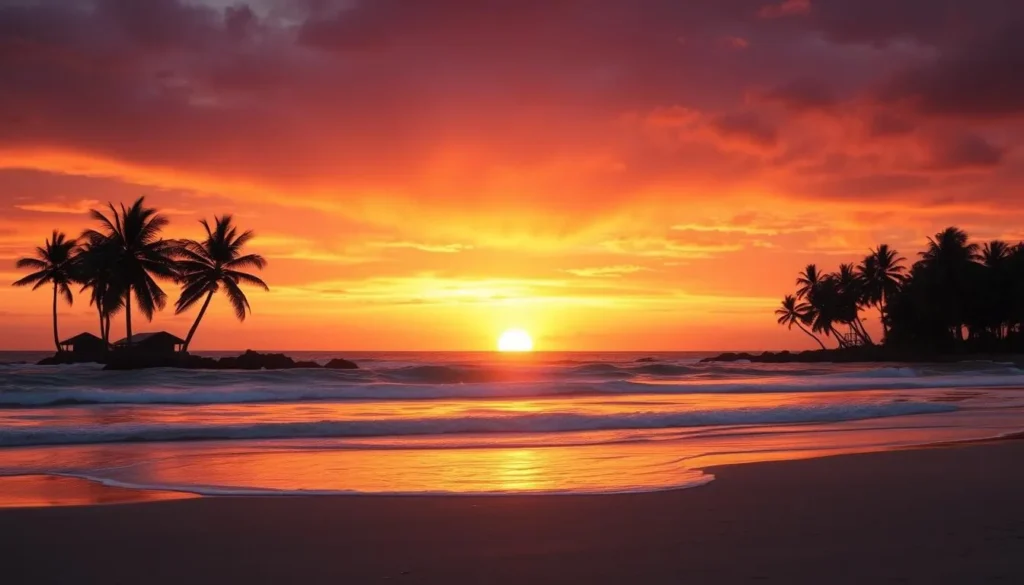
Chicken buses (colorfully painted former U.S. school buses) are the most authentic and budget-friendly way to travel between towns and cities. While they’re certainly an experience, they can be crowded and uncomfortable for long journeys.
For longer distances, consider express buses (microbuses or shuttle vans), which are more comfortable and make fewer stops, though they cost a bit more than chicken buses.
Rental Cars
For maximum flexibility, especially if you plan to explore remote areas, renting a car is an excellent option. Major roads connecting cities are generally in good condition, but a 4WD vehicle is recommended if you plan to venture off the beaten path.
Taxis and Rideshares
Taxis are plentiful in cities and towns. Always negotiate the fare before getting in, as most taxis don’t use meters. In Managua, you can also use ride-hailing apps like Uber for convenience.
Where to Stay in Nicaragua
Nicaragua offers accommodations for every budget and travel style, from luxury resorts to backpacker hostels. Here are some recommended areas to base yourself during your visit:
Granada
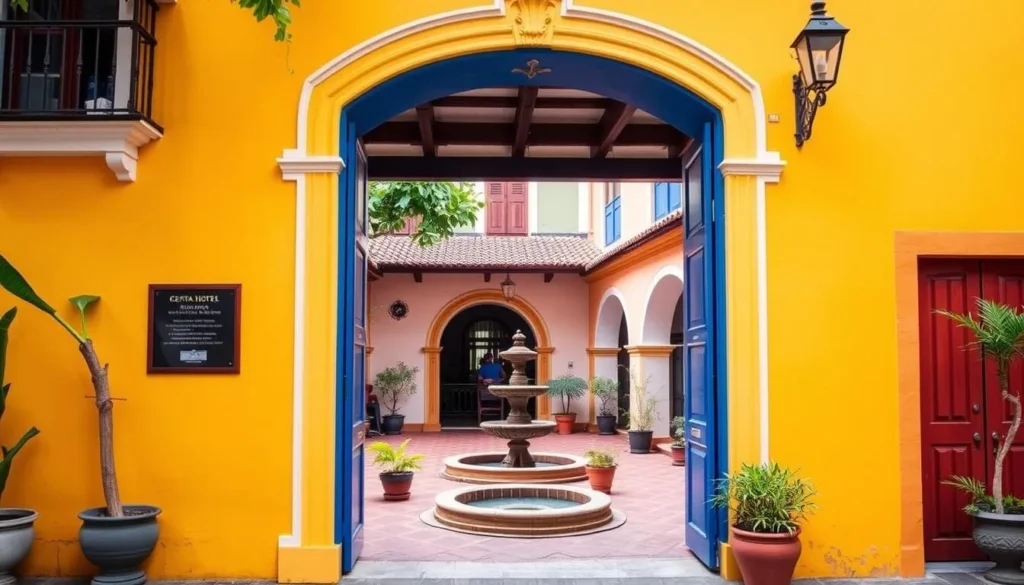
Stay in this colonial gem for easy access to Lake Nicaragua, Masaya Volcano, and Laguna de Apoyo. The city offers beautiful boutique hotels in restored colonial buildings.
León
Base yourself here for volcano boarding at Cerro Negro and to experience authentic Nicaraguan culture in a university town with vibrant nightlife.
San Juan del Sur
Perfect for beach lovers and surfers, with options ranging from luxury resorts to budget-friendly hostels and everything in between.
For a unique experience, consider staying at an eco-lodge on Ometepe Island or in the cloud forests near Matagalpa. These sustainable accommodations offer an immersive natural experience while supporting local conservation efforts.
Top 10 Things to Do in Nicaragua
Nicaragua offers an incredible variety of experiences for every type of traveler. Here are the absolute best things to do during your visit:
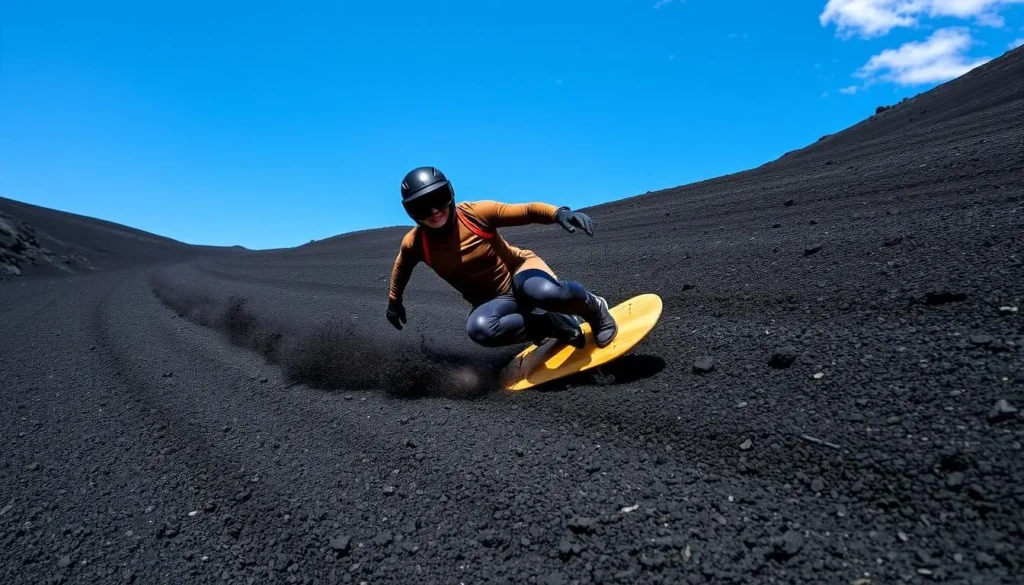
1. Go Volcano Boarding at Cerro Negro
One of Nicaragua’s most unique adventures is sliding down the active Cerro Negro volcano on a wooden board. Located near León, this thrilling activity combines a moderate hike up the volcano with an exhilarating descent that can reach speeds of up to 30 mph. Tour operators provide all necessary equipment, including protective gear and boards.
2. Explore Colonial Granada
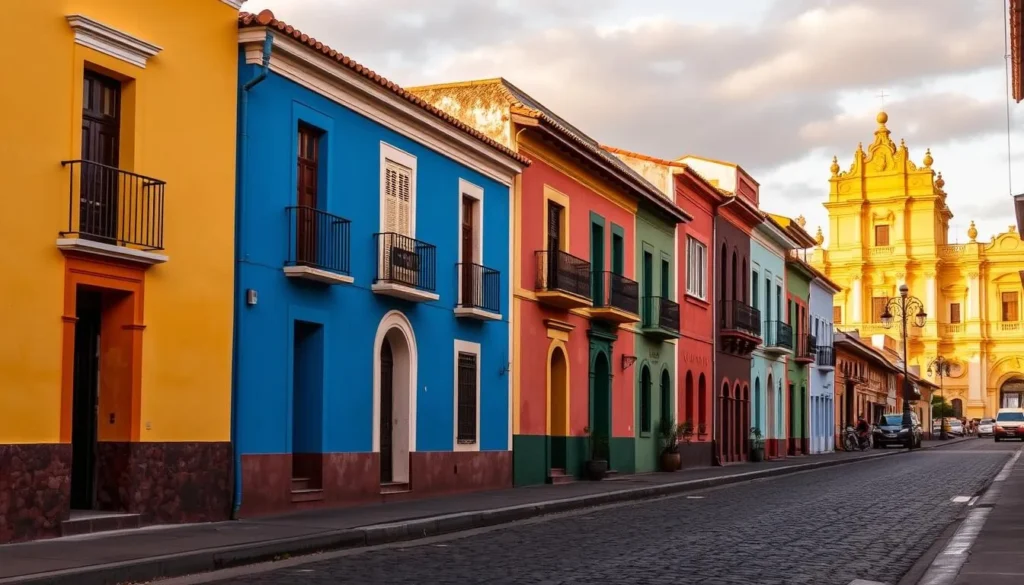
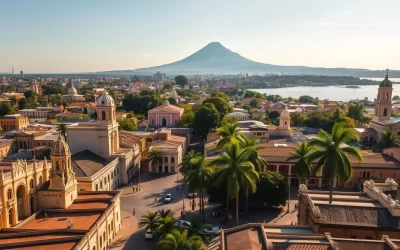
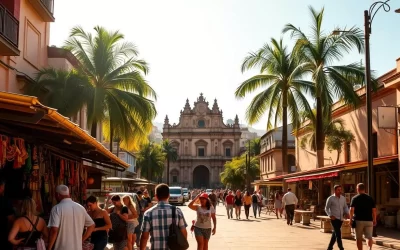
Granada is one of the oldest colonial cities in the Americas and a photographer’s dream with its colorful buildings, cobblestone streets, and stunning architecture. Don’t miss the Cathedral, La Merced Church (climb the bell tower for panoramic views), and the bustling Central Park. A horse-drawn carriage tour is a charming way to see the highlights.
3. Visit Ometepe Island
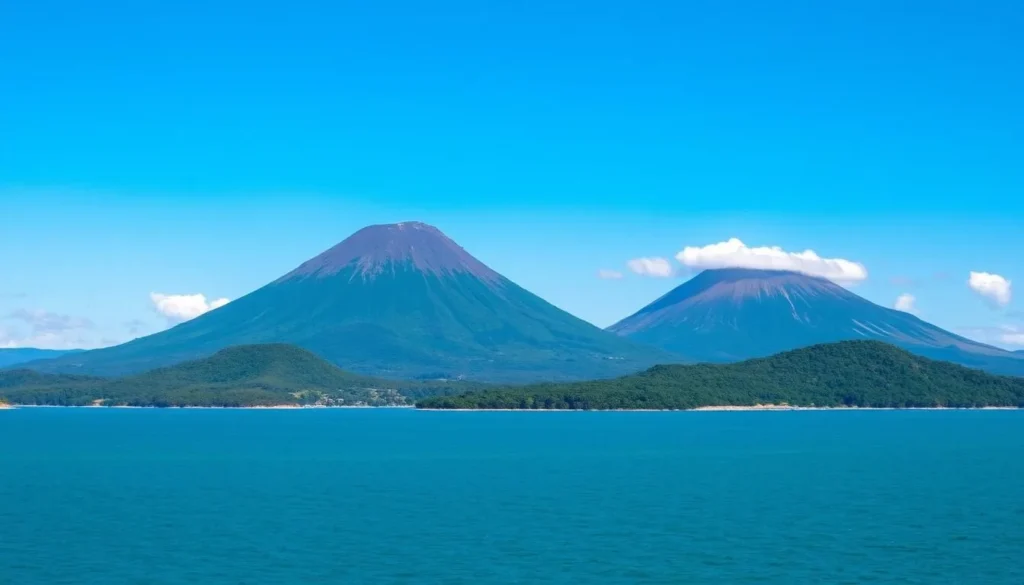
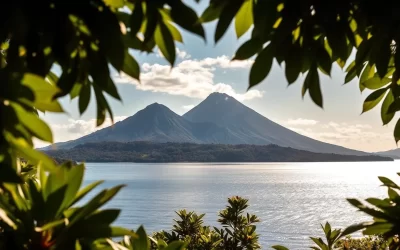
This magical island formed by two volcanoes (Concepción and Maderas) rising from Lake Nicaragua offers hiking, kayaking, swimming in natural springs, and exploring archaeological sites. Don’t miss Ojo de Agua, a crystal-clear natural spring pool perfect for a refreshing swim after hiking.
4. Surf in San Juan del Sur
Nicaragua’s Pacific coast offers world-class surfing for all skill levels. San Juan del Sur serves as the perfect base to access numerous beaches with consistent waves. Beginners should head to Playa Maderas, while more experienced surfers can challenge themselves at Popoyo or Playa Colorado.
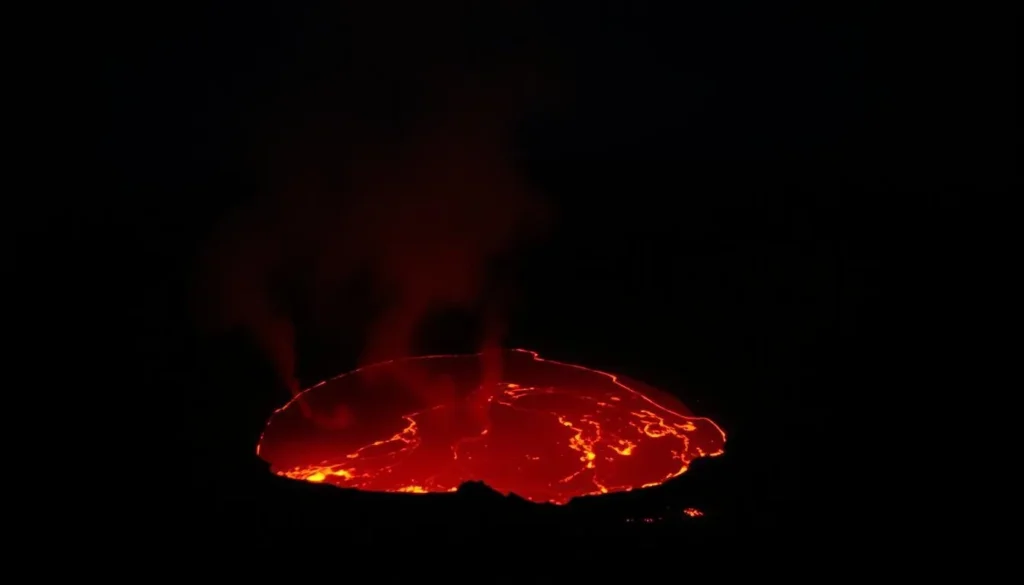
5. Witness the Lava Lake at Masaya Volcano
One of the few places in the world where you can see an active lava lake, Masaya Volcano National Park offers a truly spectacular natural phenomenon. Evening tours allow you to peer into the crater and witness the bubbling lava below—an unforgettable experience.
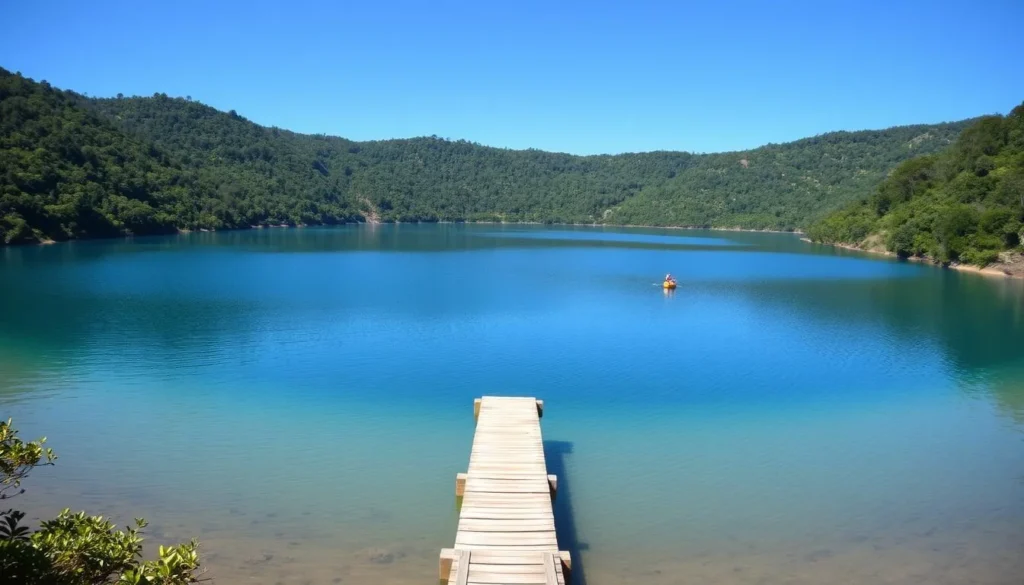
6. Relax at Laguna de Apoyo
This pristine crater lake offers the perfect day of relaxation with its warm, clean waters ideal for swimming, kayaking, and paddleboarding. Just 30 minutes from Granada, the lake is surrounded by a nature reserve with hiking trails and abundant wildlife.
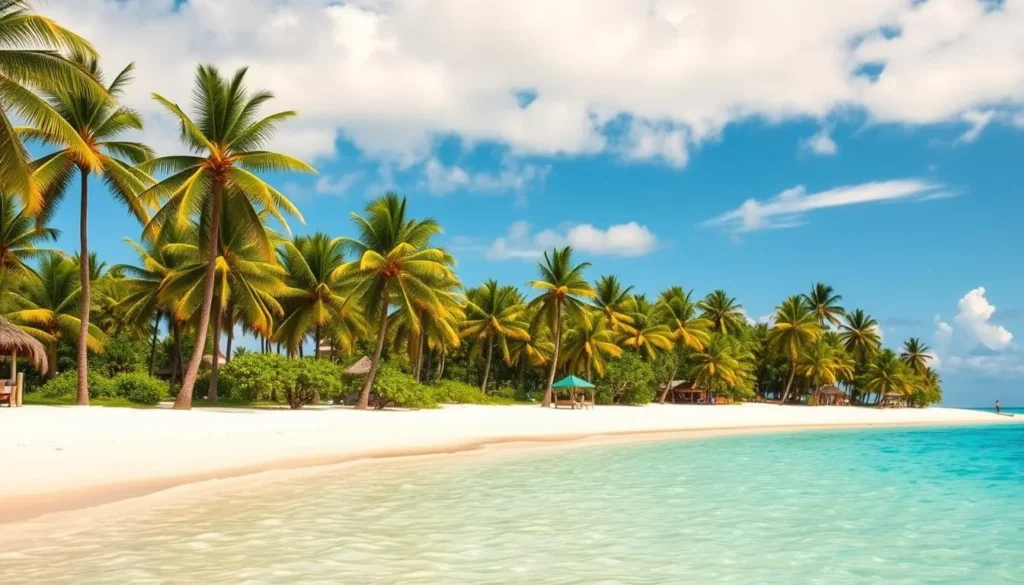
7. Visit the Corn Islands
For Caribbean paradise without the crowds, head to Big Corn and Little Corn Islands off Nicaragua’s eastern coast. With pristine beaches, crystal-clear waters perfect for snorkeling and diving, and a laid-back atmosphere, these islands offer a perfect tropical getaway.
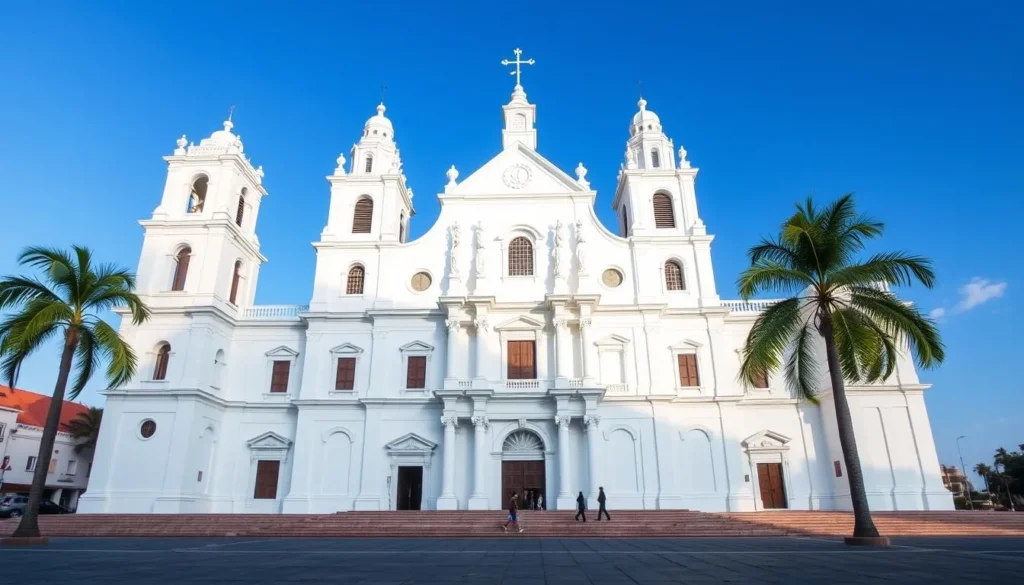
8. Explore León’s Revolutionary History
Nicaragua’s intellectual and revolutionary capital offers fascinating museums, beautiful churches, and vibrant street art. Visit the Museum of the Revolution for first-hand accounts from former revolutionaries, and don’t miss the rooftop of León Cathedral—the largest in Central America—for panoramic city views.
9. Tour a Coffee Plantation
In the northern highlands around Matagalpa and Jinotega, coffee tours offer insight into Nicaragua’s famous export. Learn about the entire process from bean to cup, with opportunities to pick coffee beans (in season), see processing facilities, and of course, sample the finished product.

10. Shop at Masaya Artisan Market
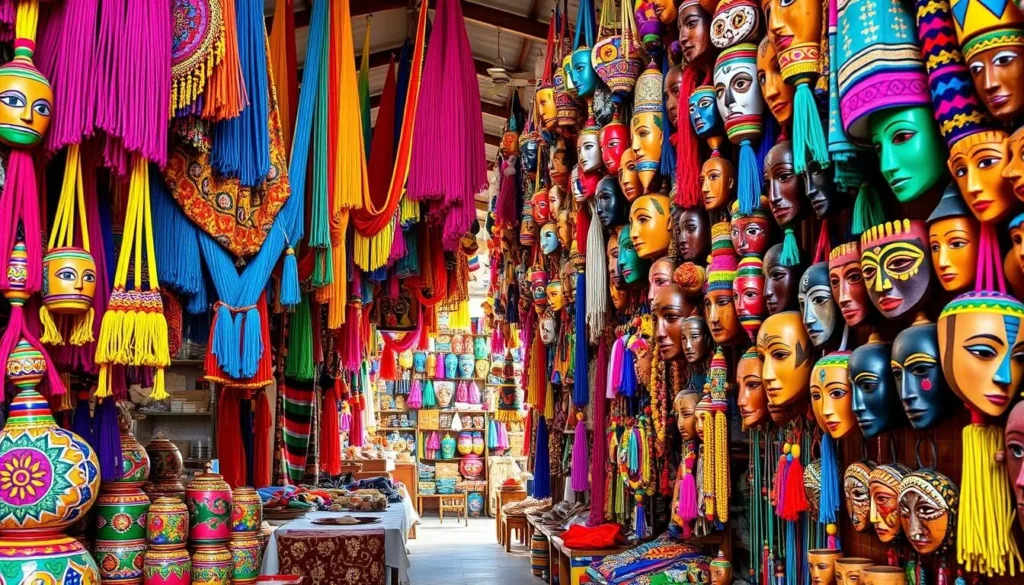
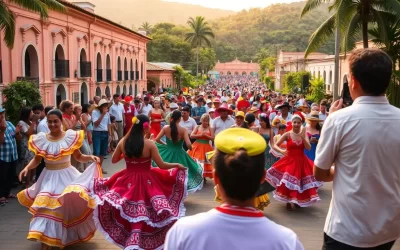
Nicaragua’s largest handicraft market in Masaya is the perfect place to purchase authentic souvenirs. Browse colorful hammocks, ceramics, woodcarvings, leather goods, and textiles made by local artisans. Visit on Thursday evenings for the Verbena night market with traditional food, music, and dance performances.
Nicaraguan Cuisine: What to Eat
Nicaraguan food blends indigenous, Spanish, and Creole influences to create unique and flavorful dishes. Here are some must-try local specialties:
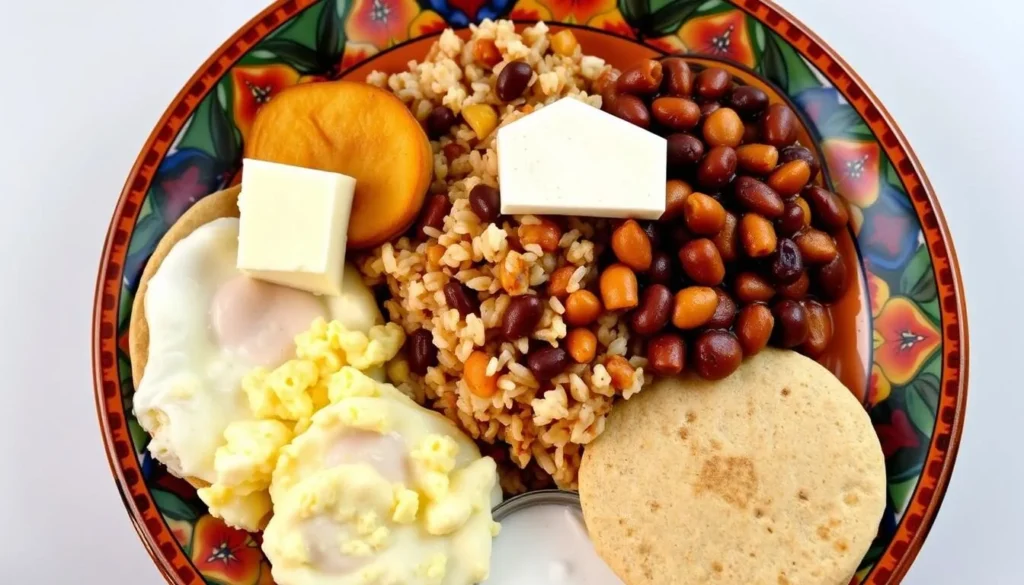
Gallo Pinto
The national dish combining rice and beans, typically served with breakfast alongside eggs, cheese, plantains, and tortillas.
Vigorón
A traditional dish from Granada featuring yuca (cassava), chicharrón (fried pork skin), and a cabbage salad served on a banana leaf.
Quesillo
Street food consisting of soft cheese wrapped in a tortilla with onions, cream, and salt, often served in a plastic bag with the juices to sip.
Don’t miss trying Nicaragua’s award-winning Flor de Caña rum, available in various ages. For a refreshing non-alcoholic option, try pinolillo, a traditional drink made from ground corn and cacao.
Practical Tips for Visiting Nicaragua
Safety
Nicaragua is generally considered one of the safer countries in Central America, but standard precautions apply. Avoid displaying valuables, use official taxis (especially at night), and stay informed about current conditions. Most tourist areas are well-patrolled and safe for visitors.
Money
The local currency is the Córdoba (NIO), but US dollars are widely accepted in tourist areas. ATMs are available in major cities and towns, but it’s wise to carry some cash when venturing to remote areas. Credit cards are accepted at larger establishments but may incur foreign transaction fees.
Language
Spanish is the official language. While English is spoken in tourist areas and higher-end establishments, learning basic Spanish phrases will greatly enhance your experience and is appreciated by locals.
Health
No special vaccinations are required, but it’s recommended to be up-to-date on routine vaccines. Drink bottled or purified water, and use insect repellent, especially during the rainy season. Basic medical facilities are available in major cities.

Ready for Your Nicaraguan Adventure?
Nicaragua offers an authentic Central American experience that combines natural wonders, colonial charm, and adventure activities without the crowds and high prices found in neighboring countries. From sliding down an active volcano to relaxing on pristine Caribbean beaches, this diverse country promises unforgettable experiences for every type of traveler.
The warmth of Nicaraguan people, the stunning landscapes, and the rich cultural heritage make this country a true hidden gem waiting to be discovered. Whether you’re seeking adventure, relaxation, or cultural immersion, Nicaragua delivers with remarkable authenticity and value.

0 Comments