Hotels by Trip.com
Flights by Trip.com
Did you know that Vienna’s coffee house culture is so significant it’s recognized by UNESCO as an “Intangible Cultural Heritage”? This is just one of the many treasures waiting for you in Austria’s imperial capital. Vienna seamlessly blends imperial grandeur with modern creativity, offering visitors a perfect mix of history, art, music, and culinary delights. From magnificent palaces to cozy cafés where time seems to stand still, Vienna invites you to experience a city that has influenced European culture for centuries.
Getting There & Planning Your Journey
Vienna is easily accessible from most major European cities and international destinations. The primary gateway is Vienna International Airport (VIE), located about 18 km (11 miles) southeast of the city center. From the airport, you have several options to reach downtown Vienna:
- City Airport Train (CAT): Takes 16 minutes to Wien Mitte station, departing every 30 minutes. Costs €12 one-way.
- S-Bahn (S7): A more budget-friendly option at €4.20, taking about 25 minutes to Wien Mitte.
- Vienna Airport Lines Bus: Connects to various points in the city, including Wien Morzinplatz/Schwedenplatz and Wien Westbahnhof. Tickets cost around €8.
- Taxi: Expect to pay approximately €30-40 for a ride to the city center.
For travelers arriving by train, Vienna’s Hauptbahnhof (Main Station) and Wien Meidling are well-connected to European rail networks, with regular services from cities like Prague, Budapest, Munich, and Zurich.
Best Time to Visit Vienna
Vienna shines throughout the year, but certain seasons offer distinct advantages for visitors seeking specific experiences:
Recommended Seasons
Spring (April-May)
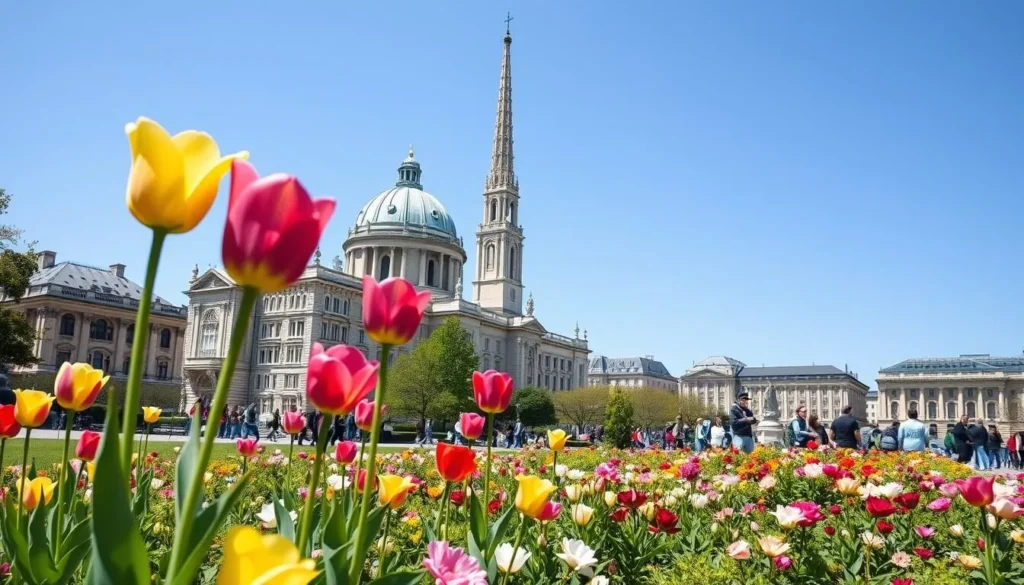
Spring brings mild temperatures ranging from 10-20°C (50-68°F) and blooming gardens throughout the city. The shoulder season means fewer tourists and reasonable hotel rates. Vienna’s parks and gardens, especially at Schönbrunn and Belvedere Palaces, are particularly beautiful during this time.
Fall (September-October)
Autumn offers pleasant temperatures between 10-22°C (50-72°F) with beautiful foliage in Vienna’s many parks. Cultural events and wine festivals abound, and you’ll encounter fewer crowds at major attractions. This is an ideal time for museum visits and enjoying Vienna’s café culture.
Seasons to Consider Carefully
Summer (June-August)
Summer brings warmer temperatures of 20-30°C (68-86°F) and the highest tourist numbers. While you’ll enjoy longer daylight hours and outdoor dining, expect higher prices and longer lines at popular attractions. If visiting during summer, book accommodations and tickets well in advance.
Winter (November-March)
Winter temperatures range from -1 to 5°C (30-41°F) with occasional snow. December is magical with Christmas markets, but January and February can be quite cold. Winter offers lower hotel rates and fewer tourists at museums, making it perfect for indoor cultural experiences.
✓ Check 30,000+ Local Sightseeing Tours Worldwide
Traveler’s Tip: For the perfect balance of pleasant weather and manageable crowds, aim for late April to early June or mid-September to mid-October. December is wonderful for Christmas markets, despite the cold.
Getting Around Locally
Vienna boasts one of Europe’s most efficient public transportation systems, making it incredibly easy to navigate the city without a car.
Public Transportation
Vienna’s integrated public transport network includes:
- U-Bahn (Metro): Five lines covering most of the city, running from approximately 5:00 AM until midnight (later on weekends).
- Trams: An extensive network that’s perfect for scenic routes through the historic districts.
- Buses: Filling the gaps where rail transport doesn’t reach.
- S-Bahn: Suburban railway connecting the city center with outer districts and nearby towns.
Tickets and Passes
Vienna offers several ticket options for public transportation:
- Single Ticket: €2.40, valid for one journey including transfers.
- 24-Hour Pass: €8.00, ideal for a day of exploration.
- 48-Hour Pass: €14.10, perfect for a weekend visit.
- 72-Hour Pass: €17.10, great value for a longer stay.
- Weekly Pass: €17.10, valid Monday through Sunday.
- Vienna City Card: Includes unlimited public transport plus discounts at attractions (24h: €24, 48h: €42, 72h: €49).
Pro Tip: Download the WienMobil app for real-time transit information and mobile ticket purchases. Remember to validate paper tickets before boarding trains or upon entering trams and buses.
Alternative Transportation
Walking
Vienna’s historic center (Innere Stadt) is compact and pedestrian-friendly. Many major attractions are within walking distance of each other, making this the most pleasant way to explore the heart of the city.
Cycling
Vienna has excellent cycling infrastructure with over 1,300 km (808 miles) of bike paths. The city’s bike-sharing system, Citybike Wien, offers the first hour free, with nominal fees thereafter.
Where to Stay in Vienna
Vienna offers accommodations for every budget and preference, from opulent historic hotels to modern boutique properties and budget-friendly hostels.

Best Neighborhoods to Stay
Innere Stadt (1st District)
The historic center and UNESCO World Heritage site, perfect for first-time visitors. Stay here to be within walking distance of St. Stephen’s Cathedral, Hofburg Palace, and the Vienna State Opera. Accommodations tend to be luxurious and pricey, but the convenience is unmatched.
Leopoldstadt (2nd District)
Located across the Danube Canal from the historic center, this district offers more affordable options while still being centrally located. The Prater amusement park and its famous Ferris wheel are located here, and excellent public transportation connects you to the rest of the city.
Neubau & Mariahilf (7th & 6th Districts)
These trendy districts are home to hip boutiques, cool cafés, and a vibrant nightlife. Perfect for younger travelers and those seeking a more local experience. The MuseumsQuartier is nearby, and the shopping street Mariahilfer Straße runs through both districts.
Accommodation Types
Luxury Hotels
Vienna excels in luxury accommodations, with historic properties like Hotel Sacher, Hotel Imperial, and the Park Hyatt Vienna offering impeccable service and opulent surroundings. Expect to pay €250-500+ per night.
Mid-Range Options
Plenty of 3-4 star hotels and boutique properties offer comfort at more reasonable prices. Look for chains like Motel One and Ruby Hotels, or independent properties like Hotel Beethoven and Hotel Josefshof. Prices range from €100-200 per night.
Budget Accommodations
Hostels like Wombat’s and Meininger offer dormitory beds from €20-30 and private rooms from €60-90. Budget hotels and pensions can be found for €70-100 per night, especially in districts outside the center.
Dining & Local Cuisine
Vienna’s culinary scene is a delightful mix of traditional Austrian fare, imperial influences, and modern innovations. From historic coffee houses to contemporary restaurants, the city offers memorable dining experiences for every palate and budget.

Must-Try Viennese Specialties
Wiener Schnitzel
This iconic dish consists of a thin, breaded and fried veal cutlet, traditionally served with potato salad and a slice of lemon. For an authentic experience, try it at Figlmüller or Plachutta.
Tafelspitz
Emperor Franz Joseph’s favorite dish: boiled beef in broth, served with minced apples and horseradish sauce. Plachutta Wollzeile is famous for their version of this classic.
Viennese Sausages
Try the cheese-filled Käsekrainer or the Waldviertler at one of Vienna’s many Würstelstands (sausage stands). Bitzinger near the Albertina is particularly popular.
Sweet Treats
Sachertorte
This famous chocolate cake with a thin layer of apricot jam was created in 1832 for Prince Metternich. Try the original at Hotel Sacher or Demel, two establishments that famously feuded over the “authentic” recipe.
Apfelstrudel
Thin layers of pastry wrapped around a spiced apple filling, often served warm with vanilla sauce. Café Central and Café Landtmann serve excellent versions.
Kaiserschmarrn
A fluffy, shredded pancake served with powdered sugar and fruit compote, often plum (Zwetschkenröster). For a special experience, try it at Heiner or Café Gloriette at Schönbrunn Palace.
Coffee House Culture
Vienna’s historic coffee houses are institutions where time seems to stand still. More than just places to drink coffee, they’re cultural landmarks where intellectuals, artists, and ordinary citizens have gathered for centuries.

Café Central
Once frequented by Freud, Trotsky, and Lenin, this grand café features vaulted ceilings and live piano music. Their pastry selection is exceptional.
Café Sacher
Home of the original Sachertorte, this elegant café adjacent to Hotel Sacher offers a refined atmosphere for enjoying Vienna’s most famous cake.
Café Hawelka
A more bohemian option with a cozy, lived-in atmosphere that has attracted artists and writers since 1939. Try their specialty, Buchteln (sweet yeast buns filled with jam).
Coffee Guide: When ordering coffee in Vienna, try these local specialties: Melange (similar to cappuccino), Einspänner (double espresso with whipped cream), or Kleiner Brauner (espresso with a small pitcher of cream).
Dining Tips
- Reservations are recommended for popular restaurants, especially on weekends.
- Service is typically included in the bill, but rounding up or adding 5-10% for good service is customary.
- Many restaurants offer a “Mittagsmenü” (lunch menu) with special prices on weekdays.
- Water is not served free of charge; specify “Leitungswasser” (tap water) if you don’t want to pay for bottled water.
- For budget dining, try the university area around Altes AKH or the Naschmarkt food stalls.
Attractions, Sightseeing & Activities
Vienna’s wealth of attractions reflects its imperial past, artistic heritage, and cultural significance. From magnificent palaces to world-class museums, the city offers endless opportunities for exploration and discovery.
Imperial Vienna

Schönbrunn Palace
The former summer residence of the Habsburg rulers is a UNESCO World Heritage site featuring 1,441 rooms in Baroque splendor. Don’t miss the meticulously maintained gardens, the Gloriette viewpoint, and the world’s oldest zoo. The Grand Tour covers 40 rooms and provides the best insight into imperial life.
Hofburg Palace
The former imperial palace in the city center housed the Habsburg dynasty until 1918. Today, it contains multiple museums including the Imperial Apartments, Sisi Museum, and Imperial Treasury. The Spanish Riding School with its famous Lipizzaner horses is also located here.
Belvedere Palace
This Baroque masterpiece consists of two palaces (Upper and Lower Belvedere) connected by a stunning formal garden. The Upper Belvedere houses an impressive art collection including Gustav Klimt’s “The Kiss,” while the Lower Belvedere hosts temporary exhibitions.
Religious Sites
St. Stephen’s Cathedral
This Gothic masterpiece with its distinctive tiled roof and 136-meter (446 ft) south tower has been the heart of Vienna for centuries. Climb the 343 steps of the south tower for panoramic views or take the elevator up the north tower. Don’t miss the catacombs tour to see the imperial burial vaults.
Karlskirche (St. Charles Church)
This stunning Baroque church features a magnificent dome and twin columns inspired by Trajan’s Column in Rome. Visitors can take an elevator up to a platform in the dome for a close-up view of the ceiling frescoes.
Imperial Crypt (Kaisergruft)
Located beneath the Capuchin Church, this is the principal burial place of Habsburg emperors and their families, containing 149 aristocratic bodies, including 12 emperors and 19 empresses. The elaborate sarcophagi are works of art in themselves.
Parks and Recreation
Prater
This large public park is home to the iconic Wiener Riesenrad (Giant Ferris Wheel), featured in the film “The Third Man.” The amusement park area (Wurstelprater) offers rides and attractions, while the surrounding green space is perfect for walking, jogging, or picnicking.
✓ Check 30,000+ Local Sightseeing Tours Worldwide
Stadtpark
This beautiful city park features the famous golden statue of Johann Strauss II, numerous other monuments, and lovely landscaped areas. It’s the perfect place for a relaxing stroll between museum visits.
Volksgarten
Part of the Hofburg Palace complex, this public park is famous for its beautiful rose garden with over 400 varieties of roses. The park also contains the Theseus Temple and the Empress Elisabeth Monument.
Museums, Cultural Spots & Festivals
Vienna’s cultural landscape is extraordinarily rich, with world-class museums, a vibrant performing arts scene, and festivals throughout the year celebrating everything from classical music to contemporary art.

World-Class Museums
Kunsthistorisches Museum
This fine arts museum houses the imperial art collection, including works by Vermeer, Raphael, Rembrandt, and the world’s largest collection of Bruegel paintings. The building itself is a work of art with its impressive dome and grand staircase.
Albertina
Home to one of the world’s largest print collections (over 1 million prints and 60,000 drawings), the Albertina also features impressive Impressionist and early 20th-century art. The Habsburg staterooms are worth a visit as well.
Belvedere Museum
Beyond housing Klimt’s “The Kiss,” the Belvedere’s collection spans Austrian art from the Middle Ages to the present day, with a strong focus on Vienna around 1900, including works by Schiele and Kokoschka.
MuseumsQuartier
One of the world’s largest cultural complexes, the MuseumsQuartier encompasses several important museums in former imperial stables:
Leopold Museum
Houses the world’s largest collection of works by Egon Schiele, plus significant pieces by Gustav Klimt and other Austrian artists from the early 20th century.
MUMOK
The Museum of Modern Art focuses on art from the 20th and 21st centuries, with works by Picasso, Warhol, Lichtenstein, and many others.
Kunsthalle Wien
A space for changing exhibitions of contemporary art, with no permanent collection.
Performing Arts

Vienna State Opera
One of the world’s leading opera houses, offering nearly 300 performances per season. Standing-room tickets are available for as little as €10, making this cultural experience accessible to all budgets.
Musikverein
Home to the Vienna Philharmonic and venue for the famous New Year’s Concert. The Golden Hall is renowned for its acoustics and opulent décor.
Burgtheater
Austria’s national theater presents German-language productions in a magnificent building on the Ringstrasse. Guided tours are available for those interested in the architecture and history.
Major Festivals
Vienna Ball Season
From January to March, over 450 balls take place in Vienna, with the Opera Ball being the most prestigious. Many are open to the public with ticket purchase.
Vienna Festival Weeks
This performing arts festival runs from May to June, featuring opera, theater, and dance performances throughout the city.
Christmas Markets
From mid-November to December 26th, Vienna transforms with magical Christmas markets. The largest is at Rathausplatz, but smaller markets at Schönbrunn and Belvedere offer more intimate experiences.
Sports, Nature & Outdoor Experiences
While Vienna is renowned for its cultural offerings, the city also provides numerous opportunities to enjoy nature and outdoor activities, both within the city limits and in the surrounding countryside.
Urban Green Spaces
Danube Island
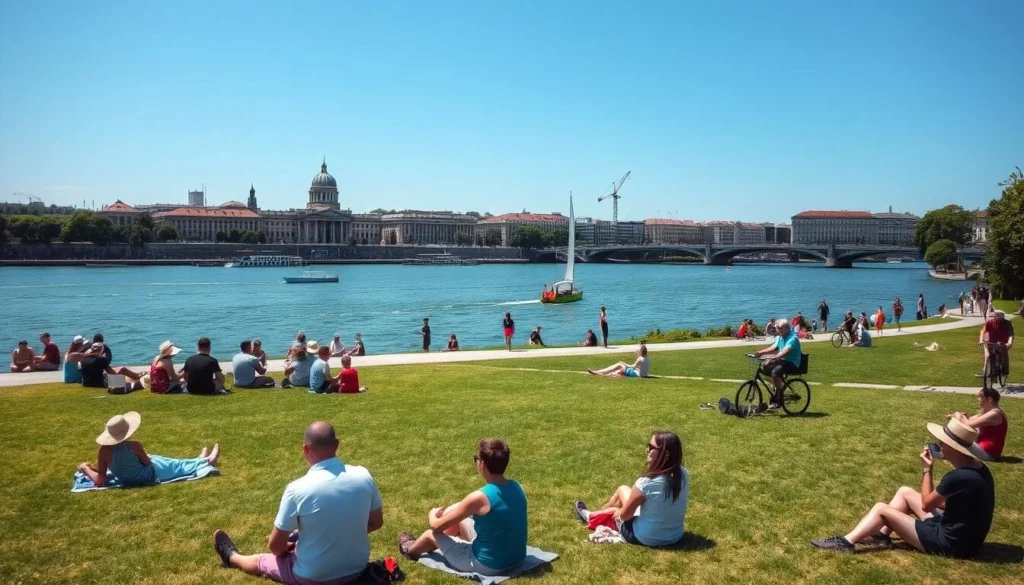
This 21.1 km (13.1 mile) long artificial island between the Danube and New Danube rivers offers beaches, water sports, cycling paths, and recreational areas. During summer, it’s a popular spot for swimming, barbecues, and outdoor activities.
Augarten
Vienna’s oldest Baroque garden features symmetrical flower beds, tree-lined avenues, and two massive flak towers from WWII. The park is home to the Vienna Boys’ Choir and the Augarten Porcelain Manufactory.
Lainzer Tiergarten
This former imperial hunting ground is now a 24 km² (9.3 sq mile) nature reserve with hiking trails, meadows, and wildlife including wild boar. The Hermesvilla, built for Empress Elisabeth, is located within the park.
Outdoor Activities
Cycling
Vienna’s extensive network of bike paths makes cycling a pleasant way to explore. The most scenic route follows the Danube Canal and continues along the Danube. Citybike Wien offers affordable bike rentals throughout the city.
Hiking in the Vienna Woods
The Vienna Woods (Wienerwald) offer numerous hiking trails just a short tram ride from the city center. Popular routes include the Kahlenberg (484 m/1,588 ft) and Leopoldsberg (425 m/1,394 ft), both offering spectacular views over Vienna.
Swimming
In addition to outdoor pools like Schönbrunner Bad, Vienna offers natural swimming spots at Alte Donau (Old Danube) and artificial beaches on Danube Island. The historic Amalienbad is a beautiful indoor option for cooler days.
Day Trips from Vienna

Wachau Valley
This UNESCO World Heritage site along the Danube is known for its vineyards, apricot orchards, and medieval villages. Visit the impressive Melk Abbey, take a river cruise, or cycle through the picturesque landscape.
Baden bei Wien
This elegant spa town, just 26 km (16 miles) south of Vienna, has been a retreat for the Viennese since Roman times. Enjoy the thermal baths, beautiful Kurpark, and charming town center.
Bratislava
The capital of Slovakia is only 60 km (37 miles) from Vienna, making it the closest capital city pair in Europe. Accessible by boat, train, or bus, Bratislava offers a compact Old Town, imposing castle, and more affordable dining options.
Safety, Etiquette & Local Customs
Vienna consistently ranks among the world’s safest and most livable cities. However, as with any destination, it’s helpful to understand local customs and etiquette to ensure a smooth and respectful visit.
Safety Information
General Safety
- Vienna has very low crime rates, but standard precautions against pickpocketing are advised in tourist areas and on public transportation.
- The city is generally safe for solo travelers, including women, even at night.
- Emergency number: 112 (European emergency number)
- Police: 133
- Ambulance: 144
- Fire department: 122
Health & Medical
- Vienna has excellent healthcare facilities. EU citizens should bring their European Health Insurance Card (EHIC).
- Pharmacies (Apotheke) are marked with a green cross and take turns providing after-hours service (Nachtdienst).
- Tap water in Vienna is of exceptional quality, coming directly from mountain springs.
- No special vaccinations are required for visiting Vienna.
Etiquette & Customs

Greetings & Formality
- Austrians tend to be formal and polite. Handshakes are the standard greeting.
- Use titles and last names until invited to use first names. “Herr” (Mr.) and “Frau” (Mrs./Ms.) are commonly used with surnames.
- Common greetings include “Grüß Gott” (literally “God’s greeting”) or “Guten Tag” (good day).
- When entering small shops, it’s customary to greet staff with “Grüß Gott” and say “Auf Wiedersehen” when leaving.
Dining Etiquette
- Wait to be seated at restaurants, especially in more formal establishments.
- Keep hands (not elbows) on the table during meals.
- The continental style of eating (fork in left hand, knife in right) is standard.
- Tipping is customary; round up the bill or add 5-10% for good service.
- To signal you’re finished eating, place your knife and fork parallel on the plate.
Public Behavior
- Austrians value punctuality; arrive on time for appointments and reservations.
- Keep noise levels down in public, especially on public transportation.
- Jaywalking is frowned upon and may result in fines.
- Recycling and environmental consciousness are taken seriously.
- Smoking is banned in restaurants, bars, and public buildings.
Cultural Tip: Coffee house culture in Vienna has its own etiquette. It’s perfectly acceptable to occupy a table for hours with just one coffee. Waiters won’t rush you or bring the bill until you ask for it (say “Zahlen, bitte” or make a writing motion in the air).
Visitor Comments About Vienna
“The imperial architecture took my breath away – every corner tells a story! Don’t miss climbing St. Stephen’s Cathedral tower for the best views of the city. And the coffee houses are truly an experience unto themselves – I spent hours at Café Central just soaking in the atmosphere.”
✓ Check 30,000+ Local Sightseeing Tours Worldwide
“Vienna’s coffee houses are the perfect blend of history and relaxation. I recommend trying a different one each day of your visit. The Sachertorte at Hotel Sacher lived up to the hype, and the Naschmarkt was perfect for sampling local specialties. Don’t miss the evening classical concerts!”
“The museums and palaces exceeded all expectations – truly world-class. I purchased the Vienna Pass and it was worth every euro for the included transportation and attraction entries. My advice: wear comfortable shoes and plan extra time for Schönbrunn Palace – the gardens alone could take half a day!”
Practical Travel Tips
Language
German is the official language, but English is widely spoken in tourist areas, hotels, and restaurants. Learning a few basic German phrases is appreciated:
- Hello – Grüß Gott (formal) / Hallo (informal)
- Please – Bitte
- Thank you – Danke
- Yes/No – Ja/Nein
- Excuse me – Entschuldigung
- Do you speak English? – Sprechen Sie Englisch?
- The bill, please – Die Rechnung, bitte
Money Matters
- Austria uses the Euro (€).
- Credit cards are widely accepted, but some smaller establishments and markets may be cash-only.
- ATMs (Bankomat) are plentiful and generally offer better exchange rates than currency exchange offices.
- Notify your bank of your travel plans to avoid card blocks.
- Tipping is customary but not as high as in the US. Round up the bill or add 5-10% for good service.
Practical Information
- Electricity: 230V, 50Hz with European two-pin plugs (Type F).
- Opening Hours: Most shops are open Monday-Friday 9:00-18:30, Saturday 9:00-17:00, and closed on Sundays (except for shops in train stations and some tourist areas).
- Wi-Fi: Free Wi-Fi is available in many cafés, restaurants, and public spaces.
- Drinking Age: 16 for beer and wine, 18 for spirits.
- Smoking: Banned in restaurants, bars, and public buildings.
Money-Saving Tips
Vienna City Card
Available for 24, 48, or 72 hours, it includes unlimited public transportation and discounts at museums, attractions, shops, and restaurants. Calculate if the discounts will exceed the card’s cost for your planned activities.
Free and Discounted Activities
Many museums offer free admission on the first Sunday of the month. The Hofburg Palace gardens, Prater park, and Naschmarkt are free to explore. Standing-room tickets at the Vienna State Opera cost just €10-15.
Dining on a Budget
University areas offer affordable eateries. Try Würstelstands (sausage stands) for quick, inexpensive meals. Many restaurants offer lunch specials (Mittagsmenü) on weekdays that are significantly cheaper than dinner prices.