

Hotels by Trip.com
Flights by Trip.com
Did you know that Sofia is one of Europe’s oldest continuously inhabited cities, with archaeological evidence dating back over 7,000 years? Yet Bulgaria’s capital remains one of the continent’s most underrated destinations. Nestled at the foot of Vitosha Mountain, this fascinating city blends ancient Roman ruins, Ottoman influences, Soviet-era monuments, and modern urban culture into a surprisingly affordable European destination. Whether you’re drawn to gold-domed Orthodox churches, vibrant street art, or the emerging craft beer scene, Sofia rewards curious travelers with authentic experiences far from the tourist crowds of Prague or Budapest.
Getting There & Planning Your Journey
Sofia is served by Sofia Airport (SOF), located just 10 km from the city center. The airport handles flights from major European cities, with budget carriers like Wizz Air and Ryanair offering particularly affordable options. From the airport, you can reach the city center in about 20-30 minutes via the metro line (Line 4), which costs just 1.60 BGN (approximately €0.80). Taxis are also readily available but be sure to use the official taxi stand to avoid scams.
If you’re already in Europe, Sofia is well-connected by bus and train services from neighboring countries. FlixBus operates routes from cities like Belgrade, Bucharest, and Istanbul. The overnight train from Istanbul to Sofia is a particularly atmospheric way to arrive, though be prepared for middle-of-the-night border checks.
Before traveling, check if you need a visa for Bulgaria. While Bulgaria is part of the European Union, it is not yet part of the Schengen Area (though this is expected to change soon). Most EU citizens, as well as those from the US, Canada, Australia, and many other countries, can enter visa-free for up to 90 days.
Best Time to Visit & Weather Tips
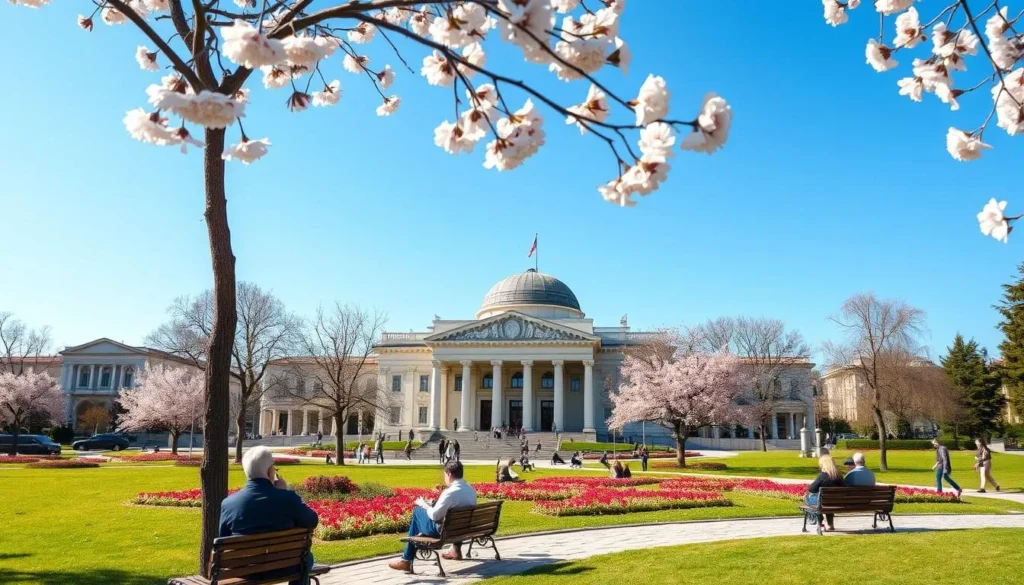
Sofia experiences four distinct seasons, each offering a different perspective on the city. The best times to visit are during the shoulder seasons of spring (April to June) and autumn (September to October) when temperatures are pleasant, ranging from 15°C to 25°C (59°F to 77°F), and tourist crowds are thinner.
| Season | Months | Temperature | Pros | Cons |
| Spring | April-June | 15-25°C (59-77°F) | Blooming parks, pleasant weather, fewer tourists | Occasional rain showers |
| Summer | July-August | 25-35°C (77-95°F) | Outdoor festivals, long days, Vitosha hiking | Hot temperatures, more tourists, some locals leave |
| Autumn | September-October | 15-25°C (59-77°F) | Beautiful foliage, wine season, pleasant weather | Increasing chance of rain late in season |
| Winter | November-March | -5 to 5°C (23-41°F) | Christmas markets, skiing on Vitosha, fewer tourists | Cold temperatures, shorter days, some attractions limited |
Summer (July and August) can be quite hot, with temperatures sometimes exceeding 30°C (86°F). While this is a popular time for tourists, many locals leave the city for coastal areas. Winter (November to March) brings cold temperatures, occasional snow, and shorter days, but also festive Christmas markets and the opportunity to ski on nearby Vitosha Mountain.
If you’re planning to combine your Sofia visit with hiking on Vitosha Mountain, late spring through early autumn offers the best conditions. The Seven Rila Lakes, a popular day trip from Sofia, are most accessible from June to September when the snow has melted.
Getting Around Locally
Sofia is a relatively compact city with many major attractions within walking distance of each other, especially in the historic center. For longer journeys, the city offers an efficient and affordable public transportation system.
- Metro: Sofia’s modern metro system has four lines covering most areas of interest. Tickets cost 1.60 BGN (€0.80) per journey, regardless of distance. The Serdika and NDK stations are particularly useful for tourists.
- Trams and Buses: Extensive networks cover the entire city. Tickets cost the same as the metro and must be validated upon boarding. Look for the small orange machines.
- Taxis: Yellow taxis are abundant and affordable, with starting fares around 0.90 BGN (€0.45) and 0.79 BGN (€0.40) per kilometer. Use reputable companies like Yellow! or OK Taxi to avoid scams. The TaxiMe app (Sofia’s equivalent to Uber) is also reliable.
- Rental Cars: Not necessary within Sofia itself but useful if you plan to explore beyond the city. Traffic can be challenging for newcomers, and parking in the center is limited.
A practical tip: Sofia uses a contactless payment system for public transport. If you have a contactless credit/debit card, you can simply tap to pay on buses, trams, and at metro stations without needing to purchase a separate ticket.
Where to Stay in Sofia

Sofia offers excellent value for money when it comes to accommodation, with options to suit all budgets. The city center, particularly around Vitosha Boulevard and the area near Alexander Nevsky Cathedral, is ideal for tourists as most attractions are within walking distance.
Budget Options
Sofia is a paradise for budget travelers with hostels starting from just €10-15 per night. Hostel Mostel and Hostel 123 are popular choices with central locations and social atmospheres. Budget hotels like Hotel Central Sofia and Hotel Anel offer private rooms from €30-40.
Mid-Range Options
For €50-80 per night, you can enjoy comfortable hotels like Art’Otel, R34 Boutique Hotel, or Sofia Place Hotel. These offer excellent locations, modern amenities, and often include breakfast. Apartment rentals are also plentiful in this price range.
Check 30,000+ Local Sightseeing Tours Worldwide
✓ Numerous languages and currencies are available
Luxury Options
Even luxury accommodations in Sofia are affordable compared to Western Europe. The Grand Hotel Sofia, InterContinental Sofia, and Sense Hotel offer five-star experiences from €100-150 per night, with rooftop bars, spas, and premium locations.
For the best experience, consider staying in the area bounded by Serdika Metro Station, NDK (National Palace of Culture), and Alexander Nevsky Cathedral. This central triangle puts you within walking distance of most major attractions, restaurants, and nightlife.
Dining & Local Cuisine
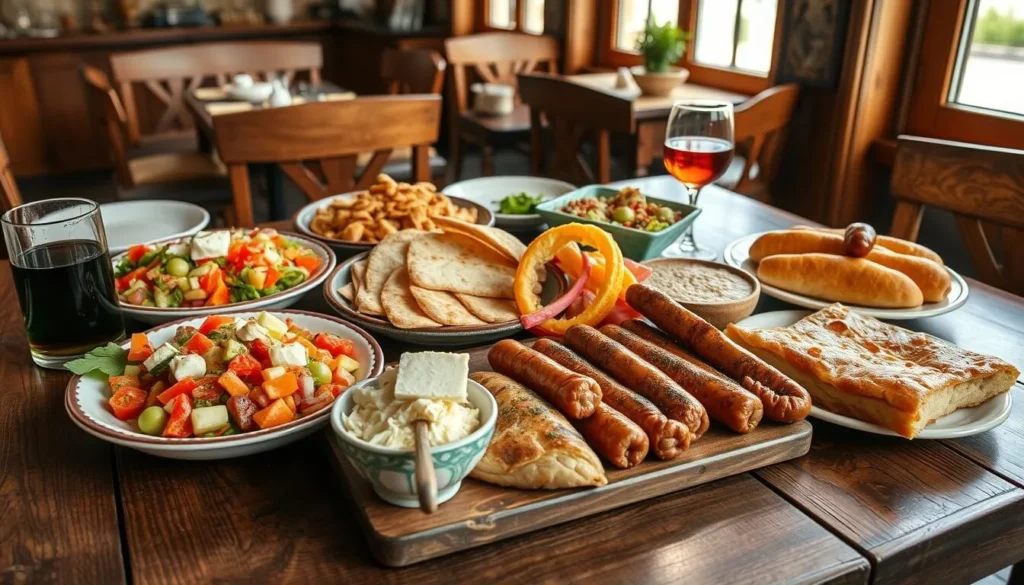
Bulgarian cuisine blends Balkan, Mediterranean, and Slavic influences, creating a hearty and flavorful culinary tradition. Sofia offers everything from traditional taverns (mehanas) to modern fusion restaurants, with prices significantly lower than in Western Europe.
Must-Try Bulgarian Dishes
- Shopska Salad: Bulgaria’s national salad with tomatoes, cucumbers, peppers, onions, and a generous topping of grated sirene (white cheese similar to feta).
- Banitsa: A flaky pastry filled with a mixture of eggs and sirene cheese, often enjoyed for breakfast with ayran (yogurt drink).
- Kebapche: Grilled minced meat rolls seasoned with cumin and other spices.
- Kavarma: A slow-cooked stew with meat, vegetables, and herbs, typically served in a traditional clay pot.
- Tarator: A cold soup made with yogurt, cucumbers, dill, garlic, and walnuts – perfect for hot summer days.
- Mekitsa: Fried dough typically served with jam, honey, or sirene cheese – a popular breakfast item.
Where to Eat in Sofia
Traditional Bulgarian
Shtastliveca (on Vitosha Blvd) offers excellent traditional dishes in a charming setting.
Made in Home serves creative takes on Bulgarian classics using local ingredients.
Manastirska Magernitsa specializes in authentic monastery recipes in a rustic atmosphere.
Modern & International
The Little Things offers international cuisine with a Bulgarian twist in a cozy setting.
Cosmos serves innovative fusion dishes in a stylish environment.
Fabrika Daga is perfect for pizza and craft beer in a hip industrial space.
Cafés & Quick Bites
Rainbow Factory is ideal for breakfast and excellent coffee.
Cafe 1920 offers great brunch options in a vintage setting.
369 Bakery is famous for its cinnamon buns and pastries.
Don’t miss the opportunity to try Bulgarian wines, which have a 3,000-year history dating back to Thracian times. Local varieties like Mavrud (red) and Dimiat (white) offer unique flavors not found elsewhere. For the brave, rakia – a fruit brandy typically made from grapes or plums – is Bulgaria’s national spirit, usually served as an aperitif.
Attractions, Sightseeing & Activities

Must-See Attractions in Sofia
Alexander Nevsky Cathedral
Sofia’s most iconic landmark, this Neo-Byzantine cathedral was built between 1882 and 1912 to honor Russian soldiers who died fighting for Bulgaria’s independence. Its gold-plated domes and ornate interior with Italian marble, Brazilian onyx, and intricate mosaics make it one of the largest Orthodox cathedrals in the world. Don’t miss the crypt, which houses Bulgaria’s largest collection of Orthodox icons.
Location: pl. “Sveti Aleksandar Nevski”
Hours: 7:00 AM – 7:00 PM daily
Admission: Free (photography permit: 10 BGN)
Ancient Serdika Complex
Discovered during the construction of the metro system, these remarkably preserved Roman ruins date back to the 4th-6th centuries when Sofia was known as Serdika. Emperor Constantine the Great once said, “Serdika is my Rome,” and considered making it the capital of the Byzantine Empire. The complex includes streets, buildings, and an amphitheater, with glass walkways allowing you to walk above the excavations.
Location: Serdika Metro Station
Hours: Open 24/7 (exterior areas)
Admission: Free
St. George Rotunda
Sofia’s oldest building, this red brick rotunda church dates from the 4th century and is surrounded by the remains of the ancient town of Serdika. The church is famous for its medieval frescoes from the 12th-14th centuries that were discovered under Ottoman-era plaster. Curiously, the church is now encircled by the courtyard of the Presidential Palace.
Location: 2 Knyaz Dondukov Blvd
Hours: 8:00 AM – 6:00 PM daily
Admission: Free
Unique Experiences in Sofia
The Red Flat
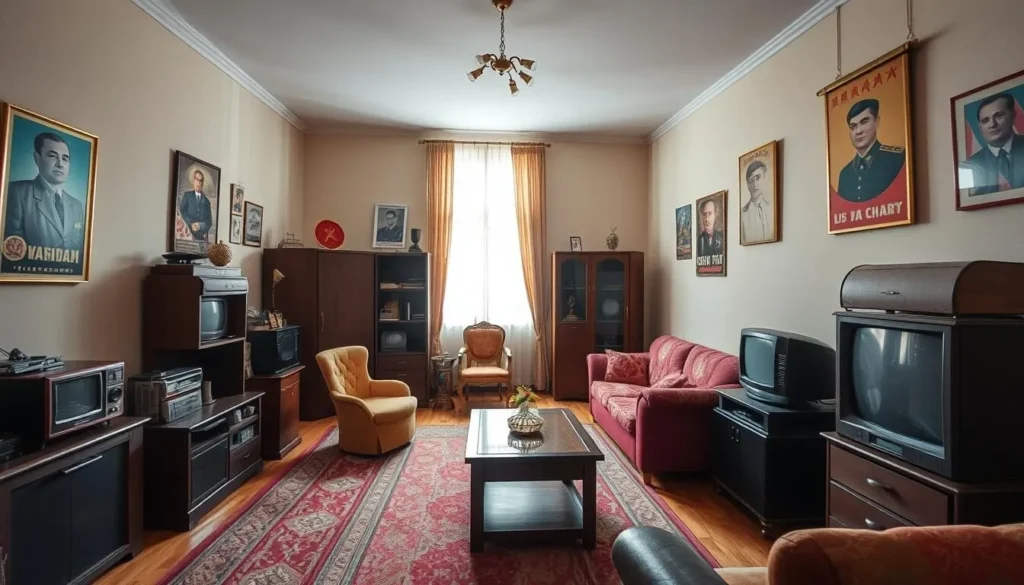
Step back in time at this immersive museum that recreates a typical Bulgarian apartment from the 1980s during the communist era. Unlike traditional museums, visitors are encouraged to touch, sit on, and interact with everything in the apartment while listening to stories about daily life during this period. It’s a fascinating glimpse into Bulgaria’s recent history.
Tip: Book in advance as space is limited. Tickets: 18 BGN (€9).
Free Sofia Walking Tour
Join one of the excellent free walking tours that depart multiple times daily from the Palace of Justice. These 2-hour tours, led by enthusiastic local guides, provide fascinating insights into Sofia’s history, culture, and landmarks. Besides the standard tour, they also offer specialized tours focusing on Jewish history, Communist monuments, and food.
Tip: While free, tipping your guide is customary if you enjoy the tour.
KvARTal Art District
Explore Sofia’s creative heart in this neighborhood filled with street art, independent galleries, quirky cafes, and craft shops. Located between Lavov Most and Knyaz Alexander Dondukob Boulevard, this area showcases the city’s emerging artistic scene with impressive multi-story murals and creative spaces.
Tip: Visit &bread bakery for unique cuboid croissants or try homemade mead at the board game pub.
Central Mineral Baths
While no longer functioning as public baths, this beautiful Neo-Byzantine building now houses the Sofia History Museum. Outside, you can fill your water bottle for free at the mineral water fountains, where locals regularly come to collect the naturally hot mineral water believed to have health benefits.
Tip: Bring an empty bottle to taste the mineral-rich water, which comes out naturally hot at about 37°C (98.6°F).
Museums, Cultural Spots & Festivals

Top Museums in Sofia
National Archaeological Museum
Housed in a former Ottoman mosque, this museum displays Bulgaria’s most precious archaeological treasures, including Thracian gold artifacts, a stunning bronze head of a Thracian king, and the famous Valchitrun gold treasure dating back to 1300 BCE.
Admission: 12 BGN (€6)
National History Museum
Located in the former residence of communist dictator Todor Zhivkov, this massive museum traces Bulgaria’s history from prehistoric times to the modern era. The Panagyurishte Treasure, a set of solid gold vessels from the 4th century BCE, is the highlight.
Admission: 10 BGN (€5)
Museum of Socialist Art
Explore Bulgaria’s communist past through propaganda art, sculptures, and monuments removed from public spaces after the fall of communism in 1989. The outdoor sculpture garden features numerous statues of Lenin and other communist figures.
Admission: 6 BGN (€3)
Cultural Venues
Ivan Vazov National Theatre
Bulgaria’s oldest and most prestigious theater, built in 1907 in a neoclassical style, hosts drama, opera, and ballet performances. Even if you don’t attend a show, the building itself is worth admiring, especially when illuminated at night.
National Palace of Culture (NDK)
This massive communist-era conference center now hosts concerts, exhibitions, and cultural events. The surrounding park is a popular gathering place for locals, especially in summer, with fountains and outdoor cafes.
Annual Festivals & Events
| Festival | Month | Description |
| Sofia Film Fest | March | International film festival showcasing independent cinema from around the world. |
| Sofia Music Weeks | May-June | Classical music festival featuring performances in historic venues throughout the city. |
| A to JazZ Festival | July | Free open-air jazz festival in South Park featuring international and Bulgarian musicians. |
| Sofia Pride | June | Bulgaria’s largest LGBTQ+ event with a parade and cultural activities. |
| Sofia Breathes | August | Street festival transforming different neighborhoods with art, music, and food. |
| Christmas Market | December | Traditional holiday market in front of the National Theatre with crafts, food, and mulled wine. |
Sports, Nature & Outdoor Experiences

Vitosha Mountain
One of Sofia’s greatest assets is Vitosha Mountain, rising to 2,290 m (7,513 ft) just 10 km from the city center. Visible from almost everywhere in Sofia, this mountain offers year-round outdoor activities and can be reached by public transport.
Summer Activities
- Hiking: Numerous marked trails for all levels, from easy walks to challenging hikes.
- Boyana Waterfall: A popular 2-hour hike through beech forest to a 15 m (49 ft) waterfall.
- Mountain Biking: Dedicated trails with bike rental available at the base.
- Rock Climbing: Several established routes on Kominite (The Chimneys) rock formation.
Winter Activities
- Skiing: Affordable slopes at Aleko with equipment rental available.
- Snowshoeing: Guided tours available for exploring snow-covered trails.
- Sledding: Family-friendly areas near the Aleko hut.
- Winter Hiking: Some lower trails remain accessible year-round.
Getting There: Take bus #66 from Vitosha metro station to Boyana Church, then hike up, or bus #123 directly to Aleko hut. Alternatively, a taxi from the city center costs about 20-25 BGN (€10-13).
Check 30,000+ Local Sightseeing Tours Worldwide
✓ Numerous languages and currencies are available
Urban Green Spaces

Sofia is one of Europe’s greenest capitals, with numerous parks perfect for relaxation, exercise, or people-watching:
- City Garden: The oldest park in Sofia, located in front of the Ivan Vazov National Theatre. Popular for chess players and its central fountain.
- Borisova Gradina: Sofia’s largest park, with jogging trails, sports facilities, and a lake for rowing in summer.
- South Park: A sprawling green space with dedicated cycling paths, outdoor fitness equipment, and playgrounds.
- Park Vrana: Former royal residence with beautiful gardens, open to the public on weekends.
Popular Day Trips from Sofia

Sofia’s central location makes it an excellent base for exploring some of Bulgaria’s most impressive natural and cultural sites. These popular day trips can all be done independently or with organized tours.
Rila Monastery
Bulgaria’s most famous UNESCO World Heritage site, this 10th-century monastery nestled in the Rila Mountains features stunning architecture with bold stripes, dramatic arches, and vibrant frescoes. The interior courtyard is surrounded by monks’ quarters with wooden balconies, while the church interior is covered with elaborate frescoes and gold-plated iconostasis.
Distance from Sofia: 120 km (75 miles), approximately 2 hours by car
Getting There: Organized tours are the most convenient option, but you can also take a bus from Sofia’s Central Bus Station to Rila town, then a local bus or taxi to the monastery.
Seven Rila Lakes
A breathtaking glacial formation of seven interconnected lakes in the Rila Mountains, each named after its distinctive shape (The Tear, The Eye, The Kidney, etc.). A chairlift takes visitors to 2,100 m (6,900 ft), from where hiking trails of varying difficulty lead to panoramic viewpoints overlooking multiple lakes at once.
Distance from Sofia: 100 km (62 miles), approximately 1.5-2 hours by car
Getting There: Organized tours are recommended, especially for those unfamiliar with mountain hiking. Tours often combine the lakes with Rila Monastery for a full day experience.
Plovdiv
Bulgaria’s second-largest city and one of Europe’s oldest continuously inhabited cities (older than Rome). Plovdiv was the European Capital of Culture in 2019 and features a remarkably preserved Old Town with colorful Bulgarian Revival houses, Roman ruins including a 2nd-century theater still used for performances, and the trendy Kapana arts district.
Distance from Sofia: 140 km (87 miles), approximately 2 hours by car or train
Getting There: Regular trains and buses connect Sofia and Plovdiv. The journey takes about 2-2.5 hours each way, making it feasible as a day trip, though an overnight stay is recommended if time allows.
Safety, Etiquette & Local Customs

Safety in Sofia
Sofia is generally a safe city for tourists, with violent crime rare and most concerns limited to petty theft in crowded areas. As in any major city, basic precautions are advised:
- Be aware of your belongings in crowded places, especially on public transport and at tourist sites.
- Use official taxis (yellow cars with meters) or the TaxiMe app to avoid overcharging.
- Avoid changing money on the street; use banks or official exchange offices.
- The city center is safe to walk around at night, but less central areas may be poorly lit.
- Be cautious of stray dogs, though they are rarely aggressive.
Local Customs & Etiquette
Social Customs
- Bulgarians nod for “no” and shake their heads for “yes” – the opposite of Western customs!
- Greetings are often formal with a handshake. Close friends may exchange kisses on the cheek.
- Removing shoes when entering someone’s home is customary.
- Tipping 10% in restaurants is appreciated but not mandatory.
- Dress modestly when visiting Orthodox churches (shoulders and knees covered).
Communication Tips
- Learning a few basic Bulgarian phrases is appreciated, though many younger people speak English.
- Bulgarians may appear reserved at first but are generally helpful to tourists.
- The Cyrillic alphabet can be challenging; consider downloading a translation app.
- Direct communication is valued; Bulgarians tend to be straightforward.
- Public displays of affection are common among younger people but may be viewed negatively by older generations.
Practical Information
- Currency: Bulgarian Lev (BGN), fixed at approximately 1.96 BGN to 1 EUR. ATMs are widely available.
- Electricity: 220V with European-style two-pin plugs.
- Emergency Numbers: 112 for all emergencies (police, ambulance, fire).
- Drinking Water: Tap water is safe to drink in Sofia.
- Internet: Free Wi-Fi is available in most cafes, restaurants, and public spaces.
Visitor Comments About Sofia
“Sofia surprised me with its blend of ancient history and modern energy. The free walking tour was exceptional, and I couldn’t believe how affordable everything was compared to Western Europe. Don’t miss the Red Flat museum—it was the highlight of my trip and gave me fascinating insights into Bulgaria’s communist period. Also, the food scene is incredible; I’m still dreaming about the shopska salad and banitsa!”
“As someone who’s traveled extensively throughout Eastern Europe, Sofia stands out for its authenticity and lack of overtourism. The Alexander Nevsky Cathedral is truly breathtaking, especially early in the morning before the crowds arrive. I highly recommend taking a day trip to Rila Monastery—the mountain setting and colorful frescoes are unforgettable. Sofia feels like what Prague was 20 years ago before mass tourism changed it.”
“We were hesitant about visiting Sofia but are so glad we did! The city is incredibly walkable, and we felt completely safe even at night. The contrast between Roman ruins, Ottoman influences, and Soviet architecture makes for a fascinating urban landscape. Don’t miss the mineral water springs—locals line up with bottles to collect the naturally hot water. And the day trip to the Seven Rila Lakes was the highlight of our entire European vacation.”
Practical Travel Tips
Money-Saving Tips
- Use public transportation instead of taxis when possible.
- Take advantage of free attractions like the walking tours, church visits, and ancient ruins.
- Eat at local establishments away from the main tourist areas for better prices and authenticity.
- The Sofia City Card (19-29 BGN) offers free public transport and discounts to attractions.
- Many museums offer discounted or free entry on specific days (often the last Monday of the month).
Planning Tips
- Most attractions in the city center can be covered in 2-3 days.
- Add 1-2 extra days if you want to include day trips to Rila Monastery or Plovdiv.
- Book accommodation in advance during summer months and festival periods.
- Download offline maps and translation apps before your trip.
- Consider the Sofia Pass for free public transport and museum discounts if visiting multiple attractions.
Packing Tips
- Comfortable walking shoes for cobblestone streets.
- Modest clothing for church visits (shoulders and knees covered).
- Layers for spring/fall when temperature varies throughout the day.
- Sunscreen and hat in summer; Sofia can get quite hot.
- Waterproof jacket in spring when afternoon showers are common.
Language Tip: While many younger Bulgarians speak English, learning a few basic phrases in Bulgarian will be appreciated. Remember that Bulgarians nod for “no” and shake their heads for “yes” – the opposite of Western customs!
Basic phrases:
- Hello – Здравейте (Zdraveyte)
- Thank you – Благодаря (Blagodarya)
- Yes – Да (Da)
- No – Не (Ne)
- Please/You’re welcome – Моля (Molya)
Embrace Sofia’s Timeless Charm
Sofia may not have the instant recognition of Paris or Rome, but therein lies its magic. This ancient-yet-modern capital offers authentic experiences without the crowds and high prices of Western European destinations. From gold-domed cathedrals and Roman ruins to creative neighborhoods and mountain adventures, Sofia rewards curious travelers with unexpected delights at every turn. Whether you’re sipping locally roasted coffee in a hidden courtyard, exploring layers of history beneath your feet, or toasting with rakia in a traditional mehana, Sofia’s unpretentious charm will leave you wondering why more travelers haven’t discovered this Balkan gem. As Bulgarians say when raising a glass: “Nazdrave!” – To your health and to your Sofia adventure!
Related Posts

Veliko Tarnovo, Bulgaria: Best Things to Do – Top Picks
Yambol, Bulgaria: Best Things to Do – Top Picks

Sofia, Bulgaria: Top Festivals to Check Out When Visiting
Plovdiv, Bulgaria: Best Things to Do – Top Picks
Vidin, Bulgaria: Best Things to Do – Top Picks
Montana, Bulgaria: Best Things to Do – Top Picks
Coming Soon: Clickable Maps