
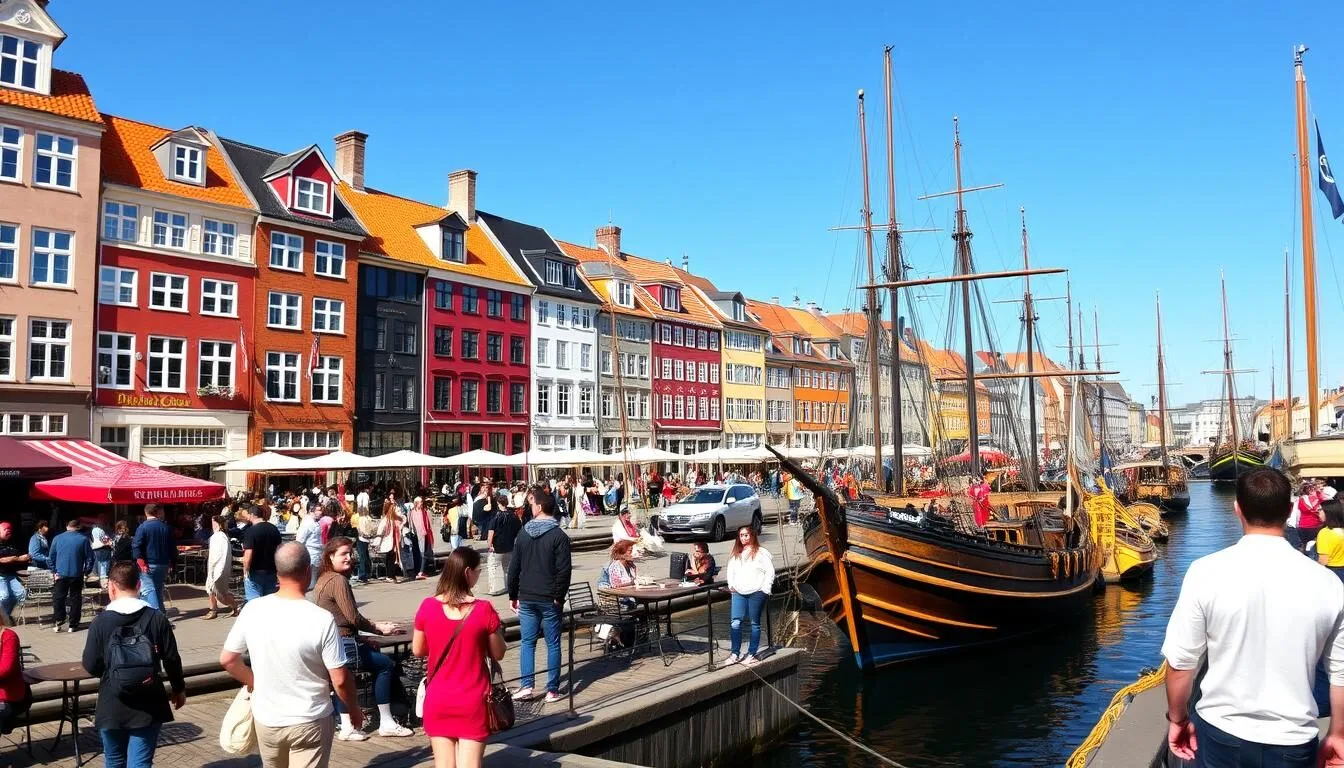
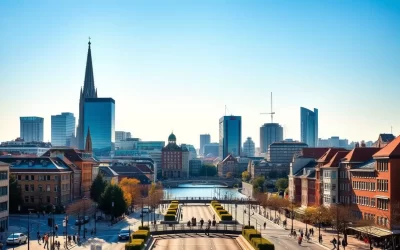
Did you know that Copenhagen consistently ranks as one of the world’s happiest cities, with Danes pioneering the concept of “hygge” (pronounced hoo-gah) – a feeling of cozy contentment and well-being? This Danish capital isn’t just happy; it’s also one of the most bike-friendly cities globally, with cyclists outnumbering cars in the city center. With over 390 km of designated bike lanes, Copenhagen residents cycle an average of 3 km daily, regardless of weather conditions. This blend of happiness and sustainability creates a unique atmosphere that makes exploring Copenhagen’s colorful harbors, royal palaces, and cutting-edge design an unforgettable experience.
Getting There & Planning Your Journey
Copenhagen is served by Copenhagen Airport (CPH), also known as Kastrup Airport, located just 8 km (5 miles) from the city center. As Scandinavia’s largest airport, it offers excellent connections to major cities worldwide.
From the airport, reaching the city center is remarkably efficient:
- Metro: The fastest option, taking just 13 minutes to reach central Copenhagen. Trains depart every 4-6 minutes during the day.
- Train: Regional trains connect the airport to Copenhagen Central Station in about 15 minutes.
- Bus: Line 5C runs between the airport and city center, taking approximately 35-40 minutes.
- Taxi: Available outside the terminals, with a journey time of 20-30 minutes depending on traffic.
When planning your journey, consider purchasing the Copenhagen Card before arrival. This all-inclusive city pass covers public transportation (including to and from the airport) and provides free entry to 80+ attractions.
Best Time to Visit & Weather Tips
Recommended Seasons
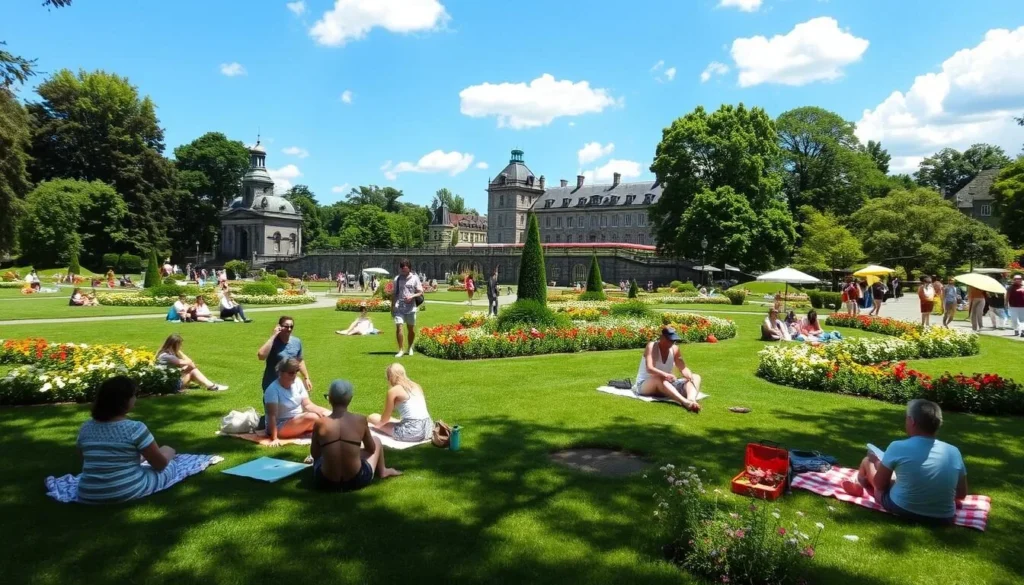
The best time to visit Copenhagen is during the late spring (May-June) and summer (July-August) when temperatures are pleasant and daylight hours are long. During summer, you can enjoy up to 17 hours of daylight, with the sun setting as late as 10 PM in June.
Peak Season (June-August)
- Temperatures average 15-22°C (59-72°F)
- Outdoor cafes and gardens in full bloom
- Numerous festivals and events
- Higher hotel prices and more tourists
- Longer opening hours at attractions
Shoulder Season (May, September)
- Temperatures around 10-17°C (50-63°F)
- Fewer crowds and lower prices
- Most attractions still open
- Beautiful spring blooms or fall colors
- More authentic local experience
Seasons to Avoid
Winter (November-February) brings short days with as little as 7 hours of daylight. Temperatures typically range from -1°C to 4°C (30-39°F), though they can drop lower. While Christmas markets create a magical atmosphere in December, many outdoor attractions have limited hours or close entirely during winter.
Weather Tip: Copenhagen’s weather can be unpredictable year-round. Even in summer, bring layers and a waterproof jacket. The coastal location means sudden rain showers can occur, and evenings can be cool even during warm days.
Getting Around Locally
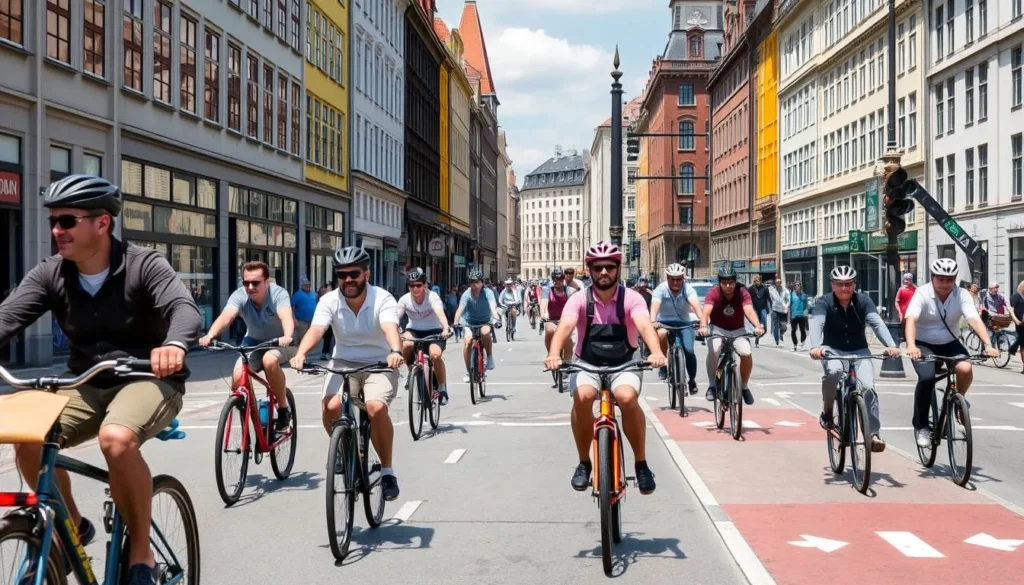
Copenhagen is a compact city with excellent public transportation, making it easy to explore without a car. In fact, the city center is best experienced on foot or by bike.
Cycling in Copenhagen
Copenhagen is one of the world’s most bike-friendly cities, with over 390 km of dedicated bike lanes. Cycling is not just a tourist activity but the preferred mode of transportation for locals.
Experiencing Copenhagen by bike gives you a true local perspective and is often the fastest way to get around the city center.
Bike rentals are available throughout the city:
- City bikes (Bycyklen): Electric bikes with built-in GPS, available at docking stations
- Hotel bikes: Many hotels offer free or low-cost bike rentals
- Bike rental shops: Numerous options with daily rates around 100-150 DKK ($15-22)
Public Transportation
Copenhagen has an integrated public transport system including metro, S-trains (S-tog), buses, and harbor buses (water buses):
| Transport Type | Coverage | Frequency | Operating Hours |
| Metro | 4 lines covering central Copenhagen | Every 2-4 minutes during day | 24/7 |
| S-trains | Greater Copenhagen area | Every 10 minutes | 5 AM – 12:30 AM |
| Buses | Comprehensive network | Varies by route | 24/7 (Night buses after midnight) |
| Harbor Buses | Along the harbor and canals | Every 30 minutes | Seasonal hours |
Tickets can be purchased as single journeys, 24-hour passes, or the Copenhagen Card. The city uses a zone system, with most attractions located within zones 1-2.
Walking
Many of Copenhagen’s main attractions are within walking distance of each other in the city center. The pedestrian-friendly streets make walking a pleasant option, especially along Strøget, one of Europe’s longest pedestrian shopping streets.
Where to Stay
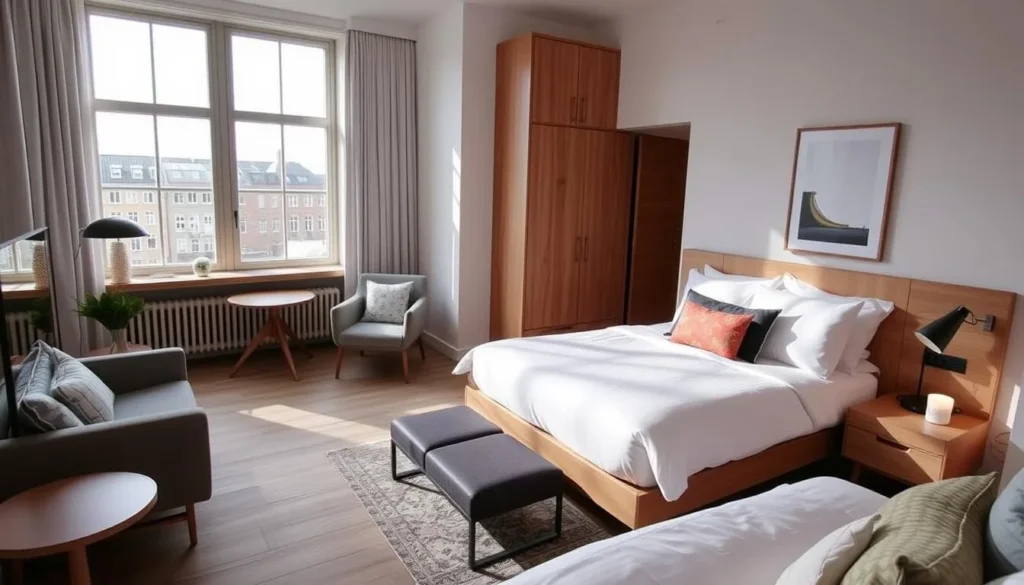
Copenhagen offers accommodations for every budget and preference, from luxury hotels to cozy hostels. Each neighborhood provides a different experience of the city.
Indre By (City Center)
The historic center puts you within walking distance of major attractions like Nyhavn, Tivoli Gardens, and Strøget shopping street.
Perfect for: First-time visitors, luxury travelers
Price range: $$$ – $$$$
Top picks: Hotel d’Angleterre (luxury), citizenM Copenhagen (mid-range)
Vesterbro
Once the red-light district, now Copenhagen’s hippest neighborhood with trendy bars, restaurants, and the Meatpacking District.
Perfect for: Foodies, nightlife enthusiasts
Price range: $$ – $$$
Top picks: Andersen Hotel (boutique), Steel House Copenhagen (upscale hostel)
Nørrebro
Multicultural area with a vibrant atmosphere, independent shops, and diverse dining options.
Perfect for: Budget travelers, those seeking local experience
Price range: $ – $$
Top picks: Babette Guldsmeden (eco-friendly), Next House Copenhagen (modern hostel)
Unique Stays
For a memorable Copenhagen experience, consider these unique accommodation options:
- Manon Les Suites – Features a stunning indoor jungle pool with Bali-inspired design
- CPH Living – Floating hotel on the harbor with panoramic water views
- Nimb Hotel – Luxury boutique hotel inside Tivoli Gardens with Moorish-inspired architecture
Dining & Local Cuisine

Copenhagen has transformed into one of Europe’s culinary capitals, with everything from Michelin-starred restaurants to cozy street food markets. The New Nordic cuisine movement, which emphasizes local, seasonal ingredients, originated here and continues to influence the food scene.
Must-Try Danish Dishes
- Smørrebrød – Open-faced sandwiches on rye bread with various toppings
- Frikadeller – Danish meatballs typically served with potatoes and gravy
- Stegt flæsk med persillesovs – Crispy pork with parsley sauce (Denmark’s national dish)
- Wienerbrød – Danish pastries (ironically named “Vienna bread” in Denmark)
- Kanelsnegl – Cinnamon rolls with a distinctly Danish twist
- Flæskesteg sandwich – Roast pork sandwich with crackling, red cabbage, and pickles
For the best smørrebrød experience, visit during lunch hours (typically 11:30 AM – 2:30 PM) when these traditional open-faced sandwiches are freshly prepared and most restaurants offer their full selection.
Where to Eat in Copenhagen
Fine Dining
- Noma – World-renowned restaurant that pioneered New Nordic cuisine
- Geranium – Three Michelin stars with spectacular views from the 8th floor
- Kadeau – Seasonal cuisine inspired by Bornholm island
Budget: $$$$ (Reservations essential, often months in advance)
Mid-Range
- Selma – Modern take on traditional smørrebrød
- Baest – Organic pizzeria with house-made charcuterie
- Väkst – Restaurant built around an indoor greenhouse
Budget: $$ – $$$ (Reservations recommended)
Budget-Friendly
- Reffen – Street food market with over 50 stalls
- Torvehallerne – Food hall with local and international options
- Grød – Specialized in creative porridge dishes
Budget: $ – $$ (No reservations needed)
Coffee Culture
Danes are among the world’s top coffee consumers, and Copenhagen boasts an excellent coffee scene. Independent cafes serve expertly crafted coffee in hygge settings, perfect for experiencing the Danish concept of coziness and contentment.
Top coffee spots include:
- Coffee Collective – Pioneer in the specialty coffee scene
- Democratic Coffee – Located inside the main public library
- Prolog Coffee Bar – Minimalist space with exceptional coffee
Attractions, Sightseeing & Activities
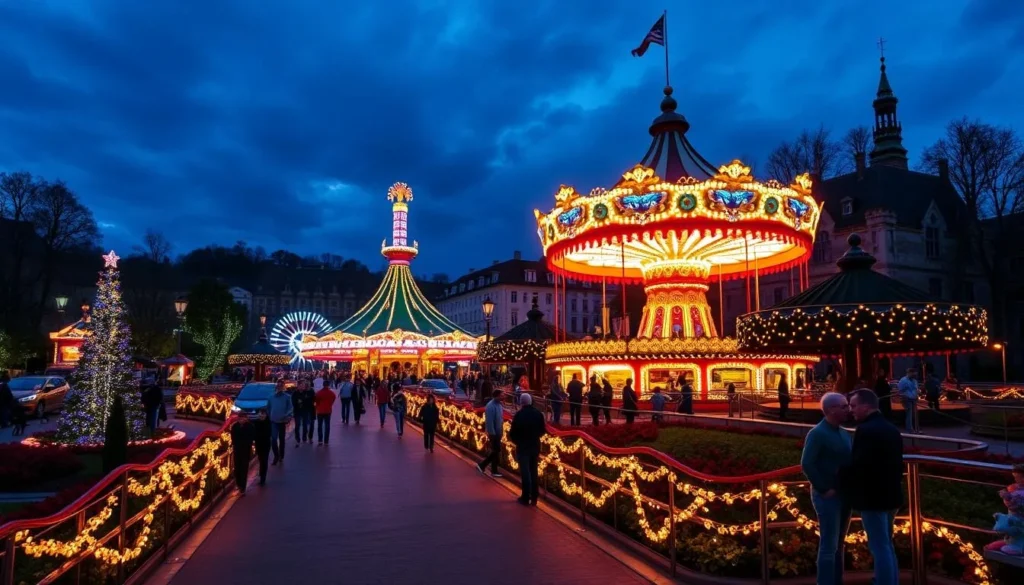
Must-See Copenhagen Attractions
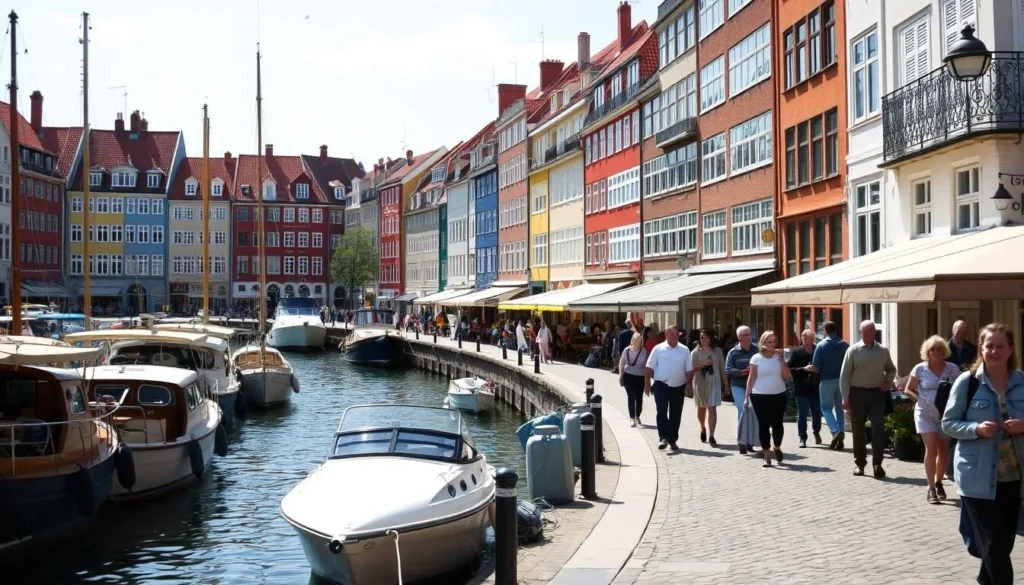
Nyhavn
This 17th-century waterfront district with its colorful townhouses is perhaps Copenhagen’s most photographed spot. Once a busy commercial port, Nyhavn is now lined with restaurants and bars.
Hans Christian Andersen lived at several addresses along this canal, including No. 20, where he wrote some of his most famous fairy tales.
Tip: While the restaurants along Nyhavn are charming, they tend to be pricey and touristy. Consider grabbing a drink to enjoy along the canal instead of a full meal.
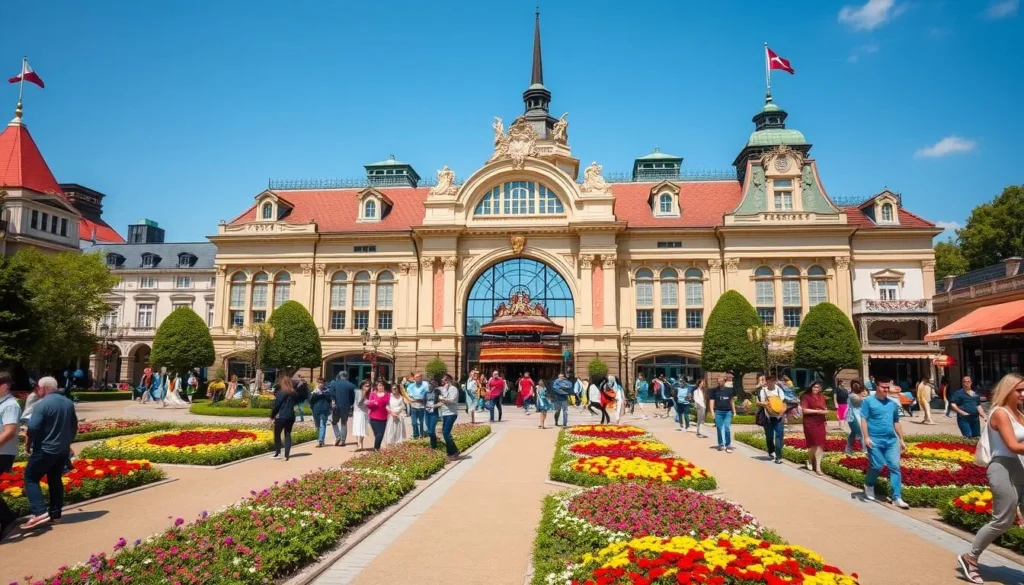
Tivoli Gardens
One of the world’s oldest amusement parks (opened in 1843), Tivoli Gardens inspired Walt Disney when creating Disneyland. Beyond thrilling rides, Tivoli offers beautiful gardens, live performances, and seasonal decorations.
The park transforms throughout the year with special themes for Halloween, Christmas, and summer seasons. During summer evenings, free concerts and performances take place on the open-air stage.
Opening hours: Seasonal (closed during parts of winter)
Entrance fee: 145 DKK (ride tickets purchased separately or with an unlimited ride pass)
The Little Mermaid
Based on Hans Christian Andersen’s fairy tale, this modest bronze statue has become an iconic symbol of Copenhagen since its unveiling in 1913. Located at Langelinie promenade, the sculpture depicts the mermaid becoming human for love.
While many visitors are surprised by its small size (just 1.25 m or 4.1 ft tall), the statue’s history and significance make it a must-visit Copenhagen landmark.
Tip: Visit early morning or evening to avoid crowds. Combine with a walk through nearby Kastellet, a well-preserved star fortress with beautiful grounds.
Royal Copenhagen
Copenhagen has a rich royal history, with several palaces open to visitors:
Amalienborg Palace
The winter residence of the Danish royal family consists of four identical classical palace façades around an octagonal courtyard. Don’t miss the daily changing of the Royal Guard at 12 PM.
The Amalienborg Museum occupies the Christian VIII Palace, showcasing royal apartments from the 18th century to the present day.
Entrance fee: 125 DKK (free with Copenhagen Card)
Rosenborg Castle
Built as a summer house in the early 17th century, this Renaissance castle houses the Danish Crown Jewels and Royal Collection. The castle is surrounded by the King’s Garden, Copenhagen’s oldest royal garden.
Inside, you’ll find the coronation thrones, the Crown Jewels in the treasury, and an impressive collection of royal art and furnishings.
Entrance fee: 125 DKK (free with Copenhagen Card)
Unique Copenhagen Experiences
- GoBoat Canal Tour – Rent a solar-powered boat and be your own captain on Copenhagen’s canals
- Christiania – Visit this alternative “freetown” community with unique architecture and art
- Reffen Street Food – Copenhagen’s largest street food market with over 50 food stalls
- Harbor Swimming – Join locals swimming in the clean harbor waters at Islands Brygge or Fisketorvet
- Round Tower (Rundetårn) – Climb the unique spiral ramp to panoramic city views
Museums, Cultural Spots & Festivals
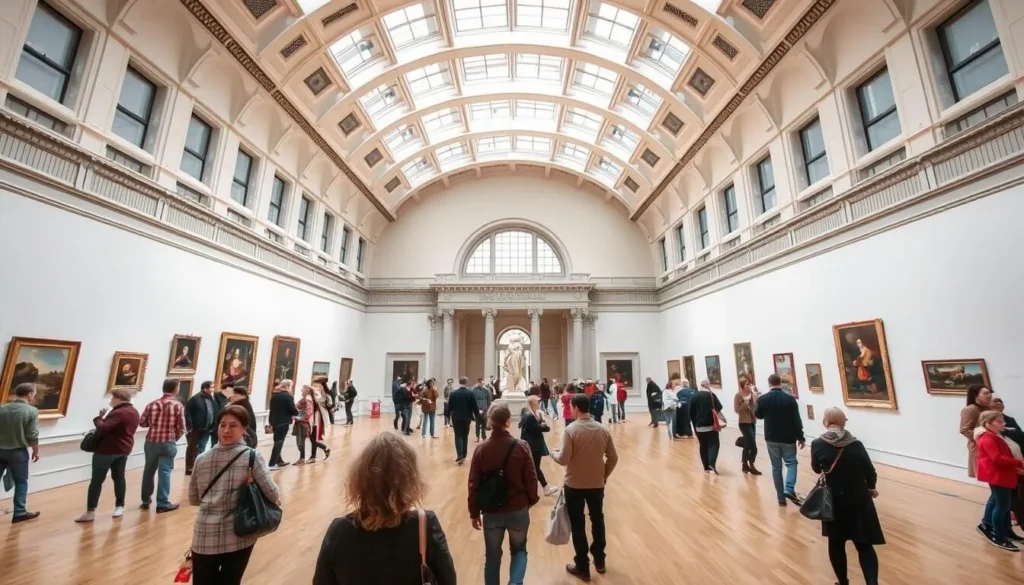
Top Museums in Copenhagen
Copenhagen boasts world-class museums covering art, history, design, and science. Many offer free entry with the Copenhagen Card.
National Museum of Denmark
Denmark’s largest cultural and historical museum traces Danish history from prehistoric times to the present day. Highlights include the Viking exhibition, the Egyptian collection, and the Children’s Museum.
Location: Indre By
Entrance fee: 115 DKK (free with Copenhagen Card)
Designmuseum Danmark
Showcasing the best of Danish design, from furniture to fashion, industrial design to ceramics. The museum highlights why Danish design has become world-renowned for its functionality and beauty.
Location: Near Amalienborg
Entrance fee: 115 DKK (free with Copenhagen Card)
NY Carlsberg Glyptotek
An art museum built around the personal collection of Carl Jacobsen (of Carlsberg beer fame). Features ancient Mediterranean art, Danish Golden Age paintings, and French impressionists in a stunning building with a central winter garden.
Location: Near Tivoli
Entrance fee: 125 DKK (free with Copenhagen Card)
Cultural Experiences
- The Royal Danish Opera House – Stunning modern architecture on the harbor with world-class performances
- Christiansborg Palace Tower – Free access to Copenhagen’s highest viewpoint
- Church of Our Saviour – Climb the external spiral staircase for amazing city views
- The Black Diamond – Modern waterfront extension of the Royal Library with cultural events
- Freetown Christiania – Self-governing community with unique architecture and art scene
Major Festivals in Copenhagen
| Festival | When | What to Expect |
| Copenhagen Jazz Festival | Early July | One of Europe’s largest jazz events with 1,000+ concerts across the city |
| Copenhagen Pride | August | Week-long celebration culminating in a parade and concerts at Pride Square |
| Distortion | Late May/Early June | Street parties and electronic music festival across different neighborhoods |
| Copenhagen Cooking & Food Festival | August | Culinary events showcasing Nordic cuisine |
| Christmas Markets | November-December | Festive markets at Tivoli Gardens, Nyhavn, and Kongens Nytorv |
Sports, Nature & Outdoor Experiences
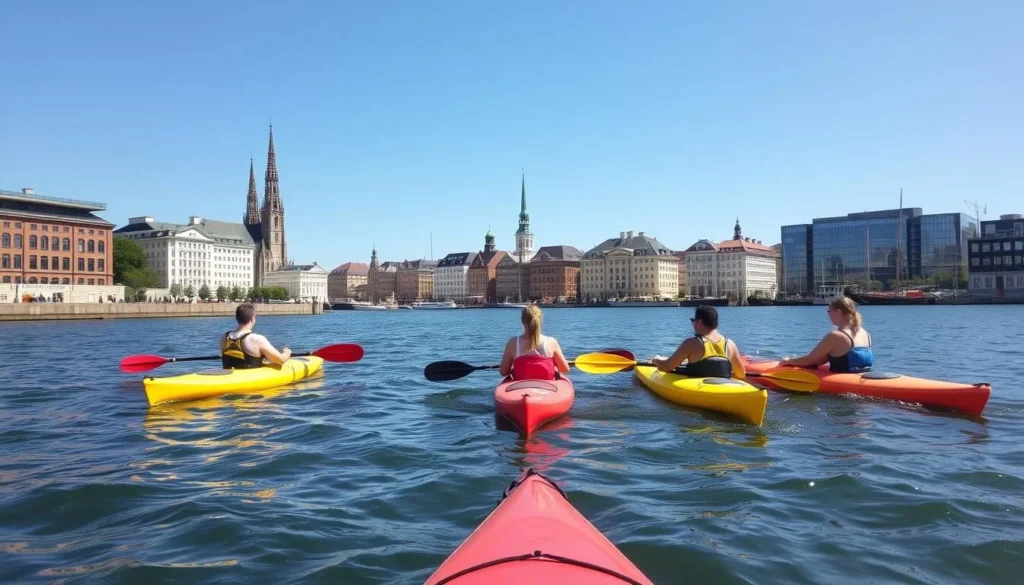
Despite being a capital city, Copenhagen offers numerous opportunities to connect with nature and enjoy outdoor activities. The city’s commitment to sustainability and clean urban spaces makes outdoor recreation a key part of the Copenhagen experience.
Parks and Gardens
- King’s Garden (Kongens Have) – Copenhagen’s oldest royal garden surrounding Rosenborg Castle, perfect for picnics
- Frederiksberg Gardens – Romantic landscape garden with canals, lakes, and views of Frederiksberg Palace
- Botanical Garden – 10-hectare garden with more than 13,000 plant species and historic glasshouses
- Assistens Cemetery – Beautiful park-like cemetery where Hans Christian Andersen is buried
- Amager Beach Park – 4.6 km (2.8 miles) of white sand beach just 5 km from city center
Water Activities
Copenhagen’s clean harbor waters offer unique urban swimming and water sports opportunities:
Harbor Swimming
Copenhagen’s harbor is clean enough for swimming, with several designated swimming areas:
- Islands Brygge Harbour Bath – Five swimming pools including diving towers
- Fisketorvet Harbour Bath – Family-friendly swimming area
- Svanemølle Beach – Sandy beach with shallow water
Swimming season typically runs from June to September, depending on water temperature.
Water Tours
Explore Copenhagen from the water:
- Kayak Tours – Guided tours through canals and harbor
- GoBoat – Rent solar-powered boats to navigate the canals
- Harbor Bus – Public transport boats that connect waterfront areas
- Canal Tours – Guided boat tours of Copenhagen’s waterways
Cycling Adventures
Beyond city cycling, Copenhagen offers longer recreational routes:
- Amager Fælled – Nature reserve with cycling paths through diverse landscapes
- Dyrehaven (The Deer Park) – UNESCO-listed park north of Copenhagen with cycling routes through ancient oak forests
- Copenhagen-Malmö – Cycle across the Øresund Bridge to Sweden (train portion required)
- Harbor Circle Route – 13 km route around Copenhagen’s harbor
Safety, Etiquette & Local Customs
Safety in Copenhagen
Copenhagen consistently ranks as one of the safest capital cities in the world. Violent crime is rare, and most visitors experience no safety issues. However, as with any major city, it’s wise to take basic precautions:
General Safety Tips
- Be aware of pickpockets in crowded tourist areas like Nyhavn and Strøget
- Keep valuables secure, especially in busy areas
- Bicycle theft can occur, so use proper locks when parking bikes
- The emergency number in Denmark is 112
Cycling Safety
- Always follow cycling rules and signals
- Use hand signals when turning or stopping
- Stay in designated bike lanes
- Yield to pedestrians at crossings
- Use bike lights after dark (required by law)
Christiania Advisory: When visiting Freetown Christiania, respect their rules: no photos in certain areas (especially Pusher Street), no running (it creates panic), and be mindful that cannabis, while sold openly in some areas, remains technically illegal in Denmark.
Danish Etiquette & Customs
Danes are generally relaxed, but there are some cultural norms to be aware of:
- Punctuality – Danes value punctuality highly. Arrive on time for appointments and reservations.
- Cycling etiquette – Follow bike lane rules, signal turns, and don’t block lanes by stopping suddenly.
- Indoor shoes – In private homes, you may be asked to remove your shoes.
- Quiet voices – Danes tend to speak quietly in public. Loud conversations may draw disapproving looks.
- Queuing – Orderly lines are expected at bus stops, in shops, and other public places.
- Tipping – Not required as service charges are included, but rounding up or adding 10% for exceptional service is appreciated.
- Hygge – This Danish concept of coziness and contentment is central to Danish culture. It involves creating a warm atmosphere and enjoying simple pleasures.
Understanding Hygge
Hygge (pronounced “hoo-ga”) is a Danish concept that’s central to understanding Danish culture. It roughly translates to a feeling of coziness, contentment, and well-being through enjoying the simple things in life.
Experience hygge in Copenhagen by:
- Enjoying a coffee and pastry in a candlelit café
- Spending time with friends in a cozy restaurant
- Relaxing in a park with a book
- Visiting a museum on a rainy day
- Watching the sunset over the harbor
Visitor Comments About Copenhagen
“Copenhagen exceeded all my expectations! The bike-friendly streets made exploring so easy, and I loved how you could go from royal palaces to hip food markets in minutes. Don’t miss taking a GoBoat through the canals—it was the highlight of our trip and gave us a unique perspective of the city. The Danish concept of ‘hygge’ is real—I’ve never felt so comfortable in a foreign city.”
“As a fellow European, I was impressed by Copenhagen’s blend of historic charm and modern sustainability. The food scene is incredible—from traditional smørrebrød to Michelin-starred restaurants. I recommend visiting during summer when the days are long and everyone’s enjoying the outdoor cafes and harbor swimming. The Copenhagen Card saved us money on attractions and made transportation seamless.”
“We visited Copenhagen with our children and found it incredibly family-friendly. Tivoli Gardens was magical for all ages, and the interactive museums kept everyone engaged. The city is compact enough to explore on foot, though we also enjoyed the harbor bus. Danish people were welcoming and helpful, and nearly everyone spoke perfect English. Just be prepared for the prices—budget accordingly!”
Practical Travel Tips
Money Matters
- Currency: Danish Krone (DKK), not Euro
- Cash vs. Card: Denmark is largely cashless—credit/debit cards are accepted almost everywhere
- ATMs: Widely available throughout the city
- Tipping: Not required (service included), but 5-10% for exceptional service is appreciated
- Budget: Copenhagen is expensive—budget approximately 1,000-1,500 DKK ($150-225) per day for mid-range travel
Connectivity
- Wi-Fi: Free in most cafés, restaurants, hotels, and public spaces
- Mobile: EU roaming works for European visitors; others should consider local SIM cards
- Power: Standard European plugs (type C/E/F), 230V
- Apps: Download Rejseplanen (transport), Donkey Republic (bike rental), and MobilePay (payment app)
Language
While Danish is the official language, English is widely spoken throughout Copenhagen. You’ll have no trouble communicating in English at hotels, restaurants, attractions, and shops. Learning a few basic Danish phrases is appreciated but not necessary:
- Hej (hay) – Hello
- Tak (tahk) – Thank you
- Ja/Nej (ya/nay) – Yes/No
- Undskyld (un-skill) – Excuse me/Sorry
- Skål (skawl) – Cheers
Packing Essentials
Copenhagen’s weather can be unpredictable, so pack accordingly:
- Layered clothing – Weather can change quickly
- Comfortable walking shoes – Copenhagen is best explored on foot
- Rain jacket – Showers can occur year-round
- Swimwear (summer) – For harbor swimming
- Warm hat and gloves (winter) – Temperatures can drop below freezing
- Sunglasses and sunscreen (summer) – Long daylight hours mean more sun exposure
Money-Saving Tip: Purchase the Copenhagen Card if you plan to visit multiple attractions. It includes free entry to 80+ attractions and unlimited public transportation. For a 72-hour stay, the card typically pays for itself if you visit 3-4 major attractions and use public transport daily.
Embrace the Danish Art of Living Well
Copenhagen isn’t just a destination; it’s an introduction to a way of life that prioritizes sustainability, design, and genuine well-being. As you cycle along harbor-front bike lanes, savor innovative Nordic cuisine, or simply enjoy a coffee in a cozy café, you’ll experience firsthand why Danes consistently rank among the world’s happiest people. The city’s perfect blend of historic charm and forward-thinking innovation creates a uniquely livable urban environment that stays with you long after you’ve returned home. Whether you’re drawn by the colorful buildings of Nyhavn, the culinary adventures, or the simple pleasure of exploring a city designed for human enjoyment, Copenhagen offers a refreshing perspective on what urban life can be. Take home not just memories and photos, but perhaps a little hygge to incorporate into your own life—the Danish secret to happiness might be the most valuable souvenir of all.
The above is subject to change.
Check back often to TRAVEL.COM for the latest travel tips and deals.


0 Comments