
Hotels by Trip.com
Flights by Trip.com
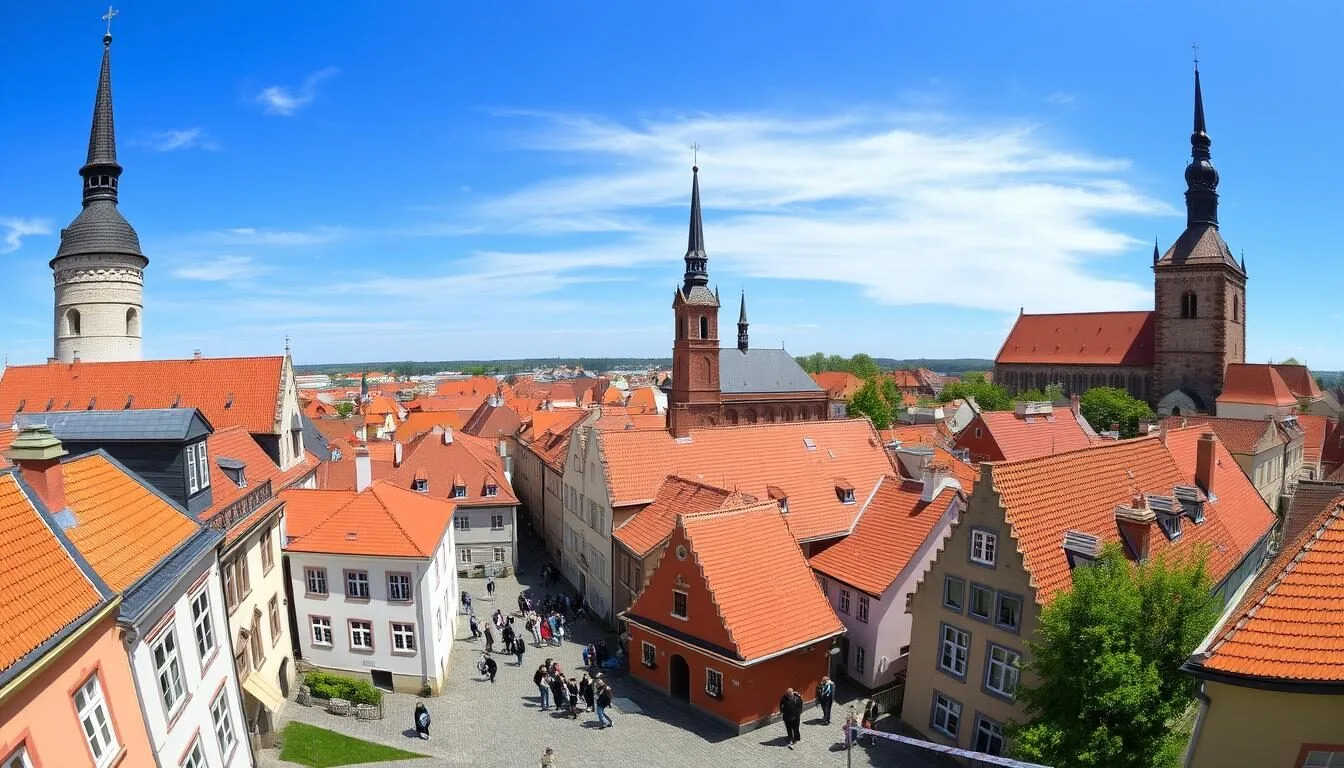
Did you know Tallinn’s Old Town is one of the best-preserved medieval cities in Europe and a UNESCO World Heritage Site since 1997? This Baltic gem offers a perfect blend of medieval charm and modern innovation, with centuries-old buildings standing alongside cutting-edge technology hubs. As Estonia’s capital city, Tallinn captivates visitors with its fairy-tale atmosphere, vibrant culture, and surprising contrasts that make it one of Northern Europe’s most enchanting destinations.
Getting There & Planning Your Journey
Tallinn Airport (TLL) is the main gateway to Estonia, located just 4 km (2.5 miles) from the city center. Direct flights connect Tallinn to major European cities including London, Frankfurt, Helsinki, and Stockholm. The airport is compact and efficient, making arrivals and departures relatively stress-free.
For travelers coming from Helsinki, the ferry is a popular option. The journey across the Gulf of Finland takes approximately 2 hours, with multiple departures daily operated by Tallink Silja Line, Viking Line, and Eckerö Line. This scenic sea route offers beautiful views and is often more affordable than flying.
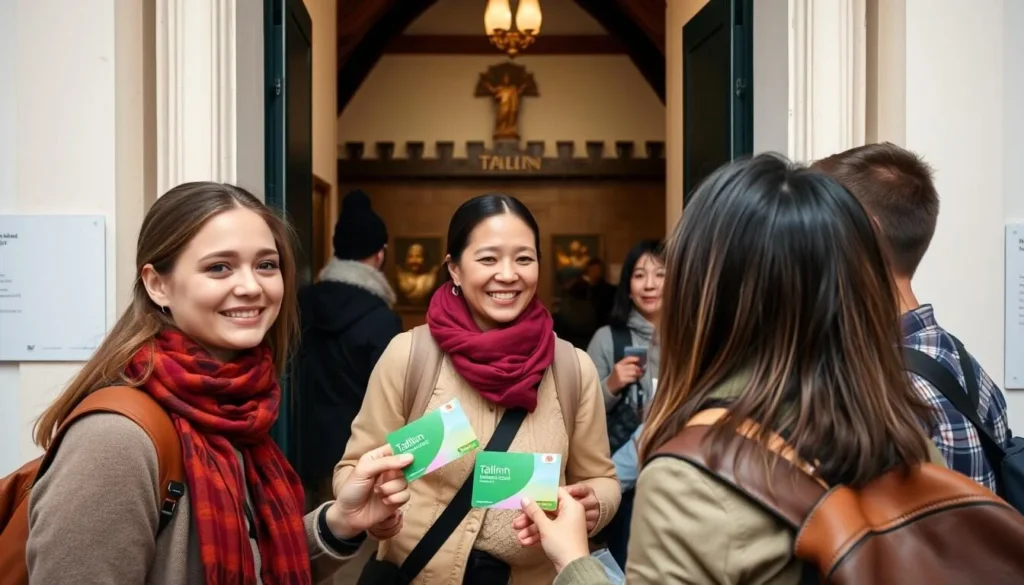
When planning your trip, consider purchasing the Tallinn Card, which provides free entry to over 40 attractions, free use of public transportation, and discounts at restaurants and shops. The card is available for 24, 48, or 72 hours, making it ideal for short stays.
Travel Tip: Book your ferry tickets in advance during summer months (June-August) as this is peak tourist season and tickets can sell out, especially for morning departures.
Best Time to Visit Tallinn
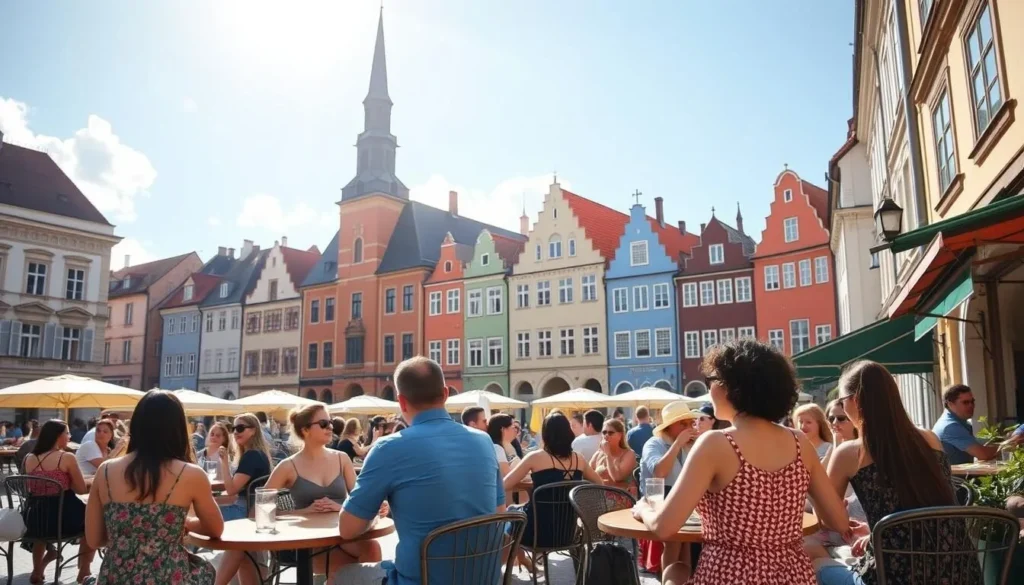
The best time to visit Tallinn is during the summer months from June to August when temperatures range from 16-22°C (61-72°F). These months offer long daylight hours—sometimes extending until 11 PM—giving you ample time to explore. Summer also brings numerous festivals and outdoor events, with restaurant terraces and beer gardens adding to the lively atmosphere.
May and September are excellent alternatives with fewer tourists and mild weather, typically around 10-15°C (50-59°F). These shoulder months offer good value on accommodations while still providing pleasant conditions for sightseeing.
Winter in Tallinn (November through February) transforms the city into a magical snow-covered landscape, especially during the Christmas season when the Town Hall Square hosts one of Europe’s most charming Christmas markets. However, be prepared for short daylight hours (as little as 6 hours in December) and temperatures that can drop to -10°C (14°F).
Seasonal Tip: If visiting during winter, pack thermal layers and waterproof boots for snow. The cobblestone streets can be slippery when covered with snow or ice.
Getting Around Locally
Tallinn is a compact city with an excellent public transportation system consisting of buses, trams, and trolleybuses. A single ticket costs €1.50 when purchased with a contactless bank card on board, or €2 if bought from the driver with cash. For convenience, consider purchasing a QR-ticket through the Tallinn Transport app or a Smartcard (Ühiskaart) if staying longer.
The Old Town is best explored on foot, as its narrow cobblestone streets are pedestrian-friendly and most attractions are within a 10-15 minute walk of each other. Comfortable walking shoes are essential for navigating the uneven medieval streets.
Taxis are readily available and can be hailed on the street or ordered through apps like Bolt (an Estonian company similar to Uber) and Yandex Taxi. Cycling is also popular during summer months, with bike rental shops and sharing services available throughout the city.
Where to Stay
Tallinn offers accommodation options for every budget and preference, from medieval-themed boutique hotels to modern business establishments.
Check 30,000+ Local Sightseeing Tours Worldwide
✓ Numerous languages and currencies are available
Old Town
Staying in the Old Town puts you within walking distance of major attractions, restaurants, and nightlife. The area features charming boutique hotels housed in historic buildings, many with original medieval elements preserved. Notable options include Hotel Telegraaf, a luxury property in a 19th-century building, and St. Petersbourg Hotel, Estonia’s oldest continuously operating hotel dating back to 1850.
City Center
Just outside the Old Town walls, the city center offers modern hotels with more space and often lower prices. The area provides easy access to both the historic district and newer shopping centers. Popular choices include Nordic Hotel Forum and Radisson Blu Sky Hotel, which features panoramic views from its top-floor restaurant.
Kalamaja
For a more local experience, consider staying in Kalamaja, a former fishing district that has transformed into Tallinn’s hipster neighborhood. This area offers charming wooden houses, trendy cafes, and a glimpse into local life. Accommodation here tends toward apartments and guesthouses rather than traditional hotels.
Accommodation Tip: Book accommodations well in advance if visiting during the summer high season or during the Christmas market period (late November to early January).
Dining & Local Cuisine
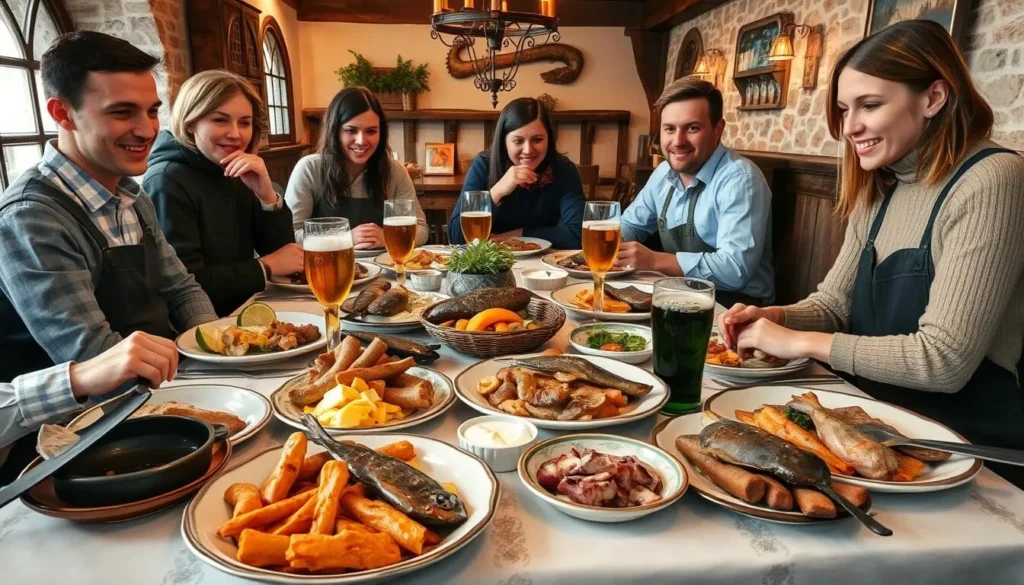
Estonian cuisine reflects the country’s Nordic location and complex history, with influences from German, Russian, and Scandinavian cooking traditions. In Tallinn, you’ll find everything from medieval-themed taverns to cutting-edge restaurants embracing the New Nordic cuisine movement.
Traditional Estonian Dishes
Don’t leave Tallinn without trying these local specialties:
- Black bread (leib) – A dense, slightly sweet rye bread that’s a staple of Estonian cuisine
- Verivorst – Blood sausage traditionally served during Christmas with lingonberry jam
- Kiluvõileib – Sprat sandwich on black bread with boiled eggs and dill
- Mulgipuder – Potato and barley porridge often served with bacon
- Kohuke – Sweet curd snacks available in various flavors at any grocery store
Where to Eat
For an authentic medieval dining experience, visit Olde Hansa or III Draakon in the Old Town. These restaurants serve historically accurate dishes by candlelight, with servers dressed in period costumes. For a more contemporary take on Estonian cuisine, try Rataskaevu 16 or Leib Resto ja Aed, both known for their seasonal menus featuring local ingredients.
Coffee culture is strong in Tallinn, with numerous cafes throughout the city. Maiasmokk, operating since 1864, is the oldest cafe in Estonia and famous for its marzipan figurines and delicious pastries.
Dining Tip: Many restaurants in the Old Town offer a daily business lunch (päevapakkumine) at a fraction of the regular menu price, typically between 12-3 PM on weekdays.
Attractions, Sightseeing & Activities
Old Town Highlights
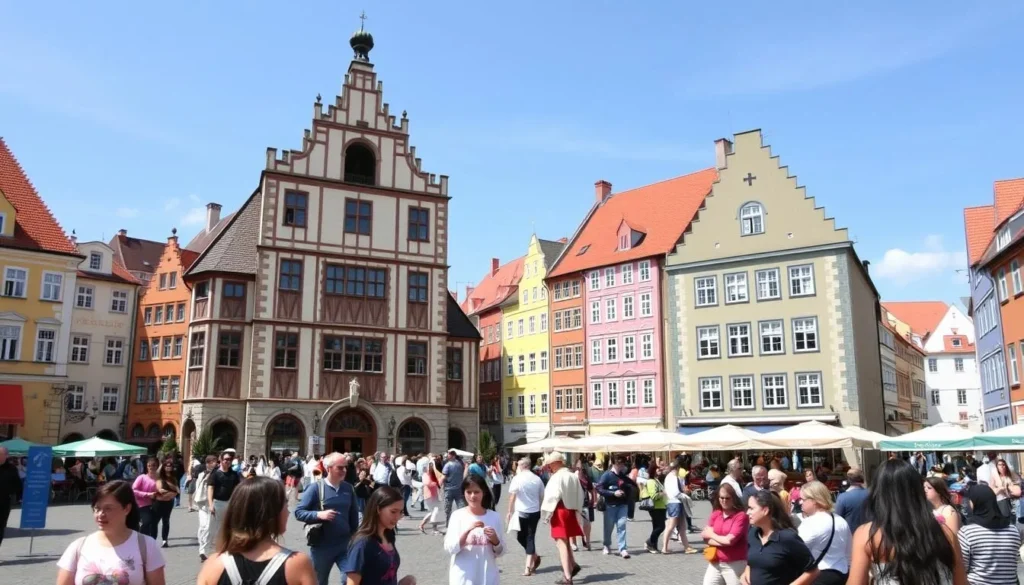
Tallinn’s UNESCO-listed Old Town is divided into two parts: the lower town (All-linn) and the upper town (Toompea). Begin your exploration in the heart of the lower town at Town Hall Square (Raekoja Plats), dominated by the Gothic Town Hall built in 1404. From here, wander through the labyrinth of cobblestone streets, discovering hidden courtyards and medieval merchants’ houses.
Don’t miss these Old Town highlights:
- St. Olaf’s Church – Once the tallest building in the world, offering panoramic views from its tower
- Viru Gate – The picturesque entrance to the Old Town with its two distinctive towers
- St. Catherine’s Passage – A charming alleyway lined with artisan workshops
- Town Wall – Walk along sections of the preserved medieval city wall and visit some of its 20 remaining towers
- Kiek in de Kök Museum and Bastion Tunnels – Explore underground passages and learn about the city’s military history
Toompea Hill
Climb to Toompea Hill to visit Toompea Castle, home to Estonia’s parliament, and the striking Alexander Nevsky Cathedral with its distinctive onion domes. The hill also offers two excellent viewpoints – Kohtuotsa and Patkuli – providing spectacular panoramas over the lower town’s red-tiled roofs and church spires.
Sightseeing Tip: Visit the Old Town early in the morning (before 10 AM) or in the evening (after 6 PM) to avoid cruise ship crowds, especially during summer months.
Museums, Cultural Spots & Festivals
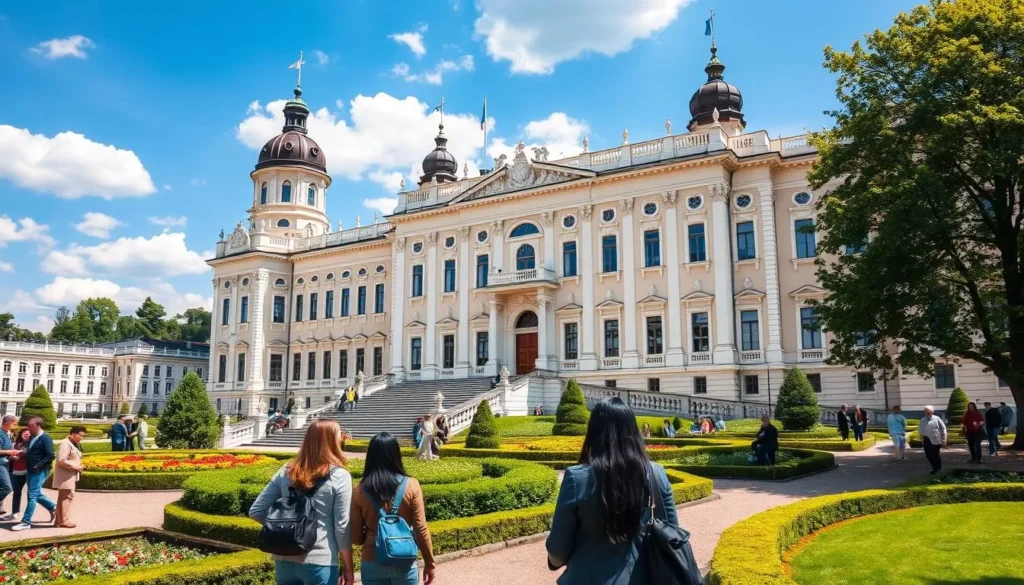
Tallinn boasts an impressive array of museums and cultural venues that showcase Estonia’s rich history and contemporary creativity.
Must-Visit Museums
- Estonian History Museum (Great Guild Hall) – Housed in a 14th-century guild hall, this museum presents Estonia’s history from ancient times to the present
- Kumu Art Museum – Estonia’s largest art museum featuring both historical and contemporary Estonian art
- Seaplane Harbour (Estonian Maritime Museum) – An award-winning interactive maritime museum housed in a massive seaplane hangar
- Kadriorg Art Museum – Located in the baroque Kadriorg Palace built by Peter the Great, displaying European and Russian art from the 16th-20th centuries
- KGB Museum at Hotel Viru – Offers fascinating insights into Soviet surveillance operations during the occupation
Cultural Events and Festivals
Tallinn’s cultural calendar is packed with events throughout the year:
- Tallinn Music Week (March/April) – A showcase of diverse musical talents from Estonia and beyond
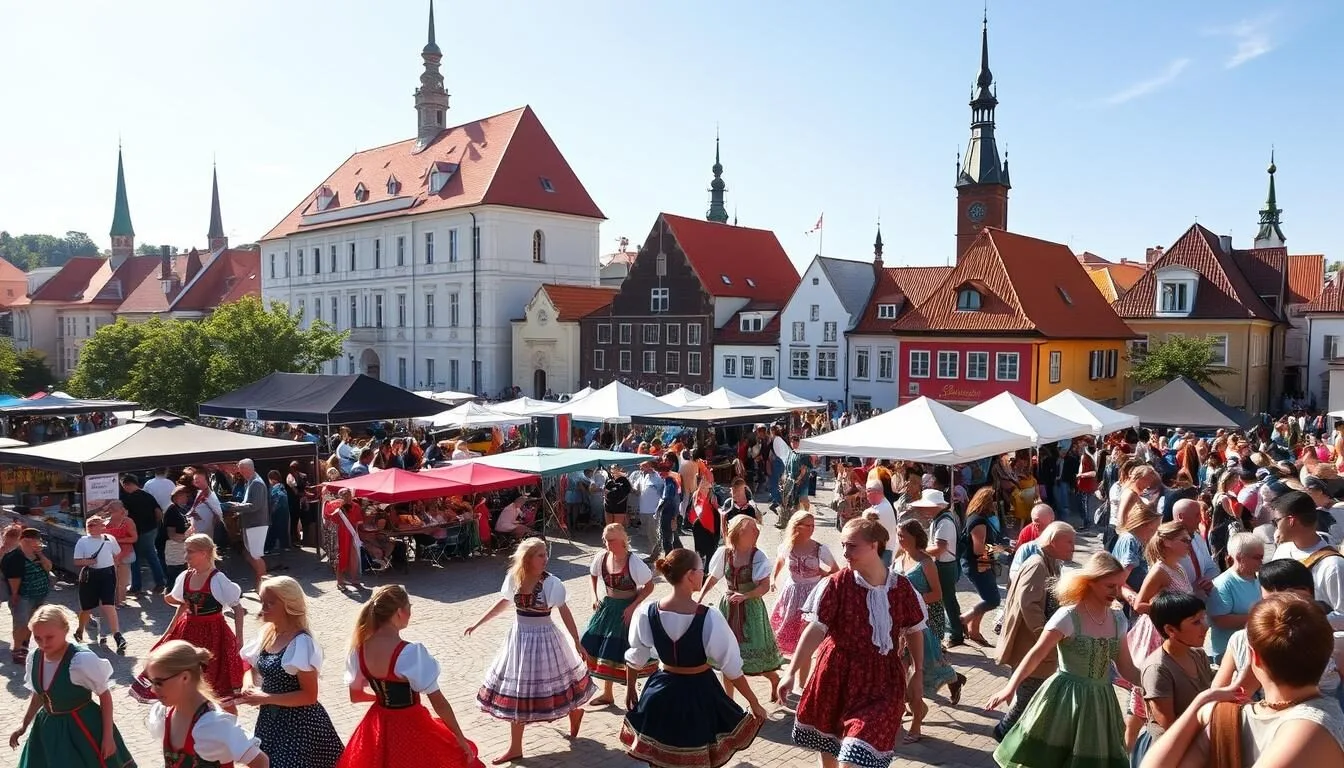
- Old Town Days (June) – A medieval-themed festival with markets, performances, and workshops
- Tallinn Maritime Days (July) – Celebrating the city’s seafaring heritage with ship parades and maritime activities
- Tallinn Black Nights Film Festival (November) – One of Northern Europe’s largest film festivals
- Christmas Market (November-January) – One of Europe’s most enchanting Christmas markets centered around a massive Christmas tree in Town Hall Square
Cultural Tip: Many museums offer free admission on the first Sunday of each month. The Tallinn Card includes free entry to most museums, making it a good value if you plan to visit several cultural attractions.
Sports, Nature & Outdoor Experiences
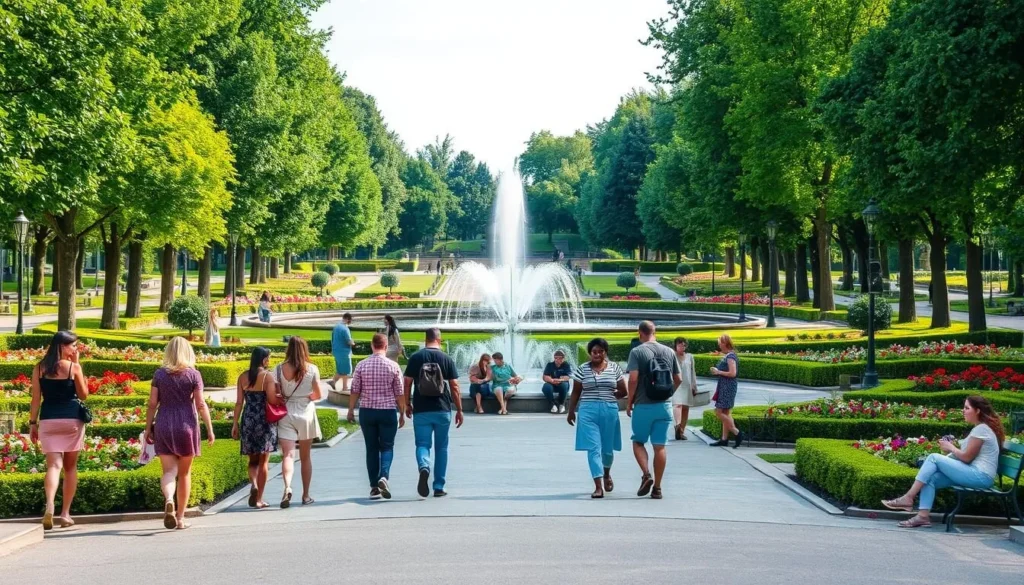
Despite being a capital city, Tallinn offers numerous opportunities to connect with nature and enjoy outdoor activities year-round.
Parks and Green Spaces
Kadriorg Park, established by Peter the Great in the 18th century, is Tallinn’s most impressive urban park spanning 70 hectares (173 acres). Its formal gardens, swan pond, and Japanese garden provide a peaceful retreat from the city. Nearby, Tallinn Botanic Garden showcases over 8,000 plant species across 123 hectares (304 acres) of diverse landscapes.
Beaches
During summer months, locals flock to Pirita Beach, a 2 km (1.2 mile) stretch of golden sand just 15 minutes from the city center. The beach offers swimming, beach volleyball, and water sports, with cafes and ice cream stands lining the promenade. For a more secluded experience, try Kakumäe Beach on the western edge of the city.
Hiking and Nature
Just outside Tallinn, Lahemaa National Park offers hiking trails through forests, bogs, and along the rocky coastline. Closer to the city, the Pääsküla Bog features wooden boardwalks through a fascinating wetland ecosystem, perfect for a half-day excursion.
Winter Activities
When snow covers the city, Tallinn transforms into a winter playground. Ice skating rinks appear in the city center, while nearby hills offer sledding opportunities. Cross-country skiing is popular in Nõmme-Mustamäe Recreation Area, just a short drive from downtown.
Outdoor Tip: Rent a bicycle to explore the seaside cycling path that runs from the city center to Pirita Beach and beyond, offering beautiful coastal views along the 13 km (8 mile) route.
Safety, Etiquette & Local Customs
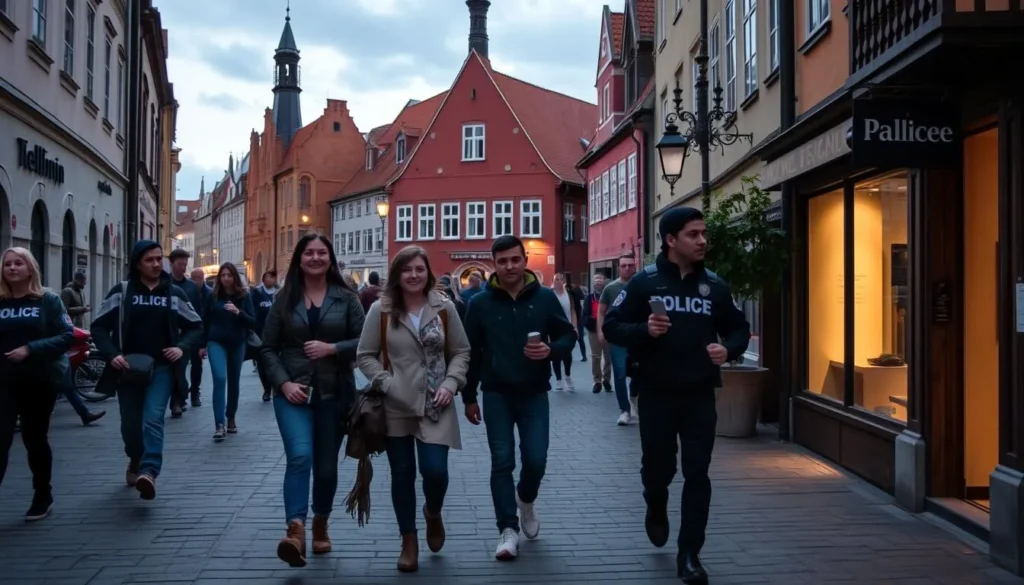
Tallinn is generally very safe for visitors, with low crime rates and excellent healthcare facilities. However, as with any tourist destination, it’s wise to take standard precautions against pickpocketing, particularly in crowded areas like the Old Town and public transportation.
Local Etiquette
Estonians tend to be reserved and value personal space. When interacting with locals:
- Keep your voice down in public places – loud conversations are considered impolite
- Maintain eye contact during conversations as a sign of trustworthiness
- Remove your shoes when entering someone’s home
- Be punctual – Estonians value timeliness
- A small tip (5-10%) in restaurants is appreciated but not mandatory
Digital Estonia
Estonia is one of the world’s most digitally advanced societies, with widespread free Wi-Fi and e-services. You’ll find free internet access in most public spaces, cafes, and even forests. Mobile data is inexpensive, and digital payments are widely accepted, making it easy to get by without much cash.
Language
Estonian is the official language, but English is widely spoken, especially among younger people and in tourist areas. Russian is also common, particularly among older generations. Learning a few basic Estonian phrases like “Tere” (hello) and “Aitäh” (thank you) will be appreciated by locals.
Safety Tip: In winter, be cautious when walking in the Old Town as snow and ice can make the cobblestone streets slippery. Many hotels provide ice grips that attach to your shoes for better traction.
Visitor Comments About Tallinn
“Tallinn surprised me with its perfect blend of medieval charm and modern innovation. Walking through the Old Town felt like stepping into a fairy tale, while the tech-savvy cafes and museums showed Estonia’s forward-thinking spirit. Don’t miss the view from Kohtuotsa platform—it’s breathtaking at sunset!”
“As a solo traveler, I found Tallinn incredibly safe and easy to navigate. The free Wi-Fi everywhere was a huge plus! My highlight was exploring the Bastion Tunnels beneath the Old Town—spooky but fascinating. Also, Estonian food was a delightful surprise—the black bread and smoked fish at Olde Hansa were unforgettable.”
“We visited Tallinn during the Christmas market and it was magical! The snow-covered Old Town with twinkling lights and the scent of mulled wine created the perfect winter atmosphere. Despite the cold, we spent hours exploring the market stalls and warming up in cozy medieval taverns. Summer might be popular, but winter in Tallinn has its own special charm.”
Practical Travel Tips
- Currency: Estonia uses the Euro (€). Credit cards are widely accepted, even for small purchases, but keep some cash handy for small vendors and tips.
- Electricity: Standard European 230V/50Hz with type F sockets (round prongs). Bring an adapter if coming from the US or UK.
- Tipping: Not obligatory but appreciated. 5-10% is standard in restaurants if you’re satisfied with the service.
- Drinking Water: Tap water is safe and of excellent quality throughout Estonia.
- Business Hours: Most shops open 9 AM-7 PM on weekdays, with shorter hours on weekends. Museums are typically closed on Mondays.
- Wi-Fi: Free Wi-Fi is available throughout the city, including parks and public transportation.
- Emergency Number: 112 for all emergency services.
Money-Saving Tip: The Tallinn Card (available for 24, 48, or 72 hours) includes free public transportation and entry to most attractions. It typically pays for itself if you visit at least 3-4 museums or attractions.
Your Medieval Adventure Awaits
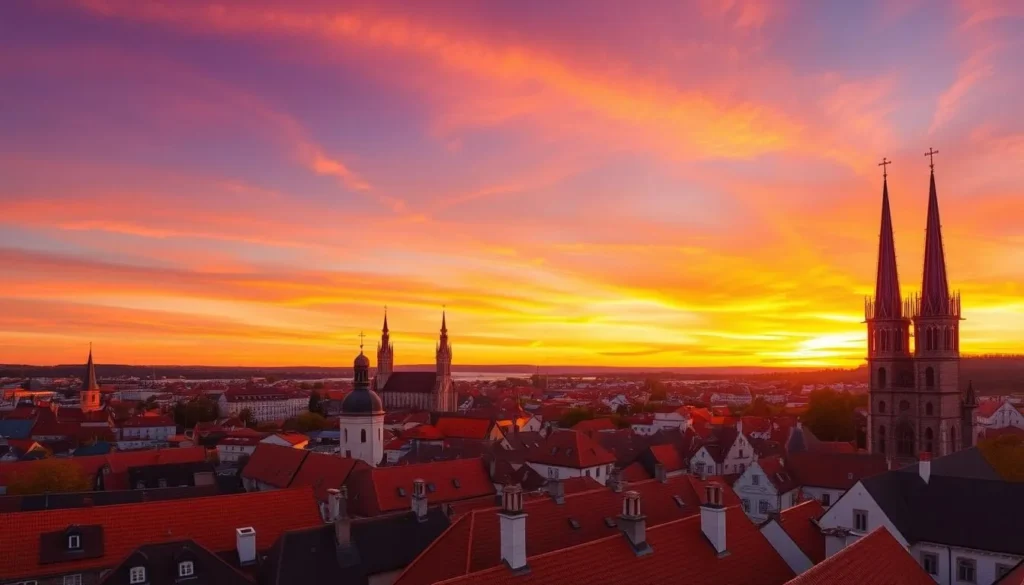
Tallinn offers a rare combination of preserved medieval heritage and cutting-edge innovation that few European capitals can match. Whether you’re wandering through the cobblestone streets of the Old Town, sampling traditional Estonian cuisine, or exploring the creative energy of former industrial districts, Tallinn rewards visitors with authentic experiences and unexpected discoveries.
The city’s compact size makes it perfect for a weekend getaway, yet its cultural depth and surrounding natural beauty could easily fill a week-long itinerary. From summer’s endless daylight to winter’s snow-covered charm, each season reveals a different facet of this Baltic gem.
As you plan your journey to Tallinn, remember that beyond the picture-perfect medieval towers and walls lies a forward-thinking nation with a fascinating story of resilience and reinvention. Take time to engage with locals, venture beyond the tourist hotspots, and discover why this small but mighty capital continues to enchant travelers from around the world.
Related Posts
Coming Soon: Clickable Maps