

Hotels by Trip.com
Flights by Trip.com
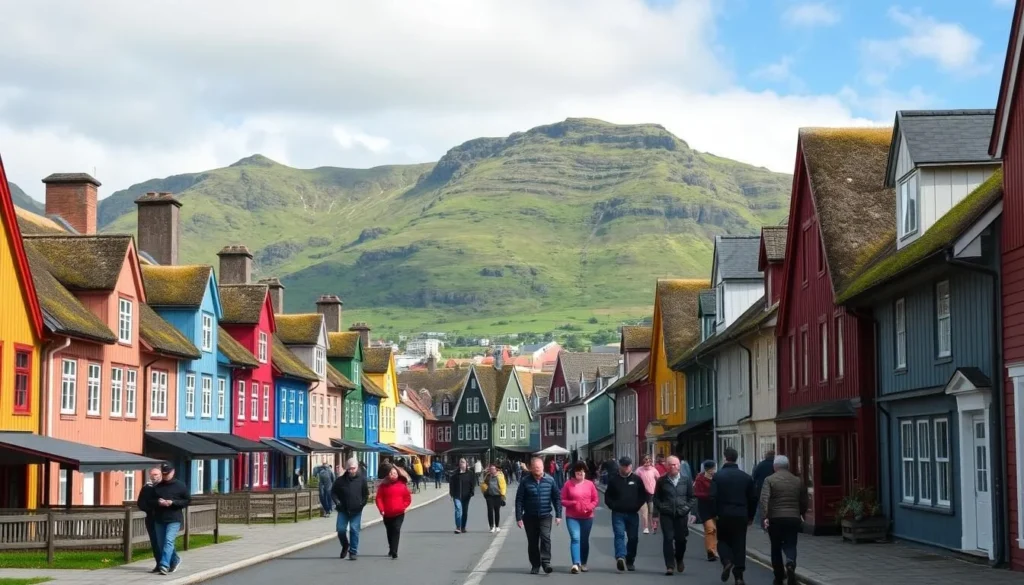
Did you know that Tórshavn (often misspelled as Torshan) is one of the world’s smallest capital cities with just over 20,000 residents, yet houses one of the oldest parliamentary meeting places on earth, dating back to Viking times in 825 AD? This tiny but mighty capital of the Faroe Islands packs an incredible punch for travelers seeking authentic Nordic experiences away from the tourist crowds. Despite its compact size, Tórshavn offers a fascinating blend of ancient history, vibrant culture, and breathtaking natural beauty that makes it the perfect base for exploring the stunning Faroe archipelago.
Getting There & Planning Your Journey
The Faroe Islands are more accessible than many travelers realize, though reaching this North Atlantic archipelago does require some planning. The islands are served by one airport, Vágar Airport, located on the island of Vágar about 45 minutes from Tórshavn by car.
Flights to the Faroe Islands
Atlantic Airways, the national carrier of the Faroe Islands, operates regular direct flights from several European cities. The most frequent connections are from:
- Copenhagen, Denmark (year-round, multiple daily flights)
- Edinburgh, Scotland (seasonal)
- Bergen, Norway (seasonal)
- Reykjavik, Iceland (seasonal)
- Paris, France (seasonal)
Flight times are relatively short, with Copenhagen to the Faroes taking just over 2 hours. Scandinavian Airlines (SAS) also operates flights from Copenhagen to the Faroe Islands.
By Sea
If you prefer a more adventurous journey, the Smyril Line ferry operates services between Denmark, the Faroe Islands, and Iceland. The MS Norröna sails from Hirtshals, Denmark to Tórshavn once or twice weekly (depending on the season), with the journey taking approximately 36 hours.
Best Time to Visit & Weather Tips
The Faroe Islands experience a cool maritime climate with mild winters and cool summers. Weather is famously changeable, with locals often saying you can experience all four seasons in a single day!
Recommended Seasons
Summer (June to August)
The peak tourist season offers the mildest temperatures, averaging 11-13°C (52-55°F), with daylight lasting up to 19-20 hours in June and July. This is ideal for hiking and outdoor activities, though summer can bring fog, especially in July.
Spring & Fall (May & September)
These shoulder seasons offer fewer tourists, reasonable daylight hours, and often more stable weather than summer. Temperatures typically range from 7-11°C (45-52°F), and you’ll find better deals on accommodation.
Seasons to Avoid
Winter (November to March) brings short daylight hours (as little as 5-6 hours in December), stronger winds, and frequent precipitation. While winter offers a unique perspective of the islands and potential Northern Lights sightings, many tourist facilities operate on reduced hours or close entirely.
Weather Tip: Regardless of when you visit, always pack waterproof clothing, layers, and sturdy hiking boots. The Faroese saying “If you don’t like the weather, wait five minutes” holds true year-round!
Getting Around Locally
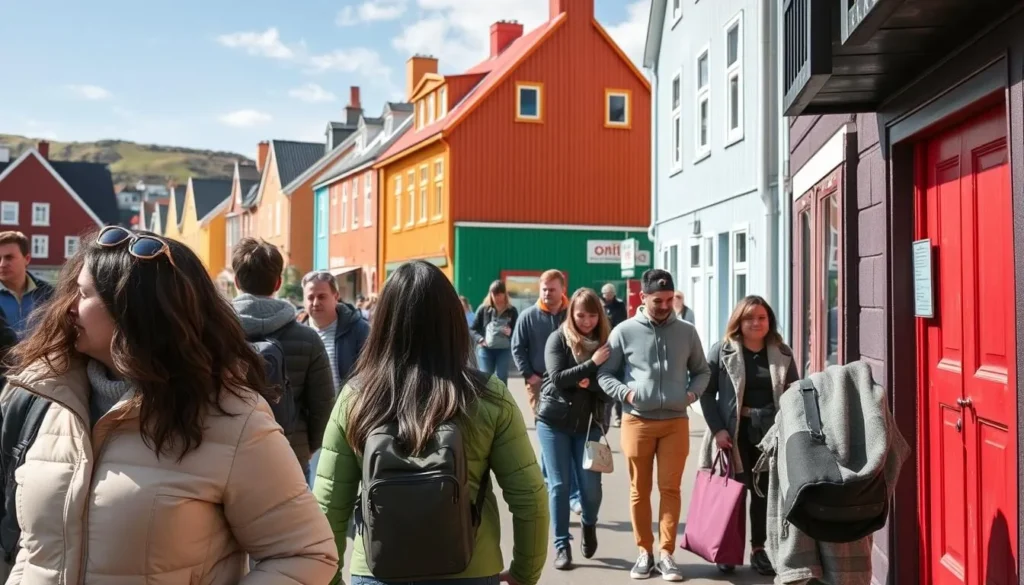
Tórshavn is a wonderfully walkable city, with most attractions in the center accessible within a 15-20 minute stroll. However, to fully explore the Faroe Islands, you’ll need additional transportation options.
Car Rental
Renting a car offers the most flexibility for exploring both Tórshavn and the surrounding islands. Several local and international rental companies operate at Vágar Airport and in Tórshavn. Book well in advance during summer months.
The road infrastructure in the Faroe Islands is excellent, with tunnels connecting many islands. Be prepared for single-lane tunnels on some routes, where specific passing rules apply. Some tunnels require tolls, payable online or at service stations.
Check 30,000+ Local Sightseeing Tours Worldwide
✓ Numerous languages and currencies are available
Public Transportation
Tórshavn operates free city buses (red buses) that connect all parts of the capital. For travel between islands and villages, the national bus service (blue buses) offers reliable connections at reasonable prices.
Ferries
Ferries connect islands not linked by tunnels or bridges. From Tórshavn harbor, regular ferries depart to Nólsoy (20 minutes) and Suðuroy (2 hours). Schedules vary seasonally, so check timetables in advance.
Helicopter
Atlantic Airways operates helicopter services to some of the more remote islands. These are primarily for residents but tourists can book available seats. Prices are subsidized and surprisingly affordable, offering spectacular aerial views.
Where to Stay
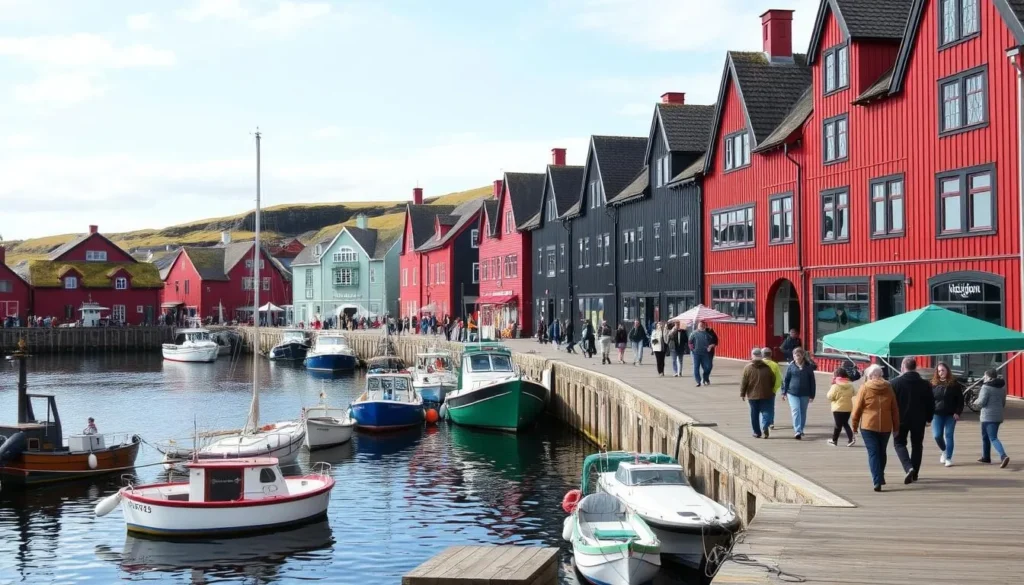
Tórshavn offers a range of accommodation options to suit different budgets and preferences. Due to the small size of the city and limited number of rooms, booking well in advance is essential, especially during the summer months.
Hotels
Hotel Føroyar
Perched on a hillside overlooking Tórshavn, this 4-star hotel features distinctive architecture with traditional grass roofs. The panoramic views of the city and harbor are spectacular, and the on-site restaurant serves excellent Faroese cuisine.
Hotel Hafnia
Centrally located in downtown Tórshavn, Hotel Hafnia offers comfortable rooms and easy access to the city’s main attractions. The hotel’s restaurant is known for its fresh seafood and traditional Faroese dishes.
Havgrim Seaside Hotel 1948
This boutique hotel occupies a historic building from 1948 and offers stunning sea views. With just 14 rooms, it provides an intimate atmosphere and personalized service. The breakfast, featuring local products, is particularly praised by guests.
Guesthouses & B&Bs
For a more personal experience, consider staying at one of Tórshavn’s guesthouses or B&Bs. Options like 62N Guesthouse and Bládýpi Guesthouse offer comfortable accommodations at more moderate prices than hotels.
Apartments & Airbnbs
Self-catering apartments and Airbnbs are increasingly popular in Tórshavn. Many are located in traditional houses in the historic center, offering an authentic experience and the convenience of your own kitchen—helpful given the high cost of dining out in the Faroe Islands.
Dining & Local Cuisine
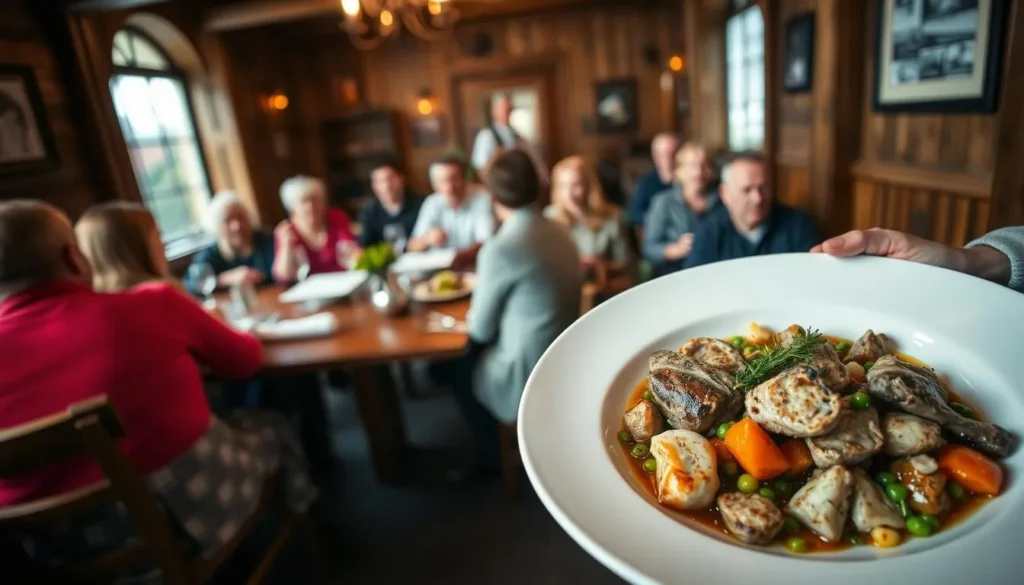
Faroese cuisine is deeply rooted in the islands’ maritime culture and limited agricultural possibilities. Traditional dishes feature seafood, lamb, and preserved foods, though today’s Tórshavn offers a surprisingly diverse culinary scene ranging from traditional fare to modern Nordic cuisine.
Must-Try Local Specialties
- Ræst Kjøt – Fermented lamb, a traditional delicacy with a strong flavor
- Skerpikjøt – Air-dried mutton, typically served thinly sliced
- Grind og Spik – Whale meat and blubber, part of traditional Faroese diet
- Faroese Salmon – Some of the world’s finest, served in various preparations
- Rhubarb – A staple in Faroese desserts and jams
Top Restaurants in Tórshavn
Áarstova
Housed in a historic wooden building, Áarstova specializes in slow-roasted Faroese lamb. The cozy, rustic atmosphere complements the traditional cuisine perfectly.
Barbara Fish House
Located in the historic Tinganes area, this restaurant focuses on fresh seafood caught in local waters. The fish soup is particularly renowned.
KOKS
The Faroe Islands’ first Michelin-starred restaurant showcases New Nordic cuisine using local, seasonal ingredients. Located outside Tórshavn, it offers a unique dining experience worth the journey.
Cafés & Casual Dining
For lighter meals and coffee breaks, Tórshavn offers several excellent options:
- Paname Café – Popular spot for coffee, pastries, and light lunches
- Kafé Kaspar – Cozy café serving homemade cakes and sandwiches
- Sirkus – Hipster-friendly venue with good vegetarian options
- Suppugarðurin – Excellent for ramen and Asian-inspired dishes
Dining Tip: Restaurants in Tórshavn can be expensive and often fill up quickly. Reservations are strongly recommended, especially for dinner at popular establishments like Áarstova and Barbara Fish House.
Attractions, Sightseeing & Activities
Despite its small size, Tórshavn offers a wealth of attractions that showcase the Faroese culture, history, and natural beauty. Most sights are within walking distance of each other in the compact city center.
Tinganes
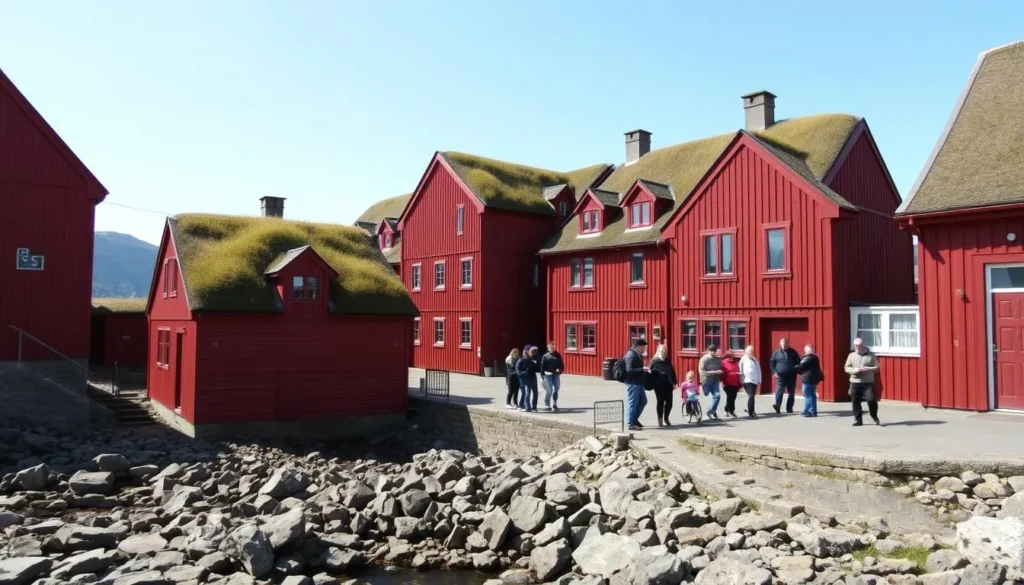
The heart of historic Tórshavn, Tinganes is a rocky peninsula jutting into the harbor, lined with distinctive red wooden buildings housing government offices. This site has served as a parliamentary meeting place since Viking times, making it one of the oldest parliamentary gathering spots in the world. Wander through the narrow lanes between these centuries-old structures with their characteristic turf roofs.
Á Reyni (Old Town)
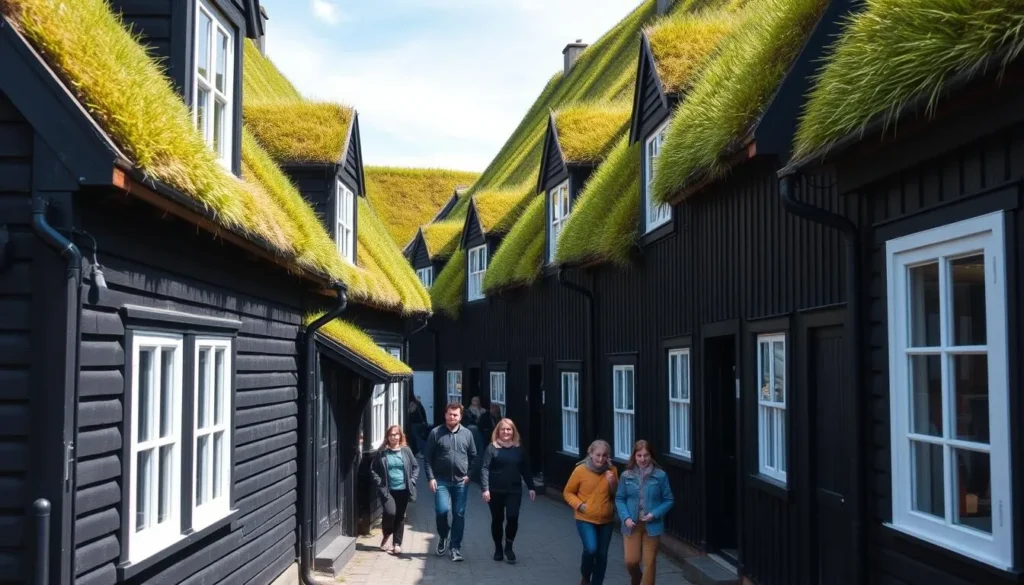
Adjacent to Tinganes, this preserved neighborhood features traditional black-tarred wooden houses with white window frames and grass roofs dating back to the 14th century. Unlike many historic districts elsewhere, Á Reyni remains a living residential area rather than a museum, offering an authentic glimpse into Faroese architectural heritage.
Skansin Fortress
Built in 1580 to protect against pirate raids, this historic fort stands on a hill overlooking the harbor. During World War II, it served as a British naval base. Today, visitors can explore the grounds, see the cannons, and enjoy panoramic views of the harbor and the island of Nólsoy across the water.
Tórshavn Cathedral
This white-walled church with its distinctive clock tower dates back to the late 18th century, though it stands on the site of earlier churches. The interior features a beautiful blue ceiling adorned with golden stars and a model ship hanging from the ceiling—a traditional feature in many Scandinavian maritime churches.
Nordic House (Norðurlandahúsið)
The cultural center of the Faroe Islands hosts exhibitions, concerts, and other cultural events. The striking modern architecture incorporates traditional elements like a grass roof, and the building itself is worth visiting even if no events are scheduled during your stay.
Museums, Cultural Spots & Festivals
Tórshavn offers several excellent museums and cultural institutions that provide insight into the unique history, art, and traditions of the Faroe Islands.
National Museum of the Faroe Islands
Located in the suburb of Hoyvík, this comprehensive museum traces the natural and cultural history of the islands from geological formation to the present day. Highlights include the Kirkjubøur wooden pew ends (unique medieval carvings) and exhibits on traditional Faroese life. The open-air section features historic buildings including a traditional farmstead.
National Gallery of the Faroe Islands
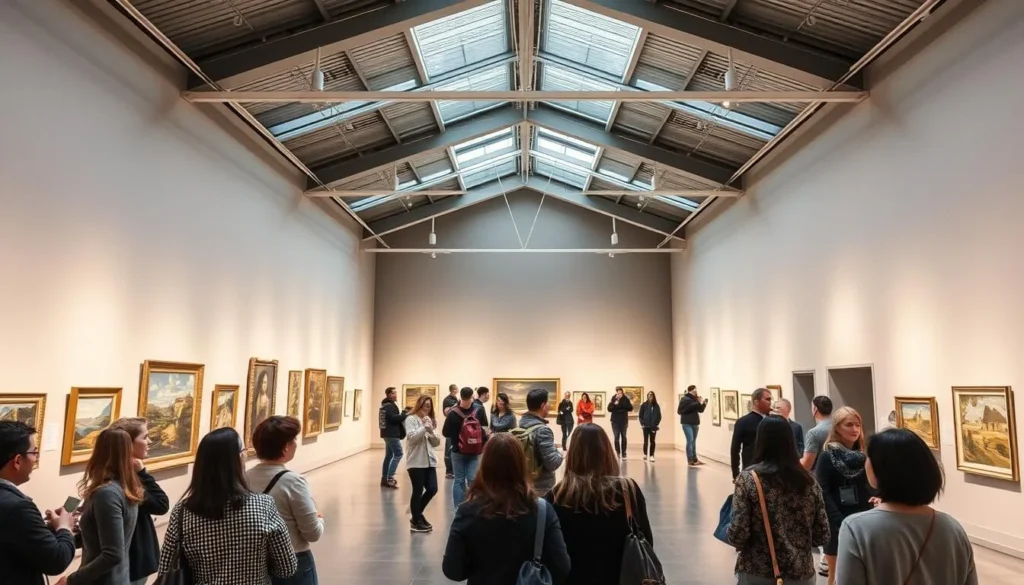
Housed in a modern building in Viðarlundin park, the gallery showcases the best of Faroese art from the 19th century to contemporary works. The collection includes paintings by Samuel Joensen-Mikines, Ingálvur av Reyni, and other significant Faroese artists who captured the islands’ dramatic landscapes and maritime culture.
Historical Museum of Tórshavn
This small but informative museum in the heart of the old town presents the history of Tórshavn from its early days as a Viking settlement through its development as a trading post and modern capital.
Major Festivals
Ólavsøka (July 28-29)
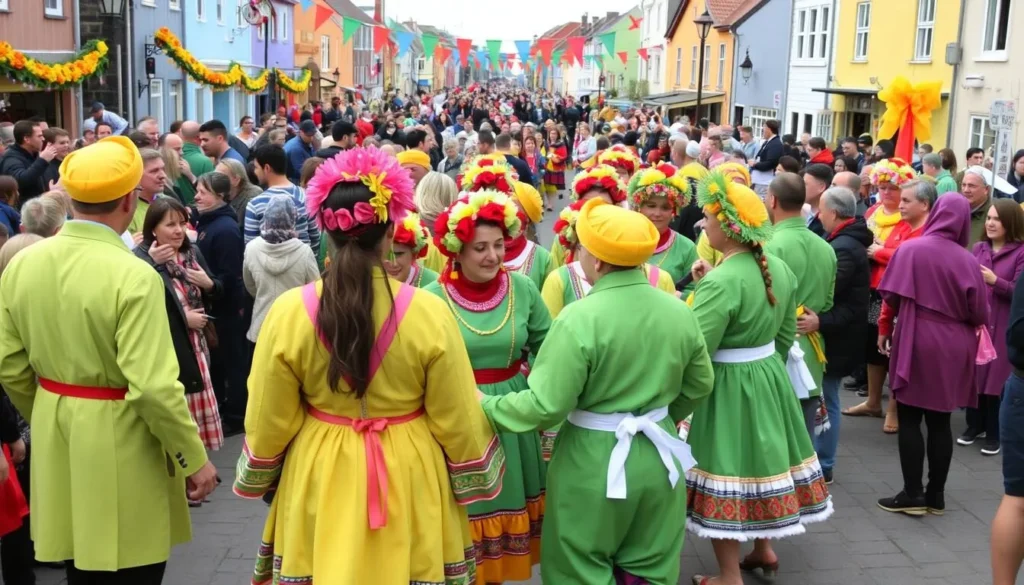
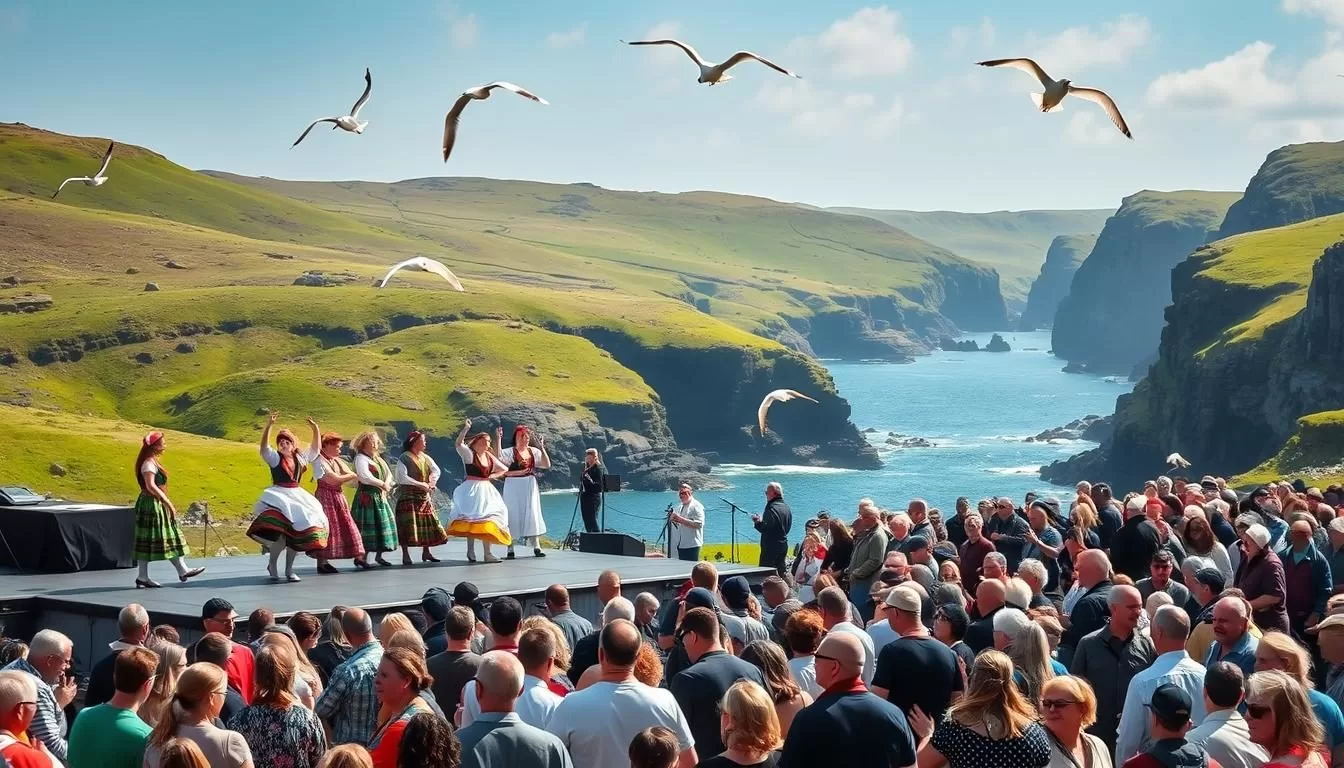
The national holiday of the Faroe Islands transforms Tórshavn into a vibrant celebration of Faroese culture. Highlights include rowing competitions, traditional chain dancing, concerts, and locals dressed in colorful national costumes. The festivities culminate with thousands gathering in the town square for communal singing at midnight on July 28th.
G! Festival (July)
While not held in Tórshavn itself but in the village of Gøta (about an hour’s drive away), this music festival is the Faroes’ largest cultural event. The unique setting features stages on the beach and in the village, with both international and local artists performing against a backdrop of mountains and sea.
Cultural Experiences
For an authentic taste of Faroese culture, look for these experiences:
- Heimablídni – Home hospitality dining experiences where local families serve traditional meals in their homes
- Faroese Chain Dancing – Traditional folk dancing often performed during festivals and special events
- Kvøðing – Traditional Faroese ballad singing that preserves ancient Norse legends
Sports, Nature & Outdoor Experiences
While Tórshavn itself is urban, its spectacular natural surroundings offer numerous opportunities for outdoor activities and nature experiences, many within easy reach of the capital.
Hiking
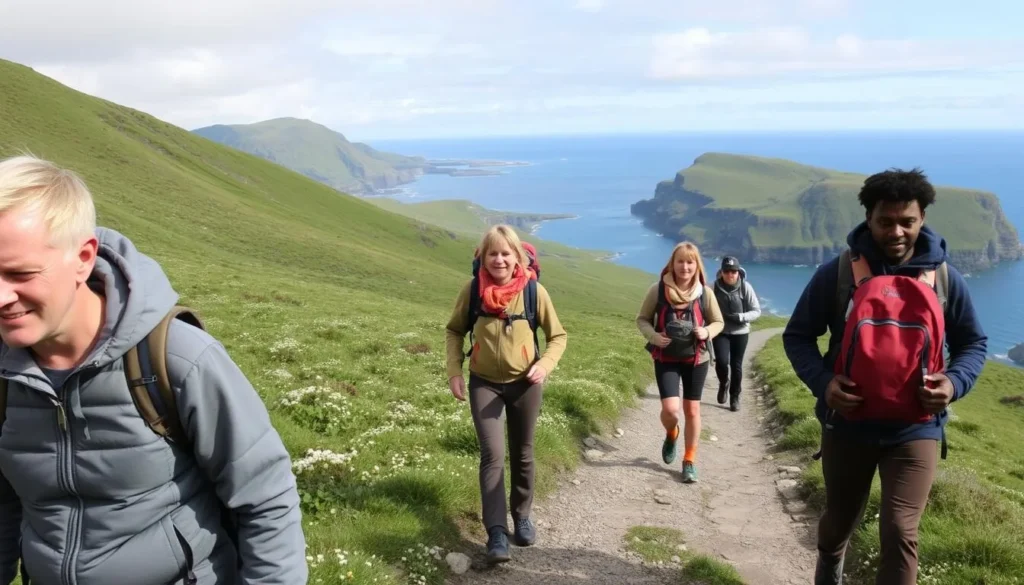
The Faroe Islands are a hiker’s paradise, with trails ranging from easy walks to challenging mountain treks. From Tórshavn, consider these options:
- Kirkjubøur Path – A historic 3 km trail connecting Tórshavn to the ancient village of Kirkjubøur, offering beautiful coastal views
- Svartifossur Waterfall – An easy 2 km walk from the city to a picturesque waterfall
- Kongavarði – A moderate 4 km hike to a cairn above the city with panoramic views of Tórshavn and surrounding islands
Boat Tours
Several operators offer boat excursions from Tórshavn harbor:
Nólsoy Island Tour
A short 20-minute ferry ride takes you to the island of Nólsoy, where you can hike to the lighthouse, spot seabirds, and experience village life. The island is also home to a large colony of storm petrels, making it a paradise for birdwatchers.
Harbor Cruise
Take a traditional wooden boat for a cruise around Tórshavn harbor and along the coast, offering unique perspectives of the capital and opportunities to spot seals and seabirds.
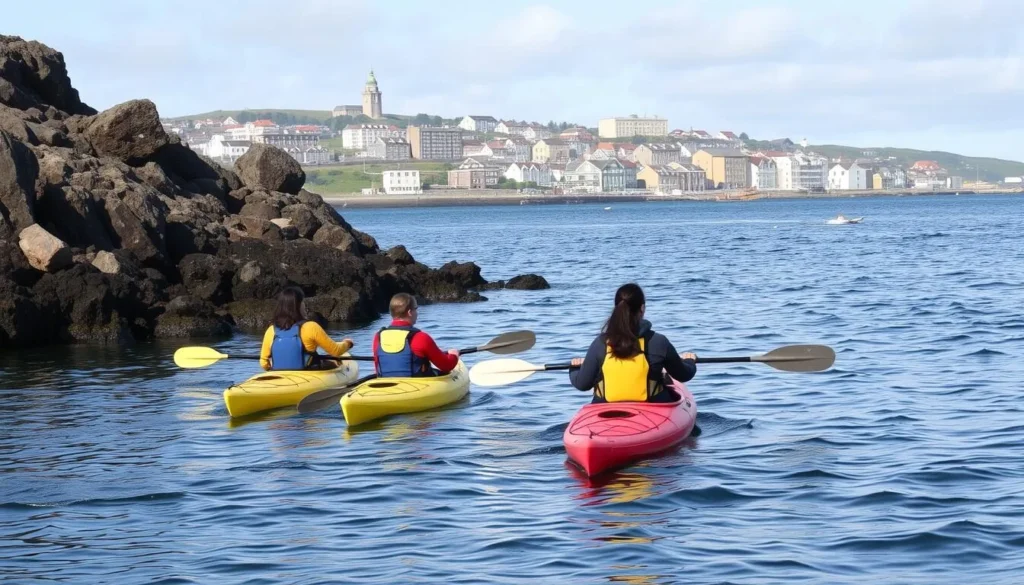
Sea Kayaking
Guided kayaking tours depart from Tórshavn, allowing you to explore the coastline from sea level. These tours are suitable for beginners and provide a unique perspective of the rugged shoreline.
Day Trips from Tórshavn
While based in Tórshavn, don’t miss these spectacular natural sites within easy driving distance:
- Vestmanna Bird Cliffs – Dramatic sea cliffs home to thousands of seabirds, best viewed on a boat tour (45 minutes from Tórshavn)
- Saksun – A remote village set in an amphitheater-like natural setting with a lagoon and waterfall (40 minutes from Tórshavn)
- Gjógv – A charming village named after its natural sea gorge (1 hour from Tórshavn)
- Múlafossur Waterfall – The iconic waterfall plunging directly into the ocean at Gásadalur (1 hour from Tórshavn)
Safety, Etiquette & Local Customs
The Faroe Islands are exceptionally safe for travelers, with very low crime rates. However, the main safety concerns relate to the natural environment and weather conditions.
Safety Tips
- Weather Awareness – Conditions can change rapidly; always check forecasts before hiking or other outdoor activities
- Proper Gear – Always carry waterproof clothing, layers, and sturdy footwear, even for short walks
- Cliff Caution – Many viewpoints have unfenced cliff edges; stay well back, especially in windy conditions
- Driving Safety – Be prepared for single-lane tunnels, mountain roads, and sudden fog or strong winds
- Emergency Number – 112 for all emergencies
Local Etiquette
Faroese people are generally reserved but friendly and helpful. These etiquette tips will help you navigate local customs:
Do:
- Remove shoes when entering someone’s home
- Respect private property, especially when hiking
- Greet people with a simple “hey” (hello)
- Be punctual for appointments and tours
Don’t:
- Discuss whaling controversies unless invited to do so
- Litter or disturb wildlife
- Block roads when stopping for photos
- Trespass on private land without permission
Cultural Insights
Understanding these aspects of Faroese culture will enrich your visit:
- Language – Faroese is the official language, but Danish and English are widely spoken, especially in Tórshavn
- Religion – The Faroe Islands are predominantly Lutheran Christian, with church playing an important role in community life
- Sustainability – Environmental consciousness is high; respect local conservation efforts
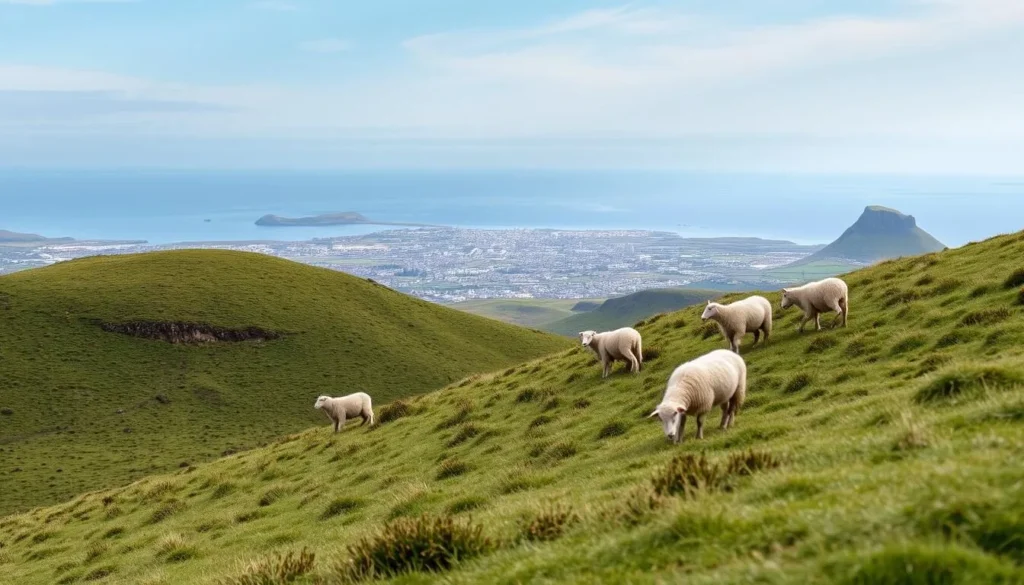
- Sheep – These animals outnumber humans and roam freely; drive carefully and respect their presence
Visitor Comments About Tórshavn
“Tórshavn surprised me with its perfect blend of historic charm and modern amenities. Walking through Tinganes felt like stepping back in time, yet just around the corner you’d find excellent restaurants and cafés. Don’t miss the boat trip to Nólsoy—the views of Tórshavn from the water are spectacular!”
“We spent three days in Tórshavn and used it as a base to explore the islands. The colorful harbor area was my favorite spot to relax after day trips. Hotel Føroyar provided amazing views over the city, and the staff were incredibly helpful with planning our excursions. The Faroese people’s warmth and hospitality made our trip unforgettable.”
“As a solo traveler, I found Tórshavn perfectly safe and easy to navigate. The highlight was joining the Ólavsøka celebrations—watching locals in traditional dress performing chain dances was magical! I recommend trying the heimablídni dining experience for an authentic taste of Faroese culture and cuisine.”
Practical Travel Tips
Money Matters
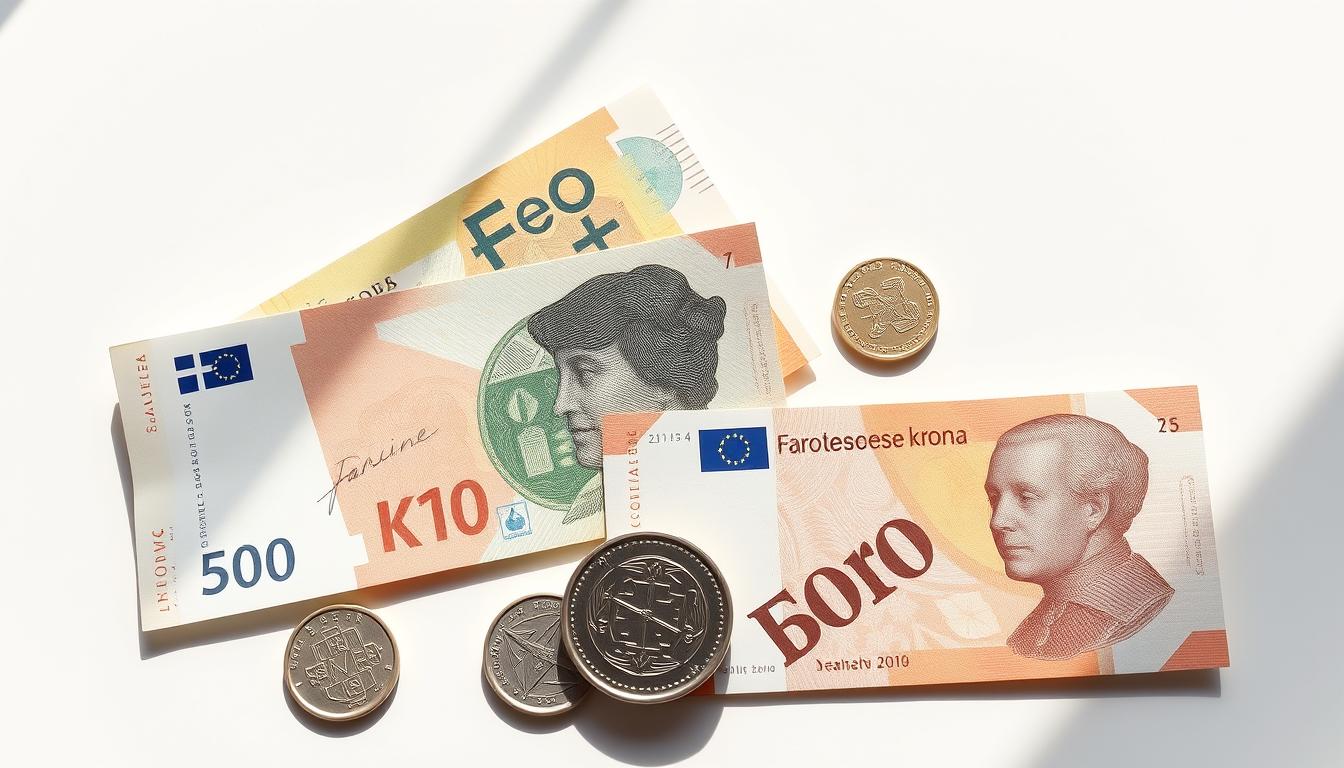
- Currency – Faroese króna (DKK), same value as Danish krone
- Cards – Credit/debit cards widely accepted; contactless payment common
- ATMs – Available in Tórshavn but limited elsewhere
- Tipping – Not customary or expected in restaurants or taxis
Connectivity
- WiFi – Free in most hotels, cafés, and public buildings
- Mobile – Good coverage in Tórshavn and most populated areas
- Power – Standard European plugs (type C/F), 230V
Shopping
- Souvenirs – Wool products, especially sweaters and hats
- Hours – Most shops open 10am-5:30pm weekdays, shorter on Saturdays, closed Sundays
- Tax Refund – Non-EU visitors can claim VAT refund on purchases over 300 DKK

Packing Essentials
- Waterproof jacket and pants – Essential year-round
- Layers – For adapting to changing temperatures
- Hiking boots – Sturdy and waterproof for exploring
- Hat and gloves – Useful even in summer
- Swimwear – For hot pots and swimming pools
- Daypack – For carrying essentials on day trips
- Camera – The landscapes are spectacular!
Useful Phrases
| English | Faroese | Pronunciation |
| Hello | Hey | Hey |
| Thank you | Takk | Tak |
| Yes | Ja | Ya |
| No | Nei | Nay |
| Excuse me | Orsaka | Or-saka |
| Cheers! | Skál | Skawl |
The Enchanting Gateway to Nordic Wonder
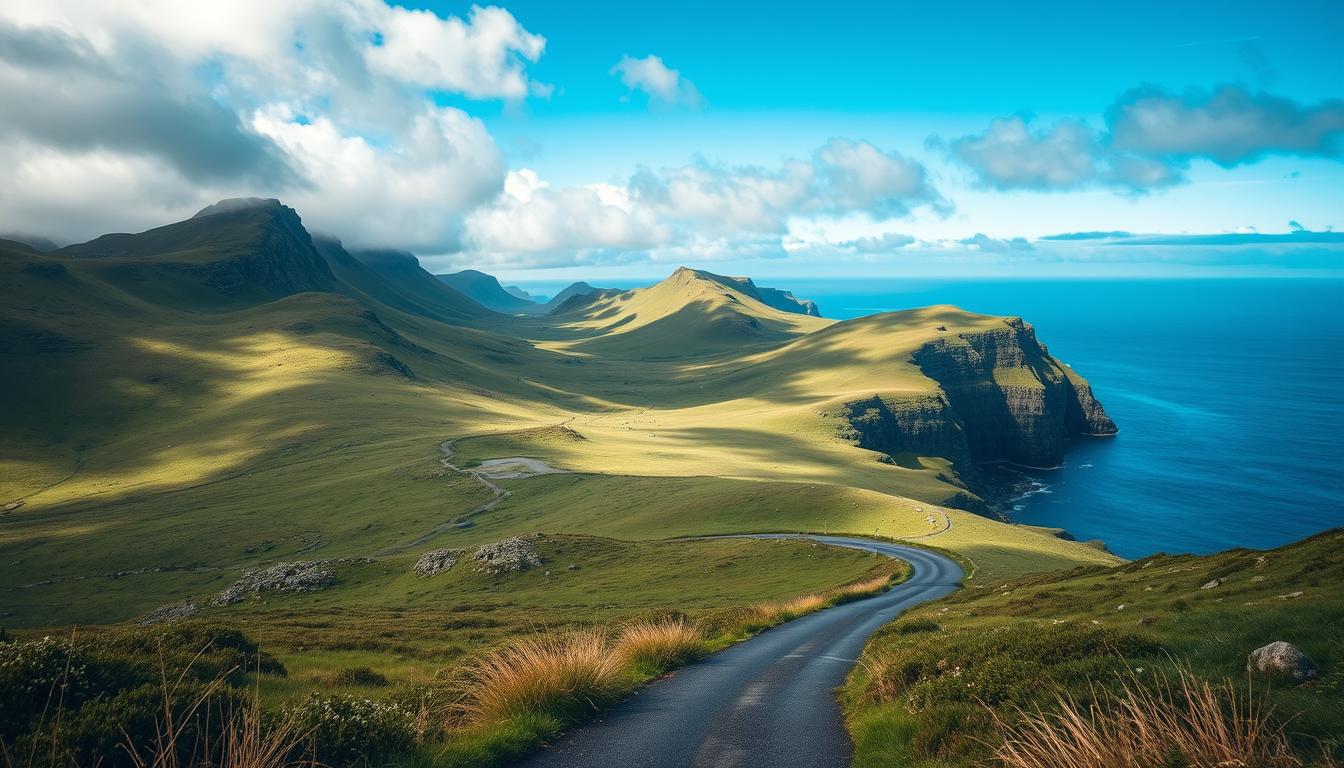
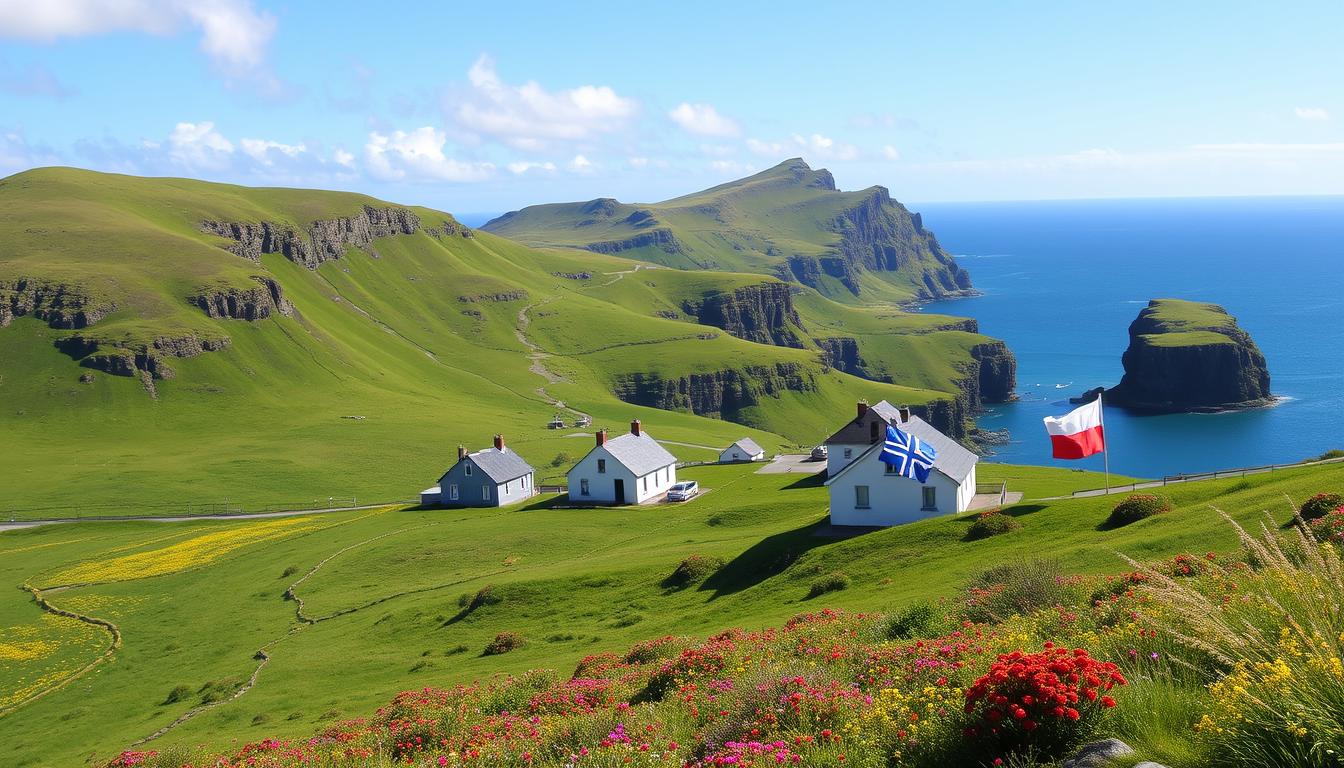
Tórshavn may be one of the world’s smallest capitals, but it offers an outsized experience rich in history, culture, and natural beauty. From wandering the ancient streets of Tinganes to savoring fresh seafood at harborside restaurants, this charming city provides the perfect introduction to the magical Faroe Islands. Use Tórshavn as your base to explore further afield—where dramatic landscapes of towering cliffs, cascading waterfalls, and emerald valleys await around every corner. In this remote North Atlantic archipelago, you’ll discover a place where time moves at its own pace, traditions remain vibrant, and nature’s raw power is on magnificent display. Whether you come for the hiking, the culture, or simply to experience somewhere truly different, Tórshavn and the Faroe Islands will leave you with memories to last a lifetime.
Related Posts
Coming Soon: Clickable Maps