
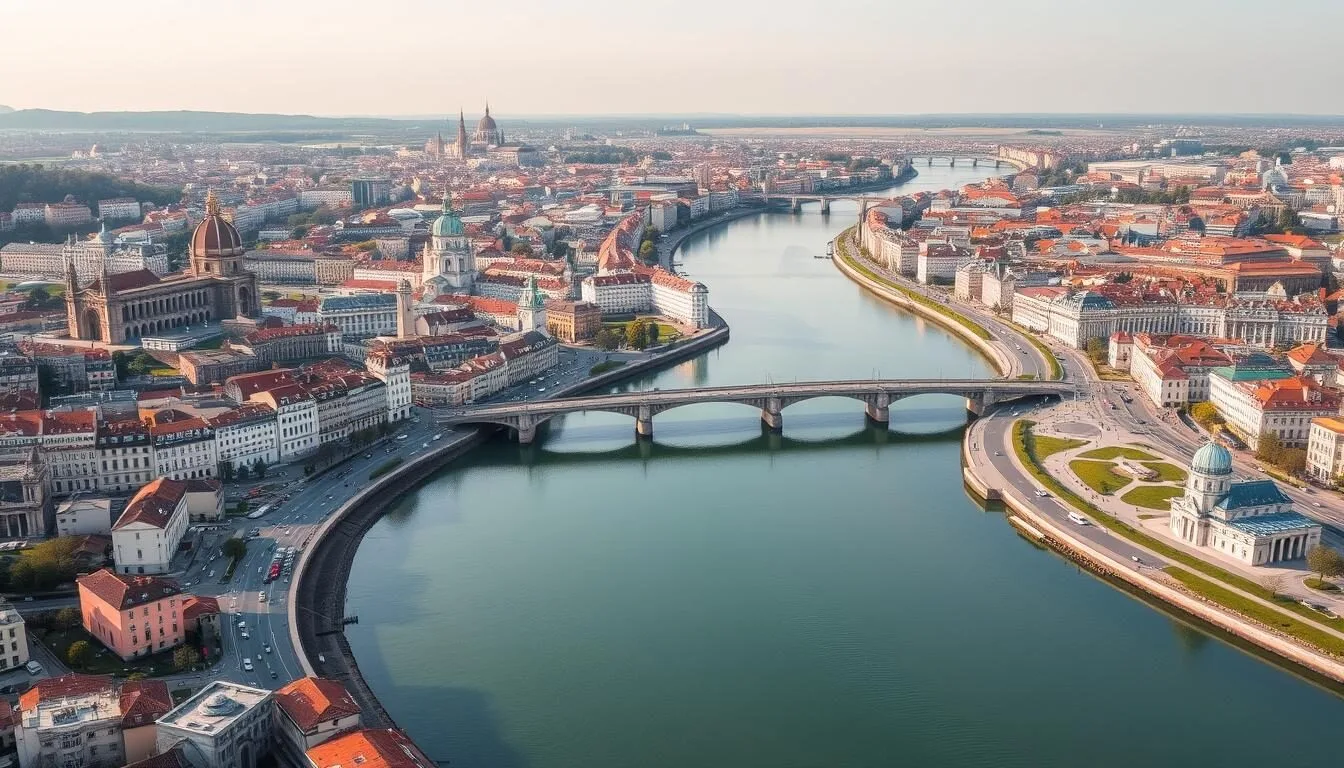
Did you know that Lyon experiences over 2,000 hours of sunshine annually? That’s more than Paris and nearly as much as Nice on the Mediterranean coast! This surprising statistic makes Lyon one of France’s sunniest inland cities, but timing your visit right is still crucial for the perfect experience. Nestled at the confluence of the Rhône and Saône rivers, Lyon’s unique geography creates distinct weather patterns that can significantly impact your travel experience throughout the year.
Getting There & Planning Your Journey
Lyon is easily accessible by air through Lyon-Saint Exupéry Airport, which connects to major European cities and international hubs. The airport is located about 25 km (15.5 miles) east of the city center and offers convenient shuttle services. For the best deals on flights to Lyon, consider booking during shoulder seasons (April-June or September-October) when prices are typically 30-40% lower than peak summer rates.
Alternatively, Lyon is well-connected by France’s high-speed TGV train network. From Paris, the journey takes just under 2 hours, while connections from other major French cities like Marseille (1h45) and Strasbourg (3h40) make train travel a convenient option. If you’re planning a multi-city French itinerary, consider that spring and fall offer the most pleasant conditions for exploring both Lyon and its surrounding regions.
Best Time to Visit & Weather Tips
Lyon experiences four distinct seasons, each offering unique advantages and challenges for travelers. Understanding these seasonal patterns will help you plan the perfect weather-savvy trip to this historic French city.
Winter (December-February)
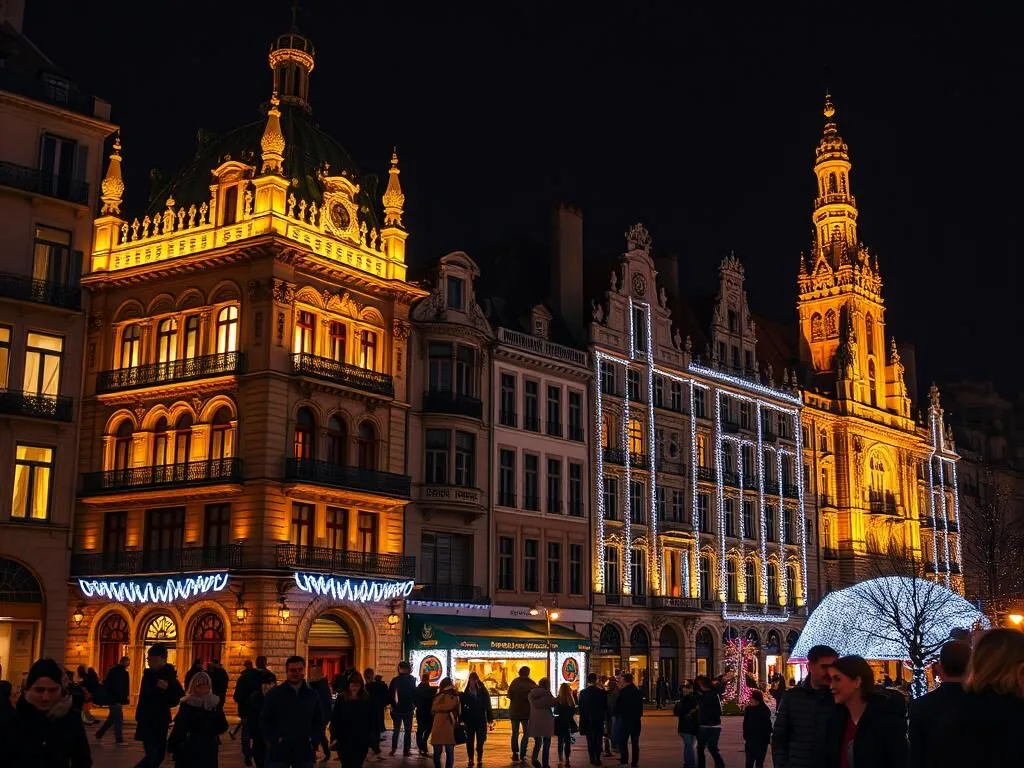
Weather: Cold and crisp with average temperatures of 1-6°C (34-43°F). Rainfall around 50mm (2 in) monthly.
What to Wear: Warm coat, layers, scarf, gloves, waterproof footwear.
Things to Do:
- Experience the magical Fête des Lumières (Festival of Lights) in December
- Explore Lyon’s excellent museums without crowds
- Enjoy hearty Lyonnais cuisine in traditional bouchons
- Visit Christmas markets at Place Carnot (late November-December)
Pros
- Fewer tourists
- Lower accommodation prices (50-70% off peak rates)
- Festive atmosphere in December
Cons
- Short daylight hours (8-9 hours)
- Cold temperatures
- Some attractions have reduced hours
Spring (March-May)
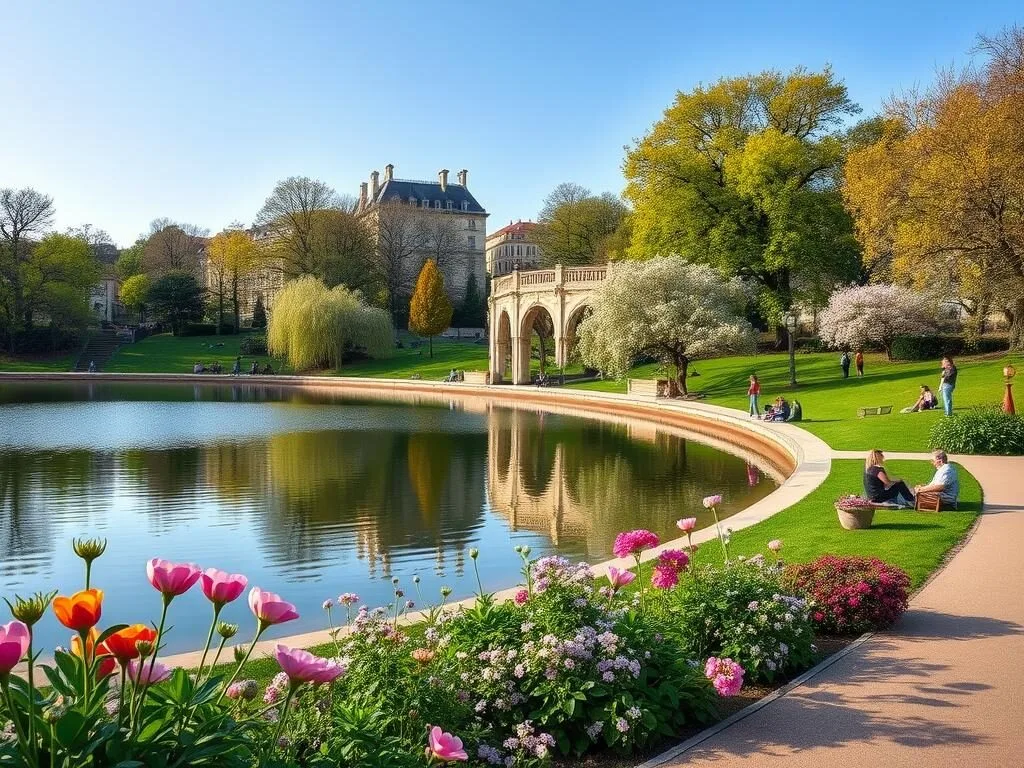
Weather: Mild and increasingly pleasant with temperatures of 8-20°C (46-68°F). Rainfall around 60-70mm (2.4-2.8 in) monthly.
What to Wear: Layers, light jacket, comfortable walking shoes, light rain jacket.
Things to Do:
- Stroll through the beautiful Parc de la Tête d’Or as flowers bloom
- Explore outdoor markets with fresh spring produce
- Take walking tours of Vieux Lyon (Old Lyon)
- Enjoy riverside walks along the Rhône and Saône
Pros
- Comfortable temperatures
- Blooming gardens and parks
- Moderate tourist numbers
Cons
- Occasional rain showers
- Variable weather conditions
- Higher prices than winter
Summer (June-August)
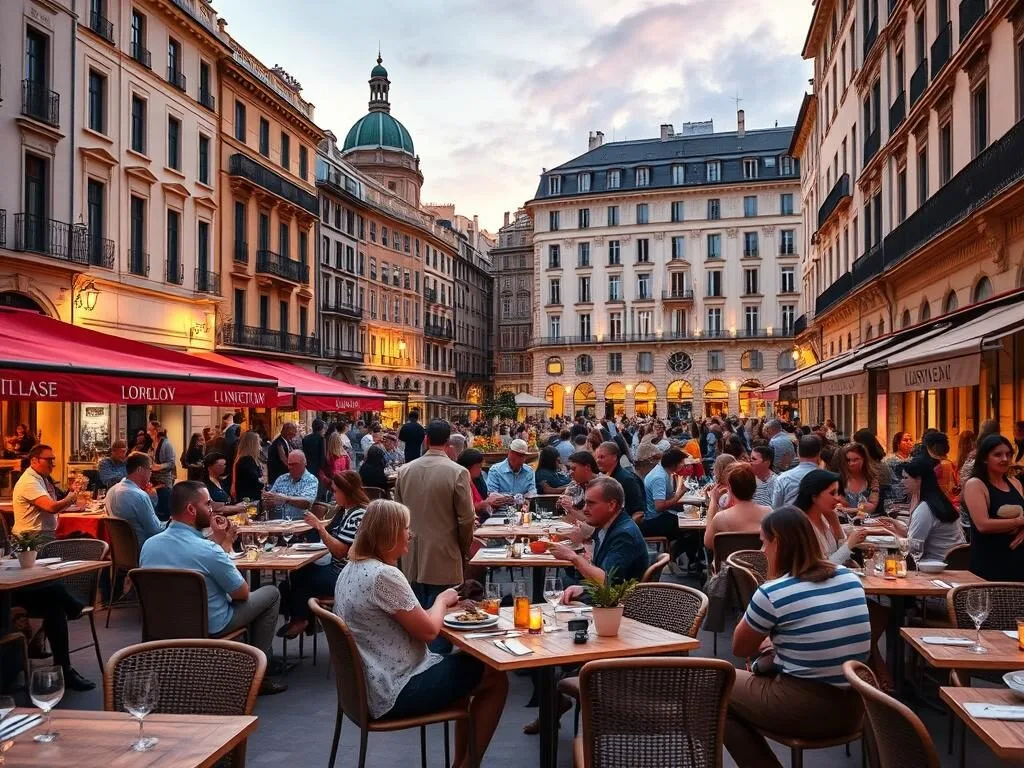
Weather: Hot with average temperatures of 18-28°C (64-82°F), occasionally exceeding 35°C (95°F) during heatwaves. Rainfall around 50-60mm (2-2.4 in) monthly, often as thunderstorms.
What to Wear: Light, breathable clothing, sun hat, sunglasses, comfortable sandals.
Things to Do:
- Attend the Nuits de Fourvière festival (June-July)
- Enjoy outdoor dining at restaurant terraces
- Take evening boat cruises on the rivers
- Experience Lyon Pride celebrations (June)
Pros
- Long daylight hours (up to 16 hours)
- Vibrant outdoor atmosphere
- Many festivals and events
Cons
- Potential heatwaves
- Highest tourist crowds
- Peak accommodation prices
Fall (September-November)
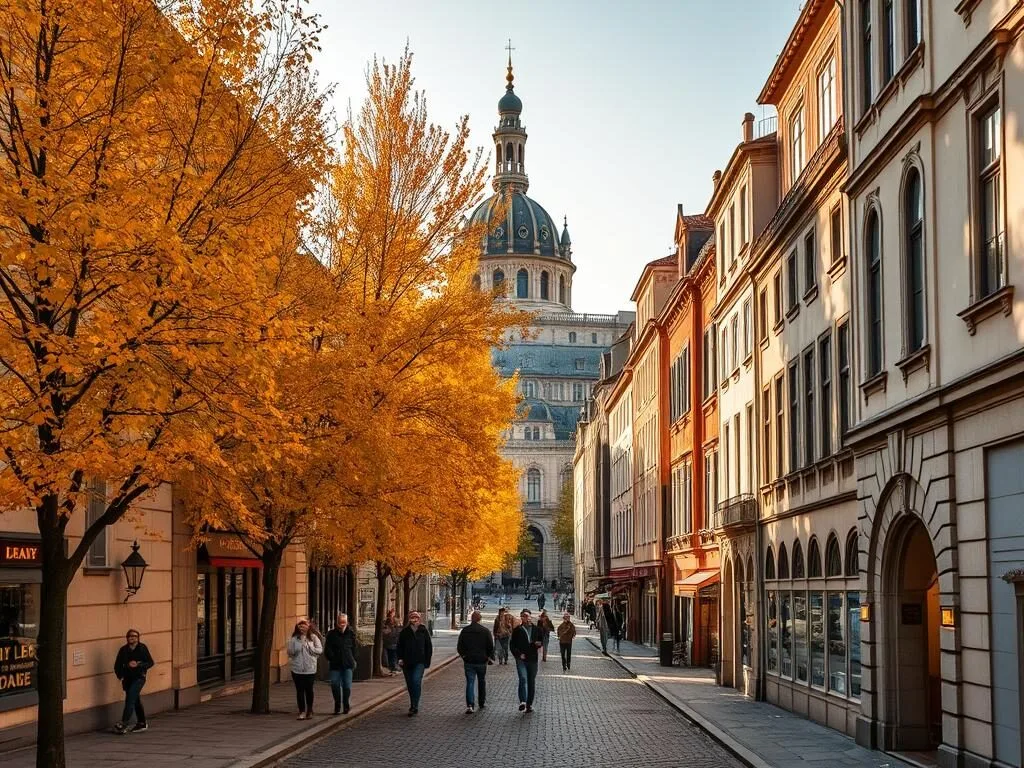
Weather: Gradually cooling with temperatures of 5-22°C (41-72°F). Rainfall around 70-80mm (2.8-3.1 in) monthly.
What to Wear: Layers, light jacket, comfortable walking shoes, light scarf.
Things to Do:
- Visit nearby Beaujolais vineyards for wine tasting
- Explore Lyon’s traboules (hidden passageways) without summer crowds
- Enjoy seasonal harvest foods at Les Halles de Lyon Paul Bocuse
- Celebrate Beaujolais Nouveau in November
Pros
- Pleasant temperatures
- Fewer tourists than summer
- Beautiful fall colors
Cons
- Increasing rainfall
- Shorter days
- Variable weather conditions
Best Time to Visit Lyon
Based on weather patterns, crowd levels, and overall experience, the best months to visit Lyon are:
Highly Recommended: Late April to June and September to early October
Good Option: March, early April, late October, early November
Challenging but Rewarding: December (for Festival of Lights)
Consider Avoiding: July and August (heat and crowds) unless you enjoy hot weather and summer festivals
Getting Around Lyon
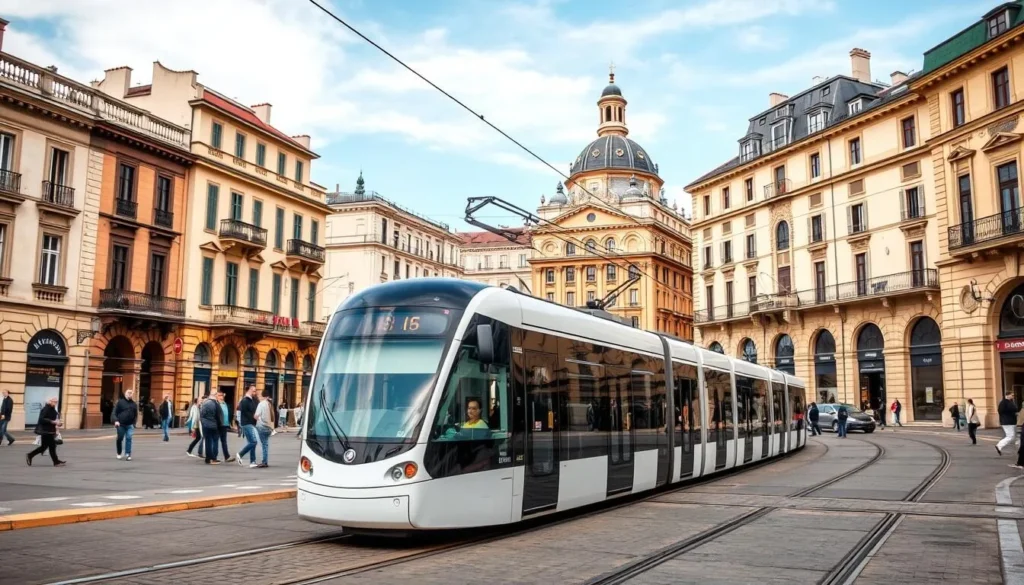
Lyon boasts an excellent public transportation system that makes exploring the city easy in any weather. The network includes metros, trams, funiculars, and buses operated by TCL (Transports en Commun Lyonnais). A 24-hour ticket costs around €6, while a 72-hour pass is approximately €16.50.
The funicular railways are particularly useful for accessing the hilltop district of Fourvière, home to the stunning Basilica of Notre-Dame de Fourvière and ancient Roman ruins. This option saves you from a steep climb, especially welcome during summer heat or winter chill.
For exploring beyond the city center, consider renting a car to visit the beautiful Beaujolais wine region or charming medieval villages in the surrounding countryside. Spring and fall offer the most pleasant driving conditions with moderate temperatures and beautiful scenery.
Where to Stay in Lyon
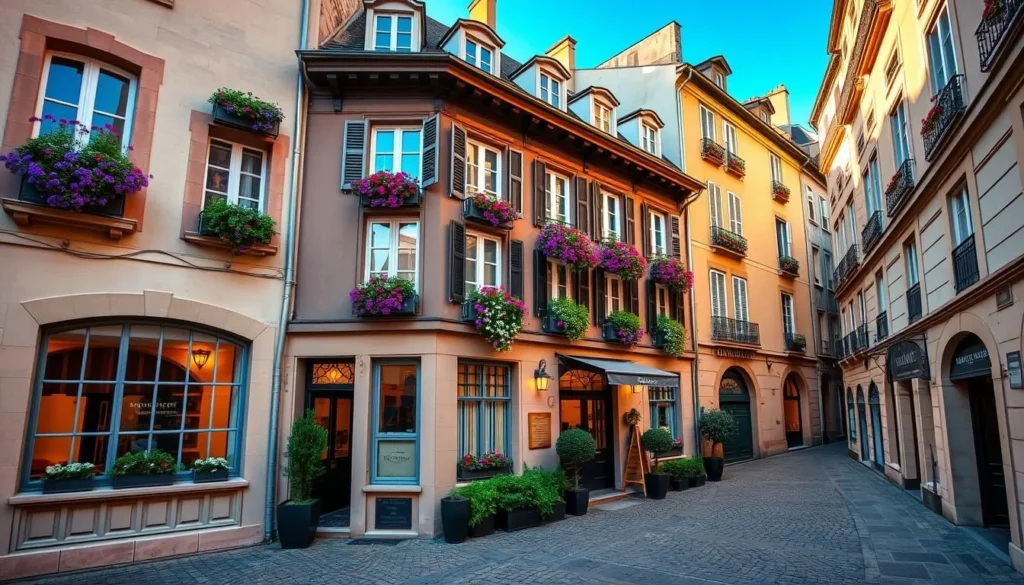
Lyon offers diverse accommodation options across different neighborhoods, each with unique advantages depending on the season you visit.
Presqu’île (Peninsula)
The heart of Lyon between the Rhône and Saône rivers offers central location and easy access to shopping, dining, and major attractions. This area is ideal year-round but particularly convenient during winter when you might want to minimize outdoor walking in cold weather. Expect to pay premium rates, especially during summer and the December Festival of Lights.
Vieux Lyon (Old Lyon)
The charming Renaissance district features beautiful historic buildings and traditional bouchons (Lyonnais restaurants). This area is magical during spring and fall when temperatures are ideal for exploring its narrow streets and hidden traboules (passageways). Note that some buildings lack air conditioning, which can be challenging during summer heatwaves.
Croix-Rousse
This hillside district offers beautiful views, a bohemian atmosphere, and typically cooler temperatures than the city center—a welcome relief during summer. The elevation means more walking uphill, which can be tiring in extreme heat or cold. The area has excellent local markets that are particularly vibrant during spring and fall harvest seasons.
Seasonal Accommodation Tip: Book accommodations with air conditioning if visiting in summer (June-August) when temperatures can exceed 35°C (95°F). For winter visits (December-February), choose centrally located properties to minimize outdoor walking in cold weather.
Dining & Local Cuisine
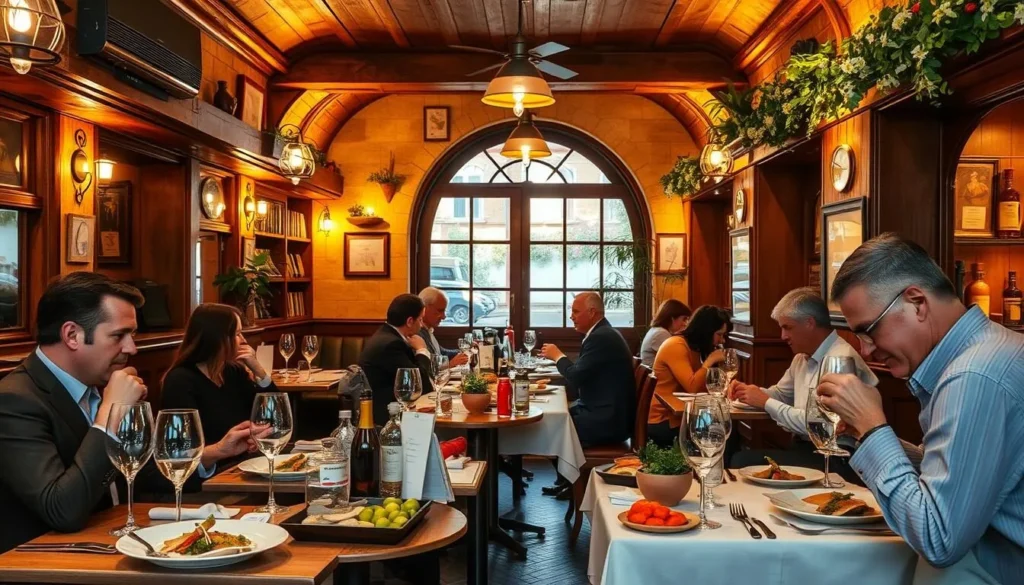
Lyon proudly holds the title of France’s gastronomic capital, and the city’s culinary offerings change with the seasons. Each time of year brings unique flavors and dining experiences that reflect Lyon’s rich food heritage.
Seasonal Dining Experiences
Spring/Summer Highlights
- Fresh salads featuring local produce at outdoor terraces
- Lighter versions of traditional dishes
- Seasonal fruits like cherries and apricots in desserts
- Evening dining along the riverbanks
Fall/Winter Delights
- Hearty traditional dishes in cozy bouchons
- Seasonal game meats and mushroom specialties
- Hot wine (vin chaud) at winter markets
- Beaujolais Nouveau celebrations in November
Must-Try Lyonnais Specialties
Regardless of when you visit, don’t miss these classic Lyon dishes:
- Quenelles de brochet – Pike dumplings in creamy sauce
- Salade lyonnaise – Frisée salad with bacon, croutons, and poached egg
- Andouillette – Traditional sausage (an acquired taste!)
- Cervelle de canut – Seasoned fresh cheese spread
- Pralines roses – Pink candied almonds used in various desserts
For the ultimate Lyon culinary experience, visit Les Halles de Lyon Paul Bocuse covered market, which is particularly vibrant on weekend mornings year-round but offers different seasonal specialties throughout the year.
Attractions & Activities by Season
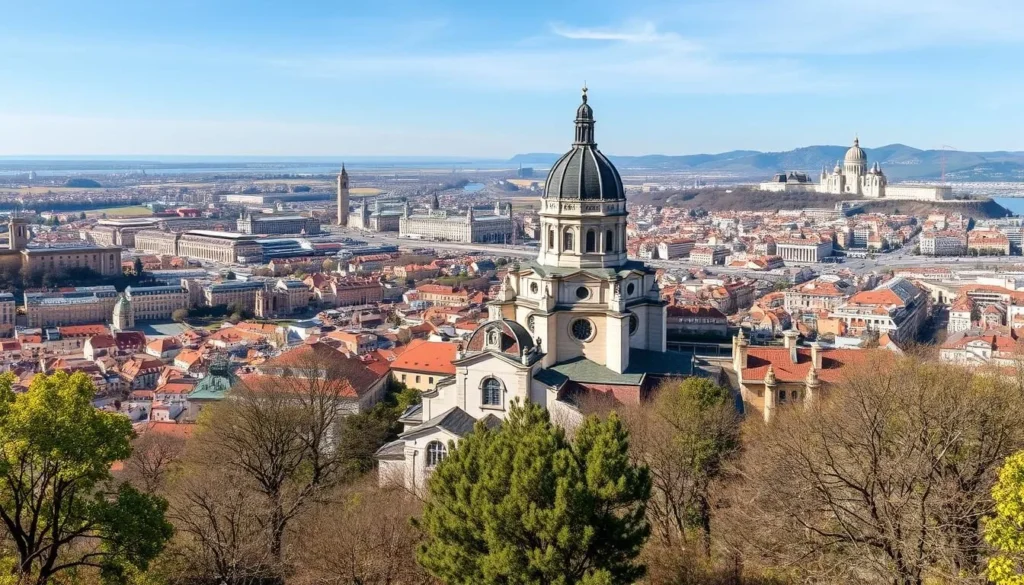
Lyon’s attractions offer different experiences throughout the year. Here’s how to make the most of the city’s sights based on seasonal conditions:
Spring Activities (March-May)
- Explore the Renaissance architecture of Vieux Lyon under mild temperatures
- Visit the Parc de la Tête d’Or when flowers are blooming
- Take a guided walking tour of the traboules (hidden passageways)
- Enjoy the Nuits Sonores electronic music festival in May
Summer Activities (June-August)
- Attend outdoor performances at the Nuits de Fourvière festival
- Take evening river cruises on the Rhône and Saône
- Visit air-conditioned museums during peak afternoon heat
- Enjoy outdoor cinema screenings in parks and public squares
Fall Activities (September-November)
- Take day trips to nearby Beaujolais vineyards for wine tasting
- Explore the Croix-Rousse district and its silk-working history
- Visit the Musée des Confluences when rain is more likely
- Experience the Beaujolais Nouveau celebrations in November
Winter Activities (December-February)
- Experience the magical Fête des Lumières (Festival of Lights) in December
- Explore Lyon’s excellent museums without crowds
- Visit the Christmas markets at Place Carnot
- Enjoy indoor concerts at the Lyon Auditorium
Cultural Events & Festivals
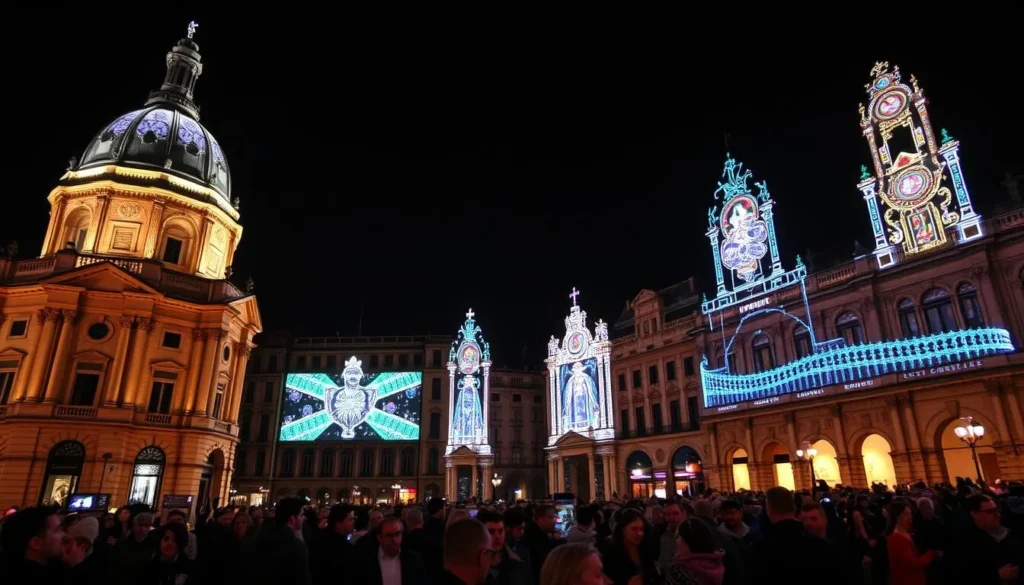
Lyon’s cultural calendar is packed with events throughout the year, many of which are influenced by or designed around the city’s seasonal weather patterns.
Major Annual Events
| Event | Month | Weather Considerations | Description |
| Fête des Lumières (Festival of Lights) | December | Cold (4-8°C/39-46°F), dress warmly | Spectacular light installations transform the city over four nights |
| Nuits de Fourvière | June-July | Warm evenings (16-20°C/61-68°F) | Music, dance, and theater performances in Roman amphitheaters |
| Beaujolais Nouveau | November (3rd Thursday) | Cool (5-10°C/41-50°F) | Celebration of the new Beaujolais wine release |
| Nuits Sonores | May | Mild (12-18°C/54-64°F) | Electronic music festival across various city venues |
| Lyon Street Food Festival | June | Warm (18-25°C/64-77°F) | Outdoor food festival featuring local and international cuisine |
The Fête des Lumières (Festival of Lights) in December is Lyon’s most famous event, transforming the city with spectacular light installations despite the winter chill. The festival’s timing actually works well with the early nightfall of winter, allowing displays to begin earlier in the evening.
Practical Weather-Savvy Travel Tips

Making the most of Lyon’s weather requires some practical preparation. Here are essential tips to ensure your visit is comfortable regardless of when you travel:
Packing Recommendations by Season
Spring/Fall Packing
- Layered clothing for variable temperatures
- Light rain jacket or compact umbrella
- Comfortable walking shoes for cobblestone streets
- Light scarf (useful year-round in France)
Summer/Winter Extremes
- Summer: Breathable fabrics, sun hat, sunglasses, water bottle
- Winter: Warm coat, gloves, scarf, waterproof footwear
- Summer: Portable fan for extreme heat days
- Winter: Thermal layers for outdoor sightseeing
Weather-Specific Advice
How should I handle summer heatwaves in Lyon?
During summer heatwaves (temperatures above 32°C/90°F), plan indoor activities during peak afternoon heat (12pm-4pm). Visit air-conditioned museums, take breaks in churches (naturally cool), and stay hydrated with the many public drinking fountains throughout the city. Consider accommodations with air conditioning, as many historic buildings don’t have it.
What should I know about Lyon’s winter conditions?
Winter in Lyon is cold but rarely extreme. The city doesn’t typically see heavy snow, but occasional light snowfall is possible. The bigger challenge is the shorter daylight hours (8-9 hours), so plan your sightseeing efficiently. Many restaurants offer special winter menus featuring hearty traditional dishes perfect for cold weather.
How reliable is the weather forecast for Lyon?
Lyon’s position between multiple climate influences can make weather somewhat unpredictable. Check forecasts from Météo-France or AccuWeather a few days before and during your trip. The city’s location in a river valley means morning fog is common in fall and winter, typically burning off by midday.
Local Etiquette & Customs
The French approach to weather influences certain cultural practices:
- Always greet with “Bonjour” (or “Bonsoir” in the evening) when entering shops or restaurants
- Dining is primarily indoors during winter, while summer sees a shift to outdoor terraces
- The French rarely use air conditioning at the levels Americans might expect
- Carrying a water bottle is perfectly acceptable during summer heat
Ready for Your Weather-Perfect Lyon Adventure?
Lyon offers remarkable experiences throughout the year, each season painting the city in a different light. Whether you’re drawn to the magical illuminations of the winter Festival of Lights, the comfortable exploration of spring and fall, or the vibrant energy of summer evenings along the rivers, timing your visit to match your weather preferences will enhance your experience of this magnificent French city. With its blend of extraordinary cuisine, rich history, and diverse cultural offerings, Lyon rewards weather-savvy travelers who come prepared for its seasonal charms. The perfect time to visit is waiting for you – will it be the blooming gardens of May, the golden hues of September, or the festive glow of December?
0 Comments