Hotels by Trip.com
Flights by Trip.com
Imagine strolling along the banks of the River Loire, surrounded by centuries-old architecture and a rich history that dates back to the 5th century when this city was once the capital of France.
Orléans, a town with a storied past, is nestled in the heart of the Loire Valley, a UNESCO World Heritage Site. Its strategic location made it a vital riverport and a crucial player in the Hundred Years’ War, where Joan of Arc’s bravery turned the tide of history.
As you explore Orléans, you’ll uncover the layers of its history and experience the city’s vibrant culture, which has been preserved and restored over time. With its unique blend of historical significance and natural beauty, Orléans is a destination that promises an unforgettable journey.
Discovering the Historic Charm of Orléans
As you step into Orléans, you’re immediately enveloped in the city’s rich history and charm. The city’s strategic location on the Loire River has played a significant role in its development over the years. Orléans was born and bred amidst the bustling activity of the Loire quaysides, serving as a major river port that supplied Paris in the 18th century.

A Brief History of Orléans
Orléans has a storied past, having served as the capital of France in the 5th century. The town‘s early beginnings were marked by its significant role in the country’s history, with various periods leaving their mark on the urban landscape. The city’s evolution is a testament to its resilience and adaptability, transforming it into the vibrant city it is today.
Why Orléans Deserves Your Attention
Orléans deserves your attention as a destination that offers a perfect blend of historical significance, architectural beauty, and modern amenities. Recent conservation efforts have transformed the once-gloomy old town into a vibrant, colorful district, restoring half-timbered buildings to their original splendor. The city’s strategic location in the Loire Valley makes it an ideal base for exploring the region’s famous châteaux and natural attractions, making it a must-visit destination for travelers.
Following the Footsteps of Joan of Arc
Joan of Arc’s legacy is alive and well in Orléans, where you can explore the sites that played a significant role in her remarkable story. As you walk through the city, you’ll discover how this legendary heroine’s presence continues to shape the identity of Orléans.
Maison Jeanne d’Arc
Visit Maison Jeanne d’Arc, a meticulously reconstructed half-timbered house where Joan of Arc stayed during her mission to liberate Orléans in 1429. Inside, a multimedia room chronicles her extraordinary life, from divine visions to military leadership and tragic execution.

Joan of Arc Statue at Place du Martroi
At Place du Martroi, you’ll find an impressive bronze statue depicting Joan of Arc in full armor atop her horse, a powerful symbol of the city’s gratitude to its savior. This iconic landmark is a must-visit when in Orléans.
The Annual Joan of Arc Festival
Experience the vibrant Annual Joan of Arc Festival held from April 29 to May 8, commemorating the liberation of Orléans with medieval entertainment, sound and light shows, and historical reenactments. The festival’s highlight parade features a young woman dressed as Joan of Arc riding through the town on horseback.

Check 30,000+ Local Sightseeing Tours Worldwide
✓ Numerous languages and currencies are available
Cathedrale Sainte-Croix: A Gothic Masterpiece
As you wander through Orléans, the stunning Cathedrale Sainte-Croix is sure to captivate your attention. This magnificent Gothic cathedral, despite being damaged and reconstructed multiple times throughout its history, remains one of Orléans’ most impressive landmarks.
The Stunning Architecture
The Cathedrale Sainte-Croix, approached from rue Jeanne d’Arc, presents an impressive façade that has earned it the nickname “Notre Dame of Orléans.” The cathedral’s architecture is a testament to its rich history, with the current structure built between 1601 and 1829. Its 114-meter bell tower houses five bells and is a notable feature of the cathedral’s skyline.
Joan of Arc’s Stained Glass Windows
Joan of Arc prayed in this sacred space after leading the French to victory against the English in 1429. Today, the cathedral is adorned with ten beautiful stained glass windows that illustrate her life, one for each day she spent in Orléans. The rose windows in the transept, commissioned by Louis XIV, feature subtle sun motifs as a tribute to the Sun King.
| Feature | Description |
|---|---|
| Architecture | Gothic style with intricate stone carvings |
| Stained Glass Windows | Ten windows depicting Joan of Arc’s life |
| Bell Tower | 114 meters high with five bells |

Exploring the Old Quarter of Orléans
Step into the enchanting Old Quarter of Orléans, where history comes alive. This charming area, though largely destroyed during World War II, has been lovingly rebuilt to preserve its medieval and Renaissance character. As you explore this historic town, you’ll discover its unexpected size, with the old town extending beyond the pedestrianized zone.
Rue de Bourgogne and Its Treasures
Begin your journey on Rue de Bourgogne, the main artery that runs east to west through the old city. This vibrant street is lined with charming eateries, shops, and historic buildings, inviting you to explore its treasures. As you wander down this picturesque way, you’ll uncover the essence of Orléans’ Old Quarter.
Half-Timbered Houses and Renaissance Buildings
As you meander through the streets, you’ll encounter beautifully restored half-timbered houses and Renaissance buildings. Head to Rue de la Bretonnerie, north of the cathedral, to witness an architectural timeline spanning from the 1400s to the 1900s. The pedestrian walkways connecting the cathedral to the Loire River offer a glimpse into the district’s distinctive character, with its stone-built and half-timbered Renaissance houses.
Hotel Groslot: A Renaissance Gem
In the city of Orléans, Hotel Groslot stands as a testament to the rich history and architectural splendor of the Renaissance. This magnificent mansion, once the private residence of Jacques Groslot, the city’s bailiff and advisor to King François II in the 16th century, is a must-visit attraction.
The Royal History
Hotel Groslot has a storied past, having served as a “king’s guest house” where French monarchs like Charles IX and François II stayed with their courts. One of its illustrious guests even passed away within its walls. This 16th-century mansion has hosted many royal parties, showcasing its grandeur and elegance.
What to See Inside
As you explore the rooms of Hotel Groslot, you’ll be struck by the opulent interior featuring coffered ceilings, walls adorned with painted and enameled canvas, and sumptuously sculpted furniture covered with Cuir de Cordoue (gold leather). The well-maintained courtyard, filled with flora, provides a peaceful retreat from the city’s bustle. Don’t miss the 19th-century statue of Joan of Arc bearing bullet holes from the 1944 battle for Orléans’ liberation. 
Must-Visit Museums in Orléans
The city of Orléans boasts an impressive array of museums, each offering a unique glimpse into its rich cultural heritage. Whether you’re an art enthusiast, a history buff, or simply looking to explore the local culture, Orléans has something for everyone.
Musée des Beaux-Arts (Fine Arts Museum)

The Musée des Beaux-Arts is a must-visit for art lovers. With a collection of 700 permanent pieces spread across four floors, it is one of the largest fine arts museums in France. The museum is particularly renowned for its extensive collection of pastels, second only to the Louvre. Visitors can admire masterpieces by famous artists such as Velazquez, Delacroix, Picasso, Gauguin, and Rodin, including the famous painting depicting Joan of Arc’s triumphant entry into Orléans.
Musée Historique et Archéologique (History and Archeology Museum)

Located in the 15th-century Hotel Cabu, the Musée Historique et Archéologique is a treasure trove of historical and archaeological artifacts. The museum’s collection includes Gallo-Roman relics recovered from the Loire River, as well as a remarkable collection of 2,000-year-old bronze statues found in a local sand quarry. One of the highlights is an almost life-size bronze statue of a horse. The museum also dedicates a room to Joan of Arc, featuring original sketches that depict her journey through life.
Visitors can take advantage of a combined ticket that grants access to both the Musée des Beaux-Arts and the Musée Historique et Archéologique, as well as Maison Jeanne d’Arc, allowing for a comprehensive exploration of Orléans’ artistic and historical heritage.
Orléans, France: Best Things to Do – Top Picks for Nature Lovers
Nature enthusiasts will find Orléans to be a treasure trove of beautiful gardens and parks. The city and its surroundings offer a variety of natural attractions that are perfect for a day out or a relaxing escape.
Parc Floral de la Source

Parc Floral de la Source is an award-winning 35-hectare park located just a 20-minute tram ride from central Orléans. The park’s small entrance fee grants access to its peaceful yet semi-wild gardens, filled with diverse flora and fauna. The highlight of the park is its exotic butterfly house, where visitors can experience the beauty of nature up close.
The park is well-maintained, with accessible pathways and multiple play areas for children, including aviaries and a petting zoo. With different gardens in bloom throughout the year, Parc Floral de la Source is a must-visit for nature lovers.
Jardin des Plantes
Jardin des Plantes is a historic botanical garden that was established in 1640 for medicinal plants and later relocated to its current 3.5-hectare site on the south bank of the Loire in 1834. This garden is not only a pleasure for visitors but also a scientific study area for plants.
The garden features various themed areas, including Mediterranean and desert gardens, along with an orangery, hothouses, and a water garden. Visitors can enjoy the diverse range of trees, flowers, and shrubs, all accessible and free to visit.
Enjoying the Loire River
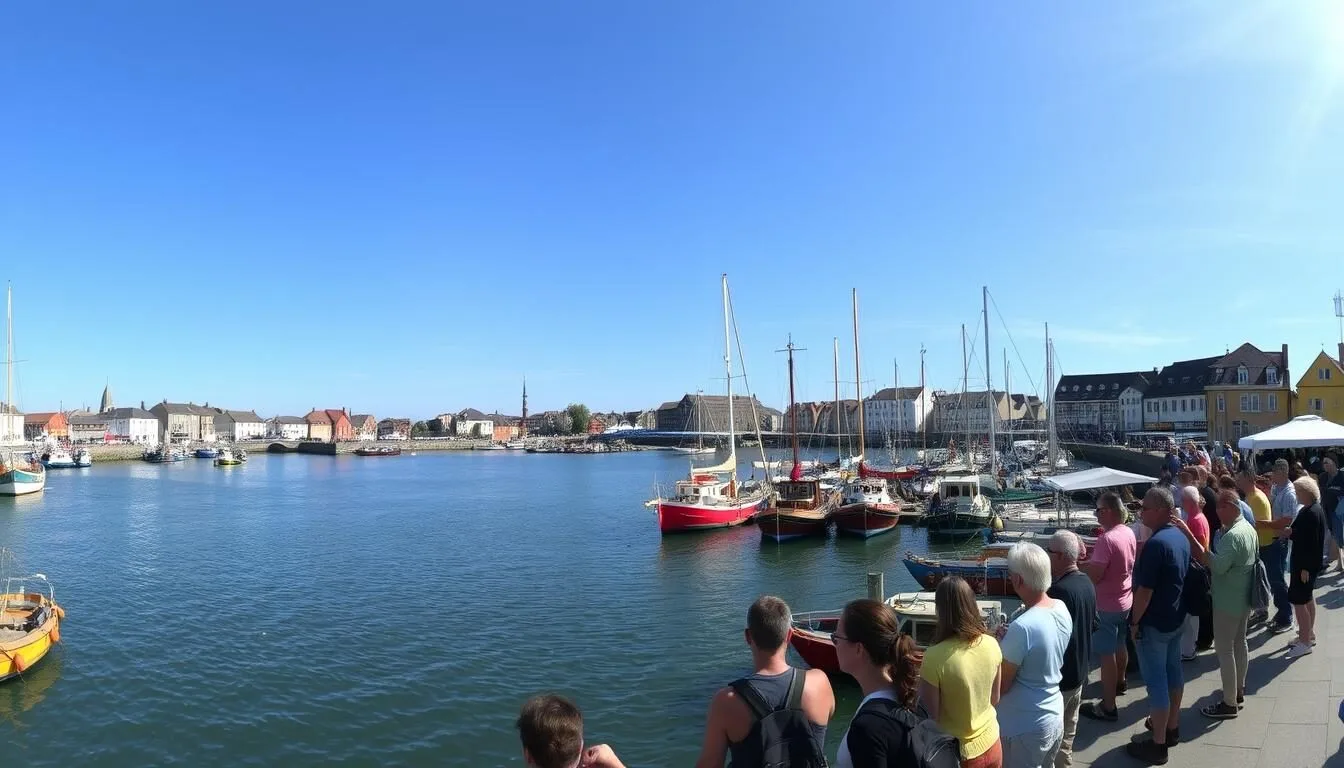
The Loire River is the lifeblood of Orléans, offering a tranquil escape from the city’s bustle. You can enjoy the river in multiple ways and at different times of day.
Bords de Loire: Riverside Promenades
Stroll along the Bords de Loire, the riverside promenades that have been transformed as part of the city’s successful urban renewal program. Experience the Loire River walkways at different times of day – bring a picnic during daylight hours or enjoy the romantic atmosphere at night when twinkling lights reflect on the dark water.
Boat Tours on Traditional Loire Vessels

Take a traditional boat tour through the Tourist Office to experience the Loire from the water, gaining a unique perspective on the city and its historical relationship with the river. Learn about Orléans’ history as a major river port that once supplied Paris.
L’Ile Charlemagne: Orléans’ Outdoor Paradise
L’Ile Charlemagne, a 70-hectare paradise on a river island, is the ideal place to leave your worries behind and enjoy the great outdoors. Located just southwest of Orléans, this natural haven offers a perfect retreat from urban life.

Beach and Water Activities
The island boasts two beautiful lake beaches with fine sand, perfect for sunbathing or cooling off in the supervised swimming areas. You can also enjoy various water sports on the lake, including windsurfing, canoeing, kayaking, sailing, and catamaran adventures.
Recreation Facilities and Events
Beyond water activities, L’Ile Charlemagne offers a range of recreational facilities, including volleyball, football, sports circuits, cross-country biking, ping pong tables, petanque courts, and a pony center. The island also hosts events at “Le Ponton,” a magical outdoor tavern open from June to September, featuring live shows, concerts, great food, and dancing until midnight, making it a fantastic escape from the city.
Cycling Adventures Around Orléans
The city of Orléans is a cyclist’s paradise, boasting 428 km of bike paths that cater to all skill levels. You can explore the city’s picturesque surroundings on two wheels, enjoying the scenic views and charming towns along the way.
Loire à Vélo Cycle Path

The Loire à Vélo cycle path is a 900-km route that stretches from Cuffy to the Atlantic coast, offering a unique cycling experience. You can ride along this path and enjoy the beautiful scenery, stopping at charming gardens and villages along the way.
Best Cycling Routes from the City
If you’re looking for a family day trip, consider cycling from Orléans to Meung-sur-Loire along the river bank. This 15-mile trip is relatively easy, thanks to the smooth and well-maintained cycle path. You can stop at beautiful gardens like Les Jardins de Roquelin and enjoy coffee and cake while taking in the views. Don’t forget to book a space for your bicycle on the train if you plan to return by rail between April and October.
- Discover why Orléans is a cyclist’s paradise with its extensive network of 428 km of well-maintained bike paths connecting the city to the surrounding countryside and neighboring towns.
- Rent a bicycle from the convenient VELO+ self-service stations located throughout the city, making it easy to explore on two wheels without bringing your own bike.
- Embark on the popular 15-mile riverside route from Orléans to Meung-sur-Loire, an easy and scenic journey suitable for families and casual cyclists.
Place du Martroi and City Squares
At the heart of Orléans lies Place du Martroi, a vibrant city square that embodies the city’s rich history and modern charm. This central plaza is dominated by a giant bronze statue of Joan of Arc on horseback, a symbol of the city’s historical significance.
The Heart of Orléans
Place du Martroi is not just a square; it’s the heart of Orléans, where the historic and modern districts converge. The square is surrounded by shops, cafes, and restaurants, making it a perfect spot to experience the city’s vibrant atmosphere.
Cafés, Restaurants, and People-Watching
The square is lined with numerous cafes and restaurants, ideal for people-watching while enjoying local cuisine. You can also visit the local market on Fridays, which stays open late into the evening. In the summer, live bands perform on weekends, adding to the square’s lively ambiance.

Local Culinary Delights to Try
The city of Orléans is renowned for its gastronomic delights, which are deeply rooted in its history and the Loire Valley’s bounty. As you explore the city, you’ll have the opportunity to taste a variety of local specialties that showcase the region’s unique flavors.
Orléans Vinegar and Mustard
Orléans is famous for its wine vinegar, a specialty dating back to the Middle Ages. The city’s vinegar-makers, particularly Martin-Pouret, have perfected the art of producing high-quality vinegar that’s used in various local recipes. You can also try the distinctive local mustard, made by soaking mustard seeds in the city’s renowned wine vinegar.
Regional Wine and Specialties
The Loire Valley is home to some of France’s finest wines, including ‘Orléans’ and ‘Orléans Cléry’ varieties. Be sure to taste these regional wines, available in red, white, and rosé, and pair them with local cheeses and cuisine. Other specialties include Cotignac, a quince jelly presented in charming round boxes, and Poire d’Olivet, a brandy made with Williams pears.

Day Trips to Loire Valley Châteaux
Discover the grandeur of the Loire Valley’s châteaux on a day trip from Orléans. The city is perfectly situated for exploring these magnificent castles, with many famous ones within an hour’s drive.
Château de Chambord
Visit the crown jewel of Loire Valley castles, Château de Chambord, just 50 minutes from Orléans by car. This castle is instantly recognizable by its distinctive forest of chimneys and cupolas crowning the roof. Marvel at Chambord’s innovative double-helix staircase, reportedly designed by Leonardo da Vinci.

Other Nearby Castles Worth Visiting
Explore other nearby castles, including Château Royal de Blois, Château Royal d’Amboise, and Château de Tours, all accessible by train from Orléans. Consider visiting Château de Villesavin, located just 5 miles from Chambord, to see its rare 1,500-hole dovecote and unique marriage museum.
Hidden Gems Off the Beaten Path
As you explore the charming city of Orléans, you’ll discover some hidden gems that are off the beaten path. While many visitors flock to the cathedral, there are other places to explore that offer a more serene experience.
Eglise Saint-Aignan
One such gem is Eglise Saint-Aignan, located about a 15-minute walk from the cathedral down Rue de Bourgogne. This church is a peaceful alternative to the more crowded cathedral, offering a more intimate time for reflection. Built in dedication to Saint Aignan, a 5th-century bishop who saved Orléans from the Huns, the church has been rebuilt several times throughout its history, yet still retains its impressive architecture and flying buttresses.
Street Mosaics and Urban Art
As you wander through the city, keep an eye out for the charming street mosaics created by artist MifaMosa. You’ll spot one of the most iconic mosaics on Rue Jeanne d’Arc, featuring Joan of Arc on her horse. Other mosaics are cleverly themed to match their location, such as the crown on Royal Street and the wine glass on Rue de Bourgogne.

Practical Information for Visitors
To make the most of your visit to Orléans, understanding how to get there and around is essential. Orléans is conveniently located and easily accessible.
Getting to and Around Orléans
Orléans has a train station, making it easily accessible from Paris Gare d’Austerlitz in just 1 hour and 15 minutes, ideal for a day trip or weekend getaway. You can also rent a car, though the drive from Paris takes about 2 hours depending on traffic. Once in Orléans, the city center is compact and walkable, with most major attractions within comfortable walking distance. For further exploration, Orléans offers an efficient tram and bus network, as well as a bike share program. This makes visiting places like Parc Floral de la Source a breeze.
| Transportation | Travel Time | Frequency |
|---|---|---|
| Train from Paris | 1 hour 15 minutes | Regular |
| Car from Paris | 2 hours | N/A |
| Tram/Bus in Orléans | Varies | Frequent |
Best Time to Visit
The best time to visit Orléans is between May and September when the weather is pleasant, allowing you to enjoy the parks and outdoor activities. If you’re interested in specific events, plan your visit around the Joan of Arc Festival (April 29 – May 8) or the Christmas Market in December. This way, you can experience the city’s charm during different times of the year.

Conclusion: Why Orléans Should Be on Your French Itinerary
Orléans is a hidden gem in France that offers a unique blend of history, culture, and natural beauty. As you’ve explored throughout this article, the city is steeped in Joan of Arc’s history, with landmarks like Maison Jeanne d’Arc and the Cathedrale Sainte-Croix being must-visits. The city’s historic charm is further enhanced by its beautiful parks, such as Parc Floral de la Source and Jardin des Plantes, making it a haven for nature lovers.
Orléans serves as an ideal base for exploring the Loire Valley, with famous châteaux like Chambord and Blois within easy reach. Whether you’re interested in history, culture, or simply enjoying the local cuisine, Orléans has something for everyone. You can spend a day or several, exploring the city’s museums, enjoying a boat tour on the Loire River, or savoring the local specialties like Orléans vinegar and mustard.
In conclusion, Orléans is a city that deserves a place on your French itinerary, offering a perfect blend of history, culture, and natural beauty without the crowds of more famous destinations.