

Hotels by Trip.com
Flights by Trip.com
Did you know Saint-Malo experiences some of Europe’s most dramatic tidal variations, with water levels changing by up to 13 meters between high and low tide? This stunning walled port city in Brittany isn’t just famous for its maritime heritage and corsair history—it’s a destination where weather plays a crucial role in your travel experience. From the wind-swept ramparts to sun-drenched beaches that appear and disappear with the tides, timing your visit can make all the difference in experiencing the true magic of this coastal gem.
Getting There & Planning Your Journey
Saint-Malo is well-connected to major transportation hubs, making it accessible for international travelers. The closest major airport is Rennes-Saint-Jacques Airport, about 70 km (43 miles) south of Saint-Malo. From there, you can take a train or rent a car to reach the coastal city.
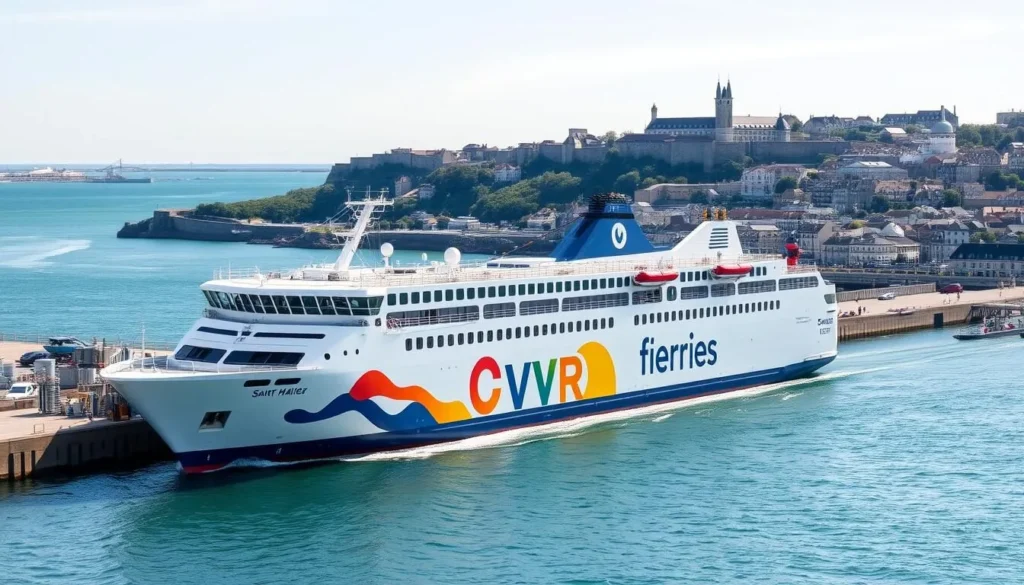
For travelers coming from the UK, Brittany Ferries operates regular services from Portsmouth to Saint-Malo, offering a convenient option that lets you bring your own vehicle. The ferry journey takes approximately 11 hours, with both daytime and overnight crossings available.
From Paris, the high-speed TGV train offers the most comfortable way to reach Saint-Malo, with the journey taking just over 2 hours. This makes Saint-Malo an excellent option for a weekend getaway from the capital or as part of a longer exploration of Brittany.
Best Time to Visit & Weather Tips
Saint-Malo’s climate is classified as oceanic, with mild temperatures year-round but significant rainfall. The Gulf Stream influence keeps winters relatively mild compared to other regions at similar latitudes, while summers remain pleasantly warm without becoming excessively hot.
The city’s coastal location means weather can change rapidly, and wind is a constant companion throughout the year. This maritime climate creates distinct seasonal experiences, each with its own charm and challenges for visitors.

Month-by-Month Weather Guide for Saint-Malo
| Month | Weather | What to Wear | Things to Do | Pros & Cons |
| January | High: 9°C (48°F) Low: 4°C (39°F) Rainfall: 70 mm (2.8 in) Daylight: 9 hours | Warm coat, waterproof jacket, layers, hat, gloves, waterproof footwear | Indoor museums, winter walks on empty beaches, cozy restaurants, storm watching from cafés | ✅ Few tourists, lower prices ❌ Cold, windy, frequent rain |
| February | High: 9°C (48°F) Low: 4°C (39°F) Rainfall: 60 mm (2.4 in) Daylight: 10 hours | Winter coat, waterproof jacket, layers, scarf, warm footwear | Rampart walks during breaks in weather, Grand Aquarium, cultural events, winter seafood | ✅ Authentic local experience ❌ Many attractions have limited hours |
| March | High: 11°C (52°F) Low: 5°C (41°F) Rainfall: 50 mm (2 in) Daylight: 12 hours | Medium-weight jacket, layers, waterproof outer layer, comfortable walking shoes | Early spring walks, tidal island visits, Etonnants Voyageurs festival (some years), less crowded sightseeing | ✅ Increasing daylight, spring awakening ❌ Still unpredictable weather, chilly winds |
| April | High: 13°C (55°F) Low: 6°C (43°F) Rainfall: 45 mm (1.8 in) Daylight: 14 hours | Light jacket, layers, waterproof outer layer, comfortable walking shoes | Spring coastal hikes, rampart walks, day trips to nearby towns, Easter celebrations | ✅ Spring flowers, moderate crowds ❌ Can still be quite cool and showery |
| May | High: 16°C (61°F) Low: 9°C (48°F) Rainfall: 55 mm (2.2 in) Daylight: 15.5 hours | Light jacket, layers, waterproof outer layer, comfortable walking shoes | Beach walks, tidal island exploration, outdoor dining, day trips to Mont Saint-Michel | ✅ Pleasant temperatures, long days ❌ Increasing tourist numbers |
| June | High: 19°C (66°F) Low: 12°C (54°F) Rainfall: 45 mm (1.8 in) Daylight: 16 hours | Light layers, light jacket for evenings, sun protection, comfortable walking shoes | Beach activities, swimming (for the brave), sailing, Fête de la Musique (June 21), outdoor dining | ✅ Warm days, long evenings ❌ Peak season begins, higher prices |
| July | High: 21°C (70°F) Low: 14°C (57°F) Rainfall: 40 mm (1.6 in) Daylight: 16 hours | Light clothing, sweater for evenings, sun protection, swimwear | Beach days, swimming, sailing, Route du Rock festival, outdoor markets, evening events | ✅ Warmest weather, vibrant atmosphere ❌ Crowded, highest prices, advance booking essential |
| August | High: 21°C (70°F) Low: 14°C (57°F) Rainfall: 35 mm (1.4 in) Daylight: 14.5 hours | Light clothing, sweater for evenings, sun protection, swimwear | Beach days, swimming, sailing, Folkloric festivals, outdoor dining, evening rampart walks | ✅ Warm sea temperatures, lively atmosphere ❌ Most crowded month, advance booking essential |
| September | High: 19°C (66°F) Low: 12°C (54°F) Rainfall: 55 mm (2.2 in) Daylight: 12.5 hours | Light layers, light jacket for evenings, waterproof outer layer | Cultural heritage days, less crowded beaches, food festivals, pleasant hiking weather | ✅ Fewer tourists, sea still warm, lower prices ❌ Increasing chance of rain |
| October | High: 15°C (59°F) Low: 10°C (50°F) Rainfall: 75 mm (3 in) Daylight: 11 hours | Medium-weight jacket, layers, waterproof outer layer | Quai des Bulles comic festival, autumn walks, storm watching, museums, seafood season | ✅ Beautiful autumn colors, authentic atmosphere ❌ Increasing rainfall, some seasonal closures |
| November | High: 12°C (54°F) Low: 7°C (45°F) Rainfall: 80 mm (3.1 in) Daylight: 9 hours | Warm coat, waterproof jacket, layers, waterproof footwear | Storm watching, indoor attractions, culinary experiences, uncrowded rampart walks | ✅ Few tourists, local experience ❌ Rainy, windy, shorter days |
| December | High: 9°C (48°F) Low: 5°C (41°F) Rainfall: 75 mm (3 in) Daylight: 8.5 hours | Warm coat, waterproof jacket, layers, hat, gloves, waterproof footwear | Christmas markets, festive dining, winter walks, indoor attractions | ✅ Festive atmosphere, authentic experience ❌ Cold, wet, shortest days |
Seasonal Overview for Saint-Malo
Winter (December-February)
Weather: Cold and wet with temperatures of 4-9°C (39-48°F). Strong winds and frequent rain showers.
What to Wear: Warm, waterproof clothing, layers, hat, gloves, and sturdy footwear.
Things to Do: Indoor museums, winter gastronomy, storm watching, uncrowded rampart walks.
Pros: Authentic local experience, lowest prices, few tourists.
Cons: Many seasonal businesses closed, short daylight hours, challenging weather.
Spring (March-May)
Weather: Gradually warming with temperatures of 5-16°C (41-61°F). Variable conditions with occasional showers.
What to Wear: Layers, medium-weight jacket, waterproof outer layer, comfortable walking shoes.
✓ Check 30,000+ Local Sightseeing Tours Worldwide
Things to Do: Coastal walks, tidal island visits, spring festivals, day trips to nearby towns.
Pros: Increasing daylight, blooming landscapes, moderate tourist numbers.
Cons: Unpredictable weather, can still be quite cool, especially in early spring.
Summer (June-August)
Weather: Warm and pleasant with temperatures of 12-21°C (54-70°F). Most sunshine hours and least rainfall.
What to Wear: Light clothing, sweater for evenings, sun protection, swimwear.
Things to Do: Beach activities, swimming, sailing, festivals, outdoor dining, evening events.
Pros: Warmest temperatures, longest days, lively atmosphere, all attractions open.
Cons: Crowded, highest prices, advance booking essential for accommodations and restaurants.
Autumn (September-November)
Weather: Cooling down with temperatures of 7-19°C (45-66°F). Increasing rainfall and wind.
What to Wear: Layers, medium to heavy jacket, waterproof outer layer.
Things to Do: Cultural events, less crowded sightseeing, autumn gastronomy, storm watching.
Pros: Beautiful autumn colors, fewer tourists, lower prices after peak season.
Cons: Increasing rainfall, some seasonal closures, shorter days.
Best Time to Visit Saint-Malo
Recommended Months
- May: Pleasant temperatures, long days, before peak crowds
- June: Warm weather, longest days, vibrant atmosphere
- September: Still warm, fewer crowds, lower prices
Months to Avoid
- December-February: Cold, wet, windy, many closures
- July-August: If you dislike crowds (though weather is best)
- November: High rainfall, shorter days, limited activities

Getting Around Locally
Saint-Malo is a compact city that’s perfect for exploring on foot, especially within the walled Intra-Muros area. The historic center is pedestrian-friendly, with narrow cobblestone streets that are best navigated without a vehicle.
Public Transportation
The MAT (Malo Agglo Transport) bus network serves Saint-Malo and surrounding areas. Line 1 is particularly useful for tourists, connecting the train station with the Intra-Muros and major beaches. Single tickets cost around €1.50, while day passes offer better value if you plan to make multiple journeys.
Bicycle Rental
Cycling is an excellent way to explore Saint-Malo and its surroundings, especially during the warmer months. Several rental shops offer bikes by the hour, day, or week. The coastal path provides stunning views and is relatively flat, making it accessible for cyclists of all levels.
Taxis and Ridesharing
Taxis are available throughout Saint-Malo, with stands at the train station and major tourist areas. While ridesharing services like Uber have limited availability in Saint-Malo, local taxi companies offer reliable service for longer journeys or late-night travel.
Where to Stay
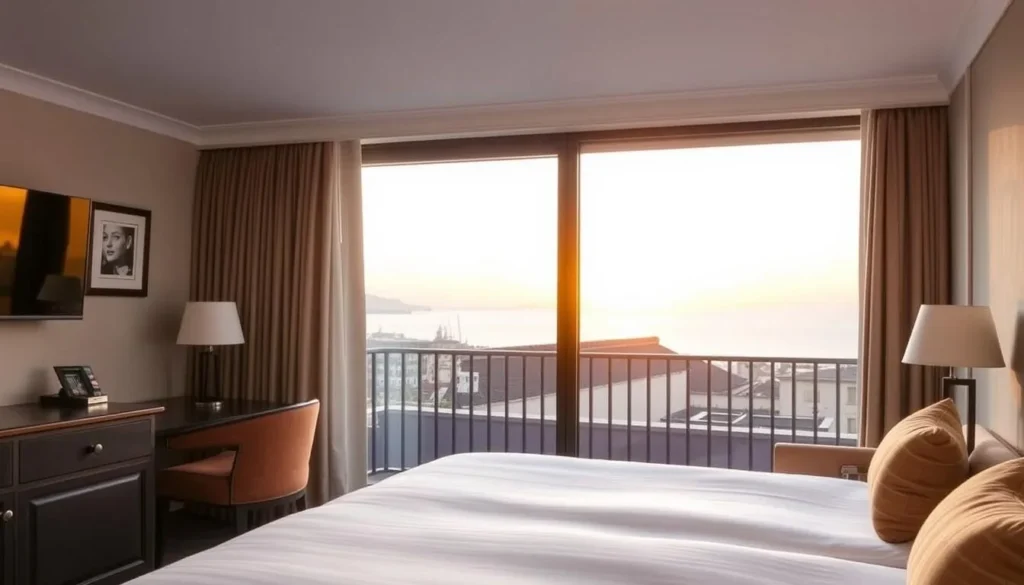
Saint-Malo offers a range of accommodation options to suit different preferences and budgets. Where you choose to stay will significantly impact your experience of the city, with each area offering its own unique atmosphere and advantages.
Intra-Muros (Within the Walls)
Staying within the historic walled city puts you at the heart of Saint-Malo’s charm. You’ll have easy access to restaurants, shops, and major attractions, with the added benefit of experiencing the old town after day-trippers have departed.
Advantages:
- Immersive historical experience
- Walking distance to major attractions
- Atmospheric evening ambiance
- Proximity to restaurants and shops
Considerations:
- Higher prices
- Limited parking options
- Can be noisy during peak season
- Many accommodations in historic buildings may lack elevators
Sillon and Paramé
These areas east of the walled city offer beachfront accommodations with easy access to Saint-Malo’s longest beach. They provide a more relaxed atmosphere while still being within walking distance of the historic center.
Advantages:
- Beach access
- Generally quieter than Intra-Muros
- More modern accommodations
- Better parking options
Considerations:
- 15-30 minute walk to the walled city
- Fewer dining options nearby
- Some areas can feel less atmospheric
Saint-Servan
Located to the south and west of Intra-Muros, Saint-Servan offers a more local experience with charming streets and views across the harbor. This area is ideal for travelers seeking a quieter stay while still being close to attractions.
Dining & Local Cuisine
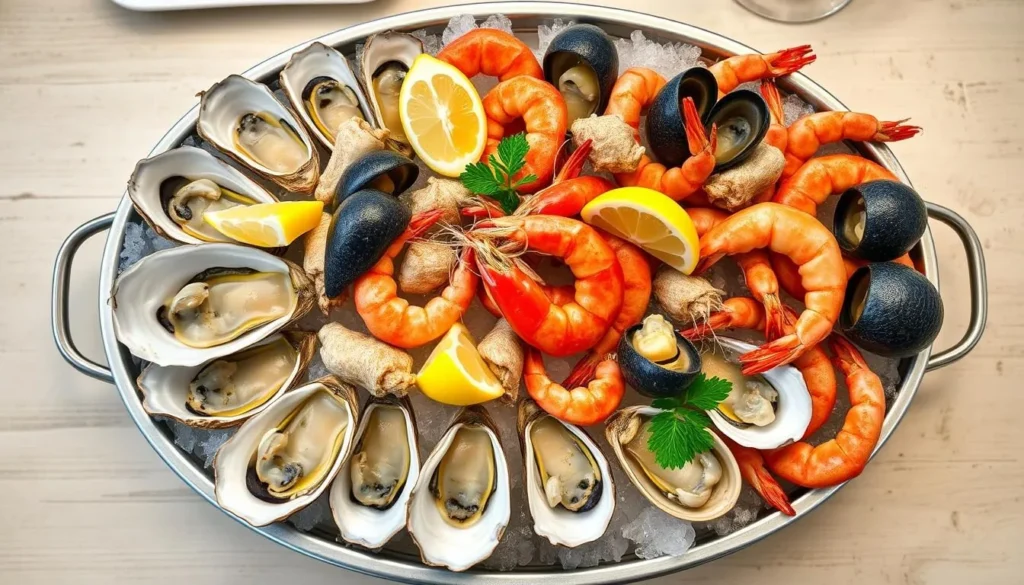
Saint-Malo’s culinary scene is deeply rooted in its maritime heritage, with seafood featuring prominently on menus throughout the city. The region’s gastronomy also celebrates Brittany’s agricultural bounty, creating a distinctive cuisine that’s worth exploring during your visit.
Local Specialties
Seafood Highlights:
- Moules-frites: Mussels steamed with white wine, shallots, and herbs, served with French fries
- Huîtres de Cancale: Oysters from nearby Cancale, considered among France’s finest
- Coquilles Saint-Jacques: Scallops, often prepared with butter and herbs
- Homard Breton: Breton lobster, typically grilled or served with mayonnaise
Breton Specialties:
- Galettes: Savory buckwheat crêpes filled with ham, cheese, egg, or seafood
- Crêpes: Sweet thin pancakes with various fillings
- Kouign-amann: Buttery, caramelized pastry from Brittany
- Beurre de baratte: Traditional churned butter, often salted
Where to Eat in Saint-Malo
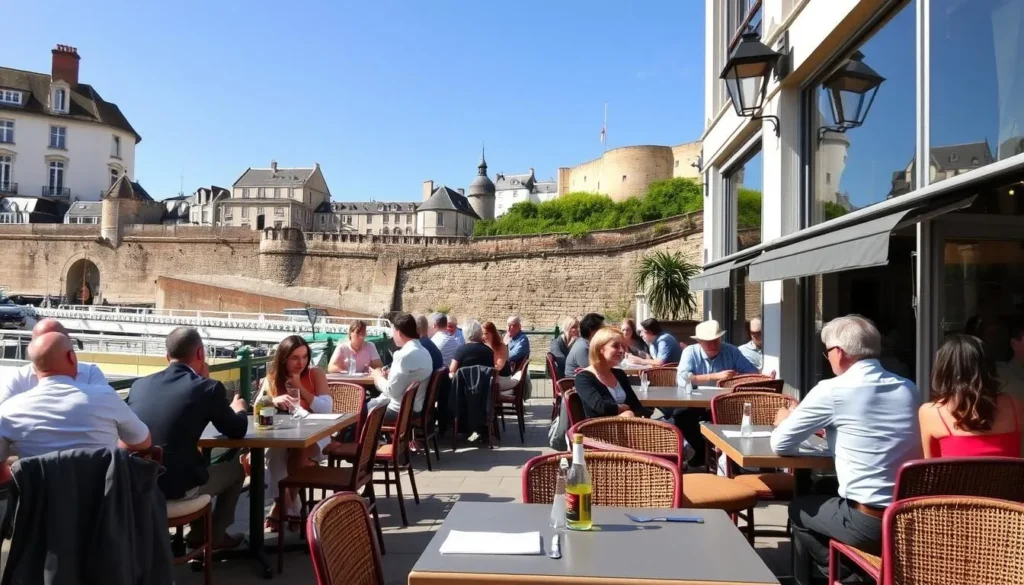
The walled city offers numerous dining options, from casual crêperies to fine dining establishments. For the most authentic experience, look for restaurants displaying the “Fait Maison” logo, indicating dishes made from scratch with fresh ingredients.
Intra-Muros Dining
The historic center hosts many restaurants catering to tourists, with varying quality. Seek out establishments on side streets rather than the main squares for more authentic experiences and better value.
Best for: Atmospheric dining, historic settings, convenience
Harbor Area Restaurants
Restaurants along the harbor offer fresh seafood with views of the marina. These establishments often specialize in seafood platters featuring the day’s catch from local fishing boats.
Best for: Fresh seafood, harbor views, watching boats come and go
Local Markets
Saint-Malo’s markets offer an opportunity to sample local products and prepare your own meals if you’re staying in self-catering accommodation. The main market takes place in Intra-Muros on Tuesdays and Fridays.
Best for: Fresh produce, local specialties, picnic supplies
Dining Tips for Saint-Malo
- Lunch service typically runs from 12:00-14:00, while dinner begins around 19:00
- Reservations are essential during peak season, especially for popular restaurants
- The “menu du jour” (daily set menu) often offers excellent value
- Tipping is not required as service is included, but rounding up the bill is appreciated for good service
- Many restaurants close one day per week, usually Monday or Tuesday
Attractions, Sightseeing & Activities
Saint-Malo offers a wealth of attractions that showcase its rich maritime history, stunning natural features, and unique cultural heritage. The city’s dramatic tides create an ever-changing landscape that influences many of its most popular activities.
Must-See Attractions
Les Remparts (City Walls)
The 1.8 km circuit around Saint-Malo’s ramparts offers spectacular views of the city, sea, and surrounding islands. This free activity provides different perspectives as the tide changes throughout the day.
Weather tip: Best experienced on clear days for optimal views, but dramatic during stormy weather too.
Tidal Islands
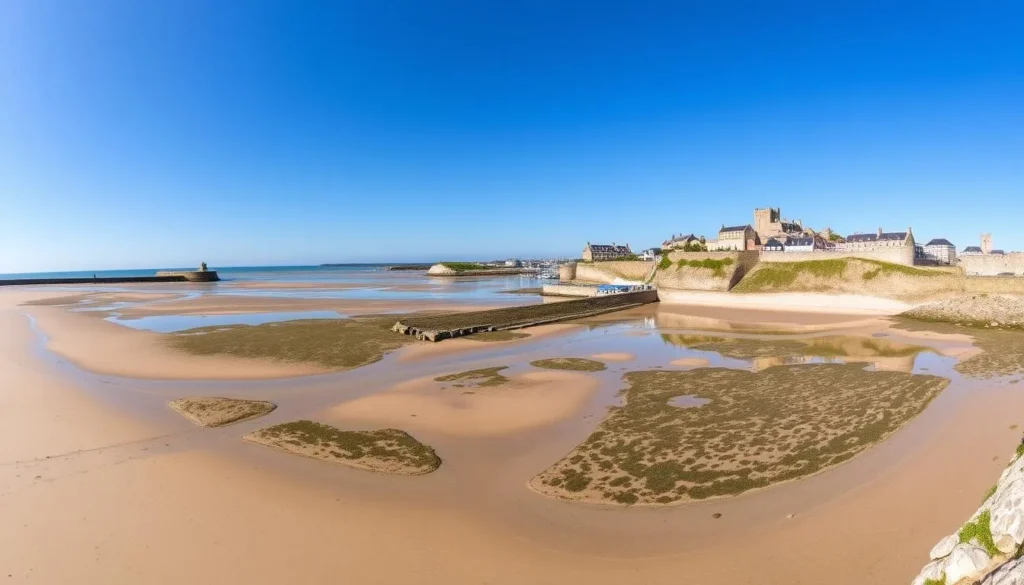
Grand Bé and Petit Bé islands are accessible only at low tide. Grand Bé houses the tomb of writer Chateaubriand, while Petit Bé features a Vauban-designed fort. Check tide tables carefully before visiting.
Weather tip: Only attempt during clear weather and always check tide times.
Fort National
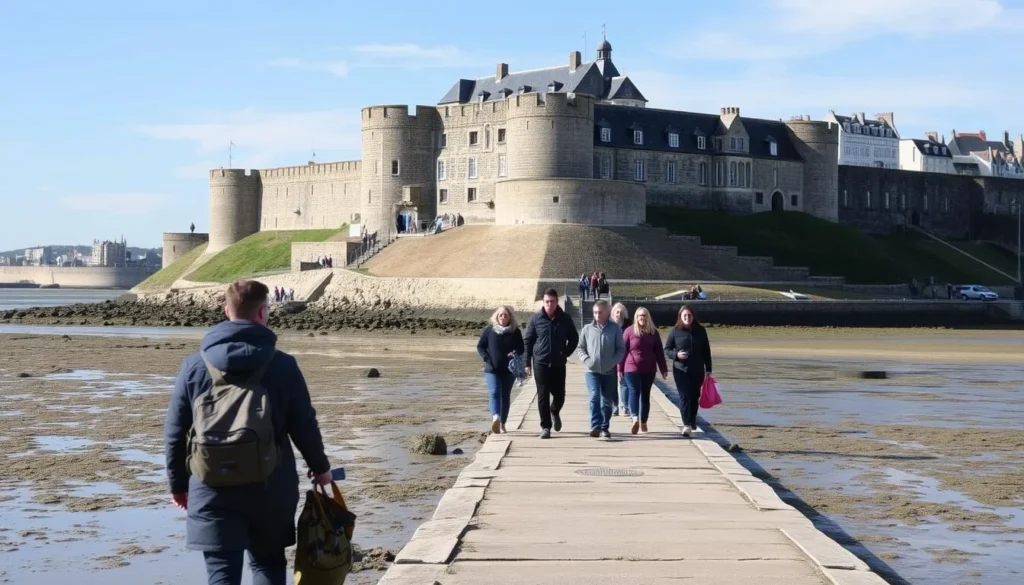
This 17th-century fort on a tidal island was designed by Vauban to protect the city. Accessible only at low tide, it offers guided tours and panoramic views of the coastline.
Weather tip: Only open in good weather conditions; check for the French flag flying to confirm it’s open.
Weather-Dependent Activities
Sunny Day Activities:
- Beach time: Enjoy Plage du Sillon, Plage de Bon Secours, or Plage de l’Éventail
- Coastal walks: Follow the GR34 hiking trail for stunning views
- Boat trips: Take an excursion to nearby islands or along the coast
- Tidal island exploration: Visit Grand Bé, Petit Bé, and Fort National
Rainy Day Activities:
- Grand Aquarium: Discover marine life in over 50 aquariums
- Musée d’Histoire: Learn about Saint-Malo’s corsair heritage
- Cathédrale Saint-Vincent: Admire the stained glass and architecture
- Culinary experiences: Take a cooking class or enjoy extended meals
Museums, Cultural Spots & Festivals
Saint-Malo’s rich cultural heritage is showcased through its museums, historic sites, and vibrant festival calendar. These cultural experiences offer insight into the city’s fascinating past and contemporary Breton identity.
Museums & Cultural Attractions
Musée d’Histoire de Saint-Malo
Housed in the Château de Saint-Malo, this museum chronicles the city’s eventful history, from its corsair heyday to its reconstruction after World War II. Interactive exhibits bring the past to life.
Weather note: Perfect rainy day activity
Maison du Québec
This cultural center celebrates the historical ties between Saint-Malo and Quebec, highlighting Jacques Cartier’s voyages and the ongoing relationship between Brittany and Canada.
Weather note: Indoor activity suitable for any weather
Demeure de Corsaire
Step into the lavish home of a wealthy corsair to experience how these privateers lived during Saint-Malo’s golden age. Guided tours explain the fascinating history of these sea raiders.
Weather note: Indoor activity perfect for inclement weather
Seasonal Festivals & Events
Saint-Malo’s festival calendar is influenced by the seasons, with most major events taking place during the more favorable weather months from May to September. These celebrations showcase Breton culture, maritime heritage, and artistic expression.
| Festival | Month | Description | Weather Considerations |
| Étonnants Voyageurs | May/June | International book festival celebrating travel literature and world cultures with author talks, exhibitions, and film screenings | Indoor venues with some outdoor events; generally pleasant weather |
| Fête de la Musique | June 21 | Nationwide music celebration with free concerts throughout the city, from classical to contemporary | Outdoor event dependent on good weather; backup indoor venues available |
| Route du Rock | August | Alternative rock festival featuring international artists, held at Fort de Saint-Père near Saint-Malo | Outdoor festival; August typically offers favorable conditions |
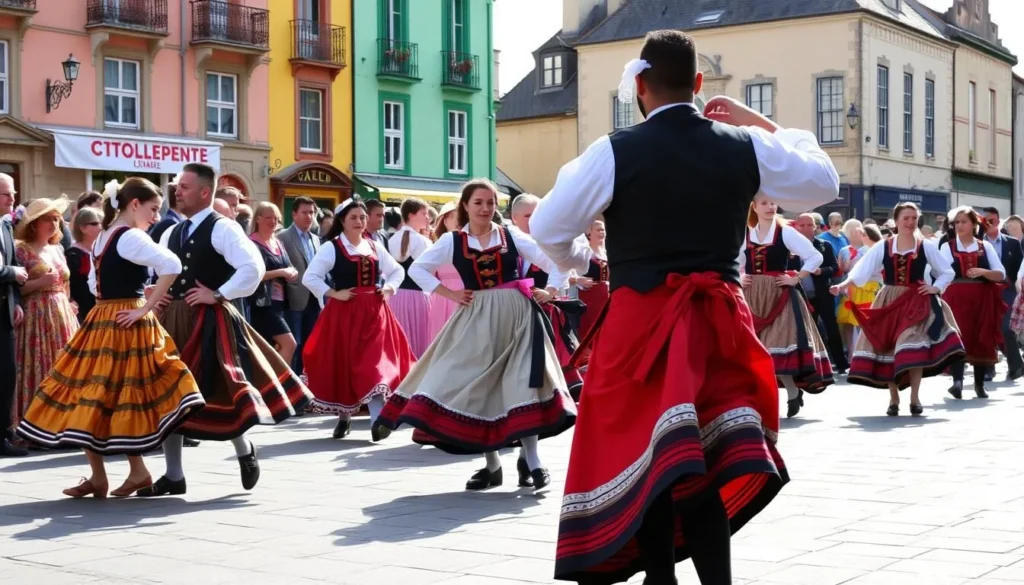
| Folkloric Festivals | July-August | Traditional Breton music and dance performances showcasing the region’s cultural heritage | Mix of indoor and outdoor events during peak summer season |
| Quai des Bulles | October | Comic book festival featuring exhibitions, signings, and workshops with renowned artists | Primarily indoor event, perfect for autumn’s variable weather |
| Christmas Market | December | Festive market within the walled city featuring local crafts, food, and seasonal entertainment | Winter event with heated stalls; be prepared for cold, potentially wet conditions |
Sports, Nature & Outdoor Experiences
Saint-Malo’s dramatic natural setting provides the perfect backdrop for a variety of outdoor activities. The city’s relationship with the sea shapes many of these experiences, with tidal variations creating unique opportunities for exploration and adventure.
Water Activities
The waters around Saint-Malo offer excellent conditions for various water sports, though activities are highly dependent on weather and tidal conditions. Always check local forecasts and tide tables before planning water-based excursions.
Sailing
Saint-Malo has a strong sailing tradition, with several schools offering lessons and boat rentals. The Bay of Saint-Malo provides varied sailing conditions suitable for different skill levels.
Best season: May to September
Weather considerations: Wind conditions can change rapidly; check forecasts
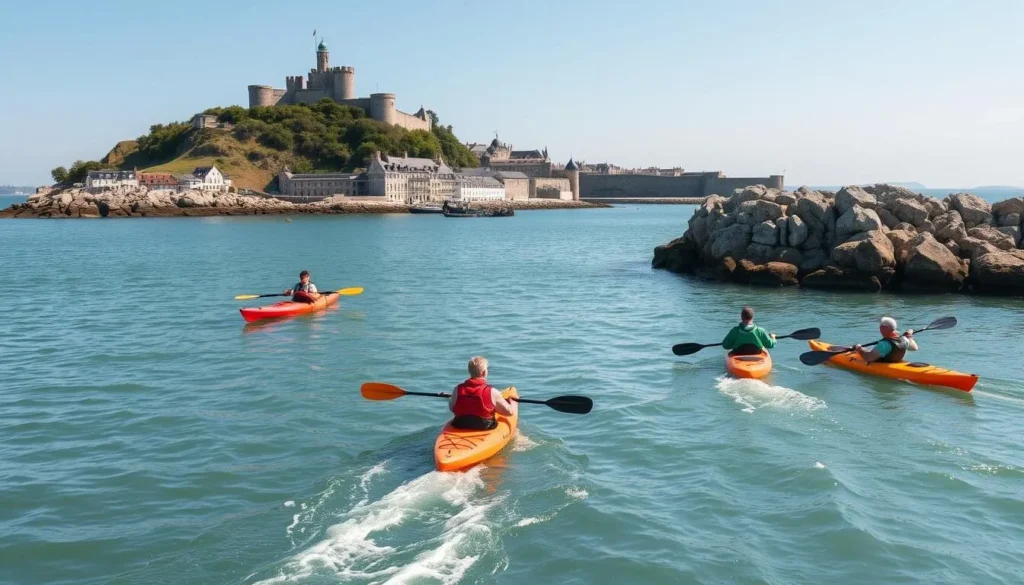
Sea Kayaking
Explore the coastline and tidal islands from a unique perspective. Guided tours provide safe access to sea caves, hidden beaches, and wildlife viewing opportunities.
Best season: June to September
Weather considerations: Calm seas required; morning typically offers better conditions
Swimming
Saint-Malo’s beaches offer swimming opportunities, with Plage de Bon Secours featuring a seawater swimming pool that fills naturally at high tide, providing safer swimming conditions.
Best season: July and August (water temperatures around 18-20°C/64-68°F)
Weather considerations: Lifeguarded beaches in summer only
Coastal Walks & Nature
The GR34 coastal path, also known as the Sentier des Douaniers (Customs Officers’ Path), passes through Saint-Malo and offers spectacular views of the Emerald Coast. This well-maintained trail is suitable for walkers of various fitness levels.
Popular Walking Routes:
- Saint-Malo to Cancale: 14 km (8.7 miles) one-way with stunning coastal views
- Saint-Malo to Dinard: Take the ferry across the Rance estuary and walk along Dinard’s elegant promenade
- Pointe du Grouin Circuit: Dramatic headland with panoramic views of the Bay of Mont Saint-Michel
Weather Considerations:
- Coastal paths can be exposed to strong winds; bring appropriate layers
- Some sections become dangerous during stormy weather
- Spring and autumn offer comfortable walking temperatures with fewer crowds
- Early morning walks in summer avoid midday heat
Safety, Etiquette & Local Customs
Saint-Malo is generally a safe destination for travelers, but understanding local customs and potential hazards will enhance your experience and help you navigate the city like a local.
Weather-Related Safety
Tidal Awareness:
- Always check tide tables before visiting tidal islands or beaches
- Pay attention to warning signs and never ignore barriers
- The tide can rise at a surprising pace—allow ample time to return to shore
- Carry a mobile phone and be aware that some areas have limited reception
Storm Safety:
- Avoid the ramparts and sea walls during high winds and storms
- Large waves can suddenly sweep over barriers even on seemingly calm days
- Follow local authority guidance during severe weather warnings
- Be particularly cautious during spring tides combined with strong winds
Important: The sea around Saint-Malo can be unpredictable. Never swim alone, always respect red flag warnings, and be aware that even experienced swimmers can be caught by strong currents. Swimming is safest at designated beaches with lifeguards (typically present July-August).
Local Etiquette & Customs
Understanding and respecting local customs will enhance your interactions with residents and contribute to a more authentic experience of Saint-Malo.
Greetings & Language
While many people in the tourism industry speak English, beginning interactions with a simple “Bonjour” is appreciated. Basic French phrases will be warmly received, even if not perfect.
Brittany has its own cultural identity distinct from the rest of France, with some locals identifying strongly as Breton. You may notice bilingual French/Breton signs throughout the region.
Dining Etiquette
Meal times in France are generally later than in some countries, with lunch from 12:00-14:00 and dinner from 19:00-21:30. Reservations are recommended, especially during peak season.
Service is included in restaurant prices, but it’s customary to leave small change or round up the bill for good service. Asking for tap water (“une carafe d’eau”) is perfectly acceptable and free.
Shopping & Business Hours
Many shops close for lunch, typically between 12:00-14:00, and may be closed on Sundays and Mondays, especially outside peak tourist season. Supermarkets and shops in tourist areas often have extended hours.
Small talk before business transactions is common and appreciated. Take time to greet shopkeepers when entering and thank them when leaving, even if you don’t make a purchase.

Practical Travel Tips
These practical tips will help you make the most of your weather-savvy trip to Saint-Malo, ensuring a smooth and enjoyable experience regardless of when you choose to visit.
Weather-Related Packing Tips
Summer (June-August)
- Light clothing with layers for cooler evenings
- Windbreaker or light jacket
- Sun protection (hat, sunglasses, sunscreen)
- Swimwear and quick-dry towel
- Comfortable walking shoes
Spring/Autumn (Mar-May, Sep-Nov)
- Medium-weight clothing with layers
- Waterproof jacket
- Light gloves and scarf for cooler days
- Umbrella or rain hat
- Waterproof footwear
Winter (December-February)
- Warm, waterproof coat
- Layers for insulation
- Hat, gloves, and scarf
- Waterproof boots
- Thermal underlayers for windy days
Year-Round Essentials
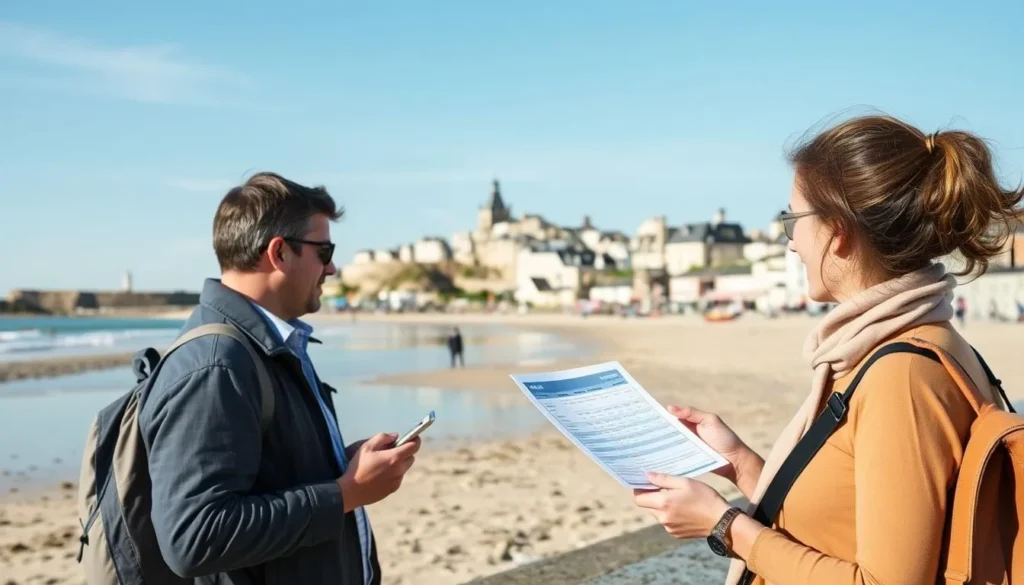
- Tide table app or printout: Essential for planning visits to tidal islands and beaches
- Weather app: Breton weather can change quickly; stay informed with real-time updates
- Reusable water bottle: Tap water is safe to drink throughout France
- Power adapter: France uses Type E outlets (round pin with male ground)
- Comfortable walking shoes: Saint-Malo’s cobblestone streets can be challenging in inappropriate footwear
Money & Connectivity
While credit cards are widely accepted in Saint-Malo, it’s advisable to carry some cash for smaller purchases at markets or from street vendors. ATMs are readily available throughout the city, particularly within the walled area and near the train station.
Mobile coverage is generally good throughout Saint-Malo, though signal may be weaker in some parts of the ramparts and on tidal islands. Many accommodations, restaurants, and cafés offer free Wi-Fi, but connection speeds may vary.
Conclusion
Saint-Malo offers a captivating blend of history, natural beauty, and Breton culture that changes with the seasons. Whether you’re watching dramatic winter storms from a cozy café, exploring tidal islands under the spring sunshine, enjoying beach days during the summer months, or savoring autumn’s culinary delights, this resilient coastal city rewards weather-savvy travelers with unforgettable experiences.
By planning your visit around the seasonal insights shared in this guide, you’ll be well-prepared to experience the best of Saint-Malo whatever the weather brings. Pack your bags, check the tide tables, and set sail for an adventure in one of France’s most enchanting coastal destinations!
✓ Check 30,000+ Local Sightseeing Tours Worldwide

Related Posts
Calais, France: Best Things to Do – Top Picks
Oradour-sur-Glane, France: Best Things to Do – Top Picks
Dunkirk, France: Best Things to Do – Top Picks

Arles, France: Best Months for a Weather-Savvy Trip
Biarritz, France: Best Months for a Weather-Savvy Trip
Cannes, France: Best Months for a Weather-Savvy Trip
Coming Soon: Clickable Maps