

Did you know that Georgia is home to one of the world’s oldest winemaking traditions, dating back over 8,000 years? This small Caucasian nation—not to be confused with the US state—saw a remarkable 28% increase in tourism in 2023, welcoming 4.7 million international visitors. With its diverse landscapes spanning from subtropical Black Sea beaches to snow-capped Caucasus mountains, Georgia’s climate varies dramatically across regions and seasons. Understanding when to visit this emerging destination can make or break your travel experience.
Georgia’s Seasonal Climate Guide
Georgia’s geography creates distinct climate zones: the humid subtropical western regions influenced by the Black Sea, and the continental eastern regions with more extreme seasonal variations. Let’s explore each season to help you plan your perfect Georgian adventure.
Winter (December-February)
Best for:
Skiing, winter sports, Christmas celebrations, fewer tourists
Weather Overview:
Winter in Georgia brings cold temperatures, with Tbilisi averaging 5-8°C (41-46°F) during the day and often dropping below freezing at night. Mountain regions like Gudauri and Bakuriani experience heavy snowfall with temperatures frequently below -5°C (23°F). The western Black Sea coast remains milder but very rainy.
What to Wear:
Pack warm, waterproof clothing including thermal layers, a heavy winter coat, waterproof boots, gloves, and hats. Even in cities, temperatures can drop significantly after sunset.
Things to Do:
- Ski or snowboard at Gudauri or Bakuriani resorts
- Experience Orthodox Christmas celebrations (January 7)
- Enjoy traditional Georgian winter cuisine like khinkali (dumplings)
- Relax in Tbilisi’s sulfur baths
- Visit museums and historical sites without crowds
Winter Pros
- Excellent snow conditions for winter sports
- Lower accommodation prices
- Authentic cultural experiences
- Festive atmosphere during holidays
Winter Cons
- Limited access to mountain regions
- Short daylight hours
- Many rural guesthouses closed
- Challenging driving conditions
Summary:
Winter is ideal for snow enthusiasts and those seeking authentic cultural experiences without crowds. However, limited accessibility to some regions and challenging weather conditions make it less suitable for comprehensive exploration.
Spring (March-May)
Best for:
Wildflowers, mild weather, hiking, cultural exploration, lower crowds

Weather Overview:
Spring brings a gradual warming with unpredictable weather patterns. March remains cool at 10-15°C (50-59°F) with occasional rain, while May sees pleasant temperatures of 20-25°C (68-77°F). Mountain areas begin thawing but higher elevations remain snow-covered until late spring.
What to Wear:
Layered clothing is essential—pack a mix of light and medium-weight items, a waterproof jacket, and comfortable walking shoes. Weather can change quickly, especially in mountainous regions.
Things to Do:
- Explore Tbilisi’s historic districts and botanical gardens
- Visit the wine region of Kakheti as vineyards come alive
- Hike in lower-elevation trails with wildflower displays
- Experience Easter celebrations (dates vary)
- Attend the New Wine Festival in May
Spring Pros
- Beautiful wildflowers and blossoms
- Comfortable temperatures for sightseeing
- Fewer tourists than summer
- Lower prices than peak season
Spring Cons
- Unpredictable rainfall
- Limited access to high mountain areas
- Some hiking trails may be muddy
- Weather can change rapidly
Summary:
Spring offers a balance of good weather, natural beauty, and reasonable prices. Late spring (May) is particularly excellent for most activities, though high-altitude trekking may still be limited.
Summer (June-August)
Best for:
Mountain hiking, Black Sea beaches, festivals, full accessibility

Weather Overview:
Summer brings hot temperatures across most of Georgia. Tbilisi can reach 30-33°C (86-91°F) and occasionally spike to 40°C (104°F). The Black Sea coast is humid with temperatures around 25-29°C (77-84°F). Mountain regions offer relief with pleasant 19-25°C (66-77°F) days and cooler nights.
What to Wear:
Light, breathable clothing for cities and coastal areas. For mountains, include layers for cool evenings, sun protection, and sturdy hiking shoes. Swimwear is essential for the Black Sea coast.
Things to Do:
- Trek in the Caucasus Mountains (Kazbegi, Svaneti, Tusheti)
- Relax on Black Sea beaches around Batumi
- Attend summer festivals like Art-Gene and Black Sea Jazz Festival
- Explore remote regions like Tusheti (only accessible in summer)
- Go rafting, canyoning, or paragliding in mountain regions
Summer Pros
- Full accessibility to all regions
- Perfect conditions for mountain hiking
- Vibrant festival season
- Longer daylight hours
Summer Cons
- Hot temperatures in cities
- Peak tourist crowds
- Higher prices for accommodation
- Need to book activities in advance
Summary:
Summer is the peak tourist season with the best accessibility to all regions. It’s ideal for comprehensive exploration but comes with higher prices and crowds. Early June and late August offer slightly better value with fewer tourists.
Autumn (September-November)
Best for:
Wine harvest, fall foliage, cultural festivals, pleasant temperatures

Weather Overview:
Autumn brings comfortable temperatures and spectacular colors. September remains warm at 20-25°C (68-77°F), while November cools to 10-15°C (50-59°F). The wine regions enjoy perfect harvest conditions, and mountain areas display stunning fall foliage before the first snows arrive in late autumn.
What to Wear:
Medium-weight clothing with layers for temperature fluctuations. A light jacket is essential for evenings, and rain gear is recommended, especially for western Georgia.
Things to Do:
- Participate in Rtveli (grape harvest) in Kakheti wine region
- Attend Tbilisoba festival celebrating the capital city
- Hike amid spectacular fall foliage
- Explore historical sites with perfect photography conditions
- Enjoy the last warm days at the Black Sea (September)
Autumn Pros
- Spectacular fall colors
- Wine harvest experiences
- Pleasant temperatures
- Fewer tourists than summer
Autumn Cons
- Increasing rainfall, especially in western Georgia
- Mountain trails begin closing by late October
- Shorter daylight hours
- Some rural guesthouses close for the season
Summary:
Autumn, especially September and early October, offers an excellent balance of good weather, cultural experiences, and natural beauty. It’s ideal for wine enthusiasts and those seeking to avoid summer crowds while still enjoying pleasant conditions.
Regional Climate Differences in Georgia
Georgia’s climate varies significantly across its relatively small territory due to its diverse topography:
Western Georgia (Black Sea)
The coastal regions around Batumi experience a humid subtropical climate with:
- Mild winters (7-10°C/45-50°F)
- Hot, humid summers (25-29°C/77-84°F)
- High annual rainfall (2,500 mm/98 in)
- Year-round precipitation with peak in autumn
Central Georgia (Tbilisi)
The capital region has a moderately continental climate with:
- Cold winters (2-8°C/36-46°F)
- Hot summers (25-32°C/77-90°F)
- Moderate rainfall (500 mm/20 in annually)
- Spring and autumn transition seasons
Mountain Regions (Caucasus)
The northern mountains experience an alpine climate with:
- Freezing winters (-5 to -15°C/23 to 5°F)
- Mild summers (15-22°C/59-72°F)
- Heavy snowfall (November-April)
- Dramatic temperature variations between day and night
Best Time to Visit Georgia (Europe)

Based on weather patterns, activities, and crowd levels, here are our recommendations for the best times to visit Georgia:
Highly Recommended: May-June and September-October
These shoulder seasons offer the perfect balance of pleasant weather, accessibility to most regions, reasonable prices, and fewer crowds. Temperatures are comfortable for sightseeing and hiking, ranging from 18-25°C (64-77°F) in most popular areas.
Best Times by Interest:
For Mountain Hiking:
July-September when trails are clear of snow and mountain passes are accessible. Kazbegi is accessible earlier (from May) while remote regions like Tusheti are only fully accessible from late June to early September.
For Wine Experiences:
September-October during the Rtveli grape harvest when wineries are buzzing with activity and festivals celebrate the new vintage.
For Beach Holidays:
Late June to early September when Black Sea temperatures are warmest (24-26°C/75-79°F) and coastal weather is sunny.
For Cultural Exploration:
May-June and September-October when temperatures are ideal for city walking tours and visiting historical sites without summer heat or winter chill.
For Winter Sports:
January-March offers the best snow conditions at Georgia’s ski resorts, with Gudauri and Bakuriani offering reliable powder and developed facilities.
For Budget Travel:
April-May and October-November offer lower prices and fewer tourists while still providing good weather for most activities.
Times to Avoid:
- Late July to mid-August – Peak tourist season with highest prices, crowds at popular sites, and intense heat in Tbilisi and lowland areas.
- November – Often rainy with deteriorating weather conditions as winter approaches, but before ski season begins.
- March – Unpredictable weather with potential for rain, mud, and limited mountain access as winter transitions to spring.
Packing Tips for Georgia’s Variable Climate

Georgia’s diverse climate zones and seasonal variations require thoughtful packing. Here are essential items based on when you visit:
Year-round Essentials:
- Comfortable walking shoes for cobblestone streets
- Modest clothing for visiting churches (shoulders and knees covered)
- Sunglasses and sun protection
- Basic first-aid supplies
- Power adapter (Type C/F, 220V)
Summer (June-August):
- Lightweight, breathable clothing
- Sun hat and high-SPF sunscreen
- Light jacket for mountain evenings
- Swimwear for Black Sea coast
- Hiking boots if trekking in mountains
Spring/Autumn (April-May, Sept-Oct):
- Layered clothing for temperature fluctuations
- Light raincoat or umbrella
- Medium-weight jacket
- Scarf and light gloves for evenings
- Waterproof footwear
Winter (November-March):
- Warm, waterproof coat
- Thermal layers and wool socks
- Waterproof boots with good traction
- Hat, gloves, and scarf
- Ski gear if visiting mountain resorts
Seasonal Festivals and Events
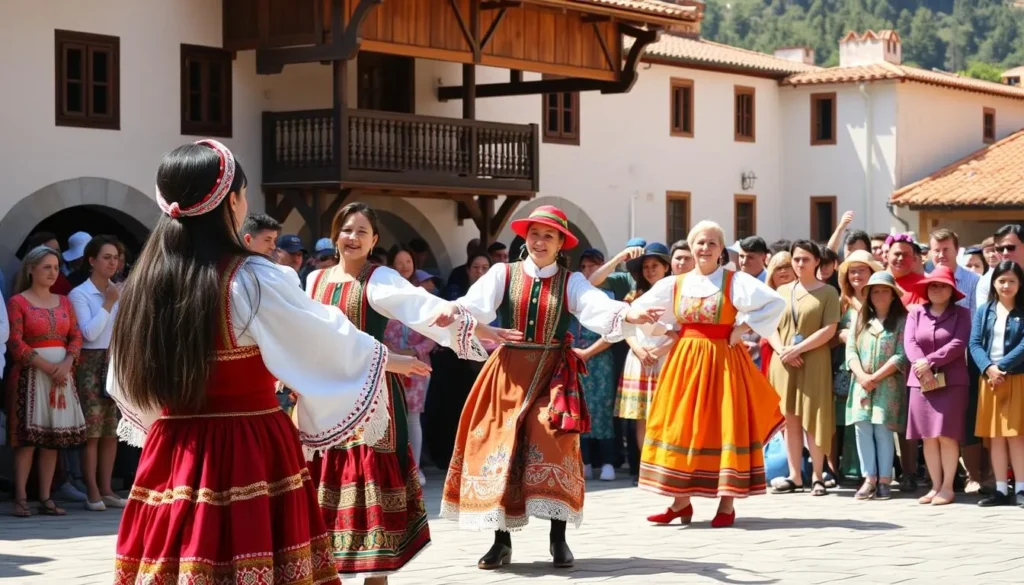
Georgia’s calendar is filled with cultural celebrations that can enhance your visit. Here are notable events throughout the year:
Winter Events
- Orthodox Christmas (January 7) – Religious processions and special services
- Orthodox New Year (January 14) – Traditional celebrations and feasts
- Berikaoba (February) – Pre-Christian fertility festival with masks and costumes
Spring Events
- Orthodox Easter (Date varies) – Georgia’s most important religious holiday
- New Wine Festival (May) – Celebration of the first wines of the season
- Independence Day (May 26) – National holiday with parades and performances
Summer/Autumn Events
- Art-Gene Festival (July) – Traditional music and crafts festival
- Black Sea Jazz Festival (July) – International music event in Batumi
- Tbilisoba (October) – Celebration of Tbilisi’s culture and history
- Rtveli (September-October) – Traditional grape harvest celebrations
Planning Your Weather-Perfect Georgian Adventure

Now that you understand Georgia’s seasonal patterns, you can plan your perfect trip. Here are some final considerations to help you make the most of your visit:
Accommodation Considerations:
- Book 2-3 months ahead for summer visits, especially in popular areas
- Many mountain guesthouses only operate May-October
- Winter accommodations in ski areas require early booking
- Spring and autumn offer better availability and prices
Transportation Tips:
- Mountain roads may be closed in winter (especially to Svaneti and Tusheti)
- Consider domestic flights to Mestia to save time in summer
- Rental cars offer flexibility but require confidence on mountain roads
- Marshrutkas (minibuses) connect major towns year-round
Regional Timing Advice:
- Combine Tbilisi and Kakheti in spring or autumn for ideal weather
- Visit the Black Sea coast in June or September to avoid peak crowds
- Plan mountain adventures for July-August when passes are clear
- Consider a winter trip focused on Tbilisi and ski resorts
Weather Monitoring:
- Mountain weather can change rapidly in all seasons
- Check regional forecasts rather than country-wide predictions
- Allow flexibility in itineraries, especially in spring and autumn
- Be prepared for occasional thunderstorms in summer mountains
Conclusion

Georgia’s diverse climate creates year-round opportunities for travelers with different interests. The shoulder seasons of May-June and September-October offer the best overall experience with pleasant temperatures, accessibility to most regions, and fewer crowds. Summer brings perfect conditions for mountain adventures and beach holidays, while winter transforms the country into a snow-covered wonderland perfect for skiing and cultural immersion. By timing your visit according to your interests and preferred activities, you’ll discover why this small Caucasian nation is rapidly becoming one of Europe’s most captivating destinations. Pack your bags and prepare to be enchanted by Georgia’s seasonal splendor!
The above is subject to change.
Check back often to TRAVEL.COM for the latest travel tips and deals.



0 Comments