

Hotels by Trip.com
Flights by Trip.com
Did you know that Bamberg is one of only a handful of German cities that escaped major bombing during World War II? This remarkable fact has preserved its medieval charm, making it one of Europe’s largest intact historical city centers with over 1,300 listed buildings. Nicknamed the “Franconian Rome” for its seven hills, this UNESCO World Heritage site offers visitors a perfect blend of architectural wonders, brewing traditions, and picturesque landscapes that have remained largely unchanged for centuries.
Getting There & Planning Your Journey
Bamberg is conveniently located in northern Bavaria, making it easily accessible from major German cities. The closest international airports are Nuremberg Airport (60 km/37 miles) and Frankfurt Airport (230 km/143 miles). From either airport, you can reach Bamberg by train with connections through Nuremberg or Frankfurt main stations.
For travelers already in Germany, the Deutsche Bahn train network offers frequent connections to Bamberg. From Nuremberg, the journey takes approximately 45 minutes, while from Munich it’s about 2.5 hours. The train station in Bamberg is located just a 15-minute walk from the historic center.
Best Time to Visit & Weather Tips
Bamberg enjoys a moderate climate with distinct seasons, each offering a unique experience for visitors. Here’s when to visit based on your preferences:
| Season | Temperature | Crowds | Highlights |
| Spring (April-May) | 10-18°C (50-64°F) | Moderate | Blooming gardens, fewer tourists |
| Summer (June-August) | 20-25°C (68-77°F) | High | Beer garden season, festivals |
| Fall (September-October) | 10-20°C (50-68°F) | Moderate | Beautiful foliage, harvest events |
| Winter (November-March) | 0-5°C (32-41°F) | Low (except December) | Christmas markets, snow-dusted architecture |
The ideal time to visit Bamberg is during late spring (May) and early fall (September), when temperatures are pleasant, crowds are manageable, and you can fully enjoy outdoor activities. December is also magical for the Christmas markets, though expect more visitors during this period.
Weather Tip: Even in summer, Bamberg can experience occasional rain showers. Pack a light raincoat or umbrella regardless of when you visit.
Getting Around Locally
Bamberg’s compact size makes it perfect for exploring on foot. The historic center is pedestrian-friendly, with most major attractions within a 20-minute walk of each other. Here are your options for getting around:
Walking
The most enjoyable way to experience Bamberg is by walking. The medieval streets, bridges, and riverside paths are best discovered at a leisurely pace. Comfortable walking shoes are essential as some streets are cobblestoned and there are a few hills to climb.
Public Transportation
Bamberg has an efficient bus network operated by Stadtwerke Bamberg. Single tickets cost around €2.40, while day passes are approximately €5.50. Buses run regularly between the train station, city center, and outer districts.
Bamberg Card
Consider purchasing the Bamberg Card for €16, which includes free public transportation and discounted or free entry to many attractions. It’s valid for 3 days and offers excellent value for visitors planning to see multiple sites.
Tourist Train
The Bamberg Bus (a hop-on-hop-off tourist train) operates from March to January, making 15 stops at major attractions. It’s a convenient option if you want to avoid walking uphill to sites like the Cathedral or Michaelsberg Monastery.
Where to Stay
Bamberg offers a range of accommodation options to suit different budgets and preferences. For the best experience, stay within or near the Old Town (Altstadt) to have easy access to the main attractions.

Luxury Stays
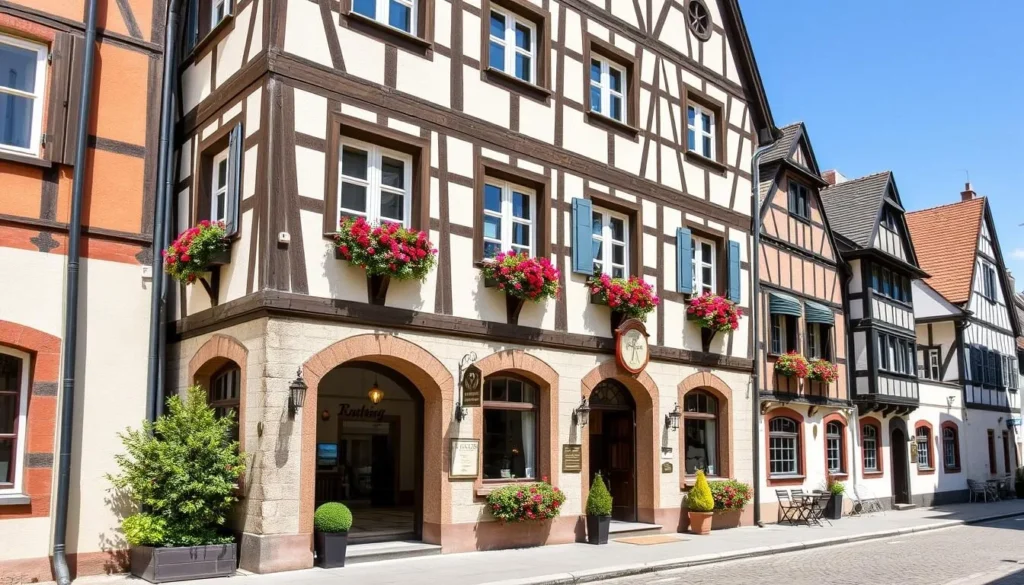
For a premium experience, consider the Welcome Hotel Residenzschloss or Le Baldinger Boutique Hotel. These properties offer elegant rooms, excellent service, and prime locations in historic buildings. Expect to pay €150-250 per night.
Check 30,000+ Local Sightseeing Tours Worldwide
✓ Numerous languages and currencies are available
Mid-Range Options
Hotel Wohnbar and Best Western Hotel Bamberg offer comfortable accommodations with modern amenities at reasonable prices. These hotels combine good locations with value, typically ranging from €90-140 per night.
Budget-Friendly
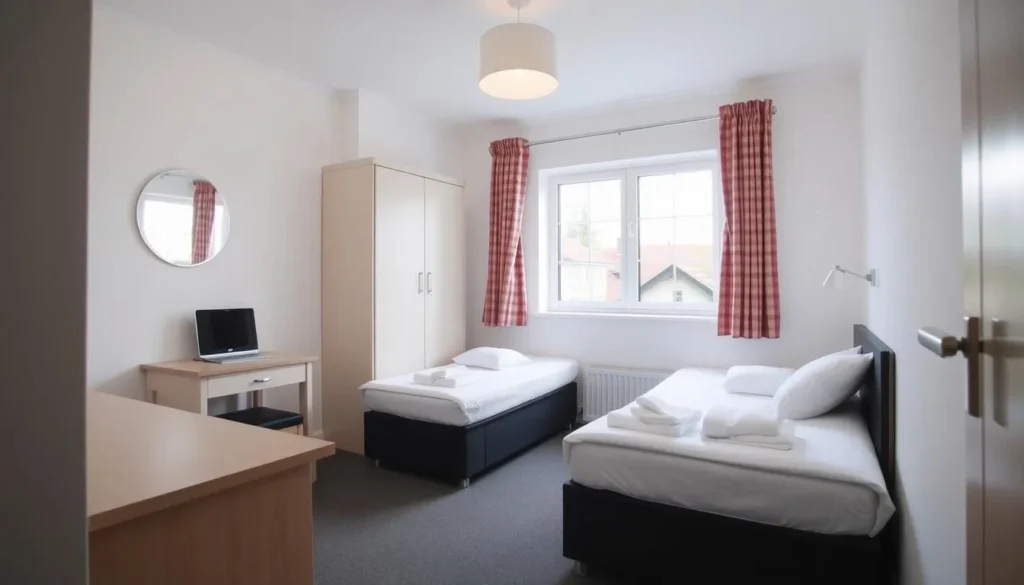
Travelers on a budget should look at Pension Barockhaus or B&B Hotel Bamberg. These properties offer clean, simple rooms starting around €60-80 per night, with good access to the city’s attractions.
“Staying in Bamberg’s Old Town was magical. We could step out our door and immediately be surrounded by centuries of history. The evening walks along the river after the day-trippers had left were unforgettable.”
Dining & Local Cuisine
Bamberg’s culinary scene is dominated by traditional Franconian cuisine and its famous brewing tradition. The city is known for hearty dishes that pair perfectly with the local beers.
Must-Try Local Specialties:
- Rauchbier – Bamberg’s famous smoked beer with a distinctive bacon-like flavor
- Bamberger Zwiebel – Onions stuffed with minced meat and served with mashed potatoes
- Schäuferla – Roasted pork shoulder with crispy skin, a Franconian specialty
- Bamberger Hörnla – Crescent-shaped pastries similar to croissants
- Karpfen – Local carp dishes, especially popular from September to April

Where to Eat:
Traditional Breweries
Schlenkerla (Dominikanerstraße) is the most famous brewery in Bamberg, serving excellent Rauchbier and traditional Franconian dishes in a historic setting dating back to 1405. Spezial Brewery offers a beautiful beer garden with city views and a slightly milder smoked beer.
Restaurants
Ambräusianum offers house-brewed beer and upscale Franconian cuisine. For something different, try Eckerts Restaurant for modern interpretations of local dishes or Vita for international cuisine in a stylish setting.
Attractions, Sightseeing & Activities
Bamberg’s UNESCO-protected Old Town is packed with historical attractions and picturesque spots that showcase the city’s rich heritage.
Old Town (Altstadt)
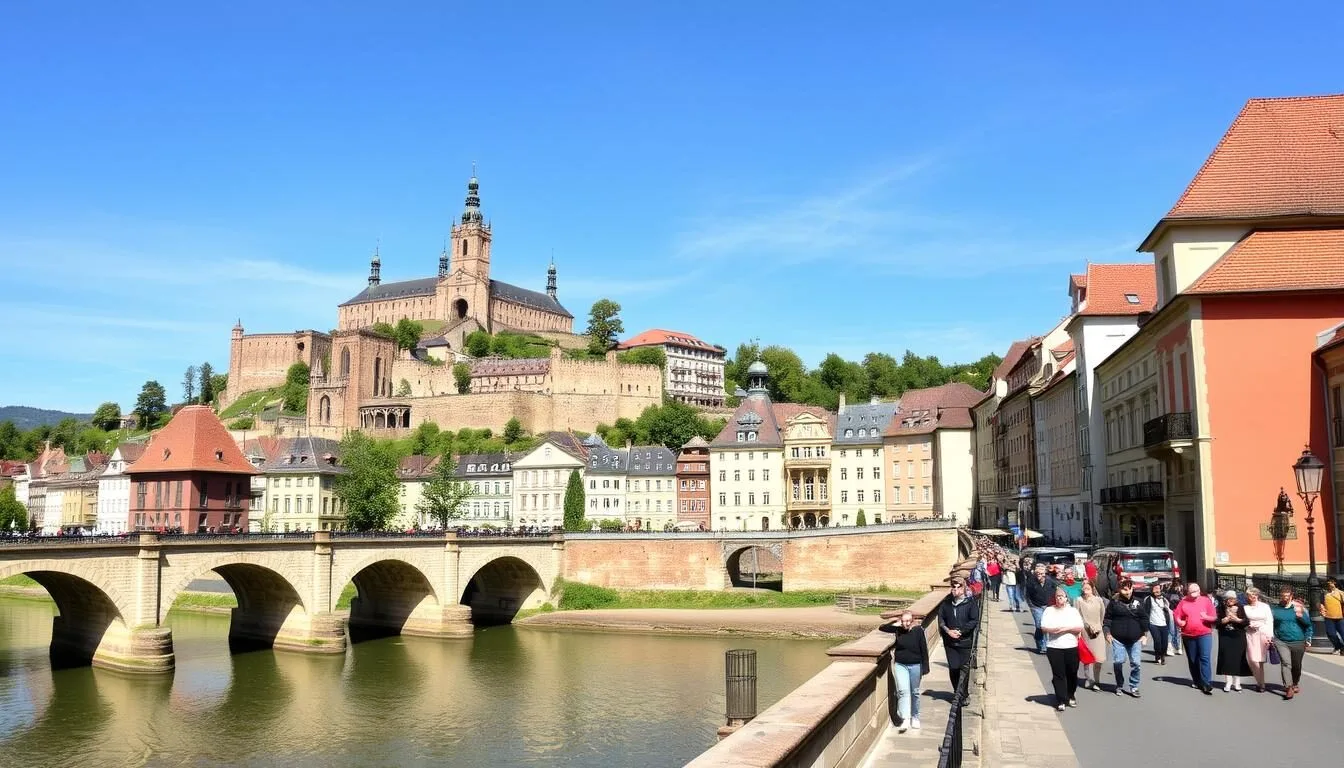
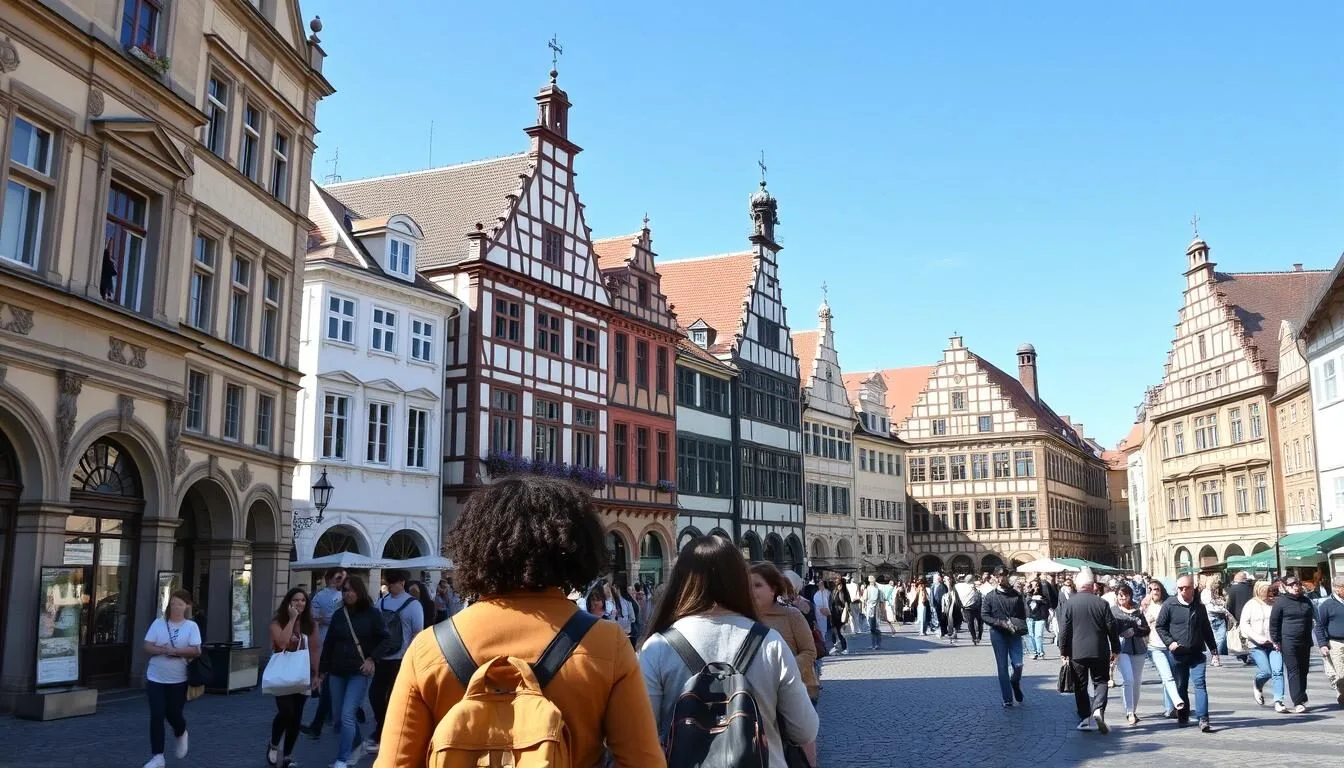
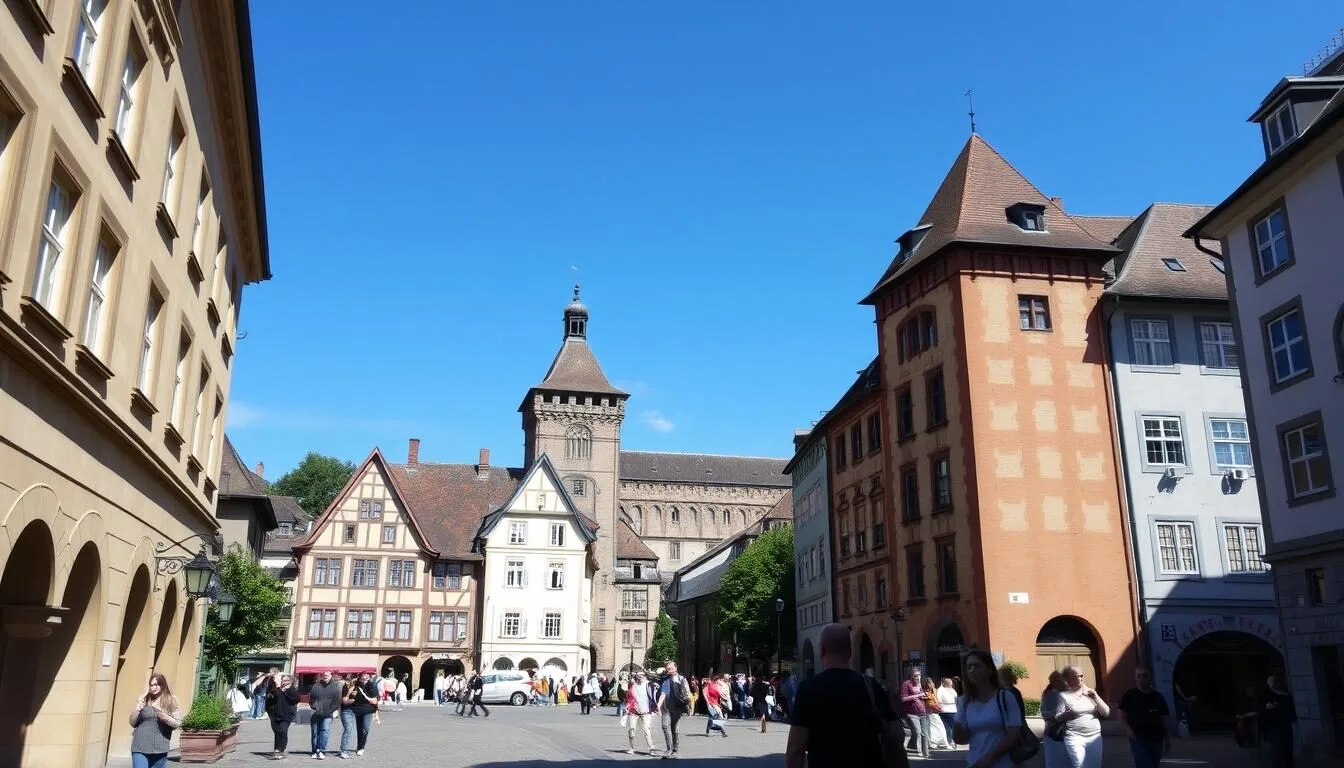
The heart of Bamberg is its well-preserved medieval Old Town, divided into three historic districts: the episcopal City on the Hills, the Island City, and the Gardener’s District. Wandering through the narrow cobblestone streets lined with half-timbered houses is an attraction in itself.
Old Town Hall (Altes Rathaus)
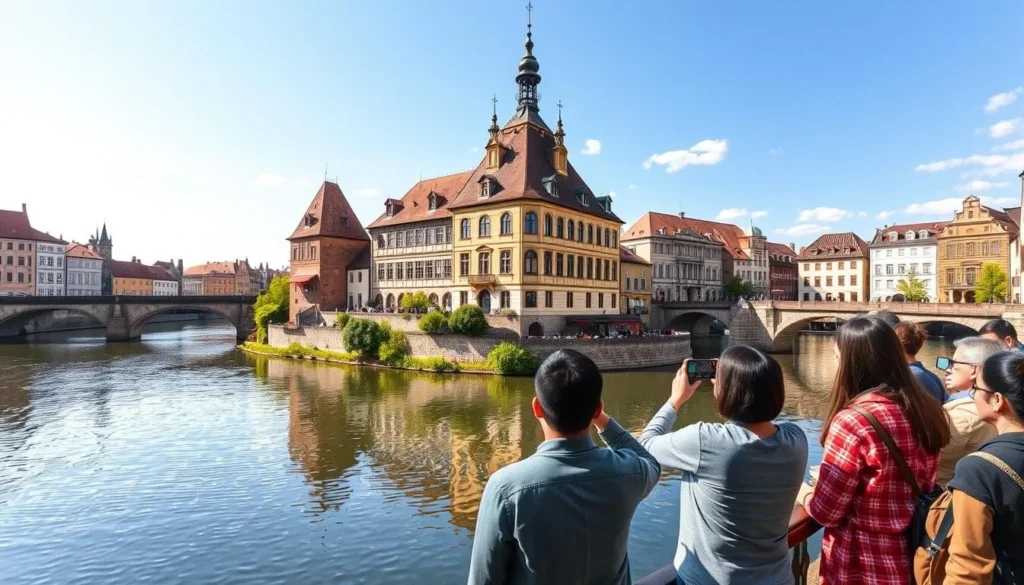
Bamberg’s most iconic landmark is the Old Town Hall, perched on an artificial island in the middle of the Regnitz River. Built in the 14th century, its striking frescoes and unusual location make it a must-see attraction. Inside, you’ll find the Ludwig Collection of porcelain. For the best photos, head to the Geyerswörthsteg bridge.
Bamberg Cathedral (Dom)
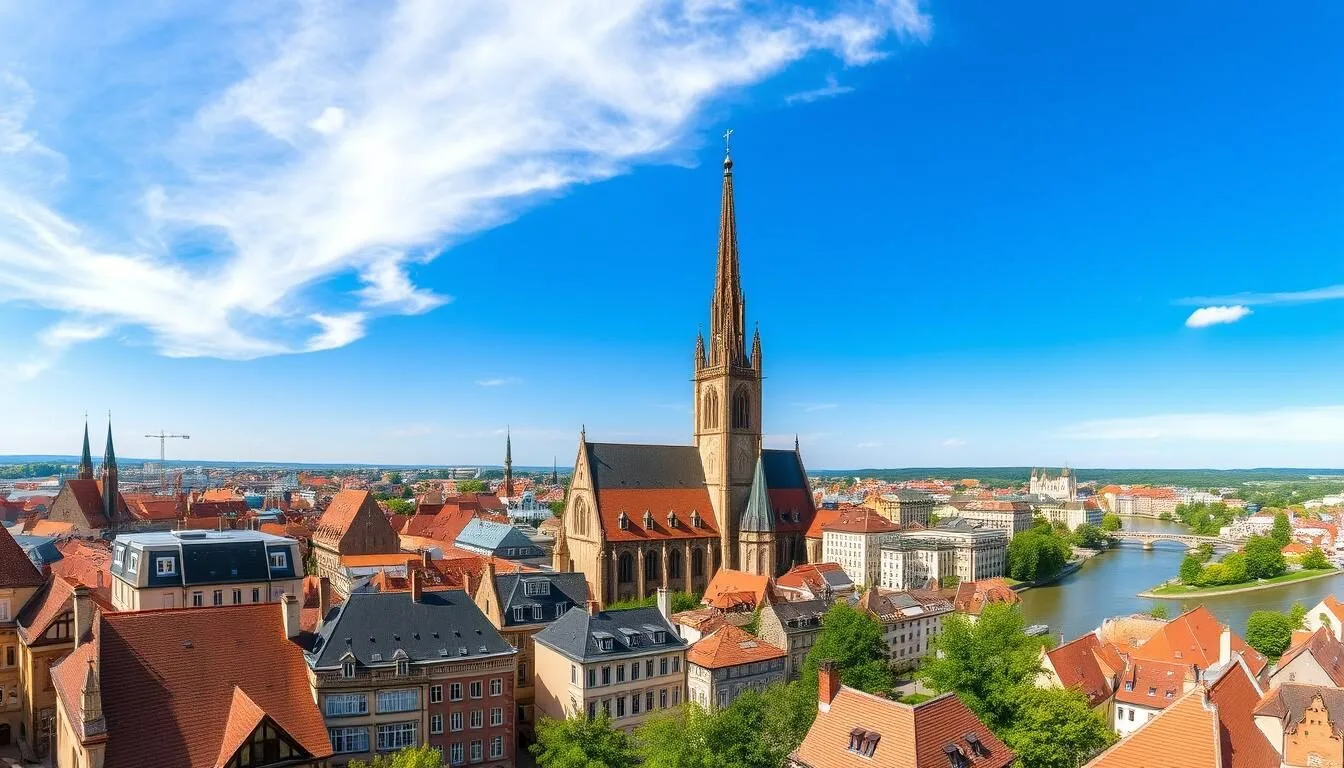
The imperial Bamberg Cathedral dates back to the early 13th century and features both Romanesque and Gothic elements. Inside, don’t miss the Bamberg Rider statue, the tomb of Emperor Henry II and his wife Kunigunde, and the only papal grave north of the Alps (Pope Clement II).
Little Venice (Klein Venedig)
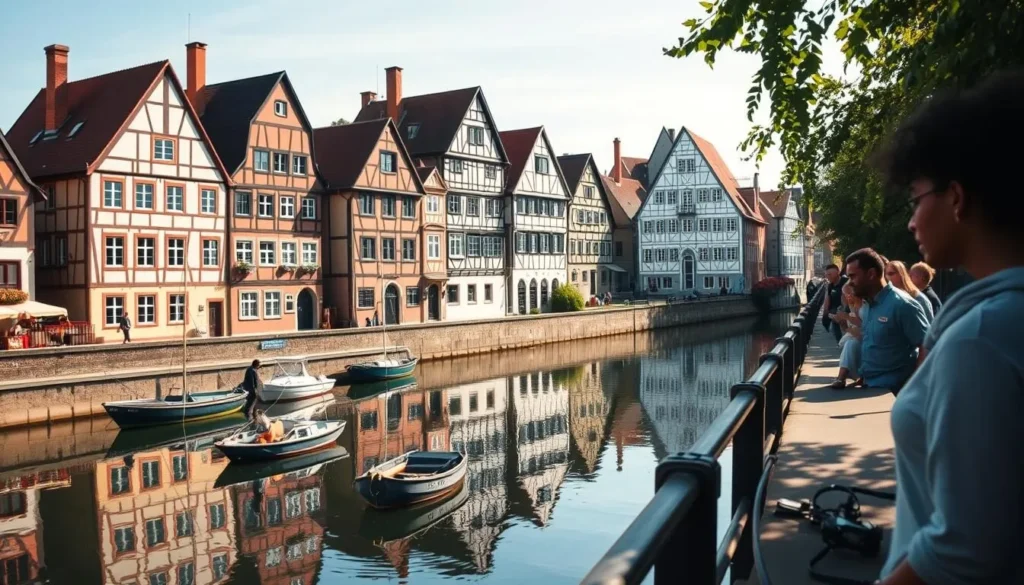
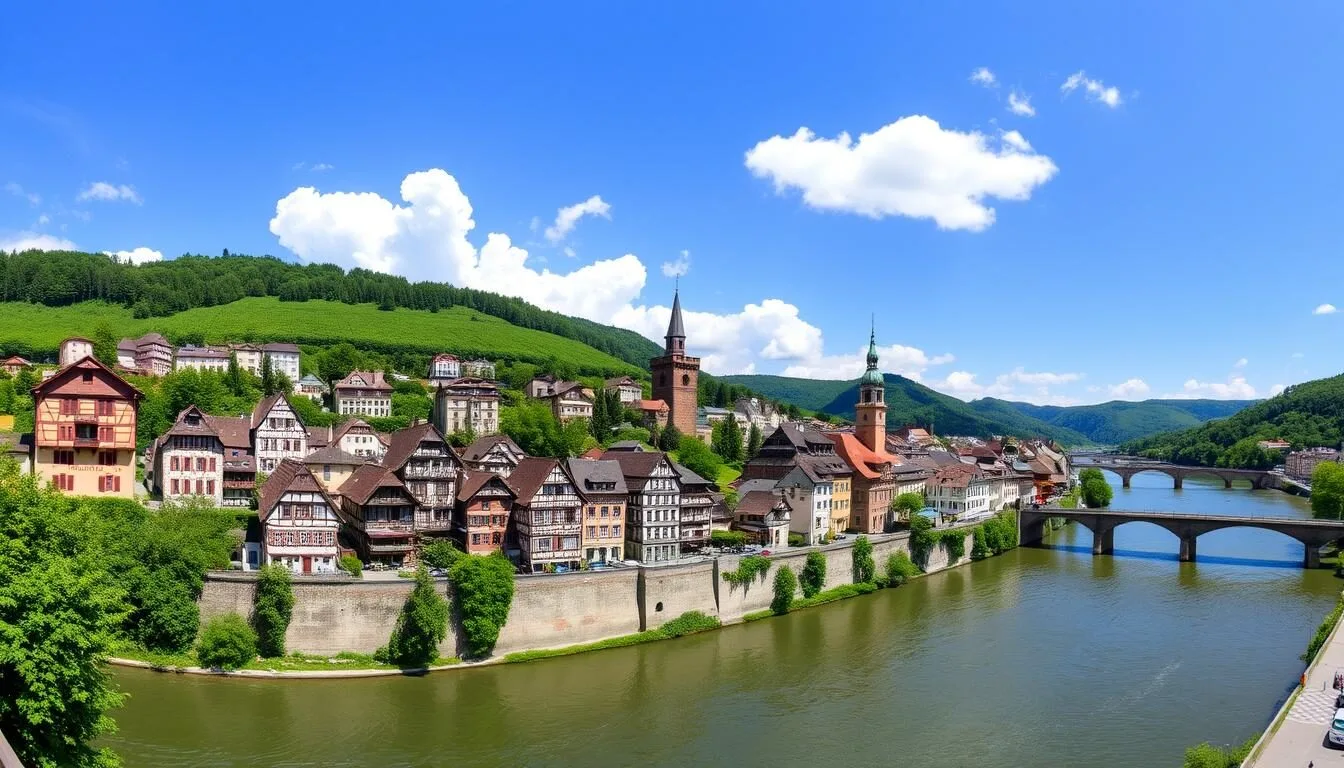
This picturesque row of colorful fishermen’s houses along the River Regnitz dates back to the Middle Ages. The best view is from the opposite bank along Am Leinritt street. For a unique experience, you can even take a gondola ride on the river during summer months.
New Residence (Neue Residenz) & Rose Garden
Once home to Bamberg’s prince-bishops, this impressive palace contains over 40 state rooms decorated with stunning stucco work and furnishings. The adjacent Rose Garden offers beautiful views over the city’s rooftops and features over 4,500 roses that bloom from May to October.
Museums, Cultural Spots & Festivals
Beyond its architectural treasures, Bamberg offers several museums and cultural experiences that provide deeper insights into the city’s history and traditions.
Historical Museum
Located in the Old Court (Alte Hofhaltung), this museum traces Bamberg’s history from the Middle Ages to the present day. Exhibits include archaeological findings, medieval artifacts, and displays about the city’s development through the centuries.
Diocesan Museum
Adjacent to the cathedral, this museum houses religious art and treasures, including the famous Star Cloak of Emperor Heinrich II from the 11th century—an exquisite piece of medieval textile art.
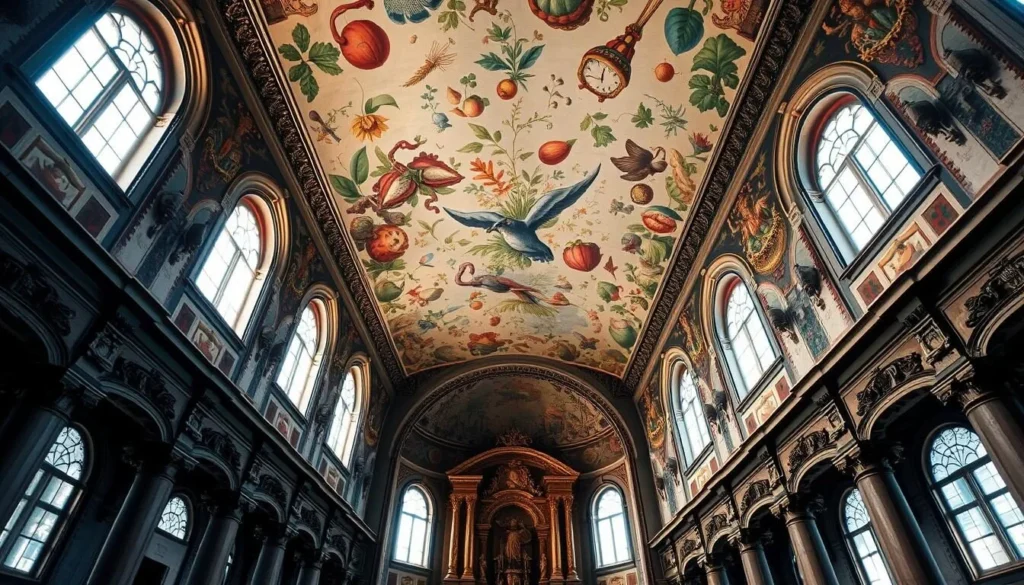
Franconian Brewery Museum
Located near St. Michael’s Monastery, this museum documents the region’s rich brewing heritage with exhibits on traditional brewing methods and equipment. It’s a must-visit for beer enthusiasts wanting to understand the history behind Bamberg’s famous brewing culture.
E.T.A. Hoffmann House
The famous German writer, composer, and artist E.T.A. Hoffmann lived in Bamberg from 1809 to 1813. His former residence now houses a museum dedicated to his life and work, including his connection to “The Nutcracker.”
Annual Festivals
- Bamberg Zaubert (May) – International street magic festival
- Bamberg Beer Festival (August) – Celebration of local brewing traditions
- Sandkerwa (August) – Traditional folk festival with music, food, and beer
- Christmas Market (November-December) – Traditional German Christmas market on Maxplatz
Sports, Nature & Outdoor Experiences
While Bamberg is primarily known for its cultural heritage, the surrounding area offers plenty of opportunities for outdoor activities and nature experiences.
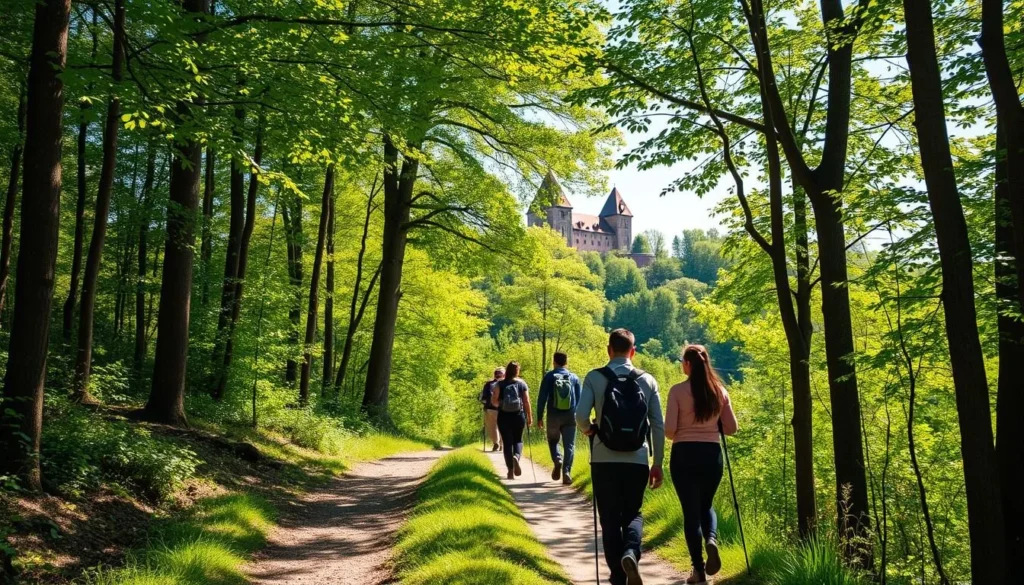
Hiking to Altenburg Castle
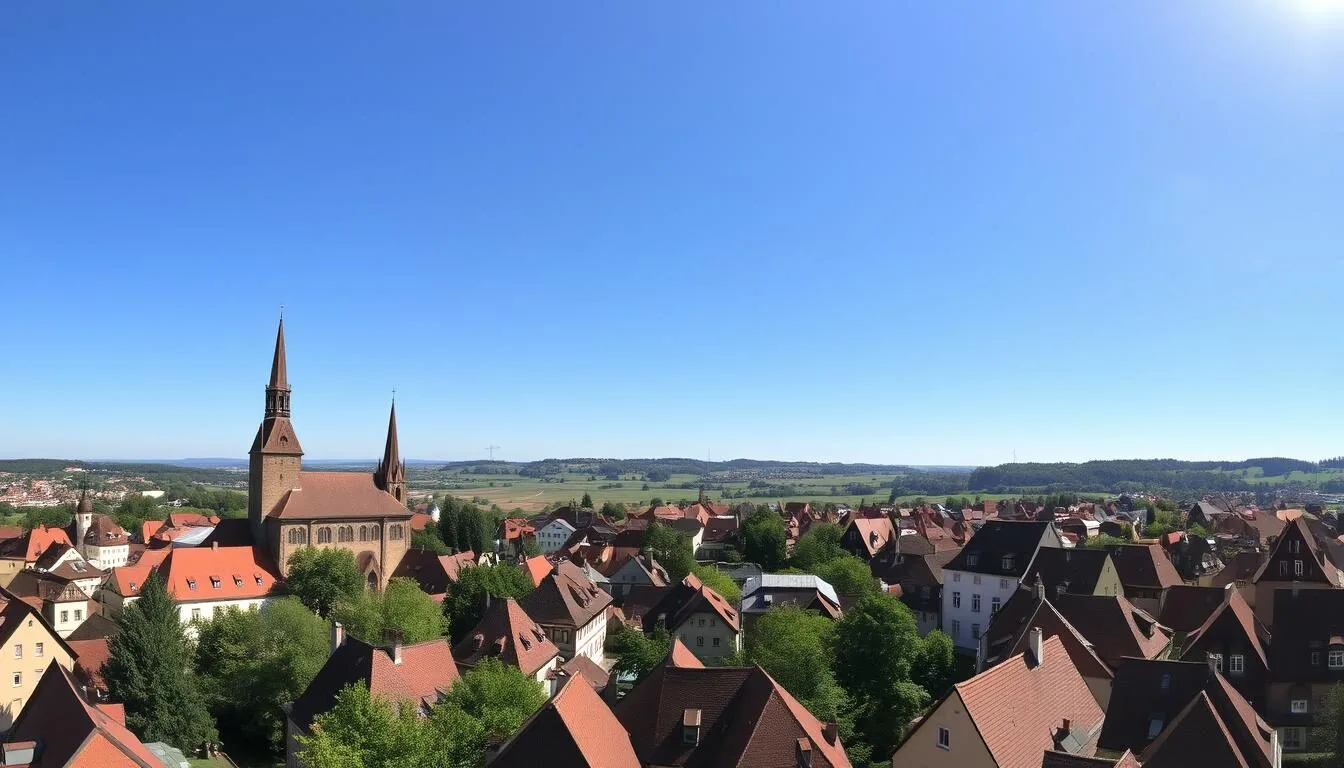
A 30-minute uphill walk from the city center takes you to Altenburg Castle, perched on Bamberg’s highest hill. The 12th-century fortress offers panoramic views of the city and surrounding countryside. The castle tower can be climbed for a small fee, and there’s a cozy beer garden perfect for refreshments after the hike.
Cycling Along the Regnitz River
Bamberg is situated on several major cycling routes, including the Main-Radweg (Main Cycle Path). Rent a bike and explore the scenic paths along the Regnitz River, which offer flat, easy cycling suitable for all fitness levels.
Hain Park
This large urban park south of the city center is perfect for leisurely walks, jogging, or picnics. The park features beautiful old trees, flower gardens, and a small wildlife enclosure. It’s also where you can see the bifurcation of the Regnitz River.
“The hike up to Altenburg Castle was one of the highlights of our trip. The forest path was beautiful, and the views from the top were absolutely worth the climb. Don’t miss the beer garden there!”
Day Trips to Franconian Switzerland
Just east of Bamberg lies the Franconian Switzerland (Fränkische Schweiz) region, a picturesque landscape of limestone cliffs, caves, and charming villages. This natural paradise offers excellent hiking, rock climbing, and canoeing opportunities within a 30-minute drive from Bamberg.
Safety, Etiquette & Local Customs
Bamberg is generally a very safe city for tourists, with low crime rates and friendly locals. Here are some tips to ensure a smooth and respectful visit:
Safety Tips
- Bamberg is very safe, but standard precautions against pickpocketing in crowded tourist areas are advised
- The cobblestone streets can be slippery when wet, so wear appropriate footwear
- If cycling, be aware that some streets in the Old Town are pedestrian-only zones
- Emergency number in Germany is 112 for medical emergencies and fire, 110 for police
Local Etiquette
- Germans appreciate punctuality, so arrive on time for tours or restaurant reservations
- When entering small shops, it’s customary to greet with “Guten Tag” (Good day)
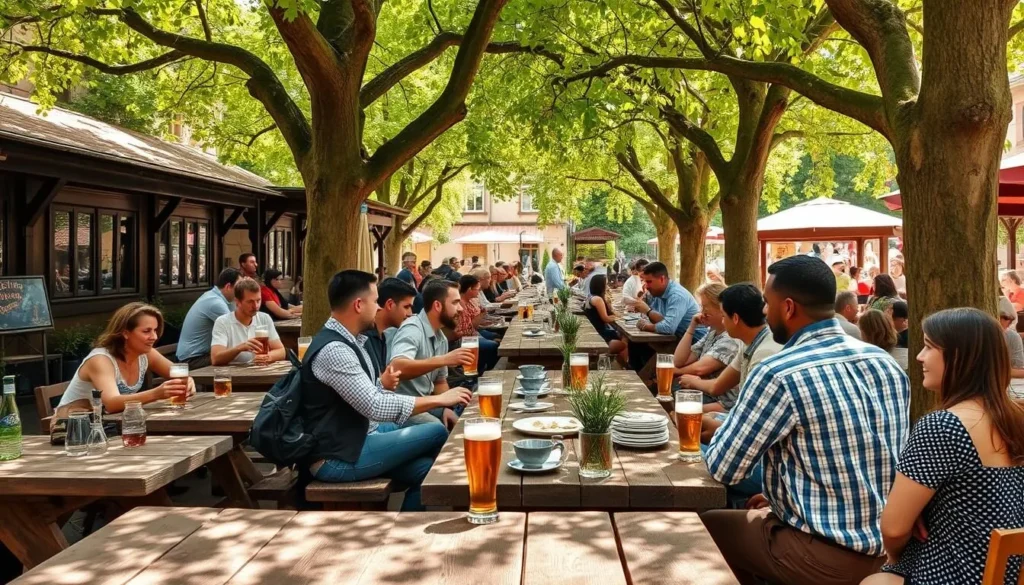
- In beer gardens, it’s common to share tables with strangers during busy times
- Tipping is customary but not excessive – rounding up or adding 5-10% is appropriate
Beer Culture
Beer is an important part of Bamberg’s cultural identity. When visiting breweries, it’s customary to pay as you order rather than running a tab. If you’re not a fan of the distinctive smoked beer, don’t worry – most breweries offer multiple varieties. It’s perfectly acceptable to ask for recommendations or small samples before committing to a full glass.
Visitor Comments About Bamberg
“We spent two days in Bamberg and fell in love with its charm. The Old Town Hall is simply magical, especially when lit up at night. Don’t miss trying the smoked beer at Schlenkerla – it’s an acquired taste but part of the authentic experience. The Rose Garden offered stunning views over the city’s red rooftops.”
I.P., Markham
“Bamberg surprised us with its beauty and lack of crowds compared to other German destinations. We particularly enjoyed the Little Venice area and walking along the river paths. The locals were friendly and the food was excellent. Three days was perfect to see everything at a relaxed pace.”
G.K., Zamboanga City
“As a history enthusiast, Bamberg was a dream come true. The cathedral’s architecture is breathtaking, and the Bamberg Rider statue is truly mysterious. I recommend taking a guided tour to fully appreciate the historical significance of the buildings. And yes, you must try the Rauchbier – even if just once!”
M.F., Jabalpur
Practical Travel Tips
Money & Payments
- The currency is Euro (€)
- Many smaller establishments and some breweries accept cash only
- ATMs are readily available throughout the city
- Credit cards are accepted at most hotels and larger restaurants
Language
- German is the official language
- English is widely spoken in tourist areas and hotels
- Learning a few basic German phrases is appreciated
- The local dialect is Franconian, slightly different from standard German
Tourist Information
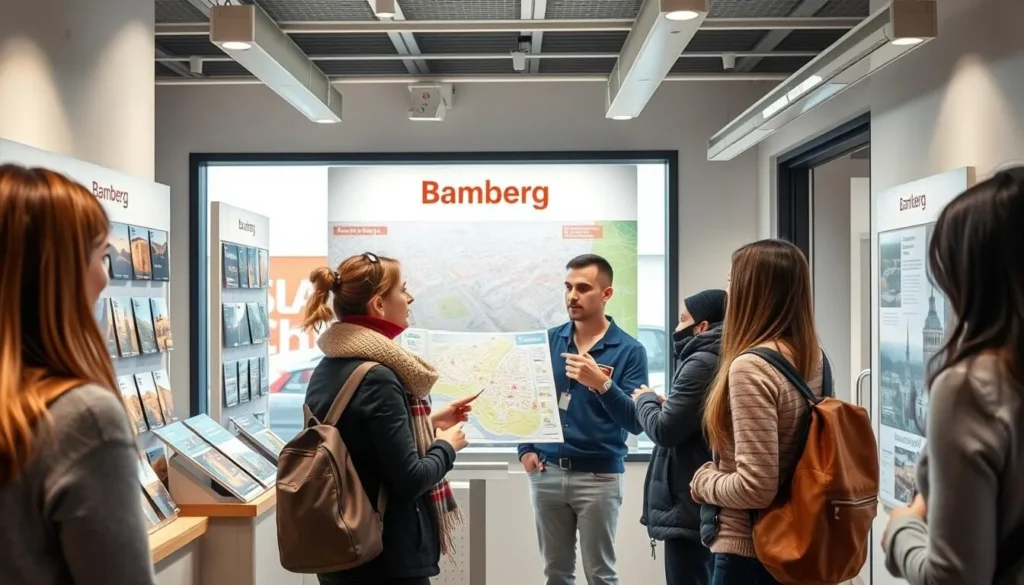
- The main tourist office is located at Geyerswörthstraße 5
- Open Monday-Friday 9:30-18:00, Saturday 9:30-16:00, Sunday 9:30-14:30
- Staff can provide maps, brochures, and booking assistance
- Free Wi-Fi is available at the tourist office
“Download the Bamberg app before your visit – it has offline maps and great self-guided walking tours that helped us discover hidden corners of the city we might have otherwise missed.”
The Timeless Charm of Franconian Rome
Bamberg offers visitors a rare glimpse into Germany’s medieval past, preserved in stunning architecture, vibrant traditions, and a brewing culture that has endured for centuries. Whether you’re wandering the narrow streets of the Old Town, savoring the distinctive flavors of Rauchbier, or admiring panoramic views from one of the city’s seven hills, Bamberg rewards travelers with authentic experiences that can’t be found elsewhere. This UNESCO gem may not be as famous as some of Germany’s larger cities, but those who discover its charms often find themselves planning a return visit to further explore its timeless beauty and warm Franconian hospitality.
Related Posts
Coming Soon: Clickable Maps