
Hotels by Trip.com
Flights by Trip.com
Did you know that Berlin has more bridges than Venice? With over 1,700 bridges spanning its rivers and canals, Berlin’s waterways are just one surprising aspect of this dynamic capital. A city that has reinvented itself multiple times throughout history, Berlin seamlessly blends historical significance with cutting-edge modernity, creating a vibrant urban landscape unlike any other European destination.
From iconic landmarks that witnessed pivotal moments in world history to thriving arts districts and culinary scenes, Berlin offers an extraordinary range of experiences. Whether you’re drawn to thought-provoking museums, architectural marvels, or simply soaking in the city’s unique atmosphere, this guide will help you discover the very best of Berlin.
Getting There & Planning Your Journey
Berlin is served by two major airports: Berlin Brandenburg Airport (BER) and Berlin Tegel Airport (TXL). Brandenburg Airport, opened in 2020, is the city’s main international gateway, located about 18 km (11 miles) southeast of the city center. Most major airlines operate flights to Berlin from across Europe and worldwide.
When planning your journey, consider purchasing the Berlin Welcome Card, which provides unlimited public transportation and discounts at over 200 attractions. For first-time visitors, allowing 3-4 days will give you enough time to explore the major highlights, though a week would be ideal to truly experience the city’s diverse neighborhoods and attractions.
Best Time to Visit & Weather Tips
Berlin experiences four distinct seasons, each offering a unique perspective on the city. The best time to visit Berlin is during late spring (May-June) and early autumn (September-October) when temperatures are pleasant, ranging from 15-25°C (59-77°F), and tourist crowds are manageable.
Recommended Seasons
- Late Spring (May-June): Comfortable temperatures, blooming parks, and outdoor café culture
- Early Autumn (September-October): Golden colors, harvest festivals, and pleasant weather
- Summer (July-August): Warmest months with temperatures around 25°C (77°F), perfect for outdoor activities and festivals
Seasons to Avoid
- Winter (December-February): Cold temperatures between -1°C to 4°C (30-39°F), shorter daylight hours
- Early Spring (March-April): Unpredictable weather with possible rain showers
- Late Autumn (November): Often gray and rainy with temperatures dropping
Summer brings numerous festivals and open-air events, though hotel prices peak during this season. Winter, while cold with temperatures often hovering around freezing, offers magical Christmas markets and fewer tourists. Pack layers regardless of when you visit, as Berlin’s weather can be changeable, and comfortable walking shoes are essential for exploring this sprawling city.

Getting Around Locally
Berlin boasts one of Europe’s most efficient public transportation systems, making it incredibly easy to navigate this expansive city. The integrated network includes U-Bahn (underground), S-Bahn (suburban trains), trams, and buses that connect all neighborhoods and major attractions.
Berlin Transportation Tips
- Purchase a Berlin Welcome Card for unlimited travel and attraction discounts
- Single tickets cost around €3, day passes around €8.80
- Validate your ticket before boarding (look for yellow validation machines)
- Download the BVG app for real-time schedules and route planning
- Trains run frequently from 4:30 am until 1:00 am on weekdays, with 24-hour service on weekends
Cycling is also extremely popular in Berlin, with dedicated bike lanes throughout the city. Rental bikes are widely available and offer a pleasant way to explore, especially in the warmer months. For those who prefer walking, many of Berlin’s central attractions are within reasonable walking distance of each other, particularly around Mitte, the central district.
Where to Stay
Berlin’s diverse neighborhoods each offer a unique atmosphere and experience. Your choice of accommodation will greatly influence your Berlin experience, so consider what aspects of the city you most want to explore.
Mitte
The central district and historical heart of Berlin, perfect for first-time visitors. Stay here for easy access to major attractions like Brandenburg Gate, Museum Island, and the Reichstag. Accommodation ranges from luxury hotels to boutique properties.
Best for: First-time visitors, sightseeing, luxury travelers
Prenzlauer Berg
A trendy area with beautiful restored buildings, family-friendly parks, and a vibrant café scene. This former East Berlin neighborhood offers a more local experience with excellent dining options and Sunday flea markets.
Best for: Families, foodies, longer stays
Check 30,000+ Local Sightseeing Tours Worldwide
✓ Numerous languages and currencies are available
Kreuzberg & Friedrichshain
Berlin’s most alternative and artistic districts, known for vibrant nightlife, street art, and multicultural atmosphere. These areas offer more affordable accommodations and a glimpse into Berlin’s creative energy.
Best for: Young travelers, nightlife enthusiasts, budget travelers
For luxury travelers, the Hotel Adlon Kempinski near Brandenburg Gate offers five-star elegance and historical significance. Mid-range options include the NH Collection Berlin Mitte and numerous boutique hotels throughout the city. Budget travelers will find excellent hostels like The Circus Hostel, as well as affordable vacation rentals in most neighborhoods.

Dining & Local Cuisine
Berlin’s food scene is as diverse as its population, offering everything from traditional German fare to international cuisine and innovative fusion restaurants. Don’t miss trying these local specialties during your visit:
Must-Try Berlin Foods
- Currywurst: Berlin’s iconic street food – sliced sausage topped with curry-seasoned ketchup
- Döner Kebab: Perfected in Berlin by Turkish immigrants, this sandwich is filled with seasoned meat, fresh vegetables, and sauces
- Berliner Pfannkuchen: Jelly-filled doughnuts that are a sweet Berlin tradition
- Eisbein: Cured and boiled pork knuckle served with sauerkraut and potatoes
- Schnitzel: Breaded and fried meat cutlet, typically served with potato salad
Where to Eat in Berlin
- Markthalle Neun: Historic market hall hosting Street Food Thursday events
- Curry 36: Famous currywurst stand in Kreuzberg
- Mustafa’s Gemüse Kebap: Legendary kebab stand worth the wait
- Monsieur Vuong: Excellent Vietnamese cuisine in Mitte
- Zur Letzten Instanz: Berlin’s oldest restaurant serving traditional German dishes
Berlin is also known for its café culture. Spend a lazy morning at one of the city’s many third-wave coffee shops or traditional cafés. For an authentic Berlin experience, visit a Biergarten (beer garden) in the warmer months, where you can enjoy local brews in a relaxed outdoor setting.

Attractions, Sightseeing & Activities
Berlin, Germany: Best Things to Do – Top Picks must include the city’s iconic landmarks that have witnessed pivotal moments in world history. These essential sights provide context for understanding Berlin’s complex past and vibrant present.
Top Berlin Attractions
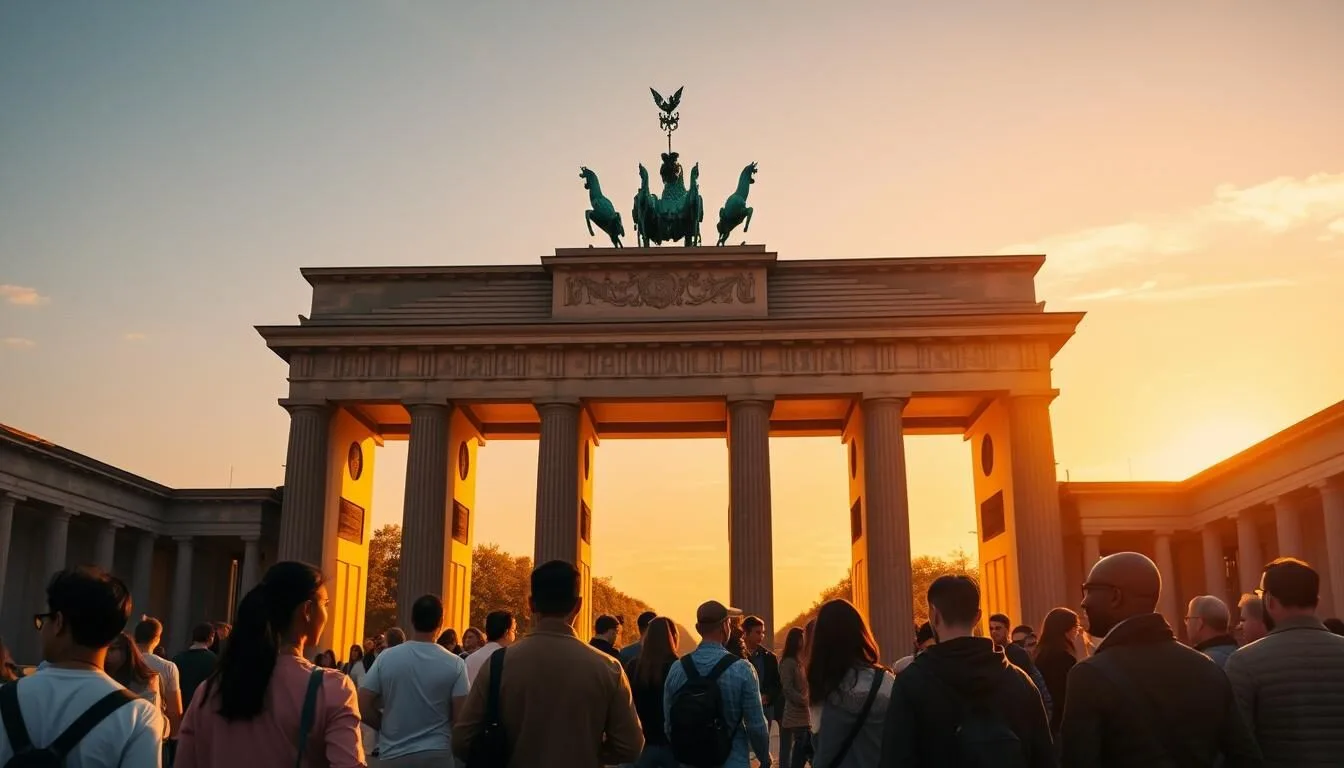
- Brandenburg Gate: Berlin’s most iconic landmark and symbol of German reunification
- Reichstag Building: Home to the German parliament with a stunning glass dome offering city views
- Berlin Wall Memorial: Preserved section of the wall with documentation center
- Checkpoint Charlie: Famous border crossing between East and West Berlin during the Cold War
- East Side Gallery: 1.3 km stretch of the Berlin Wall covered in murals and artwork
- Alexanderplatz & TV Tower: Central square dominated by Berlin’s tallest structure
- Gendarmenmarkt: One of Berlin’s most beautiful squares with twin cathedrals
- Holocaust Memorial: Powerful monument commemorating the murdered Jews of Europe
For a unique perspective of the city, take a boat tour on the River Spree, which winds through Berlin’s center. These cruises pass many major landmarks and offer a relaxing way to sightsee. Another excellent option is a bike tour, as Berlin is remarkably flat and bicycle-friendly with dedicated lanes throughout the city.

Museums, Cultural Spots & Festivals
Berlin boasts an extraordinary concentration of world-class museums and cultural institutions. Museum Island, a UNESCO World Heritage site in the heart of the city, houses five major museums in close proximity:
Museum Island Highlights
- Pergamon Museum: Ancient architectural wonders including the Ishtar Gate of Babylon
- Neues Museum: Home to the famous bust of Nefertiti
- Altes Museum: Greek and Roman antiquities
- Bode Museum: Sculpture collections and Byzantine art
- Alte Nationalgalerie: 19th-century art and paintings
Other Cultural Must-Sees
- DDR Museum: Interactive museum about life in East Germany
- Jewish Museum: Striking architecture and Jewish history exhibits
- Topography of Terror: Documentation center on the site of former SS headquarters
- Berlin Philharmonic: World-renowned orchestra in distinctive yellow building
- Berlinische Galerie: Modern art, photography, and architecture
Berlin’s cultural calendar is packed year-round with festivals and events. February brings the prestigious Berlin International Film Festival (Berlinale), while summer features open-air concerts and the Christopher Street Day parade. Fall welcomes the Festival of Lights, transforming landmarks with colorful projections, and winter brings magical Christmas markets throughout the city.
Sports, Nature & Outdoor Experiences
Despite being a major metropolis, Berlin offers abundant green spaces and outdoor activities. The city’s parks and gardens provide perfect settings for relaxation, recreation, and experiencing local life.
Tiergarten
Berlin’s central park spans 210 hectares (520 acres) and offers lush lawns, wooded areas, and serene lakes. Once the hunting grounds of Prussian kings, it’s now a favorite spot for jogging, picnicking, and sunbathing in summer.
Tempelhofer Feld
This former airport has been transformed into one of the world’s largest urban parks. Its vast runways are now used for cycling, skateboarding, kite-flying, and urban gardening projects.
Grunewald Forest
Berlin’s largest green space covers 3,000 hectares (7,400 acres) and features hiking trails, swimming lakes, and the Teufelsberg hill with panoramic city views.
Water enthusiasts can enjoy kayaking or stand-up paddleboarding on the Spree River and the city’s many canals. Rental companies offer equipment and guided tours for all skill levels. In summer, head to Strandbad Wannsee, one of Europe’s largest inland beaches, or try one of the city’s many open-air swimming pools (Freibäder).
Sports fans should check the schedule for Hertha BSC or Union Berlin football matches at the Olympic Stadium or Stadion An der Alten Försterei respectively. The electric atmosphere of a German football match is an unforgettable cultural experience.
Safety, Etiquette & Local Customs
Berlin is generally a safe city for tourists, with low rates of violent crime. As in any major city, be aware of your surroundings and take standard precautions against pickpocketing, particularly in crowded tourist areas and on public transportation.
Berlin Etiquette Tips
- Germans value punctuality – arrive on time for tours, reservations, and meetings
- When visiting Holocaust memorials, maintain a respectful demeanor and avoid taking selfies
- Jaywalking is frowned upon – wait for the pedestrian signal even if no cars are coming
- Separate your trash for recycling – Berliners take environmental responsibility seriously
- Tipping is customary but modest – rounding up or adding 5-10% for good service is sufficient
Berlin has a relaxed dress code, with casual attire acceptable in most restaurants and venues. However, for upscale dining or cultural performances, smart casual is appropriate. The city is known for its progressive attitudes and is very LGBTQ+ friendly, with a vibrant queer scene centered around Schöneberg and Kreuzberg.
When visiting historical sites related to WWII or the Cold War, maintain a respectful attitude. These locations hold deep significance for Berliners and Germans as a whole. Photography is generally permitted at most attractions, but always check for signs indicating otherwise.
Visitor Comments About Berlin
“Berlin completely surprised me with its perfect blend of history and modern energy. Walking along the East Side Gallery was moving, and I loved discovering little cafés in Prenzlauer Berg. The public transportation made getting around so easy, and the Berlin Welcome Card was definitely worth it. Don’t miss the view from the TV Tower at sunset!”
“We spent five days in Berlin and could have easily stayed longer. The museums on Museum Island are world-class, especially the Pergamon. Our favorite experience was the bike tour through Tiergarten and along the former wall path. Berlin’s food scene was incredible too—from street food to fine dining. The city has such a unique vibe that’s hard to describe until you experience it.”
“As someone interested in 20th-century history, Berlin was a dream destination. The DDR Museum gave fascinating insights into life in East Germany, and the Topography of Terror was sobering but essential. I was surprised by how green the city is—Tiergarten is beautiful! The locals were friendly and most spoke excellent English. I’ll definitely return to explore more neighborhoods.”
Practical Travel Tips
Money & Payments
- Germany uses the Euro (€)
- Many places still prefer cash, especially smaller establishments
- ATMs (Geldautomat) are widely available
- Major credit cards are accepted at most hotels and larger restaurants
- Notify your bank of travel plans to avoid card blocks
Communication
- German is the official language, but English is widely spoken in tourist areas
- Learning a few basic German phrases is appreciated
- Free WiFi is available in many cafés, restaurants, and public spaces
- Consider purchasing a local SIM card for data access
- The country code for Germany is +49, and Berlin’s area code is 030
Essential Berlin Apps
- BVG Fahrinfo: Official Berlin public transport app with real-time updates
- Google Maps: Reliable for navigation and discovering nearby attractions
- Citymapper: Excellent for planning routes combining different transport methods
- Berlin Offline City Map: Useful when you don’t have data access
- Kulturleben: Helps find current cultural events and exhibitions
Most shops are closed on Sundays, with exceptions for restaurants, cafés, and some stores in tourist areas and train stations. Plan accordingly and use Sunday to explore parks, museums, or flea markets like the popular one at Mauerpark. The electricity in Germany is 230V with European-style plugs (types C and F), so bring appropriate adapters if needed.
Embrace Berlin’s Extraordinary Spirit
Berlin defies simple categorization. It’s a city that has repeatedly reinvented itself while preserving the layers of its complex history. From the grandeur of Museum Island to the creative energy of its street art scene, from sobering Holocaust memorials to joyful beer gardens, Berlin offers a journey through contrasts that leaves visitors forever changed.
What makes Berlin truly special is its authenticity and openness to transformation. Unlike cities that polish their tourist attractions to perfection, Berlin embraces its scars, contradictions, and creative chaos. This honesty creates a uniquely liberating atmosphere where visitors can explore at their own pace and discover their own Berlin.
As you plan your journey to this remarkable capital, remember that Berlin rewards the curious traveler who ventures beyond the obvious landmarks. Allow yourself time to wander, to sit in neighborhood cafés, to follow your interests whether they lead to world-class museums or underground clubs. Berlin, Germany’s best things to do aren’t just about checking items off a list—they’re about experiencing a city that continues to shape our world’s cultural and political landscape.
Related Posts
Coming Soon: Clickable Maps