
Hotels by Trip.com
Flights by Trip.com
Did you know that Bremen is one of only two German cities that form their own federal state? This fascinating Hanseatic city on the Weser River has been an autonomous republic for over 500 years, fiercely guarding its independence throughout history. While Hamburg and Berlin might steal the spotlight, Bremen’s compact historic center packs centuries of maritime history, stunning architecture, and fairytale charm into a walkable area that captivates visitors with its authenticity and character.
Getting There & Planning Your Journey
Bremen is well-connected to the rest of Germany and Europe, making it easily accessible for travelers. The city has its own international airport, Bremen Airport (BRE), located just 3.5 km (2.2 miles) south of the city center. Direct flights connect Bremen with major European cities including Paris, London, and Amsterdam.
For travelers already in Germany, the Deutsche Bahn train network offers excellent connections to Bremen. From Hamburg, the journey takes approximately 1 hour, while Berlin is about 3 hours away. The central train station (Bremen Hauptbahnhof) is conveniently located just northeast of the Old Town, putting you within walking distance of many attractions.
If you’re driving, Bremen is connected to Germany’s excellent autobahn network. The A1 autobahn connects Bremen with Hamburg to the northeast and the Ruhr region to the southwest, while the A27 runs north to Bremerhaven and south to the A7.
Best Time to Visit & Weather Tips

Bremen experiences a temperate maritime climate with mild summers and cool winters. The best time to visit Bremen is from May to September when temperatures are pleasant, ranging from 18-25°C (64-77°F), and outdoor activities are in full swing. This period offers the perfect weather for exploring the city on foot and enjoying the numerous beer gardens along the Weser River.
Recommended Seasons:
- Summer (June-August): Ideal for outdoor activities, river cruises, and festivals like the Breminale music festival in July
- Late Spring (May): Pleasant temperatures with fewer tourists and beautiful blooming flowers in parks
- Early Autumn (September): Still warm with beautiful fall colors beginning to appear
Seasons to Consider Carefully:
- Winter (December-February): Cold temperatures between 0-5°C (32-41°F) with occasional snow, though the Christmas Market (late November to December 23) is magical
- Early Spring (March-April): Unpredictable weather with frequent rain showers
If you’re interested in Bremen’s famous Freimarkt (one of Germany’s oldest fairs), plan your visit for the last two weeks of October. For Christmas market enthusiasts, late November through December 23rd offers a festive atmosphere with beautiful decorations throughout the city center.
Getting Around Locally

Bremen’s compact size makes it a joy to explore on foot, especially in the historic center where most attractions are within walking distance of each other. The city is also extremely bicycle-friendly with dedicated bike lanes throughout, and rental bikes are readily available.
For longer distances, Bremen has an excellent public transportation system operated by BSAG (Bremer Straßenbahn AG), consisting of trams and buses that cover the entire city. A single ticket costs around €2.85, while a day pass (TageskartePLUS) is approximately €8.80 and allows unlimited travel for one person plus up to four children under 15.
The Bremen ERLEBNISCARD is worth considering if you plan to use public transport frequently and visit multiple attractions. It includes unlimited public transportation and discounts to many museums and attractions. Available for 1-3 days, prices start at €10.90 for a one-day card.
Where to Stay
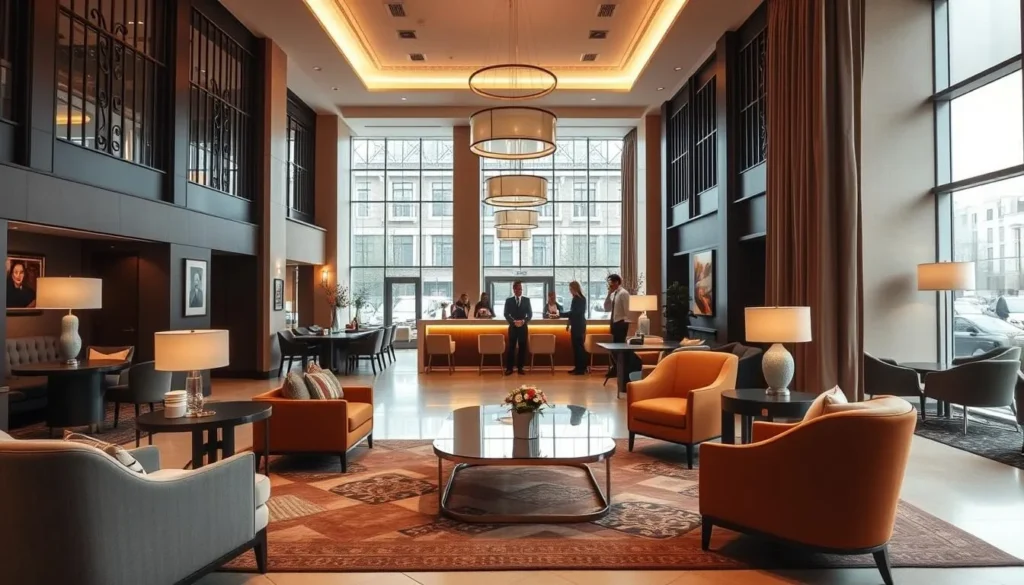
Bremen offers accommodation options for every budget, from luxury hotels to cozy guesthouses and budget-friendly hostels. The best areas to stay are the Altstadt (Old Town), Schnoor Quarter, or near the Hauptbahnhof (main train station) for easy access to transportation.
Luxury
For a premium experience, the 5-star Dorint Park Hotel Bremen offers elegant rooms in a tranquil setting near the Bürgerpark, yet still within walking distance of the city center. The Radisson Blu Hotel Bremen provides upscale accommodation right in the heart of the city, steps away from the market square and main attractions.
Mid-Range
The Motel One Bremen and ATLANTIC Grand Hotel Bremen offer excellent value with stylish rooms and central locations. For a more unique experience, consider the Überfluss, a boutique hotel with contemporary design located on the Schlachte Embankment with beautiful river views.
Budget
Budget travelers can check out the ibis Bremen City or A&O Bremen Hauptbahnhof, both offering clean, comfortable rooms at reasonable prices. For the ultimate budget option, Bremen’s Youth Hostel (Jugendherberge Bremen) provides dormitory and private rooms in a central location.
Check 30,000+ Local Sightseeing Tours Worldwide
✓ Numerous languages and currencies are available
Dining & Local Cuisine
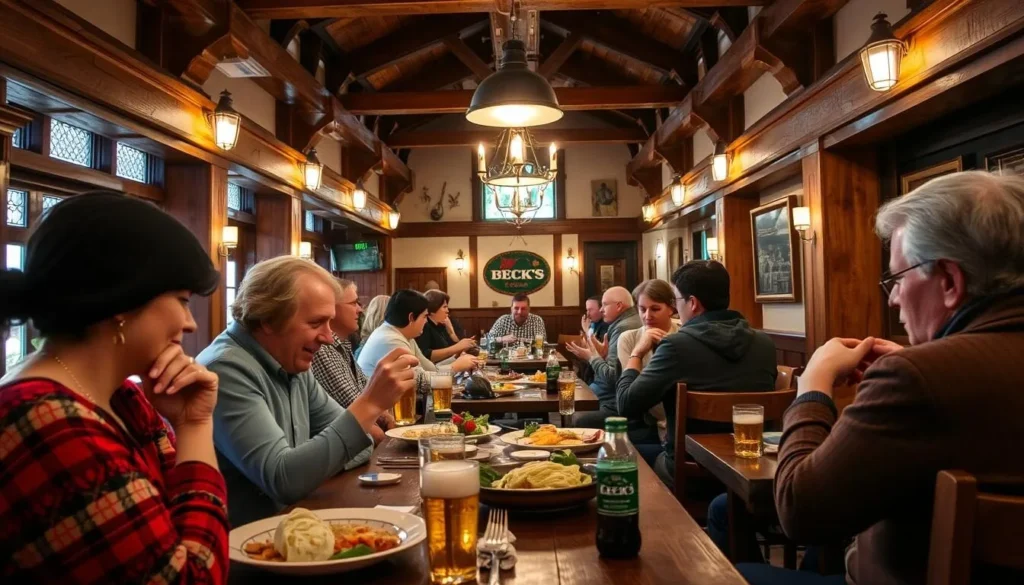
Bremen’s culinary scene reflects its maritime heritage and North German traditions. The city offers everything from historic cellar restaurants to modern fusion cuisine, with options for every budget and taste preference.
Local Specialties to Try:
- Labskaus: A sailor’s dish of corned beef, potatoes, onions, and beetroot, typically served with a fried egg and pickles
- Knipp: A grain and meat sausage similar to haggis, usually served with apple sauce and potatoes
- Bremer Klaben: A fruit bread similar to stollen, traditionally enjoyed during winter months
- Kohl und Pinkel: Kale stew with sausage, a winter specialty
- Beck’s Beer: Bremen’s famous beer, brewed in the city since 1873
Where to Eat:
Historic Dining
The Ratskeller, located beneath the Town Hall, is Bremen’s most famous restaurant, offering traditional German cuisine in a historic 600-year-old wine cellar. For a unique experience, try Schüttinger Gasthausbrauerei, Bremen’s oldest brewpub dating back to 1339, where you can enjoy house-brewed beer with hearty German fare.
Modern & International
For contemporary cuisine, visit Canova in the Kunsthalle art museum or Ständige Vertretung for upscale German dishes with a modern twist. Bremen also has excellent international options, including Nayla for Lebanese cuisine and Vengo for authentic Spanish tapas.
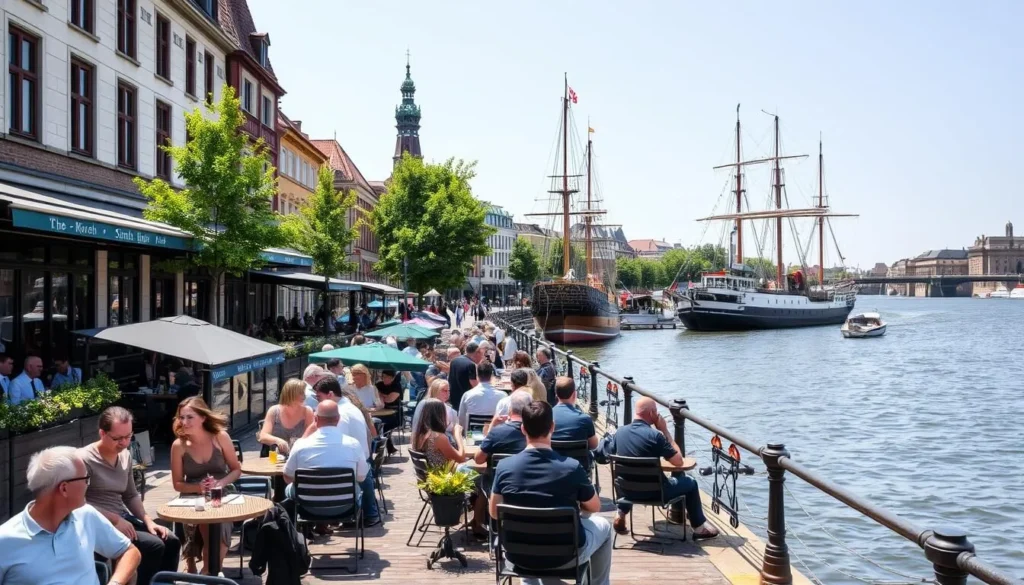
Don’t miss the Schlachte Embankment, lined with restaurants and beer gardens overlooking the Weser River—perfect for a relaxing meal while watching boats pass by. The Viertel district is home to many casual cafés and international restaurants popular with students and young locals.
Attractions, Sightseeing & Activities
Bremen Marktplatz (Market Square)
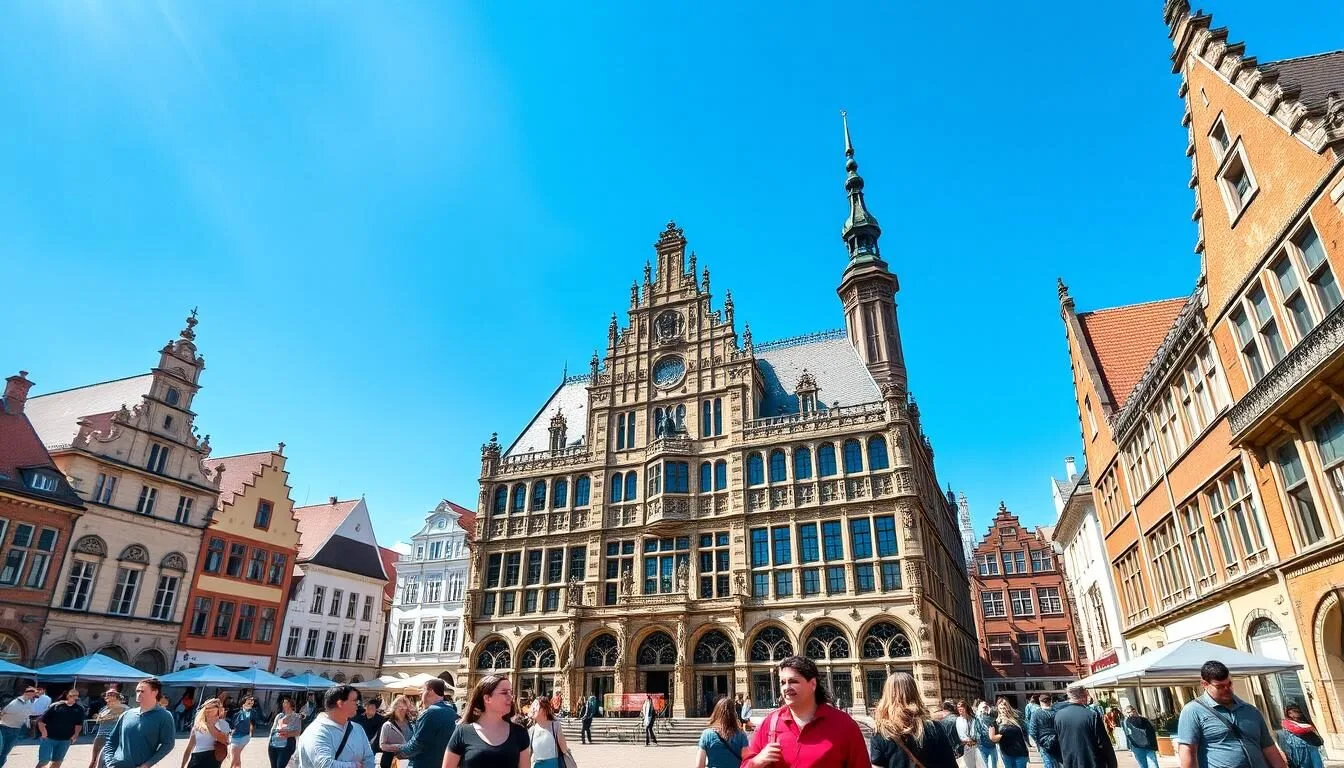
The heart of Bremen’s historic center is the UNESCO World Heritage-listed Marktplatz, home to some of the city’s most iconic landmarks. The square is surrounded by magnificent buildings including the Town Hall, Roland Statue, and St. Peter’s Cathedral, creating one of Germany’s most beautiful urban spaces.
Bremen Town Hall (Rathaus)
This stunning Gothic and Renaissance building has stood proudly on the market square since 1405 and was declared a UNESCO World Heritage Site in 2004. Don’t miss the opportunity to tour the interior, especially the magnificent Upper Hall with its oak beams and the Golden Chamber where the city council still meets today.
Roland Statue
Standing 5.5 meters tall in front of the Town Hall, this limestone statue of Roland has been a symbol of Bremen’s freedom and trading rights since 1404. Together with the Town Hall, it forms part of Bremen’s UNESCO World Heritage listing and represents the city’s proud independent spirit.
Bremen Town Musicians (Bremer Stadtmusikanten)
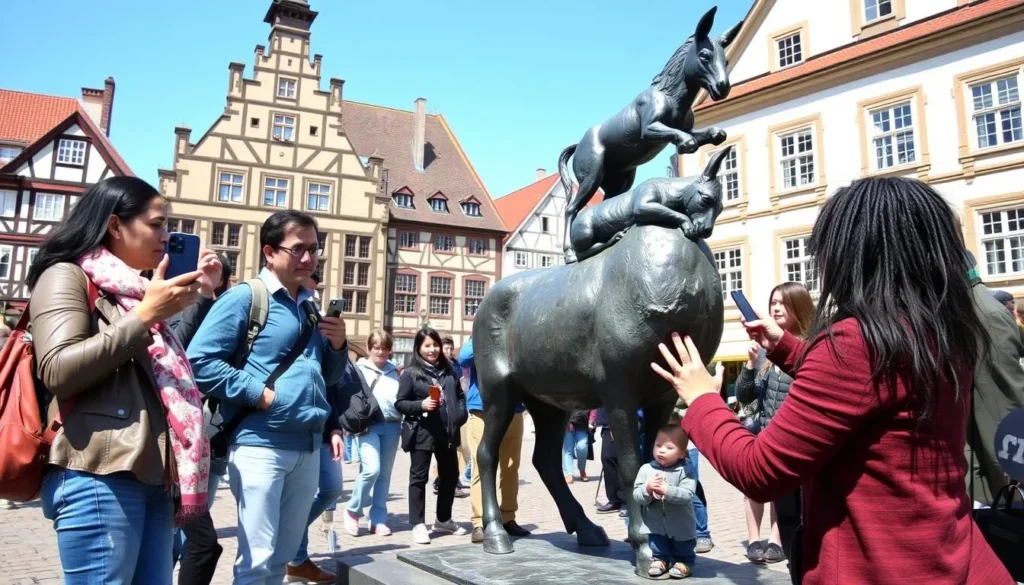
Based on the Brothers Grimm fairy tale, this beloved bronze statue depicts a donkey, dog, cat, and rooster stacked on top of each other. Located next to the Town Hall, it’s customary to rub the donkey’s front legs for good luck—just be sure to use both hands to avoid being considered a donkey yourself, according to local superstition!
Schnoor Quarter
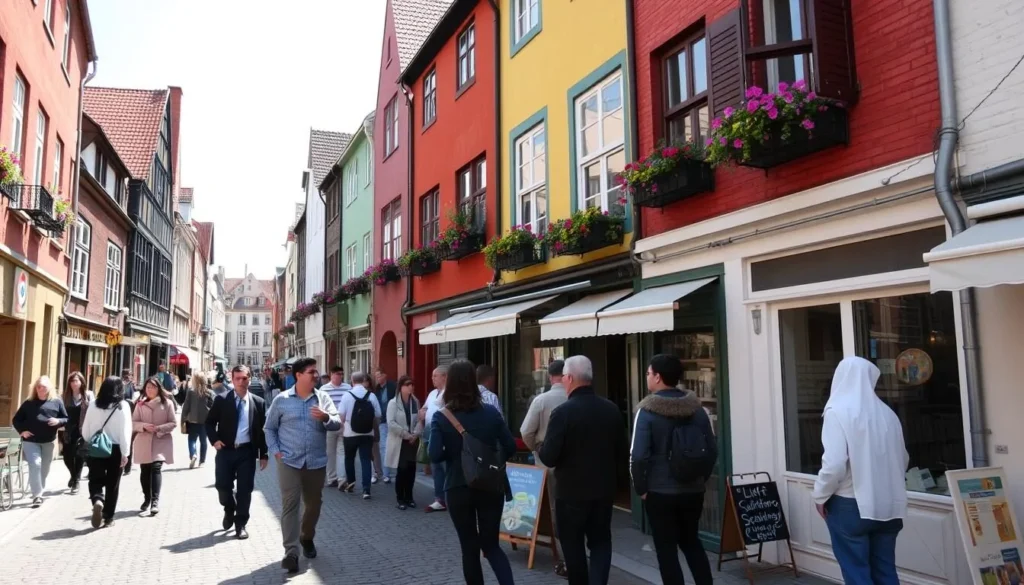
Bremen’s oldest district features narrow lanes lined with 15th and 16th-century houses that have been beautifully preserved and restored. Once home to fishermen and craftsmen, today the Schnoor is filled with charming cafés, art galleries, and boutique shops selling handcrafted souvenirs. It’s the perfect place to wander and soak up Bremen’s medieval atmosphere.
Böttcherstraße
This 100-meter-long street connecting the market square to the Weser River is an architectural wonder. Rebuilt in the 1920s in expressionist style, it features unique brick buildings, the famous Glockenspiel House with its carillon of Meissen porcelain bells, and several museums including the Paula Modersohn-Becker Museum—the first museum in the world dedicated to a female artist.
Museums, Cultural Spots & Festivals
Museums
Kunsthalle Bremen
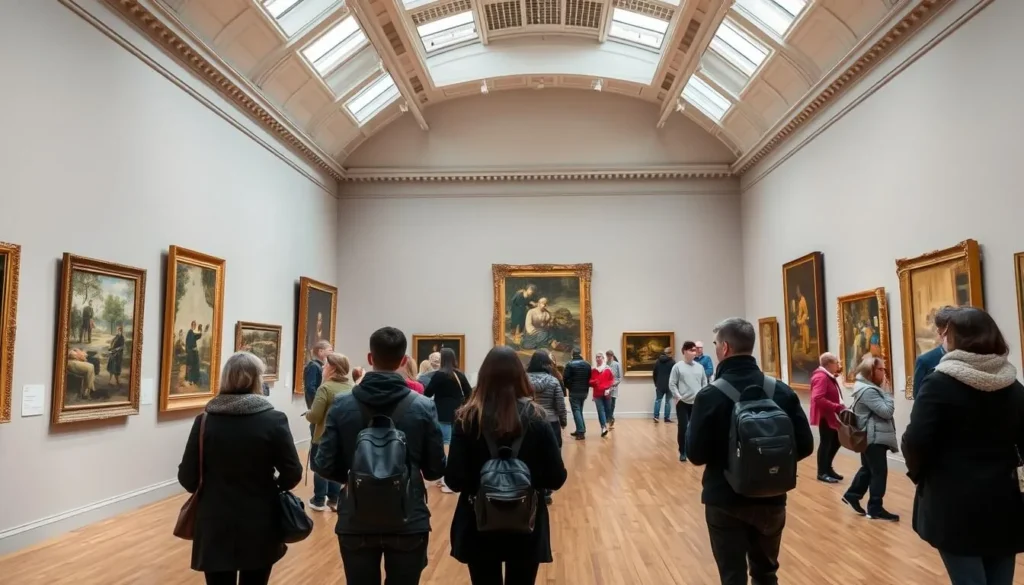
This impressive art museum houses a significant collection of European paintings from the 14th century to the present day, including works by Monet, Cézanne, and Van Gogh. The museum also features an extensive collection of prints and sculptures in a beautiful building surrounded by a sculpture garden.
Übersee-Museum
Located near the main train station, this fascinating museum explores natural history, ethnography, and trade. Its extensive collections showcase cultures and ecosystems from around the world, making it one of Germany’s most important ethnographic museums.
Universum Bremen
This interactive science center, housed in a building resembling a whale or a mussel, offers over 300 exhibits that make science accessible and fun for all ages. Hands-on experiments and demonstrations cover topics from space exploration to human biology.
Weserburg Museum of Modern Art
Located on the Teerhof peninsula in the middle of the Weser River, this contemporary art museum is housed in a former coffee warehouse. It features changing exhibitions of international contemporary art from private collections.
Cultural Spots
The Theater am Goetheplatz hosts performances of opera, ballet, and drama, while the Die Glocke concert hall is renowned for its exceptional acoustics and classical music concerts. For a more alternative cultural experience, head to the Viertel district, Bremen’s bohemian quarter filled with independent theaters, galleries, and music venues.
Festivals
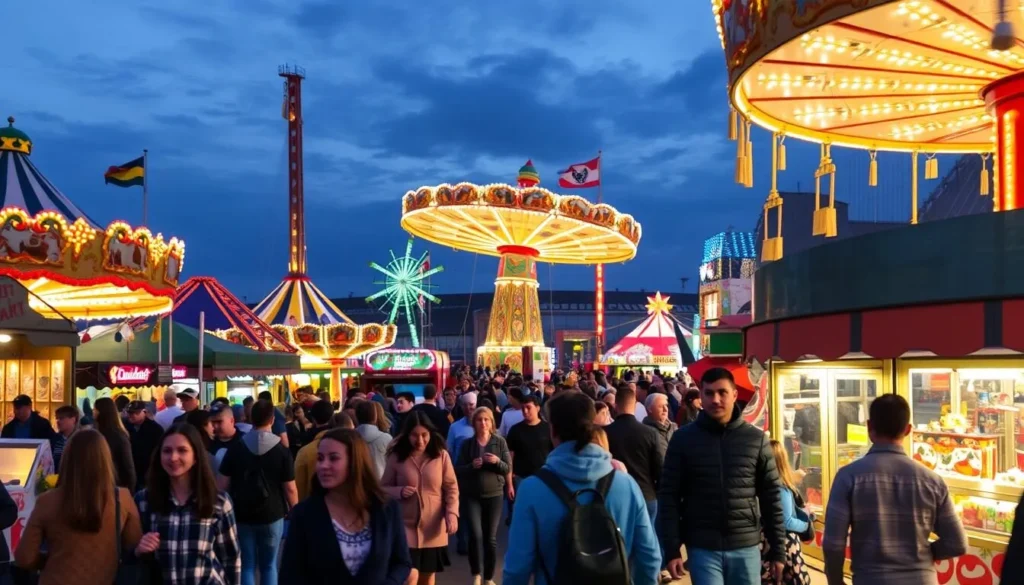
- Freimarkt (October): Germany’s oldest fair and Bremen’s biggest festival, dating back to 1035. For two weeks, the area behind the main train station transforms into a massive fairground with rides, food stalls, and beer tents.
- Breminale (July): A five-day open-air cultural festival along the banks of the Weser River featuring music performances, art installations, and food from around the world.
- Christmas Market (late November to December 23): One of Germany’s most charming Christmas markets transforms the market square and Schlachte Embankment into a winter wonderland with over 170 festively decorated stalls.
- Samba Carnival (February): Europe’s biggest samba carnival outside of Brazil brings colorful costumes, pulsating rhythms, and dancing to Bremen’s streets.
Sports, Nature & Outdoor Experiences
Parks and Green Spaces
Bürgerpark
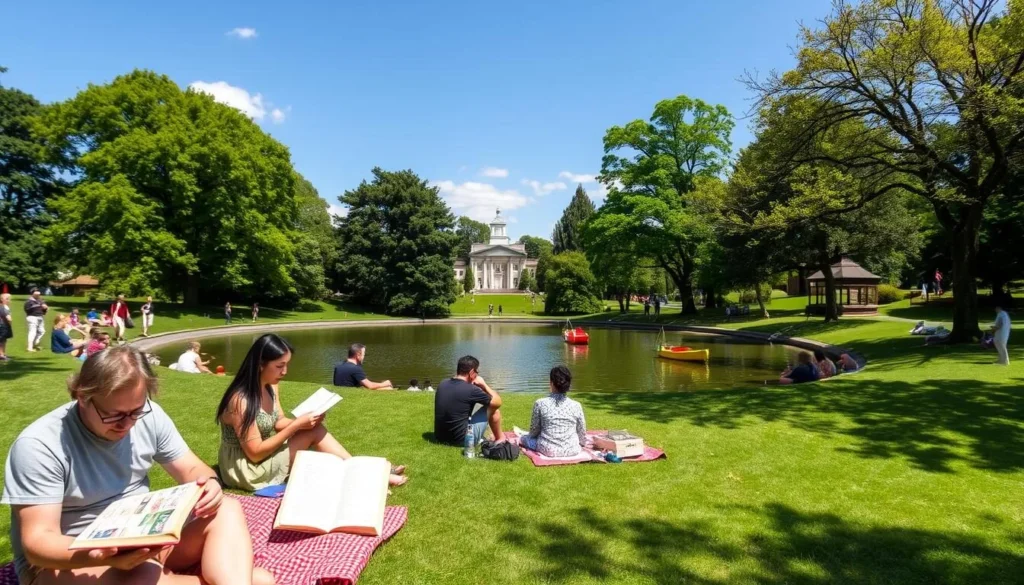
Bremen’s largest park covers 202 hectares (500 acres) of beautifully landscaped gardens, forests, and meadows. Rent a rowboat on the park’s lake, enjoy a meal at the park restaurant, or simply stroll along the winding paths. The park connects to the Stadtwald (city forest), creating a vast green space in the heart of Bremen.
Wallanlagen Park
Built on the site of Bremen’s old city fortifications, this park forms a green belt around the old town. The park features beautiful flower beds, sculptures, and the picturesque Mühle am Wall, a historic windmill that now houses a café.
River Activities
The Weser River is central to Bremen’s identity and offers numerous recreational opportunities. Take a river cruise to see the city from a different perspective or enjoy a drink at one of the beer gardens along the Schlachte Embankment. In summer, the artificial beach at Café Sand on the opposite bank of the river is popular for sunbathing and beach volleyball.
Sports
Football fans should try to catch a match of SV Werder Bremen, the city’s beloved Bundesliga team, at the Weser Stadium. The atmosphere during home games is electric and offers insight into the local passion for the sport.
Bremen is also extremely bicycle-friendly, with numerous cycling paths throughout the city and into the surrounding countryside. Rent a bike and follow the Weser Cycle Route, which runs along the river and connects Bremen with beautiful villages and natural landscapes.
Day Trips from Bremen
- Bremerhaven (60 km/37 miles): Visit this port city to explore the German Maritime Museum and the fascinating Klimahaus, an interactive museum about climate zones.
- Worpswede (25 km/15.5 miles): This artists’ colony northeast of Bremen is known for its picturesque setting and museums dedicated to the artists who lived and worked there.
- Hamburg (120 km/75 miles): Germany’s second-largest city is just over an hour away by train, perfect for a day trip to explore its harbor, Speicherstadt warehouse district, and vibrant cultural scene.
Safety, Etiquette & Local Customs
Safety
Bremen is generally a very safe city for tourists. As with any urban destination, basic precautions like being aware of your surroundings and safeguarding your belongings are advisable, especially in crowded areas like the main train station or during festivals. The city center is well-lit and patrolled, making it safe to explore even in the evening.
Etiquette & Customs
- Greetings: Germans typically greet with a handshake and direct eye contact. “Guten Tag” (Good day) is a formal greeting, while “Hallo” is more casual.
- Punctuality: Germans value punctuality, so arrive on time for tours, restaurant reservations, and appointments.
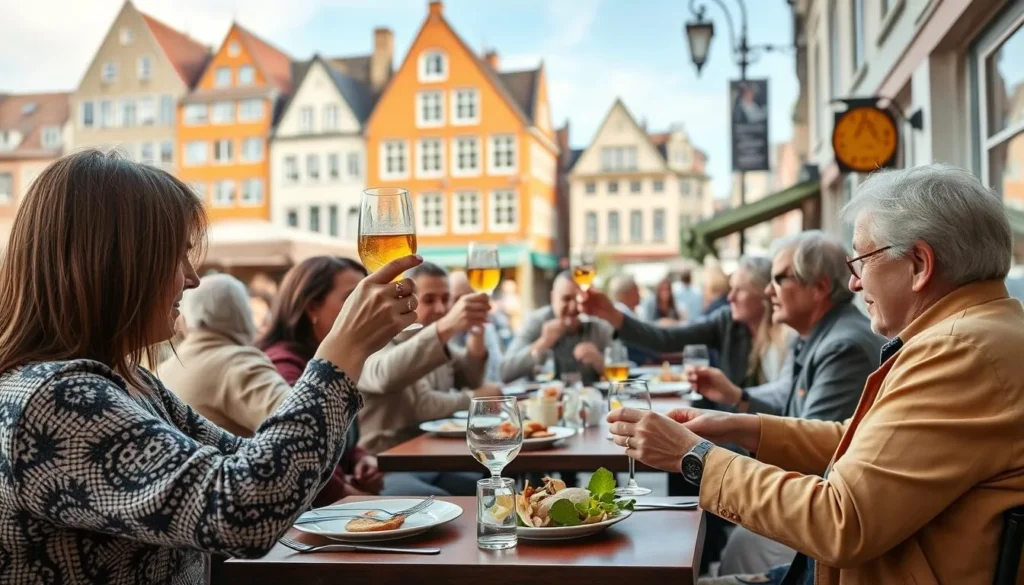
- Dining: Wait for everyone to be served before eating, and keep your hands (not elbows) on the table during meals. The typical toast is “Prost” for beer or “Zum Wohl” for wine.
- Tipping: Service is usually included in restaurant bills, but it’s customary to round up or add about 5-10% for good service. Simply tell the server the total amount you wish to pay when settling the bill.
- Shopping: Most shops are closed on Sundays, with exceptions for shops in train stations and some bakeries. Plan your shopping accordingly.
Local Customs
When visiting the Bremen Town Musicians statue, be sure to rub both front legs of the donkey with both hands for good luck. At the market square, look for the “Bremer Loch” (Bremen Hole), a small coin slot in the ground that makes animal sounds when you drop a coin in—all donations go to charity.
Bremen residents are proud of their city’s independent spirit and Hanseatic heritage. They appreciate visitors who show interest in local history and traditions. Learning a few basic German phrases will be appreciated, though many people in Bremen, especially in the tourism industry, speak English.
Visitor Comments About Bremen
“Bremen surprised me with its perfect blend of history and modern vibrancy. The Schnoor Quarter felt like stepping into a fairytale, while the riverside atmosphere along the Schlachte was perfect for relaxing after a day of exploration. Don’t miss the Böttcherstraße—it’s an architectural marvel that doesn’t get enough attention in travel guides!”
“As someone who’s visited many German cities, Bremen stands out for its walkability and charm. The Town Hall and Roland statue are impressive, but I most enjoyed discovering the ‘hidden’ Bremen—the small cafés in the Viertel district, the peaceful Wallanlagen Park, and watching the sunset from Café Sand across the river. Three days was perfect to see everything without rushing.”
“Bremen offers a refreshing alternative to Germany’s more touristy destinations. The locals were welcoming, and I appreciated how the city preserves its maritime heritage while embracing modern culture. The Übersee-Museum was a highlight—incredibly well-curated and informative. And don’t forget to try the local Beck’s beer right from its source!”
Practical Travel Tips

Money & Payments
While credit cards are increasingly accepted, Germany remains more cash-oriented than many Western countries. Always carry some cash, especially for smaller establishments, markets, and public toilets. ATMs (Geldautomat) are widely available throughout the city center.
Language
While many people in Bremen speak English, especially in the tourism industry, learning a few basic German phrases will be appreciated. Download a translation app if you’re concerned about language barriers, particularly for venturing outside tourist areas.
Internet & Connectivity
Free Wi-Fi is available in many cafés, restaurants, and hotels. The city also offers free Wi-Fi hotspots in the city center. If you need constant connectivity, consider purchasing a local SIM card for your unlocked phone.
Bremen ERLEBNISCARD
Consider purchasing the Bremen ERLEBNISCARD for unlimited public transportation and discounts on many attractions. Available for 1-3 days, it can save you money if you plan to visit multiple museums and use public transport frequently.
Accessibility
Bremen has made efforts to improve accessibility, with many major attractions wheelchair accessible. The tourist information office can provide details on accessible routes and facilities. Most trams and buses are equipped for wheelchair access.
Tourist Information
The main tourist information center is located on the north side of the market square and offers maps, brochures, and helpful advice. Staff speak multiple languages and can assist with booking tours and accommodations.
Quick Tip: Bremen’s tap water is safe to drink, so bring a refillable water bottle to save money and reduce plastic waste during your visit.
Bremen: Where History and Modern Life Harmonize
Bremen may not be Germany’s most famous destination, but those who visit discover a city that perfectly balances historic charm with contemporary vitality. From the UNESCO-listed Town Hall and Roland statue to the whimsical Town Musicians and medieval Schnoor Quarter, Bremen’s compact center packs centuries of fascinating history into walkable distances. Add in the city’s vibrant cultural scene, beautiful parks, and welcoming atmosphere, and it’s easy to see why visitors fall in love with this Hanseatic gem.
Whether you’re sipping local Beck’s beer along the Schlachte Embankment, exploring world-class museums, or simply wandering the atmospheric streets, Bremen offers authentic German experiences without the overwhelming crowds of more touristy destinations. As you plan your German adventure, consider giving Bremen the time it deserves—this proud, independent city will reward you with memories that last far beyond your journey home.
Related Posts
Coming Soon: Clickable Maps