
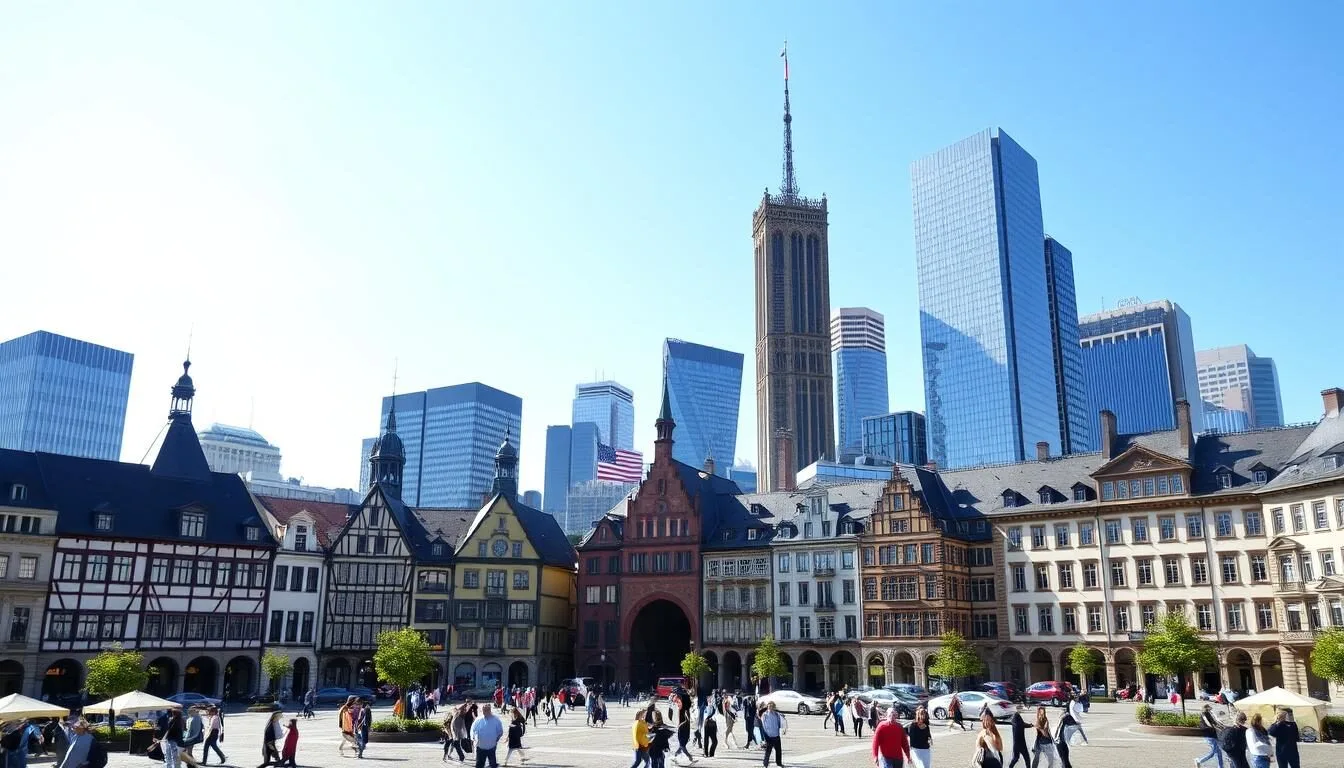
Did you know that despite its reputation as Germany’s financial hub, Frankfurt has more museums per capita than almost any other city in Europe? While many travelers view Frankfurt as merely a layover city or business destination, this vibrant metropolis along the Main River offers an unexpected blend of historic charm and modern energy that deserves more than just a passing visit.
Getting There & Planning Your Journey
Frankfurt is home to one of Europe’s busiest international airports, Frankfurt Airport (FRA), which serves as a major hub for Lufthansa and connects to destinations worldwide. The city is also exceptionally well-connected by Germany’s efficient rail network, with Frankfurt Hauptbahnhof (main train station) offering high-speed connections to major European cities.
For travelers arriving by air, reaching the city center couldn’t be easier. The S-Bahn trains (S8 and S9) run directly from Terminal 1 to downtown in just 15 minutes, costing €4.95. Alternatively, taxis and ride-sharing services are available for around €25-40, depending on your destination within the city.
Best Time to Visit & Weather Tips
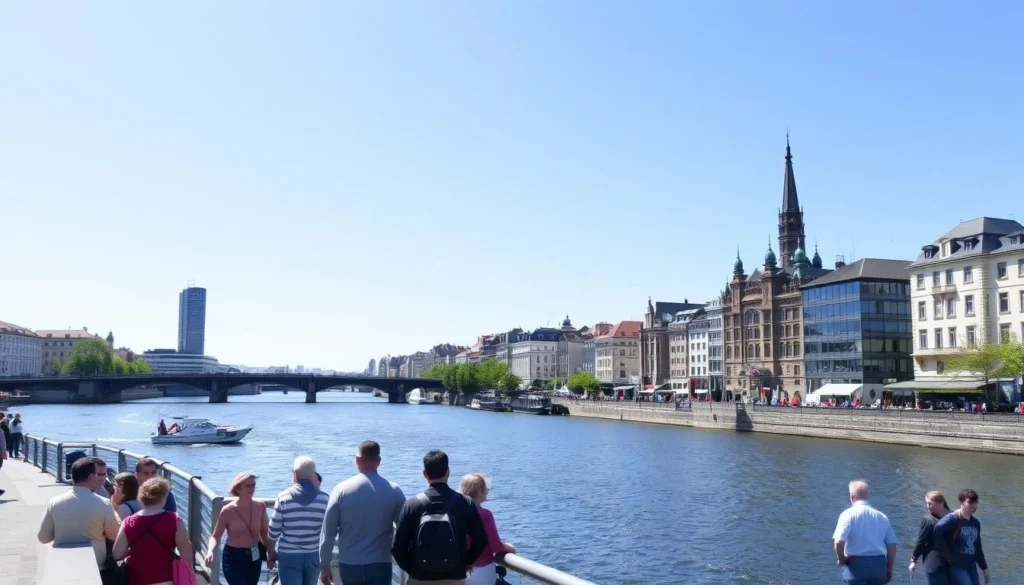
Frankfurt experiences four distinct seasons, each offering a different perspective on the city. The ideal times to visit are late spring (May-June) and early autumn (September-October) when temperatures are pleasant, ranging from 15-25°C (59-77°F), and the city hosts numerous outdoor festivals and events.
Recommended Seasons
- Late Spring (May-June): Comfortable temperatures, blooming gardens, and outdoor festivals make this an ideal time to explore.
- Early Autumn (September-October): Golden colors, wine festivals, and pleasant weather with fewer tourists.
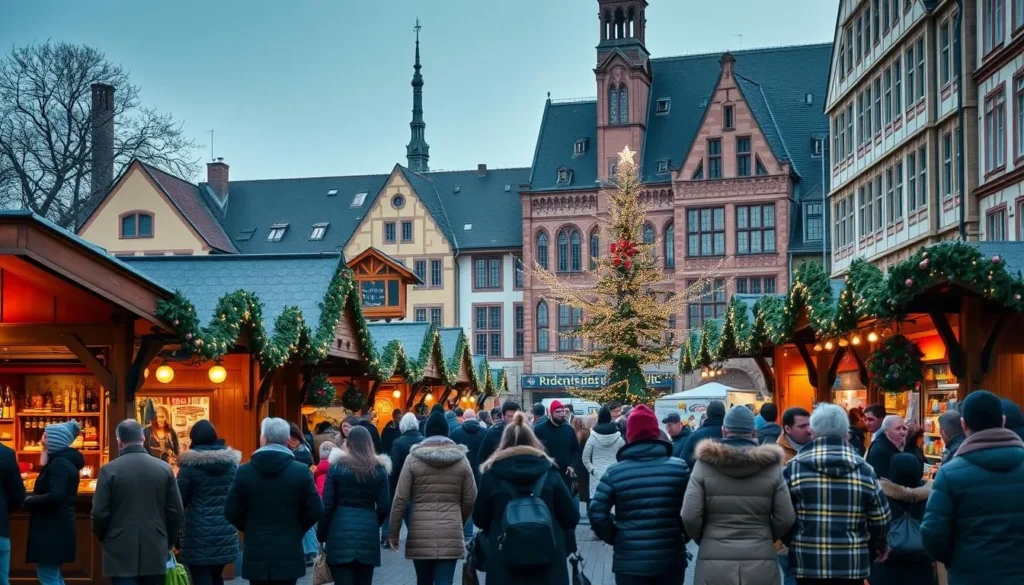
- December: Frankfurt’s Christmas markets are among Germany’s best, transforming Römerberg into a magical winter wonderland.
Seasons to Avoid
- July-August: Peak summer can be uncomfortably hot and humid, with temperatures sometimes exceeding 30°C (86°F). Many locals leave for vacation, and tourist attractions are crowded.
- November: Often gray, rainy, and cold without the charm of winter festivities.
- January-February: Cold temperatures around 0-5°C (32-41°F) and limited daylight hours make outdoor exploration less enjoyable.
Getting Around Locally
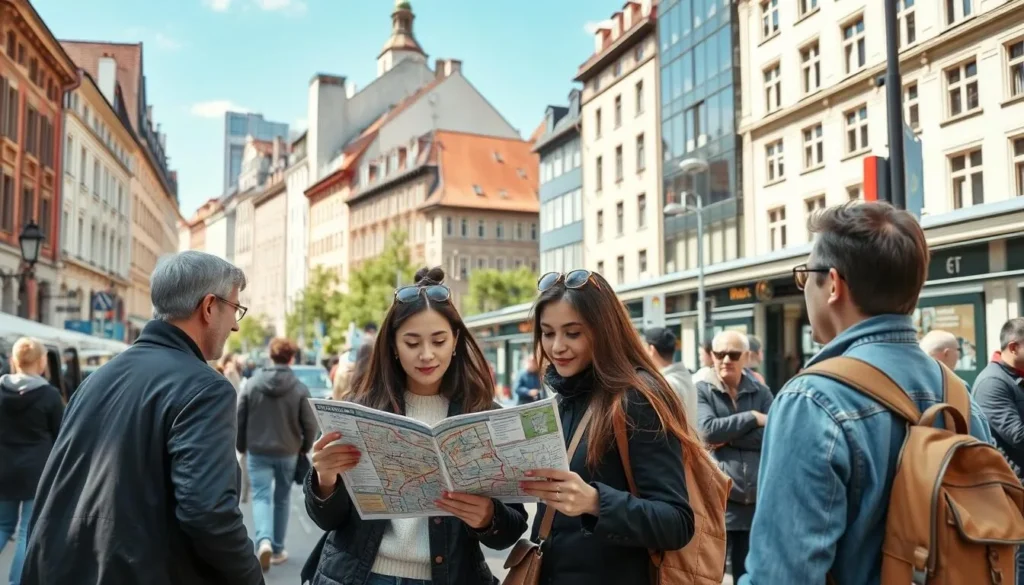
Frankfurt boasts one of Germany’s most efficient public transportation systems, making it incredibly easy to navigate the city without a car. The integrated network includes U-Bahn (subway), S-Bahn (suburban trains), trams, and buses that connect all major attractions and neighborhoods.
A single ticket costs around €3, but the best value comes from day passes (€5.35) or group day tickets (€11.30 for up to 5 people). The Frankfurt Card combines unlimited public transport with discounts to museums and attractions, making it an excellent investment for visitors planning to see multiple sights.
Frankfurt’s compact city center means many major attractions are within walking distance of each other. The area from Hauptwache to Römerberg and along the Main River is particularly pedestrian-friendly and perfect for exploring on foot.
Where to Stay
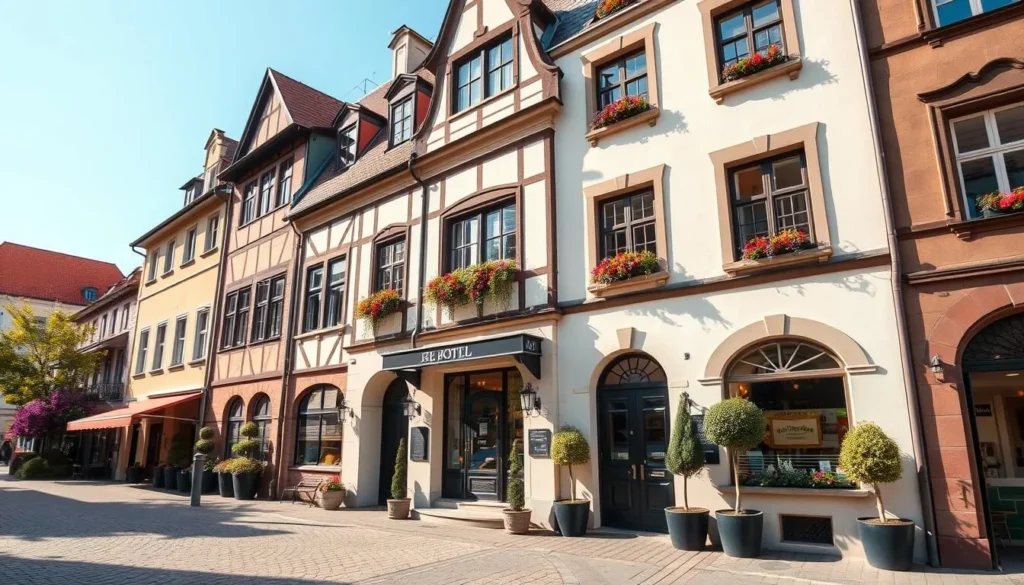
Frankfurt offers accommodation options for every budget and preference, from luxury hotels in the financial district to charming boutique properties in historic neighborhoods. Your choice of location can significantly impact your experience of the city.
Innenstadt (City Center)
The heart of Frankfurt offers convenient access to shopping, dining, and major attractions. Ideal for first-time visitors who want to be within walking distance of Römerberg, the Main River, and museums.
Price range: €€€-€€€€
Recommended for: First-time visitors, luxury travelers
Sachsenhausen
Located across the river from the city center, this charming neighborhood offers traditional apple wine taverns, museums, and a more authentic local experience while still being close to major attractions.
Price range: €€-€€€
Recommended for: Culture seekers, foodies
Bahnhofsviertel
The area around the main train station offers convenient transportation connections and more affordable accommodation options, though parts can be a bit rough around the edges at night.
Price range: €-€€
Recommended for: Budget travelers, transit convenience
Dining & Local Cuisine
Frankfurt’s culinary scene reflects both its international character and rich local traditions. Don’t leave without trying these regional specialties:
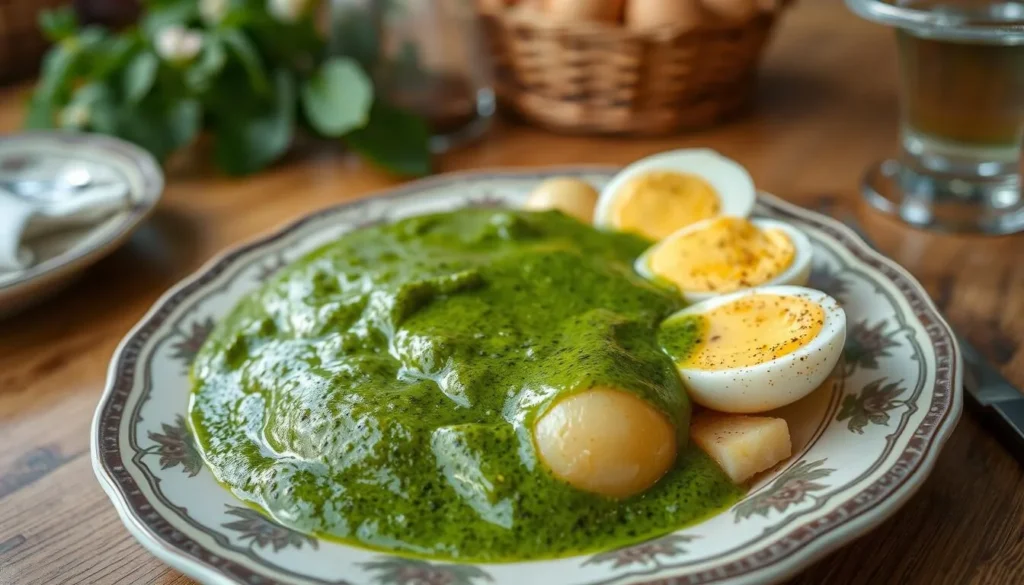
- Frankfurter Grüne Soße (Green Sauce): A cold herb sauce made with seven specific herbs, typically served with boiled eggs and potatoes.
- Handkäse mit Musik: A sour milk cheese marinated with onions, caraway seeds, and vinegar.
- Apfelwein (Apple Wine): Frankfurt’s signature drink, a tart apple cider served in traditional stoneware pitchers called “Bembel.”
- Frankfurter Würstchen: The original Frankfurt sausages that inspired hot dogs worldwide, traditionally served with bread, mustard, and horseradish.
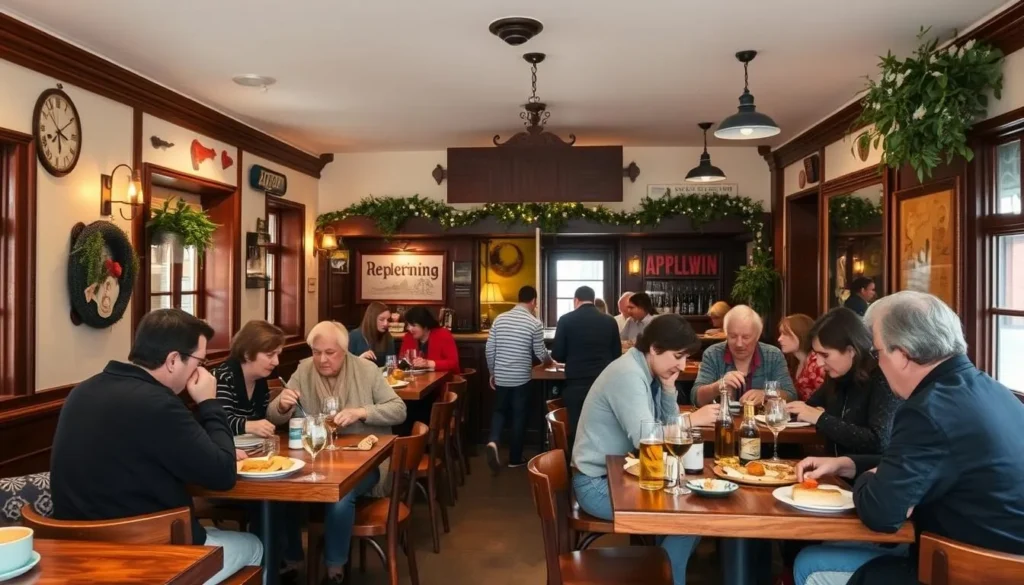
For an authentic local dining experience, head to Sachsenhausen’s traditional apple wine taverns (Apfelweinwirtschaften) like Apfelwein Wagner or Zum Gemalten Haus. The Kleinmarkthalle (market hall) offers an incredible variety of local and international foods perfect for lunch or gathering picnic supplies.
Attractions, Sightseeing & Activities
Frankfurt offers a fascinating mix of historic sites and modern attractions that can easily fill several days of exploration. Here are the must-see highlights:
Römerberg (Old Town Square)
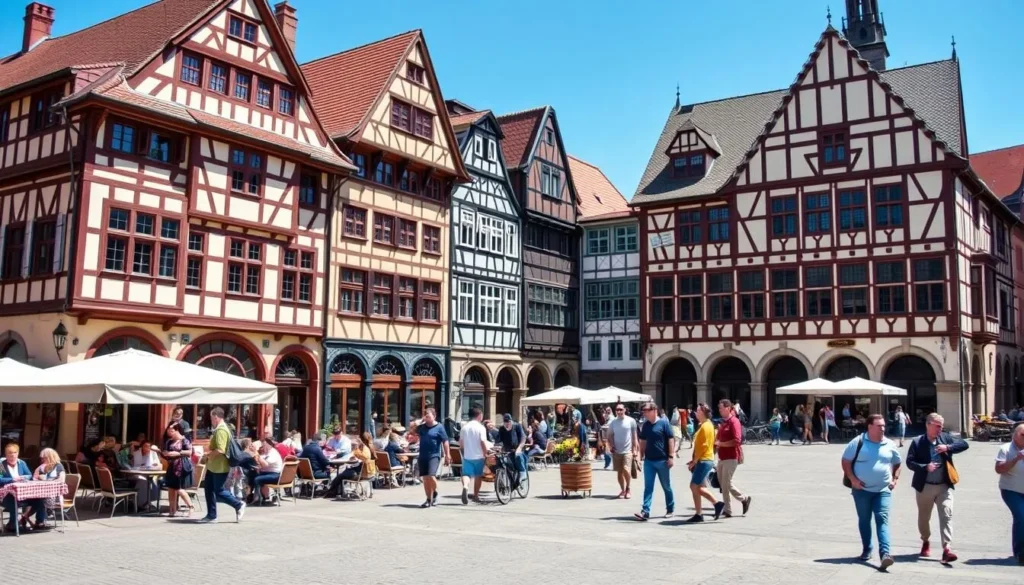
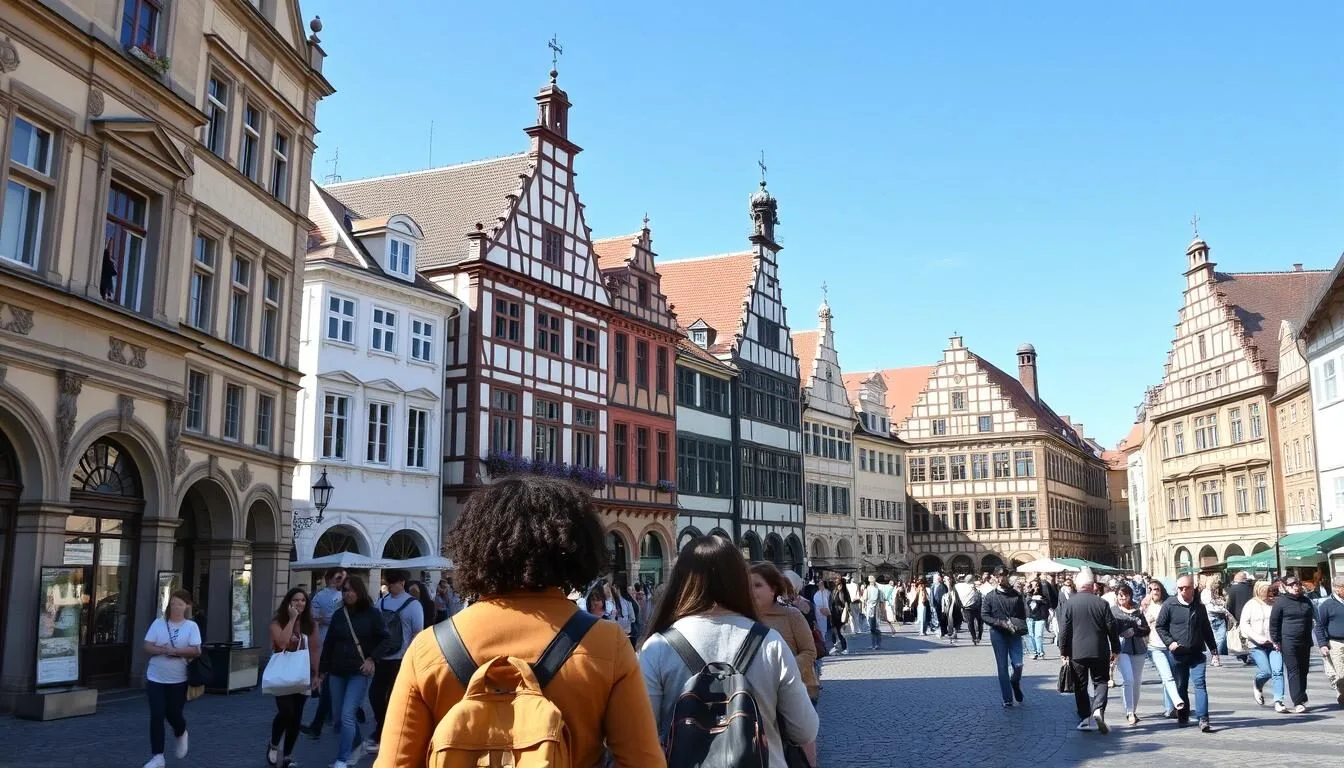
The historic heart of Frankfurt features beautifully reconstructed medieval buildings, including the iconic Römer (City Hall) that has served as Frankfurt’s city hall since 1405. The square is surrounded by traditional German architecture and hosts markets and festivals throughout the year.
Main Tower
For the best views of Frankfurt’s impressive skyline, head to the observation deck of the 200-meter (656 ft) Main Tower. The panoramic vistas extend across the entire city and surrounding region, making it especially spectacular at sunset.
Palmengarten
Frankfurt’s botanical garden spans 22 hectares (54 acres) and houses plants from diverse climate zones in beautiful themed gardens and greenhouses. It’s a peaceful retreat from the urban environment and perfect for nature lovers.
Kleinmarkthalle
This vibrant indoor market hall houses over 150 vendors selling fresh produce, specialty foods, flowers, and local delicacies. It’s the perfect place to sample Frankfurt’s culinary diversity and observe locals going about their daily shopping.
Main River Cruises
See Frankfurt from a different perspective on a river cruise along the Main. These relaxing boat trips offer excellent views of the skyline and pass under several historic bridges, with options ranging from 50-minute tours to longer dinner cruises.
Museums, Cultural Spots & Festivals
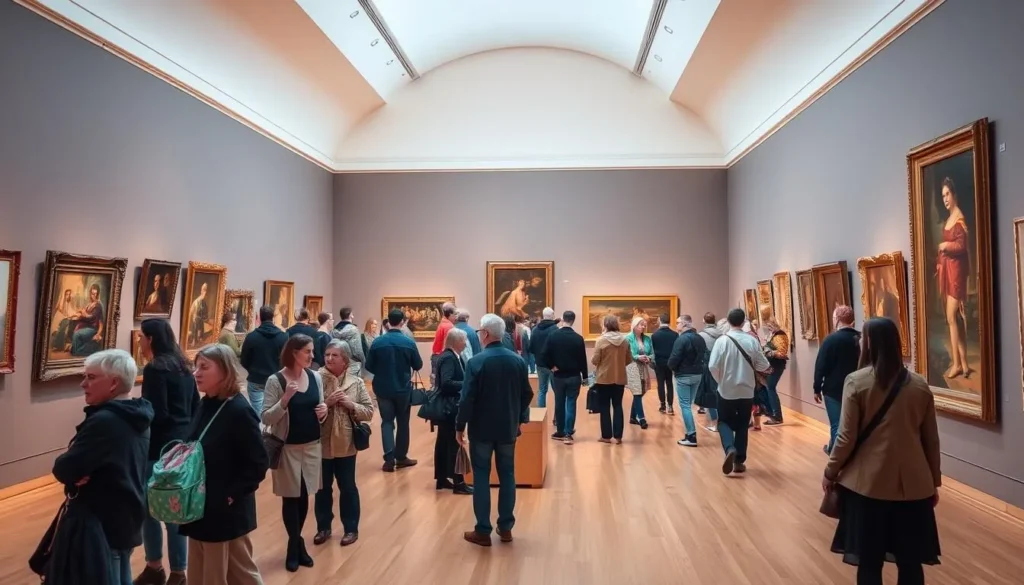
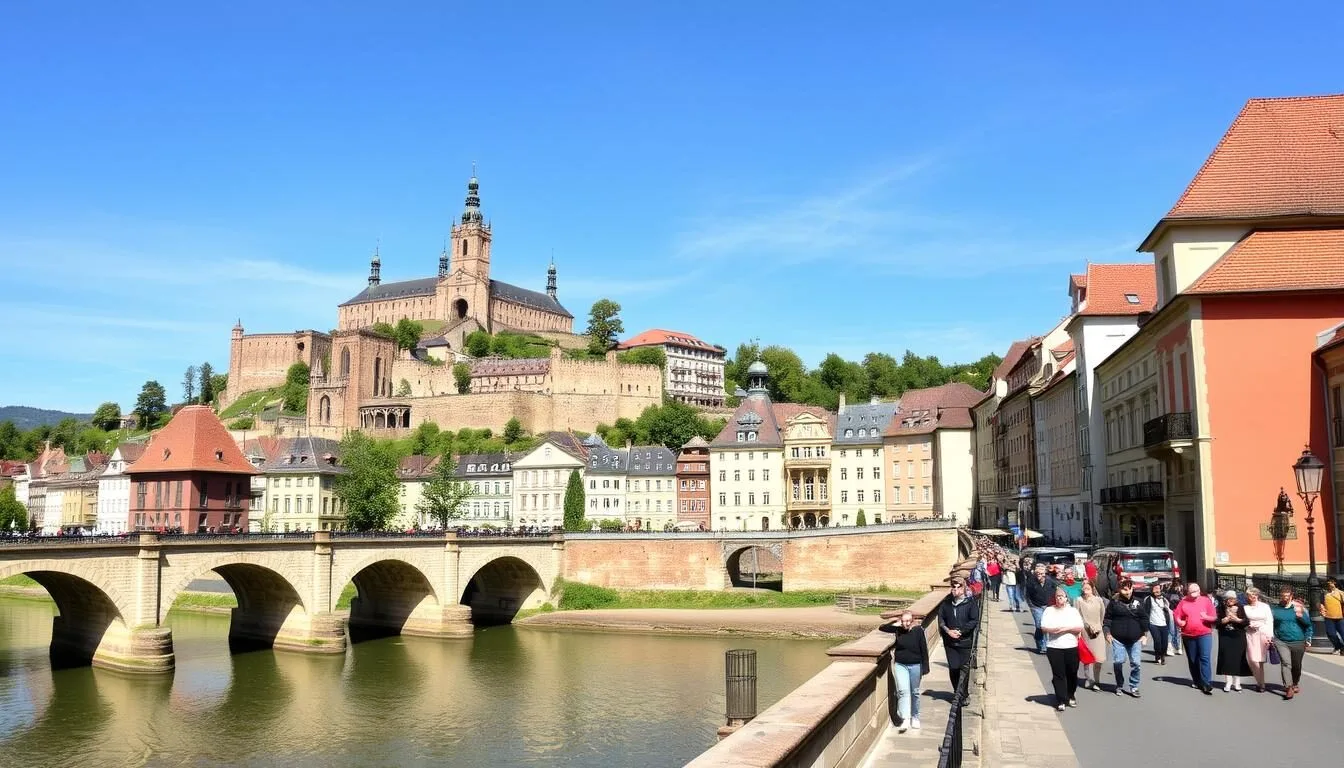
Frankfurt’s impressive cultural landscape includes over 30 museums, many concentrated along the “Museumsufer” (Museum Embankment) on the south bank of the Main River.
Top Museums
- Städel Museum: One of Germany’s most important art museums, housing European masterpieces spanning 700 years.
- Museum of Modern Art (MMK): Contemporary art in a distinctive triangular building.
- Senckenberg Natural History Museum: Impressive dinosaur skeletons and extensive biodiversity exhibits.
- German Film Museum: Interactive exhibits on the history and technology of cinema.
- Historical Museum: Chronicles Frankfurt’s rich history from medieval times to the present.
Annual Festivals
Frankfurt’s calendar is packed with cultural events and festivals throughout the year:
- Museumsuferfest (August): A massive cultural festival along the Main River with music, food, and special museum exhibitions.
- Frankfurt Book Fair (October): The world’s largest trade fair for books, attracting publishers and authors from around the globe.
- Christmas Market (November-December): One of Germany’s oldest and most beautiful Christmas markets, transforming Römerberg into a winter wonderland.
- Apfelweinfestival (August): Celebrates the region’s traditional apple wine with tastings and cultural events.
Sports, Nature & Outdoor Experiences
Despite its urban character, Frankfurt offers numerous green spaces and outdoor activities for nature lovers and sports enthusiasts.
Frankfurt City Forest (Stadtwald)
Germany’s largest city forest covers 48 square kilometers and provides a peaceful retreat with hiking and cycling trails, playgrounds, and picnic areas. The forest is home to diverse wildlife and several small lakes, making it perfect for nature observation.
Palmengarten & Botanical Garden
Beyond the exotic plant collections, these adjacent gardens offer beautiful walking paths, boat rentals on small ponds, and seasonal outdoor concerts.
Main River Activities
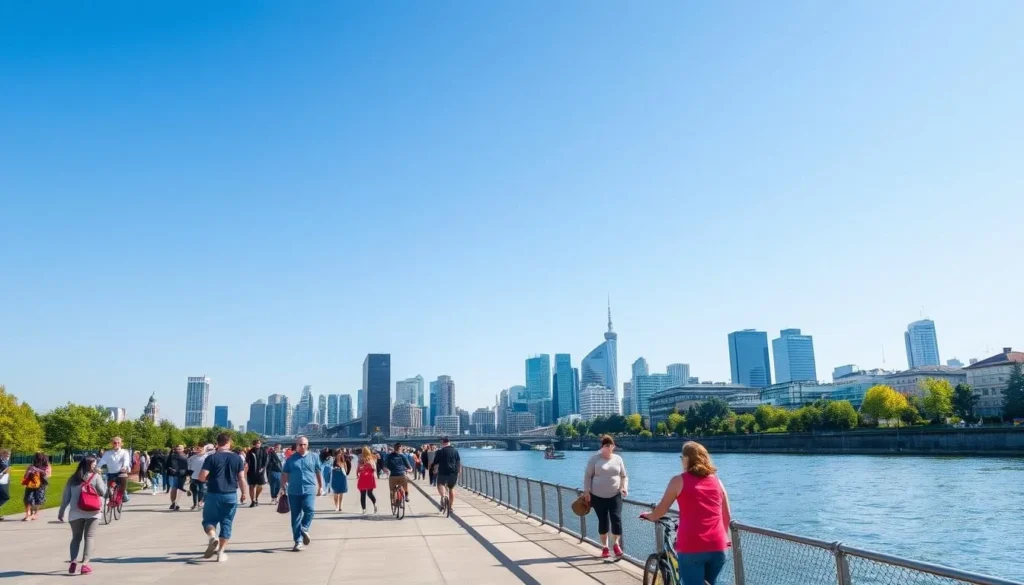
The riverbanks feature extensive recreational areas perfect for jogging, cycling, or simply relaxing. In summer, the riverside beaches and converted barges offer drinks and a vacation atmosphere right in the city.
Taunus Mountains
Just a short trip from Frankfurt, the Taunus range offers excellent hiking opportunities, spa towns, and historic castles. The Feldberg (881 m/2,890 ft) provides panoramic views of the Rhine-Main region.
Safety, Etiquette & Local Customs
Frankfurt is generally a safe city for tourists, though standard urban precautions apply, especially in the Bahnhofsviertel (train station district) at night. The city has excellent emergency services, and police are visible in tourist areas.
Local Etiquette
- Punctuality: Germans value punctuality highly. Arrive on time for tours, restaurant reservations, and appointments.
- Greetings: A firm handshake is the standard greeting. “Guten Tag” (Good day) is appropriate in most situations.
- Dining: Wait to be seated at restaurants. It’s customary to say “Guten Appetit” before eating and to maintain eye contact when toasting (“Prost!”).
- Tipping: Service is usually included, but rounding up or adding 5-10% for good service is customary. Tell the server the total amount you wish to pay when settling the bill.
Frankfurt residents take recycling and environmental consciousness seriously. Public transportation runs on the honor system—purchase and validate your ticket before boarding to avoid hefty fines.
Practical Travel Tips
Money & Payments
- The currency is the Euro (€). ATMs are widely available.
- Many smaller establishments and markets may only accept cash, so keep some on hand.
- Credit cards are accepted at most hotels, restaurants, and larger stores.
- Tipping is customary but more modest than in the US—10% is generous.
Connectivity
- Free WiFi is available at most hotels, cafes, and public spaces.
- The city offers free WiFi hotspots in central areas and major attractions.
- EU visitors can use their mobile plans without roaming charges; others should check with their providers or consider a local SIM card.
Language
- German is the official language, but English is widely spoken, especially in tourist areas and by younger people.
- Learning a few basic German phrases is appreciated: “Danke” (thank you), “Bitte” (please), “Guten Tag” (good day).
Opening Hours
- Most shops are open Monday-Saturday from 10:00 to 20:00 and closed on Sundays.
- Museums are typically closed on Mondays.
- Restaurants generally serve lunch from 12:00-14:30 and dinner from 18:00-22:00.
- Banks operate Monday-Friday from 9:00-16:00.
Your Frankfurt Adventure Awaits
Frankfurt may not have the fairy-tale charm of Bavaria or the hipster appeal of Berlin, but its unique blend of historic treasures and modern energy creates a distinctly cosmopolitan German experience. From world-class museums and beautiful riverside promenades to traditional apple wine taverns and international cuisine, this underrated city rewards visitors who take the time to explore beyond the financial district. Whether you’re visiting for a day or a week, Frankfurt offers a perfect introduction to Germany’s diverse culture, rich history, and warm hospitality.
Related Posts
Coming Soon: Clickable Maps
Visitor Comments About Frankfurt
“As a German who’s visited many cities in our country, I was surprised by how much Frankfurt has to offer beyond its business reputation. The contrast between the reconstructed old town and modern skyline creates a unique atmosphere you won’t find elsewhere in Germany. Don’t miss the apple wine taverns in Sachsenhausen for an authentic local experience!”
G.J., Hamburg
“We only planned one day in Frankfurt as part of a larger European trip, but wished we’d stayed longer! The museums along the river are world-class, and the city’s compact size makes it easy to see a lot in a short time. The Frankfurt Card was definitely worth purchasing for the transportation and museum discounts.”
H.H., Morgantown
“Being from just across the border in France, I’ve visited Frankfurt many times and always discover something new. The Kleinmarkthalle is my favorite spot—perfect for sampling local specialties and picking up unique food souvenirs. The city has a wonderful international vibe while still maintaining its German character.”
O.E., Strasbourg