

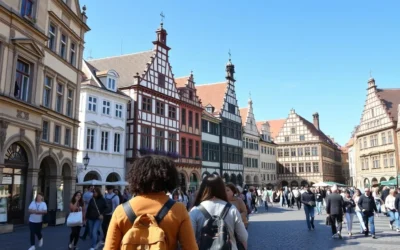
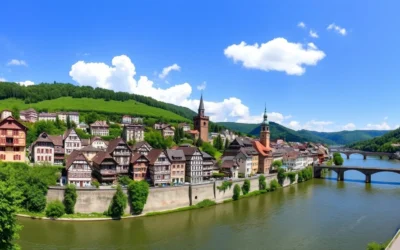
Did you know that Freiburg im Breisgau is officially Germany’s sunniest city? With over 2,000 hours of sunshine annually, this charming university town on the edge of the Black Forest enjoys a warm, Mediterranean-like microclimate that sets it apart from other German destinations. This unexpected brightness perfectly complements Freiburg’s colorful medieval architecture, vibrant street life, and progressive environmental ethos, making it one of Germany’s most delightful yet underrated destinations.
Getting There & Planning Your Journey
Despite being tucked away in southwestern Germany, Freiburg is surprisingly accessible. The closest major international airport is EuroAirport Basel-Mulhouse-Freiburg, located about 70 km (43 miles) south of the city. From there, regular shuttle buses connect to Freiburg’s main train station in approximately one hour.
Alternatively, you can fly into Frankfurt Airport or Zurich Airport, both offering excellent train connections to Freiburg. The train journey from Frankfurt takes about 2 hours, while from Zurich it’s approximately 1.5 hours.
For travelers already in Europe, Germany’s efficient rail network makes Freiburg easily accessible by train. The city is well-connected to major German cities like Munich, Berlin, and Stuttgart, as well as neighboring countries including France and Switzerland.
Best Time to Visit & Weather Tips

As Germany’s warmest city, Freiburg enjoys a mild climate year-round, but each season offers a unique experience:
Recommended Seasons:
- Spring (April-May): Temperatures range from 15-20°C (59-68°F) with blooming flowers and fewer tourists. Perfect for exploring the city and hiking in the Black Forest.
- Early Summer (June): Warm days around 22-25°C (72-77°F) with long daylight hours and vibrant outdoor café culture.
- Early Fall (September-October): Comfortable temperatures of 15-20°C (59-68°F) with stunning autumn colors in the surrounding Black Forest.
- December: Despite cooler temperatures of 3-7°C (37-45°F), the magical Christmas markets make this a special time to visit.
Seasons to Avoid:
- July-August: Peak tourist season with higher prices and temperatures sometimes exceeding 30°C (86°F). The lack of air conditioning in many historic buildings can make this uncomfortable.
- November: Often gray and rainy with shorter daylight hours.
- January-February: Cold temperatures around 0-5°C (32-41°F) with limited outdoor activities.
Remember to pack layers regardless of when you visit, as temperatures can vary significantly between morning and evening, especially if you plan to explore the higher elevations of the Black Forest.
Getting Around Locally
Freiburg prides itself on being one of Germany’s most environmentally conscious cities, and its excellent public transportation system reflects this commitment:
Public Transportation
The city’s comprehensive network of trams and buses makes getting around a breeze. The VAG (Freiburger Verkehrs AG) operates frequent services throughout the city and to surrounding areas. A single ticket costs around €2.40, while a 24-hour pass is approximately €6.50.
Consider purchasing the Freiburg Welcome Card, which includes unlimited public transportation plus discounts to many attractions. Available for 24, 48, or 72 hours, it’s an excellent value if you plan to use public transport frequently.
By Bicycle
Freiburg is a cyclist’s paradise with over 400 km (248 miles) of bike paths. Rental shops are plentiful, with daily rates starting around €12. The city’s compact size makes cycling an ideal way to explore.
On Foot
The historic center is largely pedestrianized and compact enough to explore on foot. Most major attractions are within a 15-20 minute walk of each other, making walking both practical and enjoyable.
Where to Stay
Freiburg offers accommodation options for every budget and preference, from historic boutique hotels to modern apartments:
Old Town (Altstadt)
Staying in Freiburg’s medieval center puts you within walking distance of major attractions, restaurants, and shops. The area features charming boutique hotels housed in historic buildings, though prices tend to be higher than in other neighborhoods.
Recommendation: Hotel Oberkirch, a family-run establishment dating back to 1756, offers traditional rooms with views of the Münster Cathedral. Rates start at €140 per night.
Wiehre District
Just across the Dreisam River from the Old Town, Wiehre offers a more residential feel with beautiful Art Nouveau buildings. It’s quieter than the city center but still within easy walking distance.
Recommendation: The Alex Hotel provides modern comfort in a historic setting, with rates from €110 per night.
Budget Options
The Black Forest Hostel, the only official hostel in the entire Black Forest region, offers beds from €25 per night. For families or longer stays, apartment rentals provide excellent value, typically ranging from €70-120 per night.
For a truly unique experience, consider staying at Zum Roten Bären (The Red Bear), which claims to be Germany’s oldest hotel with foundations dating back to before 1120.
Dining & Local Cuisine

Freiburg’s culinary scene blends traditional Black Forest specialties with innovative farm-to-table concepts, reflecting the region’s agricultural abundance:
Must-Try Local Specialties
- Lange Rote: Freiburg’s signature extra-long grilled sausage, typically served with mustard and bread.
- Black Forest Ham (Schwarzwälder Schinken): Dry-cured, smoked ham from the region, available at the daily market.
- Spätzle: Soft egg noodles often served with cheese or as a side dish.
- Flammkuchen: A thin, pizza-like dish topped with crème fraîche, onions, and bacon.
- Black Forest Cake (Schwarzwälder Kirschtorte): The famous chocolate cake with cherries and whipped cream.
Where to Eat
Münsterplatz Market: For a casual lunch, head to the daily market around the cathedral where food stalls serve fresh local specialties, including the famous “Lange Rote” sausages.
Hausbrauerei Feierling: This local brewery serves excellent organic beer and traditional German dishes in a cozy atmosphere or in their beer garden during warmer months.
Markthalle: An international food court offering everything from Thai to Brazilian cuisine, perfect for groups with diverse tastes.
Restaurant Dattler: Located on Schlossberg hill, this restaurant offers panoramic views of the city alongside regional specialties.
Zum Roten Bären: Germany’s oldest inn serves authentic regional cuisine in a historic setting dating back nearly 900 years.
For Wine Lovers
Freiburg sits at the gateway to the Baden wine region, one of Germany’s warmest wine-growing areas. Local white wines like Grauburgunder (Pinot Gris) and Weissburgunder (Pinot Blanc) are particularly excellent. Visit Alte Wachte near the Münster to sample regional wines.
Attractions, Sightseeing & Activities

Freiburg Münster (Cathedral)
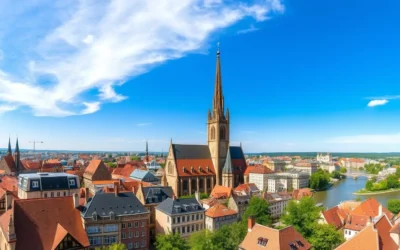
This magnificent Gothic cathedral, built between 1200-1530 AD, dominates Freiburg’s skyline. The 116-meter (380 ft) tower offers panoramic views for those willing to climb its 333 steps. Don’t miss the intricate stained glass windows and the unusual gargoyles, including one cheekily displaying its bottom toward what was once the Archbishop’s residence.
Münsterplatz & Daily Market
The cobblestone square surrounding the cathedral hosts a vibrant daily market (except Sundays) from 7:30 AM to 1:30 PM. Local farmers sell fresh produce, flowers, and regional specialties. This is the perfect place to sample a “Lange Rote” sausage and observe local daily life.
Bächle (Water Channels)
These small water channels running through the streets of the Old Town date back to the Middle Ages. Originally used for fighting fires and providing water to livestock, they now add charm to the city. Local legend says that if you accidentally step into a Bächle, you’re destined to marry a Freiburger!
Historic City Gates
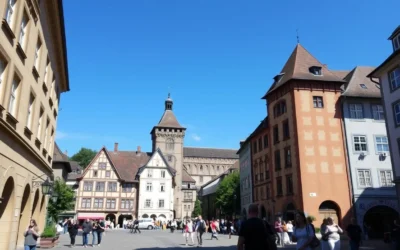
Of the original five medieval gates, two impressive examples remain: Martinstor (Martin’s Gate) and Schwabentor (Swabian Gate), both dating from the 13th century. Martinstor is particularly interesting as it combines medieval architecture with… a modern McDonald’s at its base!
Schlossberg Hill
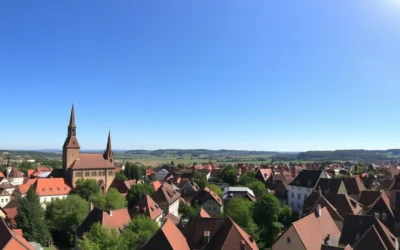
Rising 456 meters (1,496 ft) above the city, Schlossberg offers the best views of Freiburg and the surrounding Black Forest. Take the Schlossbergbahn funicular for a quick 3-minute ride up, or hike the trails starting near Schwabentor. At the top, enjoy the view from Kanonenplatz or climb the Schlossbergturm observation tower.
Museums, Cultural Spots & Festivals
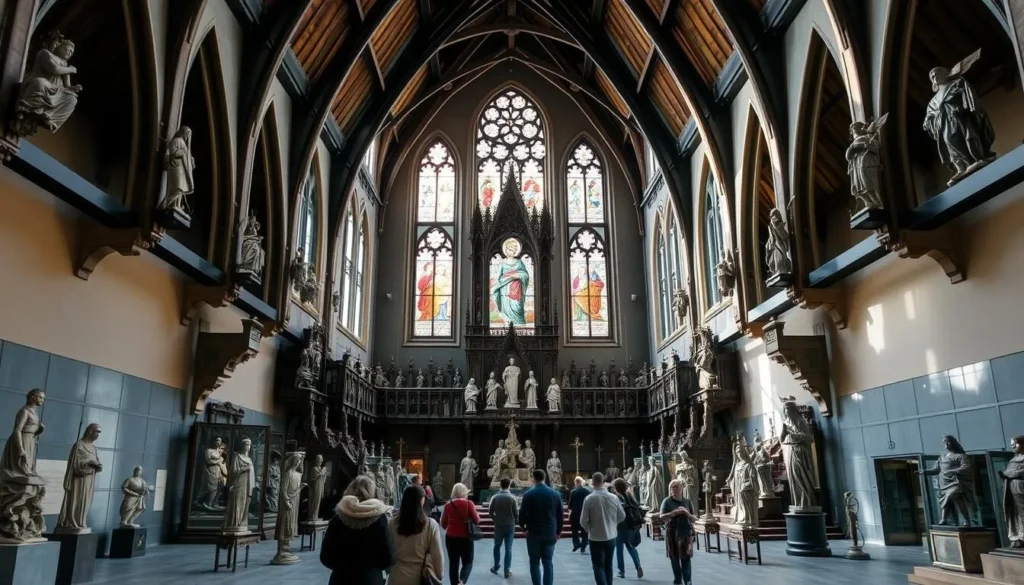
Augustinermuseum
Housed in a former monastery, this museum showcases an outstanding collection of medieval and baroque art from the Upper Rhine region. The dramatic display of original sculptures and stained glass from the Münster Cathedral is particularly impressive.
University Library
A striking contrast to the city’s medieval architecture, the ultra-modern University Library features a distinctive mirrored exterior. While controversial among locals for its bold design, it’s worth visiting for the architectural interest and the views from its upper floors.
Merchants’ Hall (Historisches Kaufhaus)
This distinctive red building on Münsterplatz dates from 1532 and features an ornate façade with Habsburg statues. While the interior is only open for special events, the exterior is a must-see example of Renaissance architecture.
Festivals
- Freiburg Wine Festival (July): Celebrate local wines from the Baden region with tastings and music in the city center.
- Zelt-Musik-Festival (July): A three-week music festival featuring diverse genres from classical to jazz and rock.
- Freiburg Christmas Market (Late November-December): One of Germany’s most charming Christmas markets, with over 100 stalls surrounding the Münster.
University Culture
Founded in 1457, the University of Freiburg is one of Germany’s oldest and most prestigious. The student population gives the city a youthful, progressive atmosphere with plenty of cultural events, concerts, and theater performances throughout the year.
Sports, Nature & Outdoor Experiences
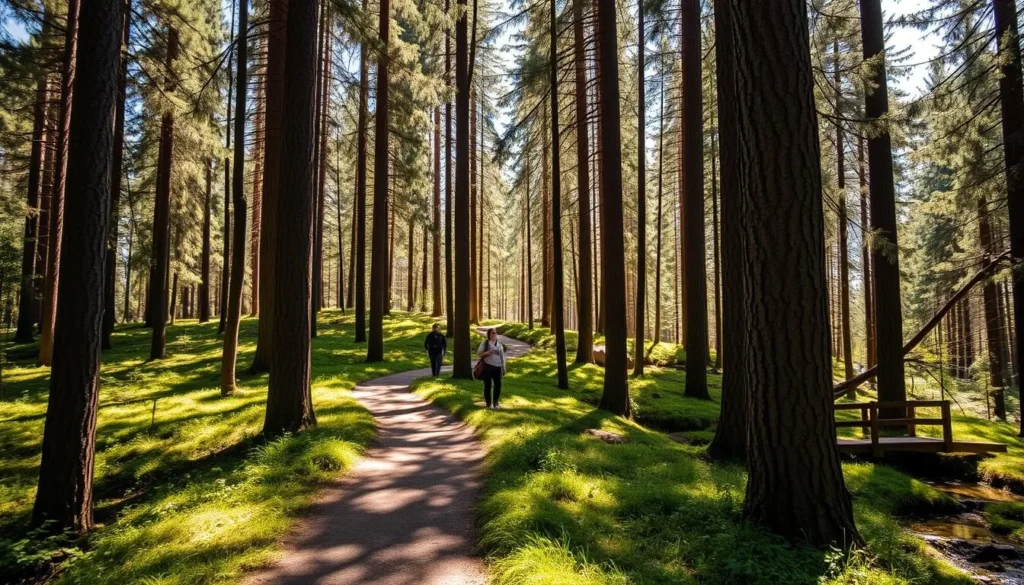
Black Forest Hiking
Freiburg serves as an ideal gateway to the Black Forest (Schwarzwald), with numerous hiking trails accessible directly from the city. The Schlossberg trails offer easy options for beginners, while more experienced hikers can take public transportation to trailheads deeper in the forest.
Schauinsland Mountain
Just 10 km (6 miles) from the city center, this 1,284-meter (4,213 ft) mountain is accessible via Germany’s longest cable car, the Schauinslandbahn. At the top, enjoy hiking trails, a restaurant with panoramic views, and on clear days, vistas extending to the Alps.
Seepark
This large park west of the city center features a 12-hectare (30-acre) lake with paddleboat rentals, walking paths, and a Japanese garden. It’s perfect for picnics, jogging, or simply relaxing away from the bustle of the city.
Dreisam River
The river flowing through Freiburg offers pleasant walking and cycling paths along its banks. In summer, locals cool off by wading in the shallow waters or relaxing on the grassy shores. Look for the famous “Dreisam Swing” under one of the pedestrian bridges.
Cycling
Freiburg’s extensive network of bike paths makes cycling a popular activity. Rent a bike and explore the vineyards surrounding the city or take on more challenging routes into the Black Forest.
Day Trips from Freiburg

Freiburg’s location near the borders of France and Switzerland makes it perfect for exploring three countries in one trip:
Titisee Lake
Just 30 minutes by train on the scenic Höllentalbahn railway, this beautiful Black Forest lake offers swimming, boating, and hiking opportunities. The charming town is also known for its cuckoo clock shops and cafés serving Black Forest cake.
Triberg
Home to Germany’s highest waterfall and the world’s largest cuckoo clock, Triberg is about 1.5 hours from Freiburg by car or train. It embodies all the Black Forest stereotypes in the best possible way.
Colmar, France
Just 45 minutes by train across the French border, Colmar looks like it stepped out of a fairytale with its colorful half-timbered houses and canal-lined streets. It’s often called “Little Venice” for its picturesque waterways.
Strasbourg, France
The capital of Alsace is only an hour away by train. Visit its stunning Gothic cathedral, wander the charming Petite France district, and enjoy Alsatian cuisine that blends French and German influences.
Basel, Switzerland
Less than an hour by train, Basel offers world-class art museums, beautiful Rhine River views, and a taste of Swiss culture. The city’s location at the meeting point of Switzerland, France, and Germany gives it a unique international character.
Safety, Etiquette & Local Customs
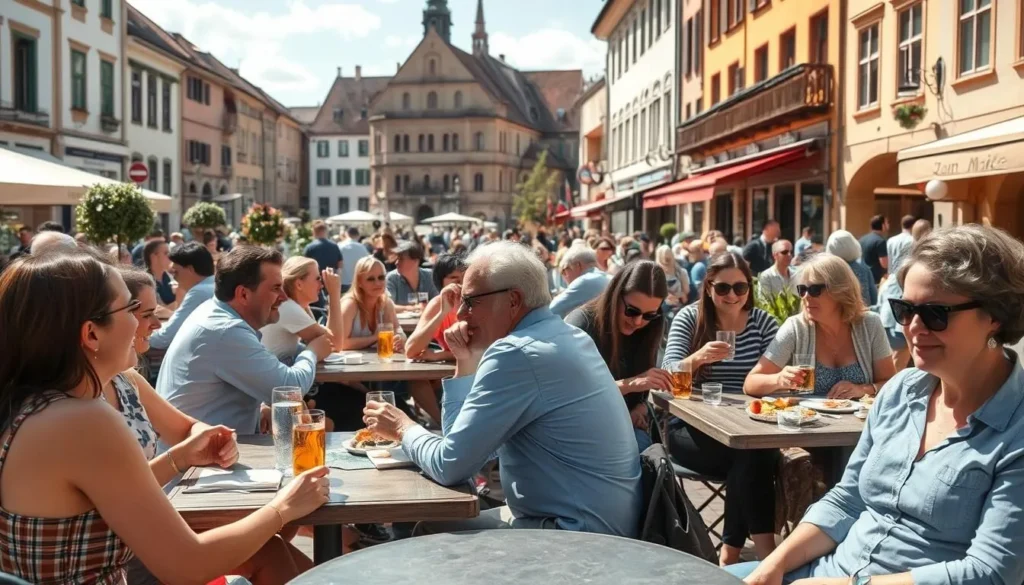
Freiburg is generally very safe for visitors, with low crime rates and friendly locals. However, it’s always good to be aware of local customs and expectations:
Safety
- Freiburg is one of Germany’s safest cities, though standard precautions against pickpocketing are advised in crowded tourist areas.
- The city’s excellent public transportation is safe to use at all hours.
- If hiking in the Black Forest, inform someone of your route and expected return time, especially if venturing on less-traveled paths.
Etiquette & Customs
- Greetings: A simple “Guten Tag” (Good day) is appreciated when entering small shops. In the Black Forest region, you might hear “Grüß Gott” as a traditional greeting.
- Environmental Consciousness: Freiburg takes pride in being Germany’s environmental capital. Respect recycling systems, use public transportation, and avoid unnecessary waste.
- Punctuality: Germans value punctuality, so arrive on time for tours, restaurant reservations, and appointments.
- Tipping: Service is usually included in restaurant bills, but rounding up or adding 5-10% for good service is customary. Simply tell the server the total amount you wish to pay including the tip.
- Sunday Closures: Most shops are closed on Sundays, with the exception of restaurants and some bakeries. Plan your shopping accordingly.
Language
While German is the official language, many Freiburgers speak excellent English, especially in tourist areas and among younger people. Learning a few basic German phrases is appreciated but not essential for getting around.
Visitor Comments About Freiburg
“Freiburg was the unexpected highlight of our German trip! The little water channels running through the streets charmed our children, and the easy access to Black Forest hiking trails made it perfect for our active family. Don’t miss taking the funicular up Schlossberg for sunset views—absolutely magical!”
“As a solo traveler, I found Freiburg incredibly welcoming and safe. The university atmosphere gives the medieval city a youthful energy. I spent hours just wandering the cobblestone streets, stopping at cafés, and watching locals dangle their feet in the Bächle water channels. The daily market by the cathedral is a must for sampling local foods.”
“We used Freiburg as a base for exploring the tri-country region and couldn’t have chosen better. Within an hour, we could be in France, Switzerland, or deeper in the Black Forest. The city itself is compact enough to explore on foot but has enough attractions to fill several days. The environmental consciousness of the city was impressive—solar panels everywhere and fantastic public transport!”
Practical Travel Tips
Money Matters
- Germany uses the Euro (€). Credit cards are widely accepted in hotels and larger restaurants, but many smaller establishments and market vendors prefer cash.
- ATMs (Geldautomat) are readily available throughout the city center.
- Freiburg tends to be less expensive than major German cities like Munich or Frankfurt.
Connectivity
- Free WiFi is available in many cafés, restaurants, and public spaces around the university.
- The main train station and tourist information center offer free WiFi.
- Germany uses type F electrical outlets (230V). Travelers from the US will need an adapter.
Freiburg Welcome Card
Available for 24, 48, or 72 hours (€15-25), this card includes unlimited public transportation and discounts to many attractions. It’s particularly valuable if you plan to use public transport frequently and visit multiple sites.
Sustainable Tourism
As Germany’s “Green City,” Freiburg appreciates visitors who respect its environmental ethos:
- Use public transportation or rent a bicycle instead of driving.
- Bring a reusable water bottle – tap water is excellent and drinking fountains are available.
- Shop at local markets rather than chain stores to support the regional economy.
- Consider carbon-offset options if flying to the region.
Useful Apps
- VAG Fahrplan: For local public transportation schedules and routes.
- DB Navigator: For German rail travel planning.
- Komoot or AllTrails: For hiking trail information in the Black Forest.
Your Black Forest Adventure Awaits
Freiburg offers a perfect blend of medieval charm, natural beauty, and progressive thinking that makes it uniquely captivating. Whether you’re wandering the cobblestone streets of the Old Town, hiking through the mystical Black Forest, or simply relaxing with a local beer as the cathedral bells chime, this sunny corner of Germany delivers experiences that linger in memory long after you’ve returned home. With its ideal location for exploring three countries and its own abundant attractions, Freiburg deserves a prominent place on any European itinerary. Pack your walking shoes, bring your sense of adventure, and prepare to fall under the spell of Germany’s sunniest city.
The above is subject to change.
Check back often to TRAVEL.COM for the latest travel tips and deals.
0 Comments