
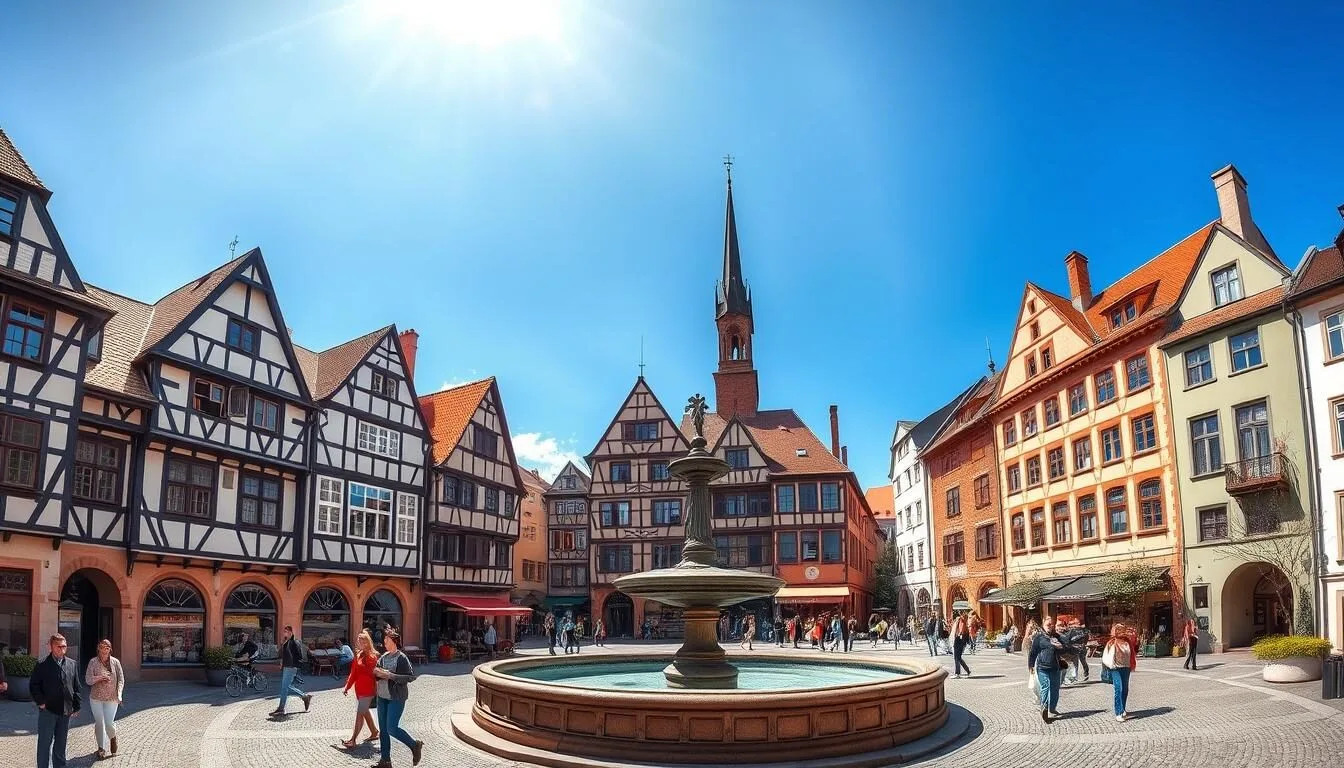
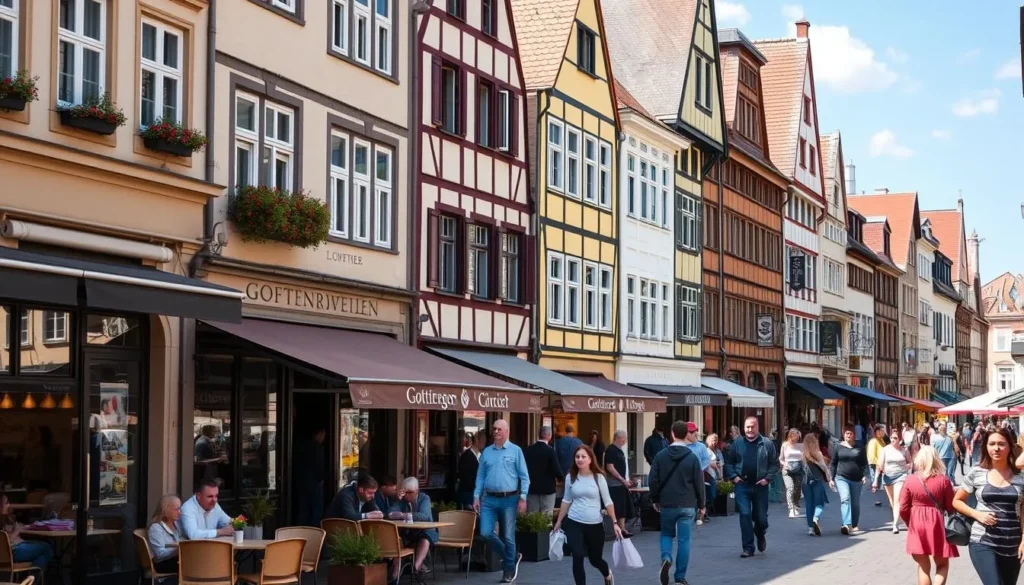
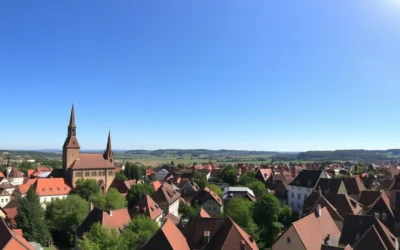
Did you know that Göttingen University has produced more than 45 Nobel Prize winners? This charming university town in Lower Saxony might not be on most travelers’ radar, but it’s a hidden gem where academic excellence meets medieval charm. With one in five residents being students, Göttingen pulses with youthful energy while preserving centuries of fascinating history in its cobblestone streets and half-timbered buildings.
Getting There & Planning Your Journey
Göttingen is conveniently located in central Germany, making it easily accessible by various transportation methods. The closest major airports are Hannover Airport (110 km/68 miles) and Frankfurt Airport (280 km/174 miles), both offering excellent train connections to Göttingen.
The city is a major stop on Germany’s efficient ICE high-speed rail network, with direct connections to Berlin (2 hours), Hamburg (2 hours), and Munich (4 hours). If you’re driving, Göttingen sits just off the A7 autobahn, one of Germany’s main north-south routes.
Best Time to Visit & Weather Tips
Göttingen enjoys a moderate climate with distinct seasons. For the most pleasant experience, plan your visit during these optimal periods:
Recommended Seasons
- Late Spring (May-June): Temperatures range from 15-22°C (59-72°F) with blooming gardens and lively university atmosphere before summer break.
- Early Autumn (September-October): Enjoy comfortable temperatures of 12-20°C (54-68°F) with beautiful fall colors and the energy of returning students.
Seasons to Avoid
- Winter (December-February): Temperatures drop to 0-5°C (32-41°F) with occasional snow and limited daylight hours.
- University Exam Periods: February and July can be quieter as students focus on exams rather than social activities.
Getting Around Locally
Göttingen’s compact size makes it ideal for exploration on foot or by bicycle. The historic center is largely pedestrianized, allowing for leisurely strolls between major attractions without traffic concerns.
Walking
Most attractions in the old town are within a 15-minute walk of each other. The city’s medieval layout with its narrow streets and hidden courtyards is best discovered on foot.
Cycling
Göttingen is extremely bicycle-friendly with dedicated lanes throughout the city. Bike rentals are available from several shops near the train station for approximately €10-15 (about $11-16) per day.
For longer distances, the city offers an efficient bus network operated by GöVB. Single tickets cost €2.40 (about $2.60), while day passes are available for €5.50 (about $6). Buses run frequently during weekdays but have reduced schedules on weekends.
Taxis are readily available but relatively expensive. Most drivers accept credit cards, but it’s always good to have some cash on hand. A typical ride within the city costs between €8-15 (about $9-16).
Where to Stay
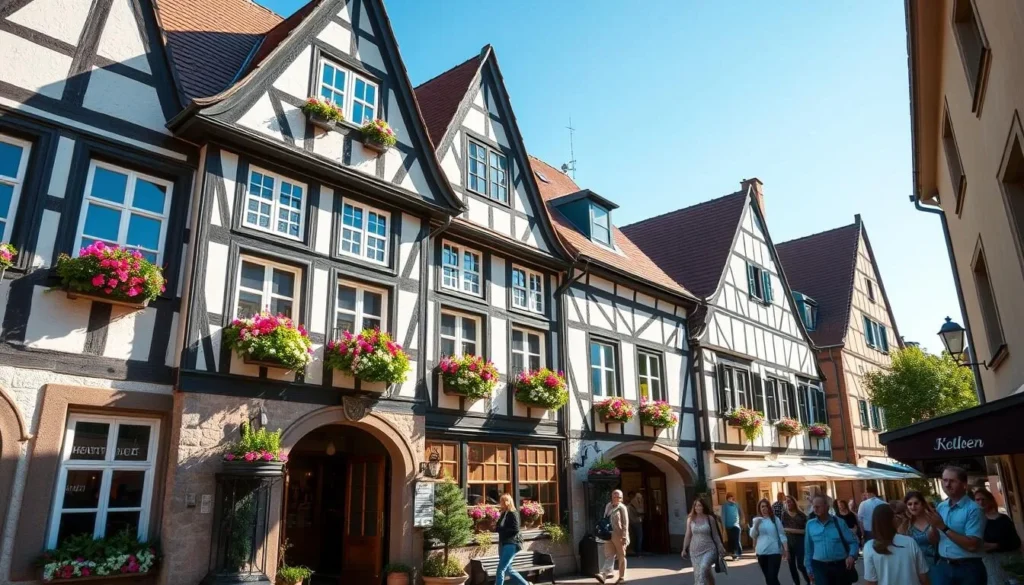
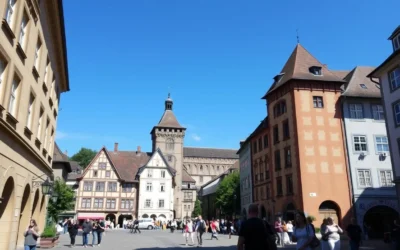
Göttingen offers accommodations for every budget, from charming boutique hotels to affordable student hostels. The most convenient area to stay is within or near the old town (Altstadt), which puts you within walking distance of most attractions.
Luxury
Hotel Freizeit In and Eden Hotel offer upscale accommodations with modern amenities, on-site restaurants, and wellness facilities. Expect to pay €120-180 (about $130-195) per night.
Mid-Range
Hotel Central and Best Western Hotel Am Papenberg provide comfortable rooms in convenient locations for €70-110 (about $75-120) per night, often including breakfast.
Budget
GDA Hotel Göttingen and various guesthouses offer clean, simple accommodations from €45-65 (about $50-70) per night. The DJH Youth Hostel is perfect for travelers on a tight budget.
Dining & Local Cuisine
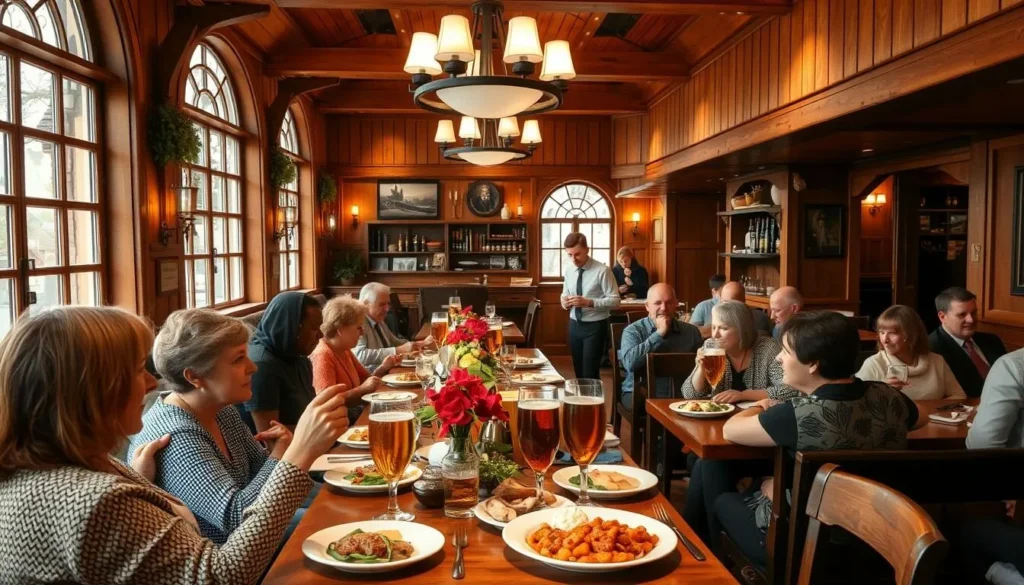
Göttingen’s food scene is diverse and affordable, catering to the large student population while also offering sophisticated dining options. The city blends traditional German cuisine with international influences.
Local Specialties to Try
- Göttinger Stracke: A local hard sausage specialty with a distinctive flavor
- Harzer Käse: A pungent regional cheese often served with bread and onions
- Grünkohl mit Pinkel: Kale stew with smoked sausage, a Lower Saxony specialty
- Nudelhaus Pasta: While not traditional, this student favorite offers affordable, delicious pasta dishes
Best Dining Areas
The streets around the Market Square (Marktplatz) and Weender Straße offer the highest concentration of restaurants, cafés, and bars. For a more local experience, explore the smaller establishments in the Südstadt area.
Budget Tips
University cafeterias (Mensa) are open to the public and offer complete meals for €4-7 (about $4.50-7.50). The weekly market at Marktplatz (Tuesdays and Thursdays) is perfect for fresh, affordable picnic supplies.
Attractions, Sightseeing & Activities
Göttingen’s compact size belies its wealth of attractions, from medieval landmarks to scientific wonders. Here are the must-see sights that should be on every visitor’s itinerary:
Top Attractions
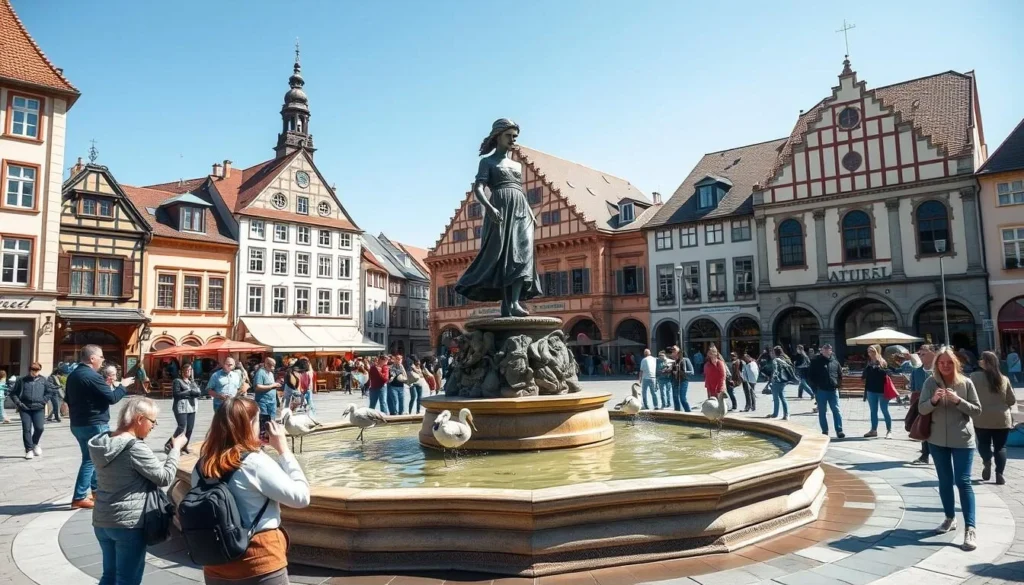
1. Gänseliesel Fountain
Known as “the most kissed girl in the world,” this Art Nouveau fountain depicts a goose girl and has become the symbol of Göttingen. University tradition dictates that doctoral graduates kiss the statue after receiving their degrees, making it a unique cultural landmark.
2. Old Town Hall (Altes Rathaus)
This magnificent medieval building dates back to 1270 and features stunning interior frescoes painted in the 1880s. The main hall, with its impressive wooden beams from the early 1400s, hosts weddings and special events.
3. St. Jacobi Church
This Gothic hall church, completed in 1433, features a remarkable 72-meter tower and a stunning winged altarpiece from 1402. Don’t miss the unusual geometric red patterns on the church’s pillars, rediscovered during restoration.
4. Old Botanical Garden
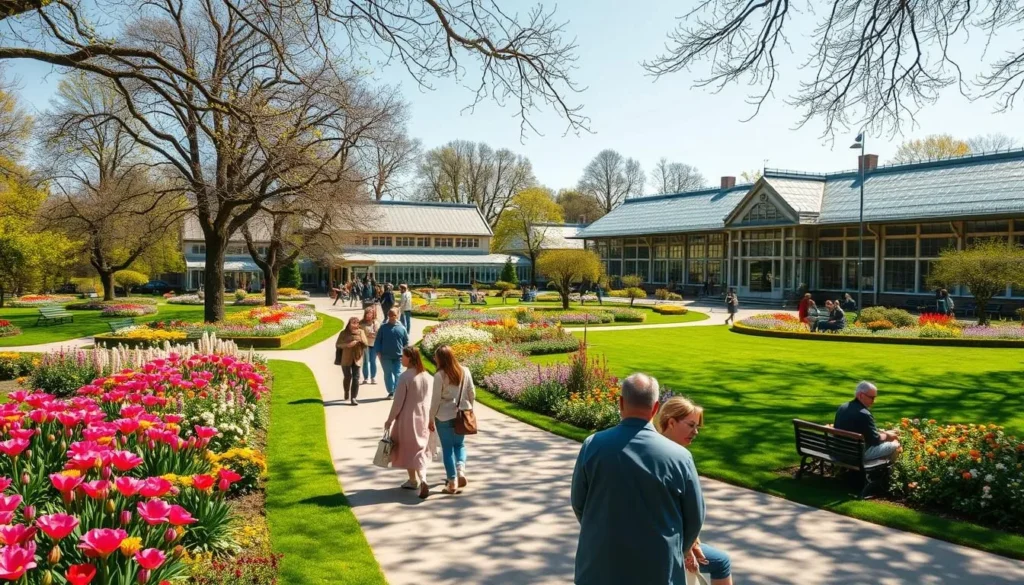
Founded in 1736 by the renowned anatomist Albrecht von Haller, this 4.5-hectare (11-acre) garden houses over 14,000 plant species across eight greenhouses. The garden spans both sides of the city’s former defensive wall, connected by tunnels.
Museums, Cultural Spots & Festivals
Göttingen’s rich academic tradition has fostered a vibrant cultural scene with world-class museums, collections, and regular festivals that celebrate both local traditions and international influences.
Must-Visit Museums
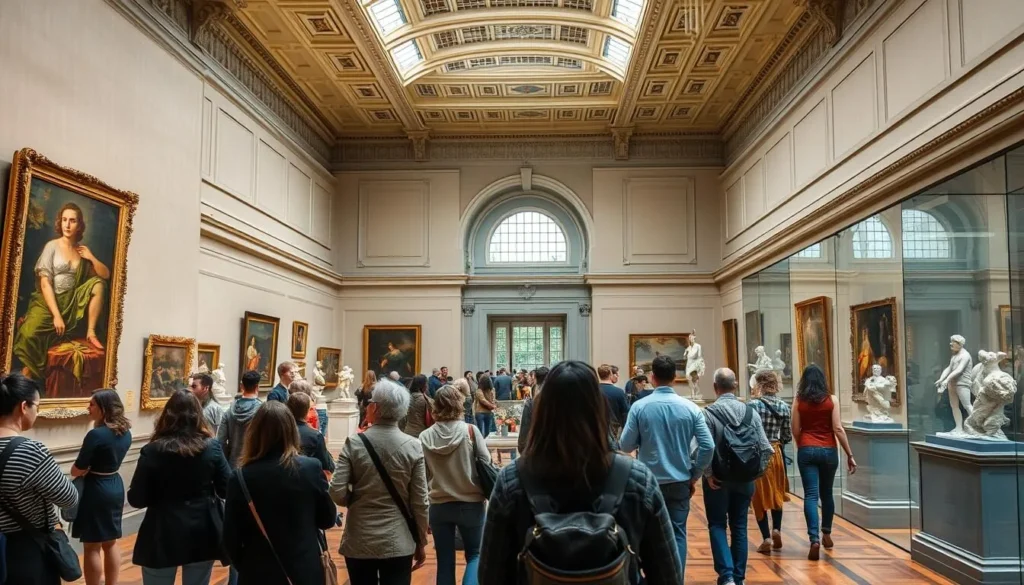
- University Art Collection (Kunstsammlung): Housing works by Rembrandt, Dürer, Botticelli, and Goya among its 300 paintings and 15,000 prints
- Ethnological Collection: Featuring remarkable artifacts from 18th-century expeditions, including the Cook-Forster collection from the South Seas
- Städtisches Museum: Located in a Renaissance palace, showcasing the city’s history through artifacts and temporary exhibitions
- Geophysics Institute (Wiechert’sche Erdbebenwarte): The birthplace of modern seismology with instruments that have been recording data for over a century
Annual Festivals
| Festival | When | Description |
| Göttingen International Handel Festival | May/June | One of the world’s most important festivals dedicated to the composer George Frideric Handel |
| Göttinger Literaturherbst | October | Major literary festival featuring readings and discussions with international authors |
| Göttingen Jazz Festival | November | Showcasing both established jazz musicians and emerging talents |
| Christmas Market | Late November to December | Traditional German Christmas market with crafts, food, and mulled wine |
Sports, Nature & Outdoor Experiences
Despite being a university town, Göttingen offers plenty of opportunities to connect with nature and enjoy outdoor activities. The surrounding countryside provides beautiful landscapes for hiking, cycling, and relaxation.
Natural Attractions
- Kiessee Lake: A peaceful lake perfect for walking, jogging, or picnicking, located just outside the city center
- Schillerwiesen Park: A favorite local green space ideal for relaxation and outdoor gatherings
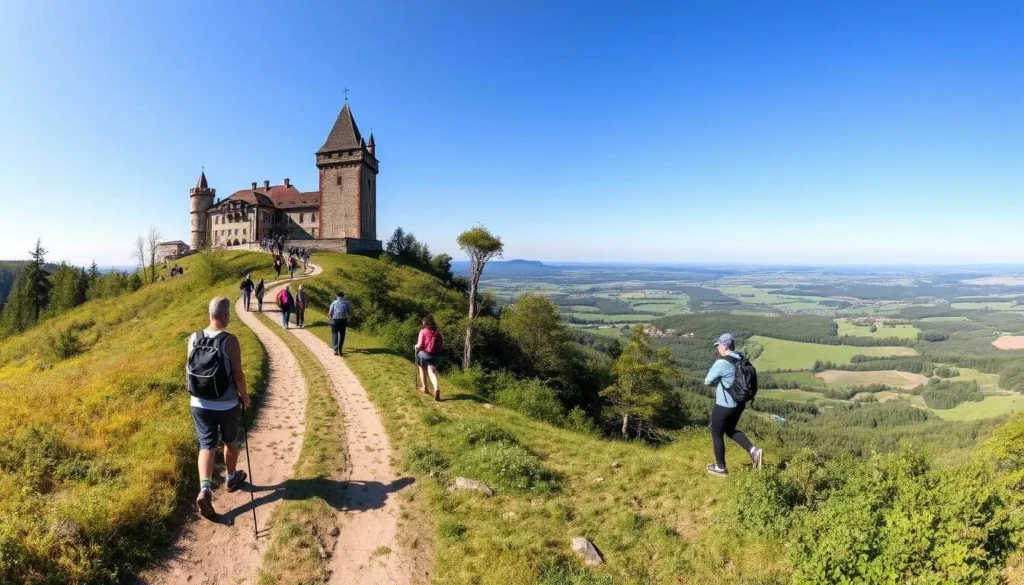
- Göttinger Wald: Forest area with numerous hiking trails and the Bismarckturm tower offering panoramic views
Outdoor Activities
Hiking
The area around Burg Plesse castle offers excellent hiking trails with varying difficulty levels. The castle itself sits at 365 meters (1,198 feet) above sea level and provides stunning views of the surrounding countryside.
Cycling
Rent a bicycle and explore the Leine Valley cycling route, which follows the river through picturesque villages and natural landscapes. The terrain is mostly flat, making it suitable for casual cyclists.
Local Tip: The medieval city wall has been converted into a circular walking path that allows you to explore the city’s perimeter while staying in green, wooded areas—a perfect blend of nature and history!
Safety, Etiquette & Local Customs
Göttingen is generally a very safe city with low crime rates. As a university town with an international population, it’s welcoming to visitors from all backgrounds. However, understanding a few local customs will enhance your experience.
Safety Tips
- Göttingen has excellent public safety, but standard precautions against pickpocketing in crowded areas are always wise
- The city center is well-lit and safe for evening walks
- Emergency services are highly efficient, with the European emergency number 112 connecting to police, fire, and ambulance services
Local Etiquette
Do’s
- Greet people with a handshake and maintain eye contact
- Be punctual for appointments and reservations
- Separate your trash according to the recycling system (a point of pride in Germany)
Don’ts
- Don’t walk in bicycle lanes (they’re taken seriously)
- Avoid loud conversations in public transportation
- Don’t photograph people without permission
Academic Traditions
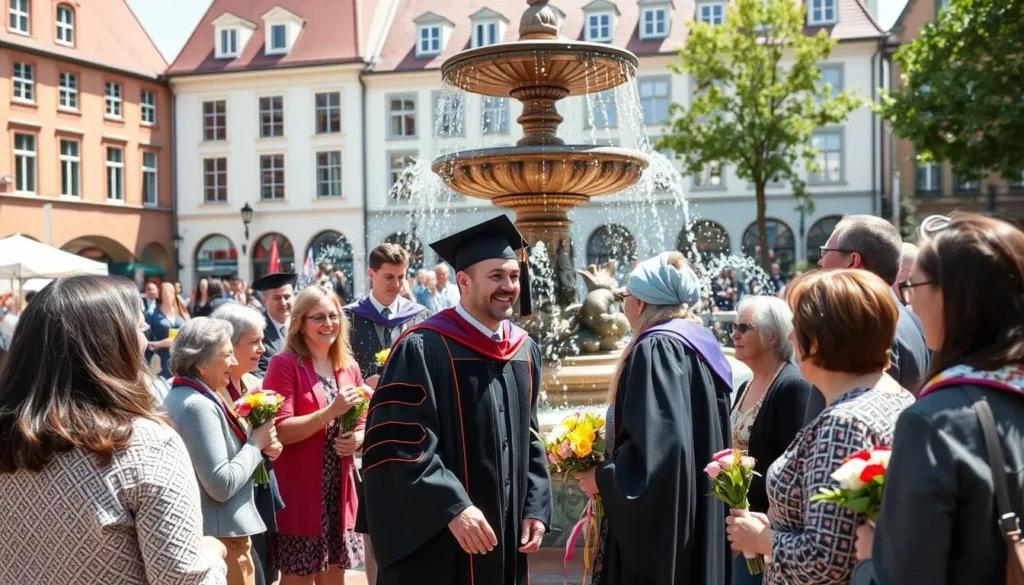
If you witness a gathering around the Gänseliesel fountain with someone climbing up to kiss the statue, you’re seeing a doctoral graduation celebration! This tradition dates back to the early 20th century and is a cherished part of university life.
Visitor Comments About Göttingen
“I was amazed by how much character this small university town has! The half-timbered houses and academic atmosphere create a unique charm. Don’t miss the Old Botanical Garden—it’s a peaceful retreat with incredible plant collections. The student-friendly prices were a welcome bonus!”
“Göttingen surprised me with its perfect blend of history and youthful energy. As a history buff, I loved exploring the medieval churches and the university’s scientific collections. The Gänseliesel fountain tradition is charming, and I was lucky enough to witness a doctoral celebration during my visit!”
“This hidden gem deserves more attention! I spent three days exploring Göttingen and could have stayed longer. The hiking trails around Burg Plesse offered stunning views, and the local cuisine was delicious and affordable. The locals were incredibly welcoming despite my limited German.”
Practical Travel Tips
Money Matters
- The currency is the Euro (€)
- ATMs are widely available throughout the city
- Credit cards are accepted at most establishments, but some smaller shops and cafés may be cash-only
- Tipping is customary but modest—rounding up or adding 5-10% is sufficient
Connectivity
- Free WiFi is available in many cafés and public spaces
- The main train station and university areas offer public WiFi
- Germany uses type F electrical outlets (230V/50Hz)
- Local SIM cards are available at the train station and electronics stores
Language
- German is the official language
- English is widely spoken, especially among students and in tourist areas
- Learning a few basic German phrases is appreciated
- Most signs and menus have English translations
Your Göttingen Journey Awaits
Göttingen may not be Germany’s most famous destination, but this charming university town offers a perfect blend of intellectual history, medieval architecture, and youthful energy that makes for an unforgettable visit. From kissing the world’s most famous goose girl to exploring centuries-old botanical gardens, Göttingen rewards curious travelers with authentic experiences away from the tourist crowds.
Whether you’re drawn to the academic heritage, the picturesque old town, or simply the relaxed atmosphere of this Lower Saxony gem, Göttingen promises a journey that engages both mind and senses. Pack your curiosity alongside your camera, and prepare to discover one of Germany’s most delightful university towns.
The above is subject to change.
Check back often to TRAVEL.COM for the latest travel tips and deals.
0 Comments