
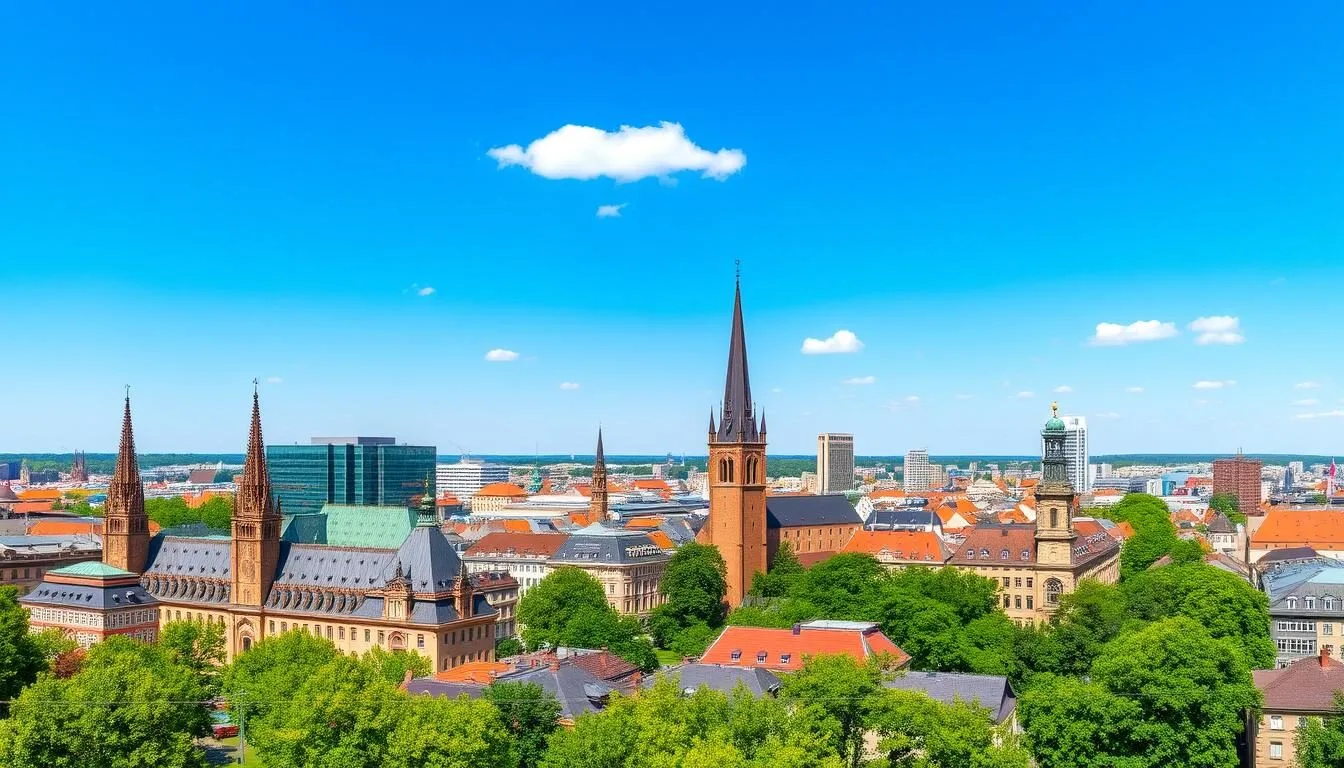
Did you know that Leipzig has more bridges than Venice? With over 457 bridges spanning its extensive network of canals and waterways, Leipzig has earned the nickname “Little Venice of Germany.” This vibrant city in eastern Germany is a hidden gem that seamlessly blends rich musical heritage, fascinating history, and cutting-edge culture. Once at the forefront of the peaceful revolution that led to the fall of the Berlin Wall, today Leipzig stands as Germany’s fastest-growing city, attracting artists, musicians, and travelers seeking authentic German experiences beyond the typical tourist destinations.
Getting There & Planning Your Journey
Leipzig is conveniently located in eastern Germany, making it easily accessible by various transportation methods. The closest airport is Leipzig/Halle Airport (LEJ), located just 18 km (11 miles) northwest of the city center. This international airport offers connections to major European cities, with direct flights from Frankfurt, Munich, Vienna, and Istanbul among others.
For travelers already in Germany, Deutsche Bahn trains provide excellent connections to Leipzig. The journey takes approximately 1 hour 15 minutes from Berlin, 3 hours 15 minutes from Munich, and just 1 hour from Dresden. Leipzig Hauptbahnhof (main train station) is not only a transportation hub but an attraction itself—it’s one of Europe’s largest terminal railway stations with an integrated shopping mall.
If you’re planning a road trip, Leipzig is well-connected via Germany’s excellent autobahn network. The city sits at the intersection of the A9 (Berlin-Munich) and A14 (Dresden-Magdeburg) highways, making it easily reachable by car from all directions.
Best Time to Visit & Weather Tips
Recommended Months to Visit Leipzig
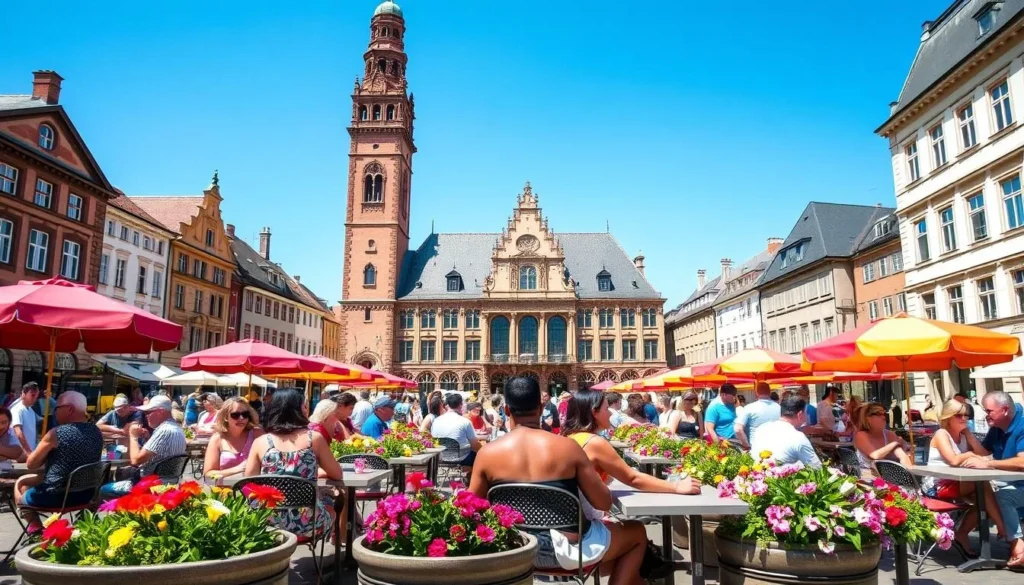
The ideal time to visit Leipzig is from May to September when temperatures are pleasant and outdoor activities are in full swing. During these months, temperatures typically range from 18°C to 25°C (64°F to 77°F), perfect for exploring the city on foot or enjoying the many outdoor cafes.
- May-June: Spring blooms make the city’s parks especially beautiful, and the weather is mild with temperatures around 18-22°C (64-72°F).
- July-August: Peak summer months bring the warmest weather (20-25°C/68-77°F) and numerous festivals, though this is also high tourist season.
- September: Early autumn offers comfortable temperatures around 15-20°C (59-68°F) with fewer crowds and beautiful fall colors beginning to appear.
Months to Avoid
November through February can be challenging for visitors. Winter in Leipzig is cold, with temperatures often hovering between -1°C and 4°C (30°F to 39°F). December through February also brings the shortest daylight hours, with darkness falling by 4:30 pm. However, if you enjoy Christmas markets, December offers a magical atmosphere despite the cold.
Leipzig experiences rainfall throughout the year, but it’s generally heaviest in June and July. Even during summer months, it’s wise to pack a light raincoat or umbrella for unexpected showers.
Getting Around Locally
Leipzig boasts an excellent public transportation system that makes getting around the city effortless. The Leipziger Verkehrsbetriebe (LVB) operates an extensive network of trams and buses that cover the entire city and its surroundings.
The tram network is the backbone of Leipzig’s public transport, with 13 lines crisscrossing the city. Most trams run every 10 minutes during the day and every 15 minutes in the evening. The S-Bahn train network connects the city center with outer districts and nearby towns.
For visitors, the Leipzig Card offers unlimited travel on public transportation plus discounts to many attractions. It’s available for 1-day (€12.90) or 3-day (€24.90) periods and is a great value if you plan to use public transport frequently and visit multiple attractions.
Leipzig is also remarkably bicycle-friendly, with dedicated bike lanes throughout the city. Several bike rental services, including NextBike, offer convenient pickup and drop-off points across Leipzig. The flat terrain makes cycling an enjoyable way to explore the city.
The compact city center is highly walkable, with many major attractions located within a 20-minute walk of each other. Walking is often the best way to discover Leipzig’s charming passages, courtyards, and hidden gems.
Where to Stay
City Center (Zentrum)
Leipzig’s city center offers the most convenient location for first-time visitors. Staying here puts you within walking distance of major attractions like St. Thomas Church, the Old Town Hall, and numerous restaurants and shops. The area features a range of accommodations from luxury hotels like the Steigenberger Grandhotel Handelshof to boutique options such as the Vienna House Easy Leipzig. Prices in the city center typically range from €80-200 per night depending on the season and hotel category.
Südvorstadt
Just south of the city center, Südvorstadt is a trendy district popular with students and young professionals. The main street, Karl-Liebknecht-Straße (locally known as “Karli”), is lined with cafes, bars, and restaurants. This neighborhood offers more affordable accommodation options, including stylish guesthouses and apartments, typically ranging from €50-120 per night. It’s well-connected to the city center by trams and is perfect for travelers seeking a more local experience.
Plagwitz
Once an industrial district, Plagwitz has transformed into Leipzig’s hippest neighborhood. This area is characterized by converted factory buildings, art galleries, and a vibrant cultural scene. Staying in Plagwitz gives you access to unique accommodations in renovated industrial spaces, trendy hostels, and vacation rentals. Prices range from €40-100 per night. While slightly farther from the city center, Plagwitz is well-connected by public transportation and offers a glimpse into Leipzig’s creative renaissance.
For families, apartments or aparthotels in quieter residential areas like Gohlis or Schleußig provide more space and kitchen facilities. Budget travelers will find several well-rated hostels throughout the city, with dorm beds starting around €20 per night.
Dining & Local Cuisine
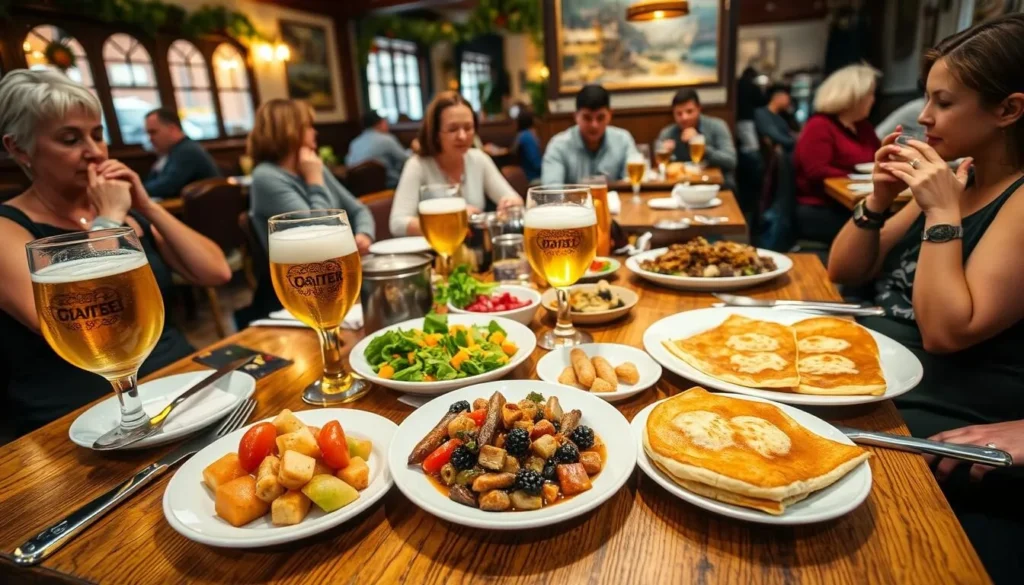
Leipzig’s culinary scene reflects both traditional Saxon influences and contemporary international trends. The city offers everything from historic beer cellars to modern fusion restaurants, with options to suit every budget and taste preference.
Must-Try Local Specialties
- Leipziger Allerlei – A traditional vegetable dish featuring carrots, kohlrabi, asparagus, peas, and morels, often served with crayfish and dumplings.
- Leipziger Lerche – A sweet pastry made with shortcrust, marzipan, and jam. Originally created to replace actual larks (small birds) that were once considered a delicacy until their hunting was banned in 1876.
- Gose Beer – A unique top-fermented beer with a distinctive sour taste and salt content, originally from Goslar but now strongly associated with Leipzig.
Notable Dining Establishments
For an authentic historical experience, visit Auerbachs Keller in the Mädlerpassage. Dating back to the 16th century, this restaurant was immortalized in Goethe’s “Faust” and serves traditional German cuisine in a historic setting. Main dishes range from €15-25.
Bayerischer Bahnhof, housed in Germany’s oldest preserved railway station, offers excellent traditional food and brews its own Gose beer on-site. Their beer garden is particularly pleasant during summer months.
For contemporary dining, head to Plagwitz where former industrial spaces have been transformed into trendy restaurants. Restaurants like Pilot and Beard Brothers & Sisters offer innovative takes on German classics and international cuisine.
Coffee culture is strong in Leipzig, with numerous third-wave coffee shops throughout the city. Kaffeehaus Riquet, with its distinctive Art Nouveau architecture featuring elephant sculptures, offers both history and excellent coffee and cakes.
Attractions, Sightseeing & Activities
Historic Landmarks
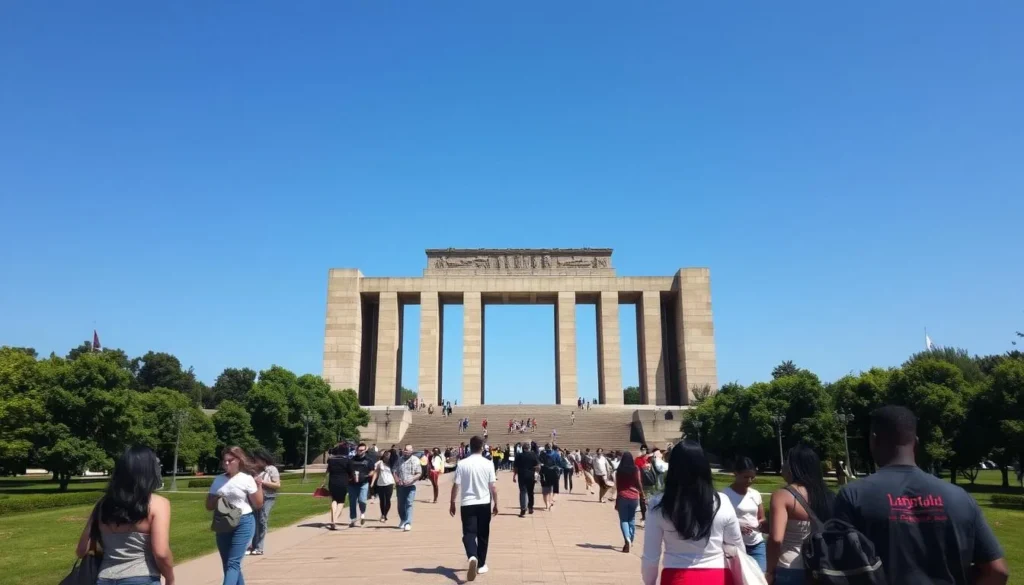
The Old Town Hall (Altes Rathaus) dominates Leipzig’s Market Square with its Renaissance architecture dating back to 1556. Now housing the Museum of City History, it offers insights into Leipzig’s development over the centuries. The New Town Hall (Neues Rathaus), built in 1905, is equally impressive with its 114.7 m (376 ft) tower and ornate façade.
The Monument to the Battle of the Nations (Völkerschlachtdenkmal) commemorates the 1813 defeat of Napoleon’s forces. Standing 91 m (299 ft) tall, it’s one of Europe’s largest monuments and offers panoramic views from its observation platform. The site also includes a museum detailing the historic battle.
Architectural Highlights
Leipzig’s unique covered passages and courtyards (Passagen) are architectural treasures dating back to the city’s trading heyday. The most famous is Mädlerpassage, home to Auerbachs Keller restaurant. Others worth exploring include Specks Hof with its Art Nouveau elements and Barthels Hof, the oldest preserved trade court in Leipzig.
The Leipzig University campus features a fascinating blend of historic and modern architecture. The Paulinum, a contemporary glass structure, stands on the site of the university church that was controversially demolished in 1968 during the GDR era.
Cultural Experiences
The Spinnerei, a former cotton mill complex in Plagwitz, has been transformed into one of Europe’s most exciting art centers. Housing galleries, artist studios, and exhibition spaces, it exemplifies Leipzig’s creative renaissance. Regular open house events allow visitors to explore studios and meet artists.
For a unique perspective of the city, take a boat tour along Leipzig’s extensive network of canals and waterways. The Karl-Heine-Kanal offers particularly scenic routes through the western districts, with tours lasting approximately 70 minutes.
Museums, Cultural Spots & Festivals
Leipzig’s Musical Heritage
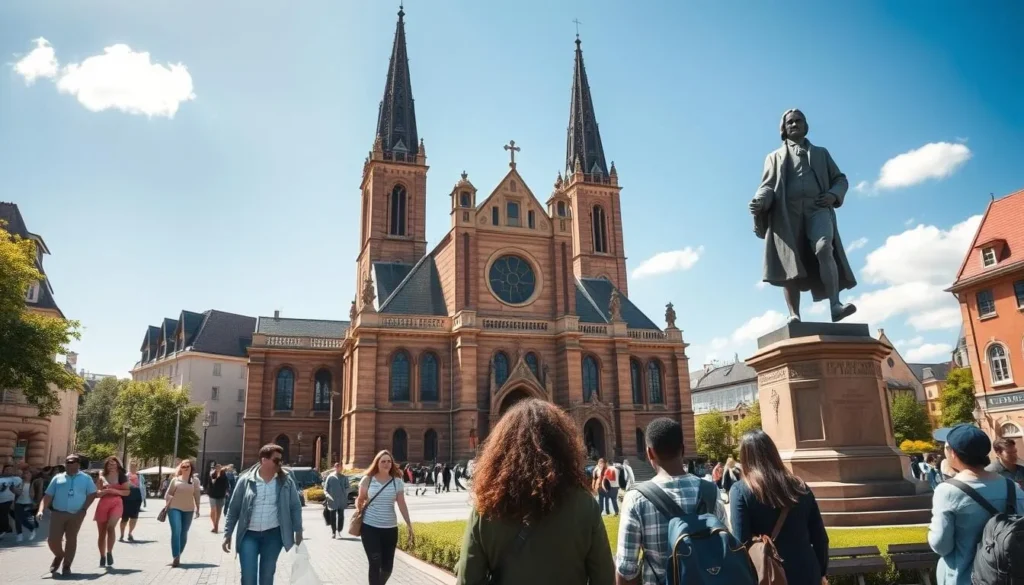
Leipzig’s musical legacy is unparalleled, with connections to composers like Bach, Mendelssohn, Schumann, and Wagner. St. Thomas Church (Thomaskirche) served as Johann Sebastian Bach’s workplace for 27 years and now houses his tomb. The world-famous St. Thomas Boys Choir, founded in 1212, still performs Bach cantatas here on Fridays and Saturdays.
The Bach Museum, located opposite St. Thomas Church, offers interactive exhibits on the composer’s life and work. Visitors can listen to his compositions through modern headphones while viewing original manuscripts and instruments from Bach’s era.
The Mendelssohn House preserves the final residence of Felix Mendelssohn Bartholdy, where he lived until his death in 1847. The beautifully restored apartment includes original furniture and paintings by Mendelssohn himself, who was also a talented artist.
Museums and Galleries
The Museum of Fine Arts (Museum der bildenden Künste) houses an impressive collection spanning from the Middle Ages to contemporary art, with particular strengths in Dutch masters, German Romanticism, and Leipzig’s own New Leipzig School of painting.
For a glimpse into East Germany’s surveillance state, visit the Stasi Museum (Museum in der “Runden Ecke”). Located in the former Stasi headquarters, it preserves the offices and equipment used by the secret police, offering a chilling reminder of life under constant surveillance.
The Grassi Museum complex houses three distinct museums: the Museum of Applied Arts, the Museum of Ethnography, and the Museum of Musical Instruments, which features one of Europe’s largest collections of historical instruments.
Festivals and Events
Leipzig hosts numerous festivals throughout the year. The Bach Festival in June celebrates the composer with performances in historic venues throughout the city. The Wave-Gotik-Treffen, held during Pentecost weekend, is the world’s largest gothic festival, attracting over 20,000 visitors dressed in elaborate gothic, steampunk, and Victorian attire.
The Leipzig Book Fair in March is Germany’s second-largest literary event after Frankfurt, reflecting the city’s historic importance in publishing. For film enthusiasts, DOK Leipzig in October is one of the world’s oldest documentary film festivals.
Sports, Nature & Outdoor Experiences
Leipzig’s Lakes and Parks
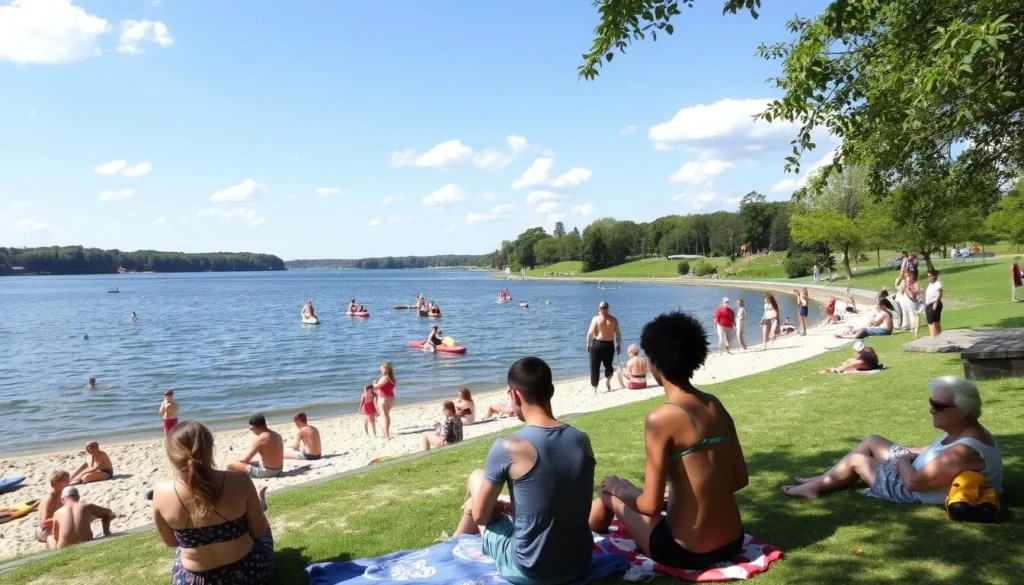
The Leipzig New Lakeland (Neuseenland) is a remarkable example of environmental reclamation. Former open-cast lignite mines have been transformed into a beautiful lake district covering 300 square kilometers. The most popular is Cospudener See (nicknamed “Cossi”), a 436-hectare (1,077-acre) lake just 8 km south of the city center. It offers sandy beaches, swimming areas, and water sports facilities.
Kulkwitzer See, another reclaimed mining lake covering 150 hectares (370 acres), is popular for its exceptionally clear water and diving facilities. Both lakes are easily accessible by public transportation and bicycle paths.
Within the city, Clara-Zetkin-Park provides 125 hectares (309 acres) of green space perfect for picnics, jogging, or relaxing. The park includes a small lake where visitors can rent paddleboats during summer months.
Outdoor Activities
Leipzig’s extensive canal network offers unique kayaking and canoeing opportunities. The Karl-Heine-Kanal is particularly scenic, winding through the western districts of the city. Several rental companies offer kayaks and canoes by the hour or day.
Cycling is extremely popular in Leipzig, thanks to its flat terrain and well-developed network of bike paths. The 65 km (40 mile) Leipzig Green Ring connects parks, forests, and lakes in a circular route around the city. Bike rentals are available throughout Leipzig, with NextBike offering convenient pickup and drop-off points.
For a unique perspective, take a hot air balloon ride over the city and surrounding lakes. Several companies offer flights lasting approximately one hour, providing spectacular views of Leipzig’s blend of historic architecture and reclaimed natural landscapes.
Sports Venues
Football fans should visit the Red Bull Arena, home to RB Leipzig, one of Germany’s top Bundesliga teams. Stadium tours are available on non-match days, and attending a game offers an authentic glimpse into German football culture.
The Arena Leipzig hosts handball matches featuring SC DHfK Leipzig as well as concerts and other sporting events. The QUARTERBACK Immobilien ARENA is another major venue for sports and entertainment in the city.
Safety, Etiquette & Local Customs
Leipzig is generally a very safe city for travelers, with low crime rates compared to many European destinations. As in any urban area, basic precautions like watching your belongings in crowded areas and being aware of your surroundings are advisable, particularly around the main train station at night.
Local Etiquette
- Punctuality – Germans value punctuality highly. Arrive on time for tours, restaurant reservations, and appointments.
- Greetings – A firm handshake is the standard greeting. “Guten Tag” (Good day) is appropriate in most situations.
- Dining Customs – Wait to be seated at restaurants rather than seating yourself. It’s customary to say “Guten Appetit” before beginning a meal. Tipping is expected (usually 5-10%) even though service charges are included in the bill.
- Public Transportation – Always validate your ticket before boarding trams or trains. Traveling without a valid ticket can result in substantial fines.
Cultural Insights
Leipzig has a proud tradition of peaceful protest dating back to the Monday Demonstrations that began at St. Nicholas Church in 1989 and contributed to the fall of the Berlin Wall. This history of civic engagement remains an important part of the city’s identity.
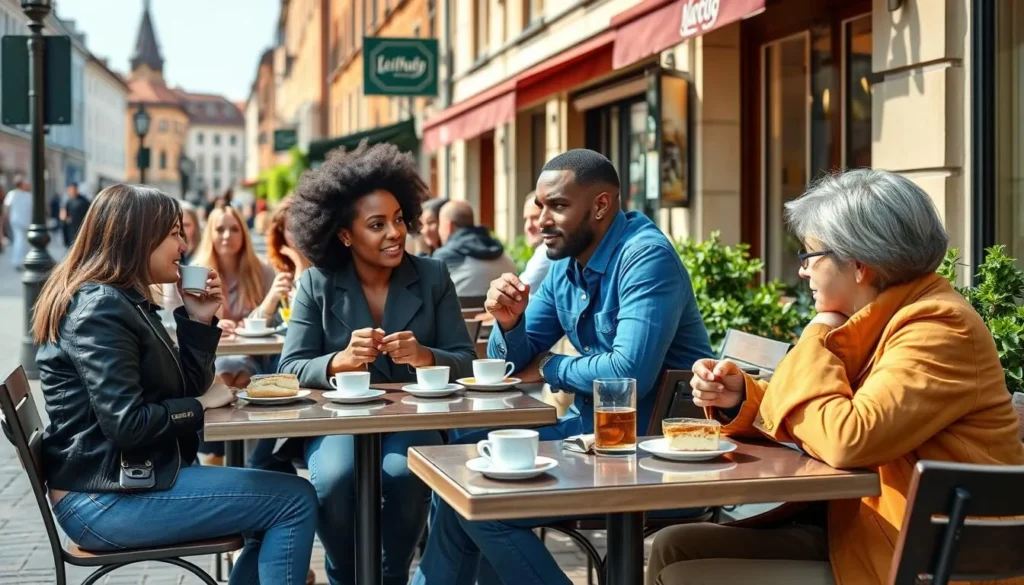
The “Kaffeekultur” (coffee culture) is strong in Leipzig, with the tradition of afternoon coffee and cake (“Kaffee und Kuchen”) still widely observed. Many locals take time around 4 pm for this social ritual.
Leipzig embraces its nickname “Hypezig,” reflecting its status as Germany’s fastest-growing city and creative hub. The city has a notably young population due to its university and affordable living costs compared to Berlin or Munich.
Environmental consciousness is high in Leipzig. Recycling is taken seriously, and the city’s transformation of former mining areas into lakes demonstrates a commitment to environmental reclamation. Visitors are expected to respect these values by properly sorting waste and using public transportation when possible.
Visitor Comments About Leipzig
“Leipzig surprised me with its perfect blend of history and modern energy. The musical heritage is everywhere, but it doesn’t feel stuck in the past. I spent hours exploring the passages and courtyards, each with its own character. Don’t miss taking a kayak through the canals—it gives you a completely different perspective of the city!”
“As someone from a former Eastern Bloc country, I found Leipzig’s transformation fascinating. The peaceful revolution that started here changed Europe forever. Beyond the history, the food scene is incredible—traditional Saxon dishes with modern twists. The lakes around the city were my highlight; hard to believe they were coal mines just decades ago.”
“We traveled with our teenagers and were worried they’d be bored with ‘another European city,’ but Leipzig won them over completely. The Spinnerei art complex was their favorite—so many cool galleries and artist studios in this massive old factory. The city has this youthful energy that’s contagious. Three days wasn’t nearly enough!”
Practical Travel Tips
Money Matters
Germany uses the Euro (€). Credit cards are widely accepted in hotels, restaurants, and larger stores, but it’s advisable to carry some cash for smaller establishments, especially in less touristy areas. ATMs (called “Geldautomat”) are readily available throughout the city.
Language
While German is the official language, many people in Leipzig, especially those working in tourism, speak English. Learning a few basic German phrases is appreciated by locals. The Saxon dialect spoken in Leipzig differs somewhat from standard German but shouldn’t pose any significant communication challenges.
Connectivity
Free WiFi is available in many cafes, restaurants, and public spaces throughout Leipzig. The main train station and Market Square offer free public WiFi. If you need constant connectivity, consider purchasing a local SIM card, which can be found at electronics stores and some supermarkets.
Shopping Hours
Most shops in Leipzig are open Monday through Saturday from 10:00 am to 8:00 pm. Supermarkets may open earlier, around 7:00 am. On Sundays, most shops are closed except for those in train stations and some bakeries. Plan your shopping accordingly.
Leipzig Card
The Leipzig Card offers free public transportation and discounts to many attractions. It’s available for 1-day (€12.90) or 3-day (€24.90) periods and can be purchased at tourist information centers, many hotels, and the main train station. For most visitors planning to use public transport and visit several attractions, the card offers good value.
Your Leipzig Adventure Awaits
Leipzig offers a rare combination of rich history, vibrant culture, and forward-thinking energy that makes it one of Germany’s most compelling destinations. From tracing the footsteps of Bach and Goethe to kayaking through urban canals and exploring cutting-edge art in converted factories, Leipzig rewards visitors with authentic experiences that go far beyond typical tourist attractions. The city’s role in peaceful revolution and reunification adds another layer of significance to your visit, while its emerging reputation as “Hypezig” ensures there’s always something new to discover. Whether you’re drawn by the music, the history, the art, or simply the unique atmosphere of this rapidly evolving city, Leipzig promises memories that will last long after you’ve returned home. Pack your curiosity and prepare to be surprised—Leipzig is waiting to share its stories with you.
The above is subject to change.
Check back often to TRAVEL.COM for the latest travel tips and deals.
0 Comments