
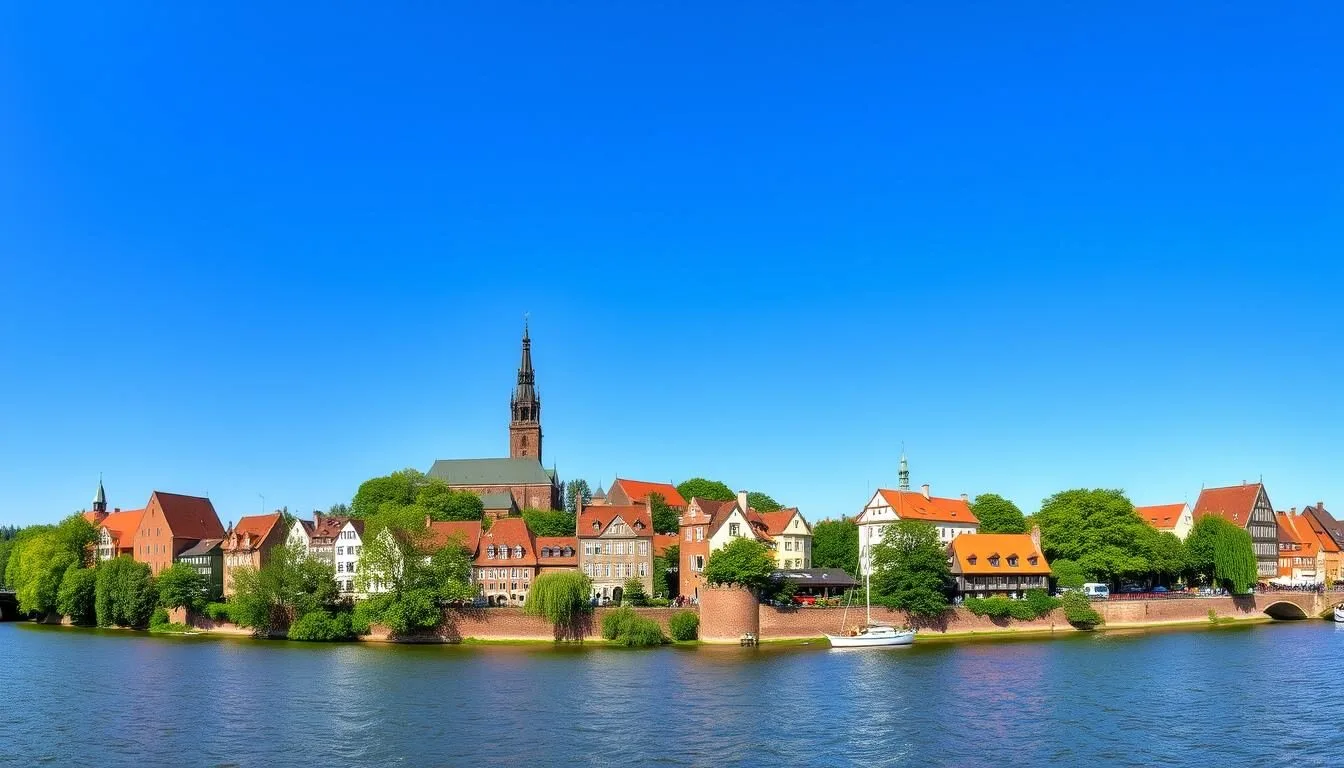
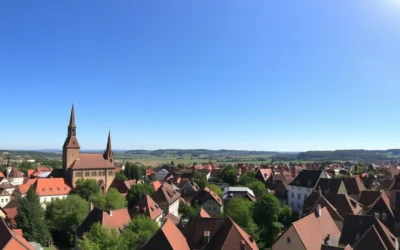
Did you know that tiny Lübeck was once so powerful it was named one of the five “Glories of the Empire” in 1375, alongside Venice, Florence, Pisa, and Rome? This medieval powerhouse, with just over 200,000 residents today, was the undisputed Queen of the Hanseatic League, controlling trade across Northern Europe for centuries. Its perfectly preserved Old Town island, surrounded by the River Trave, houses Germany’s most extensive UNESCO World Heritage Site, featuring an astonishing seven church spires that have dominated the skyline since the 13th century.
Getting There & Planning Your Journey
Lübeck’s strategic location in northern Germany makes it easily accessible by various transportation methods. Whether you’re coming from within Germany or internationally, here’s how to reach this historic Hanseatic city.
By Air
The closest major airport is Hamburg Airport (HAM), located about 65 km (40 miles) southwest of Lübeck. From there, you can take a direct train to Lübeck Central Station, which takes approximately 45 minutes. Lübeck also has its own small airport, Lübeck-Blankensee Airport (LBC), which offers limited flights to destinations like Munich, Salzburg, and Bergen.
By Train
Germany’s excellent rail network makes train travel to Lübeck convenient and comfortable. Direct connections run frequently from Hamburg (45 minutes), Berlin (2.5 hours), and Kiel (1 hour). The Deutsche Bahn offers various ticket options, including the Schleswig-Holstein-Ticket, which provides unlimited regional train travel within the state for a day.
By Car
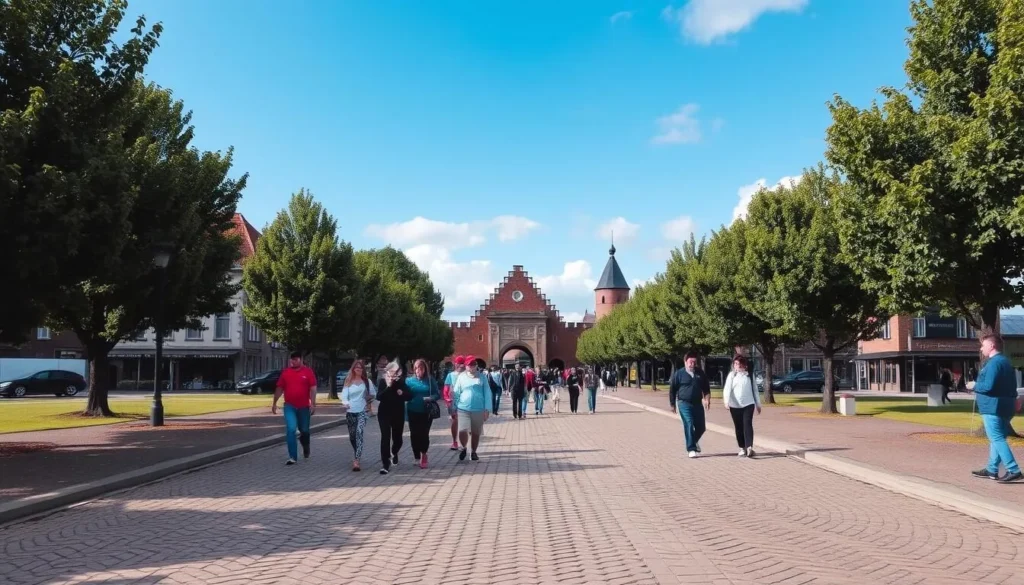
Lübeck is well-connected to Germany’s autobahn network. From Hamburg, take the A1 autobahn northeast, and you’ll reach Lübeck in about an hour. Be aware that parking in the Old Town is limited, so it’s advisable to use one of the parking lots near the Holsten Gate and explore the city on foot.
By Ferry
If you’re coming from Scandinavia, ferry connections to nearby Travemünde (just 20 minutes from Lübeck) are available from Sweden, Finland, Latvia, and Lithuania. From Denmark, the Rødby-Puttgarden ferry provides a convenient crossing before continuing to Lübeck by car or train.
Best Time to Visit & Weather Tips
Lübeck’s charm changes with the seasons, offering unique experiences throughout the year. Understanding the climate and seasonal attractions will help you plan the perfect visit.
Recommended Seasons
Spring (March-May)
A beautiful time to visit as flowers bloom and temperatures become milder, ranging from 5-17°C (41-63°F). The city is less crowded than summer, making it ideal for exploring the Old Town at a relaxed pace. May is particularly pleasant with longer daylight hours.
Summer (June-August)
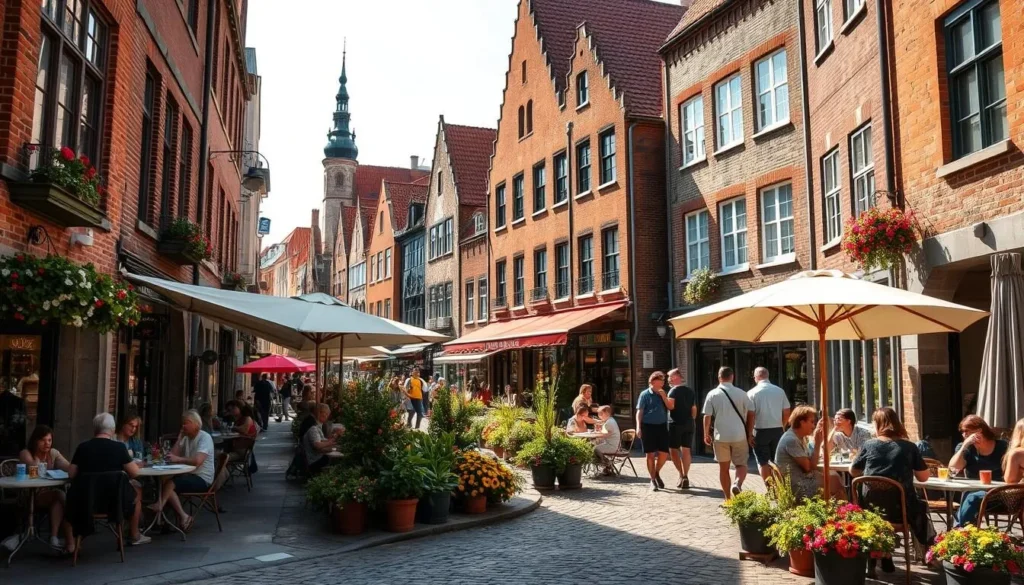
The most popular season with temperatures between 15-22°C (59-72°F). Expect more tourists but also lively outdoor cafés, boat tours on the River Trave, and the possibility to combine your city visit with a trip to nearby Baltic Sea beaches in Travemünde.
Autumn (September-November)
A wonderful time as autumn colors complement the medieval architecture. Temperatures range from 5-15°C (41-59°F). The most vibrant fall colors typically appear in October, and tourist numbers decrease significantly after summer.
Winter (December-February)
Cold but magical, especially during the Christmas market season. Temperatures hover between -1 and 5°C (30-41°F). The famous Lübeck Christmas Market transforms the Old Town into a festive wonderland from late November through December.
Seasons to Avoid
There’s no bad time to visit Lübeck, but if you prefer fewer crowds, avoid German school holidays (particularly July-August) and major holidays like Easter and Christmas. January and February can be quite cold and gray, with shorter daylight hours, though prices are at their lowest.
Weather Tips
Northern Germany’s weather can be unpredictable. Even in summer, bring a light jacket and rain protection. In winter, pack warm layers, waterproof footwear, and gloves. The cobblestone streets can be slippery when wet, so comfortable, sturdy shoes are essential year-round.
Getting Around Locally
Lübeck’s compact Old Town is perfect for exploration on foot, but there are several transportation options to help you navigate the city efficiently.
On Foot
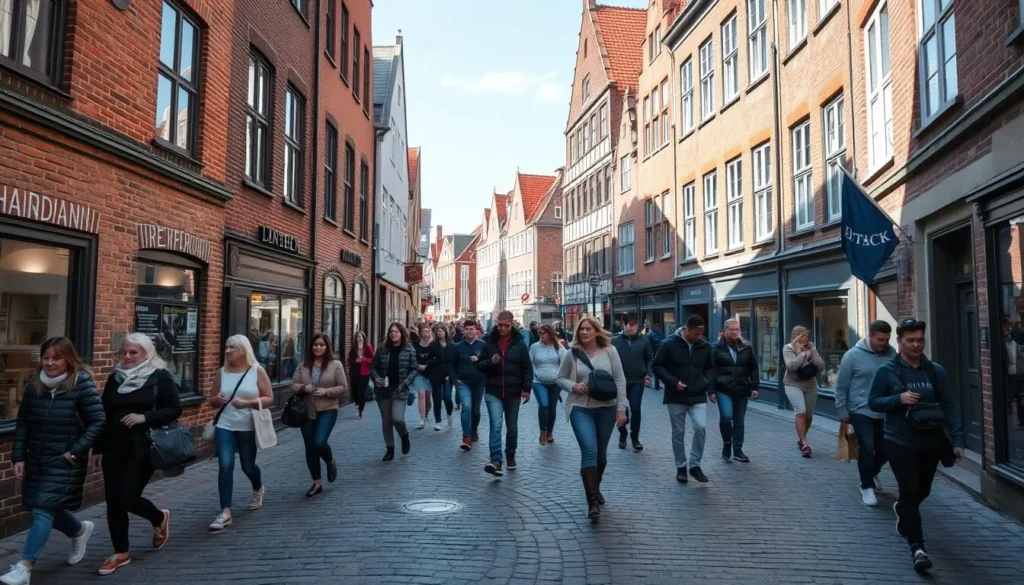
Walking is by far the best way to experience Lübeck’s Old Town. The entire island is only about one square kilometer in size, and walking around its perimeter along the River Trave takes approximately one hour (about 5 km or 3.1 miles). Most attractions are within minutes of each other, and the narrow medieval streets and hidden courtyards are best discovered on foot.
Public Transportation
Lübeck has an efficient bus network operated by Stadtverkehr Lübeck. Single tickets cost around €2.40, while day passes are approximately €7.90. Buses connect the Old Town with outer districts and nearby attractions. The main bus hub is at the central train station (Hauptbahnhof).
Bicycle
Lübeck is bicycle-friendly with dedicated bike lanes throughout the city. Several shops offer bicycle rentals for around €10-15 per day, providing a quick and eco-friendly way to explore beyond the Old Town. The flat terrain makes cycling relatively easy, even for casual riders.
Boat Tours
Seeing Lübeck from the water offers a unique perspective. Various companies offer boat tours around the Old Town island on the River Trave, typically lasting about an hour. These tours provide excellent photo opportunities of the city’s skyline and historic buildings from a different angle.
Taxis and Ride-Sharing
Taxis are readily available but rarely necessary given the compact nature of the tourist areas. If needed, taxis can be hailed at designated stands or ordered by phone. Ride-sharing services like Uber have limited availability in Lübeck.
Where to Stay
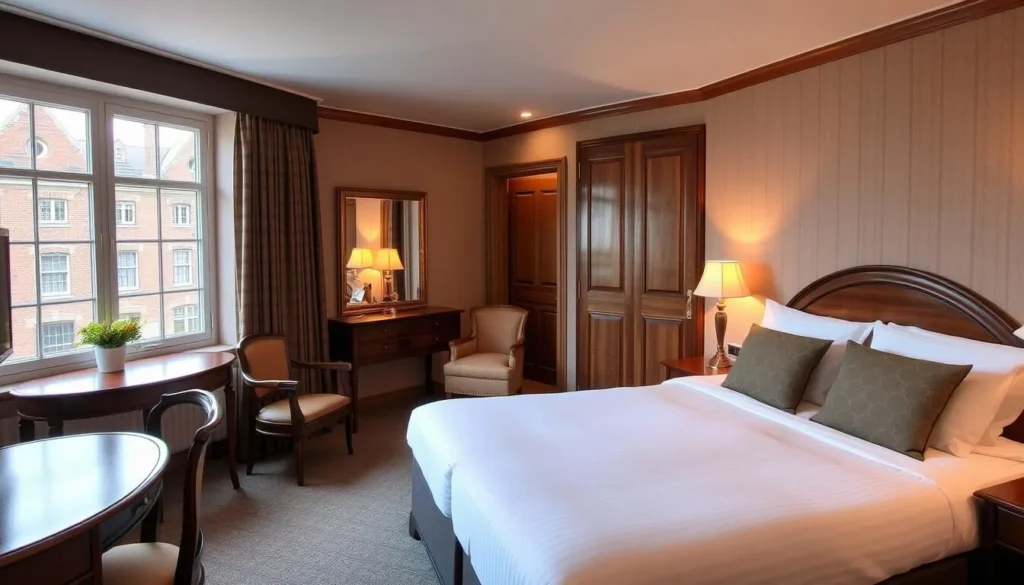
Lübeck offers accommodations for every budget and preference, from luxury hotels overlooking the River Trave to charming guesthouses in historic buildings. The best locations are within or near the Old Town for easy access to major attractions.
Luxury Accommodations
For those seeking premium experiences, the Radisson Blu Senator Hotel stands as Lübeck’s only 5-star option, offering riverside views near the Holsten Gate. The Atlantic Hotel Lübeck provides 4-star luxury in the heart of the Old Town with a rooftop terrace overlooking the city’s seven spires. Both hotels feature excellent restaurants, modern amenities, and prime locations for sightseeing.
Mid-Range Options
H+ Hotel Lübeck offers great value near the central station with comfortable rooms and a sauna. The Friederikenhof Hotel Restaurant & Spa provides a relaxing stay just outside the city center with River Trave views. Both options balance comfort and affordability with convenient access to attractions.
Budget-Friendly Choices
CVJM Hotel am Dom provides some of the best-value rooms in the Old Town (though be prepared for 8 a.m. church bells). Hotel Hanseatic and Viva Hotel Lübeck offer simple but clean accommodations near the central station at budget-friendly rates. For the most economical option, Pension Lübeck provides basic rooms with shared bathrooms.
Neighborhood Guide
The Old Town (Altstadt) is ideal for first-time visitors, putting you within walking distance of major attractions, restaurants, and shops. The area near the central station offers more affordable options with easy access to public transportation. For a quieter stay, consider accommodations in Travemünde, which combines proximity to beaches with a short train ride to Lübeck’s historic center.
Dining & Local Cuisine
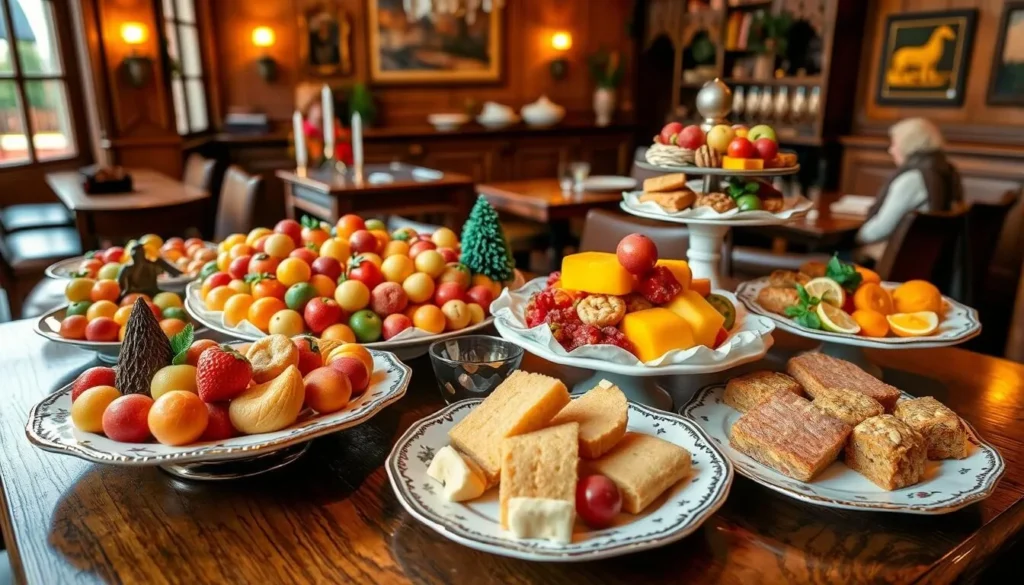
Lübeck’s culinary scene blends traditional North German flavors with international influences. From historic restaurants in centuries-old buildings to modern cafés, the city offers diverse dining experiences for every palate and budget.
Must-Try Local Specialties
Historic Dining Experiences
The Schiffergesellschaft (Mariners’ Guild) restaurant, housed in a 16th-century building, offers an authentic medieval dining experience with traditional North German cuisine served beneath model ships hanging from wooden beams. Ratskeller Lübeck, located in the basement of the Town Hall, serves regional specialties in a historic vaulted cellar dating back to 1444.
Cafés and Sweet Treats
Café Niederegger is a Lübeck institution, serving exquisite marzipan creations since 1806. Their multi-story establishment includes a café, shop, and marzipan museum. For excellent coffee and pastries, Café Maret in the Old Town offers a cozy atmosphere in a historic setting.
Modern and International Options
For contemporary cuisine, Wullenwever near St. Mary’s Church serves innovative dishes using regional ingredients. Vegetarians and vegans will find excellent options at Café Affenbrot, offering plant-based meals in a relaxed setting. International options include Italian restaurants like Casa Nostra and Asian cuisine at Dim Sum Haus.
Dining Tips
Reservations are recommended for popular restaurants, especially on weekends and during summer. Many restaurants offer daily specials (Tagesgerichte) that provide excellent value. Tipping is customary in Germany, with 5-10% being standard for good service, usually by rounding up the bill rather than leaving cash on the table.
Attractions, Sightseeing & Activities
Lübeck’s UNESCO World Heritage Old Town is packed with remarkable sights that showcase its Hanseatic history and medieval splendor. Here are the must-see attractions that should be on every visitor’s itinerary.
Holsten Gate (Holstentor)
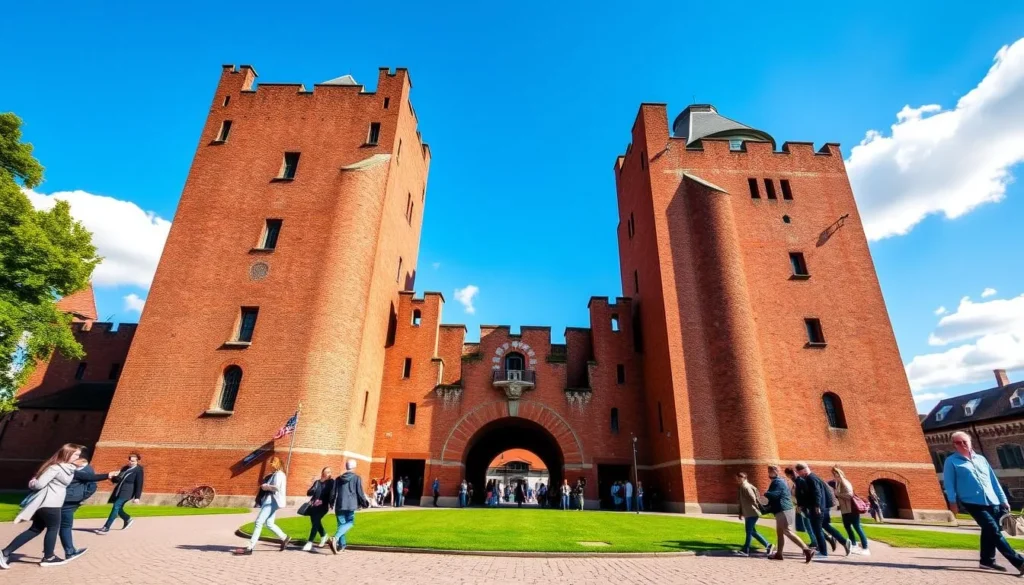
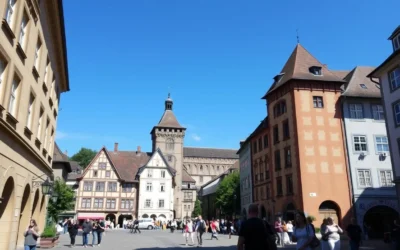
Lübeck’s most iconic landmark, this 15th-century city gate with its twin towers has become a symbol of the city. Built in 1464, the gate now houses the City Museum, where you can learn about Lübeck’s Hanseatic history. The slightly leaning towers (built on marshy ground) make for a perfect photo opportunity. Admission to the museum costs approximately €7.
Old Town (Altstadt)
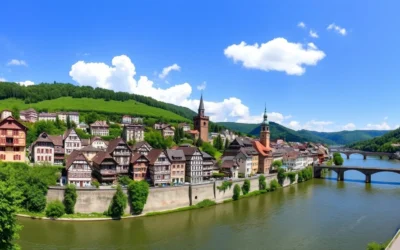
The entire Old Town island is a UNESCO World Heritage Site, featuring over 1,000 historic buildings. Spend time wandering the narrow cobblestone streets, discovering hidden courtyards (Gänge und Höfe), and admiring the distinctive brick architecture. The island is surrounded by the River Trave, creating a moat-like boundary that has preserved its medieval layout for centuries.
Town Hall (Rathaus)
One of Germany’s most beautiful town halls, this impressive structure combines Romanesque, Gothic, and Renaissance architectural styles, reflecting its construction over several centuries from 1230 onwards. Guided tours (available daily) take you through the magnificent interior, including the grand council chamber with its ornate wood carvings.
Salt Storehouses (Salzspeicher)
These six historic warehouses near the Holsten Gate were built between the 16th and 18th centuries to store salt, the “white gold” that contributed significantly to Lübeck’s wealth. Their distinctive stepped gables create a picturesque scene along the riverfront. Film buffs might recognize them from the 1922 classic horror film “Nosferatu.”
Hidden Courtyards and Alleys
Lübeck has approximately 90 remaining historic passageways and courtyards that once housed the city’s working class. Today, these atmospheric spaces offer glimpses into medieval life. Don’t miss Füchtingshof and Glandorpshof in Glockengießerstraße, among the largest and most beautiful examples. Most are open to the public during daylight hours.
Hospital of the Holy Spirit (Heiligen-Geist-Hospital)
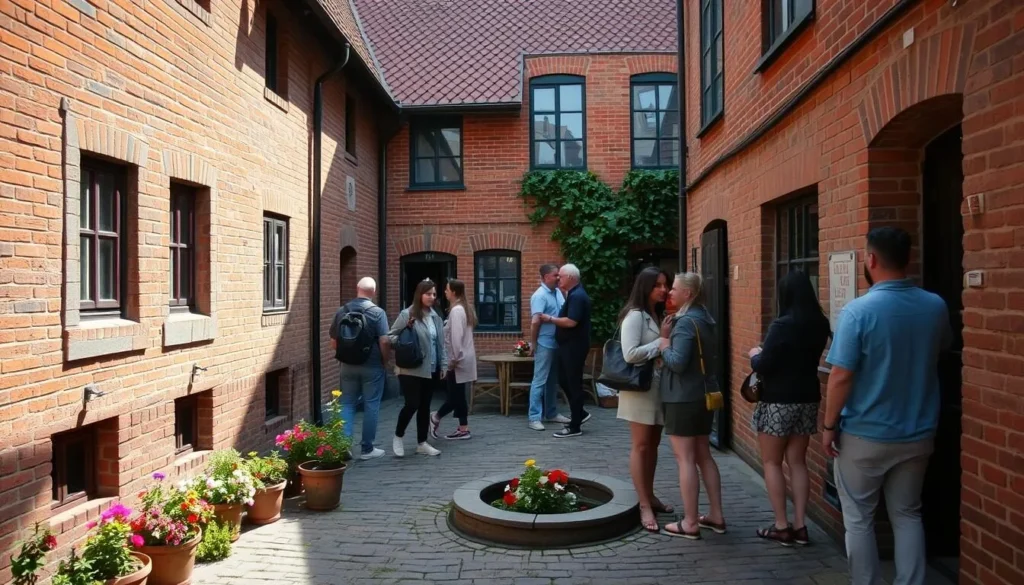
Built in 1286, this is one of Europe’s oldest social institutions and a masterpiece of brick Gothic architecture. Originally serving as a hospital and later as an old people’s home until the 1970s, it now welcomes visitors to explore its medieval halls. During December, it hosts one of Germany’s most atmospheric Christmas markets.
River Trave Boat Tour
Seeing Lübeck from the water offers a unique perspective of the Old Town. One-hour boat tours circle the island, providing excellent views of the seven church spires, historic warehouses, and medieval architecture. Several companies offer tours from April through October, with prices around €12-15 per person.
Museums, Cultural Spots & Festivals
Lübeck’s rich cultural heritage is reflected in its excellent museums and vibrant festival scene. From Nobel Prize winners to Hanseatic history, the city offers fascinating insights into its illustrious past and creative present.
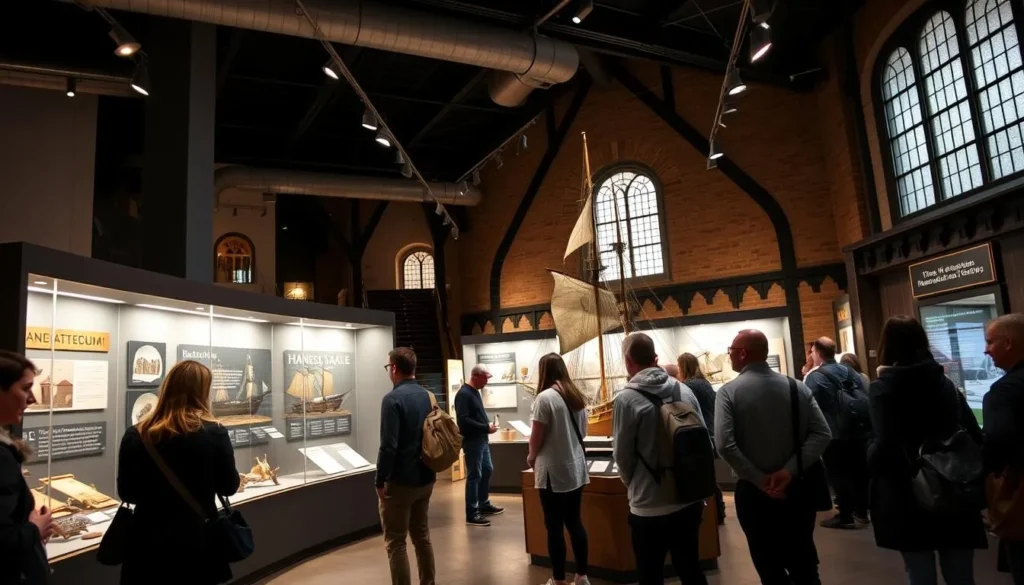
European Hansemuseum
Opened in 2015, this state-of-the-art museum offers comprehensive insights into the powerful Hanseatic League that once dominated Northern European trade. Interactive exhibits spread across 7,000 square meters bring medieval merchant life to vivid reality. The museum connects to the 13th-century Burgkloster (Castle Monastery), which is included in the admission price of €17.
Literary Museums
Lübeck has been home to three Nobel Prize winners, each honored with dedicated museums. The Buddenbrookhaus celebrates Thomas Mann and his novel about a Lübeck merchant family. The Günter Grass-House showcases the author’s literary works alongside his lesser-known talents as a visual artist. The Willy-Brandt-Haus documents the life of Germany’s chancellor and Nobel Peace Prize recipient.
St. Annen Museum
Housed in a former convent, this museum displays an impressive collection of medieval religious art, including altarpieces and sculptures. The museum also features reconstructed historic interiors showing how wealthy Lübeck merchants lived through the centuries. Don’t miss the original statues from the Puppenbrücke (Dolls’ Bridge) in the courtyard.
Lübeck Cathedral
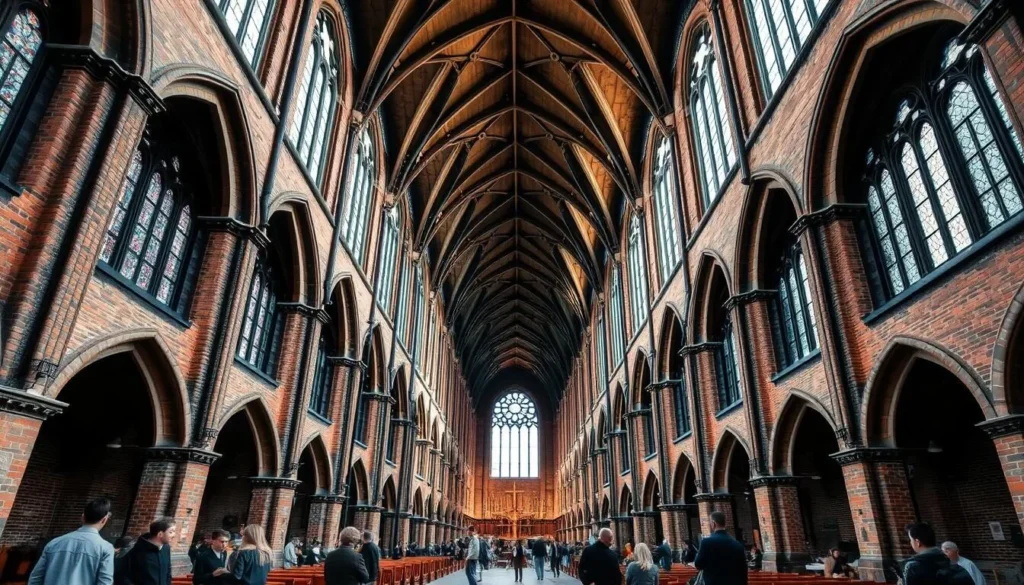
The first large brick church built on the Baltic Sea, Lübeck Cathedral dates back to the 12th century. Though severely damaged during World War II, its reconstruction was completed in 1982. Inside, you’ll find impressive artwork, including a 17-meter-high (56-foot) astronomical clock and the famous “Triumphkreuz” (Triumphal Cross) by Bernt Notke.
St. Mary’s Church (Marienkirche)
This magnificent church set the standard for brick Gothic architecture throughout the Baltic region. Inside, discover the broken bells that fell during the 1942 bombing, now preserved as a war memorial. Don’t miss the astronomical clock and the famous “Totentanz” (Dance of Death) paintings, reminding viewers of mortality regardless of social status.
Major Festivals
Sports, Nature & Outdoor Experiences
While Lübeck is primarily known for its historic architecture, the city and its surroundings offer plenty of opportunities to enjoy nature and outdoor activities, from riverside walks to Baltic Sea beaches.
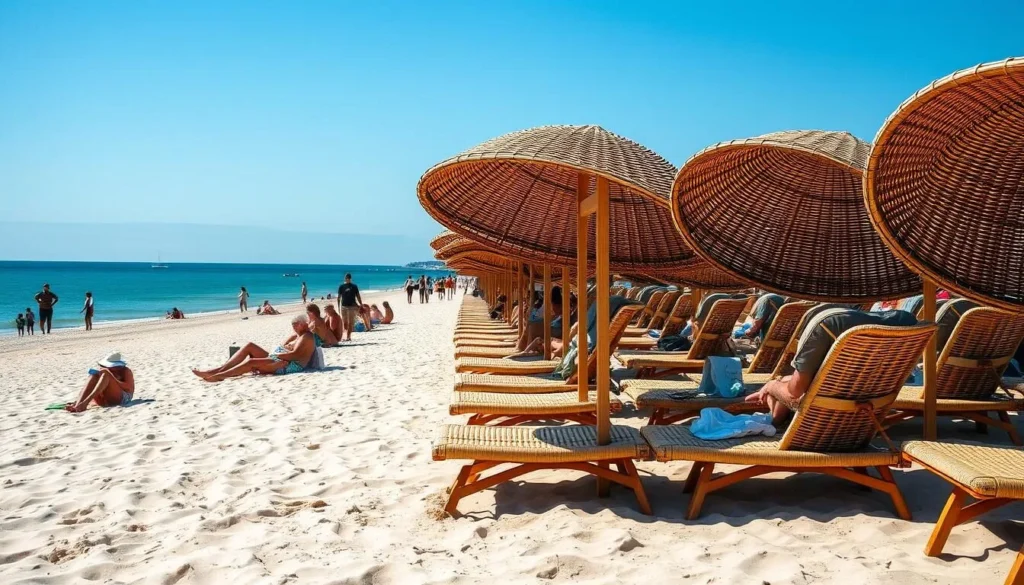
Travemünde Beach
Just 20-25 minutes by train from Lübeck’s center lies Travemünde, a seaside resort with a beautiful 4.5 km (2.8 mile) sandy beach. Rent a traditional “Strandkorb” (hooded beach chair) and enjoy the Baltic Sea. The beach is well-maintained with facilities including restaurants, changing rooms, and water sports rentals. Take the train to “Travemünde Strand” station for the most direct access.
River Trave Walks
Walking paths encircle the Old Town along both sides of the River Trave, offering excellent views of the city’s skyline and historic buildings. The complete loop is approximately 5 km (3.1 miles) and takes about an hour at a leisurely pace. These paths are perfect for morning jogs or evening strolls, with several cafés and benches along the way.
Water Activities
The River Trave and nearby Baltic Sea offer various water-based activities. Rent kayaks or stand-up paddleboards to explore the waterways around the Old Town. Companies like “Boat Now” allow you to rent small motorboats without a license for self-guided tours. In Travemünde, sailing lessons and boat rentals are available during the summer months.
Cycling Routes
Lübeck sits on several long-distance cycling routes, including the Baltic Coast Cycle Route. Rent bicycles in the city center and explore the surrounding countryside and nearby villages. The flat terrain makes cycling accessible for all fitness levels. The route to Travemünde along the River Trave is particularly scenic, covering about 20 km (12.4 miles) one-way.
Parks and Green Spaces
The city offers several pleasant parks for relaxation. The Stadtpark northeast of the Old Town features walking paths, ponds, and open lawns. The gardens around the Holsten Gate provide a tranquil spot to admire the famous landmark. For a larger natural experience, the Wakenitz River area east of the city center offers hiking trails through protected landscapes.
Day Trips to Nature Areas
Within easy reach of Lübeck are several natural attractions. The Brodtener Steilküste (Brodten Steep Coast) offers dramatic cliff views of the Baltic Sea, located just 30 minutes north of the city. The Schaalsee, a lake and UNESCO biosphere reserve, is about 45 minutes south by car and offers hiking, swimming, and bird watching opportunities.
Safety, Etiquette & Local Customs
Lübeck is generally a very safe destination with low crime rates, but understanding local customs and etiquette will enhance your visit and help you interact respectfully with locals.
Safety Information
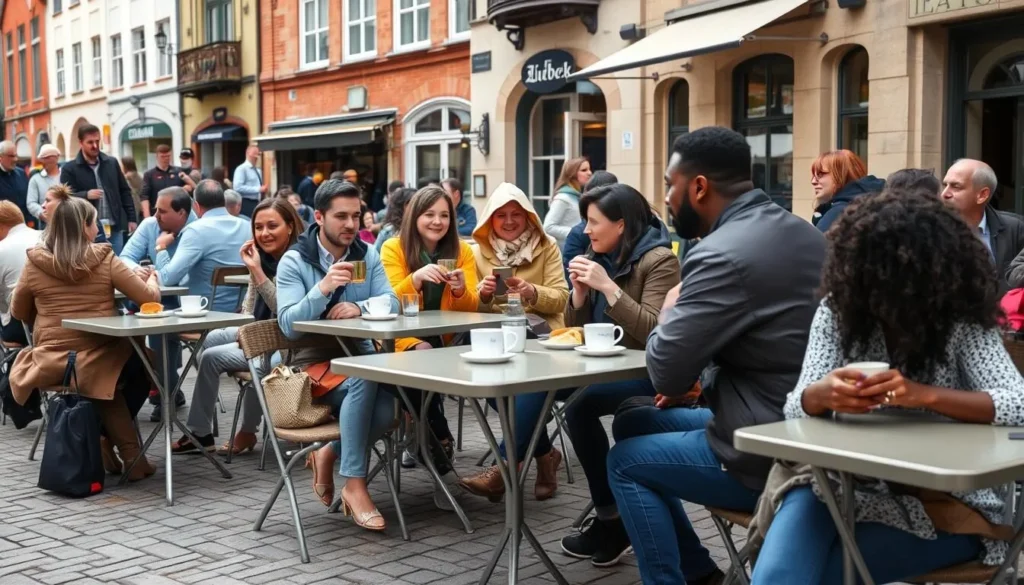
Lübeck is considered very safe for tourists, with violent crime being rare. As in any tourist destination, be aware of your belongings in crowded areas and watch for pickpockets at major attractions. The cobblestone streets can be slippery when wet, so appropriate footwear is recommended, especially for elderly visitors. Emergency services can be reached by dialing 112 for medical emergencies or fire, and 110 for police.
Payment and Tipping
While credit cards are increasingly accepted, Germany remains more cash-oriented than many Western countries. Always carry some cash, especially for smaller establishments, cafés, and markets. Tipping is customary but more modest than in countries like the United States. In restaurants, rounding up the bill or adding 5-10% is standard practice. Rather than leaving cash on the table, tell the server the total amount you wish to pay when settling the bill.
Language and Communication
While many people in Lübeck speak English, especially those working in tourism, learning a few basic German phrases is appreciated. Simple greetings like “Guten Tag” (good day), “Danke” (thank you), and “Bitte” (please) can go a long way. In restaurants, “Die Rechnung, bitte” means “The bill, please.” German is pronounced exactly as written, with emphasis usually on the first syllable.
Dining Customs
Germans typically eat lunch between 12:00 and 2:00 p.m. and dinner between 6:00 and 8:00 p.m. Many restaurants close their kitchens by 10:00 p.m. When entering a restaurant, it’s customary to wait to be seated rather than seating yourself. Water is not automatically served and, when ordered, typically comes in bottles and costs extra. “Leitungswasser” is tap water, which is safe to drink but rarely ordered in restaurants.
Shopping Hours
Most shops in Lübeck are open Monday through Saturday from around 10:00 a.m. to 6:00 or 8:00 p.m. By law, most stores are closed on Sundays, with exceptions for shops in train stations and some bakeries. Plan your shopping accordingly, especially if your visit includes a Sunday.
Environmental Awareness
Germany has strong environmental policies, including a deposit system for many bottles and cans (“Pfand”). When purchasing beverages, you’ll pay a small deposit (usually €0.25) that’s refunded when you return the container to any supermarket. Recycling is taken seriously, with separate bins for different materials. Public drinking water fountains are rare, so carrying a refillable water bottle is recommended.
Visitor Comments About Lübeck
“Lübeck surprised me with its perfect blend of history and modern comforts. Walking through the narrow medieval streets felt like stepping back in time, yet there were excellent restaurants and cafés at every turn. Don’t miss the view from St. Peter’s Church tower—it gives you a perfect overview of the city’s layout and those seven spires! The marzipan at Niederegger lived up to its reputation as the world’s finest.”
“As someone from another historic European city, I was impressed by how well Lübeck has preserved its medieval character while remaining a living, breathing city rather than a museum. The hidden courtyards were my favorite discovery—each one feels like a secret garden in the middle of the city. I recommend taking a boat tour early in your visit to get oriented, then exploring the details on foot. Three days was perfect for seeing everything without rushing.”
“We visited Lübeck during the Christmas market season, and it was magical! The market inside the Hospital of the Holy Spirit was unlike anything I’ve seen before—intimate, authentic, and filled with high-quality crafts rather than tourist trinkets. The entire city was decorated with lights reflecting in the river. Even in December, we found plenty to do indoors when it got cold, especially the European Hansemuseum which gave us a fascinating look at the city’s trading history.”
Practical Travel Tips
Make the most of your visit to Lübeck with these helpful insider tips that will save you time, money, and potential frustration.
Money and Payments
Transportation Tips
Sightseeing Recommendations
Food and Dining
Connectivity
Lübeck City Map
The Timeless Charm of a Hanseatic Jewel
Lübeck stands as a living testament to the grandeur of medieval Europe, where history isn’t confined to museums but breathes through every brick of its Gothic architecture. From the iconic Holsten Gate to the hidden courtyards that reveal themselves like secrets to curious explorers, this UNESCO World Heritage city rewards those who take the time to discover its layers. Whether you’re tracing the footsteps of Nobel laureates, savoring the world’s finest marzipan, or simply watching the sunset paint the seven spires in golden light from the banks of the River Trave, Lübeck offers experiences that linger in memory long after you’ve returned home. In a world of rapidly changing destinations, Lübeck remains authentically itself—a perfectly preserved medieval masterpiece where the past and present coexist in remarkable harmony.
The above is subject to change.
Check back often to TRAVEL.COM for the latest travel tips and deals.
0 Comments