
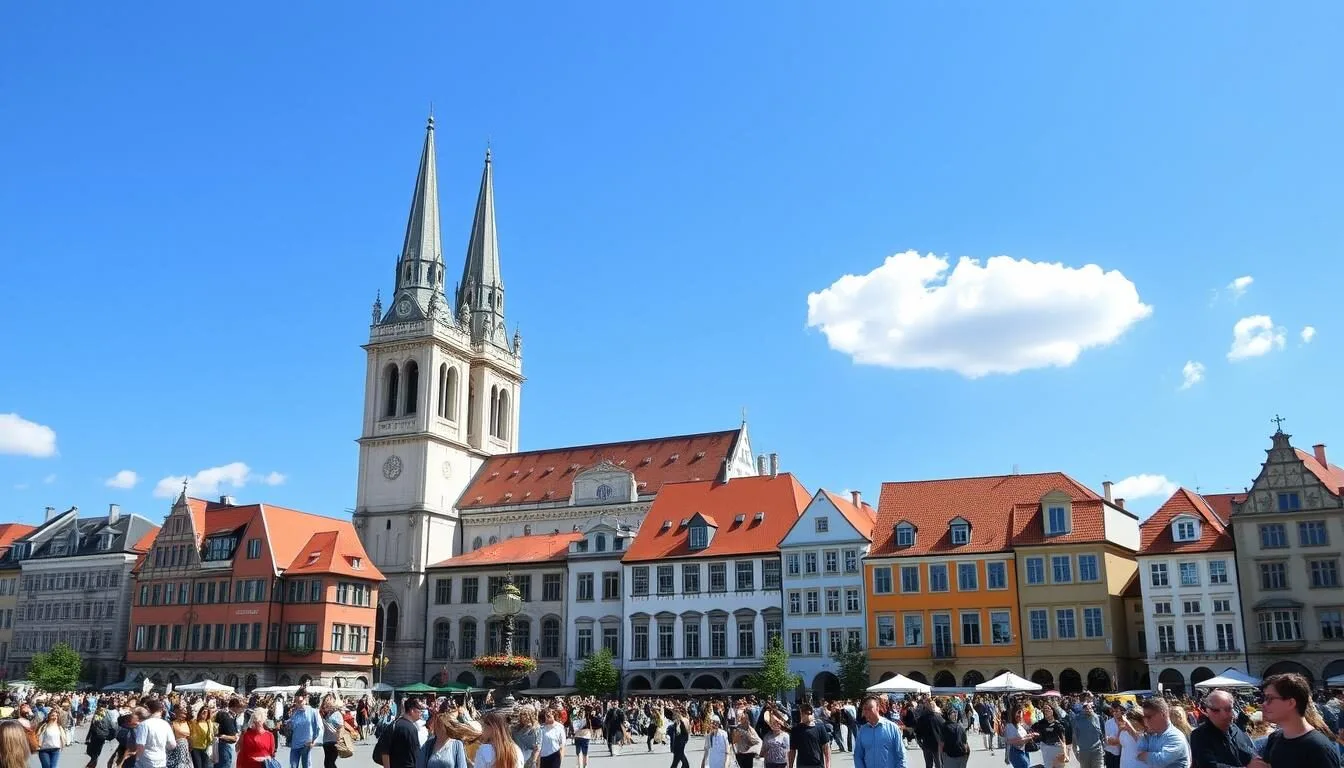
Did you know that Munich residents consume an astonishing 75 million liters of beer during the 16-day Oktoberfest celebration alone? Yet this Bavarian capital offers so much more than its famous beer culture. With over 80 museums, 1,200 hectares of urban parks, and a 700-year legacy of royal Wittelsbach rule, Munich blends traditional charm with cosmopolitan sophistication in a way few European cities can match.
Getting There & Planning Your Journey
Munich is easily accessible through its main international gateway, Munich Airport (MUC), located about 28 km (17.4 miles) northeast of the city center. As Germany’s second-busiest airport, it offers excellent connections to destinations worldwide. For travelers already in Europe, Nuremberg Airport is another option, situated about 170 km (105 miles) north of Munich with good rail connections.
From Munich Airport, you have several convenient options to reach the city center:
- S-Bahn trains (S1 and S8 lines) connect the airport to Munich’s central station (Hauptbahnhof) in approximately 40 minutes.
- The Lufthansa Express Bus runs every 15 minutes, taking you directly to the main train station in about 45 minutes.
- Taxis are readily available but more expensive, costing around €60-70 for the journey to central Munich.
When planning your trip, consider purchasing the Munich Card or Munich CityPass, which offers unlimited public transportation and discounts to many attractions. Booking accommodations in advance is highly recommended, especially during peak seasons like Oktoberfest (late September to early October) when prices surge dramatically.
Best Time to Visit & Weather Tips
Munich experiences four distinct seasons, each offering a unique perspective on the city. The climate is generally moderate, though winters can be quite cold and summers pleasantly warm.
Recommended Times to Visit Munich
- Late Spring (May-June): Ideal weather with temperatures between 15-22°C (59-72°F), fewer crowds, and blooming gardens. The city comes alive with outdoor cafés and beer gardens opening for the season.
- Summer (July-August): Peak tourist season with warm temperatures averaging 23-25°C (73-77°F). Perfect for enjoying the English Garden, outdoor swimming in the Isar River, and numerous summer festivals.
- Early Autumn (September): Excellent weather continues with temperatures around 15-20°C (59-68°F). If you’re interested in Oktoberfest, book accommodations months in advance.
- Christmas Season (late November-December): Despite cold temperatures of 0-5°C (32-41°F), the magical Christmas markets make this a special time to visit.
Times to Avoid
- Late October to early November: Often rainy and gray with fewer outdoor activities available.
- January-February: The coldest months with temperatures often below freezing and shorter daylight hours, though prices are at their lowest.
- During major trade fairs: Accommodation prices skyrocket during events like Bauma (construction trade fair) or IAA (automotive show).
Pack layers regardless of when you visit, as Munich’s weather can be changeable. Even summer evenings can be cool, and sudden rain showers are possible year-round. If visiting during winter, bring proper cold-weather gear including waterproof boots, as snow is common.
Getting Around Locally
Munich boasts one of Europe’s most efficient public transportation systems, making it remarkably easy to navigate without a car. The integrated network includes:
- U-Bahn (subway): Fast underground trains covering most major destinations with frequent service until around 1:00 AM.
- S-Bahn (suburban trains): Connect the city center with outer districts and nearby towns.
- Trams: Excellent for shorter distances with the added bonus of scenic views along the route.
- Buses: Fill in the gaps where rail doesn’t reach, with night buses operating when other services end.
Tickets work across all transport types and are available at machines in stations or via the MVV app. A single trip within the inner zone costs around €3.50, while a day pass (TagesTicket) is approximately €8.80 and offers better value if you’re making multiple journeys.
Cycling is another fantastic option in Munich. The city features over 1,200 km (745 miles) of dedicated bike paths, and the terrain is mostly flat. Bike rental services like MVG Rad or private rental shops offer daily rates from €12-15. The city’s bike-sharing system allows you to pick up and drop off bicycles at numerous stations throughout Munich.
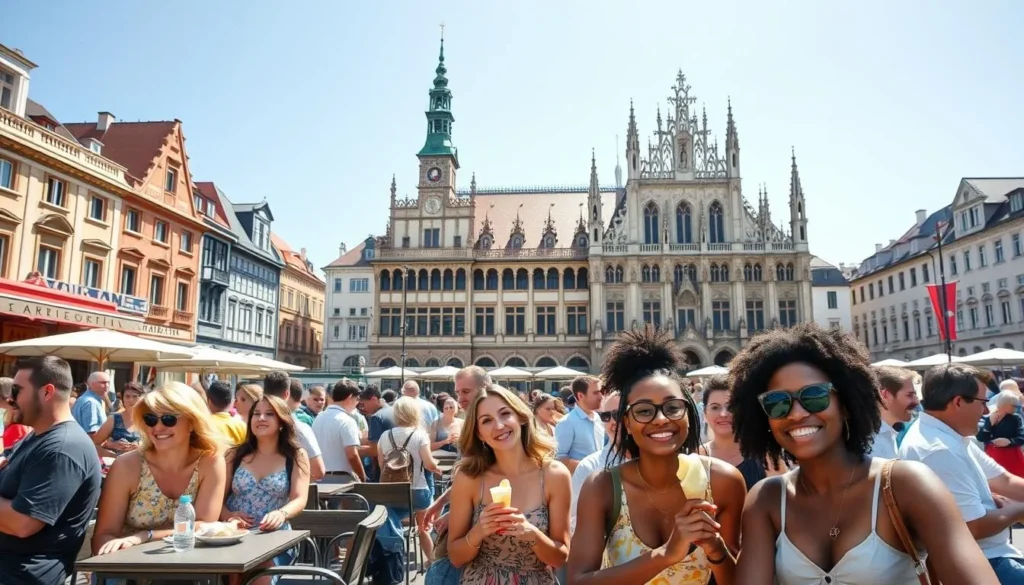
Walking is ideal for exploring the compact city center, where many attractions are within a 20-minute stroll of each other. The pedestrianized zones around Marienplatz make for pleasant, car-free wandering.
Where to Stay
Munich offers accommodations for every budget and preference, though prices tend to be higher than in many other German cities. Here’s a breakdown of the best areas to stay:
Altstadt (Old Town)
Staying in Munich’s historic center puts you within walking distance of major attractions like Marienplatz, the Residenz, and Viktualienmarkt. Expect to find luxury hotels and boutique properties here, such as the historic Hotel Bayerischer Hof or the stylish Louis Hotel. While convenient, this area commands premium prices, with double rooms typically starting from €200 per night.
Schwabing
This bohemian district north of the city center offers a more local experience with excellent restaurants, cafés, and proximity to the English Garden. Accommodations range from boutique hotels to apartment rentals, generally at more moderate prices than the Old Town. The area is well-connected by public transport and popular with younger travelers.
Haidhausen (French Quarter)
Located east of the Isar River, this charming neighborhood features beautiful 19th-century architecture, small squares, and a relaxed atmosphere. It’s less touristy but still central, with good metro connections. You’ll find a mix of mid-range hotels and guesthouses here, often at better value than the city center.
Budget Options
For travelers watching their spending, consider staying in areas like Giesing or Sendling, which offer more affordable accommodations while still providing good public transport connections to the center. Munich also has several well-rated hostels, with dorm beds starting around €30 per night. During summer months (June-September), university dorms sometimes offer rooms to tourists at reasonable rates.
Regardless of where you choose to stay, book well in advance if visiting during Oktoberfest or the Christmas market season, when accommodation throughout the city can be fully booked months ahead and prices increase by 200-300%.

Dining & Local Cuisine
Munich’s food scene brilliantly balances traditional Bavarian fare with international influences. From hearty classics to refined gastronomy, the city offers culinary experiences for every palate.
Must-Try Bavarian Specialties
- Weisswurst: Traditional white veal sausages served with sweet mustard and pretzels, typically enjoyed as a morning snack before noon.
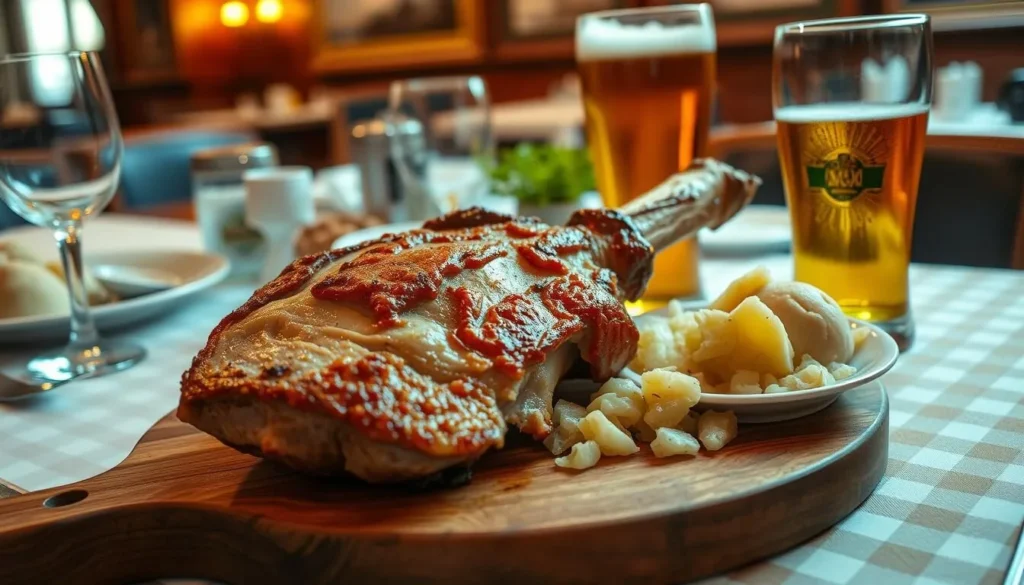
- Schweinshaxe: Crispy roasted pork knuckle with crackling skin, often accompanied by potato dumplings (Knödel) and sauerkraut.
- Leberkäse: Despite its name meaning “liver cheese,” this Bavarian meatloaf contains neither liver nor cheese. It’s typically served in a roll as a quick lunch.
- Obatzda: A savory cheese spread made with camembert, butter, and paprika, perfect with pretzels or bread.
- Kaiserschmarrn: Shredded pancake dessert served with applesauce or plum compote.
Where to Eat
Traditional Beer Halls: For an authentic Bavarian experience, visit historic establishments like Hofbräuhaus or Augustiner-Keller. These massive venues serve hearty portions of traditional fare alongside freshly brewed beer. Expect communal seating, lively atmospheres, and reasonable prices (€12-18 for main dishes).
Viktualienmarkt: This daily food market in the heart of the city offers fresh produce, specialty foods, and several food stalls where you can sample local delicacies. The market’s beer garden rotates through Munich’s six major breweries.
Modern Bavarian: Restaurants like Spatenhaus an der Oper or Zum Franziskaner offer refined versions of traditional dishes in more upscale settings, perfect for experiencing local cuisine with a contemporary twist.
International Options: Munich’s cosmopolitan nature means you’ll find excellent international cuisine throughout the city. The Gärtnerplatzviertel area is particularly known for its diverse dining scene.
Dining tip: Many restaurants in Munich, especially traditional ones, don’t accept credit cards. It’s always good to carry some cash with you, particularly when visiting beer gardens or smaller establishments.
Attractions, Sightseeing & Activities
Munich offers an impressive array of attractions that blend historical significance with Bavarian charm. Here are the must-see sights that should be on every visitor’s itinerary:
Marienplatz & Old Town
The heart of Munich’s historic center, Marienplatz has been the city’s main square since 1158. The ornate Neo-Gothic Neues Rathaus (New Town Hall) dominates the square with its famous Glockenspiel, which performs daily at 11:00 AM, 12:00 PM, and 5:00 PM (summer only). The animated clock show depicts historical Bavarian events and lasts about 15 minutes. For the best views of the square and Munich’s skyline, climb the 299 steps of nearby St. Peter’s Church tower.
The Residenz
Once home to Bavaria’s Wittelsbach rulers, this vast palace complex contains 130 rooms showcasing architectural styles from Renaissance to Neoclassical. Highlights include the ornate Antiquarium (Germany’s largest Renaissance hall), the opulent Cuvilliés Theatre, and the Treasury with its collection of royal jewels. Allow at least 2-3 hours to explore this massive complex.
Viktualienmarkt
Just a short walk from Marienplatz, this daily food market has been operating since 1807. With over 140 stalls selling everything from fresh produce to exotic spices, it’s a paradise for food lovers. The market’s beer garden, shaded by chestnut trees, offers a perfect spot to rest and sample local brews.
Englischer Garten (English Garden)
Larger than New York’s Central Park at 375 hectares (926 acres), this urban oasis offers endless recreational possibilities. Watch surfers ride the standing wave on the Eisbach stream, relax at the Chinese Tower beer garden, or simply stroll through meadows and wooded areas. In summer, some areas are designated for nude sunbathing—a perfectly normal sight in Munich!
Nymphenburg Palace
Located about 6 km (3.7 miles) from the city center, this magnificent summer residence of Bavarian rulers is set amid expansive gardens. The palace interior features stunning Baroque and Rococo decoration, while the park’s pavilions and canals make for a delightful afternoon of exploration.

Museums, Cultural Spots & Festivals
Munich’s cultural landscape is impressively diverse, with world-class museums, vibrant traditions, and festivals that celebrate Bavarian heritage throughout the year.
Top Museums
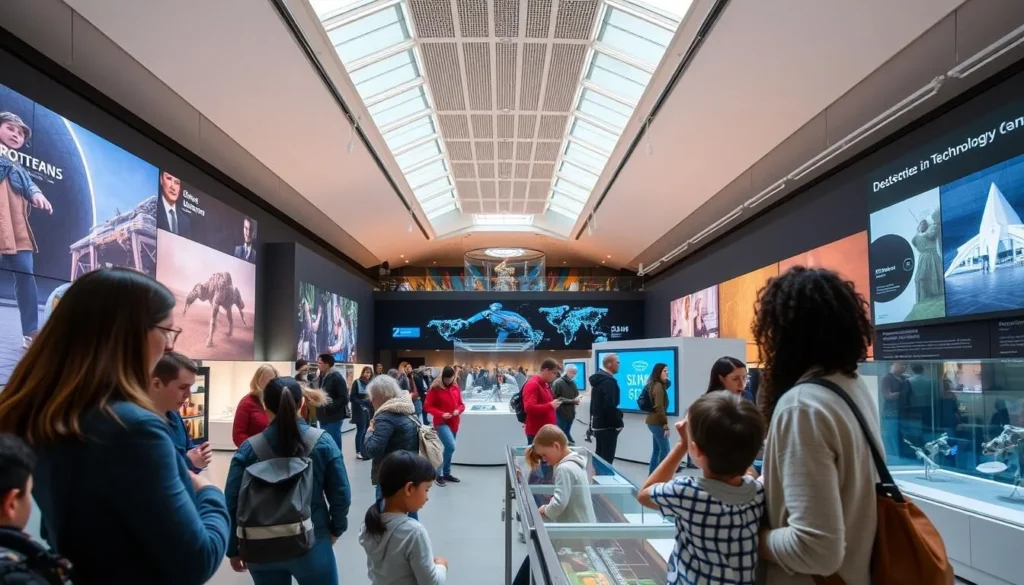
- Deutsches Museum: The world’s largest science and technology museum houses over 28,000 exhibited objects from mining to astronomy. Plan at least half a day to explore even a portion of this massive collection.
- Alte Pinakothek: One of Europe’s oldest galleries, featuring masterpieces from the Middle Ages to the end of the Rococo period, including works by Dürer, Raphael, and Rubens.
- Pinakothek der Moderne: Four museums under one roof covering modern art, architecture, design, and works on paper. The building itself is an architectural marvel.
- BMW Museum: Adjacent to the company’s headquarters, this museum traces the evolution of the iconic Bavarian motor brand through interactive exhibits and historic vehicles.
- NS-Dokumentationszentrum: This documentation center examines Munich’s role as the birthplace of the Nazi movement, offering important historical context through photographs, documents, and multimedia presentations.
Cultural Experiences
Munich’s opera, ballet, and classical music scenes are world-renowned. The Bavarian State Opera performs at the National Theatre, while the Gasteig cultural center hosts the Munich Philharmonic. For a more intimate cultural experience, visit the Cuvilliés Theatre, a Rococo gem inside the Residenz complex.
Major Festivals
- Oktoberfest (late September-early October): The world’s largest folk festival attracts over 6 million visitors annually. Beyond the beer tents, you’ll find traditional music, carnival rides, and parades celebrating Bavarian culture.
- Starkbierfest (March): This “strong beer festival” is considered the locals’ alternative to Oktoberfest, featuring potent doppelbock beers originally brewed by monks to sustain them during Lenten fasting.
- Frühlingsfest (April-May): Known as “Little Oktoberfest,” this spring festival offers a similar experience with fewer crowds.
- Tollwood (July and December): This cultural festival combines music performances, international cuisine, and environmental awareness, with summer and winter editions.
- Christmas Markets (late November-December): Munich hosts numerous festive markets, with the main one at Marienplatz featuring hundreds of stalls selling crafts, ornaments, and seasonal treats like glühwein (mulled wine).
Sports, Nature & Outdoor Experiences
Munich’s exceptional quality of life owes much to its abundant green spaces and outdoor recreation opportunities. From urban parks to Alpine adventures just an hour away, the city is a paradise for nature lovers and outdoor enthusiasts.
Urban Nature Experiences
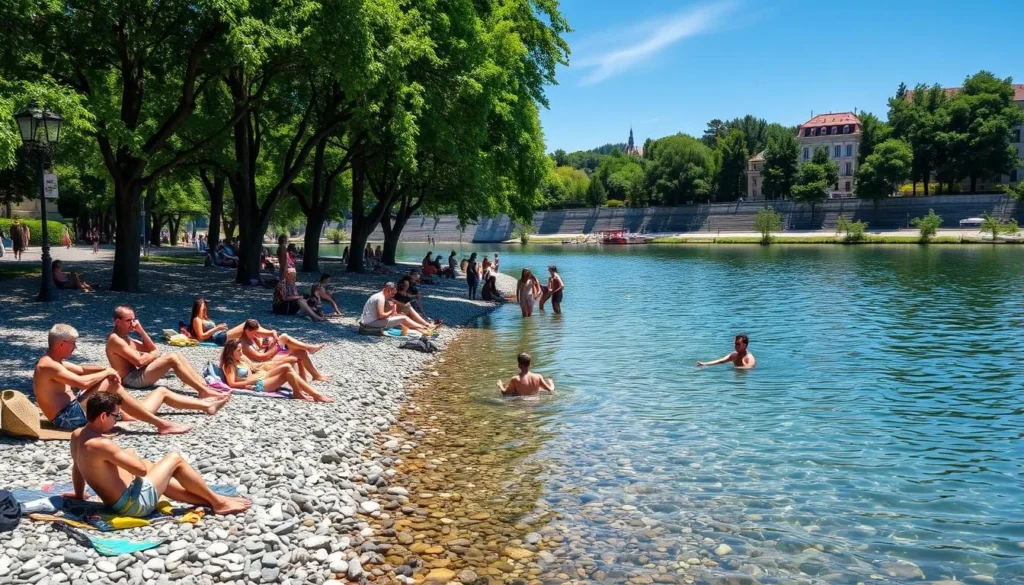
The Isar River flows through Munich, creating a natural playground within the city. In summer, locals flock to the riverbanks to sunbathe, grill, and swim. The river’s southern section between Flaucher and Tierpark has been renaturalized, creating shallow areas perfect for wading and cooling off on hot days.
Beyond the English Garden, Munich boasts numerous other parks worth exploring. The Westpark features international gardens, while Olympiapark (site of the 1972 Olympics) offers activities like zip-lining, swimming, and concerts. For a unique experience, visit the Eisbach wave at the edge of the English Garden, where river surfers ride a standing wave year-round.
Day Trips to Nature
Munich’s proximity to the Bavarian Alps makes it an ideal base for mountain excursions. Within an hour by train, you can reach:
- Starnberger See: A pristine 57 km² (14,085 acre) lake where you can swim, sail, or take a scenic boat tour.
- Tegernsee: This crystal-clear Alpine lake is surrounded by mountains and traditional Bavarian villages.
- Partnachklamm: Near Garmisch-Partenkirchen, this dramatic gorge features walkways carved into the rock alongside rushing turquoise waters.
- Zugspitze: Germany’s highest peak (2,962 m/9,718 ft) offers skiing in winter and hiking in summer, accessible by cogwheel train and cable car.
Sports Culture
Football (soccer) is religion in Munich, with FC Bayern Munich being one of the world’s most successful clubs. Catching a match at Allianz Arena is an unforgettable experience, though tickets for Bayern games sell out quickly. The city’s second team, 1860 Munich, plays at Grünwalder Stadium and offers a more accessible alternative.
Cycling is deeply embedded in Munich’s culture, with over 1,200 km (745 miles) of dedicated bike paths. The city’s flat terrain makes it perfect for exploration on two wheels, and bike rentals are widely available. For a longer adventure, follow the Isar Radweg (Isar Cycle Path) south toward the Alps or north through picturesque countryside.
Safety, Etiquette & Local Customs
Munich consistently ranks among the safest major cities in Europe, with low crime rates and excellent public services. Nevertheless, standard travel precautions apply—keep valuables secure and remain aware of your surroundings, especially in crowded tourist areas and on public transportation.
Cultural Etiquette
- Punctuality: Germans value timeliness. For appointments or guided tours, arrive 5-10 minutes early.
- Greetings: A firm handshake is the standard greeting. “Grüß Gott” is a common Bavarian greeting, though “Hallo” works everywhere.
- Dining: Wait to be seated at restaurants. It’s customary to say “Guten Appetit” before eating. In beer gardens, self-service areas allow you to bring your own food, but drinks must be purchased on-site.
- Tipping: Service is typically included in restaurant bills, but rounding up or adding 5-10% for good service is customary. Tell the server the total amount you wish to pay when settling the bill.
- Shopping: Most stores are closed on Sundays and holidays. Grocery shopping on Saturday afternoon can be crowded as people stock up for Sunday.
Beer Garden Etiquette
Beer gardens are central to Munich’s social life, and a few customs will help you blend in:
- Communal seating is normal—don’t hesitate to join a table with empty seats after asking “Ist hier noch frei?” (Is this seat free?)
- Return your glass mugs and bottles to designated areas to reclaim your deposit (Pfand).
- When toasting, make eye contact and say “Prost!” before drinking.
- In traditional beer gardens, you can bring your own food to the self-service areas, but must purchase drinks from the establishment.
Language
While many Münchners speak excellent English, especially in tourist areas and among younger generations, learning a few basic German phrases is appreciated. The local Bavarian dialect differs from standard German, but visitors aren’t expected to understand it. Simple phrases like “Bitte” (please), “Danke” (thank you), and “Entschuldigung” (excuse me) go a long way.

Visitor Comments About Munich
“Munich surprised me with its perfect balance of urban sophistication and natural beauty. One moment you’re admiring world-class art in a museum, the next you’re watching surfers on a river wave! Don’t miss the view from St. Peter’s Church tower—it’s worth every one of those 299 steps. And the beer gardens are as much about the friendly social atmosphere as they are about the excellent brews.”
“We visited during Christmas market season and it was magical. The markets at Marienplatz and the Residenz were beautiful, but our favorite was the Medieval Market near Odeonsplatz where they serve mulled wine in clay mugs. The city feels incredibly safe, even late at night, and the public transportation system made getting around effortless. My tip: learn the German words for your favorite beer styles before you go!”
“As someone who’s visited Munich multiple times, I recommend exploring beyond the city center. The Nymphenburg Palace gardens are spectacular in summer, and the BMW Museum is fascinating even if you’re not a car enthusiast. For a truly local experience, head to Augustiner-Keller beer garden on a warm evening—it’s less touristy than Hofbräuhaus but equally authentic. And don’t miss trying Obatzda cheese spread with a fresh pretzel!”
Practical Travel Tips
Money Matters
Germany uses the Euro (€). While credit cards are increasingly accepted, many smaller establishments, traditional restaurants, and beer gardens still operate on cash only. ATMs (called Geldautomat) are widely available. Tipping is customary but more modest than in North America—10% is considered generous for good service.
Connectivity
Free WiFi is available in many cafés, restaurants, and public spaces, though you may need to register with your phone number. For continuous connectivity, consider purchasing a local SIM card or an international data plan before traveling.
Transportation Passes
If you plan to use public transportation frequently, consider purchasing a multi-day pass. The Munich Card combines unlimited public transport with discounts to many attractions, while the Bavaria Ticket offers unlimited regional train travel throughout Bavaria for a day—perfect for day trips.
Opening Hours
Most shops in Munich close by 8:00 PM on weekdays and 6:00 PM on Saturdays. Nearly all retail stores remain closed on Sundays and public holidays, with exceptions for shops in train stations and some bakeries. Museums are typically closed on Mondays.
Drinking Water
Tap water in Munich is excellent quality and safe to drink. However, when ordering water at restaurants, you’ll need to specifically request “Leitungswasser” (tap water); otherwise, you’ll receive bottled mineral water at an additional cost.
Dress Code
Munich is generally casual, though locals tend to dress smartly in the city center. For fine dining or the opera, more formal attire is appropriate. If visiting during Oktoberfest, consider renting or purchasing traditional Bavarian clothing (Lederhosen for men, Dirndl for women) to fully embrace the experience.
Your Bavarian Adventure Awaits
Munich captivates visitors with its unique blend of traditional Bavarian warmth and cosmopolitan sophistication. From the historic grandeur of Marienplatz to the natural beauty of the English Garden, from world-class museums to lively beer gardens, this city offers experiences that appeal to every type of traveler. Whether you’re raising a stein at Oktoberfest, admiring priceless art in the Pinakothek museums, or using Munich as a gateway to Alpine adventures, you’ll discover a destination that balances its proud heritage with a progressive, welcoming spirit.
The Bavarian capital’s manageable size, excellent public transportation, and remarkable safety make it an ideal introduction to German culture—or a rewarding return destination that reveals new treasures with each visit. As locals might say when toasting your journey: “Auf eine schöne Zeit in München!” (To a beautiful time in Munich!)
The above is subject to change.
Check back often to TRAVEL.COM for the latest travel tips and deals.
0 Comments