
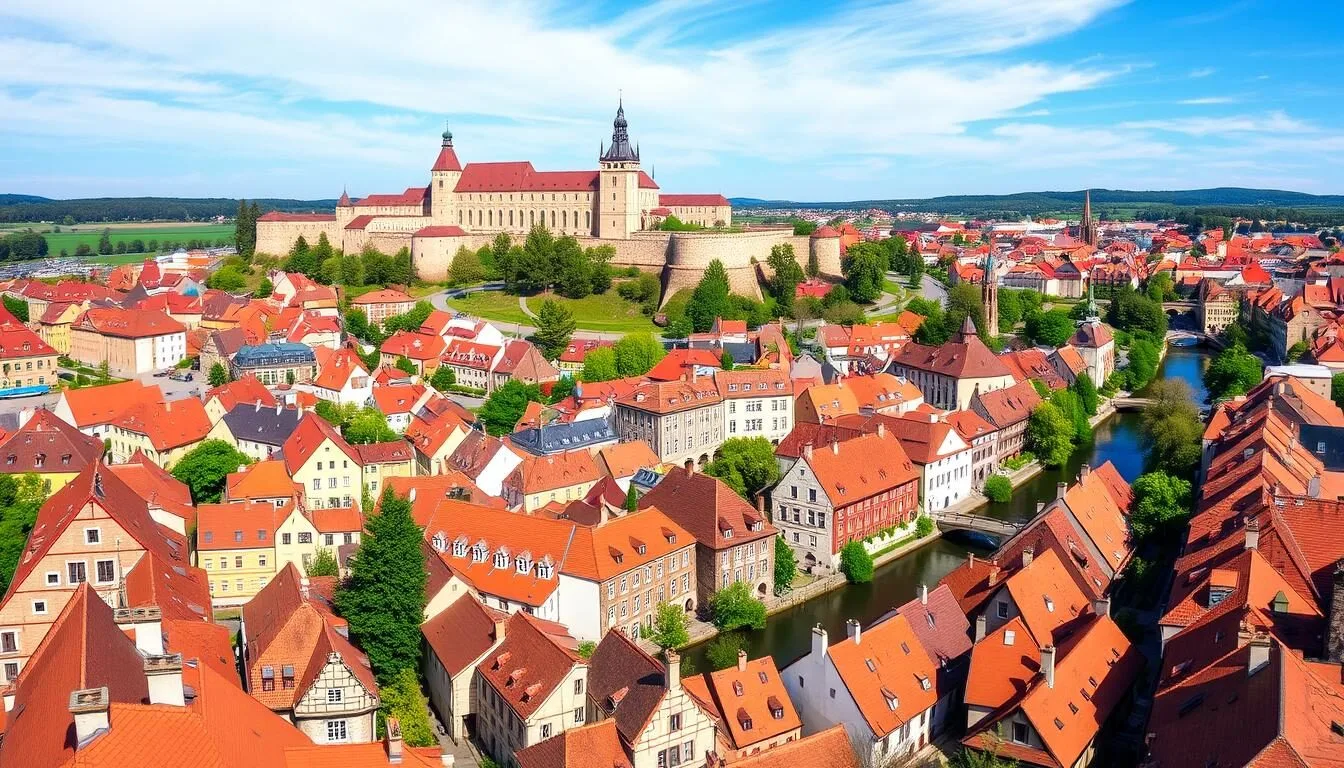
Did you know that Nuremberg’s famous Christmas Market has been enchanting visitors since the 16th century, making it one of the oldest and most authentic holiday markets in the world? While this medieval city may be renowned for its festive celebrations, Nuremberg offers a captivating blend of history, culture, and culinary delights year-round. From the perfectly preserved medieval castle looming over the Old Town to the sobering Nazi Party Rally Grounds that confront Germany’s darkest chapter, Nuremberg presents a fascinating journey through centuries of European history.
Getting There & Planning Your Journey
Nuremberg is centrally located in the Bavarian region of Franconia, making it easily accessible from various parts of Germany and Europe. The city is served by Nuremberg Airport (NUE), which connects to major European cities with regular flights. From the airport, the U-Bahn (subway) Line U2 takes you directly to the city center in just 12 minutes.
If you’re traveling within Germany, the Deutsche Bahn rail network offers excellent connections to Nuremberg. The city is just 1 hour from Munich, 2 hours from Frankfurt, and 3 hours from Berlin by high-speed ICE trains. The main train station (Hauptbahnhof) is conveniently located just outside the Old Town walls, making it a perfect starting point for your exploration.
For budget travelers, long-distance buses connect Nuremberg with many European cities at affordable prices, though journey times are longer than by train.
Best Time to Visit & Weather Tips
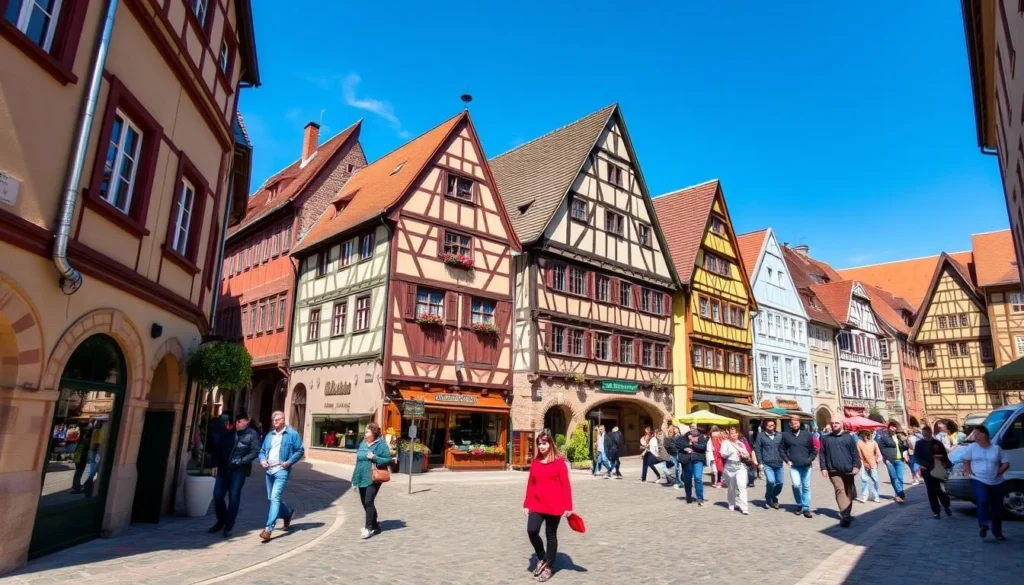
Nuremberg experiences four distinct seasons, each offering a unique perspective on the city. The best time to visit depends on your preferences and what you hope to experience.
Recommended Seasons
- Late Spring (May-June): Comfortable temperatures between 15-22°C (59-72°F), longer daylight hours, and fewer tourists make this an ideal time to explore the city.
- Early Fall (September-October): The weather remains pleasant at 10-20°C (50-68°F), with beautiful autumn colors in the city parks and surrounding countryside.
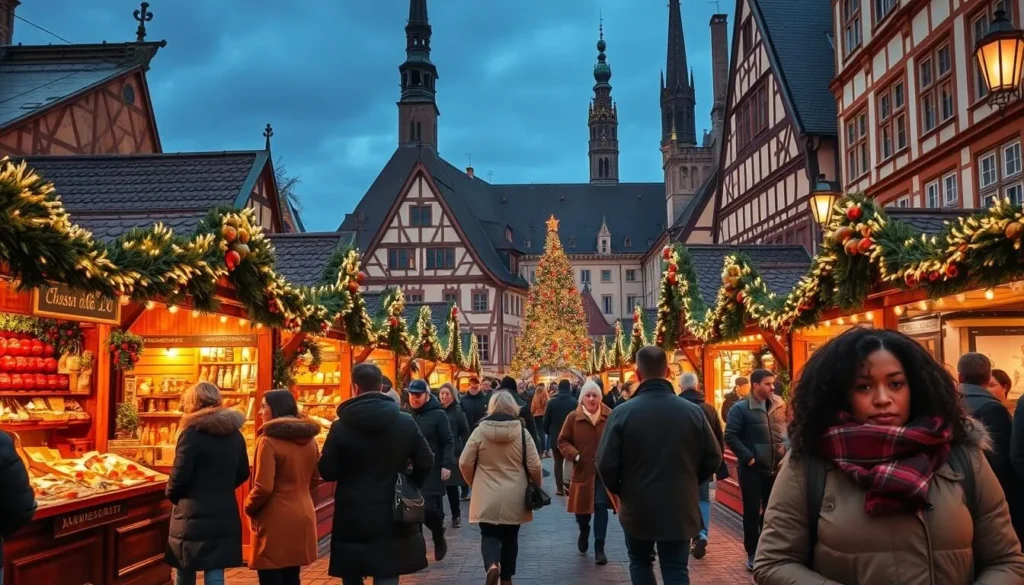
- Christmas Season (Late November-December): Despite cold temperatures averaging 0-5°C (32-41°F), the famous Nuremberg Christmas Market transforms the city into a magical winter wonderland.
Seasons to Avoid
- Late Winter (January-February): The coldest months with temperatures often below freezing and shorter daylight hours. Many outdoor attractions are less enjoyable.
- Peak Summer (July-August): Can be unexpectedly hot with temperatures sometimes reaching 30°C (86°F), and tourist sites become crowded with summer vacationers.
- Early Spring (March): Often rainy and unpredictable weather, though prices are lower during this shoulder season.
If you’re visiting during winter, pack warm layers, waterproof boots, and a good coat. Summer visitors should bring light clothing but also a light jacket for cooler evenings. Spring and fall visitors will benefit from layered clothing to adapt to changing temperatures throughout the day.
Getting Around Locally
Nuremberg boasts an excellent public transportation system that makes exploring the city and its surroundings simple and convenient.
Public Transportation
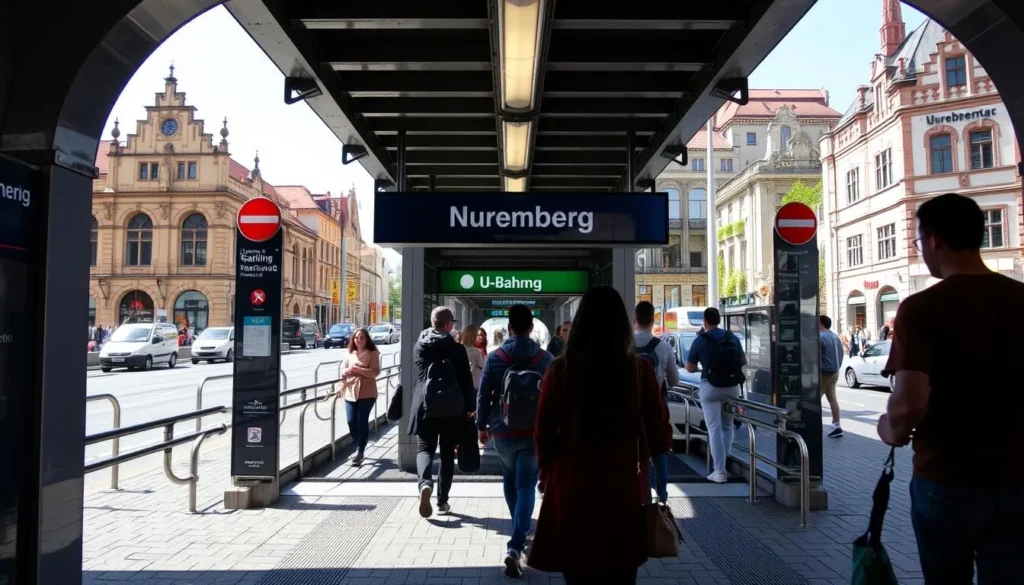
The integrated public transport network includes U-Bahn (subway), trams, and buses operated by VAG Nuremberg. A single ticket costs around €3.30, while a day pass (TagesTicket Plus) costs €8.90 and allows unlimited travel for one person plus up to 6 children under 18. The U-Bahn runs from approximately 5:00 AM until 1:00 AM, with three lines (U1, U2, and U3) connecting major attractions.
Walking
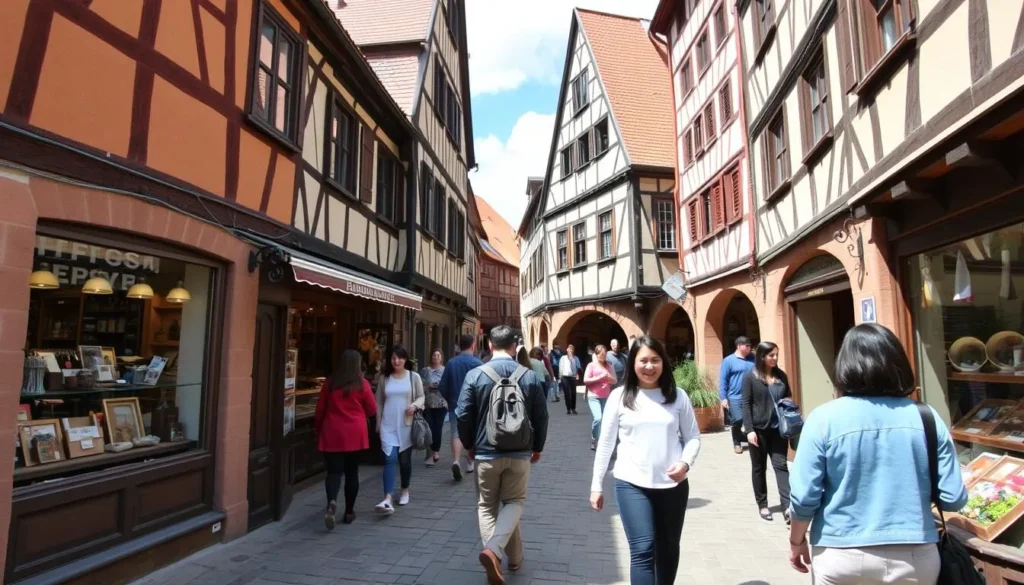
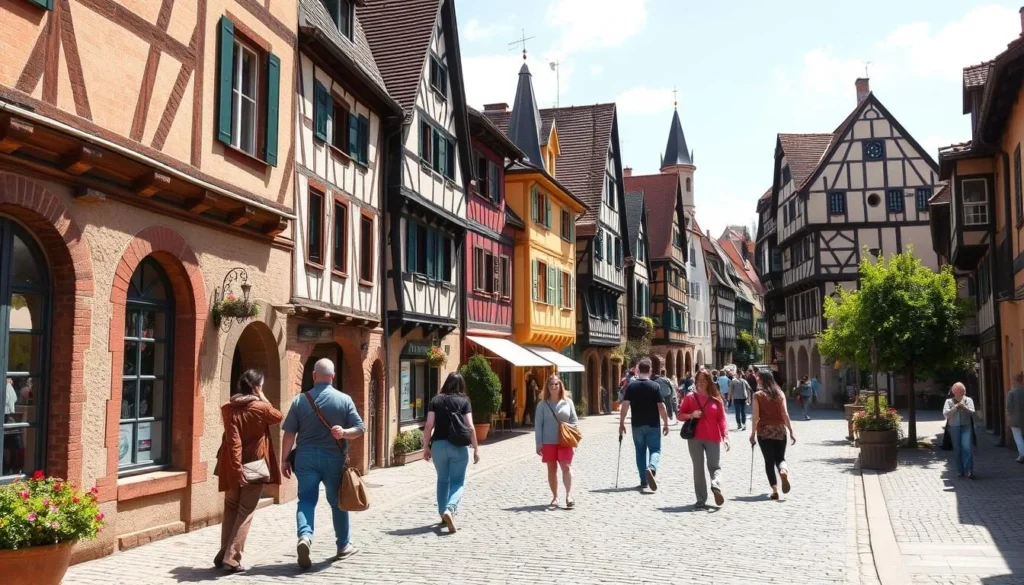
Nuremberg’s compact Old Town is best explored on foot. Most major attractions within the city walls are within 15-20 minutes’ walking distance of each other. The pedestrianized areas make strolling through the historic center particularly pleasant.
Cycling
Nuremberg is a bike-friendly city with dedicated cycling paths. Rental bikes are available at several locations, including the main train station, with prices starting at around €15 per day.
Taxis and Ride-Sharing
Taxis are readily available but relatively expensive. They can be hailed on the street, found at designated taxi stands, or ordered by phone. Ride-sharing services also operate in the city.
Where to Stay
Nuremberg offers accommodation options for every budget and preference, from luxury hotels to budget-friendly hostels. The best areas to stay depend on your interests and what you plan to do during your visit.
Old Town (Altstadt)
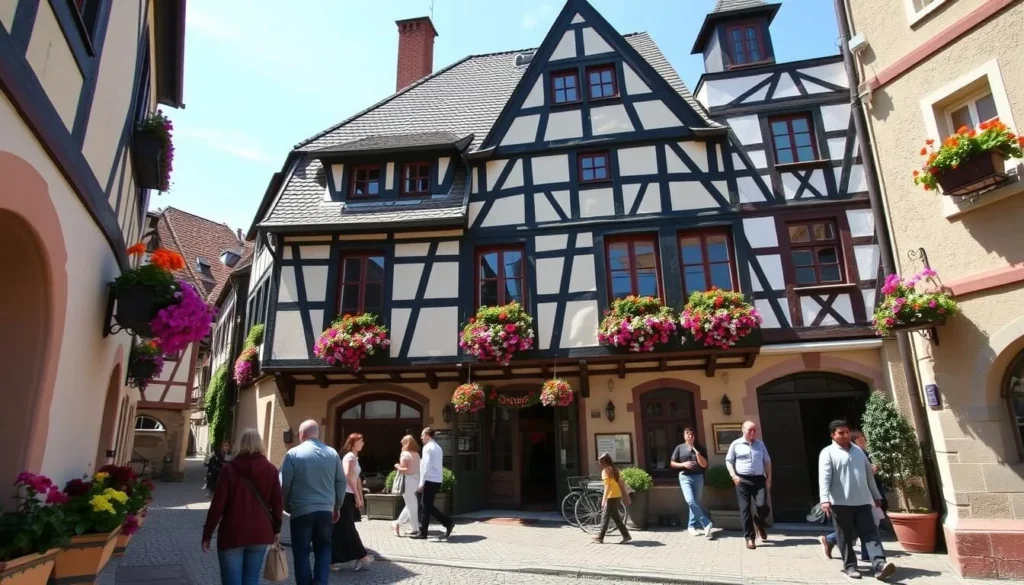
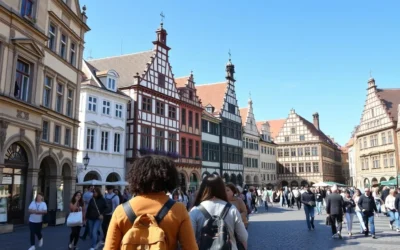
Staying within the medieval walls puts you steps away from major attractions like the Imperial Castle, Albrecht Dürer’s House, and the main market square. This area offers charming boutique hotels in historic buildings, though prices tend to be higher.
Price Range: €120-300 per night
Best For: First-time visitors, history enthusiasts, and those who prioritize location over budget
Near the Main Station
The area around Hauptbahnhof (main train station) offers convenient access to both the Old Town and public transportation. You’ll find a mix of international hotel chains and independent options, often at more moderate prices than in the Old Town.
Price Range: €80-180 per night
Best For: Travelers who want a balance of convenience and value, those arriving by train
Südstadt & Beyond
Areas south of the center and other residential neighborhoods offer more affordable accommodation options, including apartment rentals and budget hotels. While you’ll need to use public transportation to reach the main sights, you’ll experience a more local atmosphere.
Price Range: €60-120 per night
Best For: Budget travelers, longer stays, and those who prefer a local experience
Dining & Local Cuisine
Nuremberg’s culinary scene offers a delightful mix of traditional Franconian specialties and international cuisine. The city is particularly famous for its bratwurst, gingerbread, and beer.
Must-Try Local Specialties
- Nuremberg Bratwurst (Nürnberger Rostbratwurst): These small, finger-sized sausages are seasoned with marjoram and served in sets of 6, 8, or 12, either on a plate with sauerkraut or three in a bun (Drei im Weggla).
- Lebkuchen: Nuremberg’s famous gingerbread cookies, especially the Elisenlebkuchen variety, are a must-try even outside the Christmas season.
- Franconian Beer: The region boasts numerous local breweries producing excellent beers, from traditional lagers to craft varieties.
- Schäufele: A hearty pork shoulder dish typically served with potato dumplings and gravy.
- Red Beer (Rotbier): Nuremberg’s traditional copper-colored beer with a distinctive malty flavor.
Where to Eat
For authentic local cuisine in historic settings, head to traditional restaurants (Wirtshäuser) in the Old Town. The Bratwursthäusle near St. Sebald Church and Zum Gulden Stern (the city’s oldest bratwurst kitchen dating from 1419) offer authentic Nuremberg sausages. For a quick bite, the food stalls at Hauptmarkt (main market square) serve local specialties at reasonable prices.
Coffee lovers should visit the trendy cafés in Gostenhof (nicknamed “GoHo”), while those seeking international cuisine will find excellent options around Plärrer and in the area south of the main station.

Attractions, Sightseeing & Activities
Nuremberg offers a fascinating mix of medieval charm and profound historical significance. Here are the top attractions you shouldn’t miss during your visit.
Imperial Castle (Kaiserburg)
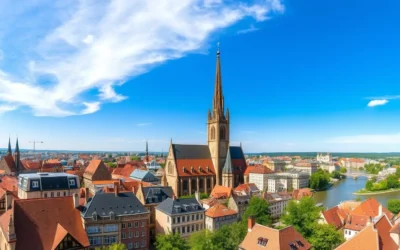
Perched on a sandstone ridge overlooking the Old Town, the Imperial Castle is Nuremberg’s most iconic landmark. Dating back to the 11th century, it served as one of the most important imperial palaces during the Holy Roman Empire. Explore the Imperial Chapel, Deep Well, Sinwell Tower, and Imperial Castle Museum to get a glimpse into medieval royal life. The panoramic views of the city from the castle grounds are spectacular, especially at sunset.
Albrecht Dürer’s House
Visit the half-timbered house where Germany’s most famous Renaissance artist lived and worked from 1509 to 1528. The five-story home has been transformed into a museum showcasing Dürer’s life and artistic techniques. Don’t miss the demonstrations of historical printing methods and the recreation of Dürer’s workshop.
Main Market Square (Hauptmarkt)
The heart of Nuremberg’s Old Town hosts a daily market where locals shop for fresh produce, flowers, and specialty foods. The square is dominated by the Beautiful Fountain (Schöner Brunnen), a 14th-century Gothic spire reaching 19 meters (62 feet) high. Look for the brass ring embedded in the fountain’s iron fence – turning it is said to bring good luck.
St. Lorenz Church
This magnificent Gothic church boasts stunning architecture, including a 9-meter (30-foot) rose window and one of the largest pipe organs in Germany. The interior houses impressive artworks, including the Annunciation by sculptor Veit Stoss hanging above the choir.

Craftsmen’s Courtyard (Handwerkerhof)
Step back in time at this charming medieval-style courtyard filled with workshops, boutiques, and traditional taverns. Watch artisans practice traditional crafts like glass blowing, leather working, and gingerbread making, then purchase unique handmade souvenirs.
City Walls and Towers
Nuremberg’s medieval city walls stretch for 5 kilometers (3.1 miles) and include impressive gates and towers. Walking along sections of the wall offers a unique perspective on the Old Town. Don’t miss the Weinstadel, a picturesque former wine warehouse spanning the Pegnitz River.
Museums, Cultural Spots & Festivals
Nuremberg boasts a rich cultural landscape with world-class museums and vibrant festivals throughout the year.
Top Museums
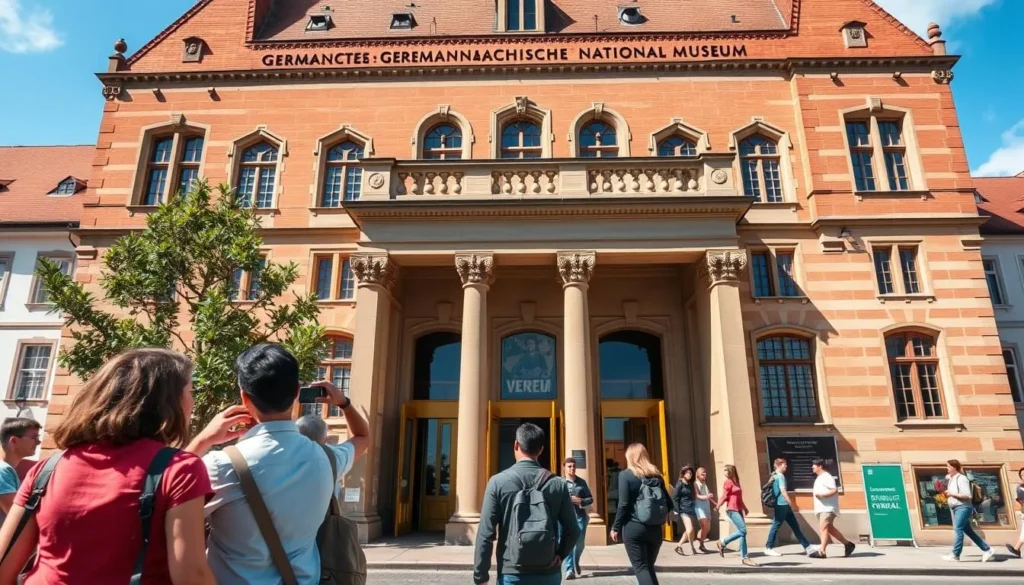
- Germanisches National Museum: Germany’s largest museum of cultural history houses over 1.3 million objects spanning from prehistory to the present day. Highlights include works by Albrecht Dürer, the world’s oldest surviving globe from 1492, and an extensive collection of historical musical instruments.
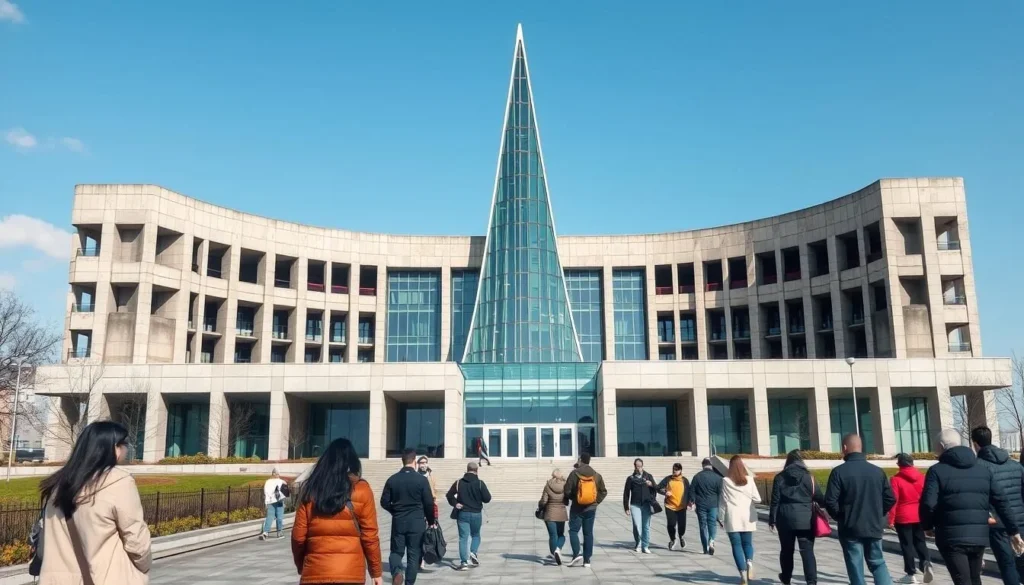
- Documentation Center Nazi Party Rally Grounds: Located in the unfinished Congress Hall of the Nazi Party, this museum provides a sobering look at the rise of National Socialism, the rallies held in Nuremberg, and their consequences. The exhibition “Fascination and Terror” offers important historical context through photos, documents, and multimedia presentations.
- Memorium Nuremberg Trials: Visit the actual courtroom (Room 600) where Nazi leaders were tried for war crimes after World War II. The accompanying exhibition explains the significance of the trials and their impact on international law.
- Toy Museum: Reflecting Nuremberg’s 600-year history as a center of toy manufacturing, this charming museum displays everything from historic wooden and tin toys to modern playthings across four floors.
- New Museum (Neues Museum): Housed in a striking contemporary building, this art gallery focuses on modern and contemporary art and design from the 1950s to the present.
Cultural Spots
The Way of Human Rights (Straße der Menschenrechte) is an outdoor art installation consisting of 27 white pillars inscribed with articles from the Universal Declaration of Human Rights in different languages. The State Theater (Staatstheater) offers high-quality opera, ballet, and theater performances in a beautiful Art Nouveau building.
Festivals & Events
- Nuremberg Christmas Market (Christkindlesmarkt): Held from late November until December 24th, this world-famous market transforms the main square into a magical winter wonderland with nearly 200 wooden stalls selling traditional crafts, ornaments, and seasonal treats.
- Old Town Festival (Altstadtfest): For two weeks in September, the Old Town celebrates with music, traditional dance, and regional food and drink.
- Franconian Beer Festival: Held in May-June, this event showcases over 40 local breweries in the castle moat, creating one of the region’s largest beer gardens.
- Rock im Park: One of Germany’s largest rock music festivals takes place in early June at the former Nazi Rally Grounds, now transformed into a venue for peace and music.
World War II Historical Sites
Nuremberg plays a crucial role in understanding World War II history, as it was both a center for Nazi propaganda and later the site where justice was served.
Nazi Party Rally Grounds (Reichsparteigelände)
This massive complex covering 11 square kilometers (4.2 square miles) was designed to showcase Nazi power through enormous rallies. Today, you can visit several key structures:
- Documentation Center: Housed in the unfinished Congress Hall, this museum provides critical context about the Nazi regime and its propaganda methods.
- Zeppelin Field: The massive parade ground where Hitler addressed crowds of up to 100,000 people. The iconic tribune (grandstand) still stands, though partially dismantled after the war.
- Great Road (Große Straße): A 2-kilometer (1.2-mile) wide boulevard designed for military parades.
Memorium Nuremberg Trials
Visit Courtroom 600 in the Palace of Justice where high-ranking Nazi officials faced an international tribunal between 1945 and 1949. The permanent exhibition explains the proceedings and their significance in establishing principles of international criminal law that continue to influence justice today.
Historic Art Bunker (Historischer Kunstbunker)
During WWII, Nuremberg’s most valuable artworks were hidden in a network of bunkers beneath the castle hill. Tours of these underground chambers reveal how cultural treasures were protected during the bombing raids that destroyed much of the city.
Sports, Nature & Outdoor Experiences
Beyond its historic attractions, Nuremberg offers plenty of opportunities to enjoy the outdoors and active pursuits.
Parks and Green Spaces
- City Park (Stadtpark): This 64-hectare (158-acre) green oasis features beautiful landscaped gardens, a lake, and walking paths. The Neptune Fountain (Neptunbrunnen) is a popular meeting point.
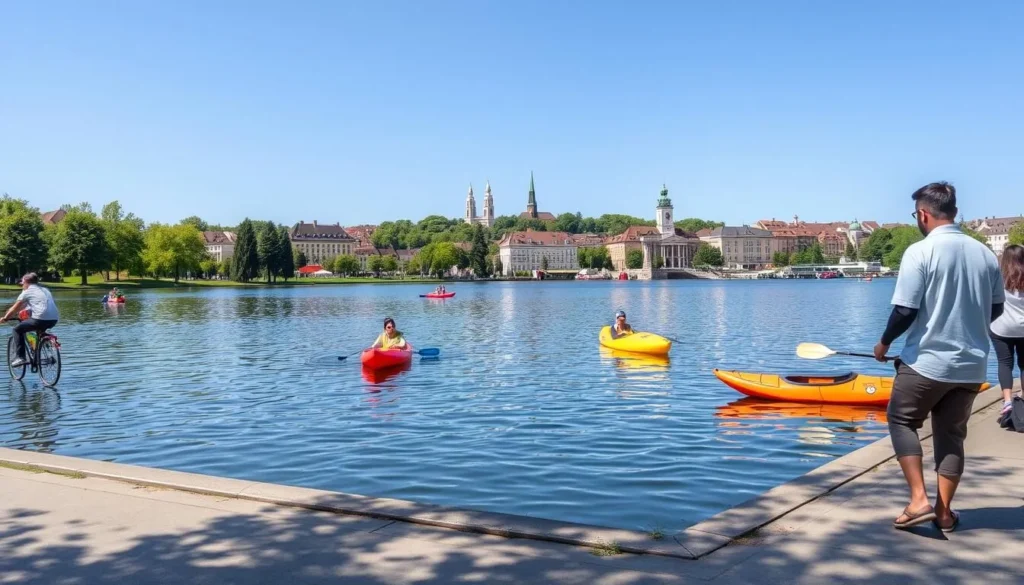
- Wöhrder Lake (Wöhrder See): This recreational area just east of the Old Town offers swimming, boating, and sunbathing in summer. The 21-hectare (52-acre) lake is surrounded by meadows perfect for picnics.
- Castle Gardens (Burggarten): Hidden behind the Imperial Castle, these peaceful gardens provide stunning views over the city and a quiet retreat from the tourist crowds.
- People’s Park (Volkspark Dutzendteich): Located near the Documentation Center, this park features a large lake where you can rent paddleboats during summer months.
Outdoor Activities
The Pegnitz River flowing through the city center is perfect for kayaking or stand-up paddleboarding in summer. Rental equipment is available from several operators along the riverbanks. Cycling enthusiasts can explore the well-maintained bike paths throughout the city or venture into the surrounding countryside on longer routes.
The 5 Seidla Steig Beer Hiking Trail
Combine outdoor activity with Franconian beer culture on this 19-kilometer (11.8-mile) hiking trail connecting five traditional breweries in the hills north of Nuremberg. The scenic route takes you through forests, meadows, and charming villages while sampling some of the region’s best craft beers.
Safety, Etiquette & Local Customs
Nuremberg is generally a safe city for visitors, but as with any destination, it’s good to be aware of local customs and safety considerations.
Safety Tips
- Nuremberg has a low crime rate, but standard precautions against pickpocketing are advised in crowded tourist areas and on public transportation.
- The area around the main train station (Hauptbahnhof) can be a bit rough at night, though still generally safe.
- Emergency services can be reached by dialing 112 for medical emergencies or fire, and 110 for police.
- Pharmacies (Apotheken) take turns providing after-hours emergency service. Look for signs in pharmacy windows indicating the nearest open pharmacy.
Etiquette & Customs
- Greetings: A handshake is the standard greeting. “Grüß Gott” is a common greeting in Bavaria, though “Hallo” is also widely used.
- Punctuality: Germans value punctuality highly. Arrive on time for tours, restaurant reservations, and meetings.
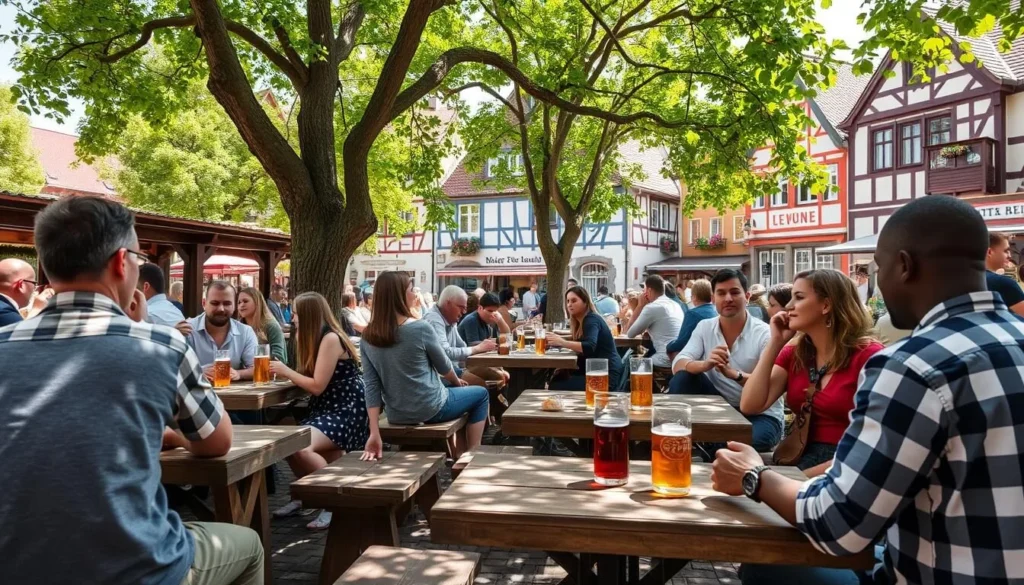
- Dining: It’s customary to say “Guten Appetit” before eating. In beer gardens and casual restaurants, it’s normal to share tables with strangers.
- Tipping: Service is usually included in restaurant bills, but it’s customary to round up or add about 10% for good service. Tell the server the total amount you wish to pay when settling the bill.
- Recycling: Germans take environmental responsibility seriously. Use the appropriate bins for different types of waste.
Important Cultural Notes
Due to Germany’s history, Nazi symbols and gestures are illegal and socially unacceptable. When visiting WWII-related sites, maintain a respectful demeanor. Sundays are traditionally quiet days in Germany, with most shops closed (except in train stations and airports). Plan your shopping accordingly.
Visitor Comments About Nuremberg
“The perfect blend of medieval charm and sobering history. We spent three days exploring Nuremberg and could have easily stayed longer. Don’t miss the Imperial Castle for amazing city views, and take time to wander the less touristy streets away from the main square. The Memorium Nuremberg Trials was incredibly moving and put the city’s complex history into perspective. And the food! Those tiny bratwursts pack so much flavor!”
“Visited during the Christmas Market and it was magical beyond words! The entire Old Town transforms into a winter wonderland with the scent of gingerbread and mulled wine filling the air. We stayed near the main station which made exploring easy. The market gets crowded in the evenings, so go early if possible. Make sure to try the local Lebkuchen – I brought boxes home for everyone and they were a hit!”
“As a history professor, I found Nuremberg fascinating for its dual identity – both as a center of medieval imperial power and later as the infamous site of Nazi rallies and trials. The Documentation Center does an excellent job explaining this difficult history. The city has beautiful architecture that survived or was meticulously reconstructed after WWII. Don’t miss the Albrecht Dürer House and take time to enjoy the local beer culture. The 5 Seidla Steig beer hike outside the city was a highlight!”
Practical Travel Tips
Money Matters
- Germany uses the Euro (€). Credit cards are widely accepted in hotels, restaurants, and larger shops, but some smaller establishments and markets may only accept cash.
- ATMs (Geldautomat) are readily available throughout the city.
- The Nuremberg Card costs €28 and includes free entry to many attractions plus unlimited public transportation for two consecutive days – a good value if you plan to visit several museums.
Communication
- While German is the official language, many people in the tourism industry speak English.
- Learning a few basic German phrases is appreciated: “Danke” (thank you), “Bitte” (please), “Guten Tag” (good day).
- Free Wi-Fi is available in many cafés, restaurants, and public spaces. The main train station and tourist information centers also offer free Wi-Fi.
Practical Information
- Stores are typically open Monday to Saturday from 9:00 AM to 8:00 PM and closed on Sundays, with exceptions for shops in train stations.
- The main Tourist Information Office is located at Hauptmarkt 18, offering maps, brochures, and assistance with bookings.
- Tap water is safe to drink throughout Germany, though restaurants will still charge for bottled water if requested.
Day Trips from Nuremberg
Nuremberg’s central location makes it an excellent base for exploring other charming destinations in Franconia and Bavaria.
Rothenburg ob der Tauber
Just 90 minutes from Nuremberg by train, this perfectly preserved medieval walled town looks like it came straight from a fairy tale. Walk the complete town walls, visit the Medieval Crime Museum, and sample the town’s signature pastry, the snowball (Schneeball).
Bamberg
A UNESCO World Heritage Site only 40 minutes from Nuremberg by train, Bamberg is famous for its well-preserved old town, stunning cathedral, and unique smoked beer (Rauchbier). The Little Venice area along the river is particularly picturesque.
Regensburg
Another UNESCO-listed gem, Regensburg boasts the oldest stone bridge in Germany and a perfectly preserved medieval center. Just one hour by train from Nuremberg, it’s home to excellent restaurants and the historic Wurstkuchl, claimed to be the world’s oldest sausage kitchen.
Munich
Bavaria’s capital is just one hour away by direct train, making it possible to visit as a day trip. Explore the central Marienplatz with its famous Glockenspiel, visit world-class museums, or relax in the English Garden, one of the world’s largest urban parks at 375 hectares (926 acres).
The Perfect Blend of Past and Present
Nuremberg offers a remarkable journey through time, where medieval splendor coexists with poignant reminders of more recent history. From the towering Imperial Castle to the sobering Nazi Party Rally Grounds, from world-class museums to charming Christmas markets, this Bavarian gem rewards visitors with authentic experiences and profound insights. Whether you’re savoring tiny bratwursts in a historic tavern, admiring Albrecht Dürer’s artistic legacy, or simply wandering the picturesque streets of the Old Town, Nuremberg invites you to discover the many layers of its fascinating story. As you plan your visit to this captivating city, remember that Nuremberg isn’t just a destination—it’s a living testament to the resilience of human culture and the enduring power of history to teach, inspire, and transform.
The above is subject to change.
Check back often to TRAVEL.COM for the latest travel tips and deals.
0 Comments