
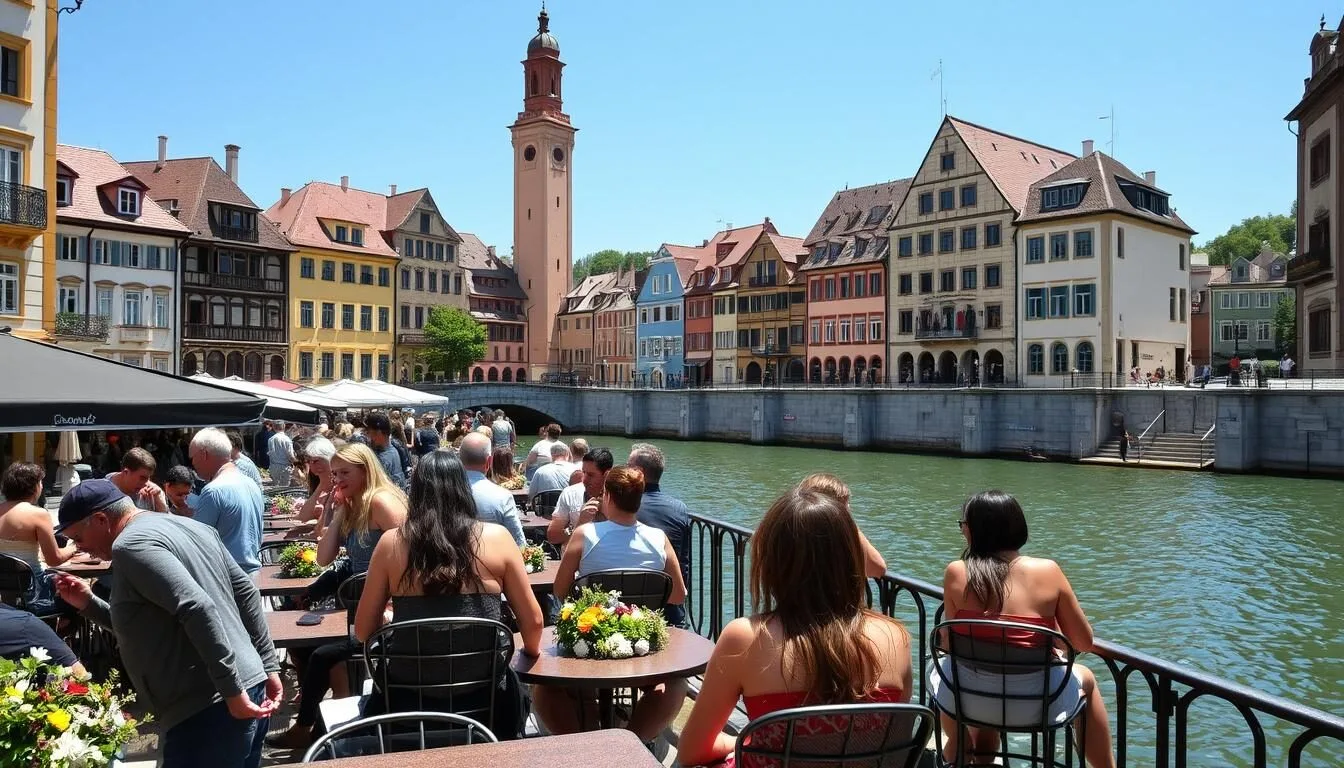
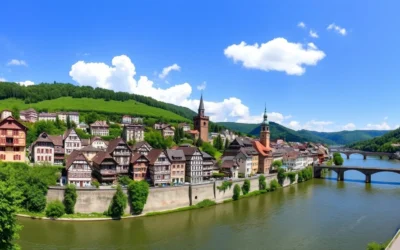
Did you know that Passau is often called the “Venice of Bavaria” because it’s built on three rivers—the Danube, Inn, and Ilz—which converge at a single point, creating a stunning visual spectacle of three different colored waters merging together? This unique geographical feature has shaped Passau’s history and culture for over 2,000 years, making it one of Bavaria’s most picturesque and historically significant cities.
Getting There & Planning Your Journey
Passau is conveniently located in southeastern Germany, near the Austrian border. The closest major airports are Munich International Airport (175 km or 109 miles away) and Linz Airport in Austria (85 km or 53 miles away). From either airport, you can reach Passau by train or rental car.
Train connections to Passau are excellent, with regular services from Munich (about 2.5 hours), Vienna (about 3 hours), and other major cities. The German rail service (Deutsche Bahn) offers comfortable and efficient connections to Passau’s main train station, which is located just a 15-minute walk from the Old Town.
If you’re traveling by car, Passau is accessible via the A3 autobahn, making it an easy drive from Munich or Vienna. The city also serves as a popular stop for Danube River cruises, with many travelers arriving by boat during the summer months.
Best Time to Visit & Weather Tips
The ideal time to visit Passau is from May through September when temperatures are pleasant (averaging 18-25°C or 64-77°F) and outdoor activities are in full swing. June through August bring the warmest weather but also the most tourists, particularly from river cruises.
Spring (April-May) and fall (September-October) offer milder temperatures and fewer crowds, making these shoulder seasons excellent for visitors who prefer a more relaxed experience. The fall colors along the rivers create particularly stunning photo opportunities.
Winter (November-March) in Passau can be cold, with temperatures often dropping below freezing. However, the Christmas market in December transforms the Old Town into a magical winter wonderland, making it worth braving the cold weather.
Rain is possible year-round, so pack a light raincoat regardless of when you visit. Passau occasionally experiences flooding when the three rivers rise, typically in spring, so check local conditions if traveling during this time.
Getting Around Locally
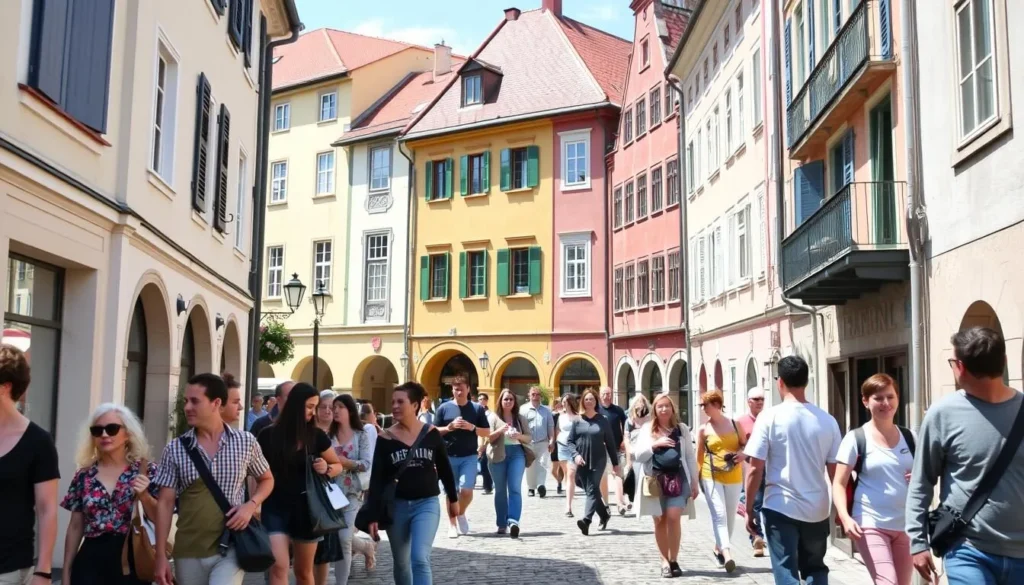
Passau’s Old Town (Altstadt) is compact and pedestrian-friendly, making walking the best way to explore the city center. The cobblestone streets and narrow alleys are part of the charm, though comfortable walking shoes are essential due to the uneven surfaces and occasional hills.
Local buses operated by VLP (Verkehrsbetrieb Passau) connect the train station with the Old Town and other parts of the city. Single tickets cost around €2.20, while day passes offer better value at approximately €5.50 if you plan to make multiple trips.
Cycling is another excellent option, especially for exploring along the rivers. Bike rentals are available at several locations in the city center, with prices starting at around €15 per day. The flat riverside paths make for easy and scenic cycling routes.
Taxis are readily available but rarely necessary given the compact nature of the main tourist areas. For those with mobility challenges, note that some parts of the Old Town involve stairs and steep inclines, particularly when visiting the Veste Oberhaus fortress.
Where to Stay
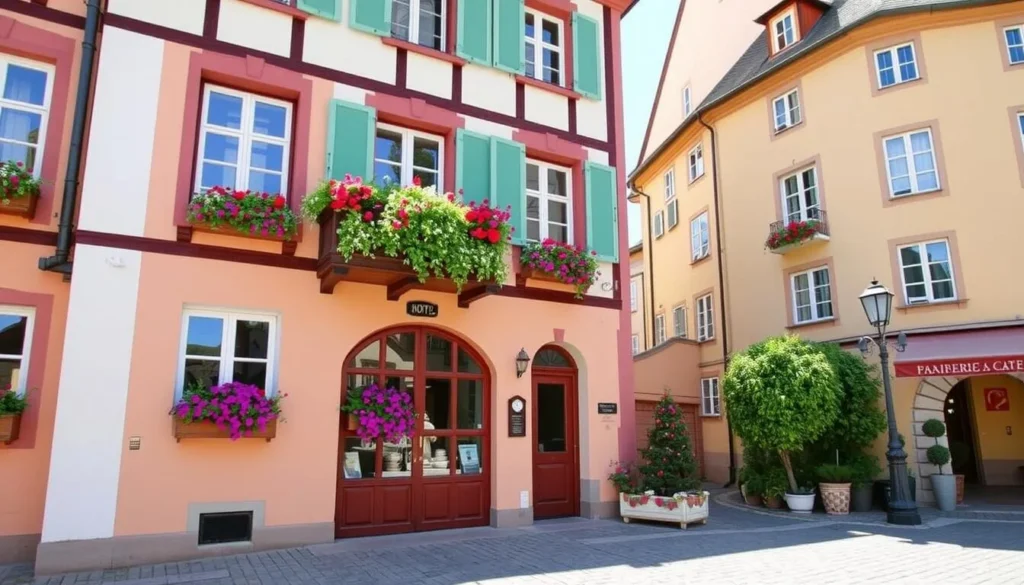
Passau offers a range of accommodation options to suit different budgets and preferences. For the best experience, consider staying in or near the Old Town to have easy access to the main attractions.
The Hotel Wilder Mann, located in a historic building in the heart of the Old Town, offers traditional Bavarian charm and houses the Glass Museum. Its central location makes it ideal for exploring the city on foot.
For river views, the Altstadt-Hotel Passau provides comfortable rooms overlooking the Danube, while the IBB Hotel Passau Süd offers modern amenities at more affordable rates just outside the city center.
Budget travelers can find good value at the Veste Oberhaus Youth Hostel, uniquely located within the fortress walls and offering spectacular views of the city. For a more local experience, several guesthouses (Pensionen) and vacation apartments are available throughout the city, often providing more space and kitchen facilities.
During the summer months and December (Christmas market season), accommodations fill up quickly, so booking well in advance is recommended for these peak periods.
Dining & Local Cuisine
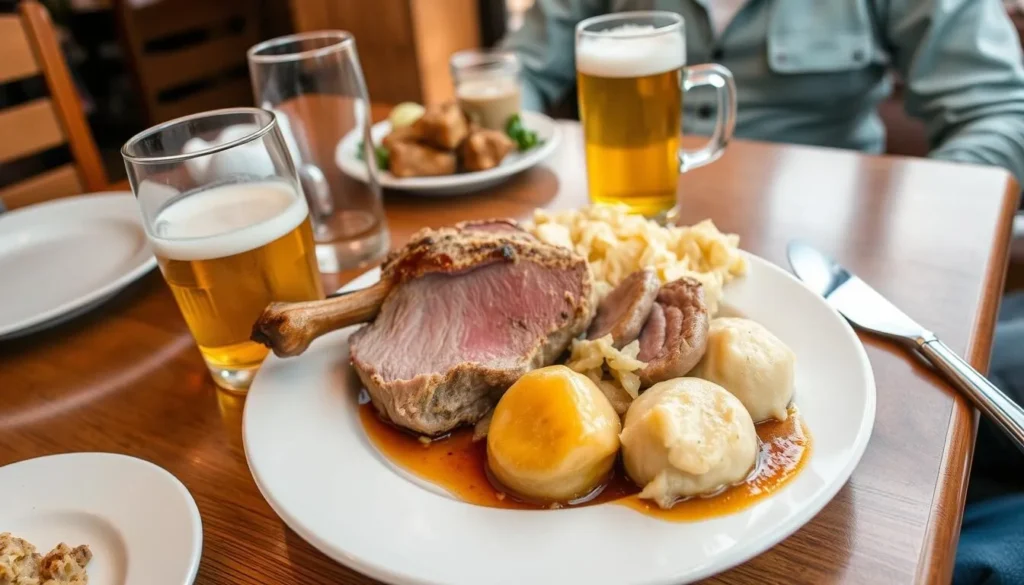
Passau’s culinary scene blends traditional Bavarian fare with Austrian influences, reflecting its border location. The city offers everything from casual beer gardens to elegant riverside dining.
For authentic Bavarian cuisine, visit Bayerischer Löwe in the Old Town, where you can enjoy hearty dishes like Schweinshaxe (roasted pork knuckle), Käsespätzle (cheese noodles), and freshly baked pretzels. Pair your meal with a local beer for the full experience.
Riverside dining is a highlight in Passau, with restaurants along the Danube offering scenic views alongside their menus. Das Oberhaus Restaurant, located at the Veste Oberhaus fortress, combines panoramic city views with traditional Bavarian dishes.
Coffee and cake culture is strong in Passau, with numerous cafés serving excellent pastries. Try the local specialty, Passauer Tölpel, a praline-filled chocolate treat named after a legendary local character.
For those with dietary restrictions, most restaurants now offer vegetarian options, though vegan choices may be more limited in traditional establishments. International cuisine, including Italian and Asian restaurants, can also be found throughout the city.
Attractions, Sightseeing & Activities
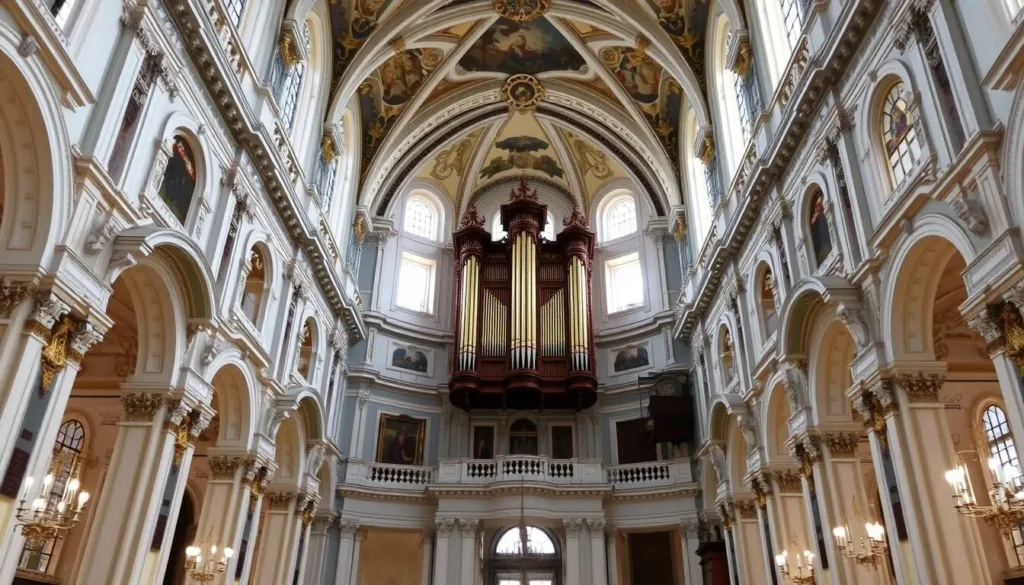
St. Stephen’s Cathedral (Dom St. Stephan)
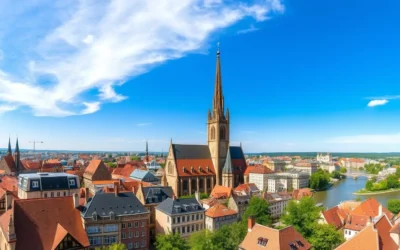
This magnificent Baroque cathedral dominates Passau’s skyline and houses the world’s largest cathedral organ, with 17,974 pipes and 233 registers. Organ concerts are held daily at noon from May to October (except Sundays and holidays), offering visitors a chance to experience the incredible acoustics.
Three Rivers Viewpoint (Dreiflüsseeck)
The point where the Danube, Inn, and Ilz rivers meet is Passau’s defining geographical feature. Head to the tip of the peninsula at Ortspitze Park for the best view of the three differently colored rivers converging—the blue Danube, the green Inn, and the black Ilz create a fascinating natural spectacle.
Veste Oberhaus
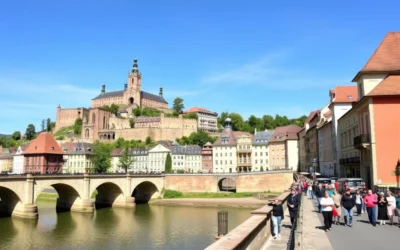
Perched 105 m (344 ft) above the city, this 13th-century fortress offers the most spectacular views of Passau and the surrounding landscape. Inside, the Oberhausmuseum chronicles the city’s history. You can reach the fortress by a steep hiking path or take the shuttle bus from the Old Town.
Old Town (Altstadt)
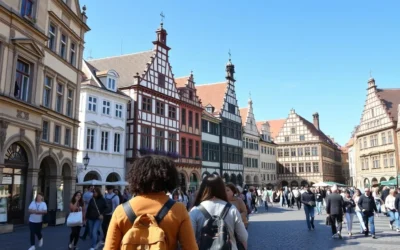
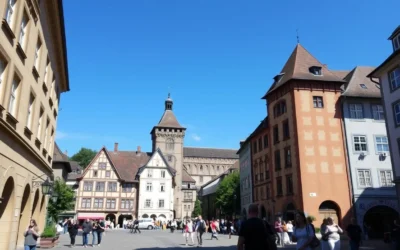
Passau’s charming Old Town features narrow cobblestone streets and colorful buildings in Italian Baroque style. The main square, Residenzplatz, is surrounded by the cathedral, the New Bishop’s Residence, and numerous cafés. Don’t miss Höllgasse (Artists’ Alley), a colorful street lined with galleries and artisan shops.
Passau Town Hall (Rathaus)
The historic Town Hall features a distinctive tower and houses impressive frescoes depicting scenes from Passau’s history. Look for the flood markers on the building’s exterior, showing the dramatic water levels from past floods, including the record-breaking flood of 2013.
Museums, Cultural Spots & Festivals
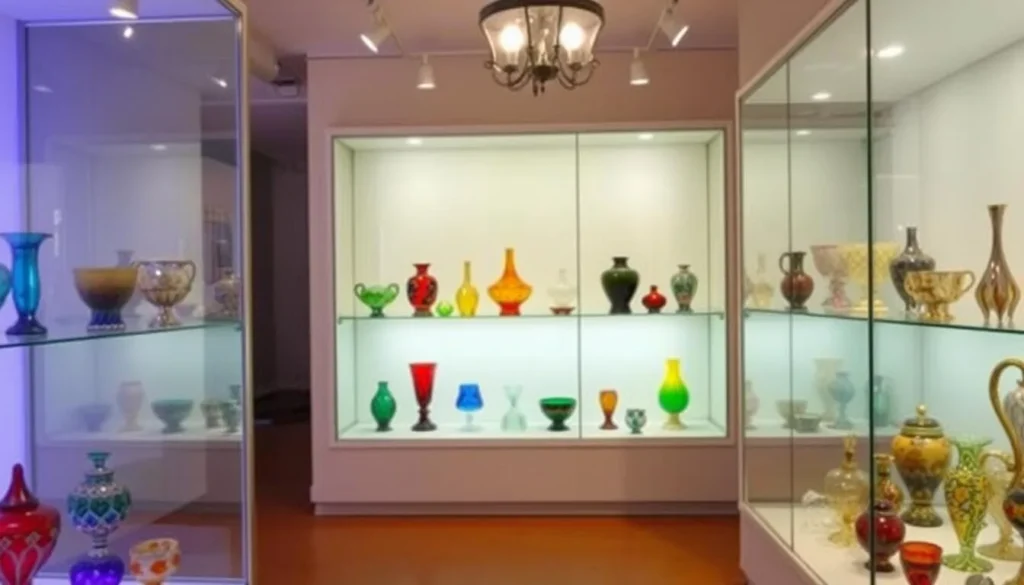
Passau Glass Museum
Located in the Hotel Wilder Mann, this museum houses the world’s largest collection of European glass, with over 30,000 pieces dating from the Baroque period to the 20th century. The exquisite displays showcase the evolution of glassmaking techniques and styles over four centuries.
Museum of Modern Art (Museum Moderner Kunst)
This contemporary art museum features rotating exhibitions of modern works, with a focus on 20th and 21st-century art. The museum is housed in a historic building along the Danube and provides an interesting contrast to Passau’s predominantly Baroque architecture.
Dackelmuseum (Dachshund Museum)
One of Passau’s most unique attractions, this museum is dedicated entirely to dachshunds (known as “dackels” in German). With over 4,500 dachshund-related items, it’s a quirky and entertaining stop that celebrates Germany’s love for this distinctive dog breed.
Roman Museum Kastell Boiotro
This archaeological museum is built on the site of a Roman fort from around 300 CE and offers insights into Passau’s ancient history. Exhibits include artifacts from daily Roman life and remnants of the original fortifications.
Festivals
The Three Rivers Festival (Dreiflussfest) in July features music, food, and fireworks celebrating Passau’s unique geography. The European Weeks Festival (Europäische Wochen) from June to July presents classical music concerts in historic venues throughout the city. In December, the Christmas Market transforms the Cathedral Square into a festive wonderland with traditional crafts, food, and mulled wine.
Sports, Nature & Outdoor Experiences
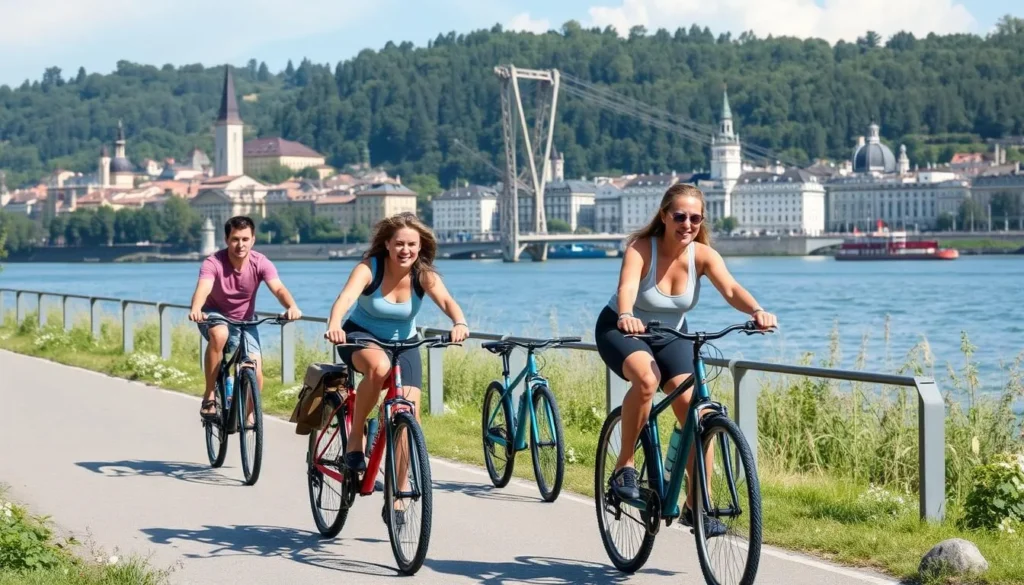
Passau’s location at the junction of three rivers and surrounded by rolling hills makes it perfect for outdoor enthusiasts. The Danube Cycle Path, one of Europe’s most popular cycling routes, passes through Passau and extends all the way to Vienna. Rental bikes are available throughout the city for those wanting to explore a section of this scenic route.
Hiking opportunities abound in the nearby Bavarian Forest, with trails ranging from easy walks to challenging day hikes. The Ilz River Valley offers particularly beautiful hiking paths through pristine nature, with the “Goldener Steig” (Golden Path) being a local favorite.

Water sports enthusiasts can enjoy kayaking or stand-up paddleboarding on the calmer sections of the rivers. Local operators offer equipment rentals and guided tours, with the area between the Danube and Inn rivers being particularly popular for paddling adventures.
River cruises provide a more relaxed way to experience the waterways, with options ranging from one-hour sightseeing trips to full-day excursions. The Kristallschiff (Crystal Ship), adorned with Swarovski crystals, offers a particularly unique cruising experience.
In winter, the nearby Bavarian Forest offers cross-country skiing opportunities, while the Austrian Alps are within day-trip distance for downhill skiing enthusiasts.
Safety, Etiquette & Local Customs
Passau is generally a very safe city with low crime rates. The usual travel precautions apply—keep valuables secure and be aware of your surroundings, particularly in crowded tourist areas. The steep streets and cobblestone surfaces can be slippery when wet, so appropriate footwear is recommended.
German punctuality is not just a stereotype—tours, buses, and events typically start exactly on time. Shops in Passau generally close early (around 6:00 PM) on weekdays and Saturday afternoons, with most remaining closed on Sundays except for restaurants and some tourist shops.
Tipping in restaurants is customary but less extensive than in North America. Rounding up the bill or adding 5-10% for good service is appreciated. When dining, it’s polite to wait until everyone at the table has been served before beginning to eat.
Germans tend to be direct in communication, which some visitors might perceive as abruptness. This is not rudeness but rather a cultural preference for clarity and efficiency. Basic German phrases like “Guten Tag” (good day) and “Danke” (thank you) are always appreciated, though many people in the tourism industry speak English.
Passau occasionally experiences flooding when the rivers rise, typically in spring. If visiting during this season, check local conditions and follow any safety advisories issued by local authorities.
Visitor Comments About Passau
“The view from Veste Oberhaus alone was worth the trip to Passau! We spent hours just watching the three rivers meet while enjoying a local beer at the fortress restaurant. Don’t miss the organ concert at St. Stephen’s—even if you’re not particularly interested in organ music, the experience is truly spectacular in that beautiful cathedral.”
“We arrived in Passau as part of a Danube cruise but wished we had planned to stay longer. The Old Town is so charming and walkable, with beautiful architecture at every turn. The Glass Museum was an unexpected highlight—I had no idea glass could be so fascinating! Make time to just sit by the rivers and soak in the atmosphere.”
“Cycling along the Danube from Passau to Vienna was the highlight of our European trip. Passau made the perfect starting point, with excellent bike rental services and a beautiful Old Town to explore before setting off. The Dachshund Museum brought smiles to our whole family—such a quirky and delightful place!”
Practical Travel Tips
Currency & Payments
Germany uses the Euro (€). Credit cards are widely accepted in hotels and larger restaurants, but smaller establishments and some shops may only accept cash or German debit cards. ATMs (called “Geldautomat”) are readily available throughout the city.
Language
While German is the official language, many people working in tourism speak English. Learning a few basic German phrases is appreciated and can enhance your experience. The local Bavarian dialect differs somewhat from standard German but is not typically used with tourists.
Internet & Connectivity
Free Wi-Fi is available in many cafés, restaurants, and hotels. The city also offers some public Wi-Fi hotspots in central areas. EU visitors can use their mobile data without additional roaming charges, while visitors from other countries should check with their providers or consider purchasing a local SIM card.
Tourist Information
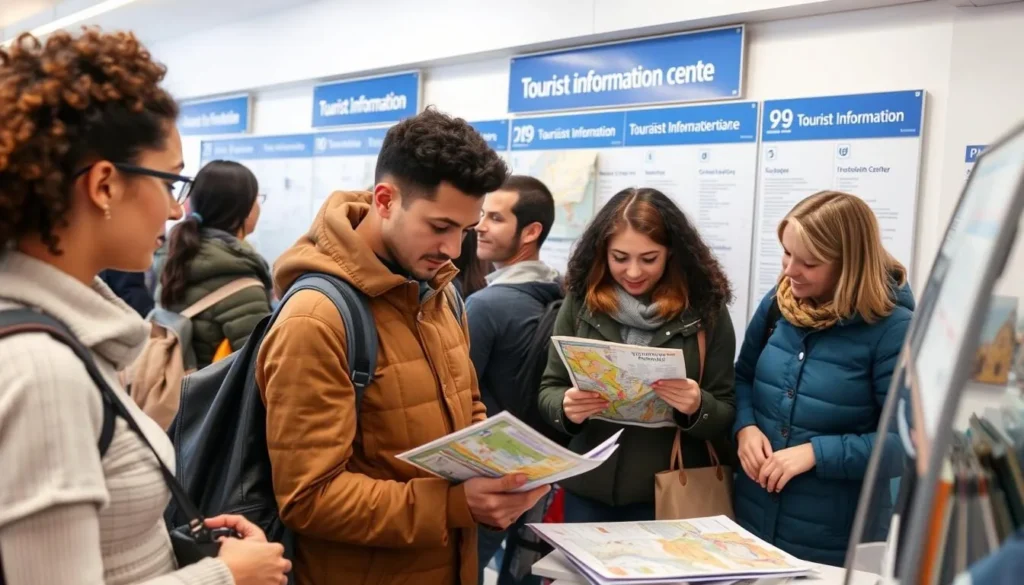
Passau’s Tourist Information Office is located at Rathausplatz 3 in the Old Town and offers maps, brochures, and helpful advice. They can also assist with accommodation bookings and provide information about current events and attractions.
Accessibility
While efforts have been made to improve accessibility, Passau’s historic nature means that some areas have cobblestone streets and steps that may be challenging for those with mobility issues. The Old Town has some steep inclines, and not all attractions are fully accessible. The Tourist Information Office can provide specific information about accessible routes and facilities.
Your Bavarian River Adventure Awaits
Passau offers a perfect blend of natural beauty, rich history, and Bavarian charm that makes it much more than just a stopover on a Danube cruise. Whether you’re admiring the architectural splendor of St. Stephen’s Cathedral, watching the three rivers converge at Dreiflüsseeck, or cycling along scenic riverside paths, Passau rewards visitors with unique experiences and picturesque views at every turn.
The city’s manageable size makes it possible to explore the main attractions in a day or two, but those who linger longer will discover hidden gems and develop a deeper appreciation for this Bavarian jewel. From the grandeur of its Baroque buildings to the simple pleasure of watching river life unfold from a café terrace, Passau invites you to slow down and savor the moment.
As you plan your visit to this “Venice of Bavaria,” remember that Passau’s true charm lies in the harmonious way it blends its three rivers, multiple cultural influences, and centuries of history into one delightful destination. Whether you’re a history buff, nature lover, or culinary explorer, Passau welcomes you with open arms and promises memories that will flow as steadily as its three beautiful rivers.
The above is subject to change.
Check back often to TRAVEL.COM for the latest travel tips and deals.
0 Comments