
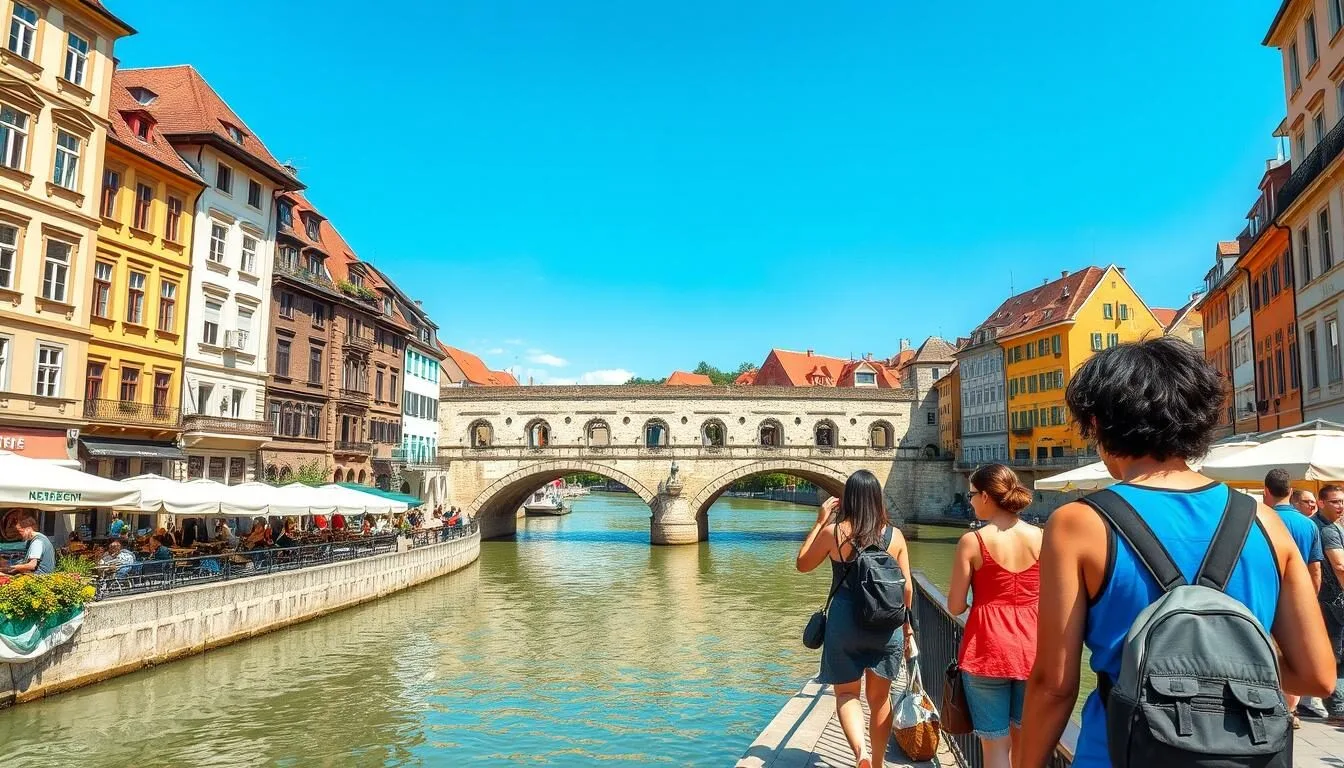
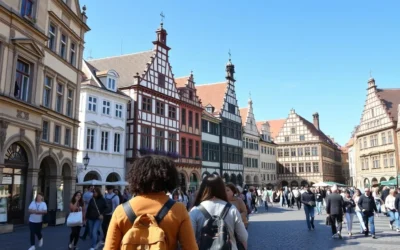
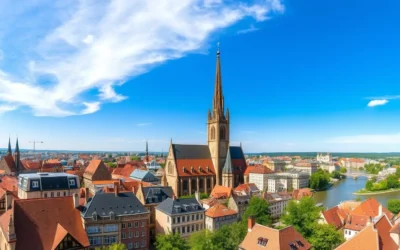
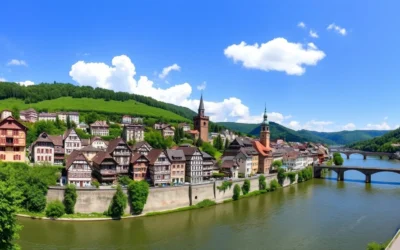
Did you know that Regensburg is home to the oldest continuously operating restaurant in the world? The Historic Sausage Kitchen (Historische Wurstküche) has been serving its famous sausages since 1146 – that’s nearly 900 years of uninterrupted culinary tradition! This medieval Bavarian gem along the Danube River boasts one of Germany’s best-preserved old towns, with over 1,500 listed historical buildings packed into its UNESCO World Heritage center. Whether you’re drawn to Gothic cathedrals, Roman ruins, or simply want to experience authentic Bavarian culture, Regensburg offers a perfect blend of history, beauty, and charm that makes it one of Germany’s most rewarding destinations.
Getting There & Planning Your Journey
Regensburg is conveniently located in Bavaria, making it accessible from several major cities. The closest international airport is Munich Airport (MUC), approximately 110 km (68 miles) away. From there, you can take a direct train to Regensburg Hauptbahnhof (main station), with the journey taking about 1.5 hours.
Nuremberg Airport (NUE) is another option, located about 100 km (62 miles) from Regensburg. Regular train connections are available, with travel time around 1 hour.
If you’re already in Germany, Deutsche Bahn offers excellent rail connections to Regensburg from major cities:
- Munich to Regensburg: 1.5 hours
- Nuremberg to Regensburg: 1 hour
- Berlin to Regensburg: 4.5 hours
- Frankfurt to Regensburg: 3 hours
For those driving, Regensburg is accessible via the A3 and A93 autobahns. The city is also a popular stop on Danube River cruises, with many ships docking right in the city center.
Best Time to Visit & Weather Tips
Recommended Seasons
The best time to visit Regensburg is from late spring to early autumn (May to September) when temperatures are pleasant and outdoor activities are in full swing. During these months, temperatures typically range from 18-26°C (64-79°F), perfect for exploring the city on foot.
Peak Season (June-August)
Summer brings the warmest weather and the most tourists. The city comes alive with outdoor dining, river cruises, and cultural events. However, be prepared for larger crowds and slightly higher accommodation prices.
Shoulder Season (April-May, September-October)
These months offer a great balance of pleasant weather and fewer tourists. Spring brings blooming flowers to the city’s parks, while autumn offers beautiful colors and harvest festivals.
Winter Season (November-March)
Winters in Regensburg are cold, with temperatures often between -1°C and 5°C (30-41°F). December brings charming Christmas markets, particularly the romantic market at Thurn und Taxis Palace, which many consider one of Germany’s most beautiful. January and February are the quietest months for tourism.
Seasons to Avoid
There’s no bad time to visit Regensburg, but November can be particularly gray and rainy. Late January and February might be less appealing unless you enjoy cold weather, as many outdoor attractions are less comfortable to explore.
Getting Around Locally
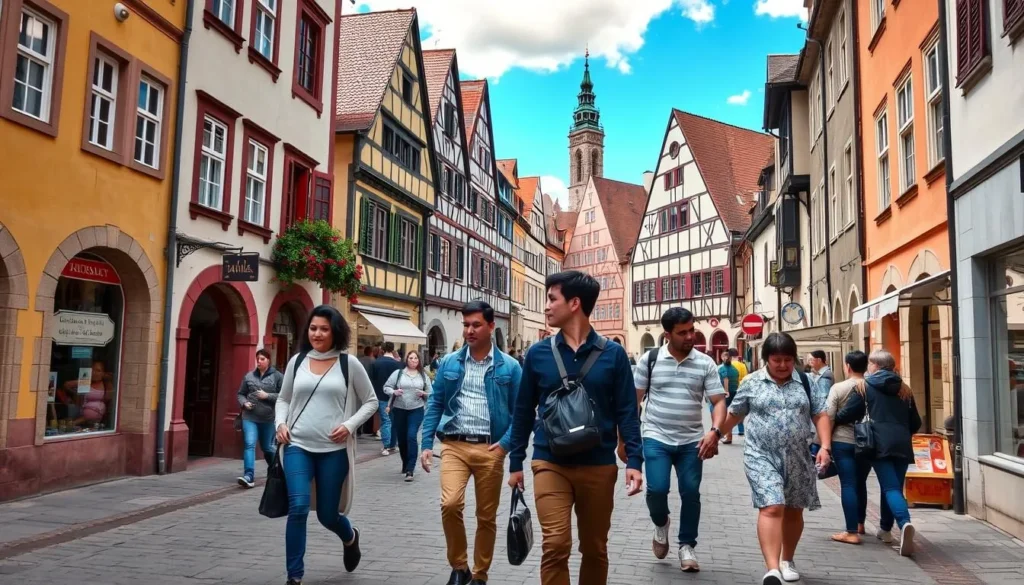
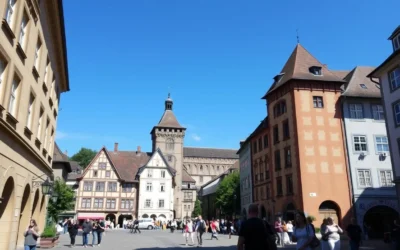
Regensburg’s compact Old Town (Altstadt) is best explored on foot. Most attractions are within walking distance of each other, and the pedestrianized streets make strolling a pleasure. Comfortable walking shoes are essential, as the cobblestone streets, while charming, can be uneven.
For longer distances, Regensburg has an efficient bus network operated by RVV (Regensburger Verkehrsverbund). Single tickets cost around €2.50, while day passes are approximately €5.50. Buses run regularly throughout the city and to surrounding areas.
Cycling is another excellent option, with rental bikes available from several locations in the city center. Regensburg is bike-friendly, with dedicated cycling paths throughout much of the city.
Taxis are readily available but relatively expensive. They can be hailed on the street, found at designated taxi stands, or ordered by phone.
For those interested in exploring the Danube, river cruises offer a unique perspective of the city. Short sightseeing cruises last about 45 minutes, while longer excursions to nearby attractions like the Walhalla Memorial take about 3 hours.
Where to Stay
Old Town Accommodations
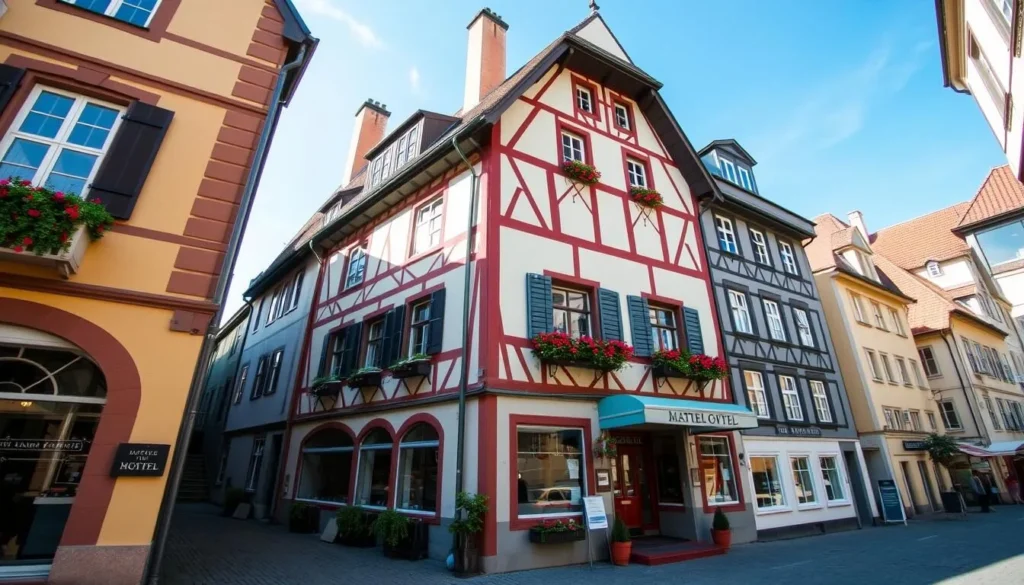
Staying in Regensburg’s UNESCO-listed Old Town puts you steps away from major attractions. Historic hotels and boutique guesthouses occupy renovated medieval buildings, offering unique charm and character. Prices range from €100-250 per night, with options like Hotel Goldenes Kreuz (a historic hotel where emperors once stayed) and Hotel Goliath am Dom (near the cathedral).
Mid-Range Options
Just outside the Old Town, you’ll find excellent mid-range hotels offering good value and easy access to attractions. These typically range from €70-120 per night and include modern amenities while still being within walking distance of major sights.
Budget Accommodations
Budget travelers can find hostels and simple guesthouses starting around €25 for dorm beds and €60 for basic private rooms. The youth hostel (Jugendherberge Regensburg) offers affordable accommodation in a historic building with Danube views.
Luxury Stays
For a truly special experience, consider the Hotel Orphée, a boutique hotel with a renowned French restaurant, or splurge on accommodations near Thurn und Taxis Palace. Luxury options typically start at €150 per night.
Regardless of your budget, booking accommodation well in advance is recommended, especially during summer months and December when the Christmas markets are operating.
Dining & Local Cuisine
Historic Sausage Kitchen (Historische Wurstküche)
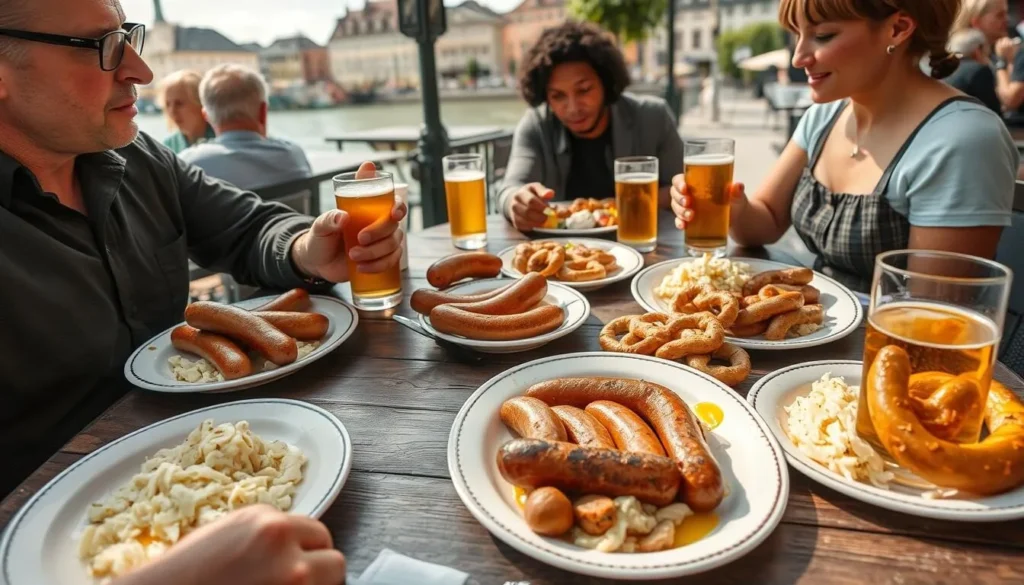
No visit to Regensburg is complete without trying the world’s oldest sausage kitchen. Operating since 1146, this riverside establishment serves small, grilled sausages with sauerkraut and sweet mustard. It’s located near the Stone Bridge and offers both sit-down service and takeaway options.
Traditional Bavarian Cuisine
Regensburg offers excellent Bavarian specialties, including:
- Schweinebraten (roast pork with dumplings and gravy)
- Knödel (bread or potato dumplings)
- Leberkäse (a meatloaf-like dish)
- Obatzda (cheese spread with pretzels)
- Apfelstrudel (apple strudel)
Local Beer Culture
Bavaria is famous for its beer, and Regensburg continues this proud tradition. Visit Spitalbrauerei, a brewery dating back to 1226, for excellent beer and traditional food in their beer garden overlooking the Danube. Other notable establishments include Kneitinger Brewery and Bischofshof, both producing excellent local brews.
Cafés and Sweet Treats
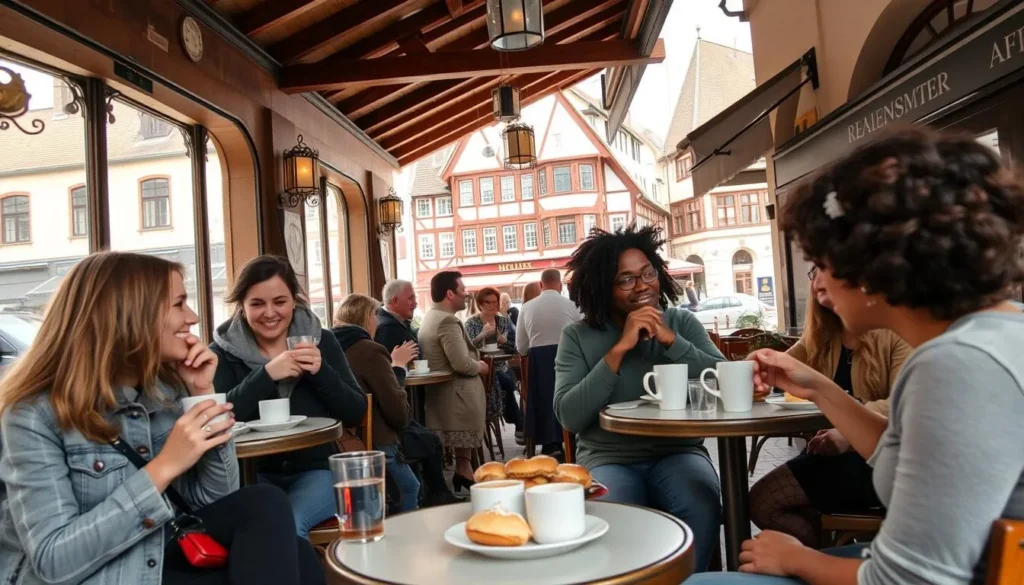
Café Prinzess, Germany’s oldest coffee house (established 1686), offers excellent coffee and pastries. For ice cream, head to Eis Greindl, known for its creative flavors made with local ingredients.
Dining Areas
The areas around Haidplatz and Neupfarrplatz are filled with restaurants ranging from traditional Bavarian to international cuisine. For a romantic dinner, try the restaurants along the Danube or in the narrow streets of the Old Town.
Attractions, Sightseeing & Activities
Stone Bridge (Steinerne Brücke)
This 12th-century bridge spanning the Danube is Regensburg’s most iconic landmark. Built between 1135 and 1146, it was once considered the eighth wonder of the world and served as a model for other famous bridges across Europe. The bridge offers spectacular views of the Old Town and the cathedral, making it a perfect spot for photos.
St. Peter’s Cathedral (Dom St. Peter)
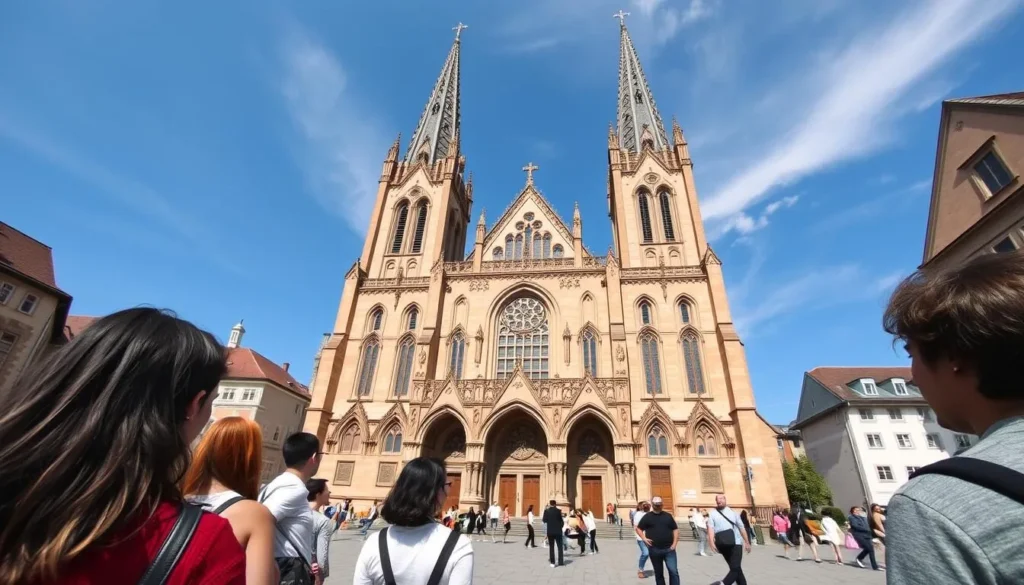
This magnificent Gothic cathedral dominates Regensburg’s skyline with its twin spires. Construction began in 1275, though it wasn’t fully completed until the 19th century. Inside, you’ll find beautiful medieval stained glass windows, an impressive organ, and the Regensburg Boys’ Choir, which performs regularly. Entry is free, but donations are appreciated.
Old Town Hall (Altes Rathaus)
Dating back to the 13th century, the Old Town Hall served as the meeting place for the Imperial Diet (Reichstag) of the Holy Roman Empire for nearly 150 years. Guided tours (available daily, €7.50) take you through the Imperial Hall, interrogation room, and medieval dungeon.
Goliath House (Goliathhaus)
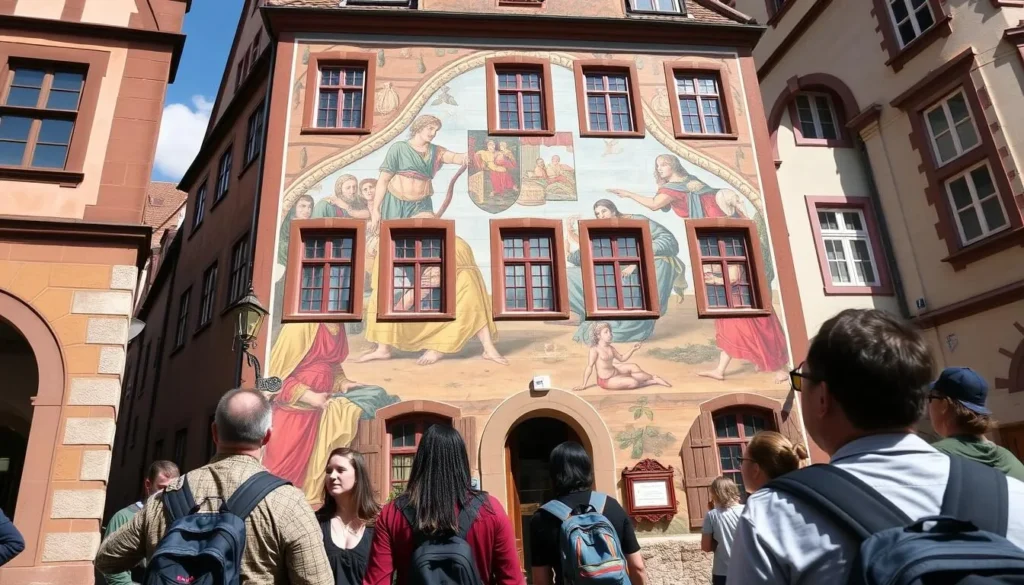
This 13th-century building features a massive mural of David and Goliath painted in 1573. Look for the small frog in the corner of the mural – it was added by a restorer in the 1840s as his signature.
Porta Praetoria
Dating from 179 AD, this ancient Roman gate is one of the oldest structures in Regensburg and one of only two surviving Roman gates north of the Alps. It’s partially integrated into more recent buildings, making it an interesting blend of ancient and medieval architecture.
Thurn und Taxis Palace (Schloss Thurn und Taxis)
This magnificent palace is still home to the Thurn und Taxis family, who established Europe’s postal system in the 16th century. Tours of the palace (€17) showcase opulent rooms filled with art and antiques. The palace grounds are particularly beautiful, and in December, they host one of Germany’s most romantic Christmas markets.
Museums, Cultural Spots & Festivals
House of Bavarian History
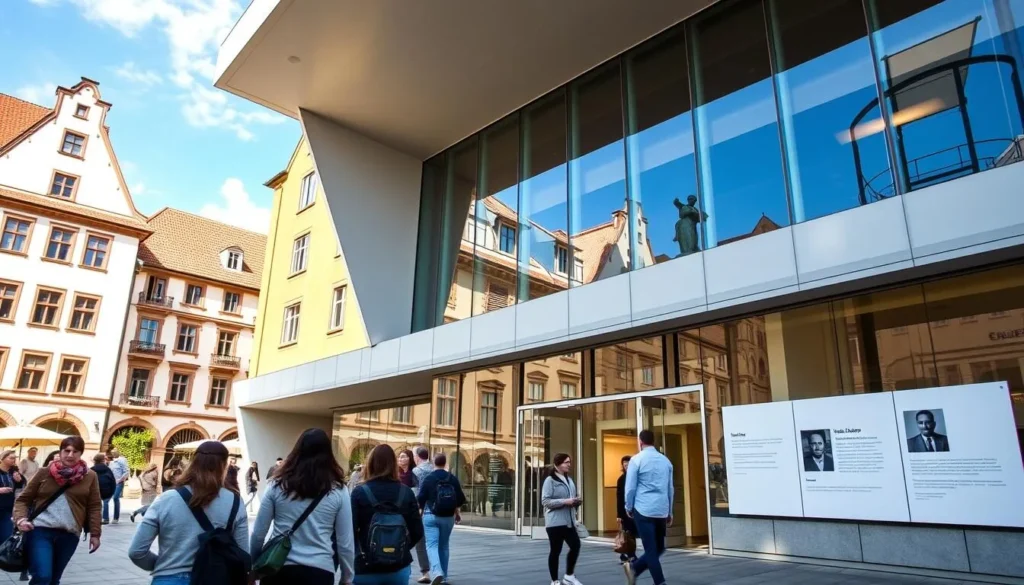
Opened in 2019, this modern museum offers an engaging journey through Bavaria’s past. Interactive exhibits cover everything from royal history to folk traditions and modern developments. The museum is open daily except Mondays, with admission costing €10.
Document Neupfarrplatz
This underground museum reveals the history of Regensburg’s former Jewish quarter. Archaeological excavations uncovered remains of the medieval synagogue and Jewish homes destroyed in 1519. Guided tours provide insight into this important aspect of the city’s history.
Kepler Memorial House
Astronomer Johannes Kepler lived in Regensburg during his final years. His former residence now houses a small museum dedicated to his life and scientific achievements, with original manuscripts and astronomical instruments on display.
Dachshund Museum
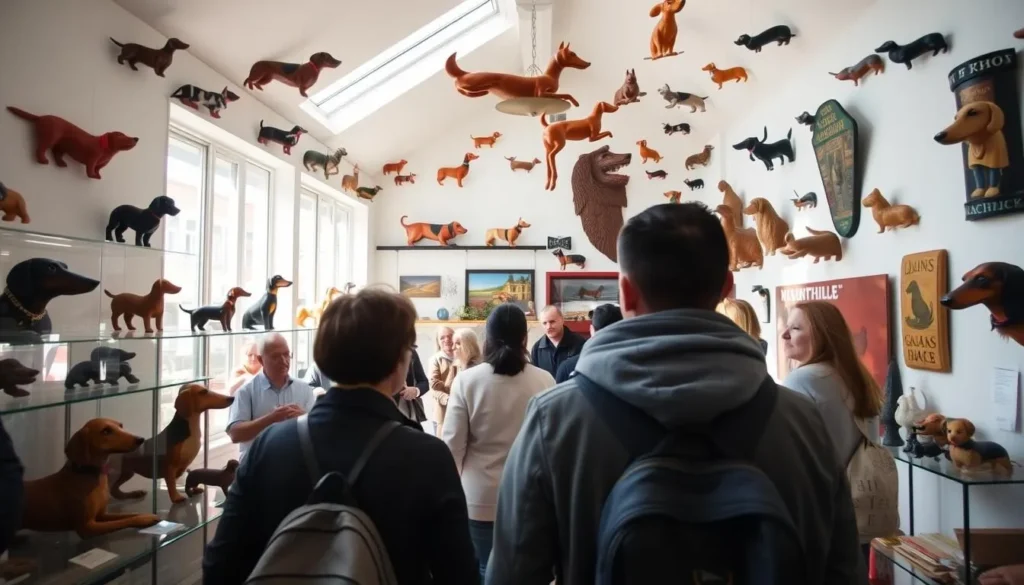
For something completely different, visit the world’s only museum dedicated to dachshunds. With over 4,500 items related to these beloved dogs, it’s a quirky and entertaining stop that dog lovers will particularly appreciate.
Festivals and Events
- Regensburg Jazz Festival (March) – Bringing international jazz musicians to venues throughout the city
- Bavarian Beer Festival (May) – Celebrating the region’s brewing traditions
- Regensburg Castle Festival (July) – Open-air concerts and performances in historic settings
- Bürgerfest (June, every two years) – A massive city festival with music, food, and cultural events
- Christmas Markets (December) – Several markets throughout the city, with the Thurn und Taxis Palace market being particularly spectacular
Sports, Nature & Outdoor Experiences

Danube River Activities
The Danube offers numerous recreational opportunities. Take a sightseeing cruise to appreciate Regensburg from the water, or rent a kayak for a more active experience. The riverbanks are perfect for picnics and relaxing walks, especially on Jahninsel, a small island in the Danube accessible from the Stone Bridge.
Cycling Routes
Regensburg sits on the famous Danube Cycle Path, which runs from Germany all the way to the Black Sea. Rent a bicycle and explore sections of this scenic route, or take shorter rides around the city and its surroundings. The flat terrain makes cycling accessible for all fitness levels.
Walhalla Memorial
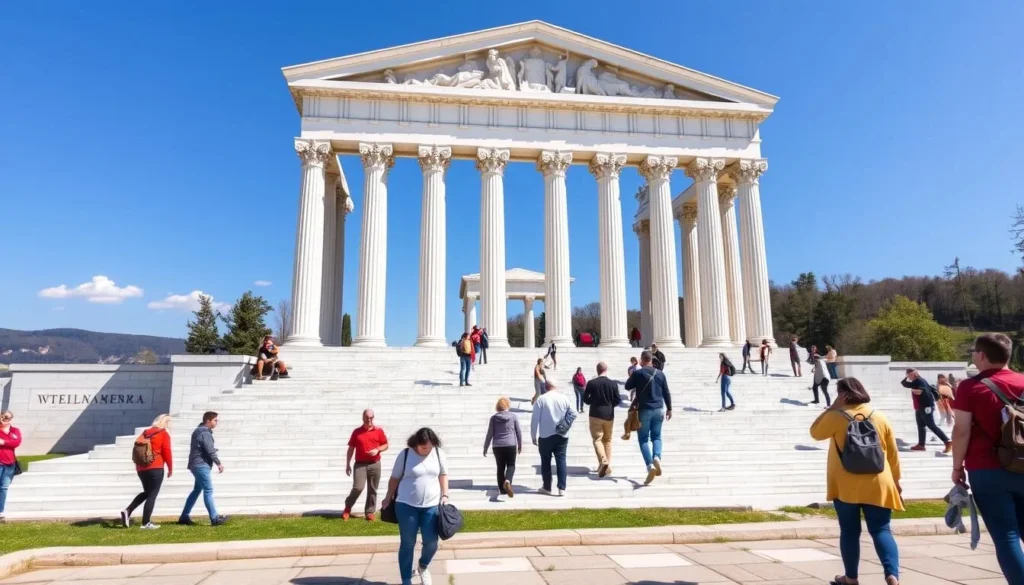
Located about 10 km east of Regensburg, this impressive neoclassical monument resembles a Greek temple and honors distinguished figures from German history. The memorial offers stunning views over the Danube Valley. You can reach it by car (15 minutes), bus (40 minutes), or a scenic river cruise (2 hours).
Parks and Green Spaces
Despite its medieval character, Regensburg offers several lovely parks. The Stadtpark (City Park) is the largest green space, perfect for a leisurely stroll or picnic. The Herzogspark features beautiful gardens, including a botanical collection with rare plants. The Donaupark offers riverside relaxation with excellent views.
Hiking Opportunities
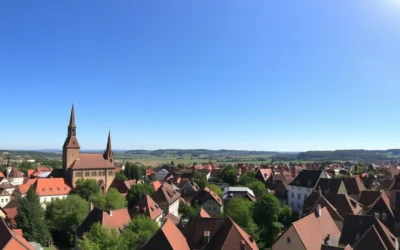
The hills surrounding Regensburg provide excellent hiking opportunities. The nearby Bavarian Forest offers trails ranging from easy walks to challenging hikes, all with beautiful natural scenery. The Winzerer Höhen, just north of the city, offers shorter trails with panoramic views of Regensburg.
Safety, Etiquette & Local Customs
Safety
Regensburg is generally very safe for visitors. As with any tourist destination, be aware of your belongings in crowded areas. The Old Town is well-lit at night and usually busy with locals and visitors, making evening strolls pleasant and secure.
Local Etiquette
Germans appreciate punctuality, so arrive on time for tours or restaurant reservations. When entering small shops, it’s customary to greet staff with “Guten Tag” (Good day) and say “Auf Wiedersehen” (Goodbye) when leaving.
In restaurants, waiting staff won’t typically check on you frequently or rush you to leave. You’ll need to catch their attention when you want to order or request the bill. Tipping is customary but more modest than in countries like the US – rounding up or adding 5-10% is typical for good service.
Beer Garden Culture
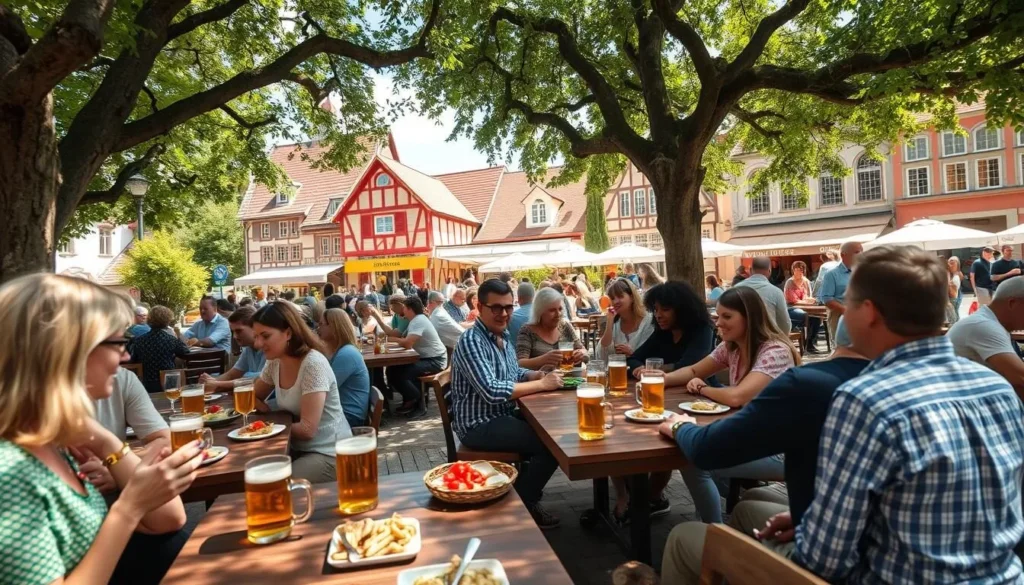
Beer gardens are an important part of Bavarian culture. In traditional beer gardens, it’s often acceptable to bring your own food (but not drinks). Many have communal tables where sitting with strangers is normal and can lead to friendly conversations.
Language
While many people in Regensburg speak English, especially those working in tourism, learning a few basic German phrases is appreciated. The local Bavarian dialect can be quite different from standard German, but locals will understand standard German or English.
Shopping Hours
Most shops in Regensburg are open Monday to Saturday from around 10:00 AM to 8:00 PM, with smaller shops closing earlier (around 6:00 PM). Nearly all shops are closed on Sundays, with exceptions for bakeries and shops in train stations.
Visitor Comments About Regensburg
“Regensburg was the unexpected highlight of our German tour. The Stone Bridge at sunset is absolutely magical, and the Historic Sausage Kitchen serves the best bratwurst I’ve ever tasted. Don’t miss the Thurn und Taxis Palace – the guided tour was fascinating, and the gardens are spectacular. We ended up extending our stay by two days because there was so much more to see than we anticipated!”
“As someone who’s visited many German cities, I found Regensburg to be exceptionally well-preserved and authentic. The lack of war damage means you’re seeing genuinely medieval buildings, not reconstructions. The cathedral’s stained glass windows are breathtaking, and the acoustics during the organ concert were incredible. My tip: take the early morning walking tour before the day-trippers arrive, then explore the quieter streets beyond the main squares.”
“We visited Regensburg during the Christmas market season, and it was like stepping into a fairy tale. The market at Thurn und Taxis Palace was worth every euro of the entrance fee – torches, fire pits, and the palace backdrop created a magical atmosphere. The city itself is compact enough to explore thoroughly in two days, but I’d recommend three if you want to include the Walhalla Memorial and really soak in the atmosphere of this beautiful place.”
Practical Travel Tips
Money Matters
Germany uses the Euro (€). Credit cards are widely accepted in hotels, larger restaurants, and shops, but some smaller establishments and markets may only accept cash. ATMs (called “Geldautomat”) are readily available throughout the city.
Internet Access
Free WiFi is available in many cafes, restaurants, and hotels. The city also offers free public WiFi in some central areas, though connection quality can vary.
Electricity
Germany uses Type F sockets (230V, 50Hz). Travelers from the US, UK, and some other countries will need adapters.
Drinking Water
Tap water in Regensburg is safe to drink and of excellent quality. However, when ordering water in restaurants, you’ll typically receive bottled water unless you specifically request “Leitungswasser” (tap water).
Opening Hours
Most attractions are open from around 10:00 AM to 5:00 or 6:00 PM. Many museums close on Mondays. Churches may close during services. Always check current opening times, especially if visiting during low season.
Parking
If arriving by car, it’s best to use one of the parking garages outside the Old Town, as parking within the historic center is limited and restricted. Weekend street parking is often free, but check signs carefully.
Photography
Photography is generally permitted in public spaces and outside of buildings. Some museums and churches may restrict photography inside or charge a small fee for photo permits.
Your Medieval Adventure Awaits
Regensburg offers a rare glimpse into a perfectly preserved medieval world, where history isn’t confined to museums but lives on in every cobblestone street and towering spire. From the engineering marvel of the Stone Bridge to the spiritual grandeur of St. Peter’s Cathedral, from Roman ruins to royal palaces, this Bavarian gem delivers experiences that will linger in your memory long after you’ve returned home. Whether you’re savoring centuries-old recipes at the Historic Sausage Kitchen, admiring Gothic masterpieces, or simply wandering the labyrinthine streets that have remained largely unchanged since the Middle Ages, Regensburg invites you to step back in time while enjoying all the comforts of the present. As you plan your Bavarian adventure, give Regensburg the time it deserves – this UNESCO treasure along the Danube might just become the unexpected highlight of your German journey.
The above is subject to change.
Check back often to TRAVEL.COM for the latest travel tips and deals.
0 Comments