
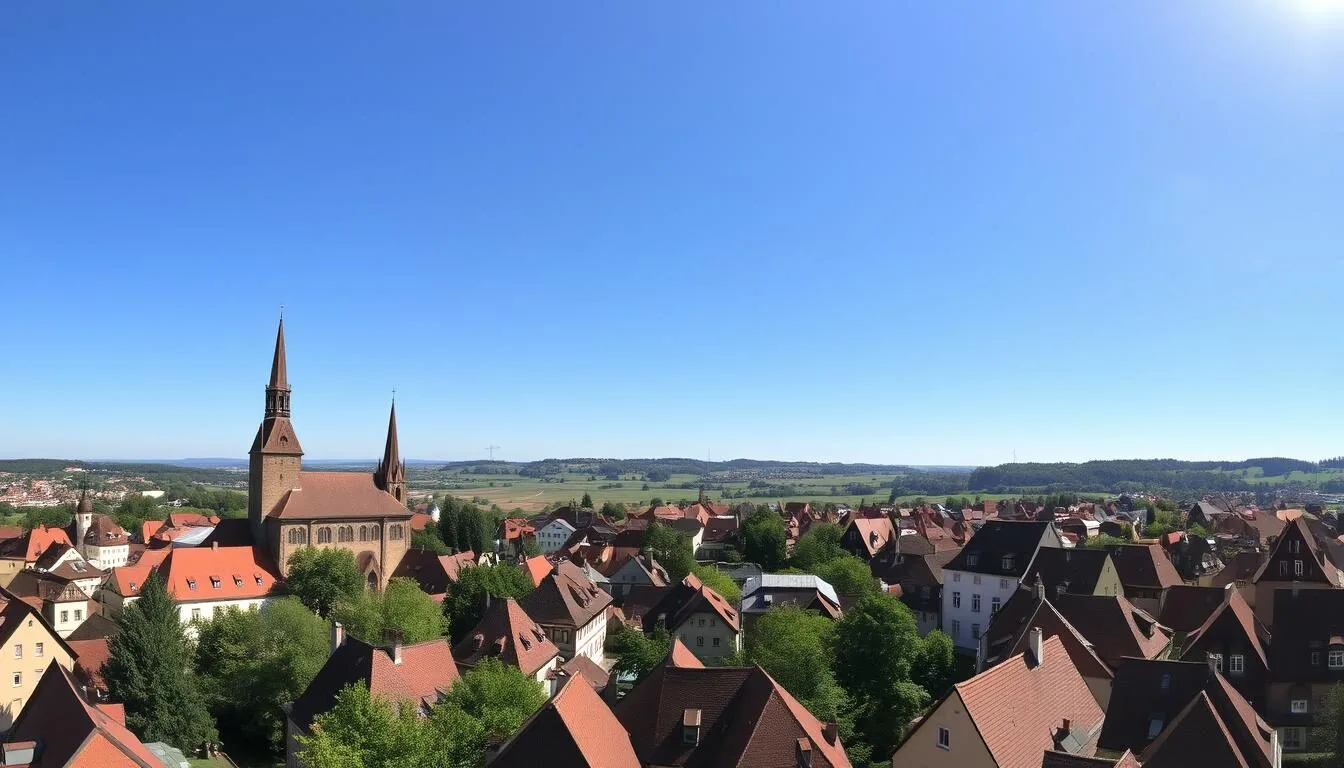
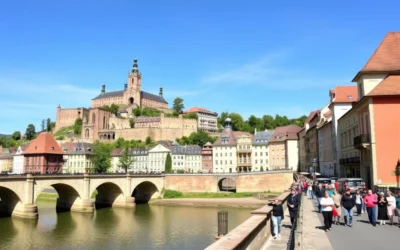
Stepping into Rothenburg ob der Tauber is like walking through the pages of a medieval storybook. This remarkably preserved German town boasts one of only three fully intact medieval wall systems in the entire country, with 42 towers and 6 gates that have stood guard since the 14th century. Unlike many European destinations that have modernized over centuries, Rothenburg remains frozen in time, offering visitors a genuine glimpse into Germany’s rich medieval past that inspired Walt Disney’s vision for Pinocchio’s village.
Getting There & Planning Your Journey
Rothenburg ob der Tauber sits along Germany’s famous Romantic Road, approximately 150 km (93 miles) from Frankfurt and 180 km (112 miles) from Munich. The town is accessible via several transportation options:
Nearest Airports
- Frankfurt Airport (FRA) – 150 km (93 miles), approximately 2 hours by car
- Nuremberg Airport (NUE) – 80 km (50 miles), approximately 1 hour by car
- Munich Airport (MUC) – 230 km (143 miles), approximately 2.5 hours by car
By Train
Rothenburg has its own train station (Rothenburg ob der Tauber Bahnhof) with regular connections to major cities. From Frankfurt, the journey takes approximately 2.5 hours with one transfer. From Munich, expect a 3-hour journey with transfers. The train station is located about 1 km (0.6 miles) from the Old Town, requiring a 15-minute walk or short taxi ride.
By Car
Driving to Rothenburg offers flexibility to explore the Romantic Road. The town is accessible via the A7 autobahn. Note that the medieval center is largely car-free, so plan to park outside the city walls. Several parking lots (P1-P5) surround the Old Town, with fees ranging from €5-8 per day.
Best Time to Visit & Weather Tips
Recommended Seasons
- Late Spring (May-June): Mild temperatures between 15-22°C (59-72°F), blooming flowers, and fewer tourists than summer.
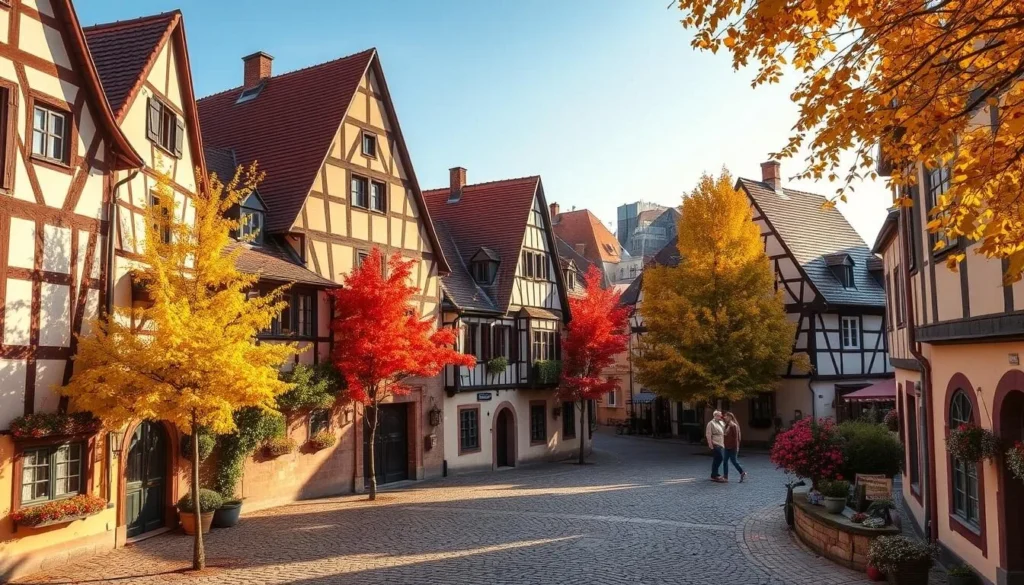
- Early Fall (September-October): Pleasant weather around 10-18°C (50-64°F), beautiful autumn colors, and seasonal specialties like federweisser (young wine) and zwiebelkuchen (onion cake).
Seasons to Consider Carefully
- Peak Summer (July-August): While offering long daylight hours and temperatures around 25°C (77°F), this is the most crowded period with higher accommodation prices.
- Winter (December-February): Cold temperatures between -2°C to 5°C (28-41°F) with potential snow. The Christmas market (Reiterlesmarkt) from late November to December 23rd is magical but crowded. January and February are quiet but many attractions have limited hours.
Weather Tip: Rothenburg’s weather can be unpredictable in transitional seasons. Pack layers and a light raincoat even in summer, as afternoon showers are common in this region of Germany.
Getting Around Locally
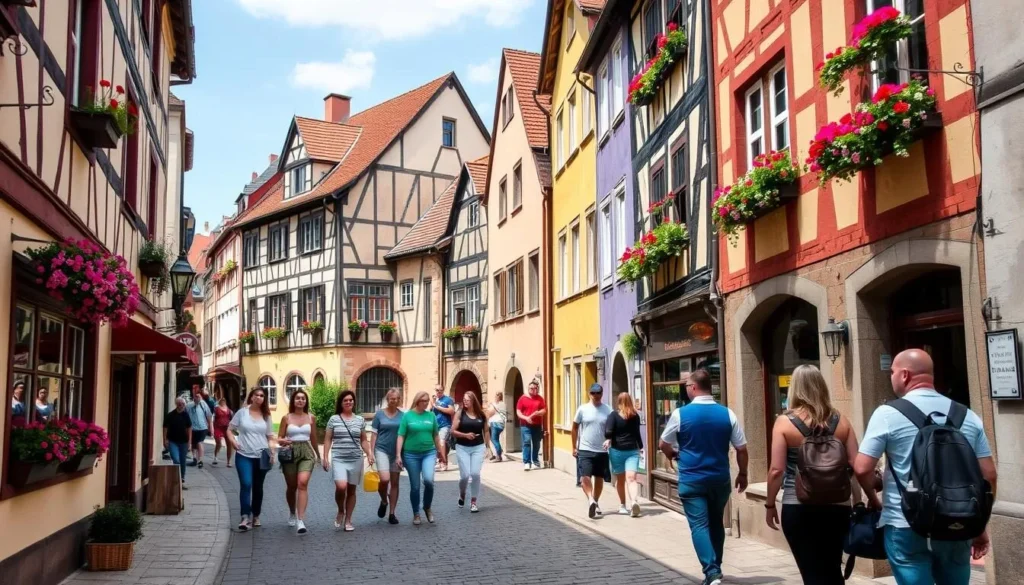
Rothenburg’s Old Town is compact and entirely walkable, with most attractions within a 10-15 minute stroll of each other. The medieval center is largely car-free, making it perfect for exploration on foot.
Walking
The best way to experience Rothenburg is by walking. The entire Old Town can be circled in about 2.5 hours if you follow the complete town wall path. Comfortable walking shoes are essential as streets are cobblestoned and uneven in many places.
Bicycles
Bicycles can be rented from shops near the train station for approximately €15-20 per day. While the Old Town has some restrictions for cycling, bikes are excellent for exploring the surrounding countryside and Tauber Valley.
Accessibility Note: Rothenburg’s medieval character means steep hills, cobblestone streets, and steps in many areas. Those with mobility concerns should consider staying at accommodations within the Old Town to minimize walking distances.
Where to Stay
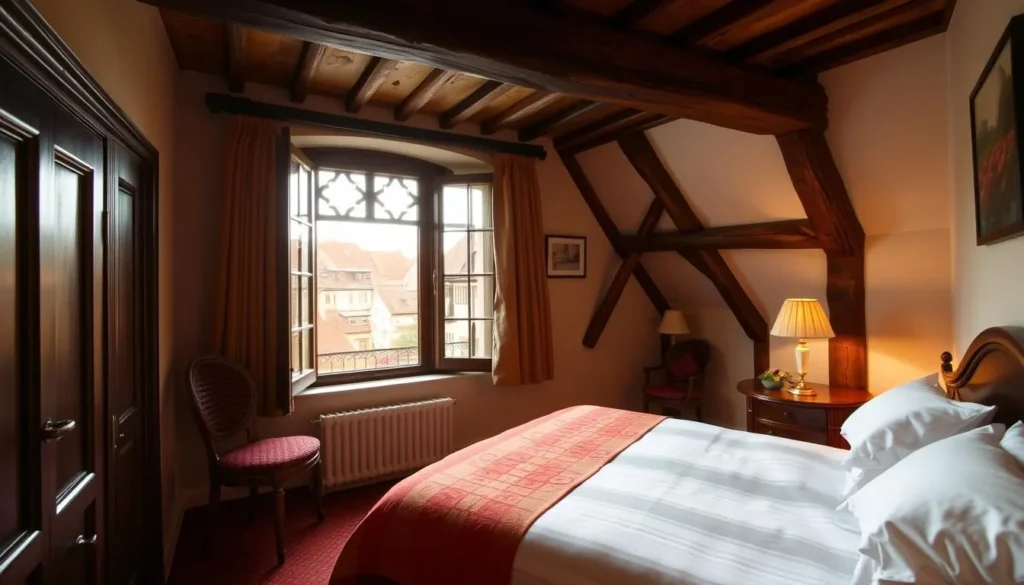
Staying within Rothenburg’s Old Town walls offers the magical experience of having the medieval streets to yourself in the early morning and evening hours after day-trippers have departed. Accommodations range from historic guesthouses to luxury hotels.
Luxury Options
- Hotel BurgGartenPalais: A 5-star property offering elegant suites in a historic building with garden views and premium amenities. Rooms feature antique furnishings while providing modern comforts.
- Hotel Eisenhut: Housed in 16th-century patrician houses, this 4-star hotel combines medieval charm with luxury amenities and offers suites with separate living areas.
Mid-Range Accommodations
- Romantik Hotel Markusturm: A family-run hotel in a 13th-century building featuring rooms with authentic timber beams and period furniture. The hotel provides traditional room keys that enhance the medieval experience.
- Hotel Reichsküchenmeister: Located on the market square, this historic hotel offers comfortable rooms, an excellent restaurant, and a lovely beer garden.
Budget-Friendly Options
- Hotel-Gasthof Goldener Greifen: A 3-star guesthouse offering clean, comfortable rooms with traditional decor at reasonable rates.
- Guesthouses (Pension): Several family-run guesthouses throughout the Old Town offer simple but comfortable accommodations with breakfast included, typically ranging from €60-90 per night.
Booking Tip: Reserve accommodations well in advance, especially during summer months and the Christmas market season when availability becomes extremely limited.
Dining & Local Cuisine
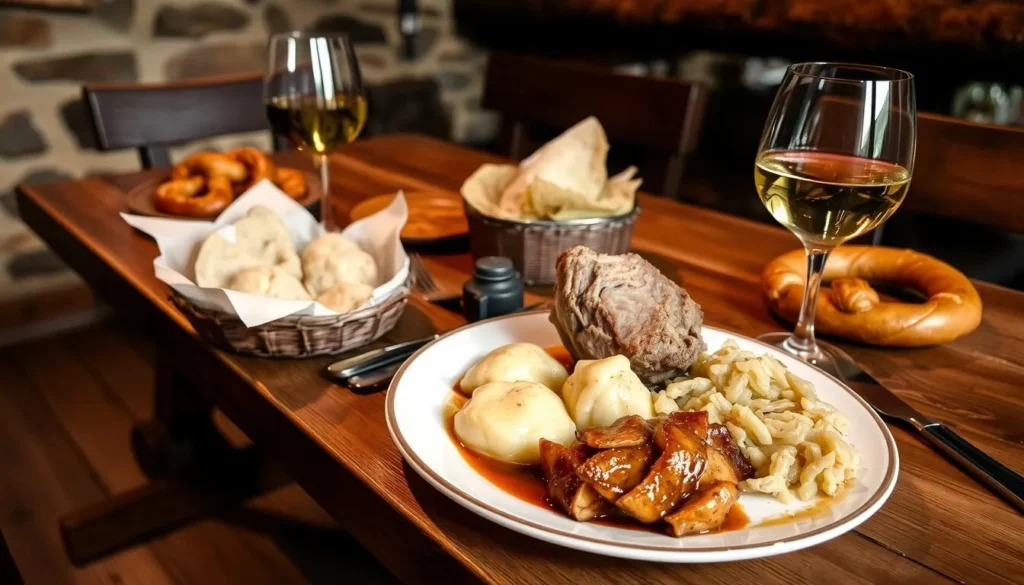
Rothenburg’s culinary scene offers authentic Franconian specialties alongside international options. The town’s location in Franconia (northern Bavaria) influences its cuisine, which features hearty meat dishes, dumplings, and excellent local wines.
Local Specialties to Try
- Schneeballen (Snowballs): Rothenburg’s signature pastry made from strips of shortcrust pastry formed into a ball and covered with powdered sugar, chocolate, or other toppings. Available throughout town but best at local bakeries like Bäckerei Striffler.
- Franconian Wine: The region produces excellent dry white wines, particularly Silvaner and Müller-Thurgau varieties.
- Federweisser and Zwiebelkuchen: In autumn, try this seasonal pairing of young wine with onion cake, a regional specialty.
Recommended Restaurants
- Zur Höll (To Hell): One of Rothenburg’s oldest restaurants (over 1,000 years) serving traditional Bavarian cuisine in a historic building with a cave-like dining area. Reservations essential.
- Altfränkische Weinstube: A cozy wine tavern offering regional specialties and an excellent selection of Franconian wines.
- Restaurant Don Gallo: Surprisingly excellent Mexican cuisine prepared by Mexican-trained chefs, offering a welcome break from German food.
Dining Tip: Many restaurants in Rothenburg are cash-only, particularly the more traditional establishments. ATMs are available in the town center, but it’s wise to carry sufficient cash for meals.
Attractions, Sightseeing & Activities
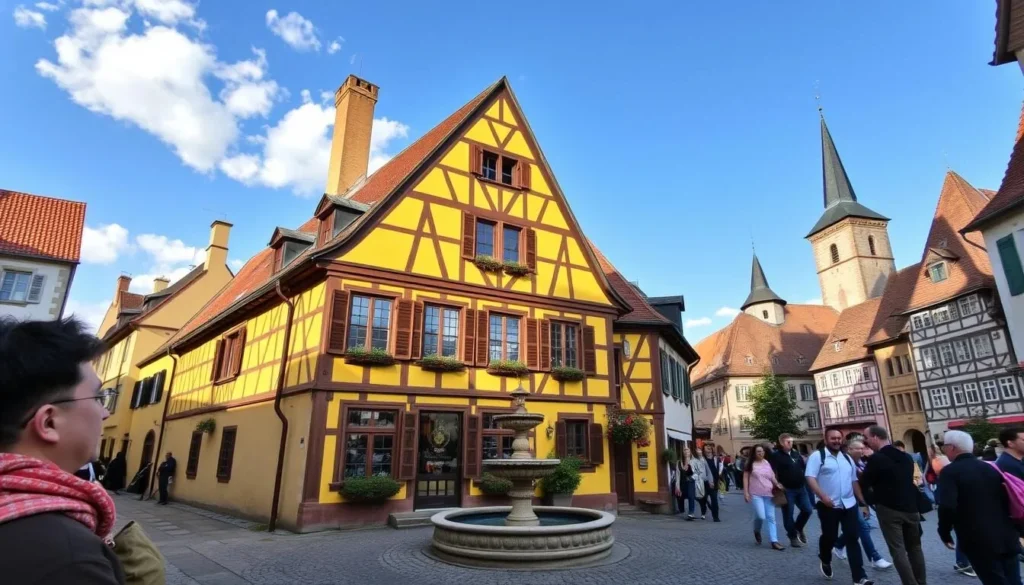
Must-See Attractions
- Plönlein (“Little Square”): Rothenburg’s most photographed spot featuring a picturesque yellow half-timbered house at a fork in the road with medieval towers in the background. Visit early morning or evening to avoid crowds.
- Medieval Town Walls: Walk the 4 km (2.5 mile) covered walkway atop the intact medieval walls for panoramic views of the town and countryside. Access points are located throughout the Old Town.
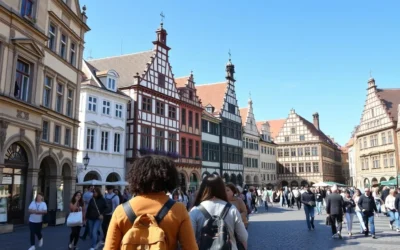
- Market Square (Marktplatz): The heart of Rothenburg featuring the Town Hall, historic buildings, and the famous Councillor’s Tavern clock that reenacts the “Master Draught” legend every hour.
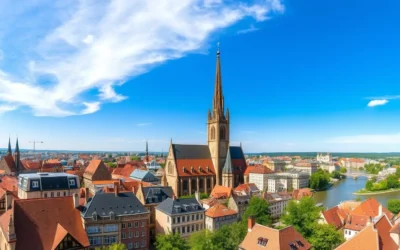
- Town Hall Tower: Climb 220 steps for spectacular views across Rothenburg’s red rooftops and the surrounding Tauber Valley (€4 admission).
Historic Sites
- St. James Church (St. Jakobskirche): A 14th-century Gothic church on the pilgrimage route to Santiago de Compostela, featuring the remarkable Holy Blood Altar carved by Tilman Riemenschneider.
- Castle Gardens (Burggarten): Beautiful gardens on the site of the former imperial castle with stunning views over the Tauber Valley.
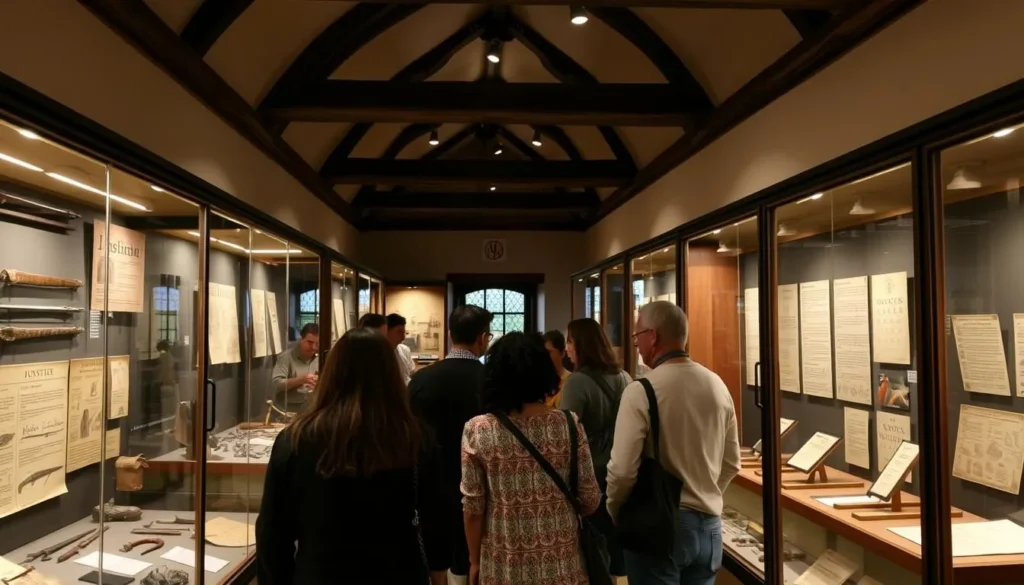
- Medieval Crime and Justice Museum: One of Germany’s most important legal history museums, displaying instruments of torture, historical documents, and exhibits on medieval law (€7.50 admission).
Unique Experiences
- Night Watchman Tour: Join the entertaining 1-hour guided tour led by the town’s Night Watchman at 8:00 PM nightly (April-December). The English-language tour costs €9 per person, paid in cash directly to the guide.
- Double Bridge (Doppelbrücke): A unique 14th-century bridge resembling a Roman aqueduct, located in the valley below the town. The 15-minute walk from the Old Town offers beautiful countryside views.
- Christmas Museum: Open year-round, this museum showcases the history of Christmas traditions and decorations with an adjacent shop selling ornaments and decorations.
Museums, Cultural Spots & Festivals
Museums
- Rothenburg Museum: Housed in a former Dominican convent, this museum covers the town’s history from prehistoric times through the medieval period to the present day. Highlights include the Rothenburg Passion, medieval weapons, and Jewish artifacts.
- Imperial City Museum: Located in a former Dominican nunnery, this museum displays artifacts related to Rothenburg’s history as an Imperial Free City.
- Käthe Wohlfahrt Christmas Museum: Adjacent to the famous Christmas store, this museum explores the history and traditions of German Christmas celebrations.
Cultural Experiences
- Jewish Heritage: Follow the Jewish history trail through Rothenburg to discover the town’s significant Jewish heritage, including Judengasse (Jews’ Lane) and memorial stones.
- Organ Concerts: St. James Church hosts regular organ concerts on its famous Rieger organ, one of Bavaria’s largest.
- Toppler Castle: This unusual 14th-century structure combines a stone base with a half-timbered upper section. When open, the owner offers personal tours for €5.
Annual Festivals
- Imperial City Festival (Reichsstadtfesttage): Held annually in September, this festival celebrates Rothenburg’s history with medieval markets, music, dance, and historical reenactments.
- Master Draught Festival (Meistertrunk): Celebrated on Pentecost weekend, this festival commemorates the legendary act that saved Rothenburg during the Thirty Years’ War.
- Rothenburg Christmas Market (Reiterlesmarkt): One of Germany’s most enchanting Christmas markets, running from late November until December 23rd, featuring traditional crafts, food, and the famous “Rothenburg Rider.”
Cultural Tip: Many museums offer combination tickets that provide savings when visiting multiple attractions. Ask at the tourist information office in the Market Square for current options.
Sports, Nature & Outdoor Experiences
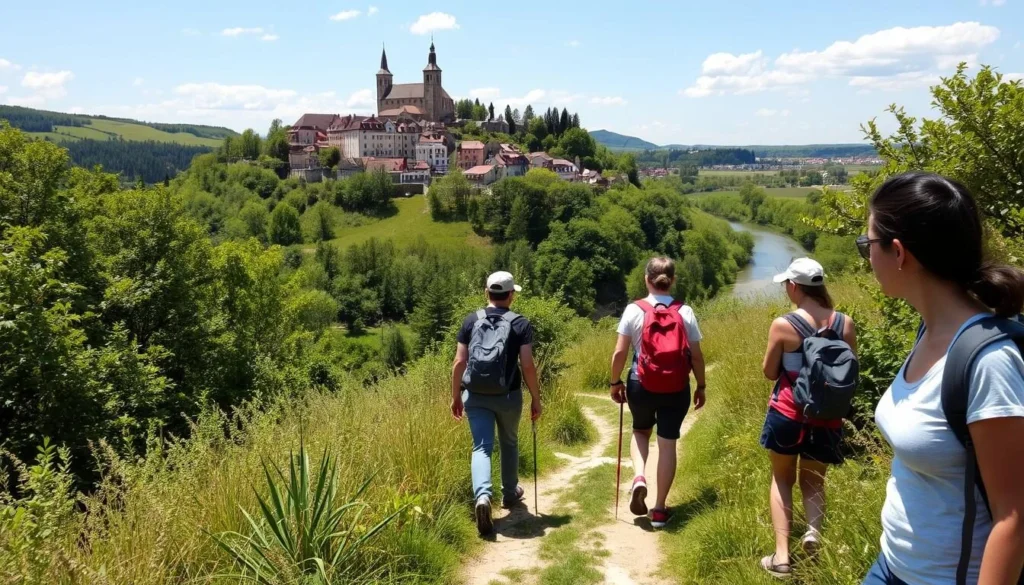
While Rothenburg is primarily known for its medieval architecture, the surrounding countryside offers beautiful natural landscapes and outdoor activities.
Hiking & Walking
- Tauber Valley Trails: Well-marked hiking paths lead from the town down to the Tauber River valley, offering stunning views of Rothenburg from below. The trail to the Double Bridge is particularly scenic.
- Romantic Road Hiking Trail: This long-distance path follows the famous Romantic Road, with Rothenburg as a highlight. Day hikes in either direction offer beautiful rural scenery.
Cycling
- Tauber Valley Cycle Route: A well-maintained cycling path follows the Tauber River through picturesque villages and vineyards. Bicycles can be rented in Rothenburg for day trips.
- Romantic Road Cycling: The official Romantic Road cycling route passes through Rothenburg, offering opportunities for longer tours to neighboring medieval towns.
Gardens & Parks
- Castle Gardens (Burggarten): Beautiful formal gardens on the site of the former imperial castle, offering panoramic views over the Tauber Valley.
- Toppler Park: A small park near Toppler Castle with walking paths and benches for relaxing.
Outdoor Tip: The tourist information office provides free maps of local hiking and cycling routes. For longer excursions, consider downloading the Komoot app, which offers detailed navigation for trails in the region.
Safety, Etiquette & Local Customs
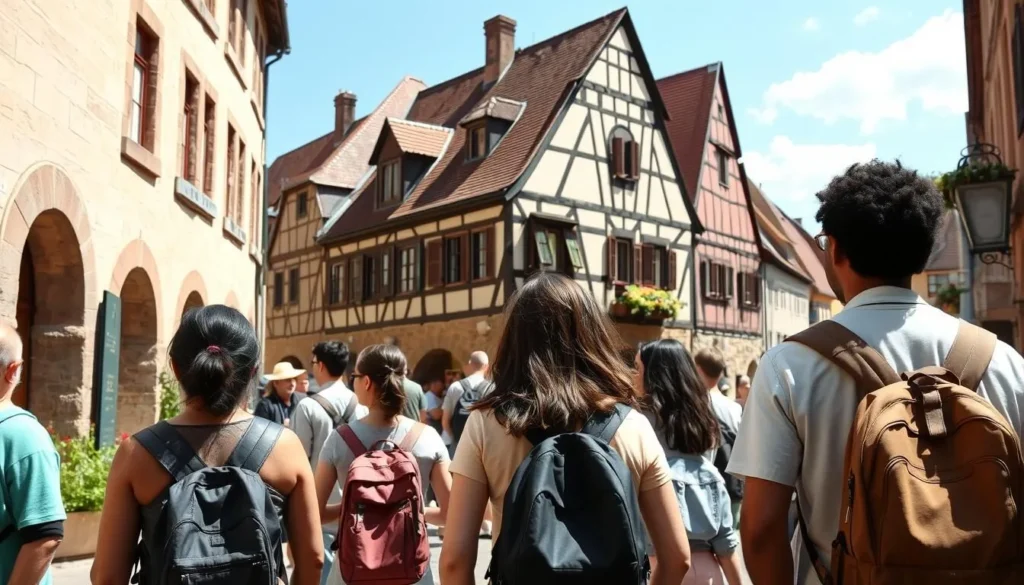
Rothenburg is generally very safe for visitors, with low crime rates and friendly locals. However, as with any tourist destination, it’s wise to take standard precautions.
Safety Considerations
- Medieval Infrastructure: Watch your step on uneven cobblestone streets and steep, narrow staircases, particularly on the town wall walkway where low ceilings and uneven steps require caution.
- Weather Preparedness: Weather can change quickly in this region. Carry a light raincoat and wear comfortable, non-slip shoes for exploring.
- Emergency Services: For emergencies, dial 112 for medical assistance or fire, and 110 for police. The local police station is located near the Market Square.
Etiquette & Customs
- Residential Awareness: Remember that Rothenburg is home to approximately 11,000 residents. Keep noise levels reasonable, especially in the evening and early morning.
- Photography Courtesy: When photographing the iconic spots, be mindful of other visitors and don’t block pathways or entrances.
- Dining Etiquette: Reservations are recommended for dinner, especially at popular restaurants. Tipping is customary (typically 5-10% rounded up to the nearest euro) and usually given directly to the server when paying.
Local Customs
- Shop Hours: Most shops close by 6:00 PM and many observe a midday break. Many businesses are closed on Sundays, except for restaurants and some souvenir shops.
- Cash Preference: While credit cards are increasingly accepted, many smaller establishments and traditional restaurants prefer or only accept cash payment.
- Greetings: A simple “Guten Tag” (Good day) when entering small shops is appreciated by locals.
Visitor Comments About Rothenburg
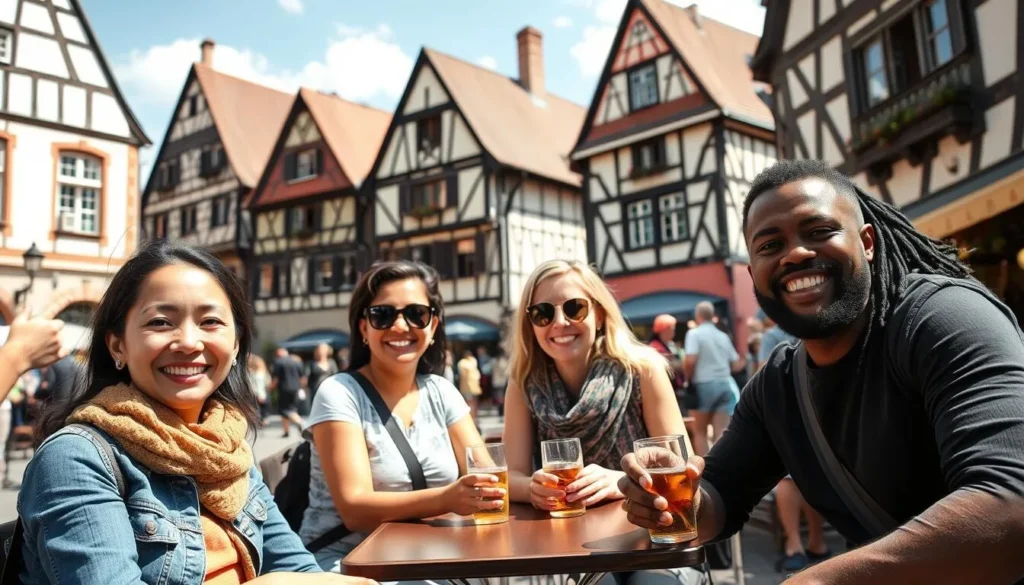
“Walking the complete town wall circuit was the highlight of our visit. We started early morning before the day-trippers arrived and had most sections to ourselves. The views of both the town and countryside are spectacular, and you get a unique perspective on Rothenburg’s layout. Don’t miss the Spital Bastion section with its multi-level fortifications!”
“The Night Watchman tour is absolutely worth it! Our guide was both informative and hilarious, bringing medieval Rothenburg to life through stories and historical anecdotes. Even our teenagers were captivated throughout the entire hour. My tip: arrive at the Market Square 15 minutes early to get a good spot, especially in summer when it gets very crowded.”
“We initially planned Rothenburg as a day trip but ended up staying two nights. The town completely transforms after the tour buses leave around 5 PM. Evening walks through the empty streets were magical, and we discovered wonderful restaurants tucked away in quiet corners. If possible, stay overnight to experience the real charm of Rothenburg.”
Additional Nearby Destinations
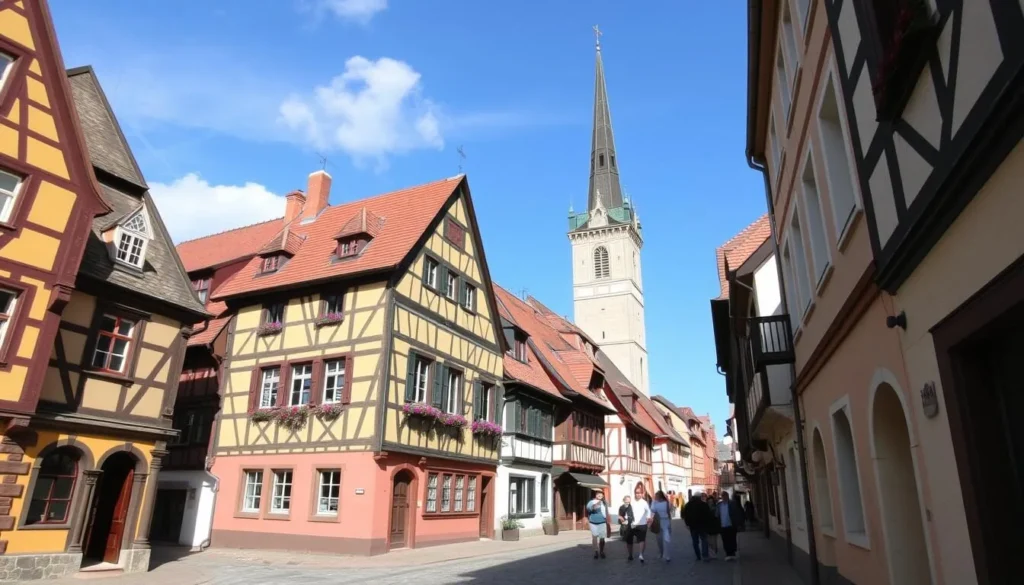
Rothenburg makes an excellent base for exploring other highlights of the Romantic Road and Franconia region. These nearby destinations can be visited as day trips:
Along the Romantic Road
- Dinkelsbühl (50 km/31 miles): Another beautifully preserved medieval town with intact walls, colorful buildings, and significantly fewer tourists than Rothenburg.
- Nördlingen (70 km/43 miles): A unique town built within a meteorite crater, featuring a complete medieval wall circuit that visitors can walk.
- Würzburg (60 km/37 miles): Home to the magnificent UNESCO-listed Residence Palace, excellent wineries, and the starting point of the Romantic Road.
Other Nearby Attractions
- Nuremberg (80 km/50 miles): Bavaria’s second-largest city offers impressive imperial castle views, excellent museums, and the famous Christmas market.
- Bamberg (100 km/62 miles): A UNESCO World Heritage city known for its well-preserved medieval and baroque architecture and unique smoked beer.
- Rothenburg ob der Tauber Countryside: The surrounding rural landscapes offer charming villages, vineyards, and castle ruins within easy driving distance.
Transportation Tip: While public transportation connects Rothenburg to many nearby destinations, having a car provides the most flexibility for exploring the region, especially for visiting smaller towns and rural areas.
Practical Travel Tips
Money Matters
- Currency: Euro (€) is the official currency. ATMs are available in the town center, but carrying some cash is recommended as smaller establishments may not accept cards.
- Costs: Rothenburg is moderately expensive by German standards. Budget approximately €100-150 per day per person for mid-range accommodations, meals, and attractions.
- Rothenburg Card: Available at the tourist office for €12, this card provides free admission to several museums and the town wall towers.
Communication
- Language: While German is the official language, English is widely spoken in tourist areas, hotels, and restaurants.
- Wi-Fi: Most hotels and many cafés offer free Wi-Fi. The tourist information center also provides free internet access.
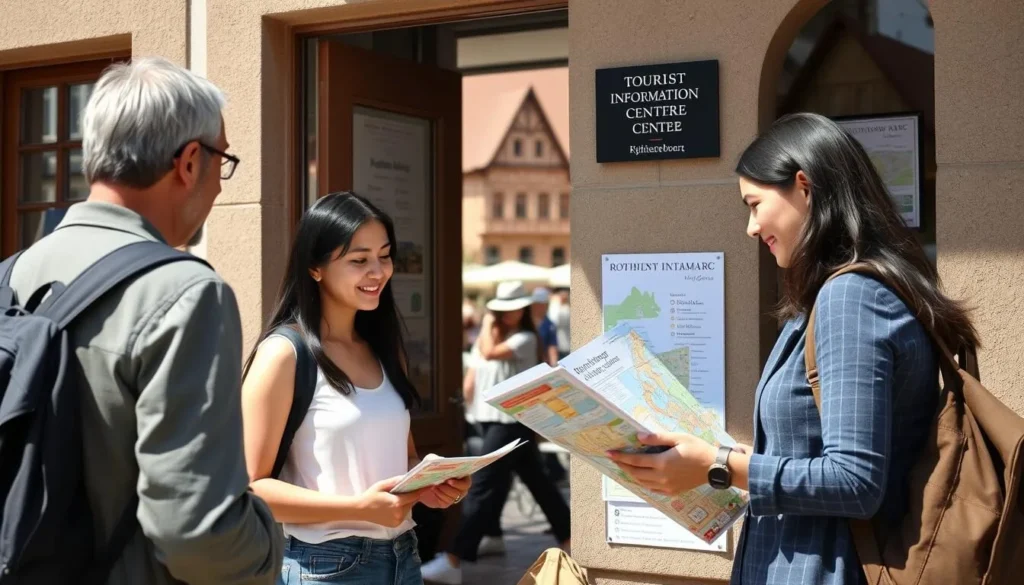
- Tourist Information: The main office is located in the Market Square and offers maps, guides, and helpful staff who can answer questions and make recommendations.
Time-Saving Tips
- Early Mornings: Visit popular spots like the Plönlein and town walls before 10 AM to avoid crowds, especially during summer months.
- Overnight Stay: If possible, spend at least one night in Rothenburg to experience the town after day-trippers leave and before they arrive the next morning.
- Walking Routes: Plan your walking route to efficiently cover the main attractions. A clockwise circuit starting from the Market Square and following the town walls works well for most visitors.
Photography Tip: The “golden hours” shortly after sunrise and before sunset offer the best lighting for photography in Rothenburg, with warm light illuminating the colorful buildings and creating a magical atmosphere.
The Timeless Magic of Medieval Rothenburg
Rothenburg ob der Tauber offers a rare opportunity to step back in time and experience the authentic charm of medieval Germany. From walking atop centuries-old walls to savoring local delicacies in historic taverns, this remarkably preserved town creates memories that linger long after your visit. Whether you’re captivated by the Night Watchman’s tales, mesmerized by the view from the Town Hall tower, or simply wandering the cobblestone streets at dawn, Rothenburg rewards those who take the time to discover its many layers. As you plan your journey to this fairytale destination, remember that its true magic reveals itself to those who slow down, stay overnight, and allow themselves to be transported to another era in this living museum of medieval life.
The above is subject to change.
Check back often to TRAVEL.COM for the latest travel tips and deals.
0 Comments