
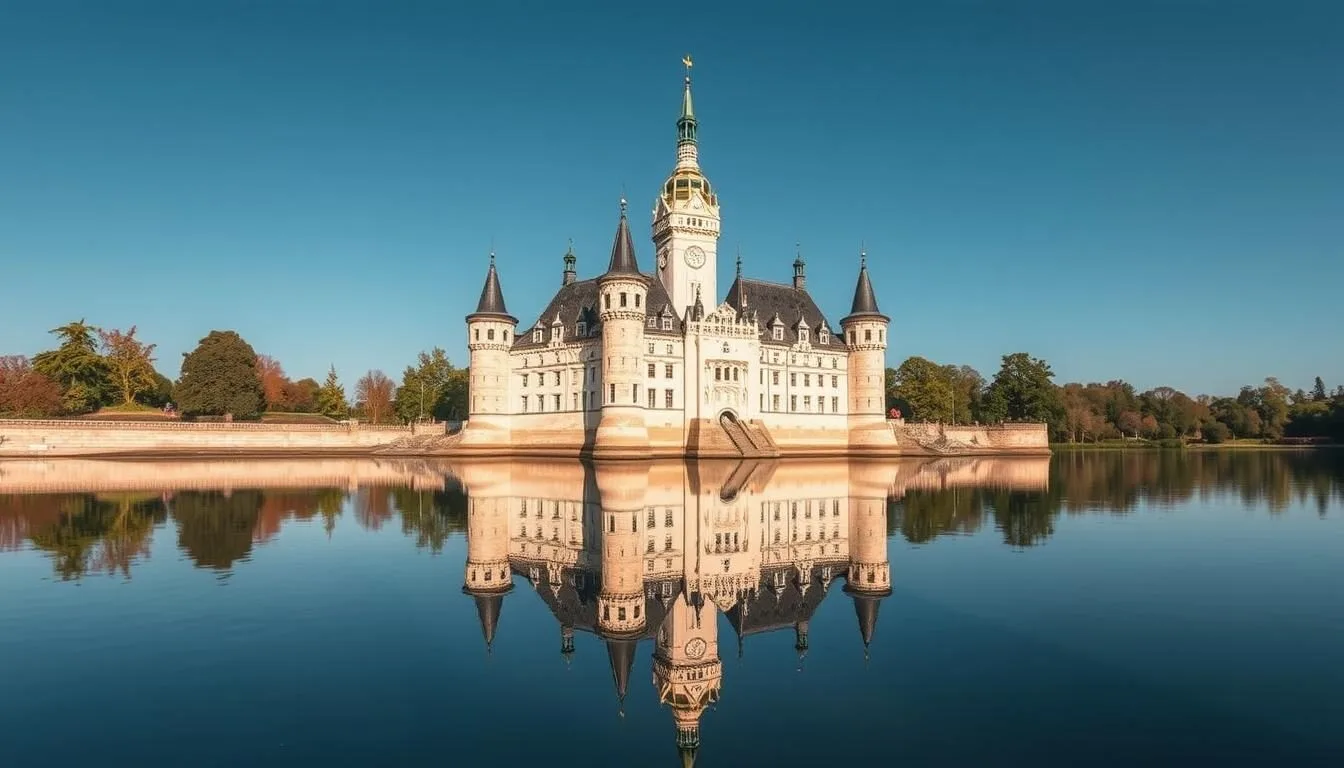
Did you know that Schwerin Castle, often called “Neuschwanstein of the North,” sits on an island that has housed a fortress since the 10th century? While most tourists flock to Bavaria’s famous castles, this northern German gem remains one of the country’s best-kept secrets. As the capital of Mecklenburg-Vorpommern and surrounded by seven lakes, Schwerin offers a perfect blend of fairytale architecture, cultural richness, and natural beauty that makes it ideal for a weekend getaway.
Getting There & Planning Your Journey
Schwerin is conveniently located in northern Germany, making it easily accessible from several major cities. The closest international airports are in Hamburg (110 km away) and Berlin (200 km away). From either airport, you can reach Schwerin by train in approximately 1-2 hours.
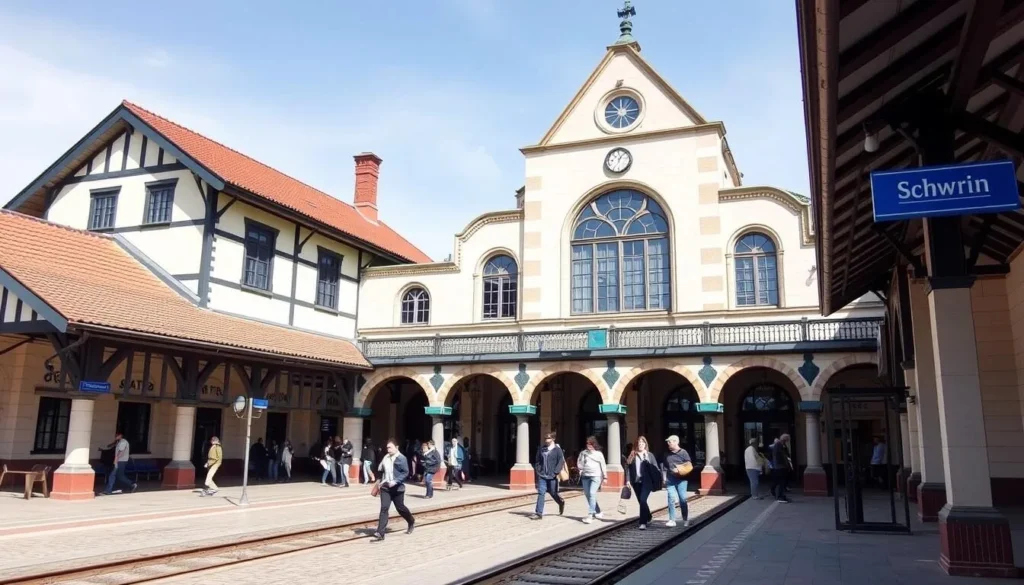
- By Train: The most convenient option is taking a train directly to Schwerin Hauptbahnhof (main station). Express trains from Hamburg take just 1 hour, while trains from Berlin take approximately 2.5 hours.
- By Car: If you prefer driving, Schwerin is accessible via the A24 (Hamburg-Berlin) or the A20 (Lübeck-Stettin) highways. The city center has several parking options, though spaces can be limited during peak tourist season.
- By Bus: Long-distance buses connect Schwerin with many German cities including Hamburg, Berlin, Hanover, and Lübeck, often at lower prices than trains.
When planning your trip, allow at least two full days to explore Schwerin properly. The compact city center means you can see most attractions on foot, making it perfect for a weekend escape from larger cities.
Best Time to Visit & Weather Tips
Schwerin experiences a temperate climate with distinct seasons. The best time to visit depends on your preferences for weather, crowds, and activities.
| Season | Months | Temperature | Advantages | Disadvantages |
| Summer | June – August | 20-25°C (68-77°F) | Warm weather, longer daylight hours, outdoor activities on Lake Schwerin, castle festivals | Peak tourist season, higher accommodation prices, possible crowds at attractions |
| Spring | April – May | 10-18°C (50-64°F) | Blooming gardens around the castle, fewer tourists, moderate temperatures | Occasional rain showers, some attractions may have limited hours |
| Autumn | September – October | 10-18°C (50-64°F) | Beautiful fall colors, fewer tourists, harvest festivals | Increasing chance of rain, shorter daylight hours |
| Winter | November – March | 0-5°C (32-41°F) | Christmas markets (December), lowest tourist numbers, peaceful atmosphere | Cold temperatures, reduced boat services on the lake, shorter daylight hours |
Recommended: Late May to early September offers the best balance of pleasant weather and accessibility to all attractions. June is particularly lovely when the castle gardens are in full bloom.
Avoid: November through February can be cold, gray, and rainy with limited outdoor activities. Many boat tours don’t operate during this period.
Getting Around Locally
Schwerin is a compact city where most attractions are within walking distance of each other, especially in the Old Town and around the castle. However, there are several transportation options to help you explore more efficiently:
- Walking: The most enjoyable way to experience Schwerin. The distance from the train station to Schwerin Castle is approximately 20 minutes on foot, with plenty to see along the way.
- Public Transportation: Schwerin has a reliable network of buses and trams operated by Nahverkehr Schwerin. A day ticket costs around €7 and includes free trips on the Pfaffenteich Ferry.
- Tourist Tram: The Petermännchen Stadtrundfahrten tourist tram offers guided tours of the city, departing from the marketplace. Tickets cost approximately €12 for adults and €5 for children.
- Hop-on/Hop-off Bus: Available during the summer season, this is a convenient way to see the main attractions with commentary. Buses depart from the train station.
- Pfaffenteich Ferry: This tiny ferry crosses the Pfaffenteich pond in the heart of the Old Town for just €2 per person – a charming experience rather than a practical transportation method.
The Schwerin Ticket (around €7) offers free local public transportation and discounts on various attractions including Schwerin Castle, the Zoo, and museums. You can purchase it at the tourist information center near the train station.
Where to Stay
Schwerin offers a range of accommodation options to suit different budgets and preferences. Staying in or near the Old Town (Altstadt) provides the most convenient access to major attractions.
Luxury Options
- Schlosshotel Schwerin: Located near the castle with elegant rooms and excellent service.
- Hotel Niederländischer Hof: Historic hotel in a neo-Renaissance building with upscale amenities.
Mid-Range Options
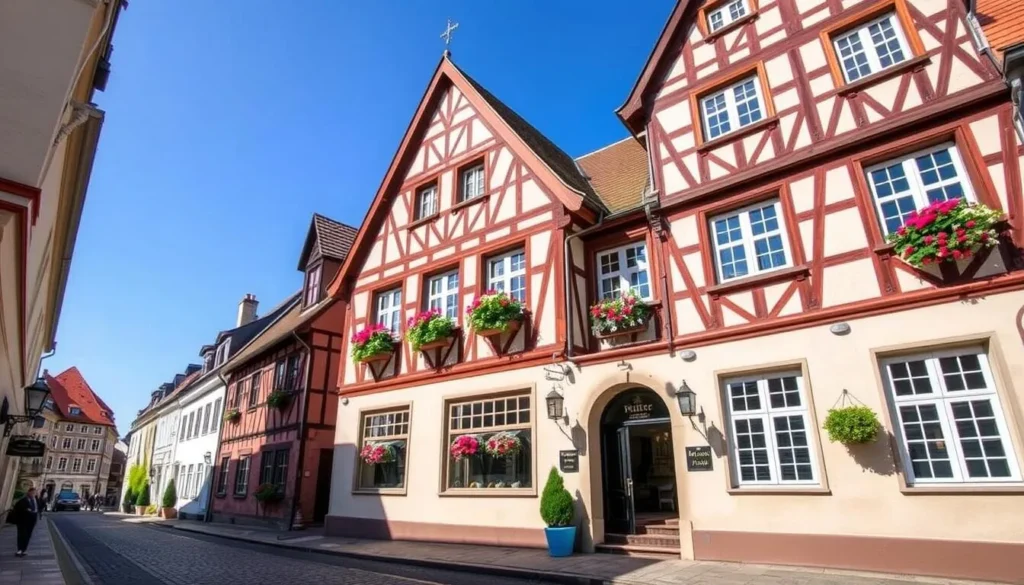
- Pension Karina: Family-run guesthouse in a historic half-timbered building near the city center.
- Hotel am Schlossgarten: Comfortable rooms with a great location near the castle gardens.
Budget Options
- Jugendherberge Schwerin: Modern youth hostel with private and dormitory rooms.
- Pension am Schloss: Simple but clean rooms at affordable rates near the castle.
Tip: Book accommodation well in advance if visiting during summer months or during special events like the Castle Festival. Prices can increase significantly during these periods.
Dining & Local Cuisine
Schwerin offers a variety of dining options, from traditional Mecklenburg cuisine to international dishes. The local food is characterized by hearty dishes featuring freshwater fish, potatoes, and regional produce.
Local Specialties to Try:
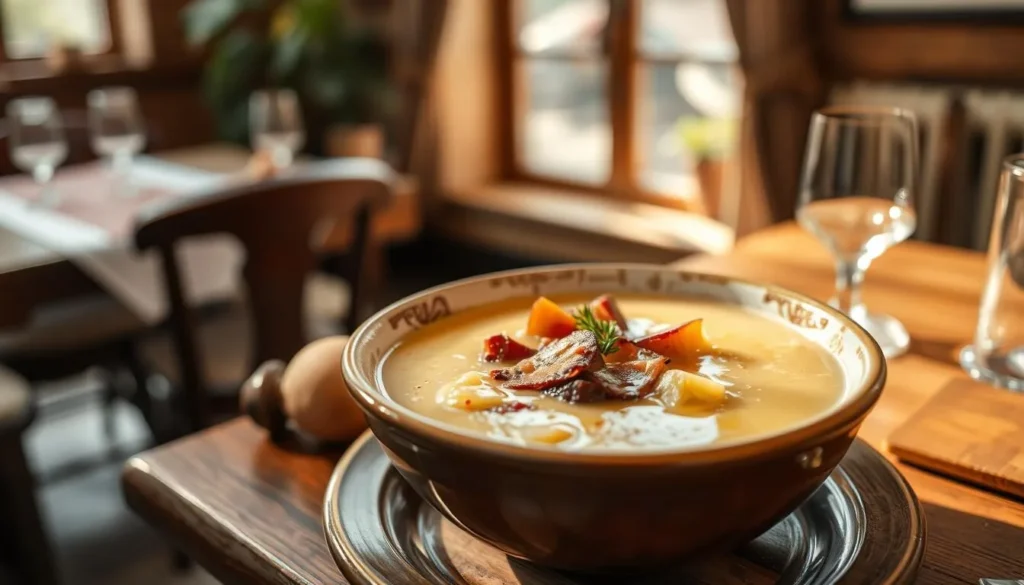
- Potato Soup with Plums & Bacon: A unique regional combination of savory and sweet flavors.
- Mecklenburger Götterspeise: A traditional dessert made with layers of fruit, cream, and cookies.
- Rote Grütze: A popular northern German dessert made with red summer berries and served with vanilla sauce or cream.
- Buckthorn Berries: Used in jams, liqueurs, and desserts, these tart berries are a regional specialty.
- Freshwater Fish: Given Schwerin’s location among lakes, local fish dishes are a must-try.
Recommended Restaurants:
Café Prag
Located near Schwerin Castle, this café offers excellent breakfast options, delicious cakes, and a pleasant atmosphere. While slightly pricier due to its location, the quality justifies the cost.
Rösterei Fuchs
Coffee lovers will appreciate this specialty café that focuses on coffee and chocolate. Their breakfast menu is affordable and filling, with lunch options available as well.
KostBar
A casual café with good food at reasonable prices. They offer vegan and gluten-free options, making it a good choice for those with dietary restrictions.
Weinhaus Wöhler
Located in the Old Town, this restaurant serves traditional Mecklenburg cuisine in a cozy atmosphere with a good selection of regional and German wines.
Attractions, Sightseeing & Activities
Schwerin offers a wealth of attractions, with the magnificent castle being the crown jewel. Here are the top sights and activities you shouldn’t miss:
1. Schwerin Castle (Schloss Schwerin)
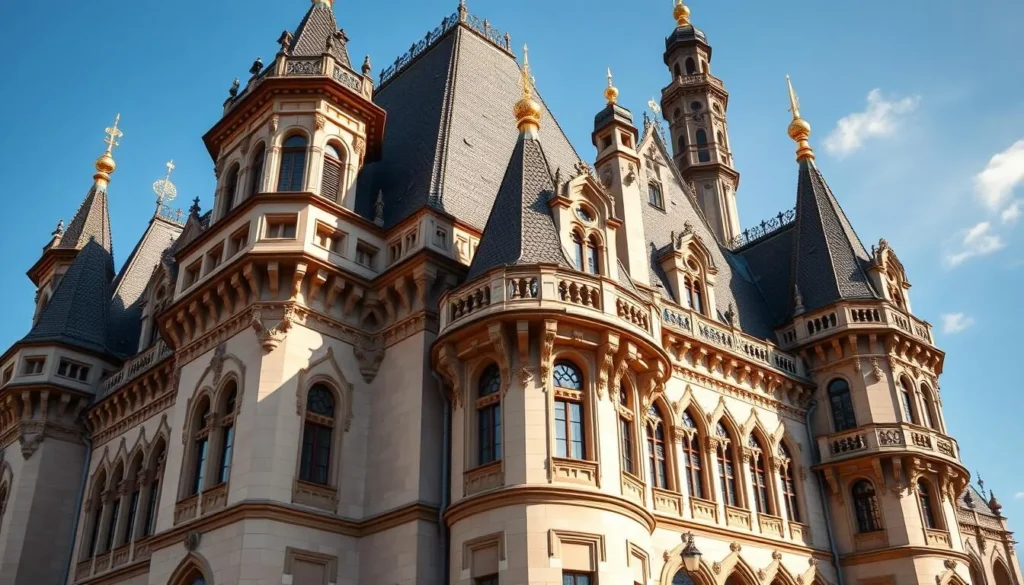
This fairytale castle, often called the “Neuschwanstein of the North,” is Schwerin’s most iconic landmark. Built on an island in Lake Schwerin, the current Neo-Renaissance structure dates from 1857, though a fortress has stood on this site since the 10th century. The castle houses the state parliament and a museum showcasing ducal collections of art, porcelain, and historical artifacts. Don’t miss the beautifully restored ducal apartments and the castle church. Admission is €8.50, with audio guides available for an additional €2.
2. Castle Gardens (Schlossgarten)
The 25-hectare gardens surrounding the castle are free to visit and offer spectacular views of both the castle and Lake Schwerin. The formal garden behind the castle features a grotto, an orangery, and meticulously maintained flowerbeds. The outer areas are designed in the English garden style with open lawns, walking paths, and peaceful spots perfect for relaxation.
3. Schwerin Cathedral (Schweriner Dom)
This impressive brick Gothic church dates back to the 13th century and stands as the tallest church in Mecklenburg-Vorpommern at 117.5 meters (385 feet). Inside, you’ll find a 14th-century bronze baptismal font and a magnificent Ladegast organ. For panoramic views of the city, climb the 220 steps to the tower (€1.50 admission).
4. Old Town (Altstadt)
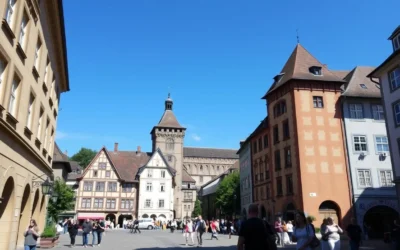
Schwerin’s charming Old Town features well-preserved historic buildings, cobblestone streets, and pleasant squares. The market square (Marktplatz) is the heart of the Old Town, where you’ll find the town hall with its golden horseman statue and the impressive lion sculpture commemorating Henry the Lion’s battle with Prince Niklot in 1160.

5. Pfaffenteich
This picturesque pond in the heart of the city offers beautiful views of the surrounding architecture and Schwerin Cathedral. Take a stroll around its perimeter or enjoy a short ride on the Petermännchen ferry (€2 per person) for a different perspective of the city.
6. State Museum Schwerin (Staatliches Museum)
Housed in an impressive building near the castle, this museum displays over 100,000 pieces of art, including paintings, sculptures, and decorative arts. The collection spans from medieval works to contemporary pieces, with particular strength in Dutch and Flemish Golden Age paintings. Admission is €6.50.
Museums, Cultural Spots & Festivals
Museums & Cultural Venues
- Museum of Cultural History: Housed in a former monastery, this museum explores the cultural heritage and traditions of the Mecklenburg region.
- Mecklenburg State Theater: One of northern Germany’s most traditional theaters, hosting plays, concerts, and dance performances throughout the year.
- Schleifmühle (Grinding Mill): This historic water mill from 1704 offers demonstrations of traditional stone grinding techniques that were once used to create decorative elements for the castle.
- Open Air Folklore Museum: Located just outside Schwerin, this museum showcases traditional rural architecture and lifestyles of the region.
Annual Festivals & Events
- Schlossfest (Castle Festival): Held annually in summer, this festival features historical reenactments, music, and performances in and around Schwerin Castle.
- Schweriner Kultursommer: A summer-long cultural festival with concerts, theater performances, and art exhibitions throughout the city.
- Fünf-Seen-Lauf: A popular running event that takes participants around Schwerin’s beautiful lakes.
- Christmas Market: From late November through December, Schwerin’s Christmas market offers traditional crafts, food, and festive atmosphere in the Old Town.

Insider Tip: Check the schedule for the Night Watchman Tour in the Old Town, which offers a unique and entertaining perspective on Schwerin’s history. Tours are conducted in German, but some guides can provide English explanations as well.
Sports, Nature & Outdoor Experiences
Surrounded by seven lakes and lush forests, Schwerin is a paradise for nature lovers and outdoor enthusiasts. Here are some of the best outdoor activities to enjoy:
Lake Schwerin Activities
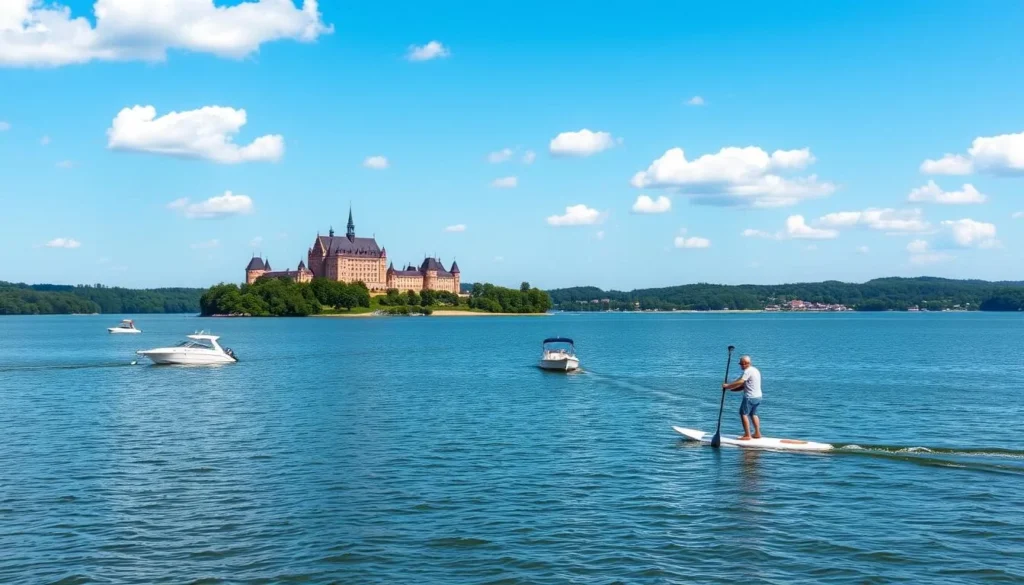
Lake Schwerin (Schweriner See) is the fourth-largest lake in Germany, spanning 6,000 hectares (14,826 acres). It offers numerous recreational opportunities:
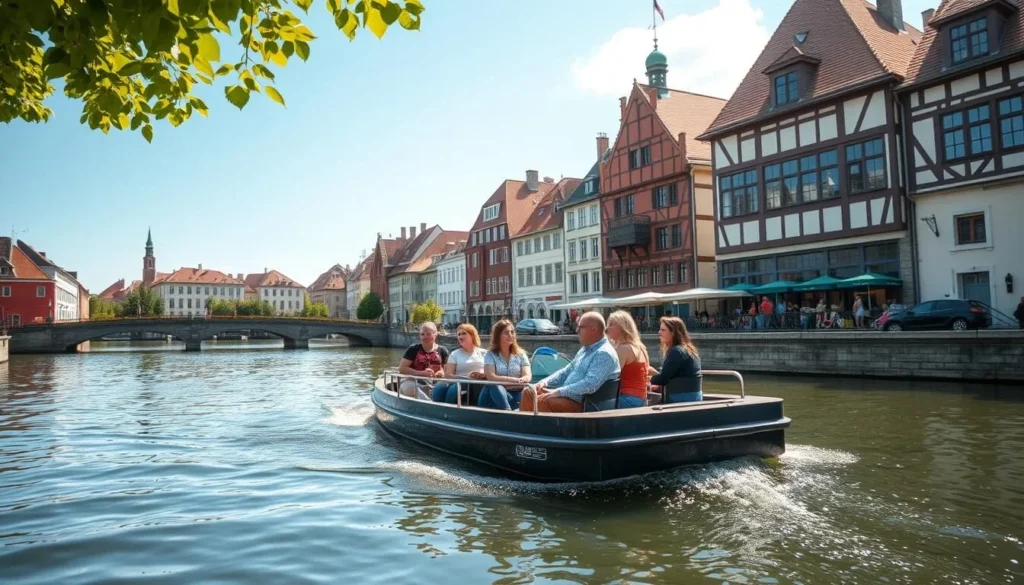
- Boat Tours: The White Fleet (Weisse Flotte) offers scenic cruises on Lake Schwerin, providing spectacular views of the castle and surrounding landscape. Tours depart from the pier opposite the castle.
- Kayaking & Canoeing: Rent kayaks or canoes to explore the lake at your own pace. Several rental shops are located near the castle.
- Swimming: In summer, locals and visitors enjoy swimming at designated beaches around the lake. Zippendorfer Strand is one of the most popular swimming spots.
- Stand-up Paddleboarding: A fun way to explore the calm waters while getting some exercise.
Cycling & Hiking
The area around Schwerin offers excellent cycling and hiking opportunities:
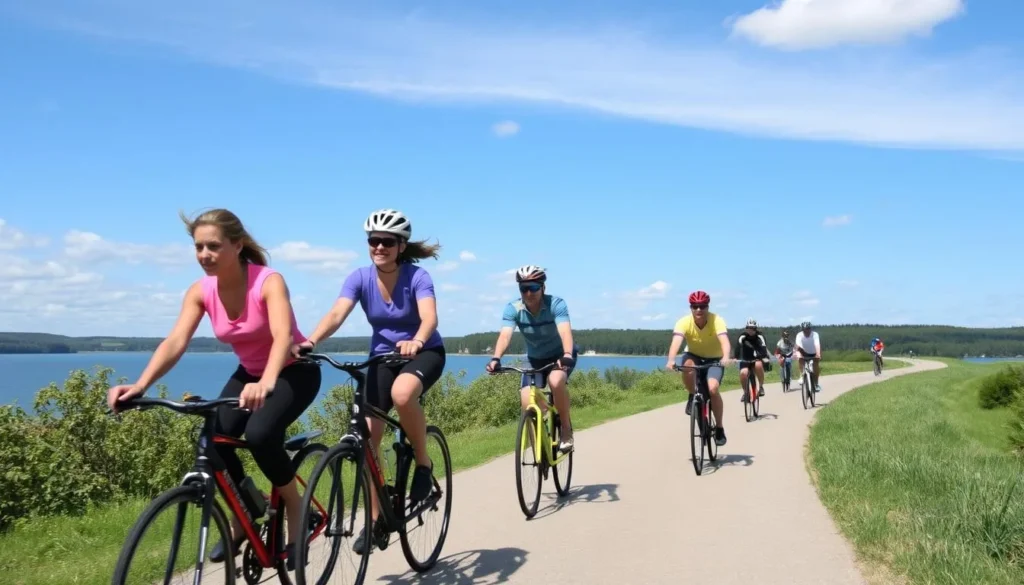
- Lake Schwerin Cycle Route: This 65 km (40 mile) path circles the entire lake, offering beautiful views and passing through charming villages.
- Mecklenburg Lake District: Explore the wider lake district with its network of cycling paths connecting multiple lakes and nature areas.
- Schweriner Seenland: This nature park offers numerous marked hiking trails through forests and along lakeshores.
Other Outdoor Attractions
- Schwerin Zoo: Home to over 2,000 animals from around the world, set in a scenic landscape with plenty of walking paths.
- Schlossgarten Schwerin: Beyond the formal gardens, there are extensive parklands perfect for jogging or picnicking.
- Golf Club Schwerin: Located just outside the city, this 18-hole course offers a challenging game in beautiful surroundings.
Safety, Etiquette & Local Customs
Safety
Schwerin is generally a very safe city for tourists. Crime rates are low, and visitors rarely encounter problems. Nevertheless, it’s always wise to take standard precautions:
- Keep valuables secure and be aware of your surroundings, especially in crowded tourist areas.
- When swimming in Lake Schwerin, stick to designated swimming areas and observe any posted safety notices.
- For emergencies, dial 112 for medical emergencies or fire, and 110 for police.
Etiquette & Customs
Understanding local customs will enhance your experience in Schwerin:
- Greetings: A handshake is the standard greeting. “Guten Tag” (Good day) is a polite greeting in any situation.
- Punctuality: Germans value punctuality. If you have scheduled tours or reservations, plan to arrive on time or slightly early.
- Tipping: Service charges are typically included in restaurant bills, but it’s customary to round up or add about 5-10% for good service. Simply tell the server the total amount you wish to pay when settling the bill.
- Shopping Hours: Most shops in Schwerin close by 8:00 PM on weekdays and 6:00 PM on Saturdays. Nearly all shops are closed on Sundays, with few exceptions.
- Photography: When photographing inside museums or churches, check if photography is permitted. Flash photography is often prohibited in museums to protect artwork.
Language
While German is the official language, many people in the tourism industry speak at least basic English. Learning a few German phrases can be helpful and is appreciated by locals:
- “Hallo” – Hello
- “Danke” – Thank you
- “Bitte” – Please/You’re welcome
- “Entschuldigung” – Excuse me/Sorry
- “Sprechen Sie Englisch?” – Do you speak English?
Visitor Comments About Schwerin
“Schwerin Castle alone is worth the trip! We spent a full day exploring the castle and gardens, then another day wandering the Old Town. It’s much less crowded than other German tourist destinations, which made for a relaxing experience. Don’t miss taking a boat tour on the lake for the best views of the castle.”
“We originally planned Schwerin as a day trip from Hamburg but ended up staying two nights. The city has such a peaceful atmosphere, especially in the evening when most day-trippers have left. The Pfaffenteich area was our favorite spot to relax with coffee and watch the tiny ferry cross back and forth.”
“As someone who has visited many European castles, I found Schwerin Castle to be among the most picturesque. The setting on the island with reflections in the lake is magical. I recommend visiting early in the morning before tour groups arrive. The audio guide is well worth the extra €2 as it provides fascinating historical context.”
Additional Nearby Destinations
While Schwerin offers plenty to see and do, there are several worthwhile destinations nearby that make excellent day trips:
Wismar (40 km)
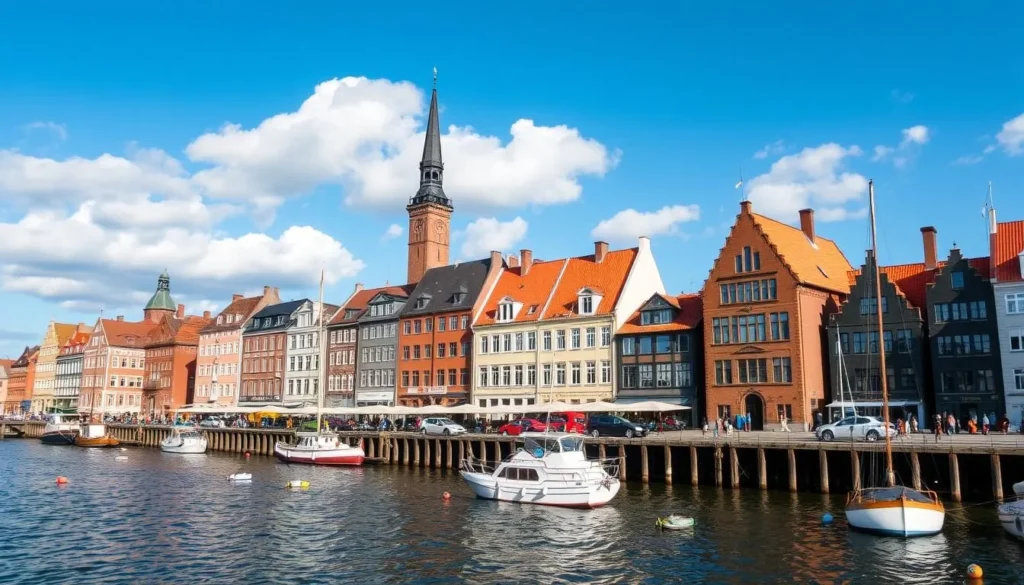
This UNESCO World Heritage site features well-preserved Hanseatic architecture and a beautiful harbor. The historic center with its brick Gothic buildings and the impressive St. Nicholas Church are highlights. Wismar is easily reached by train in about 30 minutes from Schwerin.
Lübeck (80 km)
Another UNESCO-listed Hanseatic city, Lübeck is famous for its distinctive city gates, marzipan, and medieval architecture. The train journey from Schwerin takes approximately 1 hour, making it perfect for a day trip.
Rostock & Warnemünde (90 km)
Combine a visit to the historic Hanseatic city of Rostock with time at the seaside resort of Warnemünde on the Baltic coast. Enjoy the beach, lighthouse, and fresh seafood. The train from Schwerin to Rostock takes about 1 hour.
Practical Travel Tips
Money & Payments
- Currency: Euro (€)
- Many smaller establishments in Schwerin may only accept cash, so keep some Euros on hand.
- ATMs (called “Geldautomat”) are readily available throughout the city.
- Major credit cards are accepted at larger hotels, restaurants, and shops.
Connectivity
- Free WiFi is available in many cafés, restaurants, and hotels.
- The train station and some public areas offer free WiFi hotspots.
- EU residents can use their mobile data without roaming charges; others should check with their providers or consider a local SIM card.
Accessibility
- Many of Schwerin’s attractions, including parts of the castle, are wheelchair accessible.
- The Old Town has cobblestone streets that may be challenging for wheelchair users.
- Public transportation is generally accessible, with low-floor buses and trams.
Saving Money
- The Schwerin Ticket (€7) offers free public transportation and discounts on attractions.
- Many museums offer reduced admission on specific days or times.
- The castle gardens and lakeside paths are free to explore and offer some of the best views in the city.
Embrace the Fairytale: Your Schwerin Adventure Awaits
Schwerin may not be as famous as Germany’s southern tourist hotspots, but that’s precisely what makes it special. This northern gem offers the perfect blend of architectural splendor, natural beauty, and cultural richness without the overwhelming crowds. Whether you’re gazing at the castle’s reflection in the shimmering lake, wandering through centuries-old streets, or enjoying a peaceful boat ride, Schwerin delivers an authentic German experience that feels both grand and intimate. As you plan your German adventure, consider giving this “Castle of the North” the time it deserves – you’ll be rewarded with memories as picturesque as the fairytale setting itself.
The above is subject to change.
Check back often to TRAVEL.COM for the latest travel tips and deals.
0 Comments