
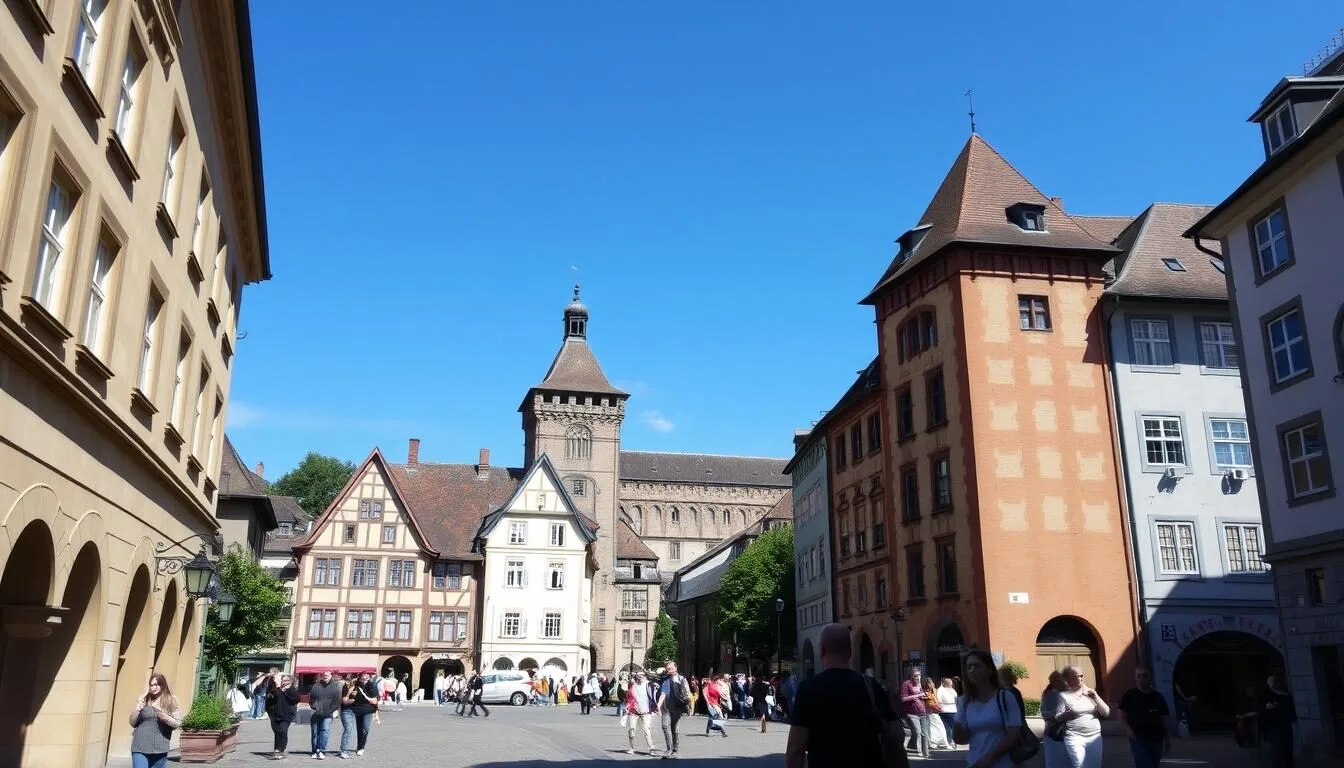
Did you know Trier is Germany’s oldest city, founded in 16 BC—making it older than the country itself? This ancient Roman outpost, once called “Augusta Treverorum,” boasts more UNESCO World Heritage sites than any other German city. With its remarkably preserved Roman ruins, medieval architecture, and vibrant wine culture, Trier offers a unique journey through 2,000 years of European history in a surprisingly compact and walkable setting.
Getting There & Planning Your Journey
Trier sits in western Germany near the Luxembourg border, along the picturesque Moselle River. While slightly off the beaten path, this location contributes to its charm and less crowded atmosphere.
Closest Airports
- Frankfurt-Hahn Airport (HHN): 75 km (47 miles) away, approximately 1 hour by car
- Luxembourg Airport (LUX): 40 km (25 miles) away, approximately 45 minutes by car
- Frankfurt International Airport (FRA): 175 km (109 miles) away, approximately 2 hours by car or train
By Train
Germany’s efficient rail network makes reaching Trier straightforward. Direct trains run from major cities including:
- Cologne: 2.5 hours
- Frankfurt: 3 hours
- Luxembourg City: 1 hour
Trier Hauptbahnhof (main station) is conveniently located just a 10-minute walk from the historic center.
By Car
If you’re planning to explore the Moselle Valley, driving offers flexibility. Major highways connect Trier to Frankfurt, Cologne, and Luxembourg. The city has several parking garages on the outskirts of the pedestrian zone.
Best Time to Visit & Weather Tips
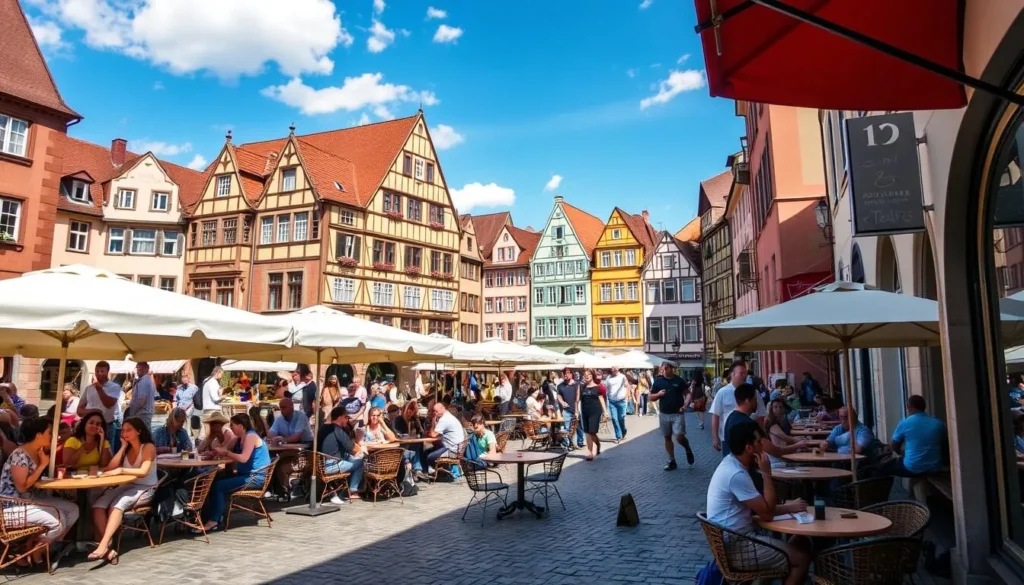
Trier experiences four distinct seasons, each offering a different perspective on this historic city.
Recommended Seasons
- Late Spring (May-June): Ideal temperatures of 15-22°C (59-72°F), blooming flowers, and fewer tourists make this perhaps the best time to visit.
- Early Fall (September-October): Comfortable temperatures of 10-20°C (50-68°F), beautiful autumn colors, and wine harvest festivals in the surrounding Moselle Valley.
- Summer (July-August): Warmest months with temperatures averaging 18-25°C (64-77°F). Peak tourist season with the most events and longest daylight hours, but also larger crowds.
Seasons to Avoid
- Winter (December-February): Cold temperatures between 0-5°C (32-41°F) with occasional snow. Many outdoor attractions have limited hours, though the Christmas Market (late November to December 23rd) is a magical exception.
- Early Spring (March-April): Often rainy with unpredictable weather, though prices are lower and crowds thinner.
Getting Around Locally
Trier’s compact size makes it ideal for exploration on foot, with most major attractions within a 20-minute walk of each other.
Walking
The historic center is largely pedestrianized, making walking both practical and pleasant. Most Roman ruins, the cathedral, and main shopping areas are within easy walking distance of each other.
Public Transportation
Trier has an efficient bus network operated by SWT. Single tickets cost around €2.40, while day passes are approximately €5.50. Buses run regularly from the main station throughout the city.
Tourist Train
The Römer-Express is a tourist train that offers a 45-minute tour of the main sights. It departs from Porta Nigra every 30 minutes during the tourist season (April-October).
Bicycles
Several shops offer bicycle rentals for around €12-15 per day. Trier has good cycling infrastructure, including dedicated paths along the Moselle River.
Where to Stay
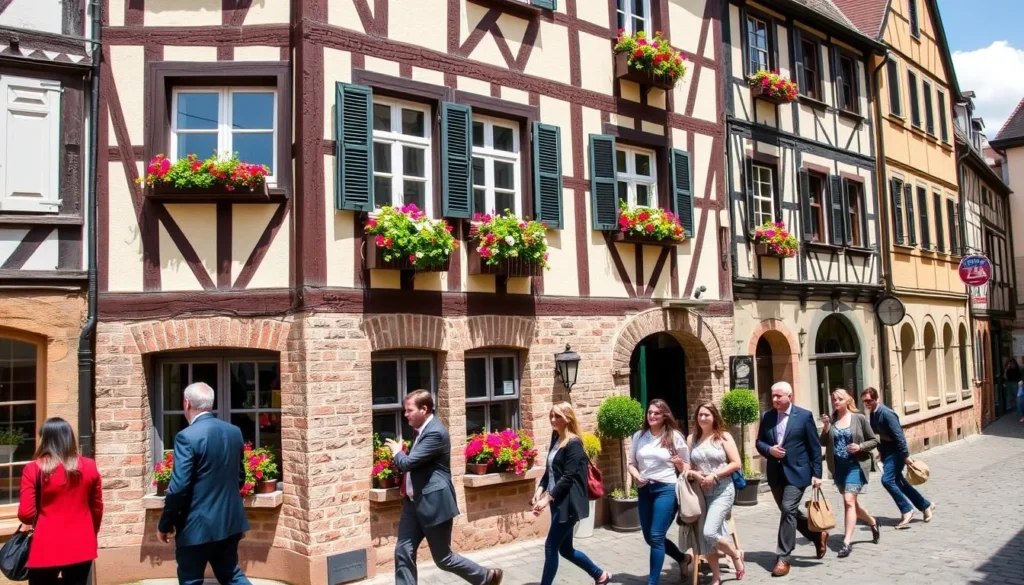
Trier offers accommodations for every budget, from luxury hotels to family-run guesthouses. Staying in the historic center puts you within walking distance of major attractions.
Luxury Options
For upscale accommodations, consider hotels near the Porta Nigra or overlooking the Moselle River. These typically offer amenities like on-site restaurants, wellness facilities, and historic charm with modern comforts. Expect to pay €120-200 per night.
Mid-Range Options
Numerous family-run hotels and guesthouses offer comfortable rooms in historic buildings throughout the old town. These provide excellent value at €70-120 per night, often including breakfast.
Budget Options
Several hostels and budget hotels offer clean, basic accommodations starting around €50 per night. The youth hostel near the Roman Amphitheater is particularly well-located.
Apartments
For longer stays or family travel, apartment rentals provide more space and kitchen facilities. Many are located in historic buildings in the city center, offering an authentic experience from €80-150 per night.
Dining & Local Cuisine
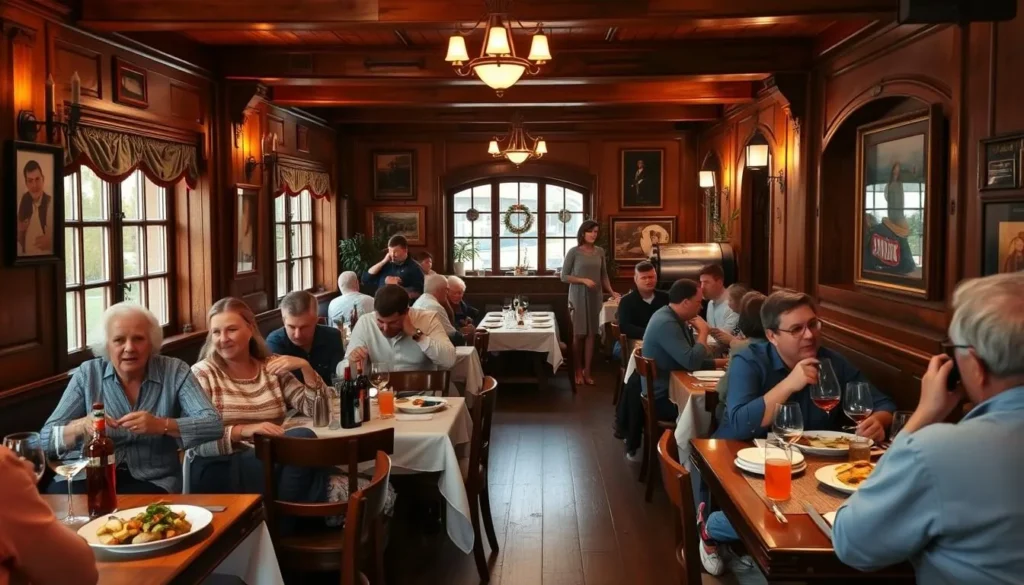
Trier’s cuisine reflects its location in the Moselle wine region and its rich history, blending German traditions with influences from neighboring Luxembourg and France.
Local Specialties
- Viez: A tart apple cider unique to the region
- Trier Spießbraten: Marinated and spit-roasted pork
- Dibbelabbes: A potato dish with leeks and bacon
- Riesling wines: The Moselle Valley is famous for its crisp white wines
Dining Areas
The Hauptmarkt (main market square) and surrounding streets offer numerous restaurants with outdoor seating during warmer months. The Zurlauben district along the Moselle River features traditional wine taverns with riverside views.
Price Range
- Budget meals: €8-15 for hearty portions at casual eateries
- Mid-range restaurants: €15-25 per person for main courses
- Fine dining: €50+ per person for multi-course meals with wine pairings
Wine Tasting
Don’t miss the opportunity to sample local Riesling wines. Many restaurants offer regional wine lists, and there’s often a wine stand in the main square where you can try different varieties from local producers.
Attractions, Sightseeing & Activities
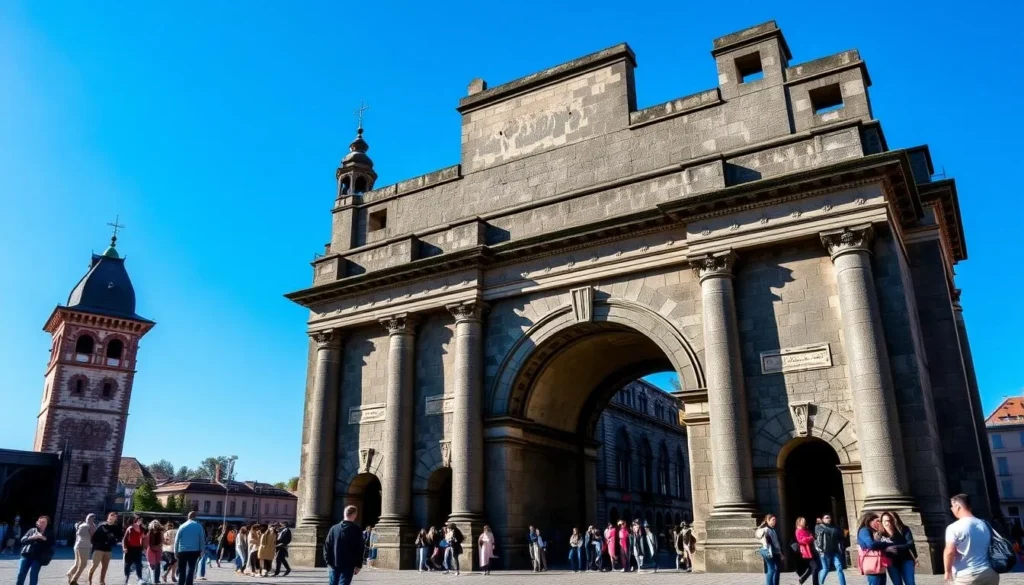
Trier boasts an incredible concentration of well-preserved Roman ruins and medieval architecture, with nine UNESCO World Heritage sites within its compact center.
Roman Monuments
- Porta Nigra (Black Gate): The best-preserved Roman city gate north of the Alps, dating from the 2nd century AD. Climb to the upper levels for panoramic views of the city.
- Roman Amphitheater: Once hosting gladiatorial contests for 20,000 spectators, you can explore the arena and underground chambers where animals and gladiators waited.
- Imperial Baths (Kaiserthermen): Impressive ruins of what would have been one of the largest Roman bath complexes in the empire.
- Barbara Baths: The largest Roman bath complex north of the Alps, recently reopened after extensive restoration.
- Roman Bridge: The oldest bridge in Germany, with original 2nd-century Roman pillars still supporting modern traffic.
Religious Sites
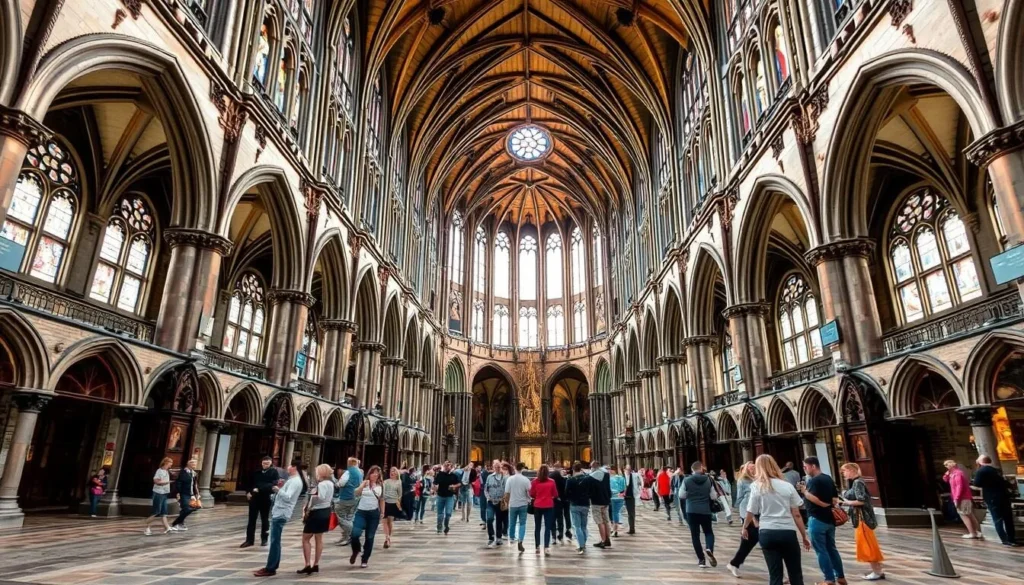
- Trier Cathedral (Dom St. Peter): Germany’s oldest cathedral contains elements from the 4th century, impressive Romanesque and Gothic architecture, and houses the Holy Tunic, said to be the robe of Christ.
- Church of Our Lady (Liebfrauenkirche): One of Germany’s earliest Gothic churches, built in the 13th century with a unique floor plan resembling a twelve-petaled rose.
- Basilica of Constantine (Aula Palatina): An enormous Roman throne hall from the 4th century, now serving as a Protestant church.
- St. Matthias Abbey: The only church north of the Alps containing the remains of an Apostle (St. Matthias).
Museums and Cultural Sites
- Rheinisches Landesmuseum: One of Germany’s most important archaeological museums, housing an impressive collection of Roman artifacts including the largest Roman gold hoard ever discovered.
- Karl Marx House: The birthplace of the influential philosopher, now a museum documenting his life and work.
- Toy Museum: A delightful collection of historic toys located on the Hauptmarkt.
- City Museum Simeonstift: Located next to the Porta Nigra, covering the city’s history from pre-Roman times to the present.
Museums, Cultural Spots & Festivals
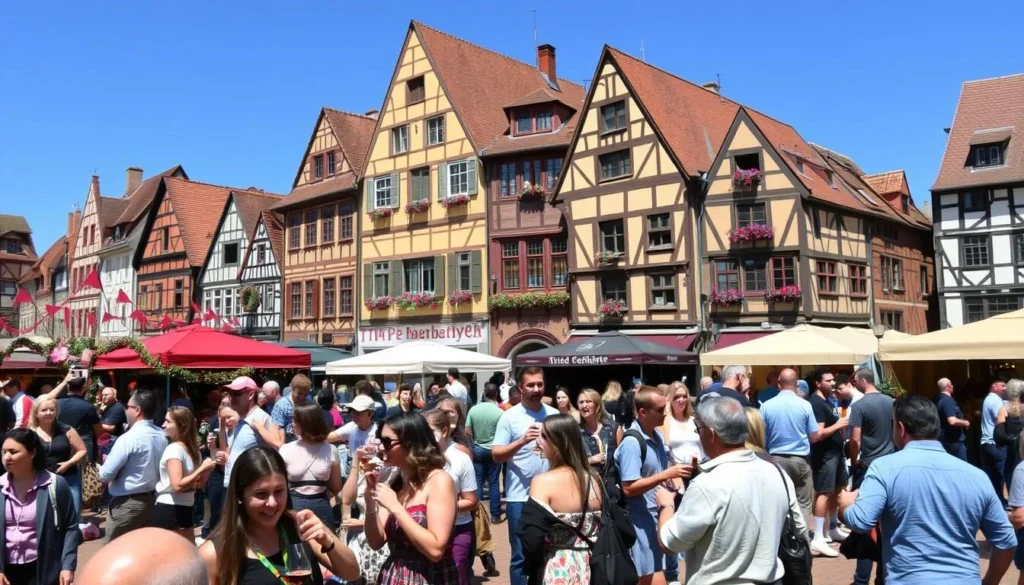
Throughout the year, Trier hosts various cultural events and festivals that celebrate its rich history and wine-making tradition.
Annual Festivals
- Altstadtfest (Old Town Festival): Usually held in late June, this three-day celebration features live music, food stalls, and wine tasting throughout the historic center.
- Trier Wine Festival: Taking place in August at the Viehmarkt square, this event showcases wines from the Moselle region.
- Bread and Circus Festival: A summer reenactment of Roman life at the Amphitheater, including gladiator shows and ancient crafts demonstrations.
- Christmas Market: One of Germany’s most atmospheric Christmas markets, held from late November until December 23rd in the medieval Hauptmarkt.
Cultural Experiences
- Wine Tasting: Throughout the year, local wineries offer tastings of Moselle Valley wines. Look for the wine stand in the main square where different producers showcase their wines each week.
- Roman Reenactments: During summer months, costumed guides offer tours of Roman sites, bringing ancient Trier to life.
- Classical Concerts: The Electoral Palace and Constantine Basilica host regular classical music performances, often featuring works by composers with connections to the region.
Sports, Nature & Outdoor Experiences
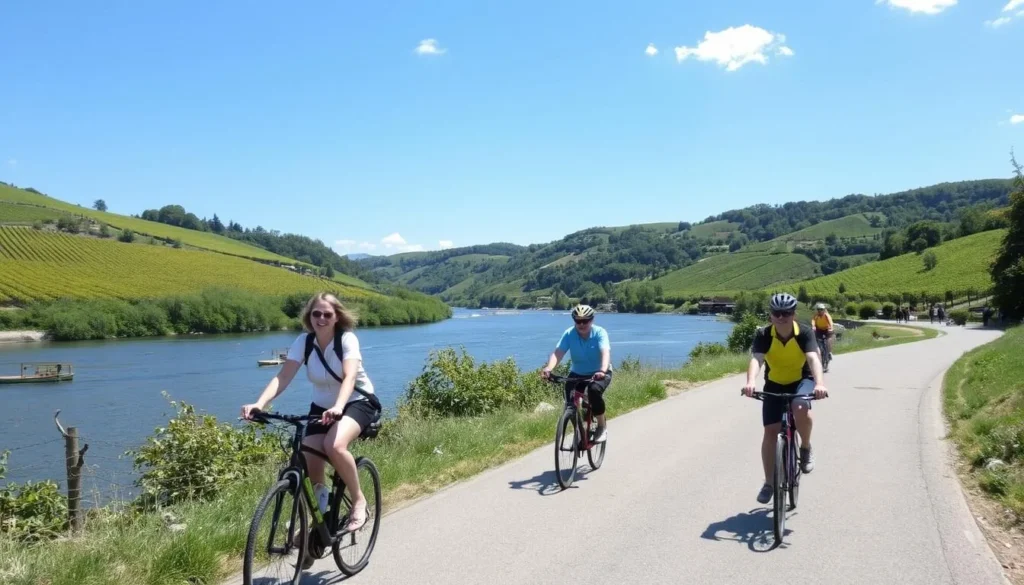
The beautiful natural setting of Trier, nestled in the Moselle Valley and surrounded by vineyards, offers plenty of outdoor activities.
Cycling
The Moselle Cycle Route is one of Germany’s most scenic bike paths, running alongside the river. Rent a bicycle in Trier and explore the picturesque wine villages, castles, and vineyards. The relatively flat riverside sections are suitable for all fitness levels.
Hiking
Several marked hiking trails surround Trier, including:
- Petrisberg: Offers panoramic views of the city from forested trails just above the amphitheater.
- Trier Wine Culture Path: A 1.6 km (1 mile) trail through vineyards starting near the amphitheater.
- Moselsteig: A long-distance trail following the Moselle River, with sections easily accessible from Trier.
Water Activities
The Moselle River provides opportunities for:
- River Cruises: One-hour sightseeing cruises depart regularly from the riverbank near the Roman Bridge.
- Kayaking: Rental services offer kayaks for exploring the gentle Moselle River at your own pace.
- Stand-up Paddleboarding: A peaceful way to experience the river during summer months.
Parks and Gardens
Trier has several green spaces perfect for relaxation:
- Palastgarten: The formal gardens beside the Electoral Palace offer manicured lawns and fountains.
- Nells Park: A historic English-style garden with ancient trees and walking paths.
Safety, Etiquette & Local Customs
Trier is generally a very safe city for visitors, with low crime rates and friendly locals. Here are some tips to enhance your experience:
Safety
- As in any tourist destination, be aware of your belongings in crowded areas.
- The historic center is well-lit and safe to walk around at night.
- For emergencies, dial 112 for medical assistance or fire, and 110 for police.
Etiquette
- Greetings: A handshake is the common greeting. “Guten Tag” (Good day) is a polite greeting in any situation.
- Tipping: Service is usually included in restaurant bills, but rounding up or adding 5-10% for good service is customary.
- Punctuality: Germans value punctuality, so arrive on time for tours or reservations.
- Quiet Hours: Respect quiet hours (Ruhezeit), typically between 1:00 PM and 3:00 PM, and after 10:00 PM.
Local Customs
- Shopping Hours: Most shops close on Sundays and holidays. Plan accordingly.
- Water: Tap water is safe to drink, but restaurants typically serve bottled water.
- Cash: While credit cards are increasingly accepted, having some cash is useful for smaller establishments.
- Recycling: Germans take recycling seriously. Follow local sorting guidelines for trash.
Visitor Comments About Trier
“I’ve visited many Roman sites across Europe, but Trier’s collection is truly exceptional. The Porta Nigra and Imperial Baths are incredibly well-preserved, and the city’s walkable size means you can see everything without rushing. Don’t miss the Rheinisches Landesmuseum—its Roman artifacts collection is world-class.”
“We used Trier as a base to explore the Moselle Valley for three days. Perfect location! The city itself has enough history to fill two days, and then it’s an easy drive to charming wine villages. The local Riesling wines are outstanding, and much more affordable than I expected. The Christmas Market was magical with the historic buildings as a backdrop.”
“As a history buff, I was impressed by how Trier balances its Roman past with medieval and modern elements. The Cathedral complex is stunning—don’t rush through it. We rented bikes and rode along the Moselle, which was a highlight of our trip. September was perfect weather-wise, and we caught some of the wine harvest festivities.”
Additional Nearby Destinations
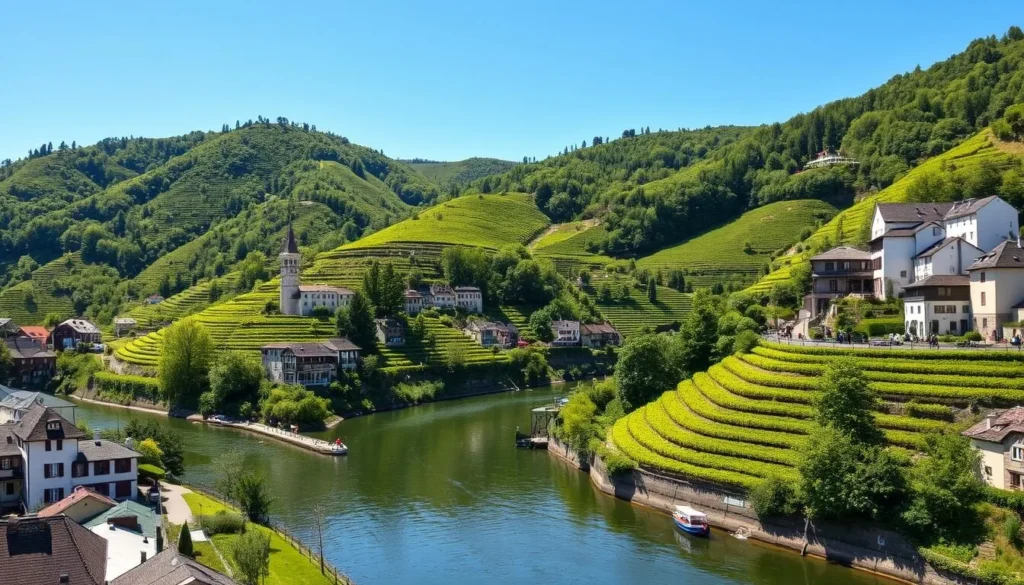
Trier makes an excellent base for exploring the surrounding region. Here are some worthwhile day trips:
Moselle Valley
- Bernkastel-Kues: A picturesque wine town 50 km (31 miles) from Trier, known for its half-timbered buildings and excellent Riesling wines.
- Cochem: Dominated by the fairytale Reichsburg Castle, this charming town is about 70 km (43 miles) from Trier.
- Beilstein: Often called the “Sleeping Beauty of the Moselle,” this tiny, perfectly preserved medieval village is 65 km (40 miles) from Trier.
Luxembourg
Luxembourg City is just 40 km (25 miles) away, making it an easy day trip. This small capital offers impressive fortifications, the grand ducal palace, and a charming old town set across deep gorges.
Saar Valley
- Saarburg: A romantic town 25 km (15 miles) from Trier, featuring a waterfall running through its center and a medieval castle.
- Völklingen Ironworks: A UNESCO World Heritage Site 70 km (43 miles) from Trier, this preserved industrial complex offers a fascinating glimpse into Germany’s industrial past.
Eifel Region
The volcanic Eifel region north of Trier features crater lakes, forests, and charming villages. The Roscheider Hof Open Air Museum, just 10 km (6 miles) from Trier, showcases traditional rural life in the region.
Practical Travel Tips

These practical tips will help you make the most of your visit to Trier:
Money Matters
- Currency is the Euro (€). ATMs are widely available throughout the city.
- Many smaller establishments and some restaurants may not accept credit cards, so carry some cash.
- Tipping is not mandatory but appreciated—10% is standard for good service.
Language
- German is the official language, but many people in the tourism industry speak English.
- Learning a few basic German phrases is appreciated: “Danke” (thank you), “Bitte” (please), “Guten Tag” (good day).
Saving Money
- Trier Card: Available at the tourist office, it offers free public transportation and discounts to major attractions.
- Antikencard: If you plan to visit multiple Roman sites, this combined ticket offers significant savings.
- Many museums offer reduced admission in the late afternoon or on specific days.
Connectivity
- Free Wi-Fi is available in many cafes, restaurants, and public spaces.
- The main tourist areas have good mobile coverage.
- European power outlets use 230V with type F sockets (round prongs). Bring an adapter if needed.
Tourist Information
The Tourist Information Office is located at Simeonstraße 55, near the Porta Nigra. They offer maps, brochures, and can help with accommodation bookings and tour arrangements.
A Journey Through Time Awaits
Trier offers a rare opportunity to walk through 2,000 years of European history in a single day. From standing before the imposing Porta Nigra to sipping local Riesling along the Moselle River, this ancient city delivers experiences that appeal to history buffs, culture seekers, and food enthusiasts alike. Its compact size, walkable center, and remarkable preservation make it one of Germany’s most rewarding destinations—a place where Roman emperors once walked and where today’s visitors can discover the layers of history that have shaped modern Europe. Whether you spend a day exploring the UNESCO sites or use it as a base for adventures throughout the Moselle Valley, Trier rewards visitors with authentic experiences and unexpected discoveries around every corner.
The above is subject to change.
Check back often to TRAVEL.COM for the latest travel tips and deals.
0 Comments