Hotels by Trip.com
Flights by Trip.com
Hidden within the wild heart of County Donegal lies a secret that few visitors know. Glenveagh National Park spans an extraordinary 16,548 hectares (40,900 acres), making it Ireland’s second-largest national park. Yet despite its massive size, this pristine wilderness receives fewer than 200,000 visitors annually compared to millions who flock to more famous Irish attractions.
The name “Glenveagh” translates from Irish as “glen of the birches,” though the landscape today showcases far more than its namesake trees. This remarkable national park emerged from a dramatic history of land clearances and private ownership before becoming public heritage in 1984.
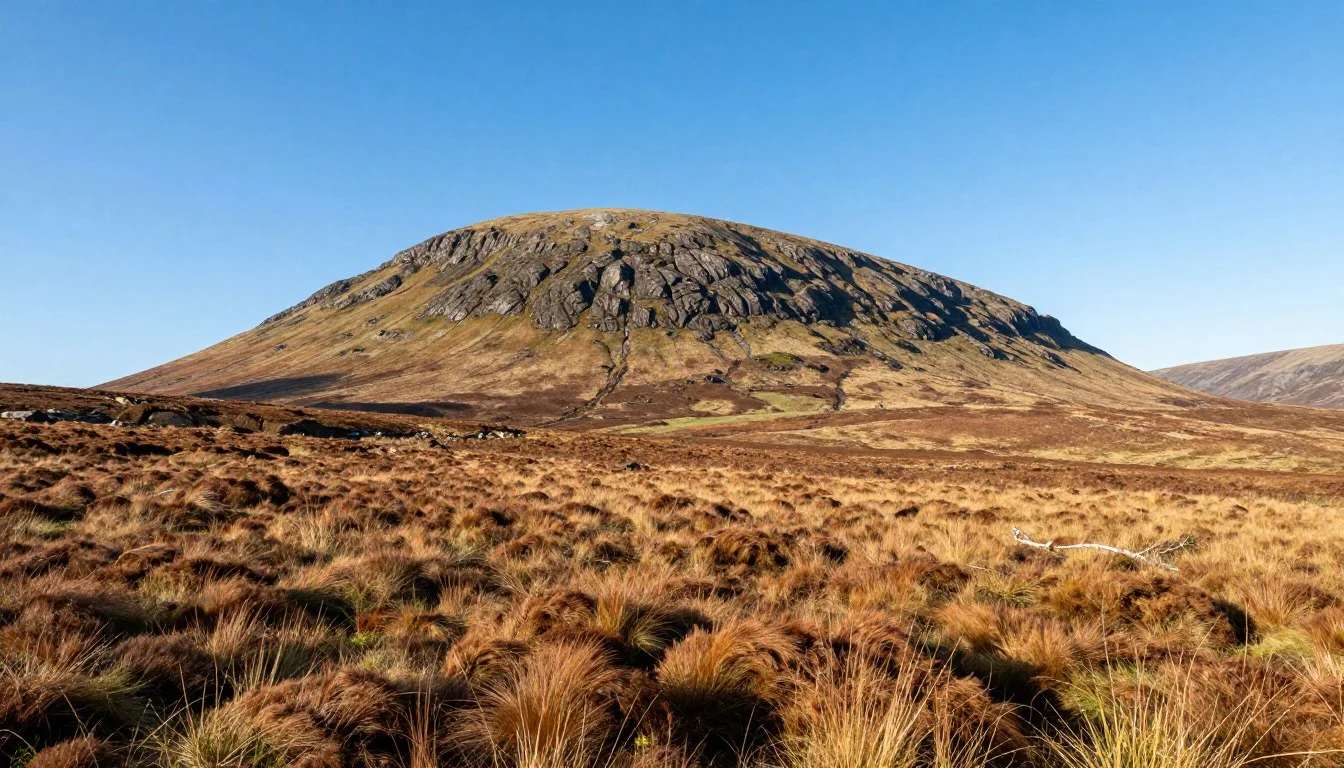
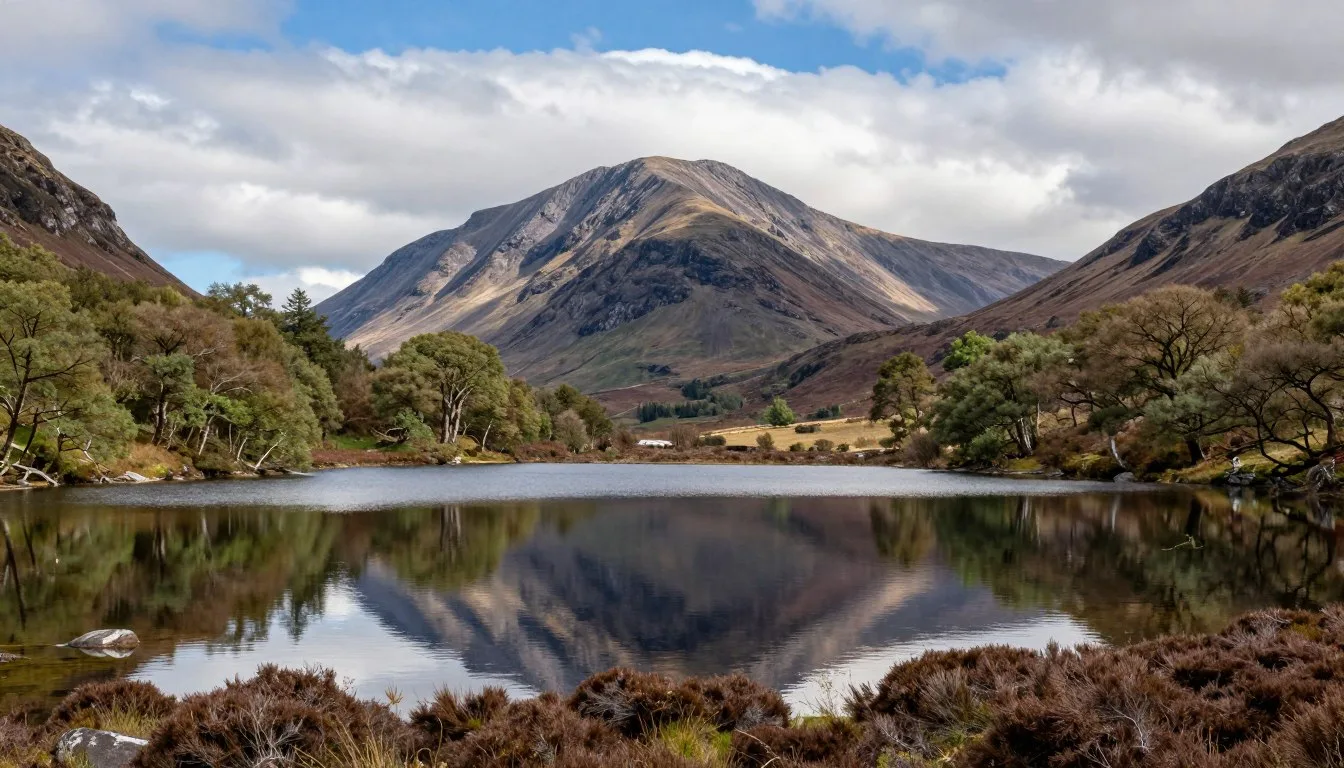
Nestled in the Derryveagh Mountains, this protected wilderness offers something truly special. Ancient oak woodlands blanket the hillsides. Red deer roam freely across moorlands. Golden eagles soar overhead, having returned after a century of absence.
Whether you seek outdoor adventures, historical exploration, or peaceful nature experiences, this guide reveals everything you need to know for an unforgettable visit.
Getting There & Planning Your Journey
Reaching Glenveagh National Park requires some planning, but the journey through Donegal’s stunning countryside rewards every minute of travel time.
Closest Airports
Three airports provide access to the park, each offering different advantages:
- Ireland West Airport Knock – 129 km (80 miles) southeast, approximately 1 hour 50 minutes driving time
- City of Derry Airport – 72 km (45 miles) northeast, roughly 1 hour 15 minutes by car
- Donegal Airport – 48 km (30 miles) northwest, about 45 minutes driving distance
Most international visitors fly into Dublin Airport, then hire a car for the scenic 257 km (160 mile) journey northwest. This route takes approximately 3.5 hours through changing landscapes that showcase Ireland’s diverse beauty.
Driving Directions
From Dublin, follow the N2 and N3 motorways northwest toward Letterkenny. Continue on the N56 before turning onto the R251, which leads directly to the park entrance near Churchill village. Road signs clearly mark the route from Letterkenny onwards.
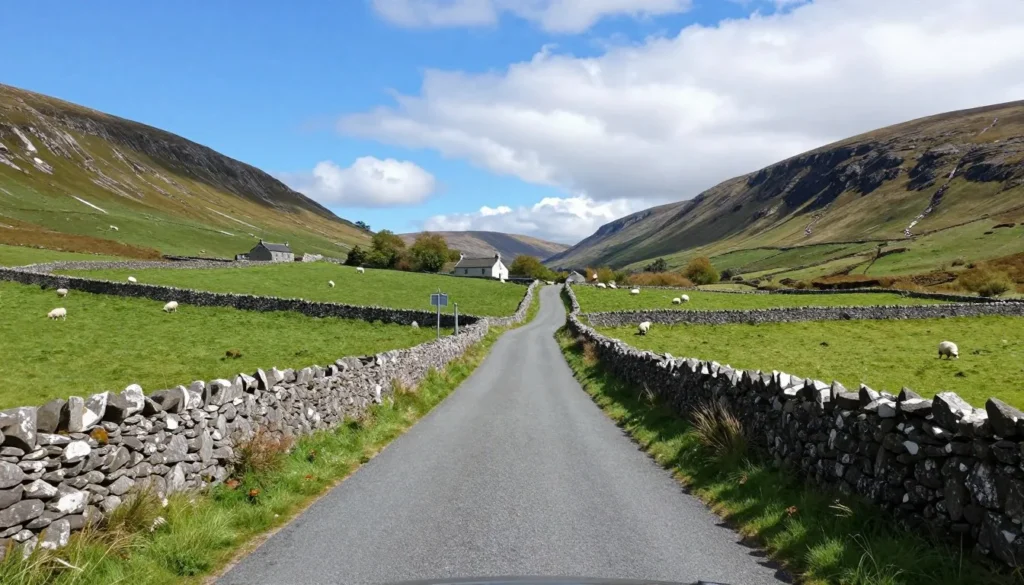
The final approach on the R251 treats drivers to spectacular mountain vistas. Stone walls line the road. Sheep graze on hillsides. Traditional cottages dot the landscape.
Public Transport Options
Bus Éireann operates services from Dublin and other major cities to Letterkenny. From there, local buses run to Churchill village during summer months. However, service frequency remains limited, making car rental the most practical option for park access.
The park operates a free shuttle bus from the visitor centre to Glenveagh Castle and gardens. This service runs regularly throughout opening hours, eliminating the need to walk the 4 km (2.5 mile) access road.
Best Time to Visit & Weather Tips
Best Time to Visit Glenveagh National Park
Late spring through early autumn offers the most rewarding experiences at Glenveagh National Park. Each season paints the landscape with different colours and moods.
Peak Season (June-August)
Summer brings the longest days and warmest weather, though temperatures rarely exceed 20°C (68°F). This period sees the most visitors, particularly during Irish school holidays in July and August.
Check 30,000+ Local Sightseeing Tours Worldwide
✓ Numerous languages and currencies are available
- Extended daylight hours until 22:00
- All facilities fully operational
- Gardens at peak bloom
- Busier trails and castle tours
Shoulder Season (May & September)
These months deliver exceptional value for visitors. Weather remains pleasant while crowds diminish significantly after schools resume in September.
- Comfortable temperatures around 15°C (59°F)
- Rhododendron blooms in May
- Autumn colours in September
- Quieter trails and attractions
Spring (March-April)
Early spring awakens the park with fresh greenery and active wildlife. Lambing season brings new life to surrounding farms.
- Milder temperatures averaging 10°C (50°F)
- Nesting birds throughout woodlands
- Fewer tourists on trails
- Some facilities may have limited hours
Winter (October-February)
Winter reveals the park’s raw beauty but presents challenges. Many facilities close during these months, and weather conditions can be harsh.
- Castle and visitor centre closed
- Dramatic mountain landscapes
- Solitude for experienced hikers
- Avoid unless experienced in mountain weather
Weather Patterns
Donegal’s Atlantic location creates changeable weather conditions throughout the year. Rain occurs frequently, even during summer. Visitors should prepare for multiple weather conditions in a single day.
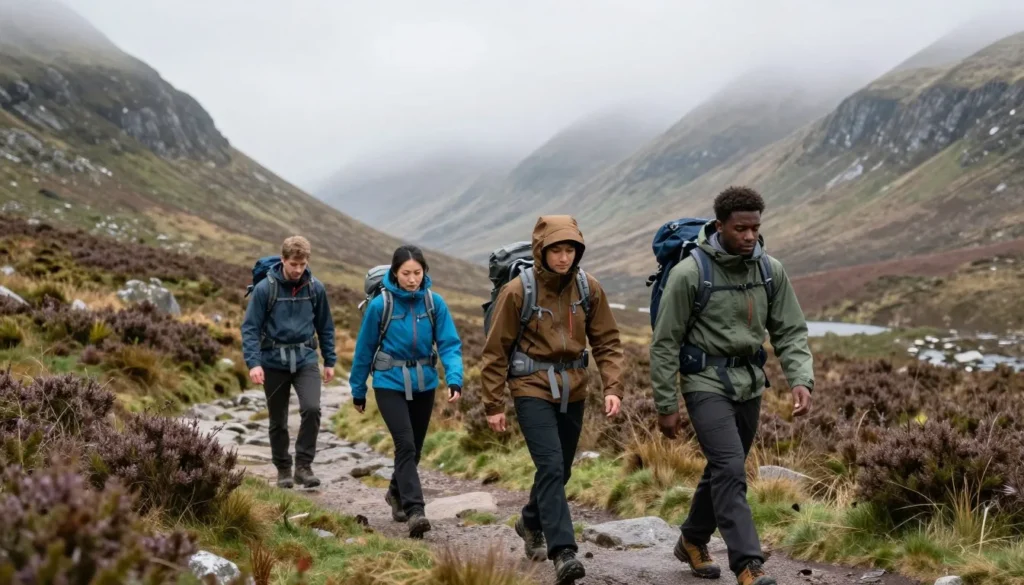
Pack layers regardless of season. Waterproof jackets prove essential. Good walking boots provide necessary grip on often muddy trails. Mountain weather can change rapidly, with conditions differing significantly between valleys and high ground.
Notable Annual Festivals
While Glenveagh National Park itself hosts limited formal festivals, the surrounding Donegal region celebrates throughout the year:
- Donegal Food Festival (Easter weekend) – Letterkenny town centre celebrates local producers and culinary traditions
- Glenveagh Spring Nature Walks – Guided ranger walks focus on awakening flora and nesting birds
Spring Events
- Earagail Arts Festival (July) – County-wide celebration features performances, workshops, and cultural events throughout Donegal
- Donegal Bay and Blue Stacks Festival (June) – Traditional music sessions and cultural activities across south Donegal
Summer Celebrations
- Harvest Fair (September) – Churchill village hosts traditional harvest celebrations with local crafts and produce
- Samhain Celtic Festival (October) – Ancient Celtic traditions celebrated throughout County Donegal
Autumn Gatherings
For specific festival dates and information, please contact the Donegal Tourism Office or Glenveagh Visitor Centre.
The visitor centre provides current information on guided walks, talks, and special events scheduled throughout the season.
Getting Around Locally
Navigation within Glenveagh National Park combines shuttle services, walking trails, and cycling routes. Understanding transport options helps maximize your experience.
Park Shuttle Bus
The complimentary shuttle bus operates from the visitor centre to the castle and gardens. Services run every 15 minutes during peak season and every 30 minutes during quieter periods. The journey takes approximately 10 minutes each way along the scenic lakeside road.
Buses accommodate wheelchairs and mobility devices. Priority seating ensures comfortable access for those requiring assistance. During busy summer days, short queues may form at the visitor centre departure point.
Walking Within the Park
Most visitors combine shuttle bus rides with walking. The 4 km (2.5 mile) access road from visitor centre to castle makes for pleasant hiking alongside Lough Veagh. This flat route takes about 50 minutes and offers superb photo opportunities.
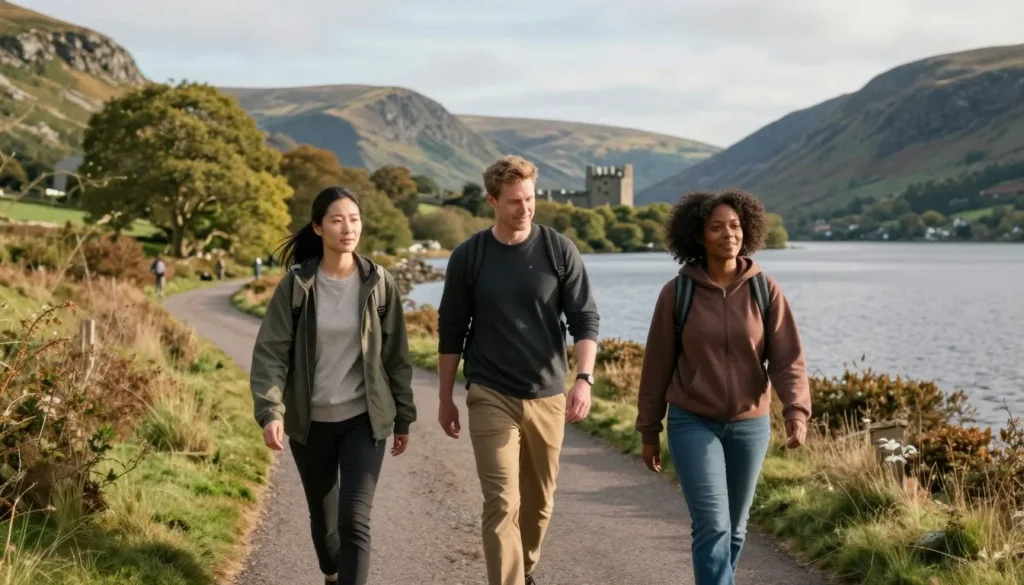
Marked trails throughout the park cater to different fitness levels. Trail maps available at the visitor centre show distances, difficulty ratings, and estimated completion times. Rangers recommend staying on marked paths to protect sensitive habitats.
Cycling Options
Bicycles are permitted on the castle access road but not on mountain trails. The flat, paved surface makes cycling an enjoyable alternative to walking or using the shuttle bus. No bike rental facilities exist within the park, so visitors must bring their own cycles.
Accessibility Considerations
The park management prioritizes accessibility. Wheelchair users can access the visitor centre, use shuttle buses, and explore the castle ground floor and portions of the gardens. Some trails feature accessible surfaces, though mountain paths remain challenging for those with mobility limitations.
Where to Stay
Glenveagh National Park offers no overnight accommodation within its boundaries. However, the surrounding area provides diverse lodging options to suit different budgets and preferences.
Nearby Towns and Villages
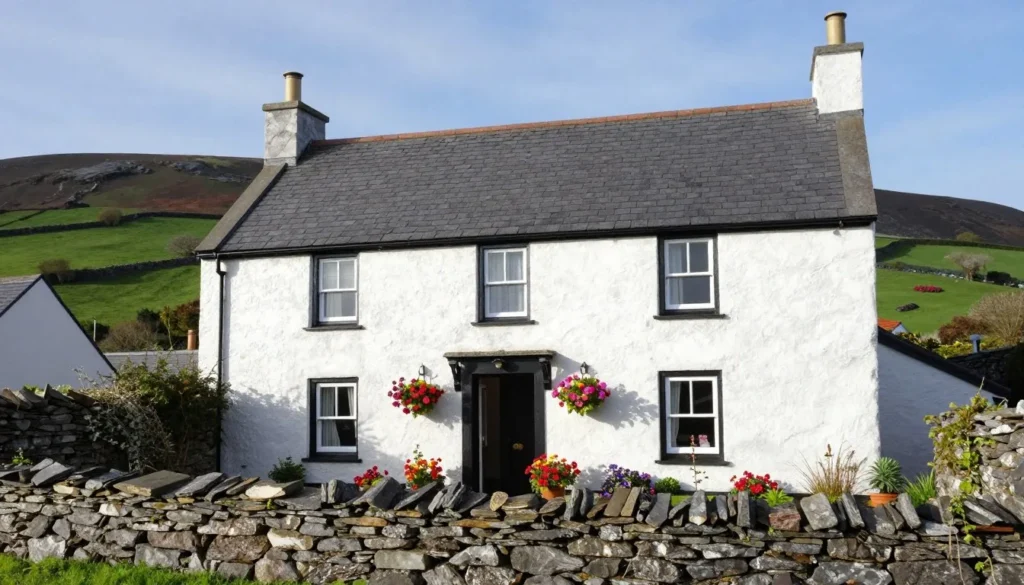
Churchill village, located just 3 km (2 miles) from the park entrance, serves as the closest base. This small community offers guesthouses, B&Bs, and self-catering cottages. The village maintains authentic Irish character without tourist crowds.
Letterkenny, approximately 24 km (15 miles) southeast, provides the widest accommodation range. Ireland’s fastest-growing town combines modern hotels with traditional guesthouses. Shopping centres, restaurants, and evening entertainment complement daytime park visits.
Budget Options
Hostels and basic B&Bs in Letterkenny start from €35 per person per night. These properties offer clean, comfortable rooms with Irish breakfast included.
Self-catering cottages near Churchill provide excellent value for families or groups, with weekly rates from €400-€600 depending on size and season.
Mid-Range Choices
Quality guesthouses and three-star hotels throughout the region charge €80-€120 per room per night. Many feature ensuite bathrooms, WiFi, and hearty breakfasts.
Country houses near the park offer character accommodation with personal service. Rates typically include breakfast and local touring advice.
Luxury Stays
Premium hotels in Letterkenny and surrounding areas provide four-star comfort from €150-€250 per night. Facilities include spas, fine dining, and leisure centres.
Exclusive manor houses and castle hotels within 30 km offer romantic getaways with period features and modern luxury.
Camping and Caravanning
No camping is permitted within Glenveagh National Park itself. However, several campsites operate within 20 km. These facilities typically open from April through September, offering pitches for tents and caravans plus basic amenities.
Wild camping in Ireland requires landowner permission. The national park prohibits overnight stays to protect wildlife and habitats. Respect these rules to preserve this special environment for future generations.
Booking Recommendations
Summer accommodation requires advance booking, particularly during July and August. Spring and autumn offer more flexibility with often-reduced rates. Many properties offer discounts for longer stays of three nights or more.
Dining & Local Cuisine
Food options within Glenveagh National Park remain limited to the visitor centre café. However, this compact facility serves quality refreshments, and the surrounding region offers authentic Donegal dining experiences.
Visitor Centre Café
The on-site café provides hot and cold drinks, sandwiches, soups, and traditional Irish treats. Outdoor seating overlooks the mountains when weather permits. Prices reflect typical tourist venue rates, though quality remains consistently good.
Opening times align with visitor centre hours. The café operates a self-service system during busy periods. Limited vegetarian and gluten-free options are available, though selection varies by day.
Packing Your Own Food
Many visitors bring picnics to enjoy along trails or at designated areas near the castle. This approach saves money while allowing flexible timing. The park provides several picnic tables and benches, though popular spots fill quickly on sunny days.
Important Note: Carry all rubbish out of the park. No bins exist along trails to prevent wildlife interference. Leave no trace of your visit to protect this pristine environment.
Local Donegal Specialities
The surrounding region produces exceptional local food. Restaurants and pubs within 20 km showcase these Donegal favourites:
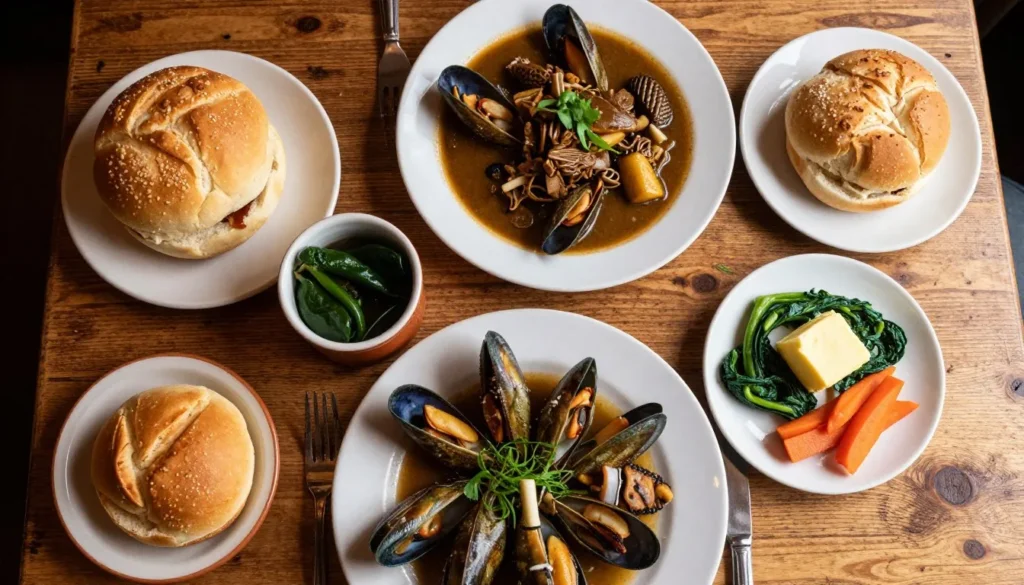
- Fresh Atlantic seafood – Mussels, oysters, and fish landed daily at Donegal ports
- Donegal lamb – Grass-fed meat from mountain sheep, known for distinctive flavour
- Oatmeal bread – Traditional Irish soda bread using locally milled oats
- Dulse – Edible seaweed harvested from Donegal’s Atlantic coast
- Farmhouse cheeses – Artisan producers throughout County Donegal create award-winning varieties
Restaurants Near the Park
Churchill village hosts two traditional pubs serving evening meals. These family-run establishments offer hearty portions at reasonable prices. Both feature local produce and warm Irish hospitality.
Letterkenny provides the widest dining choice, from international cuisine to contemporary Irish restaurants. The town centre concentrates most options within walking distance of each other. Booking ahead ensures tables during busy summer evenings.
Traditional Irish Pubs
Authentic Irish pubs throughout the region serve more than drinks. Many offer excellent bar food, traditional music sessions, and opportunities to meet locals. These venues typically serve food until 21:00, with drinks continuing later.
Pub culture forms an essential part of Irish social life. Even if not dining, stopping for a drink provides cultural insights and often leads to conversations with friendly locals sharing travel tips.
Attractions, Sightseeing & Activities
Glenveagh National Park centres around its magnificent castle and gardens, but the entire landscape functions as one vast attraction. Every corner reveals new discoveries.
Glenveagh Castle
This 19th-century castle dominates the park’s attractions. Built in 1873 by John George Adair, the castle’s romantic Scottish Baronial architecture sits dramatically against mountain backdrops. Guided tours reveal lavishly decorated rooms, fascinating history, and stories of successive owners.
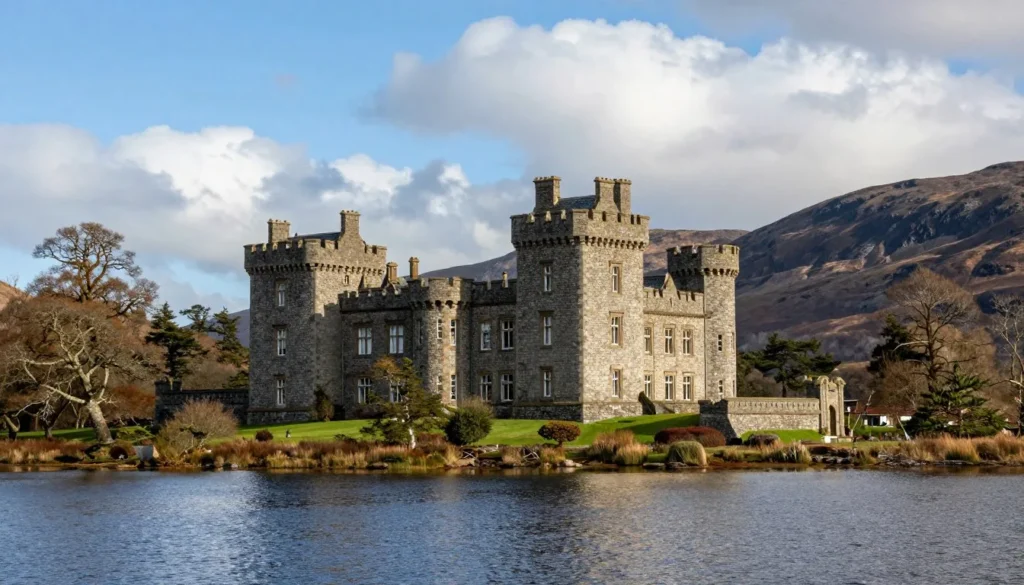
Tours run regularly throughout the day during opening season. Lasting approximately 45 minutes, guides share tales of the castle’s transformation from austere hunting lodge to comfortable country house. The last American owner, Henry McIlhenny, donated the property to the Irish nation in 1983.
Access requires a castle tour ticket, available from the visitor centre. Book early during peak summer months as tours fill quickly. Numbers remain limited to protect the historic interiors.
The visitor centre handles all castle tour bookings and inquiries. Contact them for current tour times and availability.
Castle Gardens
The castle gardens showcase horticultural excellence across multiple themed areas. These gardens rank among Ireland’s finest, combining formal design with naturalistic planting.
Garden Highlights
- Italian Garden – Formal terraces with classical statuary
- Pleasure Grounds – Walled garden featuring rare plants
- Belgian Walk – Rhododendron-lined path created by Belgian refugees
- View Garden – Spectacular mountain vistas
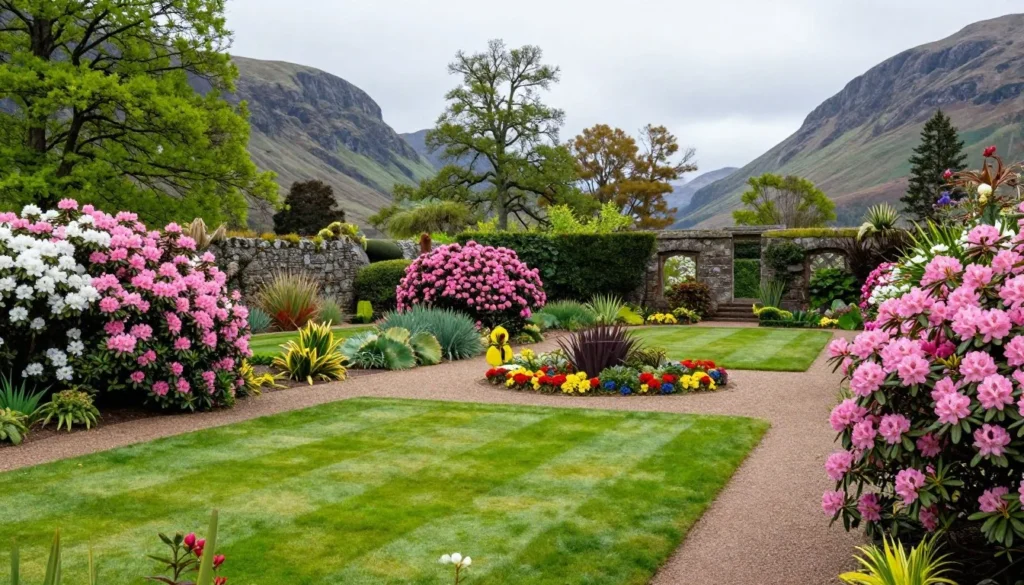
Garden access comes free with castle tour tickets or can be visited separately. Peak bloom occurs from late May through June when rhododendrons create spectacular colour displays. Autumn brings different beauty with changing foliage.
Visitor Centre Exhibitions
The modern visitor centre houses informative exhibitions about park ecology, history, and conservation efforts. Interactive displays engage children while educating about local wildlife and habitats.
A short audio-visual presentation introduces first-time visitors to the park’s story. This 15-minute film runs regularly throughout the day in a comfortable viewing theatre. Admission remains free with park entry.
Red Deer Watching
Ireland’s largest red deer herd roams freely throughout Glenveagh National Park. These magnificent animals descended from the original herd established in the 1890s. Early morning and evening provide the best viewing opportunities.
Rangers conduct occasional deer-watching walks during rutting season in October. The sound of stags bellowing echoes across valleys during this dramatic mating period. Maintain safe distances and never approach or feed the animals.
Museums, Cultural Spots & Festivals
While Glenveagh National Park itself focuses primarily on natural and historical heritage, the surrounding region offers additional cultural experiences.
Glebe House and Gallery
Located just 5 km from the park entrance, this former home of artist Derek Hill contains his personal art collection. The gallery showcases works by major 20th-century artists alongside Hill’s own paintings of the Donegal landscape.
Opening times coincide with the summer tourist season. Entry fees remain modest, with combined tickets available for Glenveagh and Glebe House. The house itself demonstrates how artists lived and worked in rural Ireland.
Colmcille Heritage Centre
Churchill village hosts this small museum dedicated to Saint Columba (Colmcille), born nearby in 521 AD. Exhibitions trace the saint’s life from Donegal to Scotland, where he founded Iona monastery.
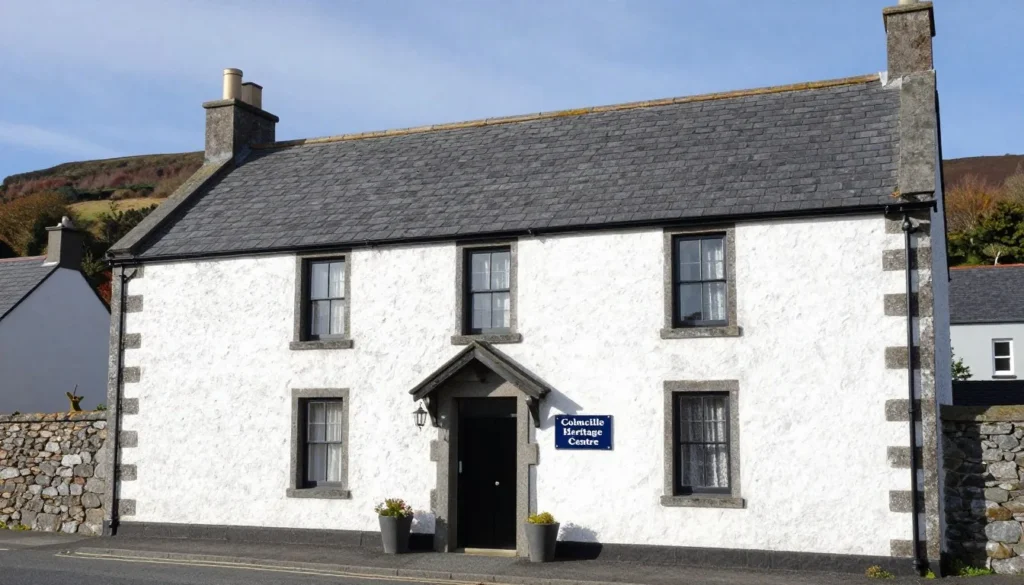
The centre organizes occasional lectures and events celebrating Celtic Christian heritage. A small gift shop sells local crafts and books about Irish history. Free parking and wheelchair access make visits convenient.
Traditional Music Sessions
Irish traditional music thrives throughout County Donegal. Summer brings regular sessions to pubs near the park. These informal gatherings welcome listeners and encourage participation from visiting musicians.
The distinctive Donegal fiddle style differs from other Irish regions. Local players share this musical heritage generously. Sessions typically begin around 21:30 and continue until late.
Gaelic Language and Culture
Donegal maintains strong connections to Irish language and culture. Parts of the county form official Gaeltacht areas where Irish remains the primary spoken language. Road signs appear bilingually throughout the region.
Summer schools teaching Irish language, music, and dance operate in nearby communities. These courses welcome international students interested in Irish cultural immersion. Contact local tourism offices for current programs.
Nature & Outdoor Experiences
Glenveagh National Park protects some of Ireland’s most spectacular mountain wilderness. Outdoor enthusiasts find endless opportunities for active exploration and quiet nature observation.
Hiking Trails
Four marked walking trails cater to different abilities and time constraints. Each showcases unique aspects of the park’s diverse landscapes.
Lough Inshagh Trail
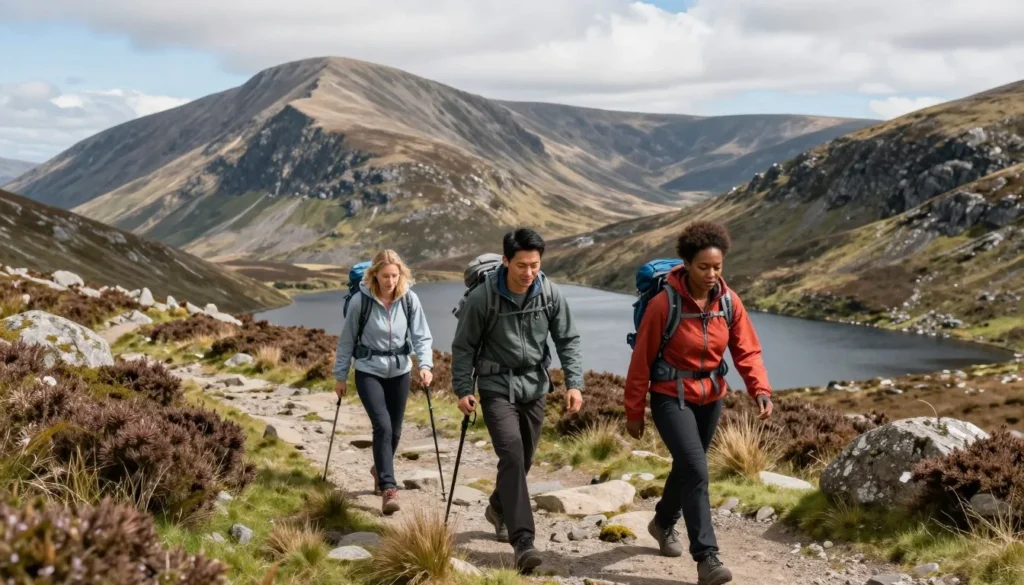
Distance: 8 km (5 miles) round trip
Duration: 3-4 hours
Difficulty: Moderate to challenging
This route climbs steadily to a remote mountain lake. The ascent gains 350 metres (1,148 feet) through changing habitats. Summit views encompass the entire park and distant Atlantic coast. Proper hiking boots and weather-appropriate clothing are essential.
View Point Walk
Distance: 5 km (3.1 miles) round trip
Duration: 1.5-2 hours
Difficulty: Easy to moderate
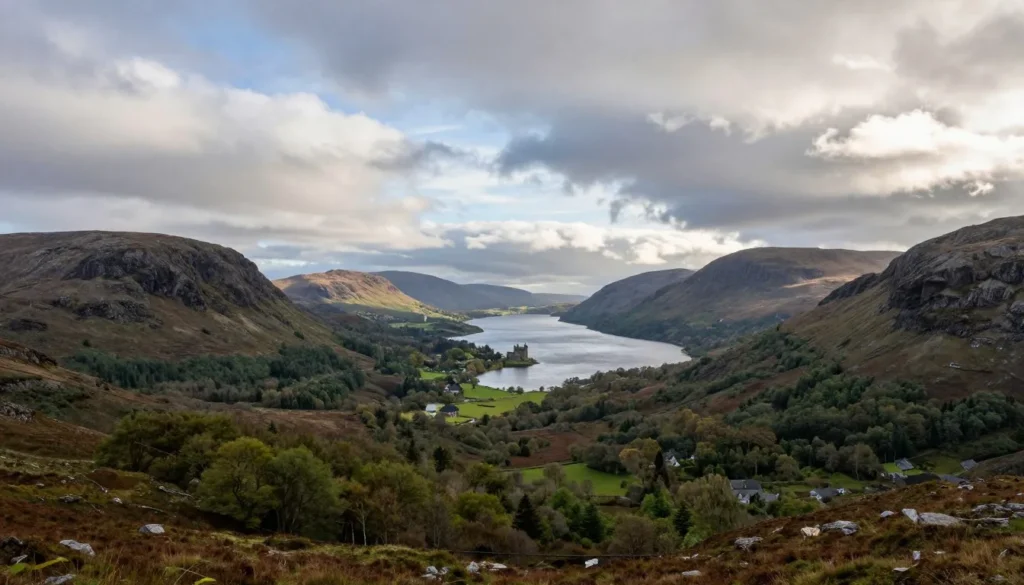
Starting from the castle, this trail leads to spectacular overlooks. Interpretive panels explain geological features and plant communities. The route offers excellent photo opportunities without requiring advanced fitness.
Wildlife Observation
Glenveagh hosts remarkable biodiversity. Patient observers regularly spot red deer, Irish hares, and foxes. Birdwatchers record over 140 species throughout the year.
Golden eagles returned to Glenveagh National Park in 2000 after a century of extinction in Ireland. These magnificent raptors now breed successfully within park boundaries. Spring and early summer offer the best eagle-watching opportunities.
- Peregrine falcons nest on mountain cliffs
- Red grouse inhabit heather moorlands
- Dippers and grey wagtails frequent streams
- Common lizards bask on sunny rocks
- Multiple butterfly species emerge during summer
Binoculars Essential: Wildlife viewing requires optical equipment. The visitor centre loans binoculars free to visitors upon request and ID deposit.
Check 30,000+ Local Sightseeing Tours Worldwide
✓ Numerous languages and currencies are available
Photography Opportunities
Photographers find exceptional subjects throughout Glenveagh. Dramatic light conditions change constantly as clouds move across mountains. The “golden hour” around sunrise and sunset produces particularly stunning results.
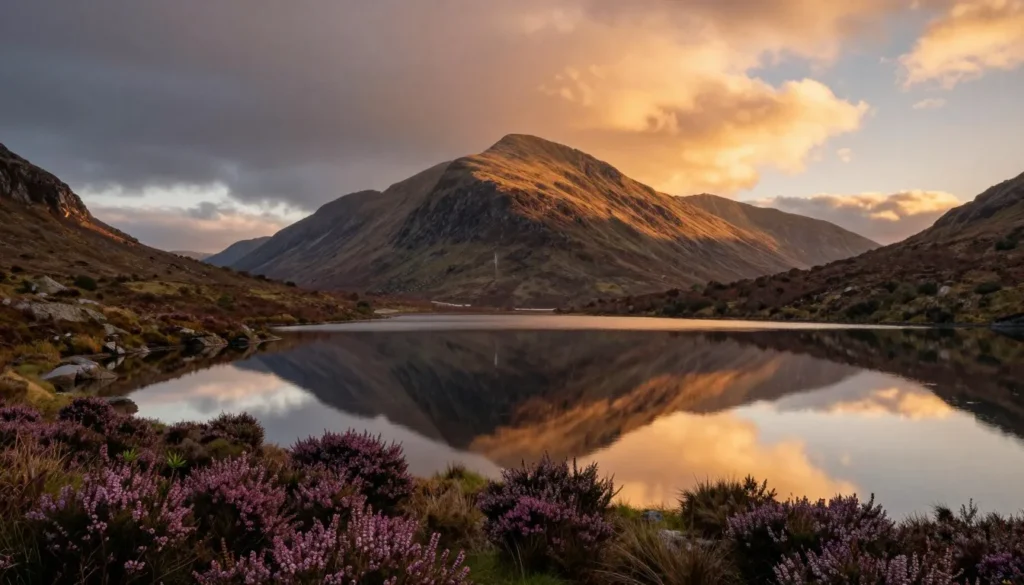
Popular photography subjects include the castle framed by mountains, woodland streams, deer in natural habitat, and expansive mountain panoramas. Autumn foliage and spring wildflowers add seasonal interest.
Fishing
Lough Veagh and park streams attract anglers pursuing brown trout and salmon. Fishing requires appropriate national and local permits. Contact the visitor centre for current regulations and permit information.
The fishing season typically runs from March through September. Fly fishing proves most effective in the lough’s clear waters. Local angling shops in Letterkenny provide equipment, advice, and guided fishing experiences.
Nature Conservation
Glenveagh represents one of Ireland’s most important conservation areas. Ongoing habitat restoration includes native woodland expansion and blanket bog preservation. Visitors play a crucial role by following park rules and staying on designated trails.
The reintroduction of golden eagles demonstrates successful conservation in action. This long-term project required careful planning and international cooperation. Similar efforts continue to restore other native species to their historical ranges.
Travel With Children
Glenveagh National Park welcomes families and provides engaging experiences for younger visitors. While the remote location presents some challenges, children generally love the castle, wildlife, and outdoor adventures.
Child-Friendly Activities
The castle tour captures children’s imagination with its towers, secret passages, and historical tales. Guides adapt their presentations when young people join tours, emphasizing stories that resonate with different ages.
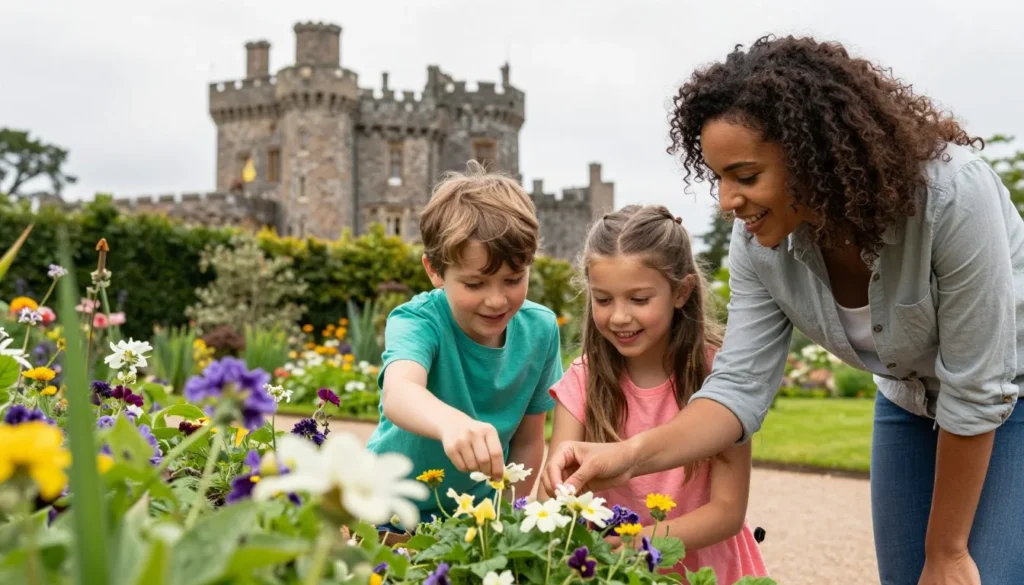
Wildlife spotting excites children of all ages. Red deer sightings create memorable moments. The visitor centre provides free wildlife identification cards that turn nature walks into treasure hunts. Children enjoy ticking off species as they spot them.
Suitable Trails for Families
The castle access road offers easy walking suitable for buggies and small legs. This flat, paved route allows families to explore at their own pace. The shuttle bus provides an alternative when children tire.
Shorter nature trails near the visitor centre accommodate families with younger children. These routes feature gentle gradients and interesting features that maintain engagement. Allow extra time for frequent stops to examine plants, insects, and birds.
Facilities and Amenities
Baby changing facilities exist in the visitor centre toilets. The café accommodates families with high chairs and child-friendly menu options. Outdoor picnic areas provide space for energetic children to move around.
Safety Reminder: Mountain trails become unsuitable for young children. Steep drops, uneven surfaces, and changeable weather create hazards. Choose routes matching your family’s abilities and always supervise children near water.
Educational Opportunities
The park’s educational programs teach children about ecology, conservation, and Irish history. Interactive exhibits in the visitor centre engage through hands-on activities rather than just reading panels.
School groups regularly visit during term time. Summer holiday programs sometimes operate for local and visiting families. Check current offerings when planning your visit.
Practical Tips for Family Visits
- Pack snacks and drinks – Limited food options exist beyond the visitor centre café
- Bring waterproofs for everyone – Weather changes rapidly even on nice days
- Allow extra time – Children need frequent breaks and move at different paces
- Visit the toilets before boarding the shuttle bus – No facilities exist at the castle
- Create a meeting point plan – Large groups can separate in busy areas
Money Saving Tips
Visiting Glenveagh National Park need not strain budgets. Strategic planning and local knowledge help reduce costs while maximizing experiences.
Free Park Access
Entry to the national park grounds costs nothing. Visitors can walk trails, observe wildlife, and enjoy landscapes without paying admission fees. Only castle tours and special events require tickets.
The shuttle bus operates free of charge, saving the long walk to the castle. This service alone provides significant value, especially for families or those with mobility challenges.
Heritage Card Benefits
Ireland’s Heritage Card grants free admission to over 40 heritage sites nationwide, including Glenveagh Castle. Annual cards cost €40 for adults, €10 for children, and €90 for families. The card pays for itself after visiting just three or four sites.
Purchase Heritage Cards at the visitor centre or online before traveling. Cards remain valid for full calendar years, making them excellent value for visitors exploring multiple Irish attractions.
Timing Your Visit
Shoulder season travel (May, September) delivers the best value. Accommodation prices drop significantly outside peak summer months. Attractions remain open but feel less crowded. Weather often stays pleasant during these periods.
Accommodation Savings
Book directly with guesthouses rather than through booking platforms. Many owners offer discounts for multi-night stays or last-minute availability.
Self-catering accommodations save money on meals. Local supermarkets stock everything needed for preparing simple food.
Food and Drink
Bring picnics instead of relying on the café. Supermarkets in Letterkenny offer better value than tourist venues.
Fill water bottles at visitor centre taps rather than buying bottled water. Irish tap water meets high quality standards.
Transport Costs
Share car rental costs with travel companions. Fuel efficiency improves significantly with careful driving.
Consider positioning Glenveagh as part of a wider Donegal circuit to maximize driving distances.
Free Activities
Some of the park’s best experiences cost nothing. Wildlife watching, hiking marked trails, and photographing landscapes require only time and energy. Rangers occasionally lead free guided walks covering natural history and conservation topics.
Off-Peak Advantages
Visiting on weekdays rather than weekends often means quieter attractions and better availability. Local businesses sometimes offer weekday specials on accommodation and dining. The overall experience improves when spaces feel less crowded.
Safety & Local Customs
Ireland ranks among the world’s safest destinations, and Glenveagh National Park maintains excellent safety records. However, mountain environments demand respect and preparation.
Mountain Safety
Weather conditions change rapidly in the Derryveagh Mountains. Morning sunshine can transform into afternoon storms within hours. Always check forecasts before starting longer hikes.
- Carry waterproof clothing regardless of morning conditions
- Wear proper hiking boots with ankle support and grip
- Bring extra layers as temperatures drop at elevation
- Pack sufficient food and water for your planned route
- Tell someone your hiking plans and expected return time
- Carry a charged mobile phone though signal remains patchy
Emergency Contact: In genuine emergencies, dial 112 or 999 for mountain rescue services. Provide your location as precisely as possible using landmarks or trail names.
Wildlife Interactions
Red deer appear docile but remain wild animals. Males become aggressive during autumn rutting season. Maintain minimum distances of 50 metres from all deer. Never attempt to feed or approach wildlife.
The park prohibits dogs to protect ground-nesting birds and prevent deer disturbance. Service dogs receive exemption with prior arrangement through the visitor centre.
Trail Etiquette
Share trails courteously with other users. Walkers ascending have right of way over those descending. Step aside to allow faster hikers to pass safely. Greet fellow walkers with a friendly hello.
Stay on marked paths to prevent erosion and protect sensitive habitats. Shortcutting switchbacks damages vegetation and creates unsightly scars. The Leave No Trace principles apply throughout the park.
Irish Customs and Etiquette
Irish people value friendliness and conversation. Don’t be surprised when strangers chat while waiting for shuttle buses or sharing viewpoints. This openness forms part of Irish culture rather than intrusion.
Tipping practices in Ireland differ from North America. Restaurant tips of ten percent are appreciated for good service but not mandatory. Round up taxi fares or add a euro or two. Pub bar staff don’t expect tips for serving drinks.
Local Sensitivities
Glenveagh’s history includes painful land clearances during the 1860s. The original landowner evicted 244 tenants to create his private estate. This dark chapter still resonates locally. Show respect when these topics arise in conversations or tours.
Photography remains welcome throughout the park. However, ask permission before photographing local residents or their property outside park boundaries. Most people happily agree but appreciate being asked first.
Dress Appropriately
Casual outdoor clothing suits park visits perfectly. Irish people dress practically rather than formally for countryside outings. Layers work better than single heavy garments as you can adjust to changing conditions and activity levels.
Visitor Comments About Glenveagh National Park
Real experiences from travelers who have explored this remarkable destination:
“The castle exceeded every expectation. Our guide brought history alive with fascinating stories about previous owners. The gardens rival anything we saw in England. Walking trails offered peaceful escapes into genuine wilderness. We spotted red deer on three separate occasions. Glenveagh represents everything special about Ireland – stunning nature, rich history, and warm hospitality. We could easily have spent three days exploring instead of just one.”
“Our family with two teenagers found Glenveagh captivating despite initial skepticism about ‘another old castle.’ The free shuttle bus saved complaining about walking. Wildlife spotting kept everyone engaged. The visitor centre staff suggested a moderate trail perfectly suited to our abilities. Views from the ridge took our breath away. Pack proper rain gear – weather shifted four times during our visit. Worth every minute of the drive from Dublin.”
“As a keen photographer, Glenveagh delivered beyond imagination. Light conditions changed constantly, creating dramatic mountain scenes. Golden eagles soared overhead while I photographed the castle. Autumn colours transformed woodlands into vibrant displays. Arrived at sunrise to capture mist rising from the lough – absolutely magical. The park deserves recognition as one of Europe’s most photogenic landscapes. Plan multiple visits across different seasons to experience its full beauty.”
Additional Nearby Destinations
Glenveagh National Park anchors a region rich with attractions. Combining visits maximizes travel value while showcasing Donegal’s diversity.
Glenveagh Area Attractions
Glebe House and Gallery
This Regency-style house showcases Derek Hill’s important art collection just 5 km from the park entrance. Works by Picasso, Renoir, and Jack B. Yeats hang alongside Hill’s Donegal landscapes. The surrounding gardens complement the artistic experience.
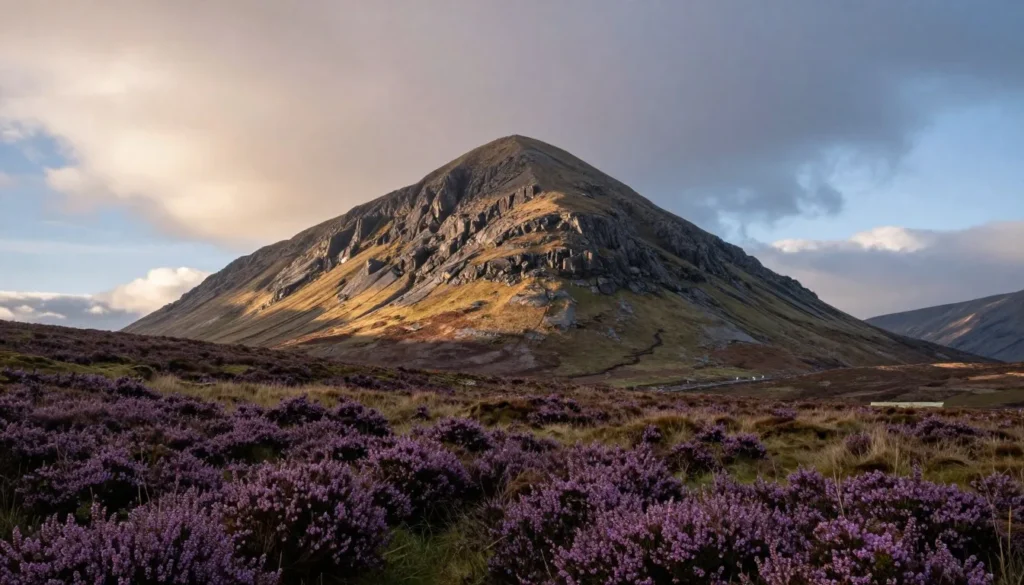
Mount Errigal
Donegal’s highest peak rises to 751 metres (2,464 feet) approximately 15 km northwest. The distinctive quartzite cone dominates skylines across the county. Experienced hikers climb to the summit in about 2.5 hours each way.
Coastal Attractions
Donegal’s dramatic Atlantic coastline lies within 30 km of Glenveagh. These destinations combine well with park visits:
- Dunfanaghy – Charming coastal village with beautiful beaches and the Workhouse visitor centre
- Horn Head – Spectacular cliff walk offering seabird colonies and ocean panoramas
- Ards Forest Park – Coastal woodlands with walking trails and archaeological sites
- Doe Castle – Medieval fortress on a tidal inlet near Creeslough
Cultural Sites
History enthusiasts find additional attractions throughout the region. The Donegal Castle in Donegal town presents medieval and plantation-era history. Grianan of Aileach, a stone ringfort north of Letterkenny, dates back over 2,000 years and offers panoramic views.
The Wild Atlantic Way
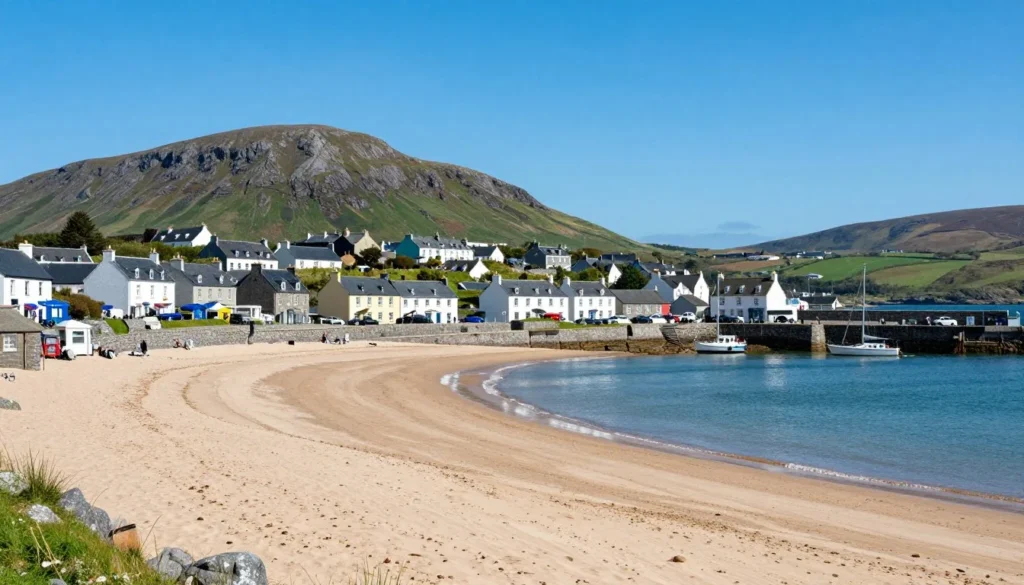
Glenveagh connects to Ireland’s Wild Atlantic Way, a 2,500 km coastal touring route. Driving north reaches some of the route’s most dramatic sections. Malin Head, Ireland’s most northerly point, lies 70 km away. The journey showcases why Donegal earned recognition as one of the world’s coolest places to visit.
Recommended Itineraries
A three-day Donegal itinerary might include Glenveagh National Park, coastal drives along the Wild Atlantic Way, and cultural visits to historical sites. This combination balances nature, culture, and spectacular scenery.
Week-long visits allow deeper exploration. Add the Inishowen Peninsula, Slieve League cliffs (Europe’s highest sea cliffs), and traditional music towns like Ardara. Donegal rewards those who invest time to discover its treasures.
Practical Travel Tips
Final essential information to ensure smooth, enjoyable park visits:
Opening Hours and Seasons
Glenveagh National Park opens year-round for walking and hiking. However, the visitor centre, castle, and shuttle bus operate seasonally from mid-March through early November. Specific dates vary annually, so confirm before traveling.
Daily opening times during season:
- Park grounds – Dawn to dusk daily
- Visitor centre – 09:00 to 18:00 (last admission 17:00)
- Castle tours – First tour 10:00, last tour 16:00
- Shuttle bus – 09:15 to 17:30 (every 15-30 minutes)
Please contact the visitor centre for current opening times and any schedule changes due to weather or special events.
Admission Fees
Park access remains free. Castle tour tickets cost approximately €5 for adults, €3 for seniors and students, €2 for children, with family tickets available. Prices may change, and Heritage Card holders enter free.
What to Bring
- Waterproof jacket and trousers
- Comfortable walking boots
- Layered clothing for changing conditions
- Water bottle and snacks
- Charged mobile phone
- Camera or phone for photos
Essential Items
- Binoculars for wildlife watching
- Sunscreen and sunglasses
- Small backpack
- Trail map from visitor centre
- First aid basics
- Reusable bags for rubbish
Recommended Items
- Valuable jewelry
- Excessive electronics
- Formal clothing
- Large luggage
- Pets (not permitted)
- Drones (restricted airspace)
Leave at Accommodation
Accessibility Information
The park strives to accommodate visitors with mobility challenges. Wheelchair-accessible facilities include the visitor centre, shuttle buses, castle ground floor, and portions of the gardens. Some trails feature accessible surfaces, though mountain paths remain unsuitable.
Contact the visitor centre in advance to discuss specific accessibility requirements. Staff can advise on suitable routes and arrange assistance where possible.
Mobile Phone Coverage
Mobile signal strength varies throughout the park. The visitor centre area maintains good coverage. Signal becomes unreliable in valleys and on mountain trails. Download maps and information before departing WiFi areas.
Currency and Payments
The Republic of Ireland uses the Euro (€). The visitor centre café accepts cash and cards. No ATMs exist within the park, so bring sufficient cash. Letterkenny provides full banking services including ATMs and currency exchange.
Check 30,000+ Local Sightseeing Tours Worldwide
✓ Numerous languages and currencies are available

Language
English is universally spoken throughout Donegal. Some areas maintain Irish (Gaelic) as the primary community language, though English remains widely understood. Road signs appear in both languages.
Internet and WiFi
Free WiFi operates in the visitor centre. No internet access exists elsewhere in the park. Most accommodation providers offer WiFi to guests. Mobile data works in areas with phone coverage.
Souvenirs and Gift Shop
The visitor centre shop stocks quality Irish crafts, books about Donegal, and park-related merchandise. Purchases support park conservation and education programs. Local artisan products make meaningful souvenirs while supporting regional communities.
Photography Permissions
Personal photography is welcomed throughout Glenveagh National Park. Commercial photography and filming require advance permission from National Parks Ireland. Drone operations face strict restrictions due to wildlife protection and safety concerns.
Leave No Trace
Visitors share responsibility for protecting this special environment. Pack out all rubbish, stay on marked trails, respect wildlife, and leave areas as found. These simple practices ensure Glenveagh remains pristine for future generations.
Location Map
Your Donegal Adventure Awaits
Glenveagh National Park reveals Ireland’s wild heart through dramatic mountains, ancient woodlands, and fascinating history. Whether exploring the romantic castle, hiking to remote mountain lakes, or simply breathing clean mountain air, this special place creates lasting memories.
The park’s successful conservation demonstrates what dedicated protection achieves. Golden eagles once again soar above valleys. Native forests expand across former moorlands. Red deer thrive in their ancestral ranges.
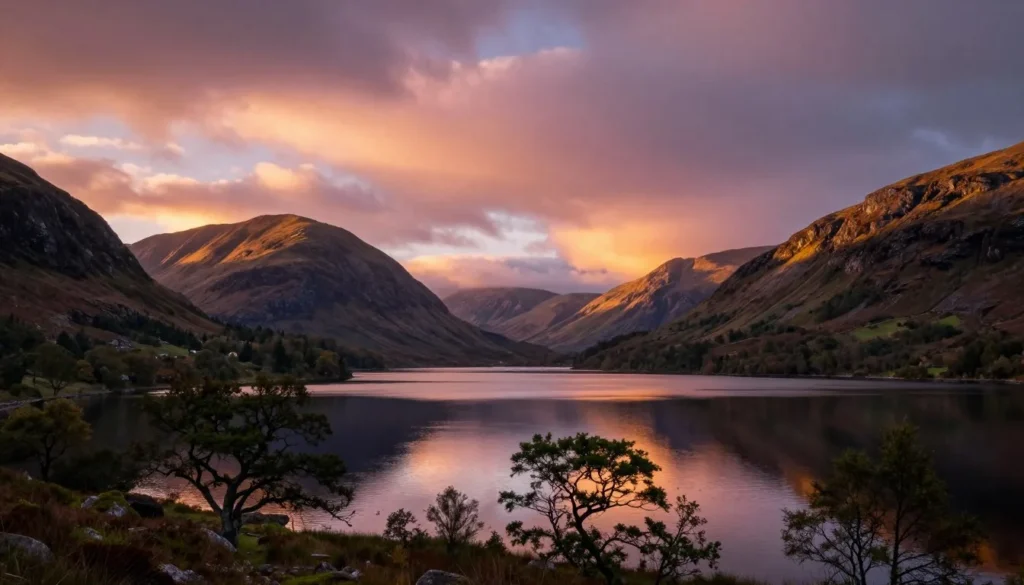
Beyond natural beauty, Glenveagh offers opportunities to disconnect from modern pressures. No shops distract from mountain vistas. Mobile signals fade, forcing presence in the moment. The park’s remoteness becomes its greatest gift.
Plan adequate time to experience both popular attractions and quieter corners. The castle and gardens deserve full mornings. Trails reward afternoons with solitude and discovery. Every season paints different landscapes, each worth experiencing.
Whether you visit for a day or explore over multiple visits, Glenveagh National Park will capture your heart. This is Ireland as it once was, protected for all who seek genuine connection with wild places. Your adventure through County Donegal’s magnificent national park begins whenever you’re ready to answer the call of these ancient mountains.