Rome – ~2,748,000 Capital city; historic heart of the Roman Empire and Italy's political center.
Milan – ~1,354,000 Global capital of fashion and design, and Italy's primary financial hub.
Naples – ~913,000 Historic southern port city famous for its rich culture, art, and pizza.
Turin – ~842,000 Major industrial and cultural hub, known for its grand Baroque architecture.
Palermo – ~630,000 The vibrant capital of Sicily, rich in history, culture, and architecture.
Genoa – ~559,000 Historic maritime republic and northern Italy's main port city.
Bologna – ~388,000 Culinary capital of Italy and home to the world's oldest university.
Florence – ~361,000 The birthplace of the Renaissance, renowned for masterpieces of art and architecture.
Bari – ~316,000 A major port city on the Adriatic Sea and an economic center for the south.
Catania – ~298,000 Ancient Sicilian port city sitting at the foot of Mount Etna.
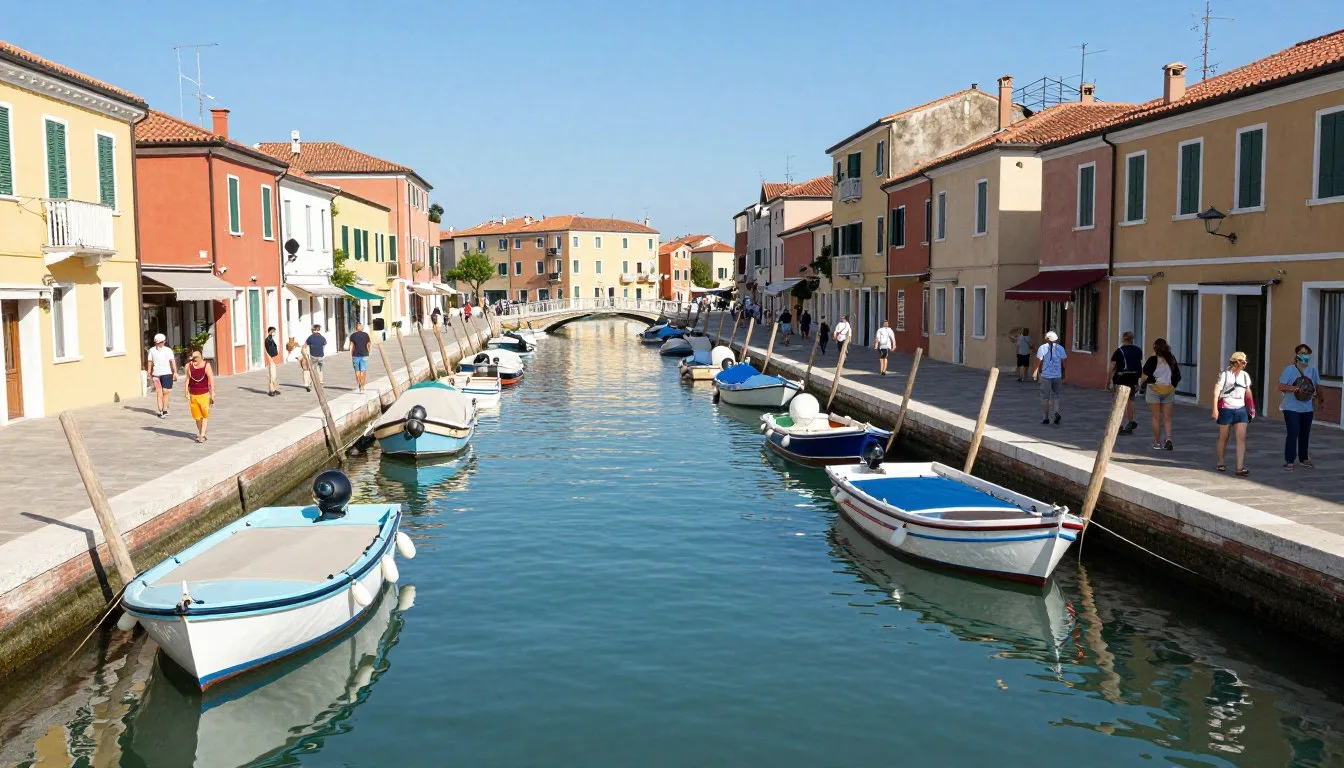
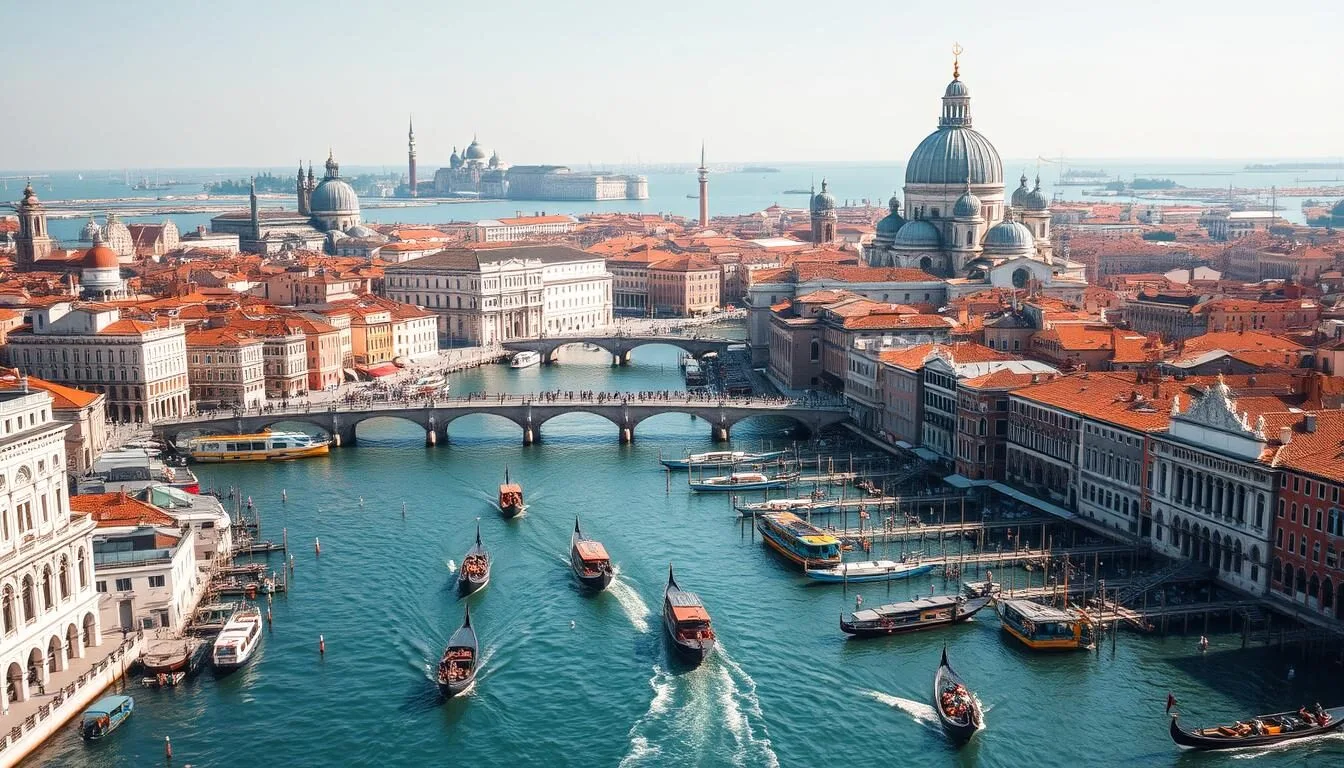
Venice – ~250,000 World-famous city built on lagoons, tied together by canals and bridges.
Verona – ~256,000 Historic city in the Veneto region, famous as the setting for Romeo and Juliet.
Messina – ~218,000 Sicilian harbor city serving as the main gateway to mainland Italy.
Padua – ~206,000 Northern city near Venice, known for its historic university and Giotto frescoes.
Trieste – ~200,000 Port city on the Slovenian border with a unique mix of Italian and Austro-Hungarian history.
Brescia – ~196,000 Industrial powerhouse in Lombardy with significant Roman and medieval ruins.
Parma – ~197,000 Emilian city world-famous for its prosciutto, cheese, and architecture.
Taranto – ~188,000 Important commercial and military port in the Apulia region.
Prato – ~195,000 Tuscan city renowned for its historic textile industry and large modern diaspora.
Modena – ~184,000 The capital of engines, famous for balsamic vinegar and supercar factories like Ferrari.
Reggio Calabria – ~171,000 Coastal city at the toe of the boot, famous for the ancient Riace Bronzes.
Reggio Emilia – ~170,000 Prosperous northern city, notable as the birthplace of the Italian tricolor flag.
Perugia – ~162,000 Umbrian hilltop capital known for its university, medieval walls, and chocolate.
Ravenna – ~156,000 Former capital of the Western Roman Empire, world-famous for its Byzantine mosaics.
Livorno – ~153,000 Major Tuscan port city on the Ligurian Sea with a historic seafood culture.
Cagliari – ~148,000 The historic, sun-drenched capital city of the island of Sardinia.
Foggia – ~145,000 Agricultural and commercial center located in the vast plains of northern Apulia.
Rimini – ~149,000 Famous Adriatic resort city known for its vibrant nightlife and long sandy beaches.
Salerno – ~128,000 Port city near the Amalfi Coast, home to a famous medieval medical school.
Ferrara – ~129,000 Renaissance city in Emilia-Romagna surrounded by incredibly well-preserved walls.
Sassari – ~121,000 The historic administrative, cultural, and university center of northern Sardinia.
Latina – ~128,000 One of Italy's youngest cities, founded in the 1930s following the draining of the Pontine Marshes.
Monza – ~122,000 Lombard city famous for its royal villa and the historic Formula 1 racetrack.
Siracusa – ~116,000 Ancient Sicilian city notable for its rich Greek history, amphitheaters, and architecture.
Pescara – ~119,000 The largest city in the Abruzzo region, serving as a major Adriatic port and resort.
Bergamo – ~120,000 Lombard city split into a historic walled upper town and a modern lower town.
Forlì – ~116,000 Agricultural and industrial center along the historic Via Emilia.
Trento – ~118,000 Alpine city in the north, famous for hosting the 16th-century Council of Trent.
Vicenza – ~110,000 Thriving northeastern city famed for its elegant buildings designed by architect Andrea Palladio.
Terni – ~106,000 Umbrian industrial center known for its steelworks and nearby Marmore waterfalls.
Novara – ~101,000 Major commercial hub in Piedmont, surrounded by vast rice paddies.
Bolzano – ~106,000 Bilingual Alpine city acting as a bridge between Italian and German cultures.
Piacenza – ~103,000 Historic fortress city sitting on the border between Emilia-Romagna and Lombardy.
Ancona – ~98,000 Major port city on the Adriatic and the capital of the Marche region.
Andria – ~97,000 Apulian city near the coast, known for the unique, octagonal Castel del Monte nearby.
Udine – ~98,000 Historic city in the northeast with strong Venetian architectural influences.
Arezzo – ~96,000 Ancient Tuscan hill town famous for its goldsmithing and Renaissance frescoes.
Cesena – ~96,000 Emilian city home to the Malatestiana Library, Europe's first public library.
Lecce – ~95,000 The "Florence of the South," celebrated for its exuberant, distinctive Baroque architecture.
Pesaro – ~95,000 Adriatic coastal city known for its musical heritage and beach tourism.