Hotels by Trip.com
Flights by Trip.com
Lake Garda welcomes over 20 million visitors each year, making it Italy’s most visited lake destination. Yet remarkably, many travelers miss the ancient Roman ruins hidden beneath its sparkling waters. This stunning Italian treasure offers something magical for everyone who visits.
The lake takes its name from the town of Garda on its eastern shore. The word comes from the Lombard term “warda,” meaning “place of guard” or “place of observation.” This refers to the strategic importance of the fortified town during medieval times.
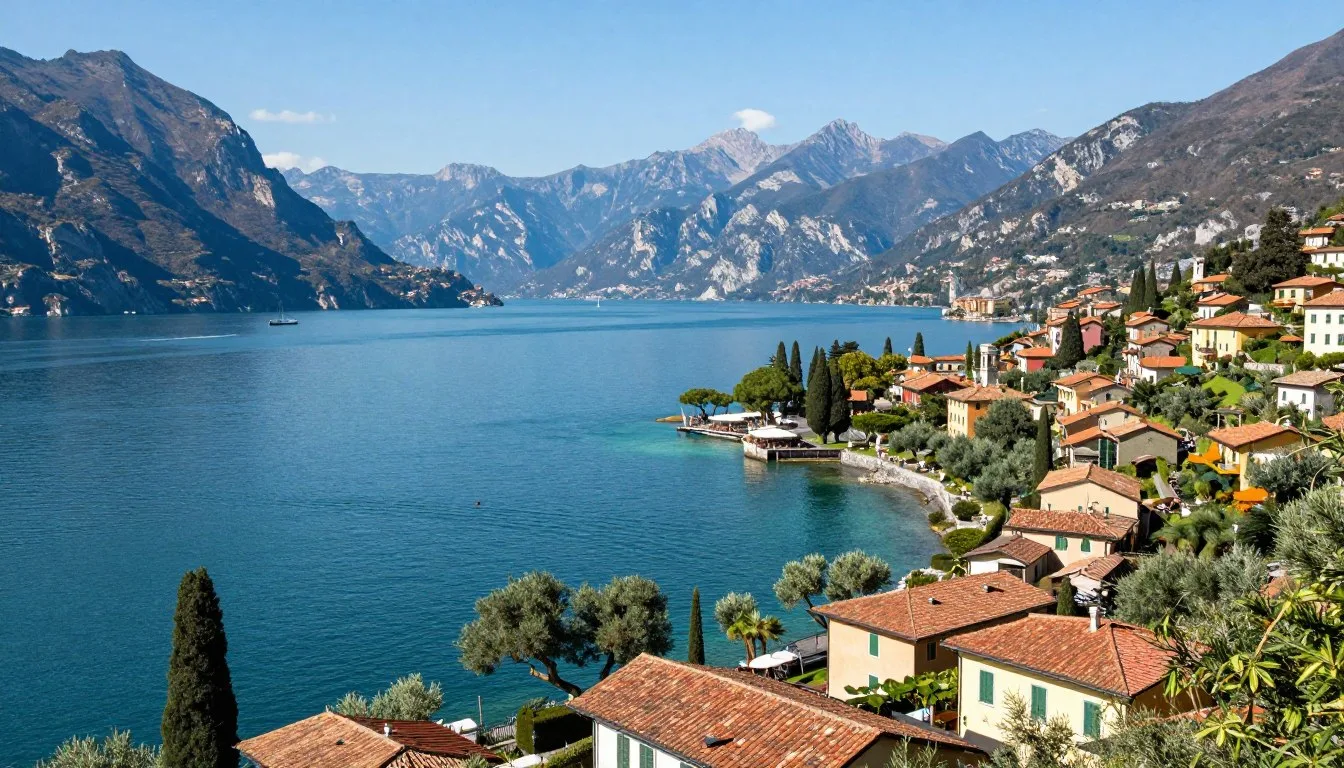
Stretching across three Italian regions, Lake Garda captivates visitors with its diverse landscapes. The northern shores feature dramatic cliffs and strong winds that thrill water sports enthusiasts. The southern areas present gentle hills covered in olive groves and vineyards that produce exceptional wines.
This comprehensive guide reveals everything you need to plan an unforgettable trip to Lake Garda. From the charming streets of Limone sul Garda to the thermal springs of Sirmione, you will discover the best attractions this region offers. The guide covers practical information about getting there, where to stay, what to eat, and how to make the most of your Italian lake adventure.
Whether you seek outdoor activities, cultural experiences, family-friendly fun, or romantic getaways, Lake Garda delivers. The following sections provide detailed insights to help you explore this magnificent destination like a local.
Getting There & Planning Your Journey
Reaching Lake Garda from the United States requires careful planning, but the journey proves worthwhile. Several international airports serve the lake region, offering convenient access to this Italian paradise.
Closest Airports to Lake Garda
Verona Villafranca Airport stands as the closest major airport to Lake Garda. Located just 25 kilometers (15.5 miles) from the southern shore, this airport offers direct flights from major European cities. Many U.S. travelers connect through Rome, Milan, or Frankfurt to reach Verona.
Bergamo Orio al Serio Airport serves as another excellent option. Situated approximately 80 kilometers (50 miles) from Lake Garda, this airport handles numerous international flights. Budget carriers frequently use this airport, making it an economical choice for cost-conscious travelers.
Milan Malpensa Airport provides the largest selection of international flights. Though located 140 kilometers (87 miles) from the lake, it offers the most direct connections from U.S. cities. Major airlines operate daily flights from New York, Chicago, Miami, and Los Angeles to Milan.
Milan Linate Airport sits closer to the city center but farther from Lake Garda. This smaller airport mainly handles domestic and European flights. However, it connects well with Milan’s public transportation system.
Transportation from Airports to Lake Garda
From Verona Airport, travelers can take direct shuttle buses to various Lake Garda towns. The journey takes 45 to 90 minutes depending on your destination. Rental cars provide flexibility for exploring multiple lakeside towns during your stay.
Bergamo Airport offers bus services to Desenzano del Garda and other lake towns. The trip typically requires 90 minutes. Many visitors rent cars at the airport to maximize their freedom around the lake.
Milan airports connect to Lake Garda through train services and private transfers. The train journey from Milan to Desenzano del Garda takes approximately 60 minutes. High-speed trains make this route comfortable and efficient.
✓ Check 30,000+ Local Sightseeing Tours Worldwide
Private transfers and shared shuttles operate from all three major airports. These services deliver door-to-door convenience, though they cost more than public transportation. Booking in advance ensures availability during peak travel seasons.
Planning Your Lake Garda Itinerary
Most visitors spend three to seven days exploring Lake Garda and surrounding areas. A shorter trip allows you to experience the main highlights. Longer stays enable deeper exploration of charming villages and outdoor activities.
The lake measures approximately 370 square kilometers (37,000 hectares or 91,429 acres). Its impressive size means you should plan your base location carefully. Northern towns like Riva del Garda suit adventure seekers and water sports enthusiasts. Southern areas like Sirmione appeal to those seeking relaxation and cultural experiences.
Consider dividing your stay between different lakeside towns. This strategy lets you experience the lake’s diverse character. Spending two nights in the north and three in the south provides a balanced perspective.
Book accommodations well in advance, especially during summer months and Italian holidays. Popular lakeside hotels fill up quickly. Early reservations also secure better rates and room selections.
Best Time to Visit & Weather Tips
Best Months to Visit Lake Garda
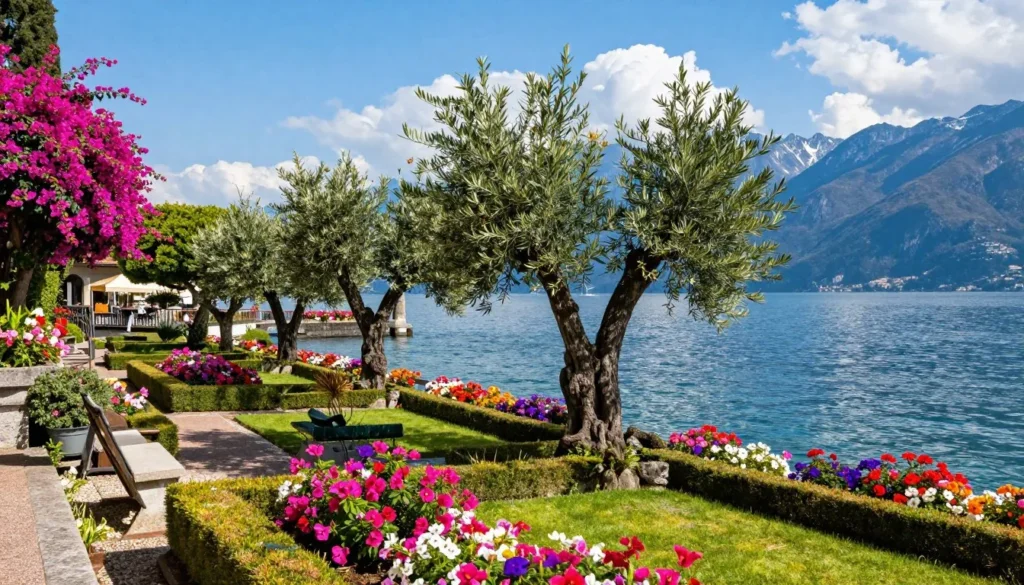
May and June represent the ideal months for visiting Lake Garda. During this period, the weather warms up beautifully without reaching uncomfortable heat levels. Temperatures typically range from 18°C to 25°C (64°F to 77°F). The landscape bursts with colorful wildflowers and lush greenery.
September and early October offer another excellent window for travel. The summer crowds diminish while pleasant weather continues. Temperatures hover between 20°C and 26°C (68°F to 79°F). This period provides perfect conditions for outdoor activities and sightseeing.
Spring months bring fresh energy to the lake region. Olive groves and vineyards awaken from winter dormancy. Local markets overflow with seasonal produce. The mild temperatures make hiking and cycling particularly enjoyable.
Early autumn delivers spectacular scenery as leaves change colors in surrounding forests. The lake water retains summer warmth, making swimming still pleasant. Harvest season brings wine festivals and culinary celebrations throughout the region.
Months to Avoid
July and August bring peak tourist season to Lake Garda. Hotels charge premium rates while popular attractions become extremely crowded. Temperatures often exceed 30°C (86°F), making midday activities uncomfortable. Booking accommodations during these months requires advance planning.
December through February sees cold weather and reduced services around the lake. Many restaurants and hotels close for winter season. Temperatures drop to 2°C to 8°C (36°F to 46°F). However, winter visits offer tranquil experiences and dramatic mountain scenery.
November can bring unpredictable weather with frequent rain. Many tourist facilities operate on reduced schedules. The gray skies and cool temperatures suit only the most dedicated travelers.
Weather Patterns Throughout the Year
Lake Garda enjoys a Mediterranean microclimate that differs from surrounding areas. The lake’s massive water volume moderates temperatures year-round. Winters remain milder than inland regions while summers feel less intense.
Spring weather proves changeable with occasional rain showers. Pack layers and a light rain jacket for this season. Morning temperatures can feel cool before warming by afternoon.
Summer brings reliable sunshine and warm temperatures perfect for water activities. The strong afternoon winds called “Ora” delight windsurfers and sailors. These winds blow from south to north, creating ideal conditions for water sports.
Autumn weather remains stable through September and much of October. Rainfall increases slightly in November. The clear autumn air provides exceptional visibility of surrounding mountains.
Winter rarely brings snow to lakeside towns, though mountains receive substantial snowfall. The region experiences mild frost and occasional fog. Winter sunshine creates beautiful reflections on the calm lake water.
What to Pack for Lake Garda
Comfortable walking shoes prove essential for exploring cobblestone streets in historic towns. Bring swimwear and beach towels for enjoying the lake. Sunscreen and sunglasses protect against strong Mediterranean sun.
Pack light layers for spring and fall visits. Mornings and evenings can feel cool even when afternoons warm up. A light jacket or sweater works well for temperature changes.
Summer visitors need light, breathable clothing. However, bring something to cover shoulders and knees for visiting churches. Many religious sites enforce modest dress codes.
Rain gear proves useful during spring and autumn. A compact umbrella or waterproof jacket handles occasional showers. These items pack easily without taking much luggage space.
Notable Annual Festivals
Limone sul Garda Lemon Festival
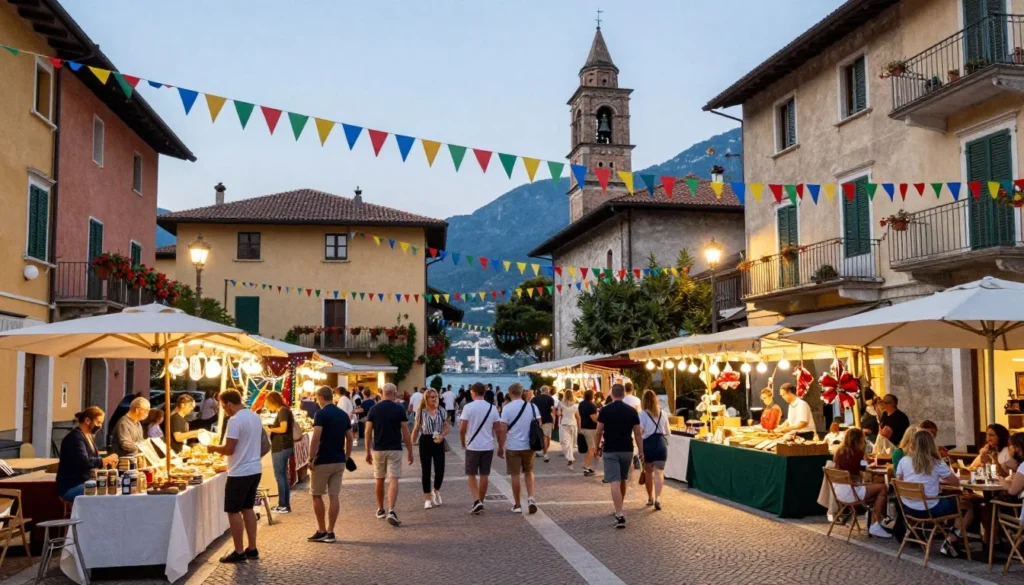
The annual Lemon Festival celebrates the town’s famous citrus heritage every September. This charming event showcases local lemon products, traditional crafts, and regional cuisine. Visitors can tour historic lemon greenhouses and learn about traditional cultivation methods.
The festival features cooking demonstrations using lemons in creative ways. Local chefs prepare everything from savory dishes to sweet desserts. Artisans display handmade lemon-scented soaps, candles, and preserves.
Street performers and musicians provide entertainment throughout the town. The festival creates a festive atmosphere that captures the essence of Italian lake culture. This event typically takes place during the first two weekends of September.
Riva del Garda Music Festival
Summer brings world-class musicians to Riva del Garda for classical and contemporary performances. The festival runs from late June through August, featuring concerts in historic venues. Outdoor performances take advantage of the stunning lakeside setting.
The program includes chamber music, orchestral concerts, and solo recitals. International artists perform alongside talented local musicians. Many concerts take place in beautiful churches and historic buildings around town.
Evening performances offer magical experiences as the sun sets over the lake. The combination of excellent acoustics and scenic beauty creates unforgettable memories. Tickets often sell out quickly for popular performances.
Desenzano del Garda Carnival
February brings colorful carnival celebrations to Desenzano del Garda. This traditional event features elaborate parades, costumes, and street parties. Families enjoy entertainment designed for all ages during this festive period.
The carnival parade winds through historic streets with decorated floats and performers. Local groups spend months preparing their costumes and presentations. The celebration reflects centuries-old Italian carnival traditions.
Food stalls offer traditional carnival treats like chiacchiere (fried pastries) and frittelle (sweet donuts). The festive atmosphere transforms the town into a celebration of Italian culture and community spirit.
Bardolino Wine Festival
Bardolino hosts its famous wine festival each October, celebrating the harvest season. This event showcases the region’s renowned red and rosé wines. Visitors can taste wines from local producers while enjoying traditional food pairings.
The festival occupies the historic town center with dozens of wine stands and food vendors. Live music and entertainment continue late into the evening. The celebration attracts wine enthusiasts from throughout Italy and beyond.
Local winemakers offer insights into their production methods and grape varieties. The festival provides an excellent opportunity to discover lesser-known wineries alongside established names. Many attendees purchase wines directly from producers at special festival prices.
Malcesine Castle Medieval Festival
Summer months bring history to life at Malcesine’s medieval festival. The event features historical reenactments, traditional crafts, and period entertainment. Performers in authentic costumes recreate life during the castle’s medieval heyday.
Artisans demonstrate traditional crafts like blacksmithing, weaving, and pottery making. Food vendors serve recipes based on historical medieval cuisine. The festival transforms the castle grounds into a living history experience.
Archery demonstrations, sword fighting displays, and falconry shows captivate audiences throughout the day. Children particularly enjoy the interactive activities and costume opportunities. The castle’s dramatic setting enhances the authentic medieval atmosphere.
For specific festival dates and detailed information, contact local tourist offices in each town. The main Lake Garda tourism office can be reached at +39 045 6298511. Individual towns maintain their own visitor information centers with updated festival schedules.
Getting Around Locally
Ferry Services Around Lake Garda
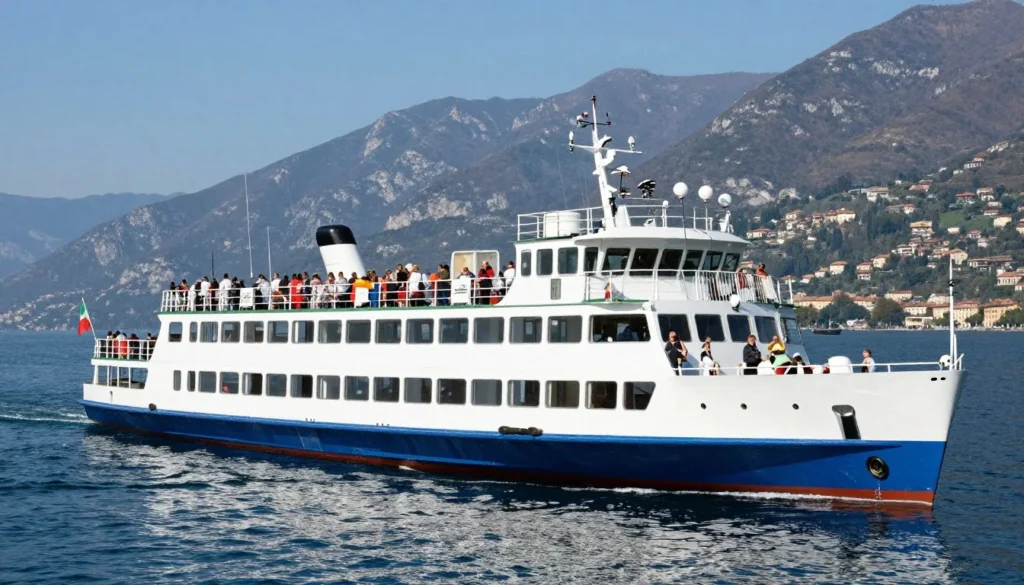
Ferry services provide the most scenic way to travel around Lake Garda. Regular boats connect all major towns along the shoreline. The extensive ferry network makes car-free travel entirely feasible for visitors.
Navigazione Laghi operates comprehensive ferry services throughout the year. Summer schedules offer frequent departures between popular destinations. Winter services run on reduced schedules but still connect main towns reliably.
High-speed hydrofoil services complement traditional ferries on longer routes. These fast boats significantly reduce travel time between distant lakeside towns. The extra speed comes with higher ticket prices compared to regular ferries.
Day passes offer excellent value for travelers planning multiple ferry trips. These tickets allow unlimited travel for one day on all ferry services. The passes make spontaneous exploration affordable and convenient.
Ferry terminals in each town provide clear schedules and route information. Tickets can be purchased at terminal windows or sometimes onboard. During peak summer months, popular routes can become crowded by midday.
Driving Around Lake Garda
Renting a car provides maximum flexibility for exploring the lake region. The main road circles the entire lake, connecting all major towns. However, the northern lakeside road features narrow tunnels and tight curves requiring careful driving.
Parking presents challenges in popular towns during summer months. Most lakeside towns offer paid parking lots near their centers. Arriving early in the day improves chances of finding convenient parking spaces.
The scenic road along the western shore between Salò and Limone sul Garda offers breathtaking views. This route winds through tunnels carved into cliffsides and passes through charming villages. Allow extra time for this section, as traffic often moves slowly.
The eastern shore road provides easier driving conditions with wider lanes. This route connects Peschiera del Garda, Bardolino, and Malcesine smoothly. The gentler terrain makes this side less dramatic but more efficient for covering distance.
Italian traffic rules require vehicles to keep headlights on when driving through tunnels. Speed limits are enforced strictly, especially in town centers. Many towns restrict vehicle access in historic centers during certain hours.
Bus Services
Public buses connect lakeside towns and inland destinations efficiently. ATV operates bus services in the Verona province around the southern lake. Trentino Trasporti serves the northern areas with regular routes.
Bus tickets cost less than ferry services for similar distances. However, buses follow inland routes and miss the scenic lakeside views. They work well for reaching destinations away from the immediate shoreline.
Major bus stops feature clear timetables and route maps. Tickets should be purchased before boarding at tobacco shops or ticket machines. Validate tickets in the machine upon boarding to avoid fines.
Cycling Around the Lake
The lake circuit provides an ambitious challenge for experienced cyclists. The complete loop measures approximately 140 kilometers (87 miles) with significant elevation changes. Strong riders can complete this journey in one long day.
A dedicated cycling path currently connects several southern lakeside towns. This flat, paved trail offers safe, scenic riding away from vehicle traffic. Plans continue for extending the cycling path around more of the lake.
Many towns offer bicycle rental services for casual day rides. Electric bikes provide assistance for tackling hillier sections without exhaustion. Rental shops provide route suggestions appropriate for different fitness levels.
Cycling the western shore requires good fitness and confidence with traffic. The narrow road sections and tunnels challenge even experienced cyclists. The eastern shore presents a more moderate cycling experience.
Walking Between Towns
Numerous hiking trails connect lakeside towns through olive groves and forests. These paths offer peaceful alternatives to busy roads. Walking between neighboring towns takes one to three hours depending on distance.
The trail from Limone sul Garda to Riva del Garda follows an old path with spectacular views. This moderate hike takes approximately two hours. The route passes through tunnels and along cliffsides high above the water.
Lakeside promenades in many towns provide pleasant strolling opportunities. These flat, paved paths work well for families and casual walkers. Evening walks along the water offer romantic views as the sun sets.
Where to Stay
Luxury Hotels and Resorts
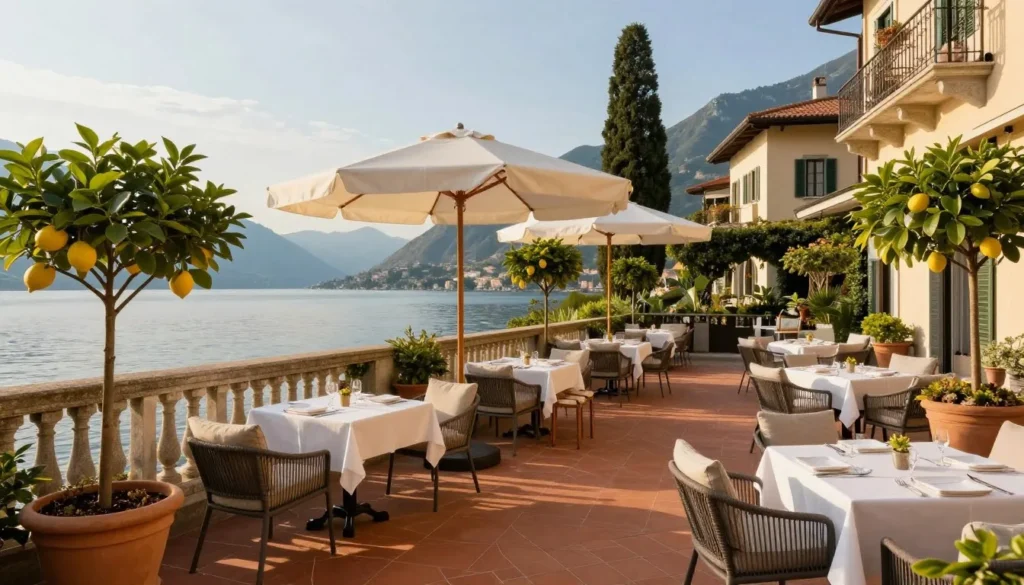
Lake Garda offers numerous luxury accommodations for travelers seeking premium experiences. Grand hotels along the southern shore provide elegant surroundings with lake views. These establishments feature spa facilities, fine dining restaurants, and impeccable service.
The historic grand hotels in Gardone Riviera maintain old-world charm with modern amenities. Their beautiful gardens extend to private lake beaches. Many luxury properties occupy renovated historic buildings with fascinating architecture.
Northern lake hotels cater to active luxury travelers with water sports facilities. These resorts combine comfortable accommodations with adventure activities. Private beach access and equipment rentals complement the upscale lodging.
Boutique hotels in town centers provide intimate luxury experiences. These smaller properties offer personalized service and unique character. Many feature rooftop terraces with panoramic views of the lake and mountains.
Mid-Range Hotels
Family-run hotels represent excellent value around Lake Garda. These establishments provide comfortable rooms, friendly service, and authentic Italian hospitality. Many include breakfast featuring local products and homemade treats.
Three-star hotels throughout the region offer reliable comfort at reasonable prices. Most include amenities like pools, parking, and lake views. The quality-to-price ratio makes these hotels popular with budget-conscious travelers.
Historic buildings converted to hotels add character to mid-range accommodations. These properties blend traditional architecture with modern conveniences. Staying in renovated monasteries or villas creates memorable experiences.
Towns like Lazise and Bardolino feature numerous mid-range options within walking distance of attractions. These locations provide convenient bases for exploring without premium price tags. Off-season rates offer even better value for money.
Vacation Rentals and Apartments
Renting an apartment provides independence and space for families or groups. Many lakeside apartments feature balconies with water views and full kitchens. This accommodation style allows for flexible meal schedules and cost savings.
Vacation rentals in historic town centers place you within walking distance of restaurants and shops. Upper-floor apartments often provide stunning views over rooftops to the lake. These properties let you live like a local during your stay.
Villas with private pools offer luxury at lower costs than comparable hotels. These properties work especially well for groups traveling together. Shared expenses make villa rentals economical for extended families.
Agriturismos on hillsides above the lake combine accommodation with farm experiences. These working farms offer rooms or apartments in peaceful rural settings. Guests often enjoy meals featuring farm-produced ingredients.
Camping and Budget Options
Lake Garda hosts numerous well-equipped campgrounds along its shores. These facilities range from basic camping areas to glamping resorts with premium amenities. Many campgrounds feature direct lake access and swimming areas.
✓ Check 30,000+ Local Sightseeing Tours Worldwide
Budget hotels and guesthouses provide clean, simple accommodations for cost-conscious travelers. These options sacrifice luxury but deliver convenient locations. Breakfast may not be included, but nearby cafes offer affordable morning meals.
Youth hostels in Riva del Garda and other towns cater to younger travelers and backpackers. These social accommodations facilitate meeting fellow travelers. Shared facilities keep costs remarkably low.
Small B&Bs offer personal touches and insider local knowledge from hosts. These intimate lodgings provide comfortable rooms with hearty breakfasts. The hosts often share valuable tips about hidden gems around the lake.
Choosing Your Base Location
Selecting the right town for your base depends on travel priorities. Sirmione suits those seeking cultural sites and thermal spa experiences. Its peninsular location provides water views from nearly every angle.
Desenzano del Garda serves as an excellent central hub with good transportation connections. This larger town offers abundant dining and shopping options. The train station provides easy access to Venice and Milan for day trips.
Riva del Garda appeals to outdoor enthusiasts and families. The town’s position at the lake’s northern end provides dramatic mountain scenery. Reliable winds make it perfect for sailors and windsurfers.
Limone sul Garda charms visitors with its picturesque setting and relaxed atmosphere. The compact size makes exploring on foot easy and enjoyable. Limited nightlife suits those seeking tranquil evenings.
Malcesine combines history with adventure activities. The medieval castle overlooks the town while Monte Baldo cable car provides mountain access. This location works well for balancing cultural visits with outdoor fun.
Dining & Local Cuisine
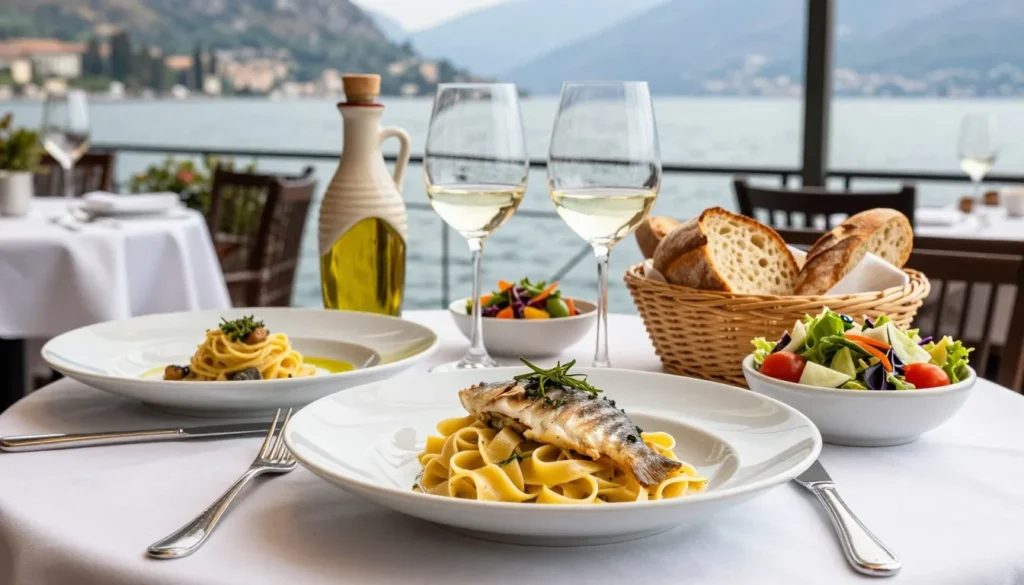
Traditional Lake Garda Dishes
Lake Garda cuisine reflects its unique position between northern and southern Italian food traditions. Fresh lake fish appears on nearly every menu around the region. Local chefs prepare these catches in both traditional and innovative ways.
Lavarello, a delicate whitefish, ranks among the most popular lake fish. Restaurants typically serve it grilled with lemon and olive oil. The mild flavor allows the fish’s freshness to shine through.
Carpione, another lake fish, features in many traditional recipes. The classic preparation involves marinating fried fish in vinegar with onions and spices. This preservation method dates back centuries when refrigeration did not exist.
Bigoli pasta represents a regional specialty shaped like thick spaghetti. Restaurants serve it with various sauces, though sardines and onions create an authentic local version. The pasta’s rough texture holds sauce beautifully.
Polenta appears as a staple side dish throughout the lake region. Served soft and creamy or grilled until crispy, this cornmeal preparation complements many meat and fish dishes. Northern Italian cuisine heavily features this versatile ingredient.
Local Olive Oil Production
Lake Garda produces some of Italy’s finest olive oil. The lake’s mild climate allows olive trees to thrive at this northern latitude. Local olive oil features a delicate, fruity flavor with subtle peppery notes.
Numerous olive mills welcome visitors for tours and tastings. These experiences explain the production process from grove to bottle. Tasting sessions teach you to recognize quality olive oil characteristics.
Look for “Olio Garda DOP” labels when purchasing olive oil. This protected designation guarantees the oil comes from Lake Garda olive groves. Local markets and specialty shops stock bottles from small producers.
Restaurants proudly feature local olive oil in their dishes. Drizzled over bread, vegetables, or fish, the oil enhances flavors without overwhelming them. Many dining establishments display their preferred olive oil bottles at tables.
Wine Regions Around the Lake
Bardolino wine comes from vineyards surrounding the eastern lakeside town. This light red wine offers easy drinking with fruity flavors. The region also produces Chiaretto, a pleasant rosé perfect for summer afternoons.
Lugana white wine grows in vineyards south of the lake. This crisp wine pairs excellently with lake fish and seafood dishes. Lugana has gained recognition as one of northern Italy’s finest white wines.
Numerous wineries offer tasting experiences in vineyard settings overlooking the lake. These visits combine wine education with spectacular views. Many wineries require reservations, especially during busy seasons.
Wine shops in lakeside towns stock local productions alongside wines from other Italian regions. Knowledgeable staff help customers select bottles matching their preferences. Shipping services can send purchases to your home address.
Restaurant Types and Dining Customs
Trattorias serve traditional Italian food in casual, family-friendly settings. These restaurants focus on regional specialties prepared according to time-honored recipes. Prices remain moderate while quality stays high.
Ristorantes offer more formal dining experiences with refined cuisine. These establishments often feature tasting menus showcasing creative chef preparations. Service follows traditional Italian fine dining protocols.
Osterias provide informal dining with emphasis on local wines. These wine bars serve small plates and simple dishes alongside extensive wine selections. The relaxed atmosphere encourages lingering conversations.
Pizzerias offer wood-fired pizza throughout the lake region. Italian pizza differs from American versions with thinner crusts and simpler toppings. Evening hours bring crowds of locals enjoying this Italian staple.
Gelaterias serve artisanal gelato in countless flavors. This Italian ice cream contains less fat than American versions but delivers intense flavor. Multiple scoops allow sampling several flavors simultaneously.
Dining Customs and Tips
Lunch typically runs from 12:30 PM to 2:30 PM when many restaurants close until dinner. Dinner service begins around 7:30 PM, though tourists often eat earlier. Arriving before 8:00 PM ensures you beat local crowds.
Cover charges appear as “coperto” on restaurant bills. This fee covers bread and table service ranging from one to three euros per person. The practice remains standard throughout Italy.
Tipping customs differ from American expectations. Service charges often appear in the bill, making additional tips optional. Leaving a few euros or rounding up the bill shows appreciation for exceptional service.
Water comes as either still (naturale) or sparkling (frizzante). Restaurants typically offer bottled water rather than tap water. Ordering “acqua del rubinetto” requests tap water, though some restaurants discourage this.
Cappuccino belongs to breakfast hours in Italian culture. Locals rarely order it after 11:00 AM. Espresso serves as the appropriate coffee choice following lunch or dinner.
Markets and Food Shopping
Weekly markets in lakeside towns offer fresh produce, cheese, and local specialties. These open-air markets provide authentic shopping experiences among locals. Saturday mornings typically bring the largest market selections.
Alimentari shops function as small grocery stores selling fresh and packaged foods. These neighborhood shops provide ingredients for preparing meals in rental apartments. Friendly shopkeepers often offer cooking suggestions.
Panifici (bakeries) fill morning air with aromas of fresh bread and pastries. Stop by early for warm focaccia or sweet brioche. These bakeries serve as essential stops for breakfast or picnic supplies.
Salumerie specialize in cured meats, cheeses, and prepared foods. These shops create custom sandwiches and plate selections for lunch. The quality surpasses supermarket delis significantly.
Attractions, Sightseeing & Activities
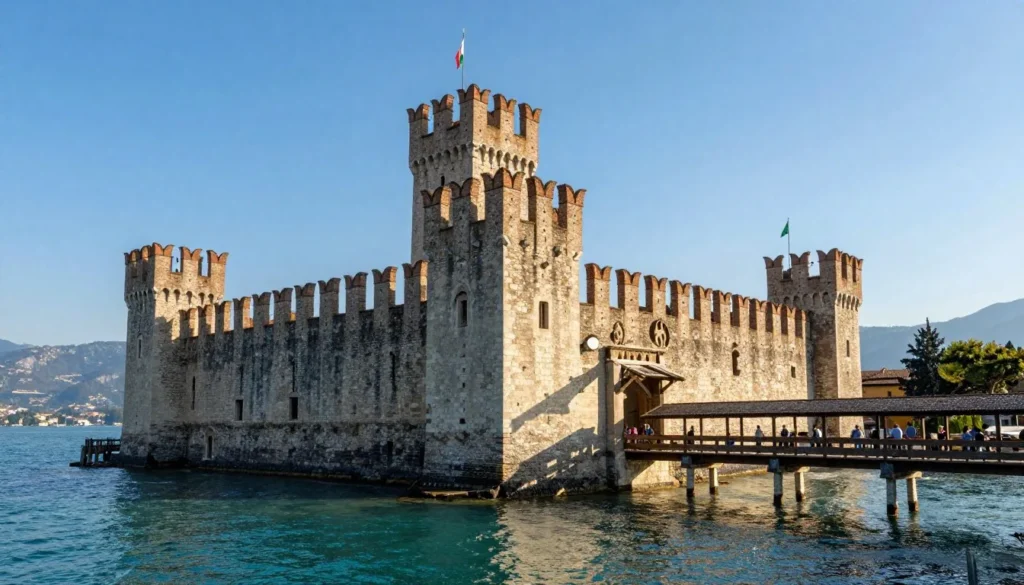
Sirmione and Scaliger Castle
Sirmione occupies a narrow peninsula jutting into the southern lake. This charming town captivates visitors with its medieval character and thermal springs. The pedestrian-only historic center creates a peaceful atmosphere for exploration.
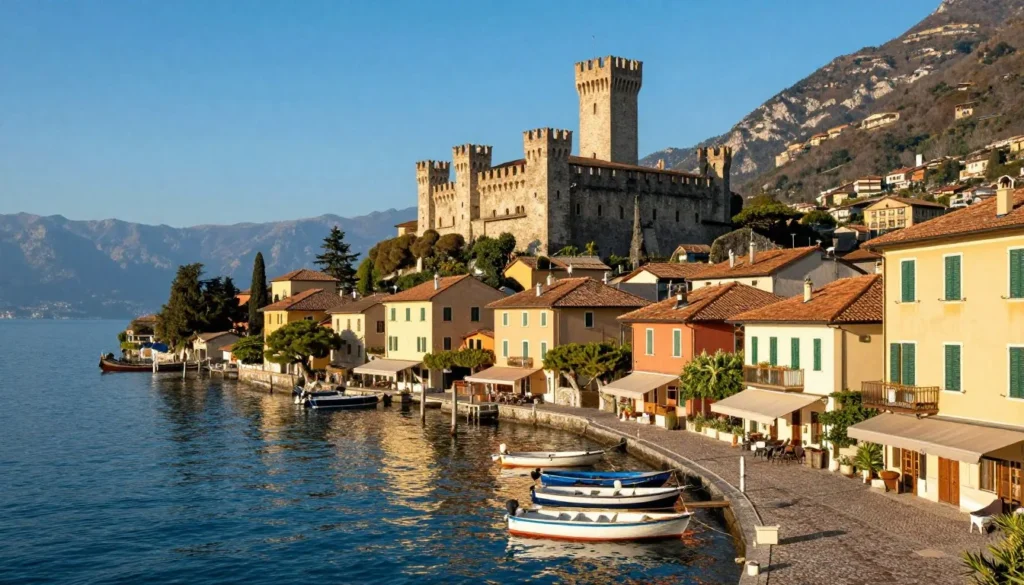
Scaliger Castle dominates Sirmione’s entrance with imposing 13th-century fortifications. This moated castle once protected against invasion from the water. Visitors can climb the tower for panoramic views over the town and lake.
The castle interior displays exhibits about medieval military architecture and Sirmione’s history. Walking along the ramparts provides unique perspectives of the surrounding water. The castle remains one of the best-preserved examples of medieval harbor fortifications.
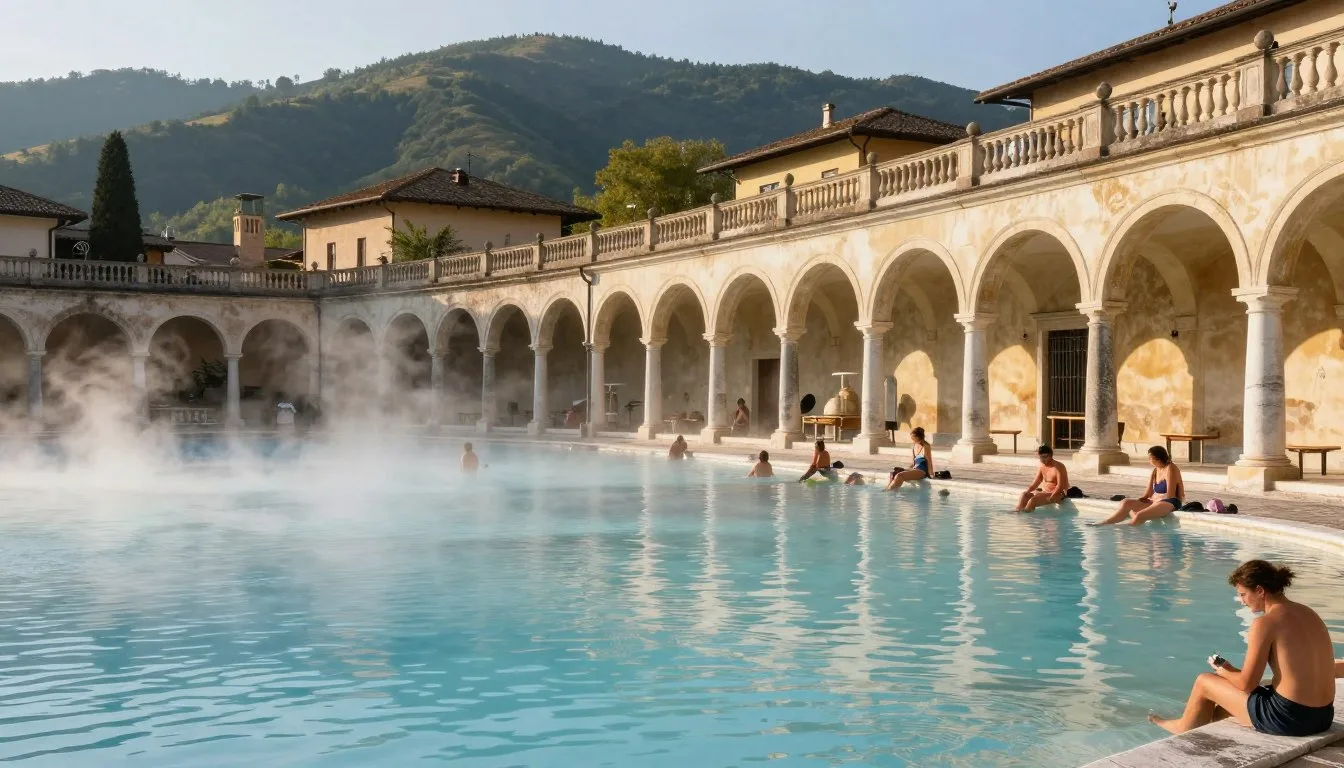
Beyond the castle, Sirmione’s narrow streets wind between historic buildings and boutique shops. Cafes and gelaterias line the waterfront promenade. The town’s thermal spa facilities attract visitors seeking wellness treatments.
Grotte di Catullo Roman Ruins
The Grotte di Catullo represents one of northern Italy’s most significant Roman archaeological sites. Despite its name, the “caves” actually comprise ruins of a vast Roman villa. The complex once stretched across nearly two hectares of the Sirmione peninsula tip.
Built during the 1st century AD, this villa belonged to a wealthy Roman family. The remaining walls reveal the grandeur of ancient Roman lakeside living. Mosaic fragments and architectural details hint at the original luxury.
The archaeological park surrounding the ruins contains ancient olive trees and Mediterranean vegetation. Walking paths lead through gardens with stunning lake views. Information panels explain the villa’s original layout and purpose.
The site takes its name from Roman poet Catullus, though no definitive evidence links him to this property. The scenic beauty probably inspired many Roman writers and artists. Modern visitors continue finding inspiration in the setting.
Malcesine and Monte Baldo Cable Car
Malcesine charms visitors with its medieval castle and narrow lakeside lanes. The Scaliger Castle here offers different views than Sirmione’s fortress. Its museum houses exhibits about local history and natural sciences.
The cable car to Monte Baldo represents Malcesine’s most spectacular attraction. Rotating cabins provide 360-degree views during the ascent. The journey climbs from sea level to 1,760 meters (5,774 feet) in approximately 15 minutes.
Monte Baldo summit offers breathtaking panoramic views of Lake Garda and surrounding Alps. Clear days provide visibility extending to Venice and distant mountain ranges. The mountaintop features hiking trails of varying difficulty.
Summer wildflowers transform Monte Baldo meadows into colorful displays. The diverse flora earns the mountain the nickname “Garden of Europe.” Winter brings skiing and snowboarding opportunities on the northern slopes.
Limone sul Garda and Historic Lemon Houses
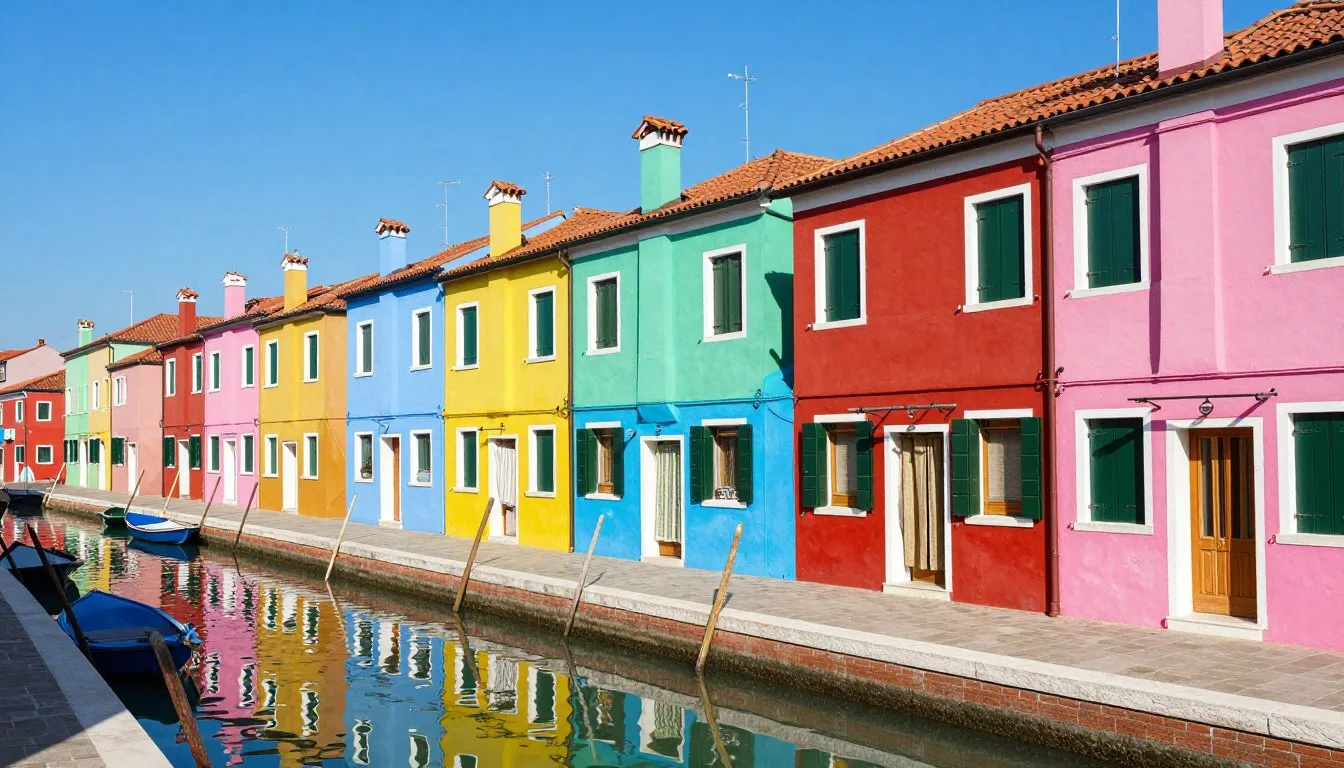
Limone sul Garda ranks among the lake’s most photographed towns. Colorful buildings cascade down the hillside to the water’s edge. The town’s name supposedly comes from “limen” (boundary) rather than lemons, though citruses define its character.
Historic lemon greenhouses called “limonaias” dot the terraced hillsides above town. These structures protected lemon trees during cold months using a system of wooden frames and windows. One greenhouse, the Limonaia del Castel, welcomes visitors for tours.
The visit to Limonaia del Castel reveals traditional lemon cultivation methods. Stone pillars support the structure while allowing air circulation. Guide explanations detail how workers managed these greenhouses through seasons.
Lemon products fill shops throughout Limone sul Garda. From limoncello liqueur to lemon soaps, the yellow fruit appears everywhere. Restaurants incorporate lemons into local dishes in creative ways.
The lakeside promenade provides pleasant strolling with mountain and water views. Small beaches offer swimming spots between the walkway sections. Evening brings a romantic atmosphere as lights reflect on the calm water.
Desenzano del Garda
Desenzano del Garda serves as the lake’s largest town and transportation hub. The bustling Tuesday market attracts shoppers from surrounding areas. The town’s mix of old and new creates a lively, authentic atmosphere.
The Roman Villa of Desenzano showcases remarkably preserved mosaic floors. Dating from the 4th century AD, these mosaics display intricate geometric and figurative designs. The villa museum explains Roman life in this prosperous lakeside location.
Desenzano’s harbor buzzes with activity from ferries, fishing boats, and pleasure craft. The waterfront promenade connects restaurants, bars, and gelaterias. Evening brings crowds of locals enjoying the passeggiata tradition.
The medieval castle ruins overlook the town from a hillside position. Though less complete than other lake castles, it offers excellent views. The surrounding park provides peaceful green space away from busy streets.
Peschiera del Garda
Peschiera del Garda occupies a strategic position where the lake flows into the Mincio River. Star-shaped Venetian fortifications surround the historic town center. These 16th-century walls earned UNESCO World Heritage status.
The fortification walls create a unique environment where water channels run through the town. Walking along the ramparts provides interesting perspectives of this military architecture. The engineering solutions for water management remain impressive.
Peschiera serves as a convenient base for visiting nearby attractions. The town’s train station connects easily to Verona and Venice. Its position at the lake’s southern end facilitates exploration of the entire region.
Several theme parks operate near Peschiera del Garda. Gardaland, Italy’s largest amusement park, sits just minutes away. These attractions make the area particularly popular with families traveling with children.
Riva del Garda
Riva del Garda occupies the lake’s northernmost point where mountains rise dramatically from the water. This town attracts outdoor enthusiasts seeking windsurfing, sailing, and mountain biking opportunities. The reliable afternoon winds create ideal conditions for water sports.
The medieval Torre Apponale tower dominates the town center. Visitors can climb its 165 steps for commanding views over Riva and the northern lake. The tower’s bell still marks important town events.
MAG Museo Alto Garda displays art and history collections in a lakeside fortress. The museum’s exhibits cover local archaeology, history, and artistic traditions. Temporary exhibitions showcase contemporary art in historic settings.
Riva’s lakefront promenade stretches along calm waters protected by a harbor wall. Palm trees and flower beds create a Mediterranean atmosphere. The promenade becomes especially lively during evening hours.
Gardone Riviera and Il Vittoriale
Gardone Riviera developed as an elegant resort town during the 19th century. Grand hotels and botanical gardens reflect this refined heritage. The mild microclimate supports exotic plants not found elsewhere in northern Italy.
✓ Check 30,000+ Local Sightseeing Tours Worldwide
Il Vittoriale degli Italiani represents one of Lake Garda’s most unusual attractions. This sprawling estate belonged to poet Gabriele D’Annunzio, who filled it with art, artifacts, and eccentric features. The complex includes his home, gardens, and even a warship.
Touring Il Vittoriale reveals D’Annunzio’s dramatic personality through his collections and architectural choices. The house preserves his living spaces exactly as he left them. Gardens feature hidden paths, fountains, and spectacular lake views.
The outdoor amphitheater at Il Vittoriale hosts summer concerts and performances. This venue provides unique settings for cultural events. The combination of art, history, and natural beauty makes visits memorable.
Museums, Cultural Spots & Festivals
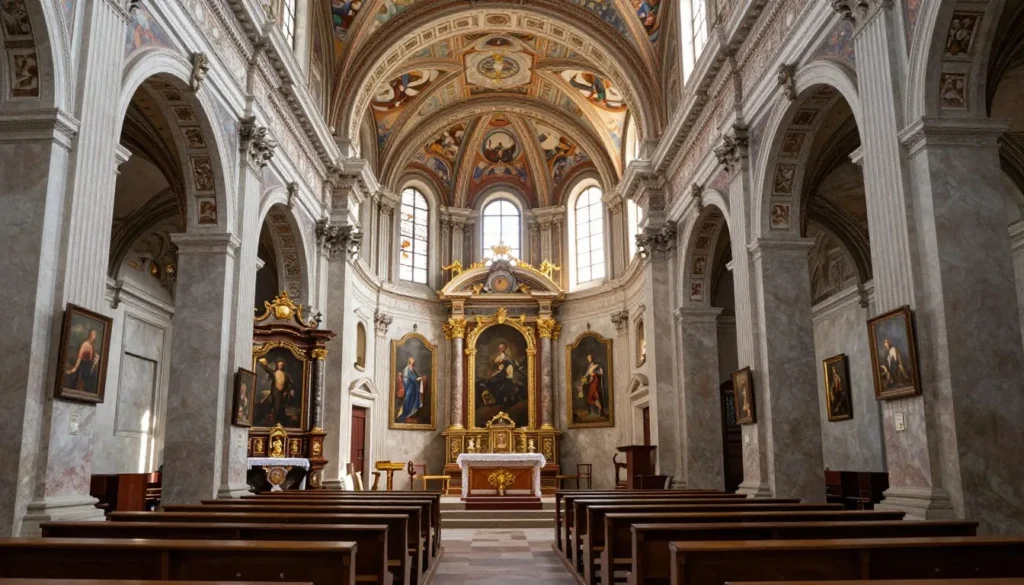
Religious Architecture and Churches
Lake Garda towns feature numerous historic churches showcasing various architectural styles. These religious buildings contain remarkable artworks and represent centuries of local history. Many churches welcome visitors outside service times.
Santa Maria Maggiore in Sirmione dates from the 15th century with beautiful frescoes. The church’s location in the historic center makes it easily accessible. Its simple exterior contrasts with the decorated interior spaces.
The Sanctuary of Madonna della Corona near Malcesine ranks among Italy’s most dramatically sited churches. Built into a sheer cliff face 774 meters (2,539 feet) above sea level, it requires a steep pilgrimage path. The views from this sanctuary inspire awe and reverence.
Basilica of San Zeno in nearby Verona deserves a day trip for architecture enthusiasts. This Romanesque masterpiece contains bronze doors depicting biblical scenes. The church represents one of northern Italy’s finest medieval religious buildings.
Art Galleries and Museums
The Museum of Desenzano showcases local archaeology and history through well-curated exhibits. Collections include prehistoric finds, Roman artifacts, and medieval objects. The museum occupies a former monastery building near the town center.
Museo delle Palafitte in Ledro displays Bronze Age lake dwelling artifacts. This archaeological museum recreates prehistoric pile dwellings based on excavation findings. Interactive exhibits help visitors understand ancient lake life.
Riva del Garda’s Civic Museum houses paintings, sculptures, and decorative arts. The collection spans several centuries with focus on local artists. Temporary exhibitions complement the permanent displays regularly.
Small galleries in towns like Salò and Gardone Riviera feature contemporary Italian art. These intimate spaces showcase paintings, sculptures, and photography by regional artists. Opening hours can be irregular, so check ahead.
Historic Town Centers
Simply wandering through historic town centers provides cultural enrichment at Lake Garda. Narrow cobblestone streets reveal architectural details from different periods. Each town developed its unique character based on which powers controlled it historically.
Salò features elegant Renaissance architecture reflecting its period as capital of Mussolini’s Republic. The long lakefront promenade passes historic palaces and monuments. The town maintains a sophisticated atmosphere different from smaller villages.
Torri del Benaco preserves its medieval character with castle and historic harbor. The Scaliger castle now houses an ethnographic museum about local traditions. The town’s fishing heritage remains visible in harbor activities.
Lazise’s complete medieval walls surround a charming historic center. Three original gates provide entry to the car-free old town. The Venetian customs house on the harbor reminds visitors of historical trade importance.
Cultural Events Throughout the Year
Summer brings outdoor concerts to lakeside towns nearly every evening. Classical music, jazz, and contemporary performances utilize historic venues and waterfront settings. Most concerts are free or charge nominal admission.
Traditional sagras (food festivals) celebrate local products in various towns. These events feature regional specialties like fish, polenta, or specific wines. Sagras provide authentic experiences of Italian community celebrations.
Art exhibitions take over galleries, museums, and public spaces during summer months. Local artists display work alongside visiting contemporary creators. Opening receptions become social events attended by residents and visitors.
Medieval festivals transport towns back centuries with costumes, crafts, and historic reenactments. Performers demonstrate traditional skills like falconry and archery. These events particularly appeal to families with children.
Opera and Theater
Verona’s Arena hosts world-famous summer opera performances in a Roman amphitheater. This venue lies just 30 kilometers (18.6 miles) from Lake Garda’s southern shore. The spectacular setting enhances already magnificent productions.
Smaller theaters in lakeside towns present drama, comedy, and musical performances. These venues maintain Italian theatrical traditions in intimate settings. Most productions use Italian language, though quality transcends language barriers.
Open-air theater performances utilize castle courtyards and historic squares during summer. These productions range from Shakespeare to contemporary works. The outdoor settings add magical elements to theatrical experiences.
Nature & Outdoor Experiences
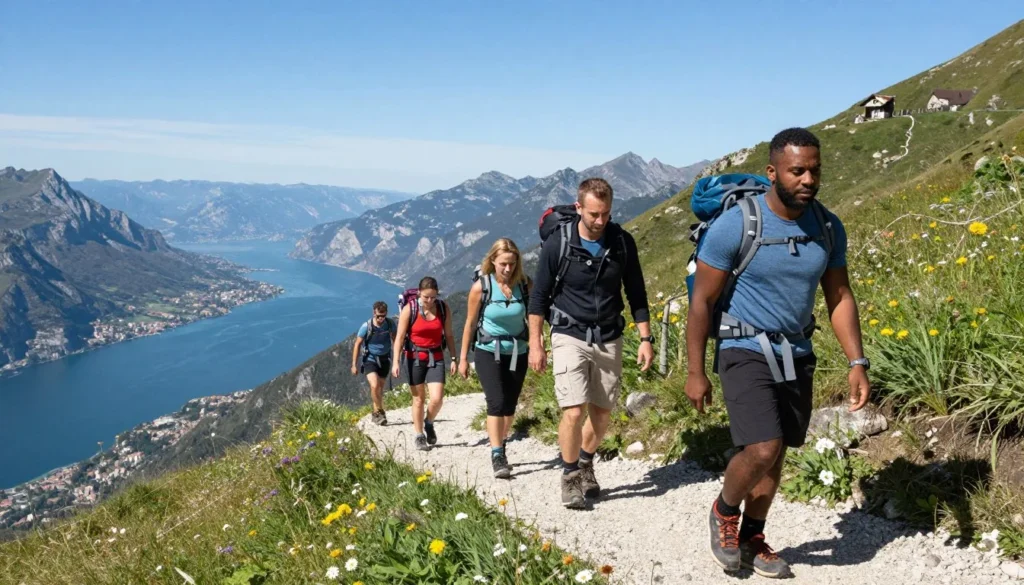
Hiking Trails Around Lake Garda
Countless hiking trails wind through mountains and hills surrounding Lake Garda. Routes range from easy lakeside walks to challenging mountain ascents. Trail networks connect many towns, allowing multi-day trekking adventures.
The Sentiero del Ponale offers spectacular views on a relatively easy path. This former road between Riva del Garda and Ledro Valley features dramatic cliff-side sections. The well-maintained trail works for families with older children.
Monte Baldo’s ridge trail provides moderate hiking with extraordinary panoramas. The cable car eliminates the initial elevation gain, allowing hikers to focus on ridge walking. Several refugios along the route serve food and drinks.
The Via Ferrata routes around the lake challenge experienced climbers with protected climbing paths. These iron-way routes require proper equipment and climbing knowledge. Local guides offer tours for those lacking experience.
Coastal paths connecting lakeside towns provide easier hiking options. The trail from Limone sul Garda toward Riva del Garda showcases lake views from elevated positions. These routes typically take two to four hours depending on pace.
Water Sports and Activities
Windsurfing and sailing dominate water sports around Lake Garda. The reliable afternoon “Ora” wind creates ideal conditions for these activities. Northern lake areas, especially Torbole and Riva del Garda, attract enthusiasts worldwide.
Numerous sailing schools offer lessons for beginners and equipment rentals for experienced sailors. The steady winds and safe conditions make Lake Garda perfect for learning. Advanced sailors appreciate the challenge of stronger wind days.
Windsurfing schools line the northern shores with complete instruction programs. Equipment rental allows experienced windsurfers to enjoy the famous conditions. The wind typically builds through afternoon hours, reaching peak strength around 2:00 PM.
Stand-up paddleboarding provides a peaceful way to explore the lake. Calmer morning waters suit this activity perfectly. Rental outlets in most towns offer boards and basic instruction.
Kayaking allows intimate exploration of hidden coves and quiet shorelines. Guided kayak tours combine paddling with sightseeing and local history. Solo kayakers can rent equipment and explore independently.
Swimming opportunities abound around the lake’s entire perimeter. Public beaches provide free access while private beach clubs offer amenities for a fee. Water quality remains excellent throughout the lake.
Mountain Biking
Mountain biking trails crisscross the hills and mountains around Lake Garda. Routes vary from gentle gravel paths to technical single-track descents. The region has gained international recognition as a premier mountain biking destination.
The Tremalzo Pass offers challenging climbs rewarded with stunning descents. This high mountain pass connects the lake with Ledro Valley. Experienced riders consider it among Europe’s most scenic mountain bike routes.
Bike parks near Riva del Garda feature downhill trails served by lifts. These purpose-built tracks challenge riders with jumps, berms, and technical sections. Equipment rentals and instruction are available at park bases.
E-mountain bikes open mountain trails to less fit riders. Electric assistance makes climbing easier while preserving the fun of descending. Rental shops throughout the region stock quality e-bikes.
Guided mountain bike tours introduce riders to the best local trails. Experienced guides select routes matching group abilities and provide mechanical support. These tours eliminate navigation concerns and ensure safety.
Rock Climbing
Limestone cliffs around Lake Garda attract rock climbers of all abilities. Hundreds of established climbing routes range from beginner-friendly to extremely challenging. The mild climate allows year-round climbing on south-facing walls.
Arco, just north of Lake Garda, serves as a climbing mecca with world-class routes. This small town hosts international climbing competitions and festivals. Climbing shops provide equipment and local route information.
Sport climbing dominates with bolted routes requiring only quickdraws and rope. Traditional climbing opportunities exist but represent the minority. Most crags offer multiple pitches allowing varied climbing experiences.
Indoor climbing gyms provide training and practice when weather prevents outdoor climbing. These facilities also serve as social hubs for the climbing community. Many gyms offer instruction for beginners.
Canyoning and Water Adventures
Mountain streams flowing into Lake Garda create exciting canyoning opportunities. Guided groups descend narrow gorges by rappelling, jumping, and swimming. This adventure sport combines multiple skills in spectacular natural settings.
The Vajo dell’Orsa canyon near Nago offers family-friendly canyoning with lower jumps and rappels. More experienced adventurers tackle longer, more technical canyon routes. All participants need guides and proper equipment.
Rafting trips operate on rivers near Lake Garda during spring runoff. These white-water adventures provide thrilling alternatives to lake activities. Local companies provide equipment, guides, and transportation.
Paragliding
Paragliding flights launch from mountains surrounding Lake Garda for aerial lake views. Tandem flights allow non-pilots to experience soaring above the water. Experienced pilots come from across Europe to fly here.
Monte Baldo serves as the primary launch site with reliable thermal conditions. The dramatic scenery combined with excellent flying makes this location special. Landing areas near Malcesine complete the perfect flight circuit.
Paragliding schools offer multi-day courses for those wanting to learn. Solo pilots find detailed information about launch sites, landing zones, and local regulations. The flying season extends from March through October.
Nature Parks and Protected Areas
Several nature parks protect Lake Garda’s diverse ecosystems. These areas preserve native plant species and wildlife habitats. Educational programs help visitors understand local environmental importance.
Alto Garda Bresciano Regional Park covers the western shore’s mountainous terrain. Hiking trails wind through Mediterranean and Alpine vegetation zones. The park’s biodiversity attracts nature enthusiasts and photographers.
The paper reed beds at Manerba del Garda provide important wetland habitat. Boardwalk trails allow observation of water birds and aquatic plants. Information panels explain wetland ecology and conservation efforts.
Travel With Children
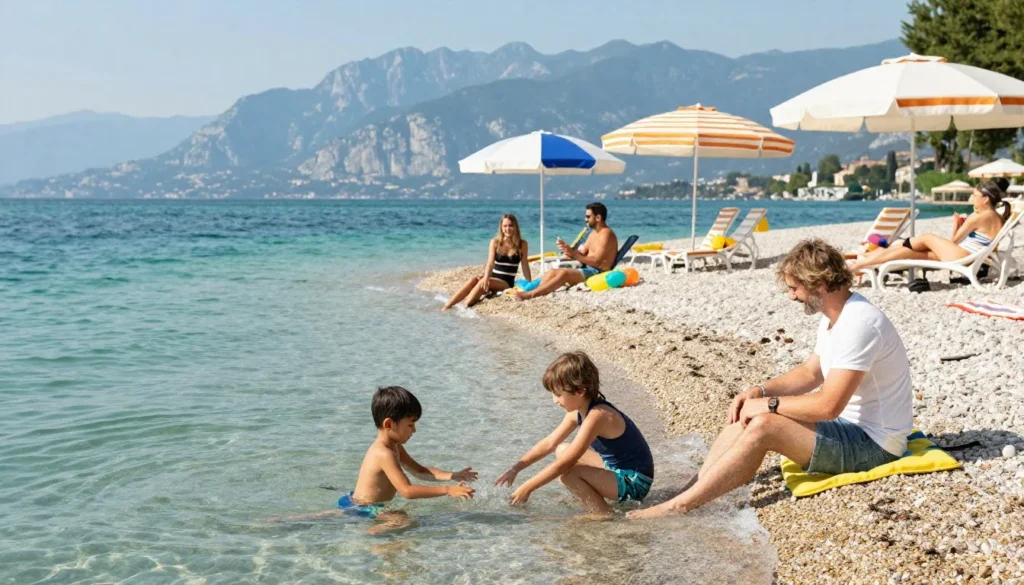
Family-Friendly Beaches and Swimming
Lake Garda offers numerous swimming spots suitable for children of all ages. Southern lake beaches feature gentle entry with shallow water extending far from shore. These areas provide safe swimming conditions for younger children.
Jamaica Beach near Sirmione remains extremely popular with families. The shallow water and grassy areas create perfect picnic settings. Arrive early during summer months as the beach fills quickly.
Punta San Vigilio offers a more exclusive beach experience with entrance fees. The protected bay provides calm water ideal for children. Beach services include chair rentals and food service.
Many hotels feature private beaches or pool facilities. These amenities provide convenient swimming without daily transportation. Pools offer temperature-controlled alternatives when lake water feels cool.
Theme Parks Near Lake Garda
Gardaland ranks as Italy’s largest and most popular amusement park. Located near Peschiera del Garda, it features rides for all age groups. Themed areas transport visitors to different worlds through detailed design.
The park includes gentle rides for young children alongside thrilling roller coasters for teenagers. Shows and character meet-and-greets entertain between rides. On-site hotels allow multi-day visits without external accommodations.
SEA LIFE Gardaland aquarium adjoins the amusement park with marine exhibits. Children enjoy walking through underwater tunnels surrounded by fish. Interactive touch pools allow careful handling of certain species.
Movieland Park brings cinema magic to life with stunt shows and themed attractions. This park appeals particularly to older children and teenagers. Special effects demonstrations reveal movie-making secrets.
Caneva Aquapark provides water-based fun with slides and wave pools. The tropical theme creates vacation atmosphere even on cooler days. Younger children have dedicated areas with age-appropriate features.
Child-Friendly Activities and Attractions
Castle visits captivate children’s imaginations with medieval settings and historic tales. Climbing castle towers and exploring ramparts provides active entertainment. Many castles offer special children’s programs during summer.
Miniature train rides in towns like Lazise and Bardolino delight young children. These tourist trains tour historic centers while parents rest. The rides provide orientation to town layouts.
Playgrounds scattered throughout lakeside towns offer breaks from sightseeing. Modern equipment and shaded areas make these stops comfortable. Parents appreciate benches with lake views.
Bicycle rentals including child seats and tag-alongs enable family cycling adventures. The flat paths along southern shores suit families with varying abilities. Stops at gelaterias provide motivation for young riders.
Boat rides capture children’s attention through movement and changing scenery. Ferry trips between towns become adventures rather than just transportation. Some ferries feature outdoor decks perfect for active children.
Family-Friendly Restaurants
Most Lake Garda restaurants welcome families with children warmly. Italian culture embraces families dining together. However, some strategies make meals more pleasant for everyone.
Pizzerias offer reliably child-friendly menus with familiar options. Simple pasta dishes appeal to less adventurous young eaters. Quick service in casual settings suits families with tired children.
Restaurants with outdoor seating provide space for children to move around. Lakeside locations offer distractions when meals take longer than patience allows. Evening meals tend to be more relaxed than lunch service.
Many restaurants provide children’s menus or smaller portions. Asking for plain pasta with butter or tomato sauce always works. Italian waiters generally accommodate reasonable special requests.
Gelato shops serve as emergency mood-lifters for cranky children. Strategic gelato stops reward good behavior and provide energy boosts. The endless flavor options make choosing part of the fun.
Practical Tips for Traveling with Children
Book ground-floor or elevator-access accommodations when traveling with young children or strollers. Historic buildings may lack elevators despite multiple floors. Confirming these details prevents stair-climbing struggles with luggage and tired children.
Pack or purchase sun protection including hats, sunscreen, and UV-blocking swimwear. The Mediterranean sun proves intense during summer months. Midday shade breaks prevent overheating and sunburn.
Plan rest time into daily schedules to prevent overtired meltdowns. Afternoon returns to accommodations for quiet time help everyone recharge. Evening activities work better after rest breaks.
Ferry schedules become important when planning daily activities with children. Missing the last ferry requires alternative transportation arrangements. Building schedule buffer prevents rushing stressed children.
Italian pharmacies stock familiar children’s medications and supplies. Pharmacists provide helpful advice about minor health concerns. Keeping a basic first-aid kit handles small emergencies independently.
✓ Check 30,000+ Local Sightseeing Tours Worldwide
Money Saving Tips

Timing Your Visit for Better Rates
Shoulder season months offer the best value for Lake Garda visits. May, June, September, and October provide excellent weather while commanding lower prices. Hotel rates can drop by 30-50% compared to peak summer weeks.
Avoiding Italian school holidays reduces both crowds and prices significantly. Italian students vacation during July, August, and Easter week. International visitors find better deals during other periods.
Weekday visits cost less than weekends for most accommodations. Planning Monday through Thursday stays saves money on hotel rates. Some restaurants offer weekday lunch specials not available on weekends.
Booking accommodations well in advance often secures better rates than last-minute searches. Many properties offer early-bird discounts for advance reservations. Flexible cancellation policies protect against changed plans.
Transportation Savings
Public ferries cost significantly less than private boat charters while providing similar views. Day passes maximize value when planning multiple ferry trips. The unlimited travel encourages spontaneous exploration without per-trip costs.
Buses provide the most economical transportation around Lake Garda. Routes connect major towns at fraction of ferry prices. The trade-off involves less scenic routes and longer travel times.
Walking between neighboring towns eliminates transportation costs entirely. The exercise benefits health while revealing details missed when traveling faster. Lakeside paths provide pleasant walking routes between many communities.
Renting bicycles costs less than car rentals while providing flexibility. Many towns offer daily or multi-day bicycle rental rates. The flat southern shore suits cycling more than mountainous northern areas.
Carpooling or sharing rental cars among travel companions divides costs. Larger vehicles cost only slightly more than small cars. Splitting fuel and parking expenses makes driving affordable.
Accommodation Strategies
Vacation rentals prove more economical than hotels for groups or families. Shared kitchen facilities enable cooking meals rather than dining out constantly. Longer stays often qualify for weekly rate discounts.
Properties located one or two blocks from waterfront cost considerably less than lake view rooms. The short walk to water saves substantial money without sacrificing convenience. Lake views from public areas provide photo opportunities without premium room costs.
Smaller towns charge lower accommodation rates than famous destinations like Sirmione. Places like Bardolino, Lazise, or Garda offer authentic experiences at better prices. Good ferry connections enable easy visits to popular spots.
Agriturismos in hills above the lake combine affordable lodging with peaceful settings. These farm stays include breakfast made from local products. The rural locations require cars but deliver authentic Italian experiences.
Food and Dining Savings
Shopping at local markets and preparing some meals saves considerable money. Weekly markets offer fresh produce at prices below restaurants. Picnic supplies from markets create memorable lakeside meals.
Lunch menus typically cost less than dinner for identical meals. Many restaurants offer fixed-price lunch specials with multiple courses. Taking main meal at midday reduces overall food expenses.
Bars serve coffee and pastries at counter prices much lower than table service. Standing at the bar like locals reduces costs significantly. The same coffee costs double when served at outdoor tables.
Purchasing wine from local shops instead of restaurants stretches budgets substantially. Restaurants typically mark up wine prices two to three times retail cost. BYO policies don’t exist, but apartment stays allow wine purchases from shops.
Sharing appetizers and main courses reduces both food waste and costs. Italian restaurant portions often prove generous for American appetites. Restaurants don’t penalize sharing as long as both diners order something.
Free and Low-Cost Activities
Walking historic town centers costs nothing while providing cultural experiences. Self-guided exploration discovers architectural details and local life. Free town maps from tourist offices help navigation.
Public beaches offer free swimming and sunbathing around the lake. Bringing your own umbrella and towels avoids beach club rental fees. These free beaches provide authentic local atmosphere.
Hiking trails throughout the region provide free outdoor entertainment. Mountain views and forest walks cost only your physical effort. Packed lunches on hiking trips combine savings with scenic dining.
Many churches open for free visits outside service times. These buildings contain impressive art and architecture. Modest donations support building maintenance without obligation.
Evening passeggiate cost nothing while providing insight into Italian culture. Join locals strolling waterfront promenades before dinner. Window shopping and people-watching create entertainment without expenses.
Outdoor concerts and festivals frequently offer free admission. Town squares host regular evening performances during summer. Checking local event calendars reveals these free cultural opportunities.
Smart Spending Strategies
Credit cards without foreign transaction fees save 3% on all purchases. Notify card companies before traveling to prevent security blocks. Cards typically offer better exchange rates than cash exchanges.
Withdrawing larger amounts less frequently reduces ATM fees. Bank networks charge per-transaction fees regardless of amount. Planning cash needs minimizes these charges.
Tourist cards in some towns bundle multiple attractions at discounted rates. Calculate whether planned visits justify the card’s cost. Sometimes individual tickets cost less than tourist cards.
Filling water bottles from public fountains saves money and reduces plastic waste. Lake Garda region features excellent tap water quality. Fountains marked “non potable” should be avoided.
Safety & Local Customs
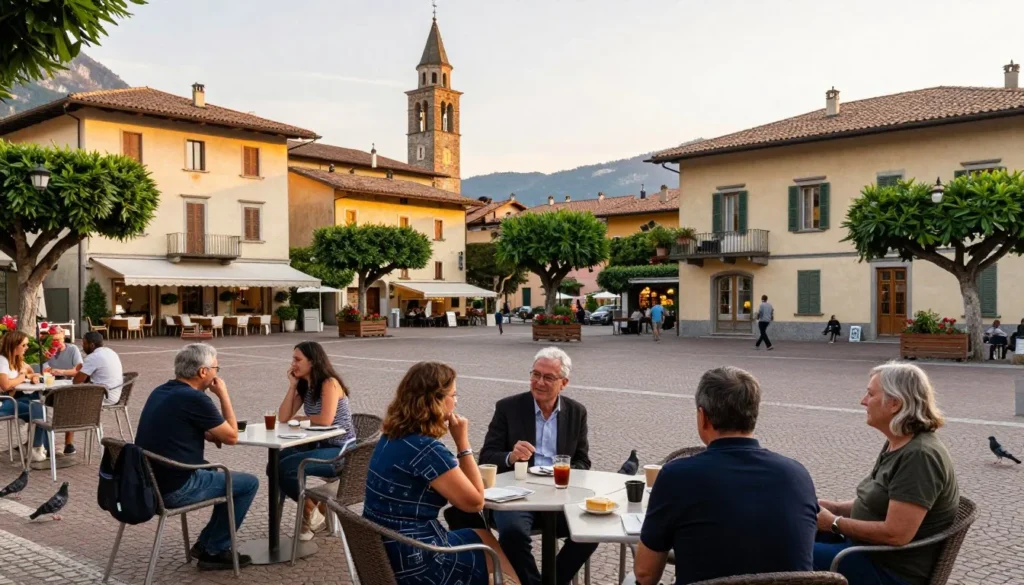
Personal Safety Considerations
Lake Garda ranks among Italy’s safest tourist destinations. Violent crime against tourists remains extremely rare. Basic precautions prevent the petty theft that occasionally occurs in crowded areas.
Pickpocketing represents the primary security concern in busy tourist areas. Crowded ferry docks and popular attractions attract opportunistic thieves. Keep valuables in front pockets or secure bags with zippers.
Leaving bags unattended at beaches invites theft even in seemingly quiet areas. Someone in your group should always watch belongings during swimming. Beach clubs with locker facilities provide more security than public beaches.
Car break-ins occur in remote parking areas near hiking trailheads. Never leave visible valuables in parked cars anywhere. Using hotel parking reduces risk compared to street parking.
Walking alone at night in town centers presents minimal risk. Streets remain well-lit and populated during evening hours. The Italian culture of evening strolling means you rarely walk alone.
Water Safety
Lake Garda’s depth and size create potential hazards for inexperienced swimmers. The lake reaches depths over 340 meters (1,115 feet) in places. Sudden depth changes occur near some shorelines.
Wind conditions can change quickly, creating waves that surprise unprepared swimmers. The afternoon Ora wind generates substantial wave action on northern shores. Morning hours offer calmer swimming conditions.
Water temperatures remain cool even during summer months. Expect temperatures between 20°C and 24°C (68°F to 75°F) at the surface. Sudden temperature drops occur at greater depths.
Life jackets should be worn by children and weak swimmers on boats. Italian law requires boats to carry sufficient life jackets for all passengers. Never swim far from shore without support boats nearby.
Designated swimming areas feature marked boundaries and sometimes lifeguard supervision. Swimming outside these zones receives no monitoring or protection. Unknown depth changes make unfamiliar areas risky.
Outdoor Activity Safety
Mountain hiking requires proper preparation including suitable footwear and adequate water. Weather changes quickly at higher elevations even on sunny valley days. Check forecasts before attempting mountain hikes.
Hikers should inform someone about planned routes and expected return times. Cell phone coverage proves unreliable in mountainous areas. Emergency services need location information to provide assistance.
Via Ferrata routes require specific equipment and training for safe completion. These protected climbing paths demand good physical condition and confidence with heights. Hiring guides ensures proper equipment and expertise.
Water sports participants should wear appropriate safety equipment always. Life jackets for non-swimmers and helmets for whitewater activities prevent injuries. Professional operators provide and enforce proper equipment use.
Health and Medical Considerations
European Health Insurance Cards cover EU citizens for emergency medical care. Americans should verify their health insurance covers international medical expenses. Travel insurance provides additional protection and evacuation coverage.
Pharmacies marked by green crosses provide over-the-counter medications and health advice. Pharmacists in Italy receive extensive training and can recommend treatments. Many speak English in tourist areas.
Emergency medical services respond to the number 112 throughout Italy. Operators typically speak English and can coordinate appropriate responses. Hospitals in larger towns provide 24-hour emergency rooms.
The summer sun proves intense despite cooling lake breezes. Sunscreen, hats, and protective clothing prevent painful sunburns. Dehydration risk increases during hot weather and physical activity.
Tap water throughout the Lake Garda region meets high safety standards. Drinking water from public fountains poses no health risks. Bottles marked “non potabile” indicate non-drinking water sources.
Cultural Customs and Etiquette
Greeting people with “Buongiorno” (good morning) or “Buonasera” (good evening) shows respect. This simple courtesy marks you as polite rather than just another tourist. Shop owners and servers appreciate these greetings.
Dress codes for churches require covered shoulders and knees. Scarves or light wraps solve coverage issues easily. Some churches refuse entry to inappropriately dressed visitors.
Dining customs include waiting for everyone’s food before eating. Saying “Buon appetito” wishes others enjoyable meals. These small gestures demonstrate cultural awareness.
Loud conversations in public places mark visitors as inconsiderate. Italians typically speak at moderate volumes in restaurants and public spaces. Matching local volume levels shows respect.
Tipping remains optional in Italy unlike American expectations. Service charges typically appear on bills already. Small additional tips reward exceptional service but aren’t obligatory.
Shopping hours often include afternoon closures from 1:00 PM to 4:00 PM. This siesta tradition continues in smaller towns. Plan shopping around these closures or visit larger stores without breaks.
Environmental Responsibility
Lake Garda’s beauty depends on environmental protection by visitors and residents. Disposing of trash properly preserves the region’s pristine condition. Recycling bins throughout the area separate different waste types.
Staying on marked trails prevents erosion and protects fragile ecosystems. Shortcutting switchbacks damages hillsides and vegetation. Proper trail use ensures future generations enjoy these paths.
Respecting wildlife means observing from distance without feeding or disturbing animals. Human food harms wildlife health and alters natural behaviors. Binoculars enable close observation without interference.
Using reef-safe sunscreen protects lake water quality. Chemical sunscreens harm aquatic life when swimmers enter water. Mineral-based alternatives provide protection without environmental damage.
Visitor Comments About Lake Garda
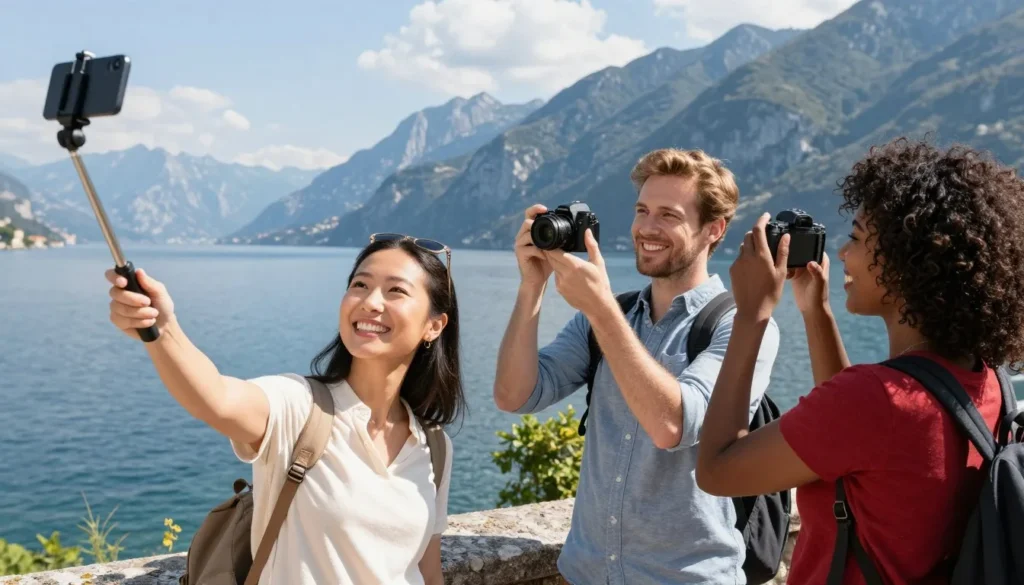
Real visitor experiences provide valuable insights into what makes Lake Garda special. These authentic comments reflect the diverse perspectives of travelers who explored this stunning Italian destination.
“Lake Garda exceeded every expectation we brought from home. The combination of mountain scenery and Mediterranean atmosphere creates something truly magical. We spent a week exploring different towns and still didn’t see everything on our list. The local people welcomed us warmly everywhere we went. Italian hospitality really shines in this region. Our teenage kids enjoyed water sports while we appreciated the cultural sites and excellent food. The variety of activities meant everyone found something they loved. We’re already planning our return visit to Lake Garda.”
“I initially worried that Lake Garda might feel too touristy, but those concerns disappeared immediately. Yes, popular towns get crowded during peak times, but the region maintains authentic Italian character. Walking through Limone sul Garda in early morning felt like stepping into a postcard. The historic lemon greenhouses and narrow streets captured exactly what I imagined Italy would be. Ferry rides between towns became daily highlights rather than just transportation. Watching the scenery change as we traveled around the lake never got old. The combination of reasonable prices and high quality made this trip exceptional value. I highly recommend visiting during shoulder season for the best experience.”
“Lake Garda delivered the perfect family vacation despite traveling with children ages six and twelve. Our kids loved swimming in the clear, clean lake water every day. The beaches provided safe, shallow areas where they played for hours. We balanced beach time with castle visits that captured their imaginations. The ferry rides thrilled them as much as any planned activity. Italian gelato became the highlight of each evening’s walk along the waterfront. Restaurants always welcomed our family warmly, even when the kids got a bit loud. The region felt safe enough that our older child gained independence walking to nearby shops. As parents, we appreciated the stress-free atmosphere that made vacation actually relaxing. We found Lake Garda offered more than typical beach destinations through its combination of nature, culture, and adventure.”
Additional Nearby Destinations
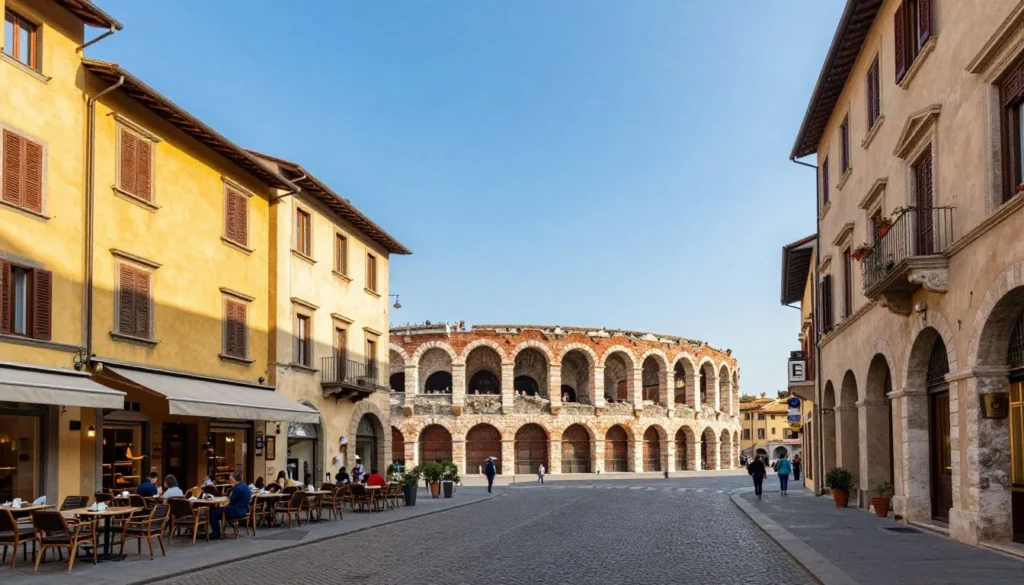
Verona: City of Romeo and Juliet
Verona sits just 30 kilometers (18.6 miles) from Lake Garda’s southern shore. This UNESCO World Heritage city combines Roman history with medieval charm. Day trips from the lake make exploring Verona’s treasures easy.
The Roman Arena dominates Verona’s center as one of the world’s best-preserved amphitheaters. This 1st-century structure still hosts opera performances during summer. The acoustics and setting create unforgettable cultural experiences.
Juliet’s House attracts Shakespeare fans to its famous balcony. Though the connection remains legendary rather than historical, the medieval building charms visitors. The courtyard below fills with love messages from romantic pilgrims.
Piazza delle Erbe occupies the site of the Roman forum with its medieval market atmosphere. Cafes surround the square beneath ancient buildings and monuments. The daily market continues centuries-old traditions.
Venice: Floating City
Venice lies approximately 140 kilometers (87 miles) from Lake Garda. Train connections make day trips feasible though overnight stays better capture Venice’s magic. This unique city deserves more than rushed visits.
St. Mark’s Square and Basilica represent Venice’s most iconic sights. The Byzantine architecture and golden mosaics dazzle visitors. Arriving early avoids the worst crowds that gather by midday.
Gondola rides provide quintessential Venetian experiences despite high costs. The unique perspective from water level reveals architectural details missed from land. Shared gondola rides reduce per-person expenses.
Getting lost in Venice’s maze of narrow streets and canals creates the best memories. Hidden squares and quiet canals offer respite from tourist crowds. The city reveals its secrets to wandering explorers.
Brescia: Underrated Lombard City
Brescia offers cultural richness just 35 kilometers (22 miles) from Lake Garda’s western shore. This often-overlooked city rewards visitors with Roman ruins and Renaissance art. Day trips provide cultural depth to lake holidays.
The Capitoline Temple ruins date from 73 AD with impressive reconstructed columns. The adjacent Roman theater hosts summer performances. These archaeological treasures rival more famous Roman sites.
Santa Giulia Museum occupies a former monastery with extensive art collections. The exhibits span prehistoric times through the 1800s. The museum’s quality matches famous Italian museums without the crowds.
✓ Check 30,000+ Local Sightseeing Tours Worldwide
Brescia Castle overlooks the city from a commanding hilltop position. Walking the ramparts provides panoramic views of the city and distant Alps. The castle complex includes museums about arms and the Risorgimento.
Mantua: Renaissance Jewel
Mantua sits 40 kilometers (25 miles) south of Lake Garda surrounded by artificial lakes. This UNESCO World Heritage city preserves extraordinary Renaissance architecture. The Gonzaga family’s patronage created artistic treasures.
Palazzo Ducale complex sprawls across multiple buildings with over 500 rooms. The Camera degli Sposi features Mantegna’s famous frescoes. Guided tours reveal the palace’s overwhelming artistic riches.
Palazzo Te showcases Mannerist architecture and Giulio Romano’s playful frescoes. The Sala dei Giganti creates an immersive artistic experience. This palazzo represents Renaissance pleasure palaces at their finest.
Mantua’s compact historic center allows easy exploration on foot. Piazza delle Erbe maintains its market function since medieval times. The city’s manageable size prevents tourist exhaustion.
Lake Ledro: Quiet Mountain Lake
Lake Ledro sits just 10 kilometers (6.2 miles) from Lake Garda’s northern tip. This smaller mountain lake offers tranquility escaping Garda’s summer crowds. The scenic drive climbs through forests to 655 meters (2,149 feet) elevation.
The Pile Dwelling Museum recreates Bronze Age lake dwellings based on archaeological discoveries. Actual artifacts from ancient settlements fill the museum. Children particularly enjoy seeing how prehistoric people lived.
Swimming and water sports in Lake Ledro provide alternatives to busier Garda. The water often feels warmer than Lake Garda due to smaller volume. Beaches remain uncrowded even during peak season.
Hiking trails around Lake Ledro suit families and casual hikers. The circuit around the lake takes approximately two hours. Mountain trails climb to higher elevations for more challenging options.
Trento: Alpine City
Trento lies 50 kilometers (31 miles) north of Lake Garda at the foot of the Dolomites. This bilingual city blends Italian and Austrian cultures creating unique character. The historic center features beautiful frescoed buildings.
Buonconsiglio Castle dominated Trento for centuries as the prince-bishops’ residence. The castle museums display art and history collections. The Torre Aquila contains remarkable medieval frescoes showing monthly activities.
The Cathedral of San Vigilio hosted sessions of the Council of Trent. This important church combines Romanesque and Gothic elements. The square around the cathedral provides attractive outdoor dining.
MUSE science museum offers interactive exhibits about Alpine environments. The building’s modern architecture contrasts with Trento’s historic center. Families with children find this museum particularly engaging.
Practical Travel Tips
Language and Communication
Italian serves as the primary language throughout the Lake Garda region. English is widely spoken in tourist areas, hotels, and restaurants. Learning basic Italian phrases enhances interactions and shows respect.
Common useful phrases include “Quanto costa?” (How much does it cost?), “Dov’è?” (Where is?), and “Parla inglese?” (Do you speak English?). These simple questions solve most basic communication needs.
Written menus often include English translations in tourist areas. Restaurant staff typically explain dishes to non-Italian speakers. Pointing and friendly gestures work when language fails.
Translation apps on smartphones handle complex communication needs. Download offline language packs before traveling for areas without internet. Many apps translate text from photos of signs and menus.
Money and Banking
Italy uses the Euro as its currency, making transactions straightforward. Credit cards are accepted at most establishments in tourist areas. However, small shops and cafes sometimes operate on cash-only basis.
ATMs throughout the region dispense euros using international debit and credit cards. Banks typically offer better exchange rates than currency exchange offices. Notify your bank of travel plans to prevent card blocks.
Daily expenses in Lake Garda remain reasonable compared to major Italian cities. Budget approximately 80-120 euros per person per day including meals and local transportation. This estimate excludes accommodations and major activities.
Tipping practices differ from American customs, as mentioned earlier. Service charges often appear in bills, making additional tips optional. Rounding up bills or leaving small change shows appreciation.
Internet and Connectivity
WiFi access is available in most hotels, restaurants, and cafes around Lake Garda. Public squares in larger towns sometimes offer free WiFi services. Connection quality varies but generally meets basic needs.
European SIM cards provide reliable data access for unlocked smartphones. Purchase SIM cards at phone shops or tobacconists showing passport. Plans offer substantial data at reasonable prices compared to international roaming.
International roaming charges from U.S. carriers can accumulate quickly. Check carrier’s international plans before traveling. Many carriers offer temporary international packages at reasonable rates.
Downloading offline maps before traveling prevents data usage for navigation. Google Maps allows downloading specific regions for offline use. This feature proves essential when connection drops in remote areas.
Electricity and Adapters
Italy uses 230V electrical current with Type F (Schuko) and Type L plugs. American devices require both voltage converters and plug adapters. Most modern electronics handle dual voltage automatically.
Purchase plug adapters before leaving home for better selection and prices. Universal adapters work throughout Europe, not just Italy. Hotels sometimes loan adapters, but bringing your own ensures availability.
USB charging ports appear increasingly in hotels and public spaces. Bringing USB charging cables reduces need for multiple adapters. Portable battery packs keep devices charged during long day trips.
Postal Services and Shipping
Italian postal services operate from offices marked with “Poste Italiane” signs. Mail services function reliably though somewhat slowly by American standards. Priority mail options cost more but deliver faster.
Sending postcards provides traditional vacation communication methods. Stamps (francobolli) can be purchased at post offices or tobacconists. Mailing times to the U.S. typically run 10-15 days.
Shipping purchased items home requires careful packaging and customs declarations. Post offices sell shipping boxes and provide international shipping. Compare postal rates with private shipping companies for large or valuable items.
Emergency Contacts
Emergency services in Italy respond to the universal European emergency number 112. This number connects to police, fire, and ambulance services. Operators typically speak English in tourist areas.
The U.S. Embassy in Rome operates 24-hour emergency services at +39 06 46741. The consulate in Milan at +39 02 290 351 serves northern Italy. Save these numbers in your phone before traveling.
Local police stations (Carabinieri or Polizia) assist with theft reports needed for insurance claims. Bring passport copies when filing reports. English-speaking officers are generally available in tourist areas.
Packing Essentials
Comfortable walking shoes prove essential for exploring cobblestone streets and hillside towns. Break in shoes before traveling to prevent blisters. Bring both closed-toe shoes and sandals for variety.
Layered clothing adapts to changing temperatures throughout the day. Even summer evenings can cool down near the lake. A light jacket or sweater handles temperature variations.
Swimwear and quick-dry towels enable spontaneous swimming opportunities. Many hotels provide pool towels but not beach towels. Compact microfiber towels pack small and dry fast.
Refillable water bottles reduce plastic waste and save money. Lake Garda’s excellent tap water makes this practical. Insulated bottles keep water cool during hot summer days.
Small day packs carry essentials during excursions without bulk. Anti-theft bags with hidden zippers provide extra security. Hands-free carrying makes sightseeing more comfortable.
Lake Garda Location
Your Lake Garda Adventure Awaits
Lake Garda stands ready to welcome you with its perfect blend of natural beauty, rich history, and authentic Italian culture. From the lemon-scented streets of Limone sul Garda to the Roman ruins of Sirmione, every corner of this magnificent lake tells a story. The diverse landscapes satisfy adventure seekers and relaxation enthusiasts equally.
The charming lakeside towns maintain their authentic character despite welcoming millions of visitors annually. Whether you sip local wine overlooking vineyard-covered hills, windsurf across sparkling blue waters, or simply enjoy exceptional gelato on a sun-warmed piazza, Lake Garda delivers unforgettable experiences. The region’s accessibility combined with its vast array of activities makes it suitable for every type of traveler.
Your journey to this Italian treasure will create memories lasting far beyond your departure. The combination of stunning scenery, delicious cuisine, welcoming people, and countless activities ensures that Lake Garda will capture your heart. Start planning your visit to discover why this spectacular lake has enchanted travelers for centuries. The adventure of a lifetime awaits on the shores of Italy’s largest and most beautiful lake.