Hotels by Trip.com
Flights by Trip.com
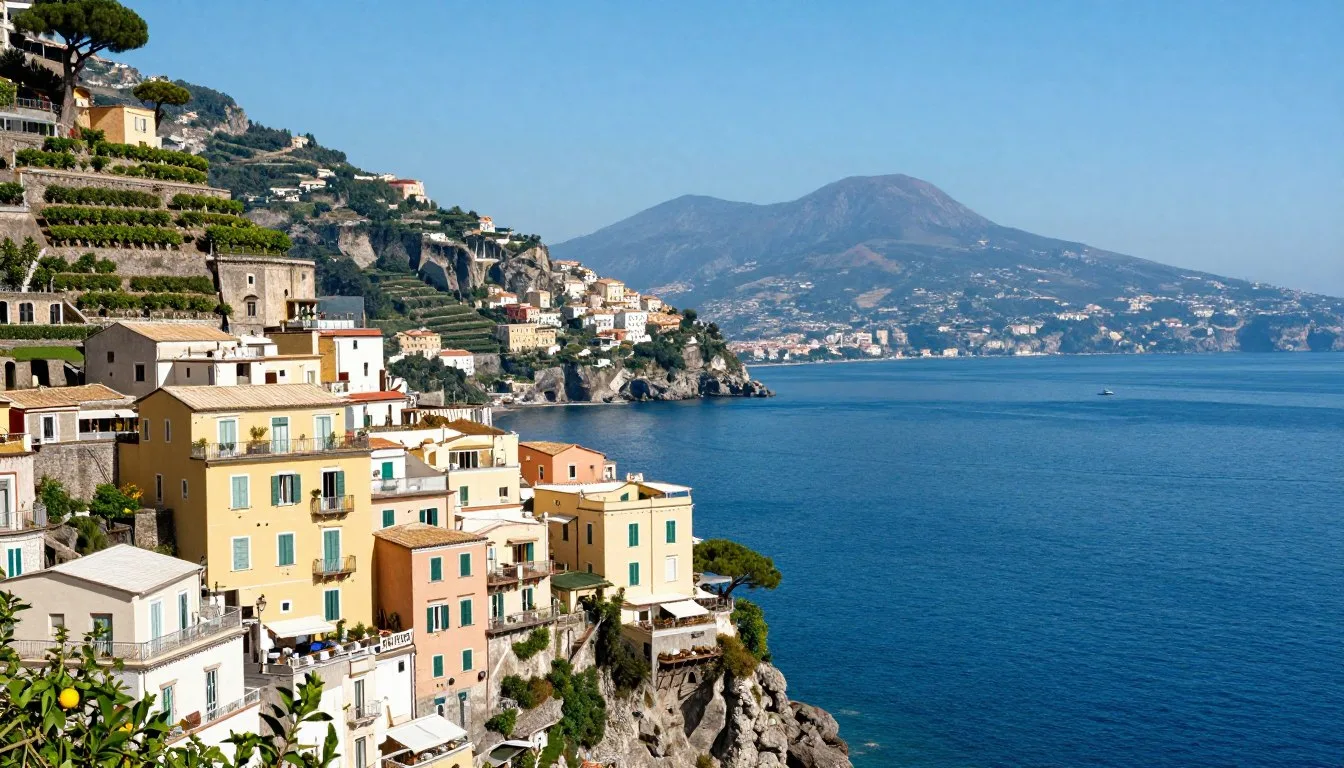
Every year, over four million visitors walk the sun-drenched streets of Sorrento, drawn by something far beyond its postcard-perfect coastline. This charming town perched on dramatic cliffs has captivated travelers since ancient Roman times, when emperors built villas here to escape the chaos of city life. Named after the mythical Sirens who once lured sailors with their enchanting songs, Sorrento continues to work its magic on modern travelers seeking an authentic taste of southern Italy.
The town serves as the perfect gateway to the breathtaking Amalfi Coast. Its strategic location offers easy access to Pompeii, Capri, and Naples while maintaining a more relaxed atmosphere than its busier neighbors. Whether you’re sipping limoncello in a centuries-old piazza, exploring hidden valley ruins, or watching the sun dip behind fishing boats in Marina Grande, Sorrento delivers unforgettable moments at every turn.
This comprehensive guide reveals everything you need to know to make the most of your Sorrento adventure. From practical travel tips to hidden gems known only to locals, you’ll discover why this coastal town remains one of Italy’s most beloved destinations.
Getting There & Planning Your Journey
Reaching Sorrento requires a bit of planning, but the journey itself becomes part of your Italian adventure. The town sits on the Sorrentine Peninsula, about 50 kilometers (31 miles) southeast of Naples. Most travelers arrive through Naples, which serves as the primary transportation hub for the region.
Naples International Airport, also known as Capodichino Airport, is the closest major airport to Sorrento. It’s located approximately 60 kilometers (37 miles) from the town. From the airport, you have several options to reach your destination. The Alibus shuttle connects the airport to Naples Central Station, where you can catch the Circumvesuviana train to Sorrento. This local train runs frequently throughout the day and takes about 70 minutes.
Private transfers and shuttle buses offer more comfort if you prefer direct service. These typically cost more but save time and eliminate the hassle of managing luggage on public transit. The journey takes about 60 to 90 minutes depending on traffic conditions. Rome’s Leonardo da Vinci-Fiumicino Airport serves as another option for international travelers. From Rome, you can take a high-speed train to Naples, then continue to Sorrento via the Circumvesuviana line.
If you’re traveling from other Italian cities, the train network provides excellent connectivity. High-speed trains from Rome, Florence, and Milan arrive at Naples Central Station. From there, the Circumvesuviana train offers the most straightforward connection to Sorrento. Keep in mind this local train line doesn’t accept Trenitalia or Italo tickets, so you’ll need to purchase separate tickets at the station.
Ferry services operate seasonally between Sorrento and various ports along the coast. During summer months, you can arrive by boat from Naples, Capri, Positano, and Amalfi. The ferry port is located in Marina Piccola, just a short walk from the town center. This scenic approach by sea offers spectacular views of the coastline and Mount Vesuvius.
Planning Tip: Book train tickets in advance during peak summer season. The Circumvesuviana can get extremely crowded, and reserving seats ahead ensures a more comfortable journey. Consider purchasing a Campania Artecard if you plan to visit multiple attractions in the region.
Best Time to Visit & Weather Tips
Best Time to Visit Sorrento
The ideal months to visit Sorrento are April, May, September, and October. During these shoulder season periods, you’ll enjoy pleasant weather, fewer crowds, and better prices on accommodations. Temperatures range from 18°C to 26°C (64°F to 79°F), perfect for exploring without the intense summer heat.
Spring brings blooming lemon groves and comfortable temperatures. The town awakens from its quiet winter with outdoor cafes opening terraces and boats resuming full schedules. April and May see occasional rain showers, but they’re usually brief and followed by brilliant sunshine. This is an excellent time to hike the coastal paths or visit nearby archaeological sites without battling crowds.
Summer months from June through August bring peak tourist season. Temperatures soar to 30°C (86°F) or higher, and the town fills with visitors from around the world. Hotel prices reach their highest levels, and popular restaurants require reservations days in advance. However, summer offers the longest days, warmest sea temperatures for swimming, and the most vibrant nightlife. All ferry routes operate on full schedules, making island day trips easier to arrange.
✓ Check 30,000+ Local Sightseeing Tours Worldwide
Autumn, particularly September and early October, delivers some of the year’s finest weather. The sea remains warm from summer heat, crowds thin considerably, and prices drop. The sun still shines reliably, and the light takes on a golden quality that photographers adore. Local festivals celebrate the harvest season, offering authentic cultural experiences.
Winter months from November through March see the fewest tourists. Many hotels and restaurants close for the season, and ferry services run on limited schedules. Temperatures range from 8°C to 15°C (46°F to 59°F). While you’ll miss the beach scene, winter brings its own charm with lower prices, uncrowded streets, and a chance to experience daily life as locals know it.
Avoid visiting during Italian school holidays if possible, especially Easter week and August. These periods bring domestic tourists in large numbers, straining resources and driving up prices. The first two weeks of August see many Italian businesses close as locals take their own vacations.
Notable Annual Festivals
Sorrento hosts several vibrant festivals throughout the year that showcase local culture, history, and traditions. These events provide wonderful opportunities to experience authentic Italian celebrations.
- Holy Week Processions (March/April) – Elaborate religious processions wind through town streets with participants wearing traditional white robes. The Good Friday procession is particularly moving, with hooded penitents carrying religious statues through candlelit streets. Contact the Parish of Sorrento at +39 081 878 1248 for exact dates and times.
- Tasso Film Fest (October/November) – This international short film festival brings cinema to Piazza Tasso with outdoor screenings and industry events. For program details, call +39 081 807 4033.
- Feast of Sant’Antonino (February 14) – The town celebrates its patron saint with religious ceremonies, processions, and traditional music. The saint’s church in the historic center hosts special masses. Information: +39 081 878 3903.
- Summer Music Festivals (June-September) – Various classical music concerts and performances take place in churches, cloisters, and outdoor venues. Check with the tourist office at +39 081 807 4033 for current schedules.
- New Year’s Eve Celebration – Piazza Tasso transforms into a massive party with live music, dancing, and midnight fireworks over the bay. The celebration continues until early morning hours.
Getting Around Locally
Sorrento’s compact historic center makes walking the best way to explore most attractions. The main areas sit within a 20-minute walk of each other. Comfortable walking shoes are essential, as streets feature uneven cobblestones and occasional steep hills. The town’s layout on clifftops means you’ll encounter stairs and inclines regularly.
Local buses operated by EAV serve routes within Sorrento and to nearby towns. The orange or blue SITA Sud buses connect to Positano, Amalfi, and other coastal destinations. Purchase tickets at tabacchi shops or bars displaying the bus company logo before boarding. Validate your ticket in the machine as you enter. Buses run frequently during tourist season but reduce service in winter months.
The Circumvesuviana train provides the main link to Naples, Pompeii, and Herculaneum. The station sits just outside the historic center, about a 10-minute walk from Piazza Tasso. Trains depart regularly throughout the day, though service can be crowded during rush hours and peak season. Keep valuables secure and stay alert, as pickpockets sometimes target tourist-heavy trains.
Ferries and hydrofoils depart from Marina Piccola, reached by stairs, elevator, or bus from the town center. These boats serve as the quickest way to reach Capri, Naples, and Amalfi Coast towns during summer season. Schedules expand significantly from April through October, with limited winter service. Sea conditions can cause cancellations, so always have backup plans for island trips.
Taxis are available throughout town, particularly around Piazza Tasso and the train station. They use meters, but agree on the fare before departure for trips outside town limits. Taxis prove useful for reaching hotels on the outskirts or making late-night returns from restaurants. Many hotels can arrange reliable taxi services.
Renting a scooter appeals to adventurous travelers who want flexibility exploring the coast. However, coastal roads are narrow, winding, and busy. Only experienced riders should attempt driving these challenging routes. Several rental agencies operate near the train station. You’ll need an international driving permit along with your regular license.
Car rental makes sense if you’re planning extensive exploration of the Amalfi Coast or Cilento region. Parking in Sorrento itself can be extremely difficult and expensive. Most hotels offer parking for guests, sometimes at additional cost. The coastal road between Sorrento and Positano ranks among Italy’s most scenic drives but requires confident driving skills and strong nerves.
The elevator connecting the historic center to Marina Piccola operates daily and costs a small fee. It saves a steep walk down and especially up hundreds of steps. The elevator entrance sits near the Villa Comunale park with stunning bay views.
Where to Stay
Sorrento offers diverse lodging options for every budget and travel style. Most accommodations cluster in or near the historic center, providing easy access to restaurants, shops, and transportation. The town features everything from grand historic hotels to family-run bed and breakfasts.
Luxury hotels line the clifftops overlooking the Bay of Naples. These properties typically include pools, spa facilities, and restaurants with spectacular views. Many occupy converted villas or palazzos with centuries of history. Expect to pay premium prices, especially for rooms with sea views and during peak summer months. The best luxury hotels offer private beach access via elevator or stairs.
Mid-range hotels provide excellent value in the town center. Three and four-star properties combine comfortable amenities with convenient locations. Many feature rooftop terraces where breakfast is served with panoramic views. These hotels often occupy renovated historic buildings with character and charm. Rooms can be smaller than international chain standards, but they offer authentic Italian hospitality.
Budget travelers find good options in the form of bed and breakfasts and guesthouses. These smaller properties often provide more personal service and local insights from owners. Rooms are simple but clean, and many include basic breakfast. Some B&Bs occupy residential buildings away from tourist areas, offering quieter stays at lower prices. Book directly with properties when possible to get the best rates.
Vacation rentals and apartments have grown increasingly popular. They work well for families or longer stays, providing more space and kitchen facilities. Properties range from basic studios to luxurious villas with pools. Stay within walking distance of the center for the most convenient experience. Areas like Sant’Agnello, just east of the center, offer quieter alternatives with good bus connections.
Agriturismi in the hills above Sorrento provide a rural alternative. These farm stays let you experience traditional agriculture while enjoying countryside tranquility. Most require a car to reach, as they sit several kilometers from town. Properties typically serve meals featuring their own produce, olive oil, and wine. This option works best for travelers seeking peace over convenience.
The Marina Grande area appeals to visitors wanting a seaside atmosphere. This old fishing village sits below the main town, requiring a walk up steep paths or a local bus to reach the center. Small hotels and guesthouses here offer beach proximity and authentic character. Summer nights bring a lively scene with waterfront restaurants.
Booking Considerations
- Reserve accommodations months ahead for July and August visits
- Request rooms away from the street to minimize noise
- Verify if breakfast is included and if it’s buffet or table service
- Check if the property has an elevator if stairs are a concern
- Confirm parking availability if arriving by car
Location Tips
- Stay near Piazza Tasso for maximum convenience
- Clifftop locations offer best views but involve more walking
- Properties near the train station save taxi costs
- Marina Grande provides beach atmosphere but requires commuting
- Sant’Agnello offers quieter stays with good value
Dining & Local Cuisine
Sorrento’s culinary scene celebrates the flavors of Campania with fresh seafood, locally grown produce, and dishes passed down through generations. The town’s signature ingredient is the Sorrento lemon, a large, fragrant variety protected by IGP status. These prized lemons appear in everything from pasta dishes to the famous limoncello liqueur.
Traditional restaurants cluster throughout the historic center and along the waterfront. Many establishments have served families for generations, maintaining recipes and techniques that define authentic Sorrentine cooking. Expect warm hospitality, generous portions, and reasonable prices compared to other tourist destinations. Restaurants typically open for lunch around 12:30 and dinner from 7:30 in the evening.
The local diet emphasizes simple preparations that highlight ingredient quality. Seafood comes directly from the bay, with catches changing by season and daily availability. Grilled fish, seafood pasta, and fried calamari appear on most menus. The area’s volcanic soil produces exceptional tomatoes, which form the base of countless dishes. San Marzano tomatoes grown nearby are considered among the world’s finest.
Pizza in Sorrento follows the Neapolitan tradition, with soft, chewy crusts and minimal toppings. The classic Margherita showcases the simplicity of great pizza with just tomato sauce, mozzarella, and basil. Wood-fired ovens reaching extreme temperatures create the characteristic charred spots and tender texture. Several pizzerias have earned devoted followings among locals and return visitors.
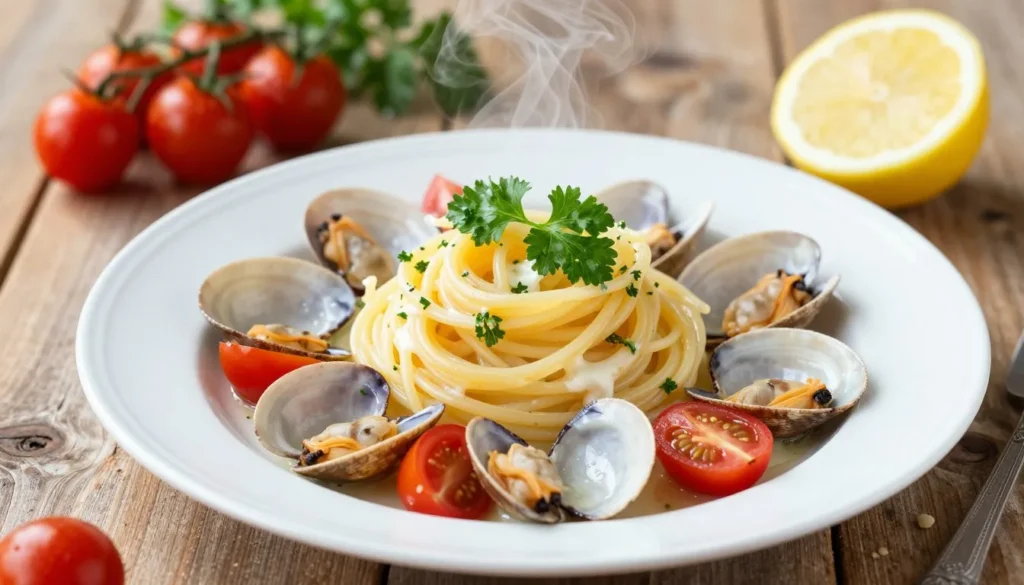
Pasta dishes reflect the sea and land bounty. Spaghetti alle vongole combines pasta with tiny local clams in white wine sauce. Scialatielli ai frutti di mare features a thick, handmade pasta shape tossed with mixed seafood. Gnocchi alla sorrentina bathes potato dumplings in tomato sauce with melted mozzarella. Portions tend to be hearty, so consider sharing if you want to sample multiple courses.
The aperitivo tradition thrives in Sorrento’s bars and cafes. Evening hours see locals gathering for pre-dinner drinks accompanied by small snacks. Spritz, prosecco, and craft cocktails flow alongside bowls of olives, chips, and small bites. Piazza Tasso and the streets leading from it host the liveliest aperitivo scene. This social ritual provides an excellent opportunity to people-watch and soak up the atmosphere.
Gelato shops line every major street, offering dozens of flavors. Look for signs indicating produzione propria or artigianale, which indicate house-made gelato using natural ingredients. Lemon, of course, stands out as a must-try flavor. Avoid shops displaying gelato in towering, artificially colored mounds, which signal industrial production. The best gelaterias keep their product stored in covered containers.
Limoncello production is a point of pride for many local families. This sweet liqueur made from lemon peel, alcohol, sugar, and water is served ice-cold after meals. Quality varies dramatically, with the best versions offering intense lemon aroma without harsh alcohol burn. Many shops offer tastings, and purchasing a bottle makes an excellent gift. The manufacturing process takes several weeks as the peels infuse the alcohol with essential oils.
Must-Try Dishes
- Gnocchi alla sorrentina
- Spaghetti alle vongole
- Pizza Margherita
- Ravioli capresi
- Delizia al limone
Local Specialties
- Limoncello liqueur
- Provolone del Monaco cheese
- Colatura di alici (anchovy sauce)
- Nocillo (walnut liqueur)
- Fresh mozzarella
Dining Tips
- Avoid restaurants with photos on menus
- Ask for the daily catch
- Share primi courses to try more
- Lunch menus offer better value
- Reserve for dinner in summer
Markets offer the chance to assemble picnic supplies or buy ingredients if staying in an apartment. The daily produce vendors set up near Piazza Lauro each morning. Here you’ll find seasonal fruits, vegetables, cheeses, and cured meats. The selection peaks during summer when local farms overflow with tomatoes, zucchini, and eggplant. Prices are reasonable, and vendors often offer samples.
Attractions, Sightseeing & Activities
Sorrento balances historic sites with natural beauty and modern amenities. The town serves as an ideal base for day trips while offering plenty to keep visitors engaged for several days. Walking the streets reveals layers of history from Greek settlement through medieval times to the present day.
Piazza Tasso
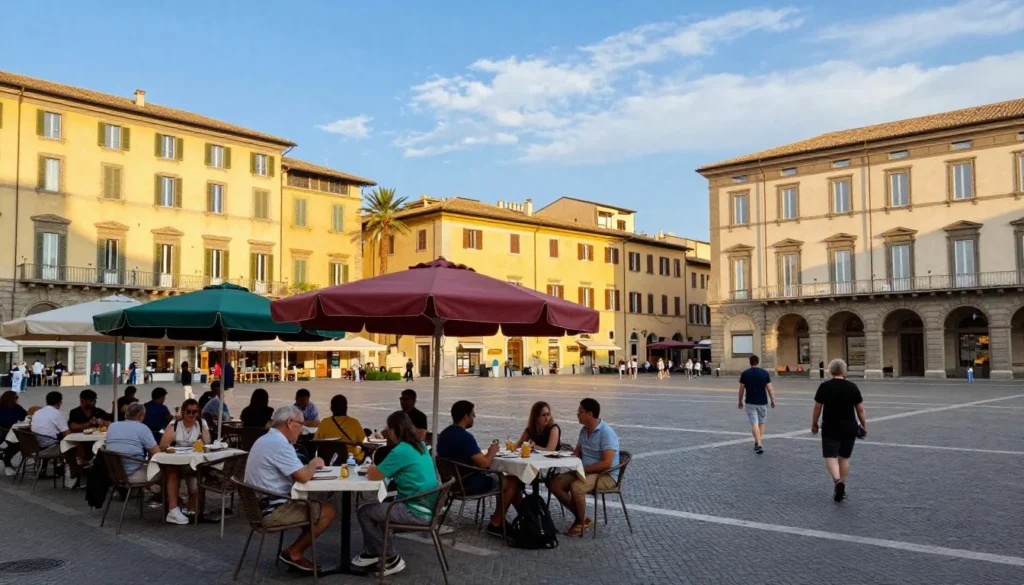
The heart of Sorrento beats in this central square named after the town’s most famous son, poet Torquato Tasso. Cafes ring the piazza, their outdoor tables filling with people throughout the day. The statue of Tasso watches over the scene from the square’s western end. This is the traditional meeting point for both locals and tourists, making it excellent for people-watching.
The square sits above a dramatic gorge, the Vallone dei Mulini, visible from a viewing platform at the piazza’s edge. This verdant valley once housed mills powered by a stream, their ruins now overtaken by vegetation. The view down into this unexpected green space in the middle of town surprises many visitors. The valley floor sits about 35 meters (115 feet) below street level.
Historic Center
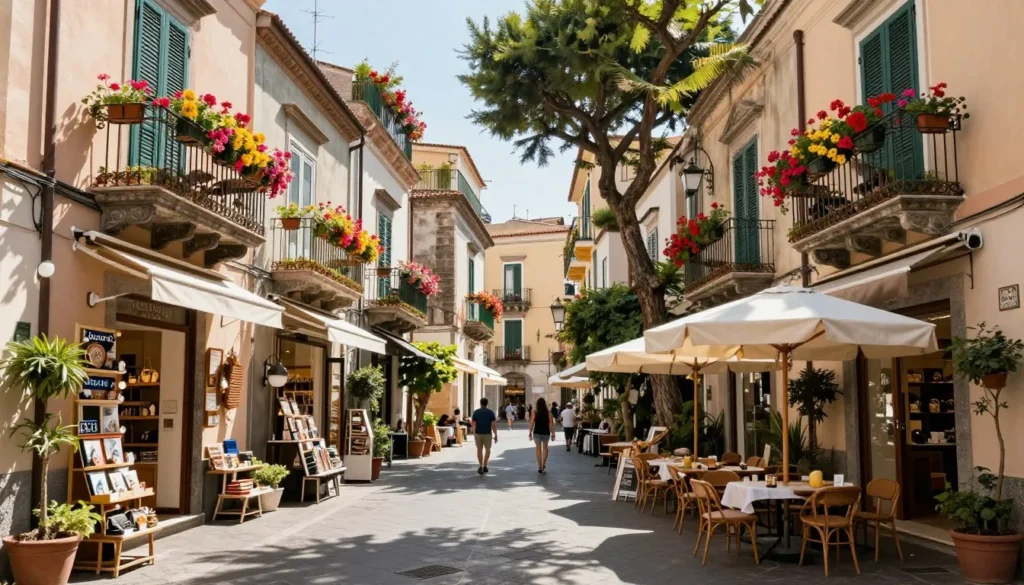
Narrow streets branch from Piazza Tasso into the old town, where buildings display centuries of architectural evolution. Shops occupy ground floors of ancient structures, selling everything from ceramics to leather goods to food products. The Via San Cesareo, a pedestrian street, forms the main shopping corridor. Here you’ll find reasonable prices on Italian-made goods alongside tourist souvenirs.
The Sedile Dominova stands out as an architectural curiosity. This 15th-century loggia once served as a meeting place for the town’s nobility. Its frescoed dome and majolica tiles create a small jewel of Renaissance art. The structure now houses a working men’s club, but visitors can admire the exterior and peek inside during open hours. The corner location makes it easy to spot while exploring the old town.
Vallone dei Mulini
This ancient ravine cuts through the heart of Sorrento, creating an unexpected natural wonder within the urban environment. The valley earned its name from the mills that once operated here, powered by the stream flowing through it. Today, the ruins of these mills stand abandoned, slowly being reclaimed by wild vegetation. The site has become famous for its post-apocalyptic atmosphere.
Several viewing points allow you to peer into the valley from above. The main overlook sits just off Piazza Tasso, while another can be found near Via Fuorimura. The lush greenery, crumbling stone structures, and vertical cliff faces create a scene that seems transported from another time. The valley floor remains largely inaccessible to the public, preserving its mysterious quality.
Churches and Religious Sites
Sorrento’s religious architecture spans centuries of artistic styles. The Cathedral of Sorrento, located in a side street off the main corso, features a neo-Gothic facade from the early 20th century. Inside, the church preserves elements from its earlier incarnations, including a beautiful marble altar and choir stalls with intricate inlay work. The building dates to the 15th century, though religious use of the site extends much further back.
The Church of San Francesco contains a charming 14th-century cloister that regularly hosts art exhibitions and summer concerts. The peaceful courtyard features a mix of architectural styles with Arabic-influenced arches. This small oasis of tranquility sits steps from the busy main streets. The adjacent Villa Comunale park offers stunning views over the Bay of Naples to Vesuvius.
Marina Grande
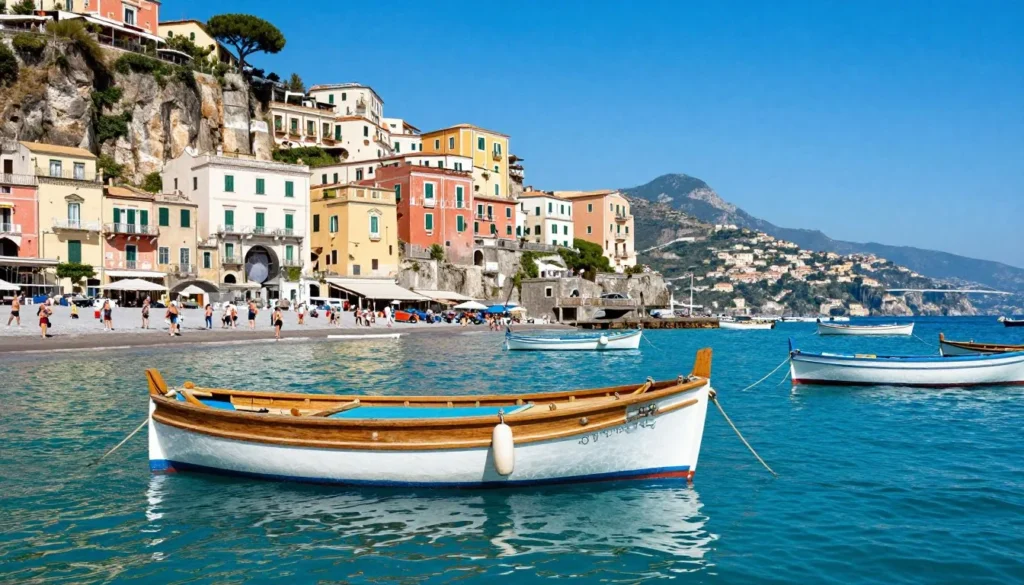
The old fishing village of Marina Grande preserves a slice of traditional life below the modern town. Colorful boats rest on the small beach, and waterfront restaurants serve the daily catch. The area retains authentic charm despite growing tourist attention. A steep path or local bus connects the marina to the town above, or you can take a more gradual route along Via Marina Grande.
Several small beaches occupy the marina area, though they consist of pebbles rather than sand. The water is remarkably clear, perfect for swimming during the warm months. Beach clubs rent umbrellas and chairs for those wanting organized facilities. The scene here feels more relaxed and local than Sorrento’s main tourist areas. Summer evenings bring a pleasant buzz as restaurants fill with diners.
Villa Comunale
This public park sits on the cliffs overlooking the bay, offering some of Sorrento’s finest views. Paths wind through gardens shaded by ancient trees, with benches perfectly positioned for admiring the panorama. The vista encompasses Naples, Mount Vesuvius, and the islands of the bay. Sunset transforms the scene into something magical as the light plays across the water.
The park includes a small terrace that extends out over the cliff, providing an even more dramatic vantage point. Street performers and musicians sometimes entertain in the evening hours. The space serves as a popular gathering spot for locals taking their evening passeggiata. The park sits adjacent to the Church of San Francesco, making it easy to combine visits.
Museums, Cultural Spots & Festivals
Sorrento’s cultural attractions may not match the scale of larger Italian cities, but they offer genuine insights into local history and artistic traditions. The town’s museums are manageable in size, perfect for visitors who want culture without marathon gallery sessions. Most can be explored in an hour or two, leaving time for other activities.
Museo Correale di Terranova
This elegant museum occupies an 18th-century villa surrounded by citrus gardens. The collection reflects the tastes of the aristocratic Correale family who donated their palace and possessions to the city. Rooms display Neapolitan paintings, decorative arts, ceramics, and furniture spanning several centuries. The quality of individual pieces impresses, particularly the collection of Capodimonte porcelain.
The museum’s setting rivals its contents, with terraces offering sweeping views of the bay. Gardens planted with lemon and orange trees provide a fragrant setting for a post-visit stroll. The villa itself represents a fine example of noble architecture from the period. Labels are primarily in Italian, but the visual appeal of the objects speaks across language barriers. A small admission fee includes access to all areas.
Museo Bottega della Tarsia Lignea
This specialized museum celebrates Sorrento’s tradition of intarsia, the art of inlaid wood. The craft reached its peak here in the 19th century, with local artisans creating furniture and decorative objects featuring intricate wood mosaic designs. The collection includes furniture, boxes, and decorative panels showcasing the technique’s evolution. You’ll learn about the different woods used and the painstaking process of creating these pieces.
The museum occupies rooms in the historic center near Piazza Tasso. Several artisan workshops in Sorrento still practice this traditional craft, and the museum helps visitors appreciate the skill involved. Some of the finest examples feature incredibly detailed scenes of local landscapes and daily life. The small scale makes this a quick visit, but one that enriches your understanding of local artisanship.

Archaeological Finds
Sorrento’s history extends to Greek and Roman times, though visible archaeological remains are limited compared to nearby sites. The town’s Villa Comunale area sits atop Roman villa foundations, and fragments of ancient structures can be spotted if you know where to look. The Museo Correale displays some artifacts from local excavations.
Serious archaeology enthusiasts will want to venture to Pompeii and Herculaneum, both easily reached by train from Sorrento. These remarkably preserved Roman towns provide unmatched insights into ancient daily life. Pompeii requires at least half a day to appreciate properly, while Herculaneum can be seen in a few hours. Both sites suffer from crowds during peak season, so early arrival is advisable.
Live Music and Performance
Summer brings regular concerts to Sorrento’s churches, cloisters, and outdoor venues. The Church of San Francesco’s cloister hosts classical music performances in an atmospheric setting. The quality varies from student recitals to professional touring musicians. Tickets are generally affordable and often available at the door. Check with the tourist office or look for posted announcements around town.
Traditional Neapolitan music remains popular in tourist-oriented venues. Several restaurants feature live mandolin players performing classic songs during dinner service. While geared toward visitors, these performances can be genuinely entertaining when done well. The music evokes the romantic image of southern Italy that draws many travelers to the region. Some bars also feature local bands, particularly during summer evenings.
Local Workshops and Demonstrations
Several businesses offer the chance to watch artisans at work or participate in hands-on experiences. Limoncello production demonstrates, often including tastings, take place at various shops. Some ceramics studios welcome visitors to observe the painting process. A few restaurants offer cooking classes where you can learn to make pasta, pizza, or traditional desserts. These experiences provide deeper engagement with local culture.
Nature & Outdoor Experiences
The Sorrento Peninsula’s dramatic landscape offers outdoor enthusiasts numerous ways to experience the region’s natural beauty. Coastal walks, mountain trails, and water activities take advantage of the area’s combination of sea and mountains. The Mediterranean climate means most outdoor activities are possible year-round, though summer heat can make midday hiking uncomfortable.
Path of the Gods
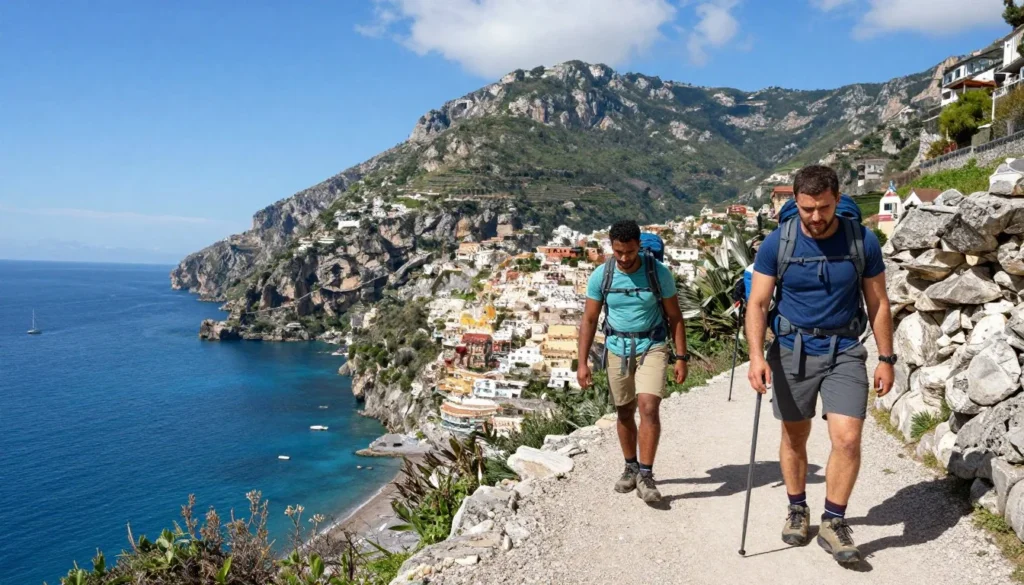
The Sentiero degli Dei ranks among Italy’s most spectacular hiking trails. This ancient path follows the ridgeline high above the Amalfi Coast, offering jaw-dropping views at every turn. The trail runs from Bomerano to Nocelle, covering about 8 kilometers (5 miles) with moderate difficulty. Most hikers complete it in 3-4 hours, though you’ll want to allow extra time for photos and simply soaking in the scenery.
The path winds through terraced hillsides, past abandoned stone houses, and along cliff edges hundreds of meters above the sea. On clear days, you can see Capri, the Gulf of Salerno, and the Amalfi Coast towns spread below. The trail’s name comes from local legends that the Greek gods once walked this route. Spring and fall provide the most comfortable hiking weather, as summer temperatures can be intense on the exposed sections.
Access to the trailhead requires planning. From Sorrento, take a bus to Agerola, then a local bus or taxi to the Bomerano starting point. The trail ends in Nocelle, a hamlet above Positano, from where you can descend via steep stairs or take a local bus. Some hikers choose to walk the path in reverse, starting from Nocelle and going uphill to Bomerano. This direction offers different perspectives and avoids the steep descent into Positano.
Coastal Walks
Several shorter walks explore the coast near Sorrento. The path from Sorrento to Massa Lubrense follows the coastline for about 9 kilometers (5.6 miles), passing through olive groves and small villages. The route offers sea views and a taste of rural life away from tourist areas. You’ll encounter few other walkers outside peak season. The path can be walked in either direction, with buses available for the return journey.
A pleasant walk connects Sorrento to Meta di Sorrento, the next town along the coast. This coastal promenade takes about 45 minutes each way, passing beaches and waterfront cafes. The flat, paved path works well for families or those wanting a gentle stroll. Evening walks are particularly pleasant as the sun sets over the water and locals come out for their passeggiata.
Swimming and Beaches
Sorrento’s beaches are modest compared to other Mediterranean destinations, but the water is clean and inviting during the warm months. Most beaches consist of pebbles or imported sand, and many are organized as private beach clubs. These clubs charge fees for umbrella and chair rental but provide facilities and services. Some have platforms built over rocks for easier water access.
Marina Grande offers the most authentic beach atmosphere close to the town center. The small sandy area is mixed with pebbles, and the water deepens quickly from shore. Several beach clubs operate here alongside free beach sections. The setting, with fishing boats pulled up on shore and colorful buildings behind, makes it picturesque despite limited space.
The beach at Meta di Sorrento, just east of town, provides more space and easier access. Local buses run regularly from Sorrento, making it simple to spend a beach day without needing a car. Facilities are good, with numerous beach clubs offering services. The beach is primarily pebbles, so water shoes make entry more comfortable. The water quality is excellent, typical of this stretch of coast.
Boat Excursions
Exploring the coast by boat reveals perspectives impossible to see from land. Various operators offer trips ranging from a few hours to full days. Popular options include cruises around the Sorrento Peninsula, visits to Capri, and tours along the Amalfi Coast. Some boats stop for swimming in secluded coves accessible only by sea. The turquoise water is particularly inviting on hot summer days.
Rental options include everything from small motorboats to kayaks. If you’re experienced with boats, renting gives you freedom to explore at your own pace. The coastline hides numerous small beaches and grottos worth discovering. However, be aware of boat traffic, especially during summer months, and always check weather conditions before setting out. Rental agencies provide maps and advice on where to go.
Sunset cruises offer a romantic way to end a day. Several operators run evening trips that include drinks and light snacks while you watch the sun sink behind the islands. The changing light transforms the coast’s colors, creating memorable photo opportunities. Some cruises feature live music or dinner, though these tend to be touristy. The experience is most magical on calm seas with clear skies.
Water Sports
Various water sports are available at organized beaches and water sports centers. Kayaking along the coast has grown popular, with several companies offering guided tours or rentals. Paddleboarding provides a good workout while enjoying the scenery. Diving and snorkeling opportunities exist, though the underwater environment is not as rich as some Mediterranean locations. The water’s clarity makes it pleasant for snorkeling, with some fish and rock formations to observe.
Safety Note: Always check weather forecasts before water activities. The sea can turn rough quickly, and currents can be strong in some areas. If renting boats or equipment, ensure you have adequate insurance coverage. Swimming is generally safe near organized beaches with lifeguards during summer months.
✓ Check 30,000+ Local Sightseeing Tours Worldwide
Travel With Children
Sorrento welcomes families, though the town’s hilly terrain and cobblestone streets present some challenges. Parents with strollers will find the uneven surfaces and frequent stairs difficult to navigate. Many restaurants and hotels accommodate children, though high chairs aren’t universally available. Italian culture embraces kids, so you’ll find locals friendly and patient with young travelers.
Beaches provide the easiest entertainment for children. The organized beach clubs at Marina Grande include facilities like changing rooms, showers, and snack bars. Kids can swim safely in the designated areas under lifeguard supervision during summer months. Building sandcastles, collecting shells, and playing in shallow water keep youngsters happy for hours. The calm bay waters are generally safer than open ocean beaches.

Gelato serves as a universal child-pleaser in Italy. Multiple daily gelato breaks become part of the vacation routine for many families. Let kids choose their flavors at the various gelaterias around town. The frequent stops also provide rest opportunities during walking tours. Most shops offer kid-friendly flavors beyond the exotic adult choices.
Boat trips capture children’s imagination while providing entertainment. The ferry ride to Capri or a coastal cruise offers changing scenery and the excitement of being on the water. Many tour boats have bathrooms and refreshments available. The relatively short duration of most trips works well for shorter attention spans. Watching for dolphins sometimes pays off with sightings.
Villa Comunale park offers space for kids to run around when urban exploring becomes tiresome. The gardens provide shade, and the views entertain while children burn energy. A playground area includes swings and climbing equipment, though it’s modest by American standards. The park’s central location makes it convenient for a break during sightseeing.
Pizza restaurants welcome families enthusiastically. Kids usually love Italian pizza, and the informal atmosphere of pizzerias suits family dining. Many restaurants serve early by Italian standards (around 7 PM), accommodating families with young children. Simpler dishes like plain pasta with butter or tomato sauce appear on most menus, providing options for picky eaters.
Day trips should be planned with children’s stamina in mind. Pompeii fascinates kids interested in history, but the vast site can be overwhelming. Consider a shorter visit focused on highlights like the amphitheater, House of the Faun, and plaster casts. Bring hats, sunscreen, and plenty of water, as shade is limited. A picnic lunch saves time and money while letting kids relax.
Apartment rentals work better than hotels for longer family stays. Having a kitchen, washing machine, and more space improves daily life with kids. Preparing breakfast and occasional meals saves money and accommodates dietary preferences. Local markets let you stock up on snacks, fruit, and drinks for day trips.
Transportation requires extra planning with children. The Circumvesuviana train gets extremely crowded, making travel with kids challenging. Consider hiring a private transfer for some trips, especially with luggage. Buses on the Amalfi Coast are not designed with families in mind. The winding roads can cause motion sickness, and there’s limited space for strollers.
Money Saving Tips
Sorrento can be expensive during peak season, but smart travelers find ways to reduce costs without sacrificing the experience. Timing your visit makes the biggest difference. Shoulder season months of April, May, September, and October offer significantly lower accommodation prices while maintaining pleasant weather and most services. Hotels may discount rates by 30-40% compared to summer peaks.
Eating like a local saves substantial money over tourist-oriented restaurants. Look for pizzerias and trattorias where locals dine, typically found on side streets rather than main squares. The menu turistico advertised in several languages usually signals average quality at inflated prices. Instead, order a primo (first course) as your main meal at lunch, when many restaurants offer better value than dinner.
Grocery stores and markets let you prepare some meals if staying in accommodations with kitchen facilities. Even hotel guests can assemble picnic lunches from local ingredients. Fresh bread, cheese, cured meats, fruits, and wine cost a fraction of restaurant prices. The daily produce market offers excellent quality at fair prices. Carrying snacks and water bottles prevents overpaying at tourist-area shops.
The free activities in Sorrento rival the paid attractions. Walking the historic center, relaxing in Villa Comunale park, watching sunsets, and browsing artisan workshops cost nothing. The town’s atmosphere and views provide much of the experience. Save paid admissions for truly worthwhile sites like Pompeii rather than mediocre museums. Church visits are almost always free during non-service hours.
Public transportation costs far less than taxis and private transfers. The Circumvesuviana train to Naples runs frequently at budget-friendly prices. Local buses serve the Amalfi Coast towns for a few euros per ride. Ferry tickets bought at the port office avoid service fees charged by hotels and travel agencies. Day passes for unlimited bus travel can save money if you’re doing multiple trips.
Budget Strategies
- Book accommodations directly with properties rather than through booking sites
- Take advantage of free hotel breakfast if included
- Drink coffee and eat breakfast standing at the bar for counter prices
- Buy limoncello and souvenirs at supermarkets instead of tourist shops
- Visit Pompeii on the first Sunday of the month for free admission
- Refill water bottles at public fountains throughout town
Costly Mistakes to Avoid
- Eating or drinking in Piazza Tasso restaurants with premium location charges
- Taking taxis for short distances easily walked
- Buying bottled water at tourist-area shops
- Purchasing guided tours from hotel concierges marking up prices
- Renting umbrellas at beach clubs all day instead of a few hours
- Dining anywhere displaying photos of food on the menu
Many hotels offer breakfast included in the room rate. Take full advantage of this, eating enough to carry you through lunch. Italian breakfast spreads typically include pastries, bread, cold cuts, cheese, yogurt, fruit, and unlimited coffee. If breakfast isn’t included, head to a local bar where a cappuccino and cornetto costs a couple of euros at the counter.
Aperitivo hour (typically 6-8 PM) provides an opportunity to eat inexpensively. Many bars offer substantial snacks with drink purchase. The spread can range from chips and olives to more filling options like pasta salads, focaccia, and cheese. For the price of one or two drinks, you might get enough food to replace dinner, or at least reduce it to a single course later.
Buying alcohol in stores rather than bars dramatically reduces costs. Wine, beer, and limoncello are inexpensive at supermarkets. Many accommodations permit you to bring drinks to common areas or balconies. A bottle of decent local wine costs less in a store than a single glass in a restaurant. Limoncello makes an economical after-dinner drink when purchased at retail prices.
Group size affects costs significantly. Couples or families can share dishes at meals, with Italian portions generally large enough for this approach. Rental properties become more economical per person with more occupants. Some tour operators offer group discounts. Taxis cost the same for one to four passengers, making sharing sensible.
Safety & Local Customs
Sorrento ranks as one of Italy’s safer destinations, with violent crime extremely rare. The main risks involve petty theft and scams targeting tourists. Basic precautions keep you safe while allowing you to enjoy your visit without excessive worry. Italian culture values personal connection and traditional courtesy, which shapes local interactions.
Pickpocketing occurs most frequently on crowded trains, buses, and in busy tourist areas. The Circumvesuviana train between Naples and Sorrento sees regular theft attempts. Keep valuables secured in front pockets or hidden money belts. Purses and backpacks should be kept in front of you in crowded spaces. Don’t display expensive jewelry, watches, or electronics unnecessarily. Thieves work in teams, with one creating a distraction while another takes your belongings.
Bag snatching from motorbikes happens occasionally in Naples but is rare in Sorrento itself. Walk on the inside of sidewalks with your bag away from the street. Restaurants tables near open doors or windows shouldn’t have phones or bags placed within easy reach. In beach clubs, don’t leave valuables unattended even briefly. Most clubs offer secure storage for a small fee.
Traffic presents more danger than crime in Sorrento. Narrow streets, aggressive driving, and limited sidewalks require constant attention. Scooters and small cars squeeze through impossibly tight spaces at surprising speeds. Cross streets carefully, making eye contact with drivers before stepping out. Coastal roads are especially dangerous for pedestrians, with limited shoulders and blind curves.
Emergency services function reliably in Sorrento. Dial 112 for general emergencies, which connects to appropriate services. The main hospital is located in nearby Vico Equense, about 10 minutes by car. For minor health issues, pharmacies provide excellent advice and many medications available only by prescription in other countries. Pharmacists speak at least basic English in tourist areas.
Italian social customs differ from Anglo-American norms in ways worth understanding. Greetings are more formal, with handshakes or cheek kisses depending on relationship. Address people with titles (Signore, Signora, Dottore) until invited to use first names. Please (per favore) and thank you (grazie) are expected in all interactions. Eye contact and physical proximity during conversation are more intense than Northern Europeans or Americans may find comfortable.

Dining customs follow specific patterns. Cappuccino is a morning drink, never consumed after 11 AM or with meals. Ordering it after lunch or dinner marks you as a tourist. Meals follow a traditional progression: antipasto, primo, secondo with contorno, dessert, coffee. You needn’t order every course, but understand the structure. Service is deliberately paced, allowing time to enjoy each course. Asking for the check requires requesting it explicitly; rushing diners is considered rude.
Restaurant service charges (coperto) appear on most bills, typically 1-3 euros per person. This covers bread and table setup. Tipping is less expected than in North America, with 5-10% for good service being generous. Many Italians simply round up the bill. Taxi fares should be agreed upon before departure for non-metered trips. The meter should start at the official base rate, not at a fare from a previous trip.
Dress codes are more formal than many tourists expect. Italians take pride in appearance, with casual-smart being minimum standard for dinner or evening activities. Shorts and flip-flops are acceptable during the day but look out of place in restaurants at night. Churches require modest dress: covered shoulders and knees for both genders. Some churches refuse entry to those dressed inappropriately.
Noise regulations mean quiet hours are enforced, particularly during afternoon riposo (2-4 PM) and after 10 PM. Loud conversations or music during these times draw complaints. Respect this when staying in residential areas or apartments. Many shops and businesses close during afternoon hours, reopening around 4 or 5 PM. Plan activities around these closures.
Beach etiquette includes several unwritten rules. Topless sunbathing is legally permitted but less common than in past decades. Smoking is allowed on most beaches, though awareness of others’ space is expected. Beach clubs assign specific umbrellas and chairs; don’t move to unoccupied spots without asking. Free beach areas get crowded early during summer, with locals claiming spots with towels at dawn.
Common Scams: Be wary of anyone offering unsolicited help with tickets, luggage, or directions. Some restaurants may bring unrequested items to your table, then charge for them. Always verify prices before ordering, especially for seafood sold by weight. Unofficial tour guides approach tourists at archaeological sites, offering services at inflated prices.
Visitor Comments About Sorrento
“Sorrento exceeded every expectation. The limoncello alone is worth the trip, but it’s the warm hospitality and stunning views that made our stay unforgettable. We spent hours just wandering the narrow streets, discovering small piazzas and family-run shops. The day trip to Capri from the port was seamless, and returning to Sorrento’s more relaxed atmosphere felt like coming home. Marina Grande captured our hearts with its authentic fishing village charm.”
– V.S., Uppsala
“As a base for exploring the Amalfi Coast, Sorrento can’t be beat. We took the bus to Positano and Amalfi, then retreated to Sorrento each evening where restaurants were more affordable and the crowds thinned out. The hotel staff helped us plan everything and shared recommendations that made the trip special. Walking the Path of the Gods was challenging but absolutely worth it for the views. Don’t skip the sunset from Villa Comunale park.”
– D.K., Little Rock
“Traveling with our two kids, we worried Sorrento might be too adult-oriented. We were pleasantly surprised by how welcoming everyone was to our family. The beaches at Marina Grande kept the children entertained while adults enjoyed the scenery. Pizzerias welcomed us for early dinners, and the gelato shops became daily highlights. The town is walkable enough that we rarely needed taxis. Our apartment rental gave us the space families need while staying centrally located.”
– T.V., Pasadena
Additional Nearby Destinations
Sorrento’s strategic location opens up extraordinary day trip possibilities throughout the Campania region. You can stand in Pompeii’s ancient streets, cruise to glamorous Capri, or wind along the spectacular Amalfi Coast, all returning to Sorrento by evening. These excursions transform a week-long stay into an exploration of southern Italy’s greatest hits.
Capri
The legendary island of Capri floats in the bay just 5 kilometers (3 miles) from the Sorrento coast. Ferries and faster hydrofoils make the crossing in 20-40 minutes, with frequent departures during tourist season. The island divides into two main towns: Capri town and Anacapri. Most visitors focus on Capri town with its famous Piazzetta, luxury shopping, and the stunning Gardens of Augustus.
The Blue Grotto ranks as Capri’s most famous natural wonder. This sea cave glows with otherworldly blue light created by sunlight filtering through underwater openings. Access requires transferring to small rowboats from the main boat, weather and tides permitting. The visit lasts only minutes but creates lasting memories. Many tours from Sorrento include the grotto, or you can arrange it independently from Capri’s marina.
Plan for a full day on Capri to properly experience the island. The funicular from Marina Grande whisks visitors up to Capri town. From there, you can explore on foot or take the bus to Anacapri. The chairlift to Monte Solaro provides spectacular views across the bay. Note that everything on Capri costs more than the mainland, from meals to transportation. The island’s beauty justifies the expense, but budget accordingly.
Pompeii and Herculaneum
The ash-preserved Roman cities of Pompeii and Herculaneum lie within easy reach via the Circumvesuviana train. Pompeii, the larger and more famous site, requires at least half a day to appreciate. The excavated area covers 66 hectares (163 acres), revealing houses, shops, temples, theaters, and public buildings frozen in 79 AD. Walking these streets where Romans lived 2,000 years ago creates powerful connections to the past.
Herculaneum suffered the same fate as Pompeii but remained better preserved due to the different nature of its burial. The site is smaller and more manageable, requiring 2-3 hours to explore thoroughly. Buildings retain upper floors, wooden elements, and even food preserved by the pyroclastic flow. The detail visible here exceeds Pompeii in many ways. Both sites offer audio guides and guided tours that bring the ruins to life through historical context.
Visit Pompeii or Herculaneum early in the day to avoid peak crowds and heat. Both sites offer minimal shade and can be brutally hot in summer. Wear comfortable walking shoes and bring water, sunscreen, and a hat. Entrance fees are modest, with free admission on the first Sunday of each month. Consider hiring a guide at the entrance for deeper understanding, though they’re not essential for a satisfying visit.
Amalfi Coast Towns
The dramatic Amalfi Coast stretches southeast from Sorrento, its cliffside villages cascading to the sea below. Positano, the coast’s poster child, drapes colorfully across a near-vertical hillside. The town’s beauty almost overwhelms, though the steep streets and stairs challenge mobility. Shopping is excellent but expensive, focusing on resort wear, ceramics, and artisanal products. Beaches are small and crowded but picture-perfect.
Amalfi town gives the coast its name, with a more substantial feel than smaller villages. The cathedral dominates the main piazza, its Arab-Norman architecture recalling the town’s maritime republic past. Amalfi offers better value dining than Positano and easier walking. The town serves as a hub for exploring surrounding areas, including the Valle dei Mulini with its ancient paper mills.
Ravello sits high above the coast road, offering respite from seaside crowds and car traffic. The town attracts visitors with its magnificent villas and gardens. Villa Rufolo and Villa Cimbrone both feature gardens with stunning coastal panoramas. Ravello hosts a famous music festival during summer months. The quieter atmosphere appeals to travelers seeking beauty without the beach scene intensity.
SITA buses connect Sorrento with Amalfi Coast towns, following the narrow coastal road’s hairpin turns. The scenic route takes longer than distances suggest, with 50 kilometers (31 miles) requiring 90+ minutes. Buses fill quickly during summer, with long waits common. Ferry services provide a less stressful alternative when running, though rough seas cause cancellations. Some travelers prefer hiring a private driver for more flexibility and comfort.
Naples
The regional capital Naples makes an excellent day trip for those wanting urban energy and world-class art. The Archaeological Museum houses the finest collections from Pompeii and Herculaneum, providing context for those sites. The historic center, a UNESCO World Heritage site, rewards exploration with Baroque churches, underground passages, and authentic street life. Pizza was born here, and sampling it at legendary pizzerias constitutes a pilgrimage for food lovers.
Naples requires a different approach than refined Sorrento. The city pulses with chaotic energy, grit, and authenticity that some travelers find overwhelming. Traffic is intense, streets can be rough, and pickpocketing is common. However, those willing to embrace the chaos discover incredible art, architecture, and food. The train from Sorrento reaches Naples in just over an hour, making it accessible for a full or half-day visit.
Practical Travel Tips
Success in Sorrento depends on understanding practical details that smooth daily travel. These tips address common questions and situations travelers encounter. Proper planning for money, communication, and logistics makes the difference between a good trip and a great one.
Money and Banking
Italy uses the euro, with coins in denominations of 1, 2, 5, 10, 20, and 50 cents plus 1 and 2 euros. Notes come in 5, 10, 20, 50, 100, 200, and 500 euro denominations, though many shops refuse 200 and 500 euro notes. ATMs are widely available and offer the best exchange rates. Notify your bank before traveling to avoid card blocks. Withdraw larger amounts less frequently to minimize ATM fees.
Credit cards are accepted at most hotels, restaurants, and larger shops, though smaller businesses may be cash-only. American Express has less acceptance than Visa and Mastercard. Always carry some cash for small purchases, tips, and emergencies. Some restaurants add surcharges for credit card use, though this practice is technically illegal.
Currency exchange offices exist but offer poor rates with high fees. Avoid them except for small amounts in emergencies. Hotels will exchange money but at even worse rates. Your bank’s ATM network provides the most economical option. Some U.S. banks reimburse foreign ATM fees, worth checking before your trip.
Communication and Technology
WiFi is standard in hotels, many restaurants, and some public spaces. Connection quality varies widely. Your accommodation will provide passwords, though signal strength may be weak in rooms. Internet cafes have largely disappeared, replaced by ubiquitous smartphones. Consider purchasing an Italian SIM card for data if staying longer than a few days. Major carriers sell tourist plans with good data allowances at reasonable prices.
U.S. and Canadian phones work in Italy on most carriers, but roaming charges can be extreme. Check your plan’s international options before departing. Many carriers offer temporary international packages. Alternatively, use WiFi for messaging apps like WhatsApp, which Italians favor over SMS. Free WiFi lets you stay connected without roaming charges.
Voltage in Italy is 230V at 50Hz, requiring adapters and potentially converters for U.S. devices. Most modern electronics (phones, laptops, cameras) handle voltage differences automatically and only need plug adapters. Hair dryers and other heating devices often require converters unless specifically dual-voltage. Purchase adapters before departure, as they’re more expensive in Italy.
Language Considerations
English is widely spoken in tourist areas, hotels, and restaurants catering to international visitors. However, learning basic Italian phrases shows respect and improves interactions. Simple greetings, please, thank you, and excuse me go a long way. Older Italians and those in less touristy areas may speak no English. Translation apps help bridge gaps when needed.
Restaurant menus often have English translations in tourist areas, though descriptions may be brief or oddly worded. Don’t hesitate to ask servers for explanations. Most are happy to describe dishes and make recommendations. Learning Italian food terminology helps you understand what you’re ordering and makes menu reading easier.
Health and Medical
No vaccinations are required for travel to Italy from most countries. Tap water is safe to drink throughout Sorrento, though many Italians prefer bottled water. Pharmacies (farmacie) are well-stocked and pharmacists are knowledgeable. They can recommend over-the-counter remedies for minor ailments. Many medications requiring prescriptions elsewhere are available over the counter in Italy.
Bring adequate supplies of any prescription medications you need, as obtaining prescriptions in Italy can be complicated for visitors. Carry medications in original containers with pharmacy labels. Copies of prescriptions help if you need refills. Travel insurance with medical coverage is strongly recommended, as U.S. insurance rarely covers treatment abroad. The European Health Insurance Card covers EU citizens.
Packing Recommendations
Pack light and focus on versatile clothing. Italian streets reward comfortable walking shoes broken in before your trip. Sandals work for warm weather but should have adequate support. Bring one outfit suitable for nicer restaurants and evening activities. A light sweater or jacket handles air-conditioned interiors and cool evenings, even in summer. Spring and fall require layers for varying temperatures.
Sunscreen, sunglasses, and a hat protect against intense Mediterranean sun. Bring any specific medications, toiletries, or products you can’t live without, though most items are available locally. A small daypack carries water, snacks, and essentials during excursions. Reusable water bottles save money and reduce plastic waste. Consider packing cubes for organization in luggage.
Essential Apps
- Google Maps for navigation
- Google Translate for language help
- WhatsApp for communication
- TripAdvisor for restaurant reviews
- Trainline for rail schedules
- Moovit for local bus routes
Useful Phrases
- Buongiorno (Good morning)
- Buonasera (Good evening)
- Per favore (Please)
- Grazie (Thank you)
- Scusi (Excuse me)
- Il conto, per favore (The check, please)
Shopping and Souvenirs
Sorrento is famous for intarsia wood products, ceramics, limoncello, and leather goods. Shop carefully as quality varies dramatically. Intarsia pieces should show fine detail with seamless joins between wood pieces. Avoid obviously mass-produced items sold in multiple shops. True artisan products cost more but last a lifetime. Several workshops welcome visitors to watch craftsmen at work.
✓ Check 30,000+ Local Sightseeing Tours Worldwide
Limoncello makes an excellent gift but choose carefully. Locally produced versions are sold in distinctive bottles at reasonable prices. Tourist shops mark up prices significantly. Supermarkets stock good limoncello at fair prices, though packaging is less gift-worthy. Some producers offer distillery tours and tastings. Remember liquid restrictions if carrying bottles in hand luggage.
Shop hours typically run 9 AM to 1 PM, then 4 PM to 8 PM, with variations by season and business. Many shops close Sunday and Monday mornings. Supermarkets maintain longer hours and open Sundays. August sees some businesses close for annual holidays. Bargaining is not customary in shops, though market vendors may negotiate on large purchases.
Photography Tips
Sorrento provides endless photo opportunities. The best light occurs during golden hour – early morning and late afternoon. Midday sun creates harsh shadows and washed-out colors. Sunrise sees fewer crowds at popular viewpoints. The view from Villa Comunale park works well for sunset shots over the bay. Bring a charged phone or camera, as photo opportunities appear constantly.
Churches and museums often prohibit photography or flash photography. Respect these rules, as they protect artwork and religious observances. Some sites charge photography fees. Always ask before photographing people, especially in religious contexts. The narrow streets and historic architecture of the old town create wonderful compositions.
Your Sorrento Adventure Awaits
Sorrento captures the essence of southern Italy in one magnificent clifftop package. From the moment you arrive, the combination of stunning natural beauty, rich history, delicious cuisine, and warm hospitality works its magic. Whether you’re sipping limoncello in a centuries-old piazza, exploring ancient ruins, cruising to Capri, or simply watching the sunset paint the Bay of Naples in golden light, Sorrento delivers experiences that linger long after you return home.
The town balances accessibility with authenticity, offering world-class sights and services while maintaining genuine Italian character. Its compact size means you can explore on foot, yet its strategic location opens up the entire Amalfi Coast, Pompeii, and Naples for easy day trips. This combination of convenience and beauty explains why Sorrento has enchanted travelers for centuries and continues to create new devotees every season.
Now armed with insider knowledge about when to visit, where to eat, what to see, and how to navigate like a local, you’re ready to craft your own Sorrento story. The town and surrounding region offer enough variety to satisfy every type of traveler, from beach lovers to history buffs, food enthusiasts to adventure seekers. Your perfect Italian escape awaits on these legendary shores, where the Sirens once sang and travelers still fall under the spell of la dolce vita.