Hotels by Trip.com
Flights by Trip.com
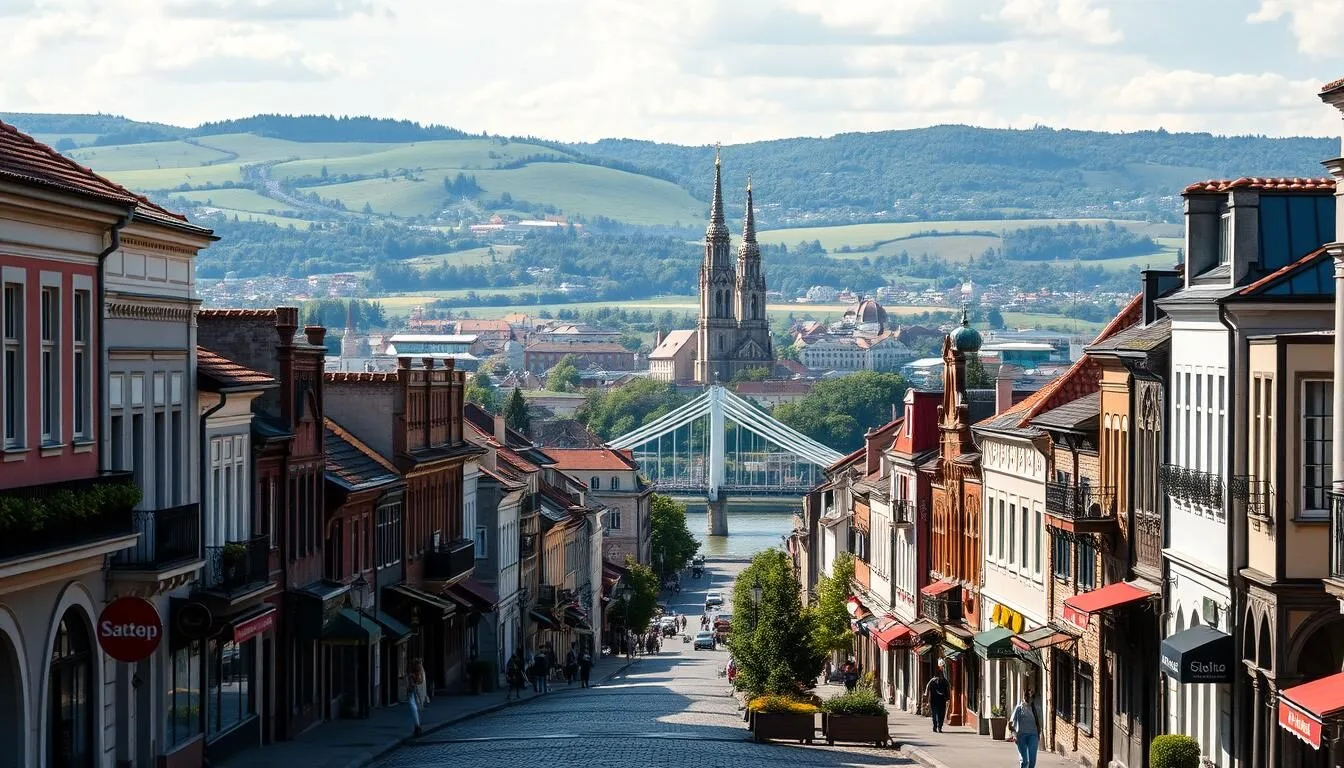
Here’s something that might surprise you: Vilnius boasts one of Europe’s largest surviving medieval old towns, covering nearly 360 hectares with over 1,500 buildings spanning Gothic, Renaissance, Baroque, and Neoclassical styles. The city draws its name from the Vilnia River, a tributary that winds through the capital and captured the imagination of Grand Duke Gediminas in the 14th century.
Lithuania’s capital offers visitors an authentic Eastern European experience without the overwhelming crowds found in Western cities. This guide walks you through everything from arrival to departure.
Cobblestone streets lead past centuries-old churches. Modern art installations surprise around every corner. The city blends history with contemporary culture in ways that feel natural rather than forced.
Getting There and Planning Your Journey
Vilnius International Airport (VNO) serves as the main gateway to the city. Located just 6 km (3.7 miles) south of the center, this airport connects to major European hubs through carriers like Ryanair, Wizz Air, and LOT Polish Airlines.
The airport offers several transport options to reach the city. Public buses 1 and 2 run every 20 minutes during the day. A ticket costs around €1 and the journey takes 15 minutes.
Taxis wait outside the arrivals hall. Expect to pay €10-15 for the trip to the center. Ride-sharing apps like Bolt operate throughout the city and often cost less than traditional taxis.
Alternative Airports
Kaunas International Airport (KUN) sits 100 km (62 miles) west of Vilnius. Some budget airlines use this airport as an alternative. Buses connect Kaunas to Vilnius every hour, taking about 90 minutes.
Arriving by Train
Rail connections link Vilnius to neighboring countries. The train station sits on the southern edge of the old town. Services arrive from Warsaw, Minsk, and Moscow. The journey from Warsaw takes about eight hours.
Planning Your Trip Length
Most visitors spend three to four days exploring Vilnius. This allows time to see major attractions without rushing. Add extra days if you plan to explore nearby destinations or dive deeper into museums.
Best Time to Visit Vilnius and Weather Tips
Each season brings distinct experiences to Lithuania’s capital. Your ideal visit depends on what you value most: warm weather, fewer crowds, or special events.
Recommended Months and Seasons
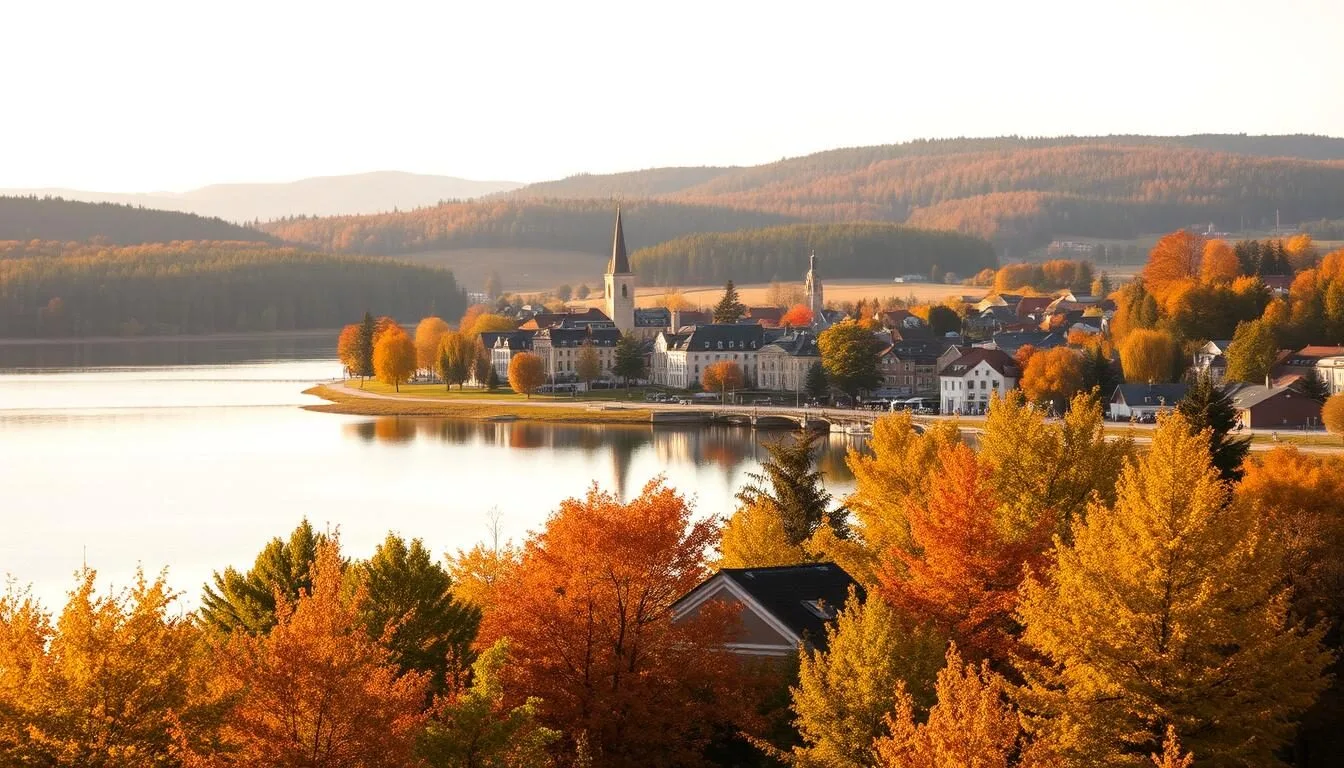
Late spring (May-June) and early autumn (September-October) offer the best combination of pleasant weather and manageable crowds. Temperatures range from 15°C to 22°C (59°F to 72°F) during these months. The city comes alive with outdoor cafes and street life.
Summer months (July-August) bring peak tourist season. Expect temperatures around 20°C to 26°C (68°F to 80°F). Days are long with sunset past 10 PM. All attractions operate on extended hours. Prices for accommodation rise during this period.
Winter (December-February) transforms the city into a snowy wonderland. Temperatures drop to -5°C to -10°C (23°F to 14°F). Christmas markets fill Cathedral Square. Many locals embrace the cold for winter sports. Pack warm layers if you visit during these months.
Check 30,000+ Local Sightseeing Tours Worldwide
✓ Numerous languages and currencies are available
Months to Avoid
March and November present challenging weather conditions. Rain falls frequently and temperatures hover around freezing. Streets become slushy. Many attractions reduce their hours. These shoulder months offer lower prices but less pleasant exploration conditions.
Weather Preparation
The Baltic climate brings unpredictable weather year-round. Carry a light rain jacket even in summer. Layers work better than single heavy coats. Comfortable walking shoes suit the cobblestone streets better than fashion footwear.
Notable Annual Festivals
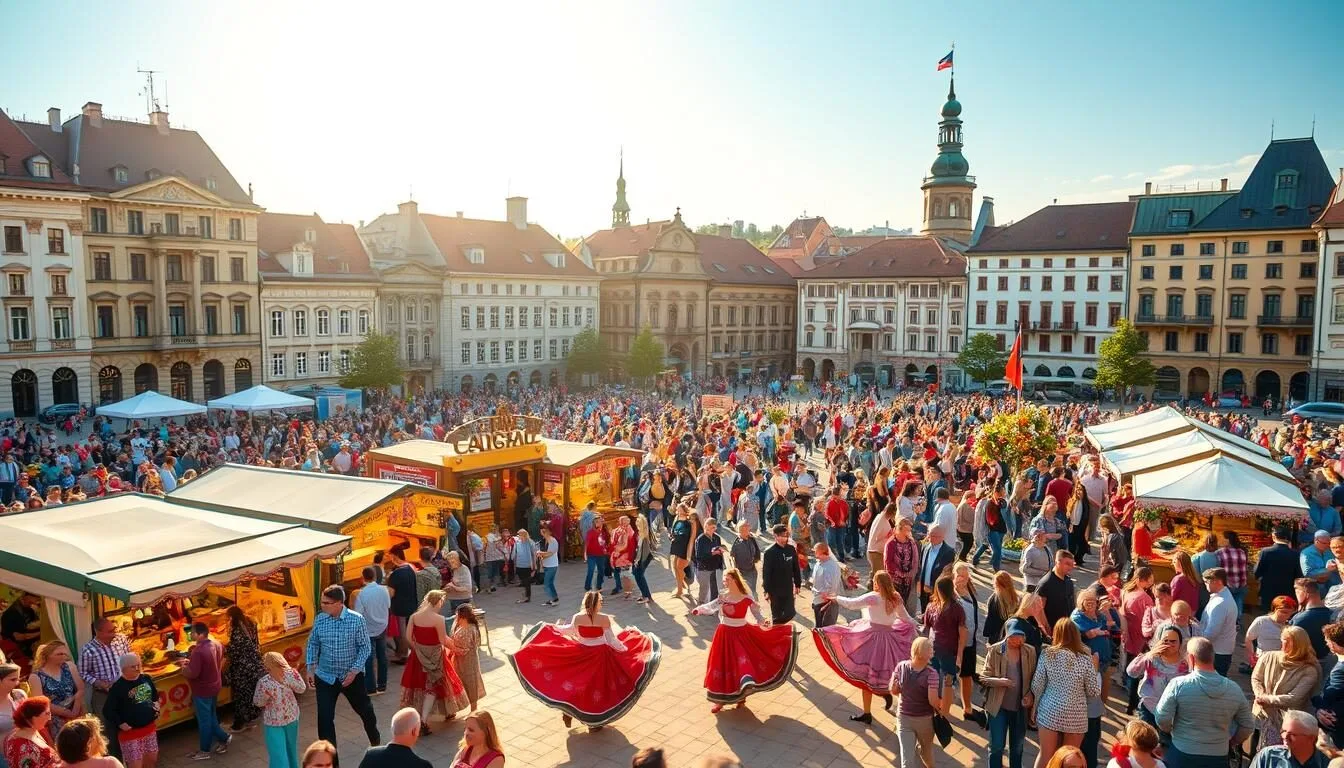
Vilnius hosts numerous festivals throughout the year. These events showcase local culture and attract visitors from across Europe.
Vilnius Festival
This classical music event takes place each June. International orchestras and soloists perform in historic venues across the old town. The festival runs for three weeks with daily concerts.
Užgavėnės
Lithuania’s version of Mardi Gras happens in February. People wear masks and costumes to mark the end of winter. Traditional pancakes are eaten throughout the day. The main celebration occurs in the old town with parades and performances.
Street Music Day
Every May, musicians fill the streets with free performances. The event celebrates diverse musical styles from classical to experimental. Over 200 performances happen simultaneously across the city center.
Christmas Market
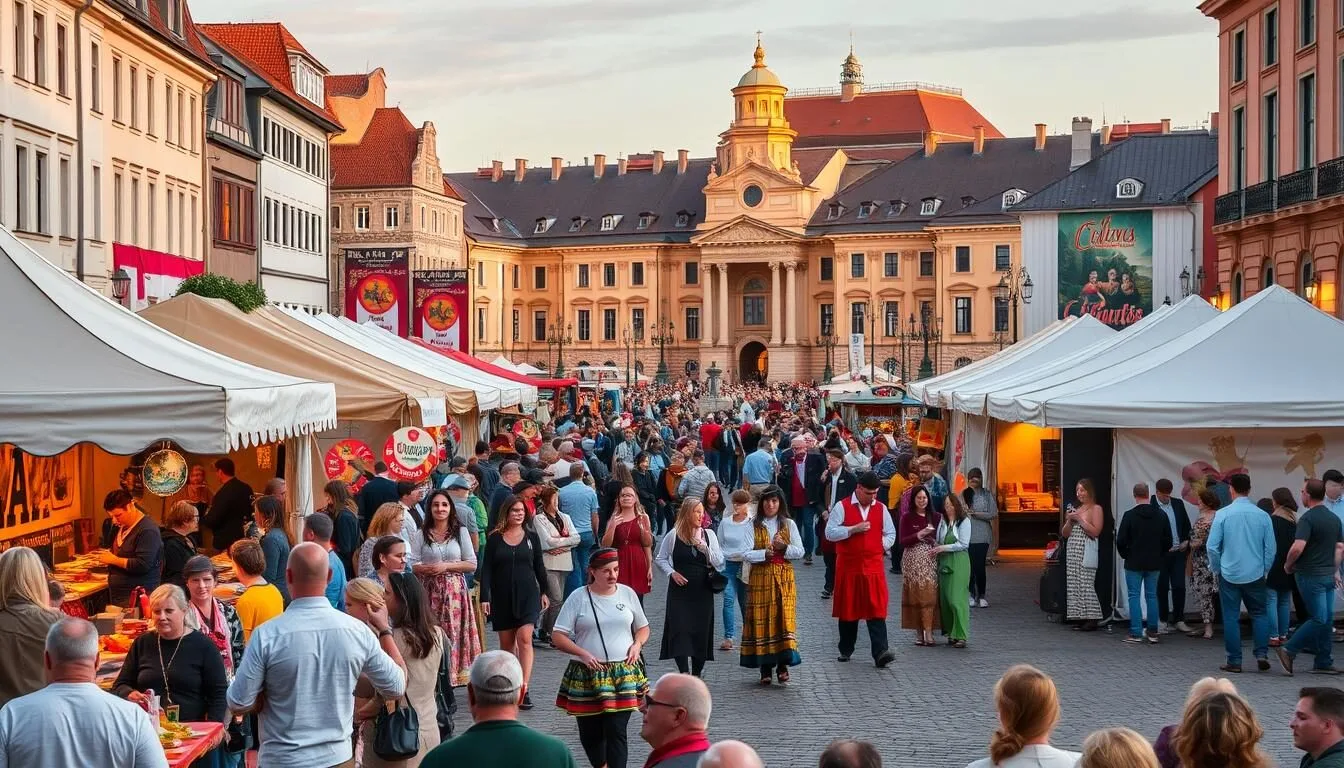
Cathedral Square transforms into a festive market from late November through early January. Vendors sell traditional crafts and seasonal food. The smell of mulled wine and roasted chestnuts fills the air. A large Christmas tree serves as the centerpiece.
Vilnius City Fiesta
September brings this multi-day celebration of Vilnius culture. Concerts, theater performances, and art exhibitions spread throughout the city. Many events are free to attend. The festival culminates with a massive outdoor concert in Cathedral Square.
Getting Around Locally
Vilnius offers multiple ways to navigate the city. The compact old town center allows easy walking between major sites.
Walking
Most attractions cluster within a 2 km (1.2 mile) radius. Walking remains the best way to appreciate the architecture and discover hidden courtyards. Good shoes make a difference on cobblestone streets. The city feels safe for pedestrians day and night.
Public Transportation
Buses and trolleybuses cover the entire city. A single ticket costs €1 when purchased from the driver or €0.65 through the Vilnius GO app. Day passes offer unlimited travel for €5. Services run from 5 AM to midnight on most routes.
The transportation system uses a simple zone system. Zone 1 covers the city center and most tourist areas. Tickets must be validated immediately upon boarding.
Cycling
Bike lanes connect major districts. The Cyclocity bike-sharing program operates from April through November. Register through their app to unlock bikes from stations throughout the city. The first 30 minutes are free, then €1 per additional 30 minutes.
Taxis and Ride-Sharing
Bolt and Uber serve Vilnius with competitive rates. A typical ride across the city center costs €5-8. Traditional taxis charge more, especially if hailed on the street. Always confirm the fare before starting your journey.
Where to Stay
Accommodation options suit every budget in Vilnius. Location matters more than in larger cities due to the walkable old town.
Old Town Hotels
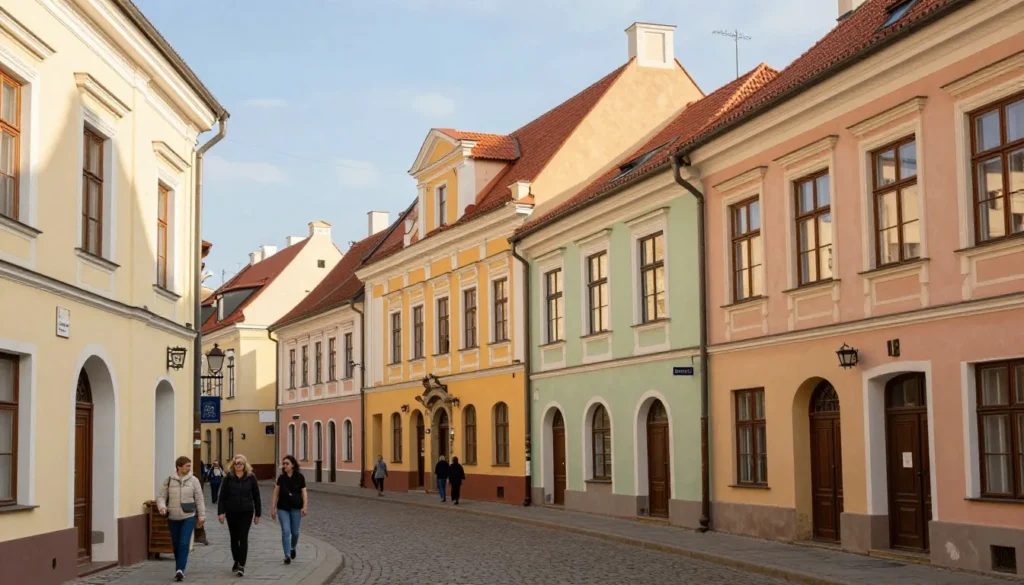
Staying in the old town puts you within walking distance of major attractions. Historic buildings have been converted into boutique hotels. Expect to pay €80-150 per night for mid-range options. These hotels often occupy buildings from the 16th or 17th century.
Room sizes tend to be smaller in old town properties. Steep stairs are common due to historic building restrictions. The atmosphere and location compensate for any space limitations.
New Town Apartments
Modern apartments in the new town offer more space for less money. Prices start around €50 per night for a one-bedroom unit. Supermarkets and local restaurants are more prevalent in these areas. A 15-minute walk or short bus ride connects you to the old town.
Budget Hostels
Hostels cluster in the old town and provide beds from €15-25 per night. Many offer private rooms alongside dormitories. Common spaces encourage social interaction between travelers. Most include breakfast and free walking tours.
Neighborhoods to Consider
Užupis appeals to artistic travelers. This bohemian district feels separate from the main tourist areas. Žvėrynas offers a residential feel with parks and local cafes. Šnipiškės on the north side of the river provides modern hotels with city views at lower prices.
Dining and Local Cuisine
Lithuanian food emphasizes hearty ingredients that sustained people through harsh winters. The cuisine won’t win awards for lightness but delivers satisfaction and authentic flavor.
Traditional Dishes to Try
Cepelinai, potato dumplings shaped like zeppelins, stand as Lithuania’s national dish. These massive dumplings are stuffed with meat and served with sour cream and bacon bits. One order usually provides a complete meal.
Šaltibarščiai, cold beet soup, appears on every menu during summer. The bright pink color comes from beets, while kefir provides the base. Boiled potatoes and dill complete the dish. This soup refreshes on warm days.
Kibinai, pastries filled with meat, originated from the Karaite community. These boat-shaped pockets make excellent street food. Lamb or beef filling are most common. The bakery Senoji Kibininė in Užupis specializes in traditional versions.
Where to Eat
Lokys has served game dishes since 1972. Located in a 15th-century cellar, this restaurant offers bear, elk, and wild boar alongside traditional Lithuanian fare. The medieval atmosphere enhances the dining experience.
Ertlio Namas recreates recipes from the Grand Dukes’ kitchens. This upscale establishment in the old town serves historic dishes with modern presentation. The tasting menu provides an excellent introduction to refined Lithuanian cuisine.
For casual dining, head to Gusto Blynine. This chain serves traditional pancakes with various fillings. Prices remain budget-friendly with most dishes under €8. Multiple locations make it convenient to find.
Cafes and Coffee Culture
Coffee culture has exploded in recent years. Taste Map Coffee Roasters leads the specialty coffee scene. Their location near the town hall offers excellent espresso and pour-over options. The staff takes time to explain their single-origin selections.
Croissant Neustadt serves outstanding pastries in a cozy space. Arrive early as popular items sell out by midday. Their cardamom buns pair perfectly with morning coffee.
Markets and Street Food
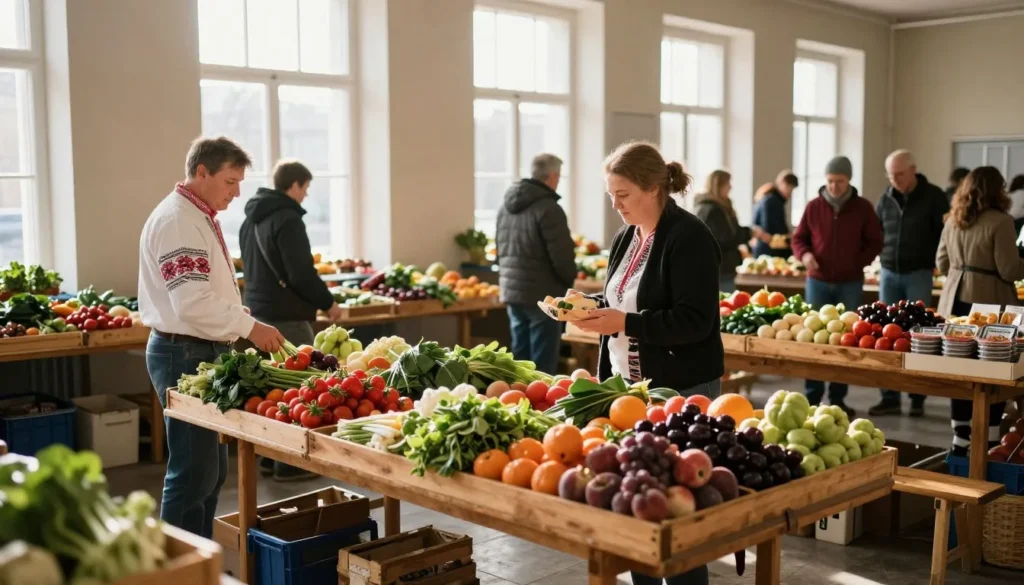
Halės Market brings together food vendors under one roof. The historic market hall dates to 1906. Stalls sell fresh produce, meats, and prepared foods. Upstairs restaurants serve lunch with ingredients sourced from downstairs vendors.

Attractions, Sightseeing and Activities
Vilnius packs remarkable sights into a compact area. Most attractions are within easy walking distance of each other.
Cathedral Square and Cathedral Basilica
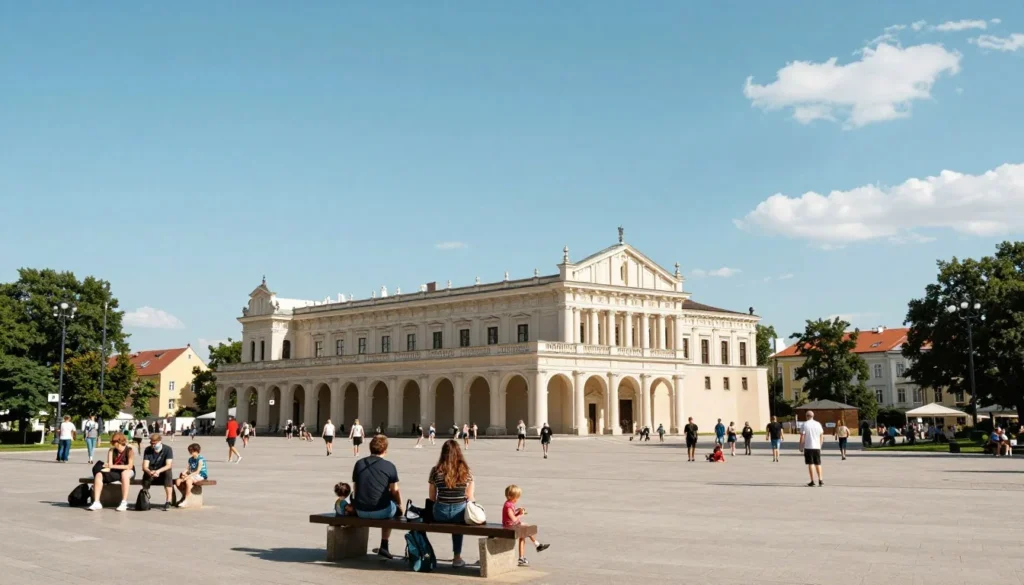
This expansive square serves as the heart of Vilnius. The white neoclassical cathedral anchors the space. A separate bell tower stands 57 meters (187 feet) tall. Locals believe standing on the “Stebuklas” (miracle) tile and spinning brings good luck.
The cathedral interior features chapels from different periods. The Chapel of St Casimir showcases baroque splendor with elaborate stucco work. Crypts beneath hold the remains of grand dukes and nobles. Entry is free, though donations are appreciated.
Gediminas Castle Tower
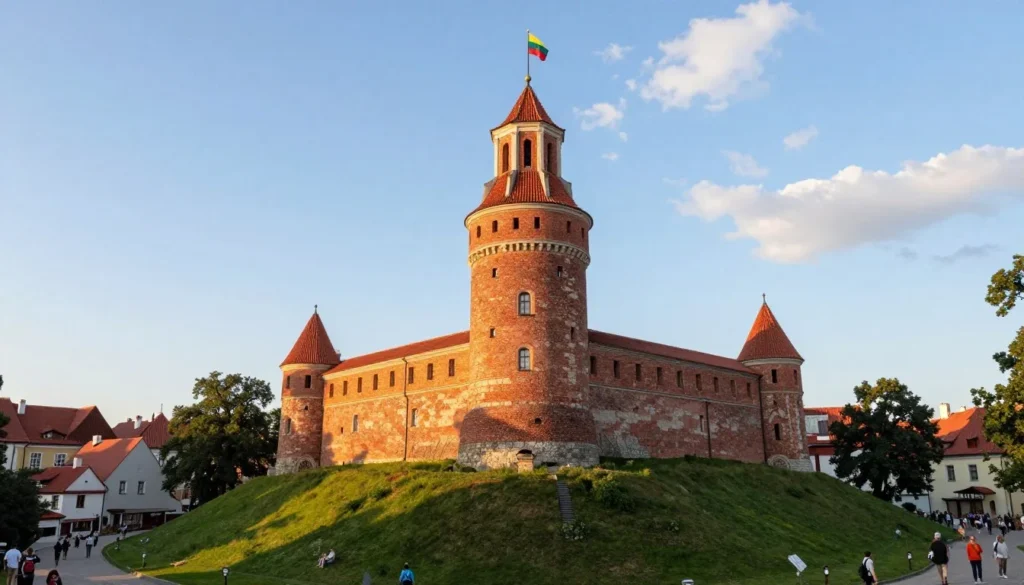
The remaining tower of Upper Castle crowns Gediminas Hill. A steep path or funicular brings you to the top. The climb takes about 15 minutes on foot. Views stretch across the old town and beyond.
Inside the tower, a museum displays artifacts from the castle’s history. The observation deck provides the city’s best panoramic view. Arrive before sunset for golden hour photography opportunities.
Hours: April-September 10 AM-9 PM, October-March 10 AM-6 PM. Admission: €5 adults, €2 students.
Užupis District
This self-declared “Republic of Užupis” celebrates artistic freedom and bohemian values. Artists founded the independent republic on April 1, 1997. The constitution, posted on Paupio Street in multiple languages, includes rights like “Everyone has the right to be happy” and “A cat has the right to love, but not to impose its love on others.”
Galleries and studios fill the narrow streets. The Užupis Art Incubator showcases contemporary work. Bronze sculptures appear unexpectedly throughout the neighborhood. Cross the bridge over Vilnia River to enter this creative space.
Gate of Dawn
This gate remains the only surviving entrance from the original city wall. Built in the 16th century, it houses a chapel with a revered painting of the Virgin Mary. Pilgrims from across Europe visit to pray before the icon.
The narrow passage creates an intimate atmosphere. Natural light illuminates the painting at certain times of day. Visit early morning or late afternoon to avoid tour groups.
Presidential Palace
The neoclassical palace serves as the official residence of Lithuania’s president. The building played various roles throughout history, from bishop’s residence to Soviet administration. A flag ceremony occurs daily when the president is in residence.
Free guided tours run on weekends by reservation. These provide access to state rooms and gardens normally closed to the public. Book several weeks in advance through the palace website.
Museums, Cultural Spots and Festivals
Museums in Vilnius range from somber historical sites to quirky collections. The city’s compact layout makes museum-hopping easy.
Museum of Occupations and Freedom Fights
This museum occupies the former KGB headquarters. Exhibits document Soviet and Nazi occupations. The basement contains preserved KGB cells and execution chambers. The experience is emotionally intense but essential for understanding Lithuanian history.
Audio guides provide detailed context in multiple languages. Plan at least two hours to properly explore the exhibits. The museum takes a clear stance on the occupation period rather than presenting neutral history.
Hours: Tuesday-Sunday 10 AM-6 PM. Admission: €6 adults, €3 students.
National Museum of Lithuania
The New Arsenal building houses permanent exhibits covering Lithuanian history from prehistoric times through independence. The Grand Dukes collection displays artifacts from the medieval state’s golden age. Interactive displays engage younger visitors.
The Old Arsenal focuses on archaeology and ethnography. Traditional costumes, weapons, and tools provide insight into daily life across centuries. Combined tickets cover both buildings at a discount.
Hours: Tuesday-Sunday 10 AM-6 PM. Admission: €4 adults, €2 students.
MO Museum
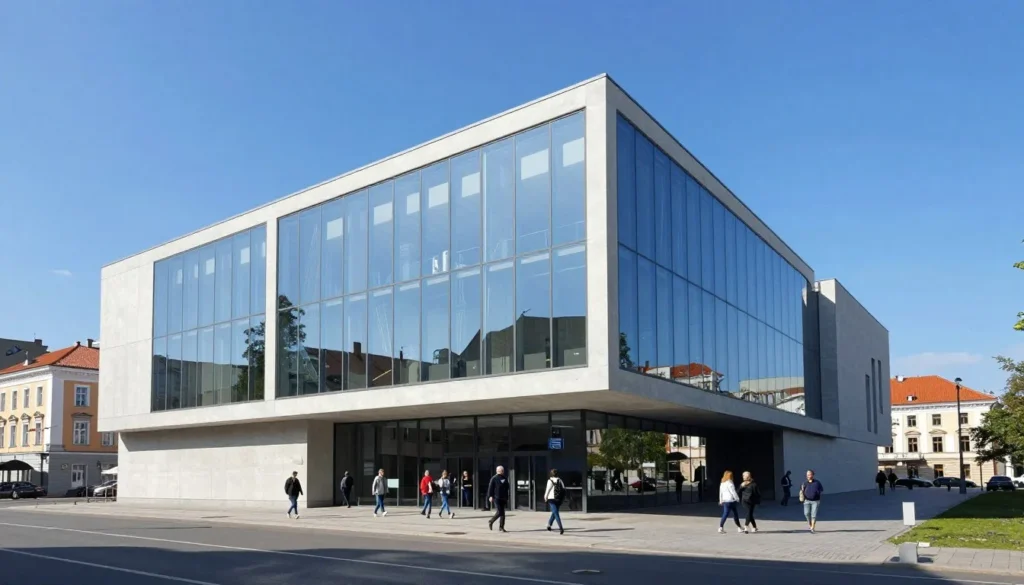
This contemporary art museum opened in 2018. The collection spans Lithuanian art from 1960 to present day. The modern building contrasts with old town architecture. Rotating exhibitions showcase international contemporary artists alongside Lithuanian talent.
The rooftop terrace offers free access and provides excellent city views. A museum cafe serves light meals with outdoor seating in warm weather. Wednesday evenings feature extended hours until 8 PM.
Hours: Tuesday-Sunday 10 AM-7 PM. Admission: €7 adults, €3.50 students.
Vilnius Picture Gallery
Located in a Baroque palace, this gallery displays European art from the 16th to early 20th century. The collection includes paintings, sculptures, and decorative arts. Dutch and Flemish masters are well represented. The palace interiors showcase period furnishings and architectural details.
Hours: Tuesday-Saturday 11 AM-6 PM, Sunday 11 AM-4 PM. Admission: €3 adults, €1.50 students.
Devil’s Museum
This quirky museum displays over 3,000 devil figures and carvings. The collection started as one man’s hobby. Figures range from traditional folk art to satirical political pieces. The building itself dates to the 17th century.
Hours: Tuesday-Saturday 11 AM-6 PM. Admission: €1.50 adults.
Vilnius Pass Savings
The Vilnius Pass provides free entry to many museums and attractions. The card includes public transportation and discounts at restaurants. A 24-hour pass costs €28, while a 72-hour version runs €45. Calculate if the pass makes sense based on your planned activities.
Nature and Outdoor Experiences
Green spaces provide escape from urban exploration. Parks and natural areas surround the city center.
Vingis Park
This expansive park covers 162 hectares (400 acres) along the Neris River. Pine forests provide shade on hot days. Paved paths work for running, cycling, and rollerblading. The park hosts major concerts and festivals during summer.
An open-air amphitheater accommodates 20,000 people for performances. Rent bikes at the entrance during peak season. The park connects to longer cycling routes following the river.
Bernardine Gardens
These formal gardens sit at the foot of Gediminas Hill. Originally part of a monastery, the space now serves as a public park. Flower beds bloom from spring through autumn. Paths wind past fountains and sculptures.
The gardens provide a quiet respite steps from the old town bustle. Benches offer spots to rest between sightseeing. Local people use the space for morning exercise and evening walks.
Three Crosses Monument
This hilltop monument commemorates Franciscan monks killed in the 14th century. The current white concrete crosses date to 1989. The real draw is the panoramic view of Vilnius spread below.
A 20-minute walk from the old town reaches the monument. The path climbs steadily but isn’t overly strenuous. Sunset attracts photographers and couples. The view encompasses the old town, river, and modern districts.
Neris River Activities
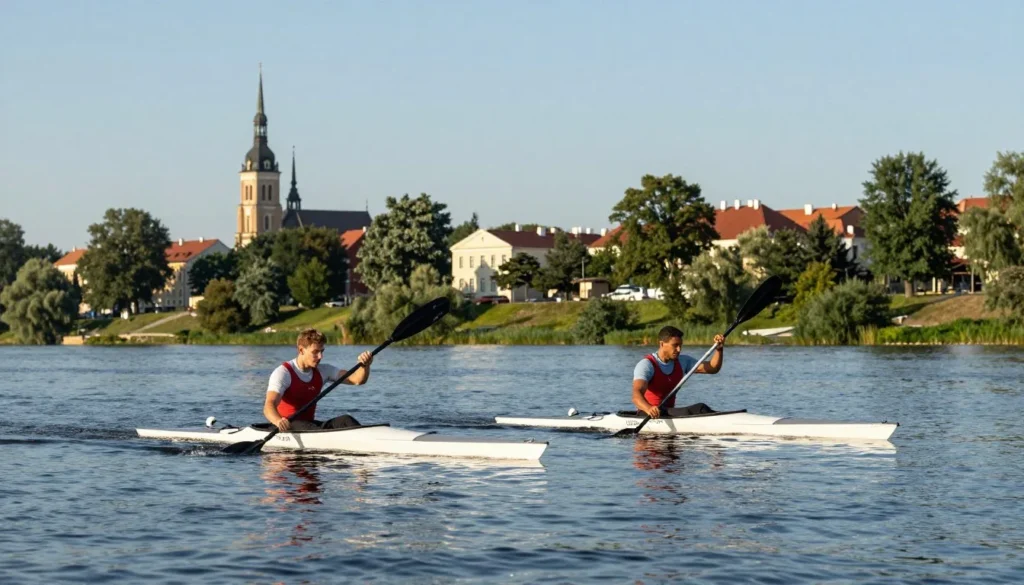
Kayaking and stand-up paddleboarding operate on the Neris from May through September. Rental stations provide equipment and brief instruction. Paddling upstream toward the suburbs offers a different perspective on the city.
The river current remains gentle enough for beginners. A two-hour rental costs around €15 for a kayak. Life jackets are included. Most people paddle downstream for an hour before returning.
Pavilniai Regional Park
This protected area begins just 5 km (3 miles) from the city center. Hiking trails wind through forests and past karst formations. The Pūčkoriai exposure, a geological outcrop, reveals 380-million-year-old rock layers.
Bus 34 runs from the old town to park entrances. Trail maps are posted at main access points. The park provides a taste of Lithuanian nature without traveling far from the city.
Travel With Children
Vilnius welcomes families with age-appropriate attractions scattered throughout the city. The compact size prevents excessive walking that tires young legs.
Energy and Science Centre
This interactive museum makes science accessible through hands-on exhibits. Children experiment with electricity, magnetism, and mechanics. The planetarium shows films about space exploration. Most exhibits work for ages 5 and up.
Check 30,000+ Local Sightseeing Tours Worldwide
✓ Numerous languages and currencies are available
The center sits in the Žvėrynas neighborhood, requiring a bus or taxi from the old town. Plan two to three hours for a thorough visit. The cafe serves kid-friendly meals.
Hours: Tuesday-Sunday 10 AM-7 PM. Admission: €8 adults, €6 children.
Toy Museum
Located in the old town, this small museum displays toys from different eras. Soviet-era toys fascinate parents while entertaining children. Interactive elements allow hands-on play. The visit takes about an hour.
Hours: Tuesday-Saturday 11 AM-6 PM, Sunday 11 AM-4 PM. Admission: €2 adults, €1 children.
Aqua Park Vichy
This water park provides indoor fun regardless of weather. Slides range from gentle to thrilling. A wave pool and lazy river appeal to various ages. The complex includes saunas and spa facilities for parents.
Located in Lazdynai district, about 6 km (3.7 miles) from the center. Take bus 6 or drive. All-day passes cost €20 adults, €16 children. Arrive early on weekends to avoid crowds.
Gediminas Tower for Young Explorers
The tower and hill appeal to adventurous children. The climb feels like an expedition. Views from the top reward the effort. Medieval armor displays inside capture imagination. The funicular provides an alternative if climbing proves too challenging.
Family-Friendly Restaurants
Many restaurants welcome children with dedicated menus. Gusto Blynine serves pancakes that please picky eaters. Outdoor cafes in Cathedral Square provide space for children to move between courses. Most establishments provide high chairs upon request.
Money Saving Tips
Vilnius ranks among Europe’s more affordable capitals. Strategic choices stretch your budget further.
Accommodation Strategies
Book apartments instead of hotels for stays longer than three days. Self-catering saves money on meals. Staying outside the old town reduces costs by 30-40 percent with minimal inconvenience.
Visit during shoulder seasons (May-June, September-October) for lower hotel rates. Many properties offer discounts for direct bookings compared to third-party sites.
Dining on a Budget
Lunch specials at restaurants cost half the dinner price for similar dishes. Take advantage of these between noon and 3 PM. Markets like Halės offer prepared foods at lower prices than restaurants.
Supermarkets stock local products for picnic supplies. Grab bread, cheese, and smoked meats for lunches in parks. Water from taps is safe to drink, eliminating bottled water expenses.
Free Attractions
Walking the old town costs nothing but reveals centuries of architecture. Užupis exploration is free. Cathedral Square and church exteriors provide photo opportunities without admission fees.
Many museums offer free entry one day per month. Check individual websites for schedules. Parks and outdoor spaces never charge admission.
Transportation Savings
Walking covers most tourist areas. Use the Vilnius GO app for public transit to save 35 percent compared to buying tickets from drivers. A day pass makes sense if you plan more than five trips.
Bike sharing provides the cheapest motorized transport. The first 30 minutes are free with each rental. Chain short trips together to maximize free time.
Activity Discounts
Student and senior cards reduce museum admission by 50 percent. International Student Identity Cards work at most attractions. The Vilnius Pass pays for itself if you visit five museums and use public transport extensively.
Safety and Local Customs
Vilnius maintains a safe environment for visitors. Basic precautions ensure trouble-free travel.
General Safety
Violent crime against tourists is rare. Petty theft occurs in crowded areas like Cathedral Square and bus stations. Keep valuables secured and bags zipped. Avoid displaying expensive electronics unnecessarily.
Streets remain well-lit and populated until late evening. Solo travelers, including women, report feeling safe walking at night. Trust your instincts and avoid empty streets in unfamiliar areas.
Scams to Avoid
Unlicensed taxis at the airport and train station overcharge tourists. Use ride-sharing apps or official taxi stands. Confirm fares before entering vehicles.
Some bars in less touristy areas practice bill padding. Review itemized receipts before paying. Legitimate establishments provide detailed bills without question.
Emergency Contacts
The universal emergency number 112 connects to police, ambulance, and fire services. English-speaking operators are available. For non-urgent police matters, call 102.
Cultural Customs
Lithuanians value personal space and quiet in public areas. Loud conversations on public transportation are frowned upon. Greetings are reserved, with handshakes common in formal situations.
Remove shoes when entering someone’s home. Hosts typically provide slippers. Bring a small gift if invited to dinner. Wine or flowers are appropriate choices.
Church Etiquette
Cover shoulders and knees when entering churches. Photography is generally permitted but avoid flash and be discreet during services. Many churches request donations rather than charging admission.
Tipping Practices
Tipping is not obligatory in Lithuania. Round up bills at casual restaurants or leave 5-10 percent for exceptional service. Taxi drivers don’t expect tips. Hotel staff appreciate small tips for extra service.
Language Considerations
English is widely spoken in tourist areas and by younger people. Older generations may only speak Russian or Lithuanian. Learning basic Lithuanian phrases earns appreciation. “Labas” (hello) and “Ačiū” (thank you) go far.
Visitor Comments About Vilnius
Vilnius surprised us with its artistic side. Every street in Užupis revealed something unexpected. The people were welcoming without being pushy. Food was hearty and affordable. We spent four days and could have stayed longer exploring the museums and cafes.
The old town exceeded my expectations. Walking these streets at night felt safe and magical. I appreciated how the city preserved history while embracing modern culture. The coffee shops rival anything in Western Europe at half the price.
As someone who has visited most European capitals, Vilnius stands out for authenticity. Tour groups haven’t overwhelmed the city yet. Local restaurants serve real Lithuanian dishes instead of tourist versions. The view from Gediminas Tower alone made the trip worthwhile.
Additional Nearby Destinations
Vilnius serves as a base for exploring other Lithuanian attractions. Day trips reach several worthwhile destinations.
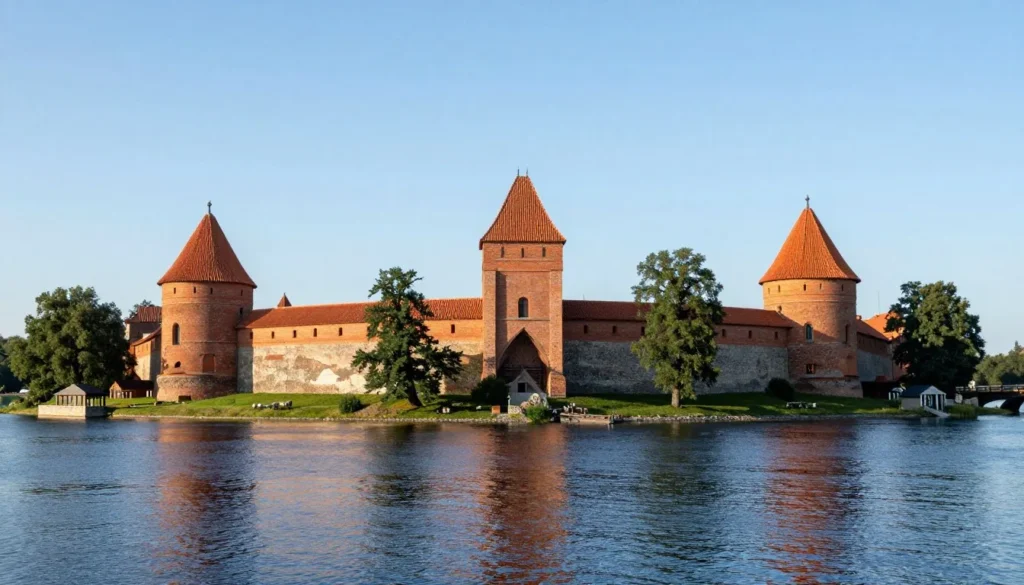
Trakai
This medieval castle sits on an island 28 km (17 miles) west of Vilnius. The brick fortress dates to the 14th century. A museum inside displays medieval weapons and armor. The journey takes 30 minutes by car or 40 minutes by bus.
The town surrounding the castle is home to Lithuania’s Karaite community. Try kibinai pastries at traditional restaurants. Boat rentals operate on the lake during summer. The entire visit takes four to five hours including travel time.
Kernavė
This UNESCO World Heritage site preserves Lithuania’s first capital. Archaeological remains span from the Paleolithic period to the Middle Ages. Five hill fort mounds dominate the landscape. A small museum provides context for the ruins.
Located 35 km (22 miles) northwest of Vilnius, Kernavė requires a car or organized tour. The site hosts a medieval festival each July with combat demonstrations and traditional crafts.
Anykščiai
This small town 100 km (62 miles) north of Vilnius offers Lithuanian countryside experience. The Treetop Walking Path stretches 300 meters (984 feet) through the canopy. An observation tower provides forest views from 35 meters (115 feet) high.
The town inspired Lithuanian poets and artists. Small museums celebrate this literary heritage. The journey takes 90 minutes by car. Plan a full day to explore the area properly.
Kaunas
Lithuania’s second city sits 100 km (62 miles) west of Vilnius. The old town features its own castle ruins and medieval architecture. Several museums showcase modern art and Lithuanian history. Direct trains connect the cities in 90 minutes.
Kaunas served as the temporary capital during the interwar period. Art deco buildings from this era line the main streets. The city feels less touristy than Vilnius while offering substantial attractions.
Hill of Crosses
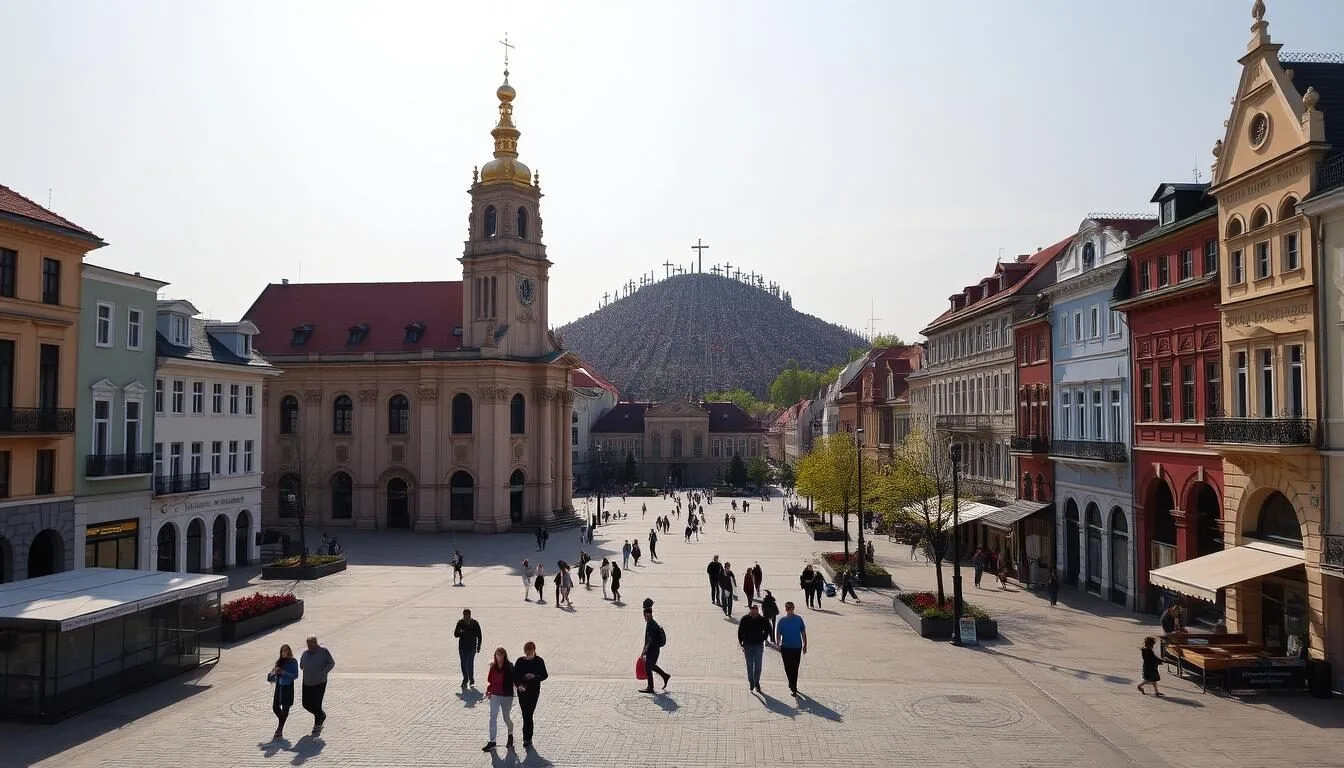
This pilgrimage site near Šiauliai displays thousands of crosses planted by visitors. The tradition dates back centuries, continuing through Soviet occupation despite attempts to remove them. The site holds deep spiritual meaning for Lithuanians.
Located 220 km (137 miles) north of Vilnius, reaching the Hill of Crosses requires a full day. Tour companies offer combined trips with other northern attractions. The sight of countless crosses covering a hill creates a powerful impression.
Practical Travel Tips
These additional details address common questions and smooth your Vilnius experience.
Currency and Payment
Lithuania uses the euro. ATMs are widespread throughout the city. Cards are accepted at most restaurants and shops. Small markets and some older establishments prefer cash.
Currency exchange offices offer better rates than banks or hotels. Avoid exchanging money at the airport where rates are unfavorable. Notify your bank of travel dates to prevent card blocks.
Internet and SIM Cards
Free WiFi is available at most cafes, restaurants, and accommodations. The old town has public WiFi zones. Tourist SIM cards with data cost €10-15 for one week. Providers include Telia, Bite, and Tele2.
EU roaming agreements mean European visitors can use their home plans. Non-EU travelers should purchase local SIMs for better rates. Shops selling SIM cards cluster around the train station and main shopping streets.
Electrical Outlets
Lithuania uses Type C and F outlets at 230V. Bring a universal adapter if your devices use different plug types. Most modern electronics handle voltage differences automatically.
Shopping Hours
Shops typically open 10 AM-7 PM Monday through Saturday. Many close earlier on Sundays or remain closed entirely. Large shopping centers stay open until 9 PM or 10 PM daily. Restaurants and cafes keep longer hours.
Best Souvenirs
Linen products showcase Lithuanian textile traditions. Look for tablecloths, runners, and clothing at craft markets. Amber jewelry, found throughout the Baltic region, makes a classic souvenir. Ensure pieces come with authenticity certificates.
Local honey varieties offer edible memories. Craft beer from Lithuanian microbreweries travels well in luggage. Wooden crafts, particularly from Užupis artisans, provide unique home decorations.
Check 30,000+ Local Sightseeing Tours Worldwide
✓ Numerous languages and currencies are available
Language Apps
Google Translate works offline if you download the Lithuanian language pack. The camera feature translates signs and menus in real-time. Basic Lithuanian phrases earn smiles even if pronunciation isn’t perfect.
Packing Essentials
Comfortable walking shoes top the list. Cobblestones test footwear on extended walks. A light rain jacket suits unpredictable weather year-round. Layers work better than single heavy items for adapting to temperature changes.
A small day pack carries water, snacks, and souvenirs while keeping hands free. Power bank ensures your phone stays charged for photos and navigation. Reusable water bottle reduces plastic waste and saves money.
Health and Pharmacies
Lithuania maintains high healthcare standards. EU citizens should carry European Health Insurance Cards. Travel insurance is recommended for non-EU visitors. Pharmacies display green cross signs and stock common medications.
Tap water is safe to drink throughout the city. Pharmacists often speak English and can recommend over-the-counter remedies. Larger pharmacies stay open 24 hours in central locations.
Accessibility
The old town’s cobblestone streets challenge wheelchair users and people with mobility issues. Main attractions provide accessible entrances, though historic buildings have limitations. Modern hotels outside the old town offer better accessibility.
Buses feature low floors for easier boarding. Some museums provide wheelchairs for visitor use. Contact specific venues in advance to confirm accessibility features.
Your Vilnius Adventure Awaits
Vilnius offers something rare among European capitals: authenticity without overwhelming crowds. The city invites exploration at your own pace. Medieval streets lead to contemporary art spaces. Traditional restaurants sit next to innovative cafes.
This capital rewards visitors who take time to wander beyond major sites. Hidden courtyards reveal local life. Conversations with residents provide insights guidebooks miss. The city’s compact size means serendipity happens naturally.
Whether you spend three days or a week, Vilnius leaves an impression that lingers. Pack your curiosity along with your camera. This Baltic gem deserves a place on your travel list.