Hotels by Trip.com
Flights by Trip.com
Did you know that Bucharest has more than 60 parks and gardens, earning it the nickname “Little Paris of the East”? This vibrant Romanian capital surprises visitors with its architectural diversity, ranging from Belle Époque mansions to brutalist communist-era structures. The city derives its name from a legendary shepherd named Bucur, who according to folklore established the first settlement here centuries ago.
Bucharest offers travelers an extraordinary blend of history and modernity. You will discover ornate palaces alongside contemporary art galleries. The streets reveal stories from different eras. Each neighborhood presents its own character and charm.
This comprehensive guide takes you through everything you need to plan an unforgettable trip to Romania’s capital. Whether you seek cultural experiences, outdoor adventures, or family-friendly activities, Bucharest delivers memorable moments. The city welcomes millions of visitors annually who come to explore its rich heritage and dynamic present.
Get ready to uncover the treasures of this fascinating destination. From magnificent buildings to hidden courtyards, from traditional restaurants to modern cafes, Bucharest invites you to experience its unique spirit. The journey through this captivating city begins now.
Getting There & Planning Your Journey

Henri Coandă International Airport serves as the main gateway to Bucharest. Located approximately 16 km (10 miles) north of the city center, this modern facility handles millions of passengers each year. The airport connects Romania’s capital to major European cities and international destinations.
Direct flights arrive from London, Paris, Frankfurt, Vienna, and many other European hubs. Airlines offer multiple daily departures throughout the year. Flight times from Western Europe typically range from two to three hours. From North America, travelers usually connect through major European airports.
The airport features two terminals connected by a walkway. Terminal 1 handles most international flights. Terminal 2 serves primarily domestic routes and some European carriers. Both terminals provide currency exchange services, ATMs, restaurants, and duty-free shopping areas.
Transportation from the airport to the city center offers several convenient options. The express bus route 783 runs every 15 minutes during daytime hours. This service costs approximately 7 RON and takes about 40 minutes to reach the city. Taxis wait outside both terminals with fixed rates to different areas of Bucharest.
Private transfer services can be booked in advance for added convenience. Many hotels arrange pickup services for their guests. Rental car agencies operate desks in the arrival halls. However, driving in Bucharest can be challenging for first-time visitors.
Aurel Vlaicu International Airport serves as a secondary option. This smaller facility primarily handles low-cost carriers and charter flights. It sits closer to the city at just 8 km (5 miles) from the center. Bus connections and taxi services operate from this airport as well.
Planning your arrival time wisely helps avoid peak traffic hours. Morning and evening rush hours create significant congestion on main roads. Weekend arrivals generally offer smoother transfers to accommodations. The journey from either airport provides your first glimpses of Bucharest’s diverse architecture.
Best Time to Visit & Weather Tips

Spring emerges as one of the most delightful times to explore Bucharest. April through June brings mild temperatures between 15°C and 25°C (59°F to 77°F). Parks burst into bloom across the city. Outdoor cafes open their terraces to welcome visitors. Rainfall occurs occasionally but rarely disrupts travel plans significantly.
Summer months from July to August deliver warm weather perfect for outdoor exploration. Temperatures often reach 28°C to 32°C (82°F to 90°F). The city buzzes with festivals and cultural events. Many locals escape to coastal or mountain resorts during August. This creates less crowded conditions at popular attractions.
✓ Check 30,000+ Local Sightseeing Tours Worldwide
Autumn presents another excellent season for visiting. September and October offer comfortable temperatures ranging from 18°C to 24°C (64°F to 75°F). The city parks display beautiful fall colors. Cultural institutions launch new exhibitions and performances. Hotel rates often decrease compared to peak summer months.
Winter brings cold conditions from December through February. Temperatures frequently drop below 0°C (32°F). Snow covers the city several times each season. Christmas markets transform central squares into festive wonderlands. Indoor attractions like museums and theaters become primary destinations.
Months to Consider Avoiding
Late January and early February can be particularly harsh. Temperatures sometimes plunge to -10°C (14°F) or lower. Icy sidewalks make walking challenging. Some outdoor attractions close temporarily. However, winter sports enthusiasts might appreciate nearby mountain access during this period.
August sees many businesses close for summer holidays. Restaurants may operate on reduced schedules. Some museums limit their hours. The heat can feel intense during afternoon hours. Morning and evening activities work best during this month.
Notable Annual Festivals
George Enescu Festival
This prestigious classical music event occurs every two years in September. World-renowned orchestras and soloists perform across multiple venues. The festival celebrates Romania’s greatest composer. Tickets sell quickly for popular performances.
Bucharest Jazz Festival
May brings international jazz artists to the city. Multiple venues host performances throughout the month. From traditional to contemporary styles, the festival covers diverse jazz expressions. Free concerts happen in parks and public spaces.
Christmas Market
December transforms Constitution Square into a winter wonderland. Local artisans sell handcrafted gifts and decorations. Food stalls offer traditional Romanian dishes and mulled wine. Ice skating rinks provide entertainment for families. The market operates from late November through early January.
Spotlight Festival
This light and visual arts festival illuminates the city each October. Historic buildings become canvases for projection mapping. Interactive installations appear throughout the old town area. The event attracts artists from across Europe and beyond.
Pack layers regardless of when you visit. Morning and evening temperatures can differ significantly from midday. Comfortable walking shoes prove essential for exploring the city streets. An umbrella or light rain jacket helps during spring and autumn visits.
Getting Around Locally
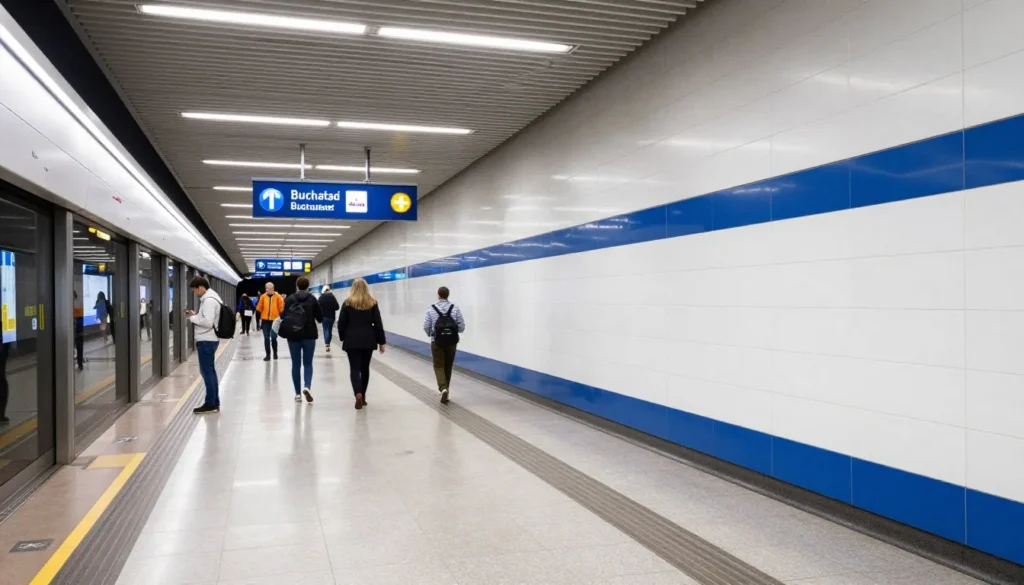
The metro system offers the fastest way to navigate Bucharest. Four lines connect major districts and tourist areas. Trains run from approximately 5:00 AM until 11:30 PM daily. A single journey ticket costs around 3 RON. Day passes provide unlimited rides for about 8 RON.
Metro stations display clear signage in Romanian and English. Electronic boards announce arrival times. The system maintains good cleanliness and safety standards. Pickpockets occasionally target tourists during rush hours. Keep valuables secure and stay alert in crowded cars.
Buses and trams complement the metro network extensively. Over 100 bus routes crisscross the city. Tram lines serve both central and peripheral areas. The same tickets work across all public transport modes. Purchase tickets from kiosks near stops or from machines inside vehicles.
Many visitors find the bus system somewhat complex initially. Route maps appear at major stops. Mobile apps like Bucharest Transport help plan journeys. Vehicles can become extremely crowded during peak commute times. Allow extra travel time during morning and evening rush periods.
Taxis provide convenient door-to-door service throughout the city. Licensed operators display company information and meters clearly. Reputable companies include Speed Taxi, Meridian Taxi, and Crispy Taxi. Fares start around 1.69 RON per kilometer. Avoid unmarked vehicles that approach passengers at tourist sites.
Ride-sharing services like Uber and Bolt operate extensively in Bucharest. These apps often offer lower rates than traditional taxis. Payment processes through the app for added convenience and security. Response times typically range from three to ten minutes in central areas.
Walking remains one of the best ways to experience the old town and central districts. Most major attractions lie within a compact area. Sidewalks vary in quality from excellent to challenging. Watch for uneven pavement and missing manhole covers in older neighborhoods.
Bicycle rentals have expanded in recent years. Several companies offer bike-sharing programs. Dedicated bike lanes exist on some major streets. However, aggressive traffic makes cycling intimidating for many visitors. Parks provide safer environments for recreational cycling.
Car rentals make sense only for trips outside Bucharest. City traffic can be chaotic and parking extremely limited. Street parking requires prepaid cards from specific vendors. Parking lots charge hourly rates in central areas. Many hotels offer parking but at premium prices.
Where to Stay
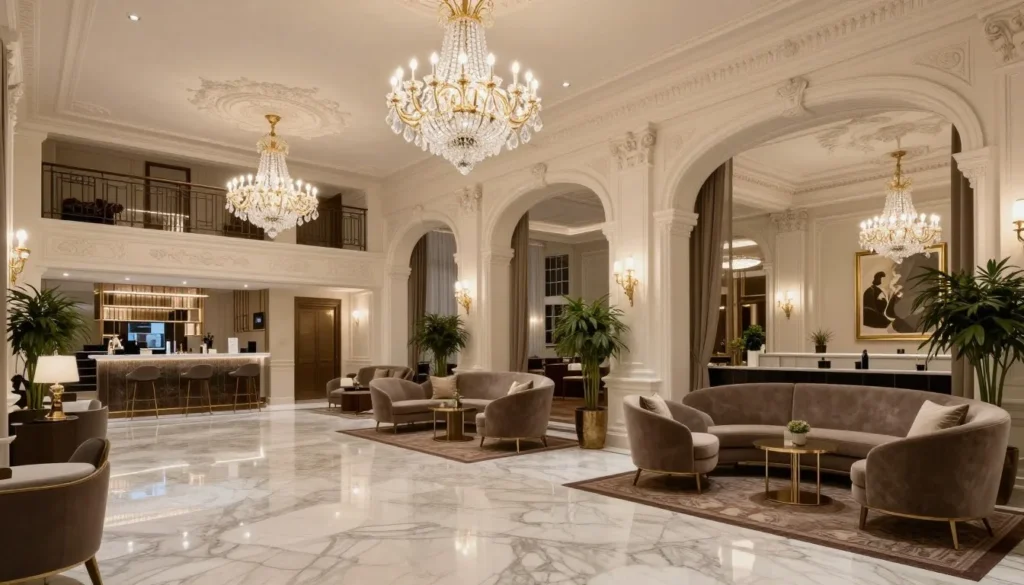
The Old Town district attracts visitors seeking vibrant nightlife and dining options. Historic buildings house boutique hotels and modern accommodations. Cobblestone streets create charming atmosphere day and night. Noise levels can be high, especially on weekends. Light sleepers should request rooms facing inner courtyards.
Lipscani represents the heart of the old town area. Medieval streets wind between renovated buildings. Dozens of restaurants, bars, and cafes operate within walking distance. Hotels here range from budget hostels to luxury properties. Prices tend higher than other neighborhoods but location compensates.
Northern Bucharest neighborhoods offer quieter residential settings. Areas like Dorobanți and Primăverii feature tree-lined streets and parks. Mid-range hotels and apartments provide comfortable bases. Metro connections reach the city center in 15 to 20 minutes. Restaurants serve both local and international cuisine.
The Victoriei area combines central location with relative tranquility. Government buildings and museums occupy this district. Several international hotel chains maintain properties here. Business travelers frequently choose this neighborhood. Shopping opportunities abound along Calea Victoriei.
Budget Accommodations
Hostels cluster mainly in the old town and university areas. Dorms typically cost 10 to 15 EUR per night. Private rooms in hostels range from 25 to 40 EUR. Most include breakfast and free WiFi. Common areas facilitate meeting fellow travelers.
Budget hotels operate throughout the city. Rooms usually start around 30 EUR per night. Standards vary significantly between properties. Reading recent reviews helps avoid disappointing choices. Many budget options lack air conditioning, important during summer months.
Mid-Range Hotels
Three and four-star hotels provide excellent value in Bucharest. Expect to pay 50 to 90 EUR for comfortable rooms. Most include breakfast, WiFi, and basic amenities. Staff generally speak English and offer helpful local advice. Locations spread across both central and residential districts.
Apartment rentals appeal to families and longer stays. One-bedroom units cost 40 to 70 EUR nightly. Full kitchens allow preparing meals and saving money. Space exceeds typical hotel rooms significantly. Local platforms and international booking sites list numerous options.
Luxury Properties
Five-star hotels occupy historic buildings and modern towers. Rates begin around 120 EUR and climb above 300 EUR for suites. Spa facilities, fine dining restaurants, and concierge services come standard. Locations favor the city center and upscale northern neighborhoods.
Boutique hotels blend historic architecture with contemporary design. Unique character distinguishes these properties from chain hotels. Personalized service creates memorable stays. Room counts typically range from 10 to 40. Prices compare with larger luxury establishments.
Book accommodations well in advance during festival periods. The George Enescu Festival fills hotels months ahead. Christmas markets attract visitors throughout December. Prices increase during peak demand periods. Flexible dates help secure better rates and availability.
Dining & Local Cuisine
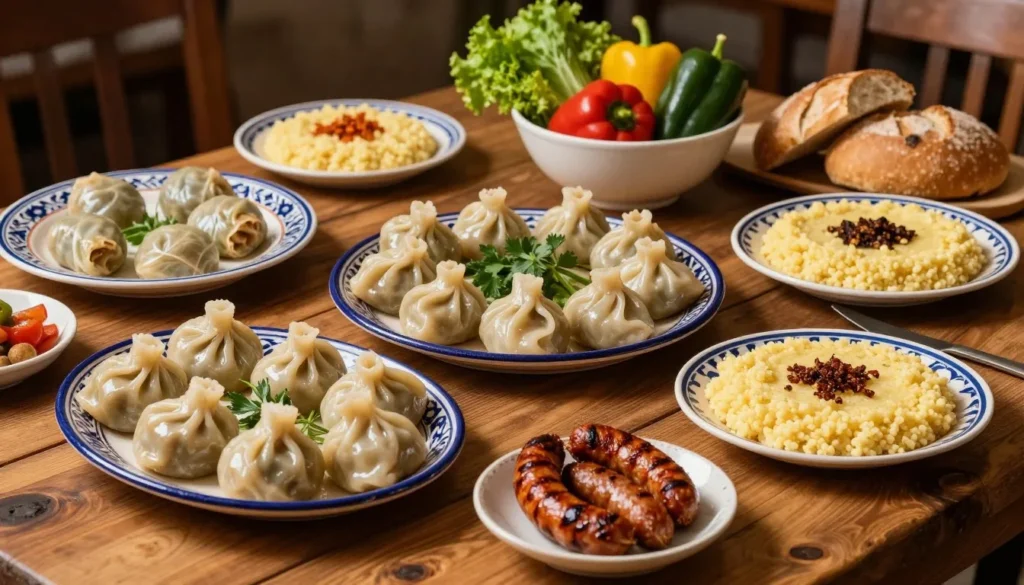
Romanian cuisine combines influences from neighboring countries and historical periods. Hearty portions characterize most traditional dishes. Meat features prominently in classic preparations. Vegetarian options have expanded significantly in recent years. The dining scene embraces both time-honored recipes and modern culinary trends.
Sarmale stands as Romania’s signature dish. These cabbage rolls contain seasoned pork and rice. Slow cooking develops deep, savory flavors. Restaurants serve them with sour cream and polenta. The preparation requires hours, making homemade versions highly valued.
Mici represents essential street food throughout the country. These grilled skinless sausages combine pork, beef, and lamb. Garlic, thyme, and other spices create distinctive taste. Vendors grill them over charcoal for authentic flavor. Mustard and fresh bread complete the experience.
Ciorba encompasses a category of sour soups beloved by locals. Ciorba de burta features tripe in a creamy garlic broth. Ciorba de legume offers a vegetable-based version. Sour cream and hot peppers accompany most servings. These soups comfort diners during cold months.
Traditional Restaurants
Caru’ cu Bere occupies a stunning Neo-Gothic building from 1879. Stained glass windows and ornate woodwork create spectacular ambiance. Traditional musicians perform during dinner service. The menu features classic Romanian dishes. Reservations become essential during peak hours and weekends.
Hanu’ lui Manuc dates back to 1808 as a former inn. The courtyard setting transports diners to another era. Traditional music and folk performances enhance meals. Portions satisfy even the heartiest appetites. This historic restaurant attracts both tourists and locals seeking authentic atmosphere.
Lacrimi si Sfinti focuses on updated traditional recipes. The chef sources ingredients from Romanian farms. Wine pairings showcase local vineyards. The intimate space creates a romantic setting. Advanced reservations prove necessary most evenings.
Contemporary Dining Scene
Bucharest’s restaurant scene has evolved dramatically in recent years. International cuisines from Asian to South American appear throughout the city. Young chefs experiment with fusion concepts. Fine dining establishments earn recognition beyond Romania’s borders.
The Artist represents high-end contemporary Romanian cuisine. Each dish showcases artistic presentation. Seasonal menus change regularly. The tasting menu provides the complete experience. Wine selections span Romanian and international options.
Nor Sky Casual Restaurant occupies a rooftop location with panoramic views. Modern European cuisine emphasizes fresh, quality ingredients. The terrace offers stunning sunset vistas. Cocktails complement the food menu. This spot appeals to both locals and visitors.
Cafes and Coffee Culture
Coffee culture thrives across Bucharest neighborhoods. Independent cafes serve specialty beans from around the world. Baristas take pride in their craft. Many establishments roast their own beans. The scene rivals major European cities in quality and variety.
Origo Coffee Shop pioneered the specialty coffee movement locally. Multiple locations serve the old town and northern areas. Beans arrive from carefully selected farms. The minimalist spaces focus attention on the coffee. Pastries and light meals accompany beverages.
Beans & Dots combines coffee excellence with cozy atmosphere. Vintage furniture creates comfortable seating areas. The menu includes breakfast and lunch options. Free WiFi attracts digital nomads and students. Several locations operate across the city.
Markets and Food Halls
Obor Market represents the largest traditional market in Bucharest. Vendors sell fresh produce, meats, cheeses, and baked goods. Prices undercut supermarkets significantly. The bustling atmosphere provides cultural immersion. Morning visits find the best selection and freshest products.
Piata Amzei offers a smaller, more manageable market experience. Local farmers bring seasonal vegetables and fruits. Flower stalls add color to the covered space. Small eateries serve quick meals. This central location makes visiting convenient.
Romanian wine deserves attention during your visit. Indigenous grape varieties produce distinctive flavors. Fetească Neagră creates robust red wines. Fetească Regală yields crisp white wines. Wine bars throughout the city offer tasting flights. Knowledgeable staff guide selections.
Attractions, Sightseeing & Activities
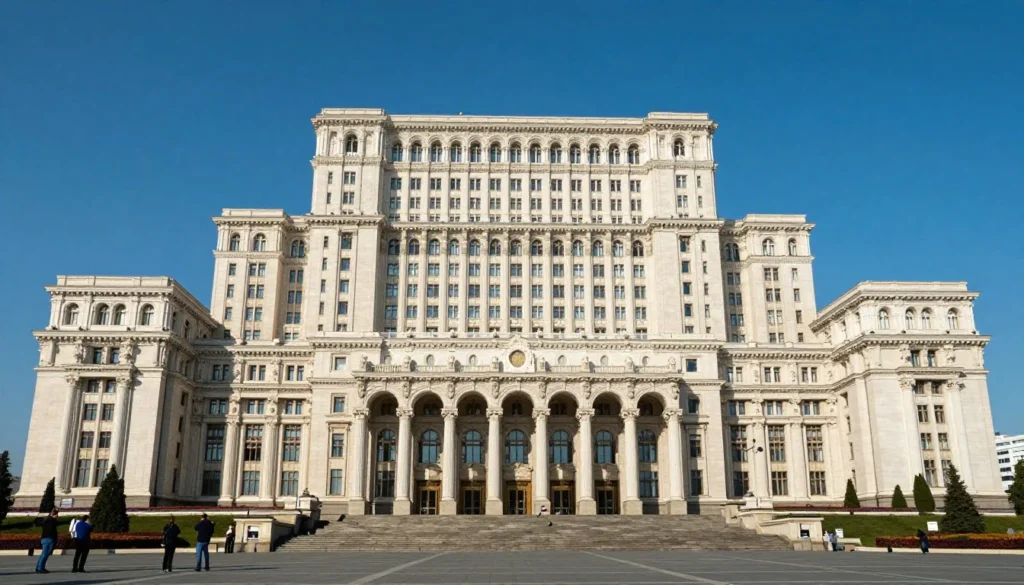
The Palace of Parliament dominates Bucharest’s skyline and consciousness. This colossal building ranks as the world’s heaviest structure and second-largest administrative building. Construction began in 1984 under communist rule. Over 700 architects and thousands of workers contributed to the project. The building contains more than 1,000 rooms.
Guided tours reveal the palace’s staggering opulence. Massive chandeliers illuminate marble hallways. Hand-woven carpets cover enormous rooms. The sheer scale overwhelms most visitors. Tours must be booked in advance through official channels. Bring identification as security screening occurs at entry.
The building demonstrates both architectural achievement and historical excess. Construction consumed much of Romania’s resources during difficult economic times. Entire neighborhoods were demolished to clear the construction site. Today, the palace houses parliament and several museums. The controversial history adds depth to visits.
Revolution Square
This central plaza witnessed pivotal events during Romania’s 1989 revolution. The former Communist Party headquarters overlooks the square. A memorial honors those who died fighting for freedom. The square continues serving as a gathering place for celebrations and protests.
Several important buildings frame the square. The Romanian Athenaeum concert hall displays stunning architecture. The Central University Library and Royal Palace add historical significance. Cafes along the perimeter offer vantage points for people-watching. The area buzzes with activity throughout the day.
Bucharest Old Town
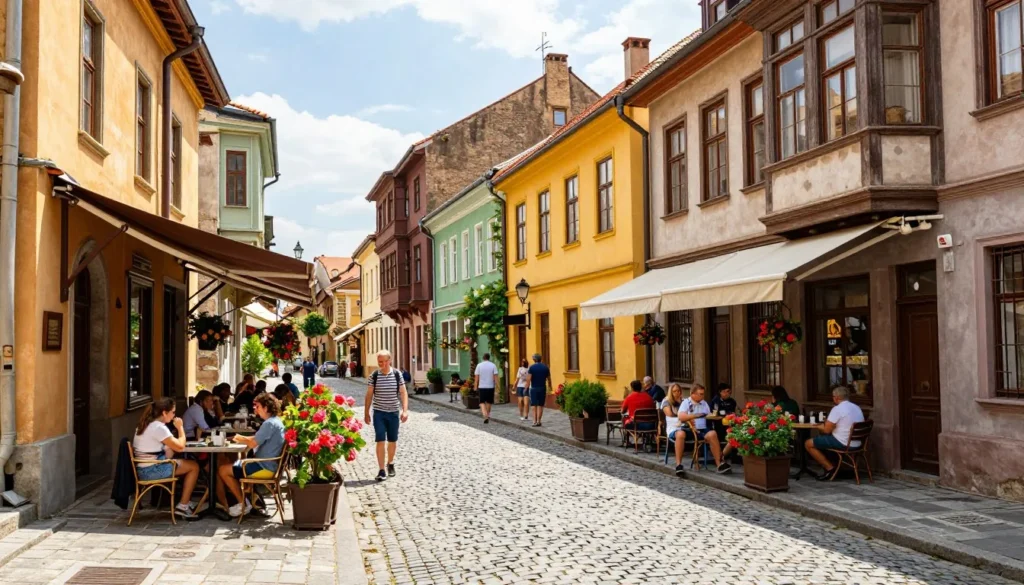
The old town area preserves Bucharest’s medieval heritage. Narrow streets wind between buildings from the 15th and 16th centuries. Restoration efforts have revitalized this historic district. Today, it serves as the heart of Bucharest’s nightlife and dining scene.
Lipscani Street forms the main artery through the old town. Historic buildings house modern shops and restaurants. Street performers entertain crowds during warmer months. The pedestrian-only area allows relaxed exploration. Architecture enthusiasts discover details on every building.
Stavropoleos Monastery provides a peaceful retreat from busy streets. This small Eastern Orthodox monastery dates to 1724. Intricate carvings decorate the exterior. The interior features beautiful frescoes and religious art. A courtyard garden offers tranquil space. Entry remains free but donations support maintenance.
Manuc’s Inn represents one of the oldest buildings in Bucharest. Built in 1808, it originally served travelers and merchants. The courtyard design reflects traditional Romanian architecture. Today, it operates as a restaurant and cultural venue. The building witnessed important historical events and meetings.
Calea Victoriei
This elegant boulevard stretches through central Bucharest. The street name translates to “Victory Avenue.” Belle Époque buildings line much of the route. Luxury shops occupy ground floors of historic structures. Walking the entire length takes about 45 minutes.
The National Museum of Art occupies the former Royal Palace. Romanian and European art fills numerous galleries. Works span medieval icons to contemporary pieces. Temporary exhibitions feature international artists. The building itself deserves attention for architectural merit.
CEC Palace dominates one section of Calea Victoriei. This eclectic-style building dates to 1900. The headquarters of CEC Bank showcases elaborate exterior decoration. Tours occasionally open the interior to public viewing. The building exemplifies Belle Époque grandeur.
Arcul de Triumf
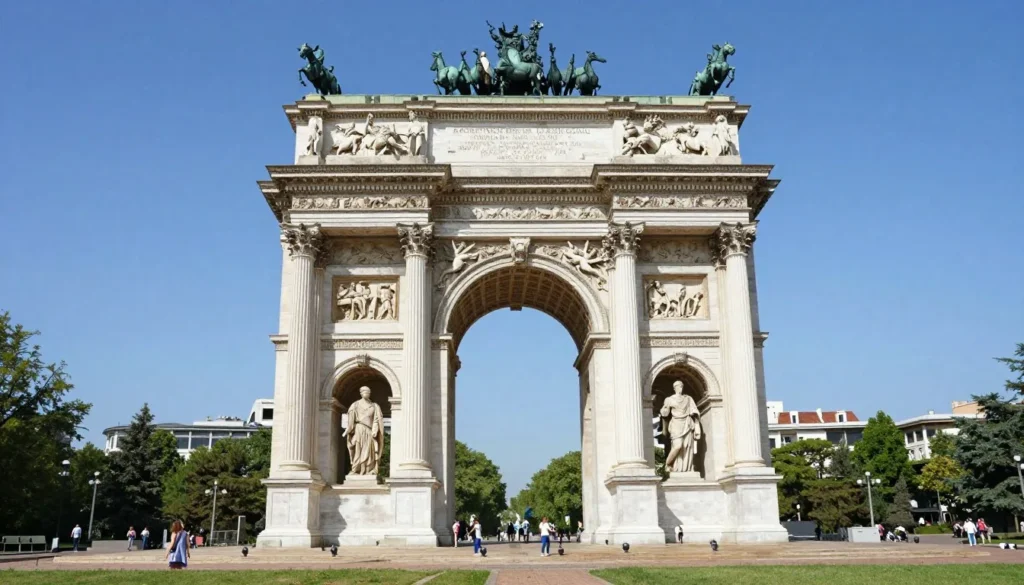
Bucharest’s triumphal arch honors Romanian soldiers. The current structure replaced a wooden version from 1878. Completed in 1936, the monument stands 27 meters (89 feet) tall. Sculptures by Romanian artists decorate the facade. The arch sits in a traffic roundabout north of the city center.
Herastrau Park surrounds the general area. Wide paths accommodate walkers, joggers, and cyclists. The arch becomes particularly photogenic during sunset. National Day celebrations on December 1st feature military parades passing beneath. The monument offers a popular meeting point for locals.
Bucharest Botanical Garden
The garden covers 17 hectares (42 acres) in central Bucharest. Over 10,000 plant species grow across different sections. Greenhouses shelter tropical and subtropical collections. Romanian flora occupies dedicated areas. The Japanese garden provides a serene environment.
Spring brings spectacular displays of tulips and other bulbs. Summer showcases roses and perennial borders. The garden offers respite from urban noise and traffic. Students and families picnic on the lawns. Photography enthusiasts find endless subjects throughout seasons.
Entry fees remain modest at about 10 RON for adults. The garden opens daily except Mondays. Peak bloom periods attract larger crowds. Early morning visits offer peaceful exploration. Guided tours can be arranged for groups.
Museums, Cultural Spots & Festivals

The Romanian Athenaeum stands as Bucharest’s premier concert hall. This architectural gem opened in 1888. The circular auditorium seats about 600 people. A massive fresco depicting Romanian history encircles the interior. The dome rises 41 meters (135 feet) above the floor.
The George Enescu Philharmonic Orchestra calls this venue home. Classical concerts occur regularly throughout the season. Acoustics rank among Europe’s finest. The building also hosts the George Enescu Festival performances. Guided tours operate when rehearsals permit.
The exterior displays French neoclassical architecture. Six Ionic columns support the entrance portico. The structure underwent complete restoration in recent decades. Evening illumination highlights architectural details. The building contributes significantly to Bucharest’s cultural identity.
National Museum of Romanian History
This comprehensive museum traces Romania’s story from prehistoric times. Dacian treasures occupy prominent galleries. Medieval artifacts showcase development through centuries. The Romanian Crown Jewels dazzle in a dedicated treasury. Communist-era exhibits provide recent historical context.
The building itself dates to 1900 as the former Post Palace. Neoclassical architecture creates an impressive setting. Temporary exhibitions complement permanent collections. English explanations accompany most displays. Audio guides offer detailed information in multiple languages.
Plan at least two hours to see major highlights. The treasury requires separate entry tickets. Photography policies vary by gallery. The museum shop sells books and reproductions. Central location makes visiting convenient during old town exploration.
Village Museum

The Dimitrie Gusti National Village Museum preserves traditional Romanian architecture. Over 300 authentic buildings occupy 100,000 square meters (25 acres). Houses, churches, and mills represent different regions. Each structure was carefully dismantled and rebuilt on site. The open-air format allows intimate exploration.
Buildings showcase construction techniques and decorative elements. Interiors display period furniture and household items. Regional variations become apparent across the collection. Churches feature beautiful frescoes and carved iconostases. The museum provides windows into rural life across centuries.
✓ Check 30,000+ Local Sightseeing Tours Worldwide
The location beside Herastrau Lake adds natural beauty. Paths wind through wooded areas between buildings. Artisans sometimes demonstrate traditional crafts. The museum hosts folk festivals and cultural events. Spring and autumn offer ideal visiting conditions.
Entry costs about 20 RON for adults. The museum opens daily year-round. Allow two to three hours for thorough exploration. Wear comfortable shoes for walking on grass and paths. The museum cafe serves traditional snacks and drinks.
Grigore Antipa Natural History Museum
This museum engages visitors with Romania’s natural world. Interactive exhibits explain ecosystems and evolution. Mounted animals represent local and exotic species. Mineral collections sparkle under careful lighting. The butterfly display showcases remarkable diversity.
Children particularly enjoy the hands-on elements. Virtual reality experiences transport visitors to different environments. The museum balances education with entertainment effectively. Modern renovation transformed older displays. Scientists continue research using museum collections.
The building occupies a prominent position near Revolution Square. Art deco architecture characterizes the structure. Weekend crowds can be significant, especially with families. Weekday mornings offer quieter experiences. Audio guides enhance understanding of exhibits.
Art Galleries and Contemporary Spaces
The National Museum of Contemporary Art occupies part of the Palace of Parliament. Romanian and international contemporary art fills multiple floors. Rotating exhibitions showcase emerging and established artists. The unconventional location creates interesting contrasts. Modern art thrives within the communist-era palace.
Smaller galleries pepper the old town and northern neighborhoods. The Museum of Recent Art focuses on post-1950s work. Experimental spaces push boundaries of traditional mediums. First Thursday openings attract art enthusiasts. Many galleries operate free admission policies.
Cultural Events Throughout the Year
Bucharest’s cultural calendar extends beyond major festivals. Weekly concerts occur at various venues across the city. Theater performances span classical drama to experimental works. Opera and ballet productions maintain high artistic standards. The cultural scene rivals much larger European capitals.
Open-air cinema events populate summer months. Parks transform into screening venues after dark. International film festivals bring global cinema to Bucharest. Romanian films gain increasing international recognition. Subtitles make most screenings accessible to visitors.
Street art has emerged as an important cultural expression. Murals decorate buildings throughout former industrial areas. Organized tours explain the art and artists. The scene continues evolving with new works appearing regularly. Some pieces achieve international acclaim.
Nature & Outdoor Experiences
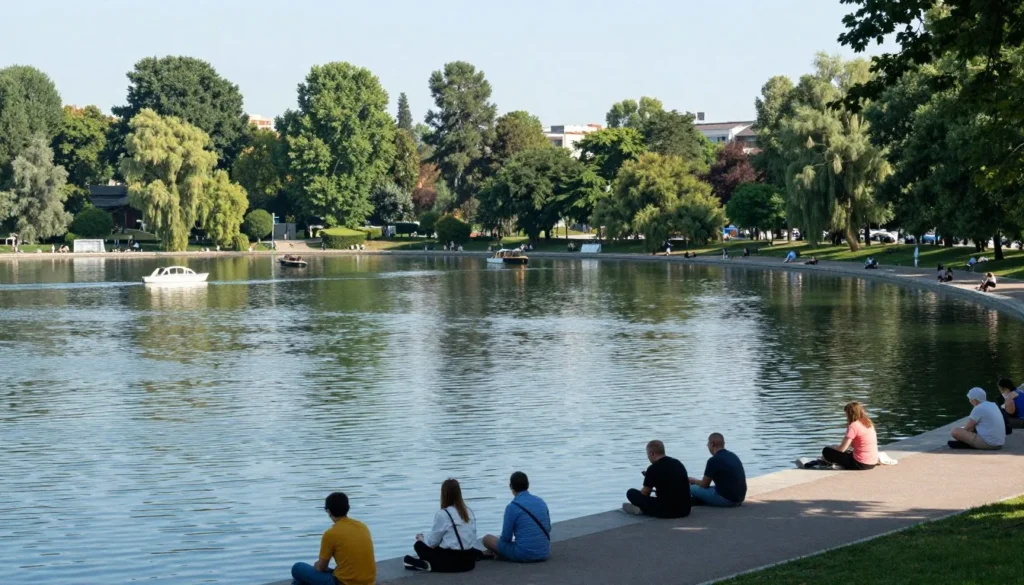
Herastrau Park offers the largest green space in central Bucharest. The park covers 187 hectares (462 acres) around Herastrau Lake. Wide paths accommodate joggers, cyclists, and strollers. The lake features rowing boats and small vessels for rent. Weekend afternoons bring families and couples seeking fresh air.
The park contains several distinct zones. Northern sections maintain natural forest character. Southern areas feature manicured lawns and gardens. Cafes and restaurants operate near the main entrances. Playgrounds serve children of different ages. Free WiFi covers much of the park.
The Japanese Garden creates a peaceful retreat within the larger park. Traditional landscaping principles guide the design. A small pond features ornamental fish. Stone lanterns and wooden bridges add authentic elements. Cherry blossoms attract photographers each spring.
Herăstrău Lake supports various water activities. Pedal boats provide leisurely lake exploration. Rowing clubs train early mornings. Small sailboats glide across on breezy days. Winter freezing occasionally permits ice skating. The waterfront paths stretch for several kilometers.
Cișmigiu Gardens
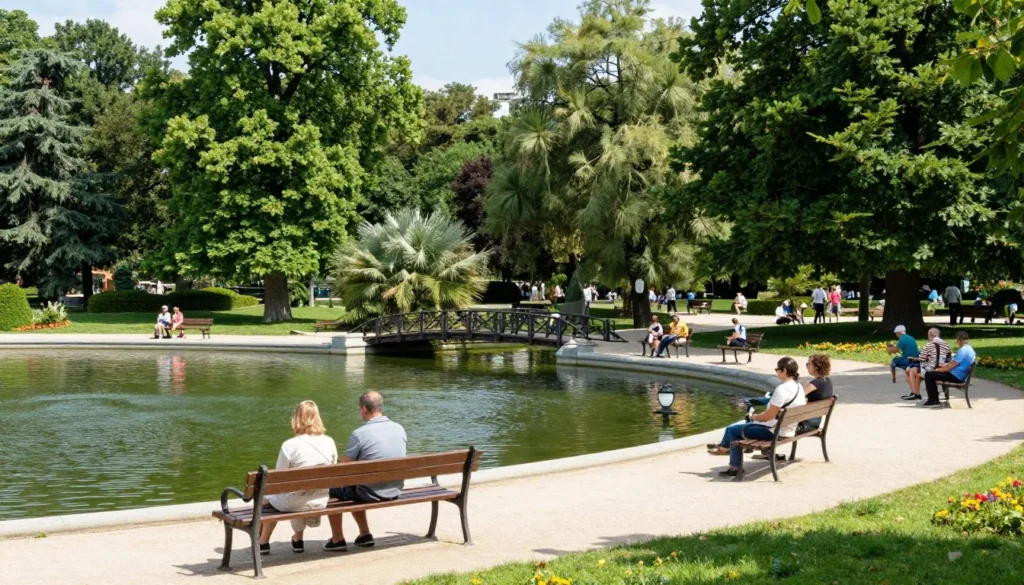
These historic gardens represent Bucharest’s oldest public park. Opened in 1854, the design follows English landscape traditions. A central lake provides the focal point. Romantic bridges span narrow sections. Tree-shaded paths create cool corridors during summer heat.
The gardens occupy a compact area near the city center. Multiple entrances allow easy access from surrounding streets. Flower beds display seasonal colors. Benches invite reading or people-watching. The park attracts artists, students, and office workers during lunch breaks.
Boat rentals operate from the lakeside pavilion. Winter transforms the lake into an ice skating rink. The surrounding café serves refreshments year-round. Monument statues honor Romanian cultural figures. Early morning visits reveal local exercise routines and tai chi practitioners.
Parcul Carol
Carol Park combines history with recreation. The Mausoleum of Romanian Heroes occupies the highest point. This imposing structure honors military sacrifices. Surrounding gardens display formal layouts. Wide lawns accommodate sports and picnics.
The park underwent extensive restoration recently. New pathways improve accessibility. Lighting allows evening strolls. The open-air theater hosts concerts during summer. Locals value this park for its peaceful atmosphere.
A small lake attracts waterfowl and bird watchers. Playgrounds feature modern equipment. Exercise stations encourage outdoor fitness. The park connects to residential neighborhoods. Weekend mornings bring amateur sports teams and runners.
Botanical Garden
Beyond its role as a scientific institution, the Botanical Garden serves as an urban oasis. Mature trees provide shade across extensive grounds. Specialized gardens showcase roses, irises, and medicinal plants. The Victoria amazonica greenhouse impresses with giant water lilies.
Photography opportunities abound throughout seasons. Spring bulbs create colorful carpets. Summer borders reach peak bloom. Autumn foliage paints the landscape gold and red. Winter reveals structural garden elements.
The garden supports research and conservation efforts. Rare Romanian plants receive protection. Educational programs teach botany to students. Weekend workshops attract gardening enthusiasts. The peaceful environment encourages meditation and relaxation.
Văcărești Nature Park
This unexpected wilderness thrives within Bucharest’s boundaries. The former construction site for an unfinished reservoir evolved into habitat. Wetlands, meadows, and scrub support diverse wildlife. Over 100 bird species use the area. Urban foxes and other mammals inhabit the park.
Walking trails allow nature observation. Spring bird migrations bring rare species. Summer wildflowers carpet open areas. The park demonstrates nature’s resilience. Volunteers maintain trails and conduct surveys.
Access points require some searching as development surrounds the park. Sturdy footwear helps navigate uneven terrain. Binoculars enhance wildlife watching. Early morning and late afternoon offer best viewing opportunities. The park remains relatively unknown to tourists.
Day Trips to Natural Areas
The Carpathian Mountains lie within easy reach of Bucharest. Sinaia resort town sits approximately 140 km (87 miles) north. Hiking trails range from easy walks to challenging climbs. Cable cars access higher elevations. Fresh mountain air provides welcome contrast to urban environment.
Snagov Lake offers swimming and water sports closer to the city. The lake covers 575 hectares (1,421 acres). Beaches operate during summer months. Snagov Monastery occupies an island accessible by boat. The area attracts weekend crowds from Bucharest.
Comana Natural Park protects diverse ecosystems south of the city. Forest, wetlands, and grasslands support varied wildlife. Birdwatching opportunities draw enthusiasts year-round. Organized tours provide transportation and guides. Day trips return visitors to Bucharest by evening.
Travel With Children

Bucharest welcomes families with children of all ages. Parks provide ample space for active play. Many museums offer interactive exhibits that engage young minds. Restaurants accommodate families with children’s menus. Public transportation allows strollers during off-peak hours.
The Grigore Antipa Natural History Museum captivates children through hands-on displays. Dinosaur skeletons spark imagination. Interactive screens teach about ecosystems. The insect collection fascinates budding naturalists. Virtual reality experiences transport kids to different habitats. Plan visits for weekday mornings to avoid weekend crowds.
The Village Museum combines education with outdoor exploration. Children enjoy discovering different house styles. The space allows running between buildings. Traditional crafts demonstrations hold attention. Farm animals sometimes appear during special events. Picnic areas accommodate family lunches.
Parks and Playgrounds
Herastrau Park features multiple playgrounds for different age groups. Modern equipment meets safety standards. Soft surfaces cushion falls. Shaded areas protect from summer sun. Parents find benches nearby for supervision. Weekend entertainment sometimes includes puppet shows.
Tineretului Park attracts families to its southern location. A large playground complex offers diverse climbing structures. Bike paths allow family cycling. The small lake features pedal boats. Open lawns invite games and sports. Food kiosks provide snacks and drinks.
Carol Park playground includes accessible equipment for children with disabilities. The flat terrain suits young cyclists. Nearby cafes offer family-friendly menus. The park hosts occasional children’s festivals. Clean restroom facilities serve visitors.
Entertainment Venues
The Bucharest Circus presents traditional performances during winter months. Acrobats, clowns, and trained animals delight audiences. Shows typically run 90 minutes with an intermission. The building maintains classic circus atmosphere. Tickets should be purchased in advance for weekend performances.
Puppet theaters operate in several locations. Traditional stories and modern tales entertain children. Performances usually occur weekend afternoons. Most shows use visual storytelling that transcends language barriers. The Tandarica Theater enjoys the best reputation locally.
Indoor play centers provide options during poor weather. Facilities include ball pits, slides, and climbing structures. Some centers offer organized activities and birthday party packages. Admission typically charges by the hour. Parents can supervise or relax in seating areas.
Family-Friendly Dining
Many restaurants welcome children with dedicated menus. Pizza and pasta appear frequently as kid-friendly options. Fast-food chains operate throughout the city. Traditional restaurants often accommodate children’s portions. High chairs are available at most establishments.
Cafes with playgrounds combine dining with entertainment. Outdoor spaces allow children to play while parents relax. The Old Town area includes several child-friendly establishments. Northern neighborhoods offer quieter family dining options.
Practical Considerations
Public restrooms with changing facilities exist in most shopping centers. Parks often lack adequate bathroom facilities. Carrying supplies proves wise during long outings. Pharmacies stock international baby product brands.
Stroller-friendly sidewalks vary by neighborhood. The Old Town cobblestones challenge wheeled navigation. Modern areas provide better accessibility. Metro stations include elevators though not at every stop. Buses accommodate folded strollers more easily.
Summer heat requires sun protection and hydration. Parks provide limited shade in some areas. Portable water bottles and sunscreen prove essential. Winter cold demands appropriate layering. Indoor attractions offer climate-controlled alternatives.
Money Saving Tips
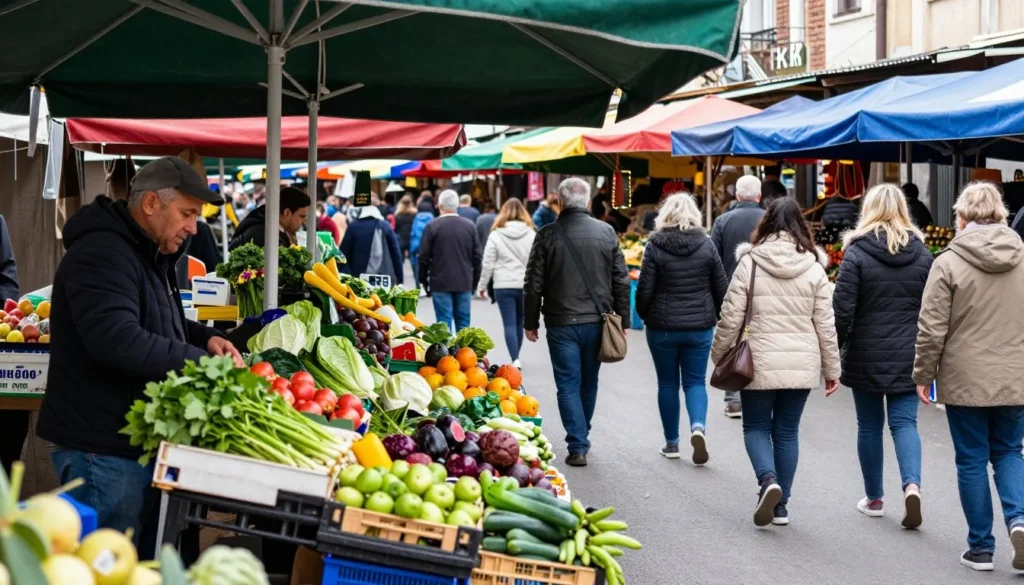
Bucharest offers excellent value compared to Western European capitals. Strategic planning stretches budgets further. Local knowledge helps identify affordable options. Smart travelers enjoy quality experiences without excessive spending.
Public transportation provides the most economical way to navigate the city. Day passes cost about 8 RON and cover unlimited metro, bus, and tram rides. Multi-day passes offer even better value for longer stays. Walking covers most central attractions without any cost.
Lunch specials at restaurants reduce dining expenses significantly. Many establishments offer set menus for 25 to 40 RON. The same meal at dinner costs considerably more. Local cafeterias serve filling meals at budget prices. Markets provide ingredients for self-catering.
Accommodation Strategies
Booking directly with hotels sometimes yields better rates than booking platforms. Seasonal promotions appear during slower periods. Apartment rentals cost less per night for groups or families. Locations slightly outside the center offer significant savings.
Hostels provide clean, comfortable options for budget travelers. Private rooms compare favorably to budget hotel prices. Shared facilities reduce costs substantially. Many hostels include breakfast and organize free walking tours.
Advance booking secures better rates during peak seasons. Last-minute deals occasionally appear through booking apps. Flexible dates allow choosing cheaper nights. Longer stays sometimes qualify for discounts.
Free Attractions and Activities
Many parks charge no admission fees. Herastrau Park and Cișmigiu Gardens provide hours of enjoyment. The Bucharest Botanical Garden charges minimal entrance. Walking tours of the old town cost nothing but tip money.
Churches and monasteries welcome visitors without charge. Stavropoleos Monastery offers beautiful architecture and peaceful atmosphere. Donations support maintenance but remain voluntary. Photography may be restricted in some religious sites.
Street markets and neighborhoods provide free cultural experiences. Obor Market reveals local life and traditions. Residential areas showcase architectural diversity. People-watching in parks and squares entertains without cost.
Museum Discounts
Some museums offer free admission one day monthly. Student IDs qualify for reduced rates at most institutions. Combined tickets cover multiple attractions at lower total cost. Evening hours sometimes feature discounted entry.
The Bucharest Card provides free entry to many museums. Public transportation gets included with some card versions. Cards make sense for intensive sightseeing schedules. Calculate whether the card saves money for your specific plans.
Shopping Smart
Supermarkets price goods lower than convenience stores. Mega Image and Carrefour chains operate throughout Bucharest. Local markets offer fresh produce at excellent prices. Avoid shops in heavily touristed areas.
Romanian wine and spirits cost less than imported brands. Local products make excellent gifts at reasonable prices. Traditional markets sell handcrafted items more cheaply than souvenir shops. Bargaining occurs at some market stalls but not stores.
Communication and Connectivity
Free WiFi operates in most cafes, restaurants, and hotels. Parks increasingly offer wireless internet access. Local SIM cards provide data at low cost. International roaming charges add up quickly.
Messaging apps reduce international calling expenses. Internet cafes exist though less common than previously. Many museums and attractions provide free WiFi. Public WiFi requires reasonable security precautions.
Entertainment on a Budget
Free concerts occur in parks during summer months. Church recitals offer classical music without charge. Street performers entertain throughout the old town. Cultural centers sometimes host free events.
Cinema tickets cost significantly less than Western European prices. Matinee showings reduce costs further. Original language films screen at several theaters. Local cultural events often charge minimal admission.
Safety & Local Customs
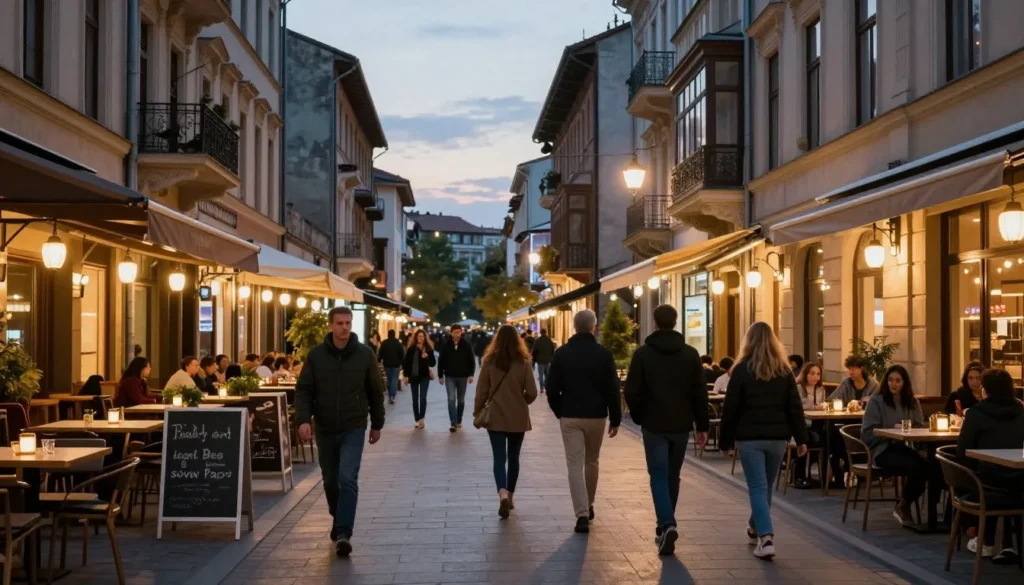
Bucharest maintains relatively safe conditions for tourists. Violent crime against visitors remains rare. Petty theft occurs in crowded areas like any major city. Basic precautions keep travelers secure. Emergency services respond effectively when needed.
Pickpockets target crowded metros and tourist attractions. Keep valuables secured and bags zipped. Avoid displaying expensive jewelry or electronics. Front pockets provide safer phone storage. Backpacks should be worn on the front in dense crowds.
Taxi scams have decreased but remain possible. Use reputable companies or ride-sharing apps. Agree on fares before beginning rides if meters seem absent. Unlicensed taxis at the airport charge excessive rates. Hotel reception can arrange reliable transportation.
Stray dogs previously posed concerns but programs have reduced numbers. Most strays avoid humans actively. Do not attempt to pet or feed street animals. If approached aggressively, remain calm and walk away slowly. Actual attacks are extremely uncommon.
Emergency Contacts
The universal emergency number 112 connects to police, ambulance, and fire services. Operators speak English and other major languages. Response times vary by location and situation. Private clinics may provide faster medical care than public hospitals.
✓ Check 30,000+ Local Sightseeing Tours Worldwide
Tourist police operate in central areas during peak seasons. They assist with reporting crimes and providing information. The main tourist police office sits near the old town. Bring passport copies when reporting incidents.
Health and Medical Care
Tap water meets safety standards but may taste different. Bottled water costs little and provides alternative. Pharmacies stock most common medications. Many pharmacists speak English and offer helpful advice.
International health insurance covers most private clinics. Public hospitals provide care but conditions vary. Dental services cost significantly less than Western countries. Bring copies of prescriptions for controlled medications.
Pollen allergies affect many visitors during spring months. Air pollution occasionally reaches concerning levels. Pharmacies sell antihistamines and masks. Summer heat requires staying hydrated and seeking shade.
Cultural Norms and Etiquette
Romanians appreciate politite greetings and thank-yous. Learning basic phrases shows respect. Locals often seem reserved initially but warm with acquaintance. Direct eye contact during conversations indicates honesty and attention.
Religious sites require modest dress covering shoulders and knees. Women may need to cover their heads in some churches. Photography restrictions apply in certain religious buildings. Maintain quiet voices inside places of worship.
Tipping follows standard European practices. Restaurant bills generally do not include service charges. Leave 10 percent for satisfactory service. Round up taxi fares or add small amounts. Hotel staff appreciate tips for good service.
Smoking remains common though banned in enclosed public spaces. Outdoor terraces allow smoking throughout. Ask before lighting up in unclear situations. Respect non-smoking signs strictly.
Cultural Sensitivities
Avoid communist-era jokes or casual references. This period caused real suffering for many people. The revolution and transition remain sensitive topics. Listen respectfully if locals share experiences.
Roma communities face discrimination despite legal protections. Avoid perpetuating stereotypes through comments or assumptions. Treat all people with equal respect regardless of background.
Political discussions can become heated quickly. Romanians hold diverse views on governance and European integration. Foreign visitors should listen more than opine. Criticism of Romania from outsiders can offend.
Women Travelers
Solo women travelers generally report positive experiences. Standard precautions apply as in any city. Avoid poorly lit areas late at night. Harassment remains less common than some other European destinations.
Dress codes tend conservative outside nightlife areas. Business casual works well for most situations. Locals dress neatly when going out. Beach wear belongs only at pools and beaches.
LGBTQ+ Travelers
Legal protections exist but social attitudes vary. Bucharest maintains a small but active LGBTQ+ scene. Public displays of affection may attract attention. Discretion proves wise outside specifically welcoming venues.
Several bars and clubs cater to LGBTQ+ visitors. Pride events occur annually during June. Attitudes continue evolving toward greater acceptance. Younger generations generally show more openness.
Visitor Comments About Bucharest
“The old town completely exceeded my expectations. Every street corner revealed beautiful architecture I hadn’t seen in photos. The restaurants served incredible food at prices that seemed too good to be true. We spent three days and could have easily stayed longer. The mix of history and modern life creates such dynamic energy throughout the city.”
“I brought my family to Bucharest uncertain what to expect. The parks provided perfect spaces for our children to play while we relaxed. Every museum we visited engaged the kids with interactive displays. Public transportation made getting around simple and affordable. The people we met showed genuine warmth and helped whenever we needed directions. This trip created memories our whole family will treasure.”
“As someone passionate about architecture, Bucharest delivered beyond imagination. The variety of building styles tells Romania’s complex history. I discovered Art Nouveau gems, communist-era structures, and contemporary designs all within walking distance. The Palace of Parliament left me absolutely speechless. Coffee shops throughout the city provided comfortable spots to sketch buildings. I filled an entire sketchbook during one week.”
Additional Nearby Destinations
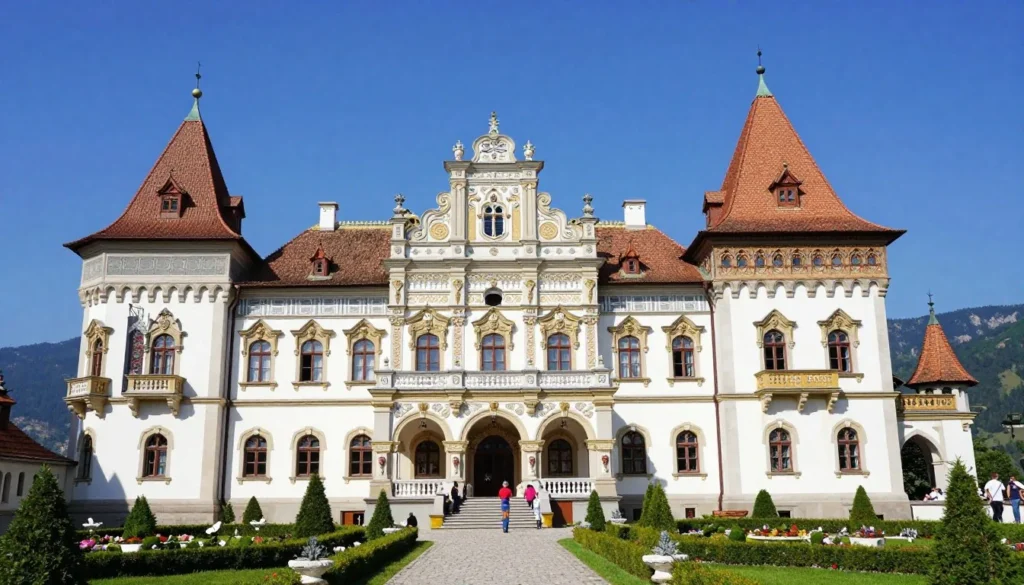
Peles Castle ranks among Europe’s most beautiful royal residences. Located in Sinaia approximately 140 km (87 miles) from Bucharest, this Neo-Renaissance masterpiece occupies a mountain setting. Construction began in 1873 for King Carol I. Over 160 rooms contain extraordinary art and furnishings.
Guided tours reveal the castle’s opulent interiors. Stained glass windows filter colorful light throughout rooms. Carved woodwork demonstrates exceptional craftsmanship. The royal collections include weapons, armor, and paintings. Each room presents different artistic styles and periods.
The surrounding grounds enhance the experience significantly. Mountain views provide spectacular backdrops. Gardens feature sculptures and fountains. Visiting during autumn reveals brilliant foliage colors. Winter snow transforms the castle into a fairy-tale scene.
Sinaia offers additional attractions beyond Peles Castle. Pelisor Castle sits nearby as a smaller complement. The Sinaia Monastery dates to the 17th century. Cable cars access mountain hiking trails. The resort town provides accommodation and dining options.
Bran Castle
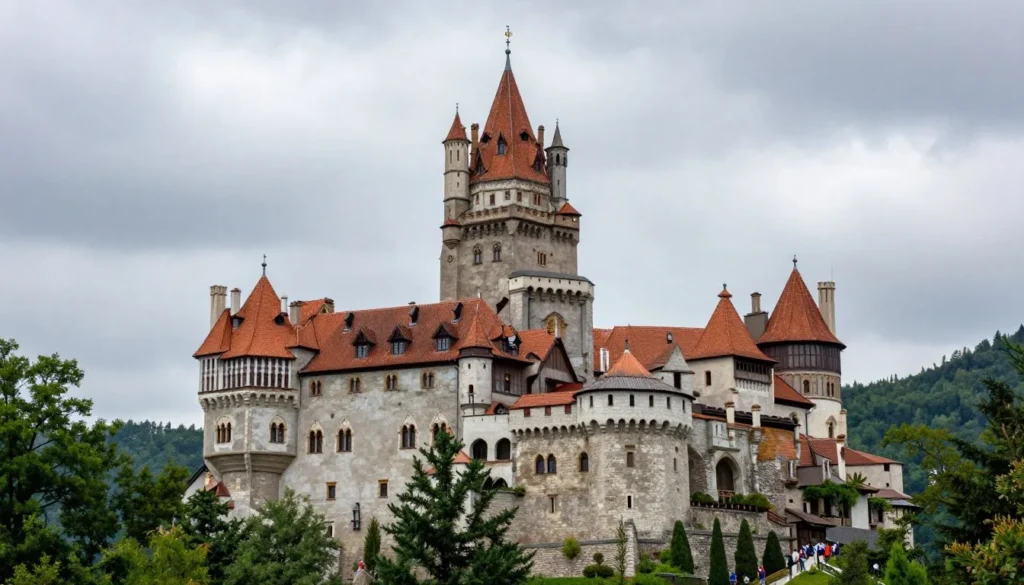
Bran Castle attracts visitors seeking connections to Dracula legends. The medieval fortress sits about 180 km (112 miles) from Bucharest. Built in the 14th century, it served strategic defensive purposes. The castle’s dramatic hilltop position creates imposing presence.
The connection to Vlad the Impaler remains tenuous historically. The castle may have briefly held him prisoner. Bram Stoker never visited Romania when writing his novel. Marketing embraces the Dracula association enthusiastically. The castle museum presents actual historical context.
Interior rooms display furniture and art from royal periods. Secret passages add intrigue to explorations. The courtyard provides excellent photography angles. Surrounding countryside showcases traditional Romanian villages. Local markets sell crafts and food products.
The nearby town of Brașov deserves exploration during castle visits. This medieval city features Gothic churches and baroque buildings. The old town area maintains historical character. Mountain views frame the city beautifully. Restaurants serve Transylvanian specialties.
Snagov Monastery
This island monastery sits on Snagov Lake about 40 km (25 miles) north of Bucharest. Founded in the late 14th century, the complex houses Vlad the Impaler’s alleged tomb. Reaching the monastery requires a short boat ride. The peaceful setting contrasts with violent historical associations.
The church contains beautiful frescoes from different periods. Monastic buildings surround a small courtyard. The island’s natural environment attracts birds and wildlife. Summer visitors combine monastery visits with lake swimming. The area offers escape from urban intensity.
Curtea de Argeș Monastery
This architectural masterpiece demonstrates Byzantine influences. Located about 170 km (106 miles) from Bucharest, the monastery dates to the 16th century. Intricate stone carvings cover exterior walls. The building’s unique design includes twisted columns and elaborate decoration.
Legend surrounds the monastery’s construction. The Master Builder Manole supposedly walled his wife into the structure. The story reflects Romanian folklore traditions. The monastery serves as a royal necropolis. Several Romanian kings rest in the complex.
The surrounding town of Curtea de Argeș provides additional historical sites. Remains of a princely court occupy the area. The Argeș River flows through scenic landscapes. Local restaurants serve regional dishes. Day trips easily combine the monastery with countryside exploration.
The Carpathian Mountains
These mountains offer spectacular natural beauty within reach of Bucharest. Multiple access points provide different experiences. Summer hiking trails range from easy walks to challenging climbs. Winter skiing attracts both locals and international visitors.
Bucegi Mountains feature dramatic rock formations and alpine meadows. Cable cars access higher elevations. The Sphinx and Babele rock formations create natural sculptures. Wildlife includes bears, chamois, and diverse birds. Mountain refuges accommodate overnight stays.
Făgăraș Mountains contain Romania’s highest peaks. Moldoveanu reaches 2,544 meters (8,346 feet). Multi-day treks traverse pristine wilderness. Glacial lakes dot high valleys. This range requires more serious preparation and equipment.
Practical Travel Tips
Romania uses the Romanian leu (plural lei) as its currency. The code RON appears on exchange boards. One leu divides into 100 bani. Bills come in denominations of 1, 5, 10, 50, 100, 200, and 500 lei. Coins include 1, 5, 10, and 50 bani.
ATMs provide the best exchange rates typically. Machines operate throughout Bucharest in high concentrations. Most accept international cards from major networks. Transaction fees vary by bank and card issuer. Withdraw larger amounts to minimize fee impact.
Exchange offices offer competitive rates in central areas. Compare rates between several offices before changing money. Airports and hotels typically provide worse exchange rates. Avoid street money changers completely. Credit cards work at most hotels, restaurants, and shops.
Language Considerations
Romanian belongs to the Romance language family. It shares roots with Italian, French, and Spanish. English proficiency varies significantly by age and location. Younger people generally speak English well. Service industry workers in tourist areas communicate adequately.
Learning basic Romanian phrases enhances interactions. “Bună ziua” means hello. “Mulțumesc” expresses thanks. “Vă rog” translates to please. Locals appreciate attempts to use their language. Pronunciation follows consistent rules once learned.
Translation apps help navigate language barriers. Google Translate offers Romanian with offline capability. Restaurant menus increasingly include English translations. Museums provide information in multiple languages. Gesture and patience overcome most communication challenges.
Electrical and Internet
Romania uses Type C and Type F electrical plugs. The standard voltage runs 230V at 50Hz. North American devices require adapters and possibly voltage converters. Most modern electronics handle voltage differences automatically. Purchase adapters before departure or at Bucharest electronics shops.
Internet connectivity reaches high standards throughout Bucharest. Hotels provide WiFi as standard amenities. Restaurants and cafes offer free wireless access. Mobile data speeds support streaming and video calls. Public WiFi networks require basic security precautions.
Business Hours
Shops generally open 10:00 AM to 7:00 PM weekdays. Shopping centers stay open until 9:00 PM or 10:00 PM. Sunday hours often reduce or close completely for smaller shops. Supermarkets maintain longer hours including weekends. Some 24-hour convenience stores operate in central areas.
Restaurants serve lunch from noon to 3:00 PM typically. Dinner service runs 6:00 PM until 11:00 PM or midnight. Some traditional restaurants close between lunch and dinner. Cafes open early for breakfast service. Bars and clubs operate late into night, especially weekends.
Banks open 9:00 AM to 5:00 PM weekdays. Most close for lunch between 1:00 PM and 2:00 PM. Saturday morning hours occur at some branches. ATMs operate 24 hours daily. Currency exchange offices maintain longer hours than banks.
Packing Essentials
Comfortable walking shoes prove absolutely essential. Bucharest exploration involves significant walking distances. Cobblestone streets in the old town challenge inappropriate footwear. Bring shoes already broken in before the trip.
Layer clothing to adapt to changing conditions. Spring and autumn temperatures fluctuate significantly. Air-conditioned interiors contrast with outdoor heat during summer. Winter requires serious cold weather gear. Lightweight rain protection helps year-round.
Sunscreen and sunglasses protect during summer months. Reusable water bottles reduce plastic waste and costs. A small day pack carries essentials during sightseeing. Power bank keeps devices charged during long exploration days.
Local Transportation Apps
Several apps enhance navigation and transportation. Bucharest Transport provides official metro and bus information. The app shows real-time arrivals and route planning. Google Maps includes public transportation directions. Accuracy generally proves reliable though occasional errors occur.
Uber and Bolt operate throughout the city. These ride-sharing apps offer convenient booking and payment. Prices remain competitive with traditional taxis. The apps eliminate language barriers and rate negotiations. Save favorite destinations for quick future bookings.
Photography Tips
Golden hour lighting transforms Bucharest architecture beautifully. Early morning and late afternoon provide warm tones. The old town creates wonderful opportunities at any time. Ask permission before photographing people directly. Religious sites may restrict photography completely.
The Palace of Parliament allows photography inside on tours. However, specific rooms may prohibit cameras temporarily. Museums generally permit photography without flash. Commercial use usually requires special permission. Respect all posted photography restrictions.
Seasonal Considerations
Spring brings unpredictable weather requiring flexibility. Rain showers interrupt sunny periods suddenly. Park visits maximize the season’s blooming beauty. Tourist numbers remain moderate outside major holidays.
Summer heat peaks during July and August afternoons. Schedule intensive sightseeing for morning hours. Seek air-conditioned museums during peak heat. Evening activities become most pleasant time period. Hydration requires constant attention.
Autumn provides reliable weather and beautiful colors. September and October deliver ideal conditions. Cultural season begins with new performances and exhibitions. Advance booking becomes important for popular events.
Winter demands warm clothing and weather awareness. Snow creates beautiful but slippery conditions. Indoor attractions dominate itineraries during cold snaps. Christmas markets justify braving December temperatures. Lower tourist numbers mean easier access to attractions.
Start Your Bucharest Adventure
Bucharest stands ready to surprise and delight you at every turn. This city of contrasts blends grand palaces with hidden courtyards. Modern cafes neighbor centuries-old churches. Energetic nightlife pulses through streets where history whispers from every building.
Your journey through Romania’s capital will reveal layers beyond initial impressions. The art and culture thrive in museums and galleries. The architecture tells stories across different eras. The people share their city’s spirit through warm hospitality. Natural spaces provide peaceful retreats within urban boundaries.
Whether you explore for a weekend or several weeks, Bucharest offers discoveries to fill your time. Each neighborhood presents different character and attractions. Local cuisine satisfies both traditional tastes and modern preferences. The city welcomes travelers with open arms and countless experiences.
Pack your bags and prepare for adventure. Bucharest awaits your arrival with its unique blend of old and new. The memories you create here will call you back long after you depart. This remarkable city deserves its place among Europe’s most captivating destinations. Your Bucharest story begins the moment you arrive.