Hotels by Trip.com
Flights by Trip.com
Did you know that Leon holds one of the world’s most spectacular collections of medieval stained glass, with over 1,800 square metres of luminous 13th-century windows? This remarkable Spanish city in the Castile León region surprises visitors with treasures that rival Europe’s most celebrated destinations. The city takes its name from the Roman Seventh Legion (Legio VII Gemina), which established a military camp here in 29 BC, eventually giving rise to the Kingdom of León that would shape medieval Spain.
Nestled in northwest Spain, Leon serves as a captivating blend of ancient Roman heritage, medieval grandeur, and vibrant modern culture. The city attracts travellers seeking authentic Spanish experiences away from overcrowded tourist hotspots. You’ll find yourself wandering through centuries of history, from Roman walls to Gothic masterpieces, while savouring some of Spain’s finest cuisine in the atmospheric barrio húmedo.
Whether you’re following the famous Camino de Santiago pilgrimage route, exploring architectural wonders, or indulging in the local tapas tradition, Leon offers something extraordinary. This comprehensive Leon Spain travel guide will help you discover the best this historic city has to offer.
Getting There & Planning Your Journey
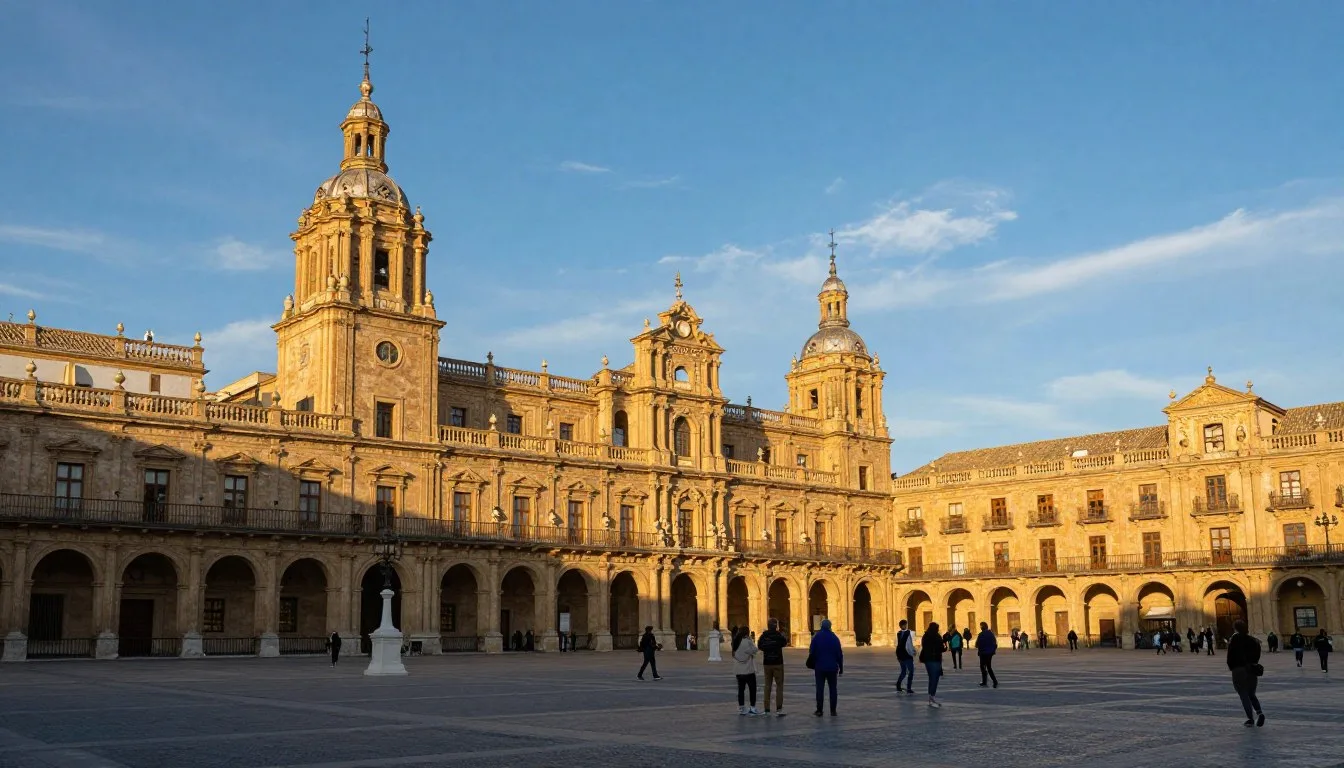
Reaching Leon proves straightforward thanks to excellent transport connections throughout Spain and Europe. The nearest major international airport is Adolfo Suárez Madrid-Barajas Airport, located approximately 330 kilometres south of the city. From Madrid, you can catch frequent high-speed trains that whisk you to Leon in just over two hours, offering scenic views of the Spanish countryside along the way.
For travellers preferring regional airports, Valladolid Airport sits about 130 kilometres away, whilst León Airport handles limited domestic flights. Many visitors combine their Leon visit with stops in other northern Spanish cities, making the train network particularly convenient. The RENFE high-speed Ave trains connect Leon with Madrid, Valladolid, and other major destinations throughout the region.
If you’re driving, the AP-71 and A-66 motorways provide direct access to Leon from various directions. The journey from Madrid takes approximately three and a half hours by car, whilst the drive from Santiago de Compostela requires about four hours. Parking in the historic centre can be challenging, so consider staying at accommodation with parking facilities or using the park-and-ride options on the city outskirts.
International travellers often fly into Madrid or Barcelona, then continue to Leon by train or rental car. The city’s position on the Camino de Santiago means excellent bus connections exist with other pilgrimage towns. Once you arrive, Leon’s compact historic centre makes exploration on foot both practical and enjoyable.
Journey Planning Tip: Book train tickets through RENFE in advance for better prices, especially during peak travel seasons and festival periods. The high-speed train journey from Madrid offers comfortable seating and reliable service.
Best Time to Visit & Weather Tips
Best Time to Visit Leon
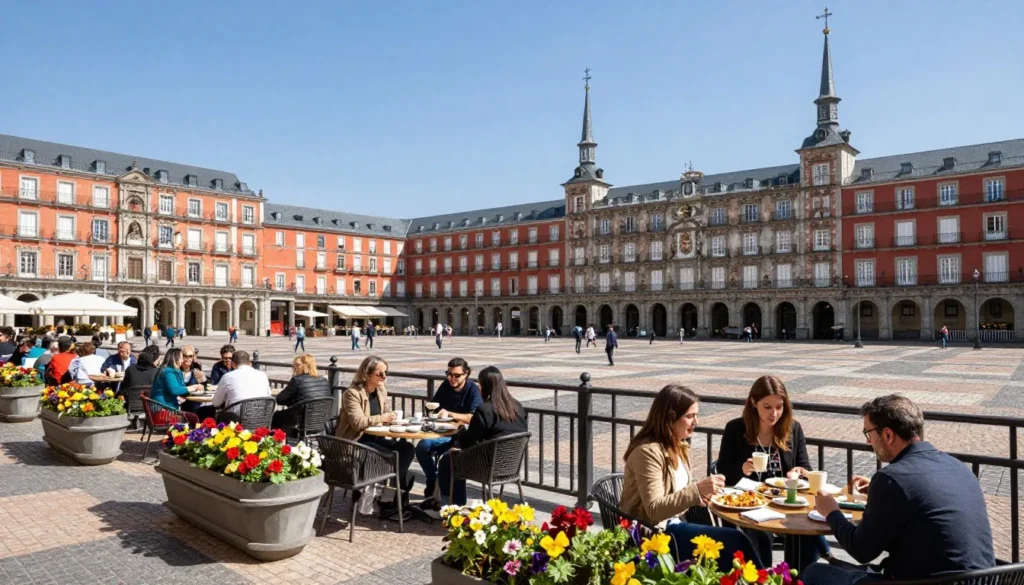
The ideal months to explore Leon fall between May and June or September and October. During these shoulder seasons, you’ll encounter pleasant temperatures ranging from 15°C to 25°C (59°F to 77°F), fewer crowds, and reasonable accommodation prices. The spring months bring blooming flowers to the city’s parks and plazas, whilst autumn bathes the region in golden hues.
Summer months from July through August see temperatures climb to 30°C (86°F) or higher, with many locals departing for coastal holidays. The city feels quieter during this time, though some restaurants and shops may close for annual holidays. Winter visits from December through February require warm clothing as temperatures drop to 2°C to 10°C (36°F to 50°F), though you’ll experience the city with minimal tourist presence.
Avoid visiting during the first two weeks of August if you prefer bustling atmosphere, as many businesses close for summer holidays. Similarly, Holy Week (Semana Santa) brings massive crowds despite offering spectacular religious processions. The city transforms during major festivals, so plan accordingly based on whether you seek vibrant celebrations or peaceful exploration.
Weather Throughout the Year
Leon experiences a continental climate with distinct seasons. Spring arrives gradually, with March remaining chilly before warming considerably by May. Summer brings hot, dry conditions perfect for outdoor dining in the plaza mayor and evening strolls. Autumn provides comfortable temperatures ideal for walking tours and exploring museums without excessive heat.
Winter can be harsh, with occasional snowfall and biting winds sweeping down from the nearby mountains. However, the crisp winter air lends magical quality to the illuminated cathedral and festive Christmas markets. Rain falls most frequently during spring and autumn, so pack an umbrella regardless of season. The province of León experiences more extreme weather than coastal regions, so layers prove essential year-round.
✓ Check 30,000+ Local Sightseeing Tours Worldwide
Weather Packing Guide: Bring layers whatever the season. Even summer evenings can turn cool, whilst winter days occasionally warm up pleasantly. Comfortable walking shoes are essential for navigating cobblestone streets in any weather.
Notable Annual Festivals

Leon’s festival calendar bursts with traditional celebrations that reveal the city’s cultural heart. The Semana Santa (Holy Week) processions rank among Spain’s most impressive, with elaborate floats carried through torch-lit streets accompanied by haunting saetas songs. These solemn religious processions typically occur in March or April, drawing thousands of spectators.
The Fiestas de San Juan y San Pedro, held during the last week of June, celebrates the city’s patron saints with concerts, fireworks, medieval markets, and traditional dancing. The entire city participates in this joyful week-long celebration. For information and event schedules, contact the Leon Tourism Office at +34 987 878 327.
San Froilán Festival in early October honours Leon’s patron saint with bullfights, concerts, and the famous “Feria de San Froilán” fairground. This celebration attracts visitors from across the region for five days of festivities. The tourism office can provide detailed programs.
MUSAC (Museum of Contemporary Art) hosts the “Noche Blanca” in late September, when museums and cultural sites open their doors free of charge throughout the night. Art installations, performances, and guided tours create a magical atmosphere across the city. Contact MUSAC directly at +34 987 090 000 for event details.
The International Organ Festival occurs during summer months, featuring concerts in San Isidoro and other historic churches throughout the province. These performances showcase the region’s magnificent church organs and attract classical music enthusiasts worldwide.
Getting Around Locally

Leon’s compact historic centre invites exploration on foot. Most major attractions cluster within a twenty-minute walk of each other, making comfortable shoes your best transport investment. The pedestrianized streets around the cathedral and Plaza Mayor create pleasant walking routes free from traffic concerns. You’ll discover hidden plazas, charming shops, and atmospheric tapas bars whilst wandering these ancient lanes.
The city operates an efficient public bus network serving outlying neighbourhoods and attractions beyond the historic core. Single tickets cost approximately €1.30, whilst a ten-trip card offers better value at around €8.00. Buses run frequently during daytime hours, though service reduces significantly on Sundays and holidays. Route maps are available at the tourist office and bus stops throughout the city.
Taxis provide convenient transport for late evenings or when carrying luggage. You’ll find taxi ranks at major squares including Plaza San Marcelo and near the train station. Fares remain reasonable, with most journeys within the city costing between €5 and €10. Radio Taxi Leon operates 24 hours and can be reached at +34 987 261 515.
Bicycle rental offers an eco-friendly alternative for exploring Leon and the surrounding countryside. Several shops near the cathedral rent bikes by the hour or day, with rates starting around €10 for a full day. The city features some dedicated cycle lanes, though cobblestone streets require cautious navigation. Many visitors cycle to nearby villages or along the Camino de Santiago route.
For excursions to attractions in the wider province León area, such as Castrillo de los Polvazares or Las Médulas, consider renting a car or joining an organized guided tour. Public transport to rural areas operates infrequently, making independent exploration challenging without your own vehicle.
Where to Stay
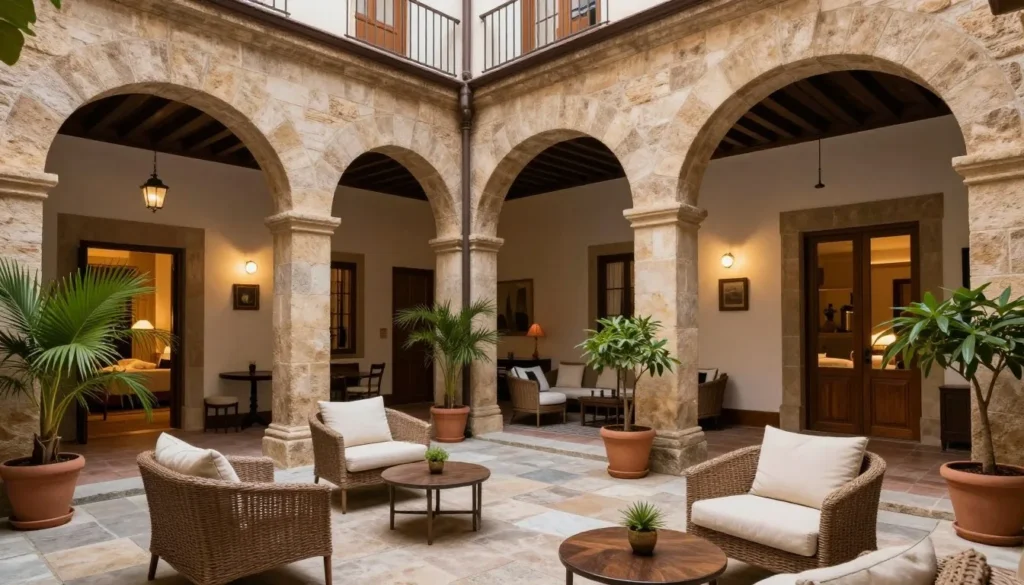
Leon offers accommodation options spanning historic paradors to modern boutique hotels and budget-friendly hostales. The most atmospheric lodgings occupy converted historic buildings within the old town, placing you steps from major attractions. Staying near the cathedral or Plaza Mayor means you can explore the barrio húmedo (wet quarter) and return easily after evening tapas adventures.
The Parador de Leon, housed in the former Convento de San Marcos, stands as one of Spain’s most spectacular historic hotels. This magnificent Renaissance building overlooks the Bernesga River and features original architectural details throughout its luxurious rooms. Staying here offers a truly memorable experience, though room rates reflect the premium location and historic significance.
Mid-range hotels cluster around the historic centre, offering comfortable rooms with modern amenities at reasonable prices. Many occupy renovated century buildings with charming period features like exposed stone walls and wooden beams. These typically include breakfast and provide excellent value for money, especially outside peak festival periods.
Budget travellers find plenty of hostales and pensiones throughout the city, particularly along streets radiating from the Plaza Mayor square. These family-run establishments offer basic but clean accommodation at affordable rates. Several albergues (pilgrim hostels) welcome non-pilgrims, providing dormitory accommodation and communal kitchens for those watching their budgets closely.
For longer stays or family groups, apartment rentals provide spacious accommodation with kitchen facilities. Properties near San Marcelo offer good value whilst keeping you central to attractions. The newer neighbourhoods beyond the historic walls feature chain hotels with parking facilities, convenient for those travelling by car.
Historic Centre Options
Choose this area for immediate access to Leon’s main attractions, atmospheric streets, and vibrant nightlife. You’ll pay premium prices but save time and transport costs whilst soaking up authentic ambiance.
Outer Neighbourhoods
Stay beyond the historic walls for quieter surroundings, easier parking, and lower rates. Good bus connections mean you’ll reach the centre in ten minutes whilst enjoying more spacious, modern accommodation.
Dining & Local Cuisine
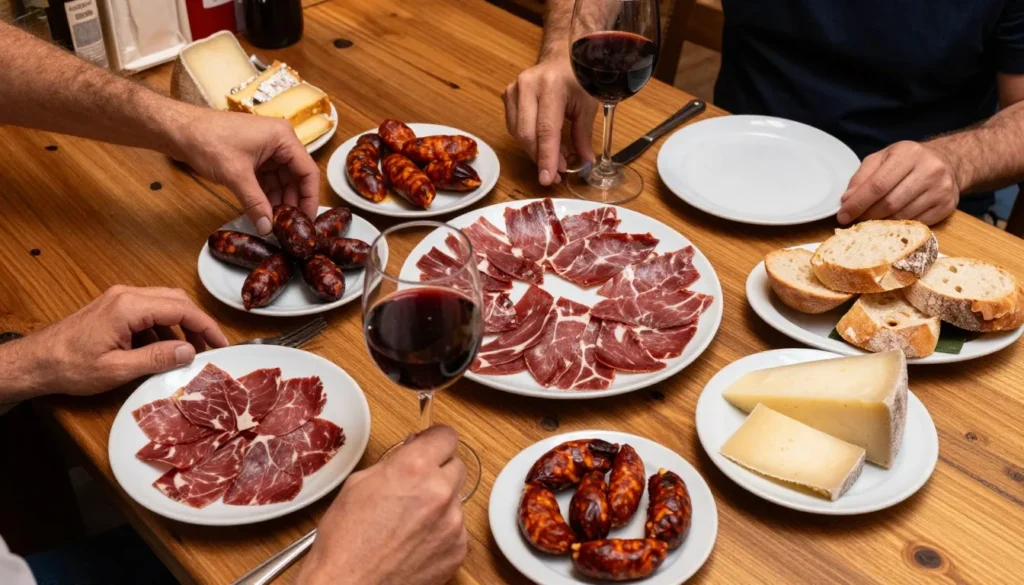
Leon’s culinary scene celebrates the region’s exceptional produce through time-honoured recipes and generous portions. The city maintains the wonderful tradition of free tapas with every drink ordered, making bar-hopping both economical and delicious. You’ll discover that each establishment takes pride in its signature tapas, from simple olives to elaborate miniature dishes.
The barrio húmedo (humid neighbourhood) earns its name from the countless bars where locals enjoy tapas and conversation. This atmospheric area around Plaza San Martín comes alive each evening as residents embark on their tapas route. Simply order a drink at the bar and receive a complimentary tapa, then move to the next establishment. Three or four stops create a satisfying meal whilst experiencing authentic local culture.
Regional specialties you must try include cecina, a delicate cured beef similar to Italian bresaola but with distinctive smoky flavour. The nearby town of Astorga produces this delicacy using traditional methods passed down through generations. Morcilla de Leon, the local blood sausage, differs from other Spanish varieties with its distinctive rice and onion composition.
Botillo, a hearty pork dish from El Bierzo area of the province, appears on menus during winter months. This rustic preparation combines various cuts of pork seasoned with paprika and garlic, then slowly cooked with potatoes and cabbage. The result satisfies even the heartiest appetite on cold evenings.
For formal dining experiences, numerous restaurants throughout the city serve innovative interpretations of traditional Leonese cuisine. Many establishments source ingredients directly from local producers, ensuring exceptional quality. The region produces excellent wines, particularly Prieto Picudo and Mencía varieties, which pair beautifully with local dishes.

Sweet treats include mantecadas, buttery sponge cakes from nearby Astorga, perfect with morning coffee. Nicanores, delicate almond cookies, make excellent gifts to take home. Many pastelerías (pastry shops) throughout the city create these traditional sweets using recipes dating back centuries.
Vegetarians and vegans increasingly find options beyond traditional meat-heavy fare. Several modern restaurants offer creative plant-based interpretations of Spanish classics, whilst international cuisine restaurants provide additional variety. The central market (Mercado del Condado) showcases the region’s incredible produce, including seasonal vegetables, wild mushrooms, and artisan cheeses.
Attractions, Sightseeing & Activities
Leon Cathedral
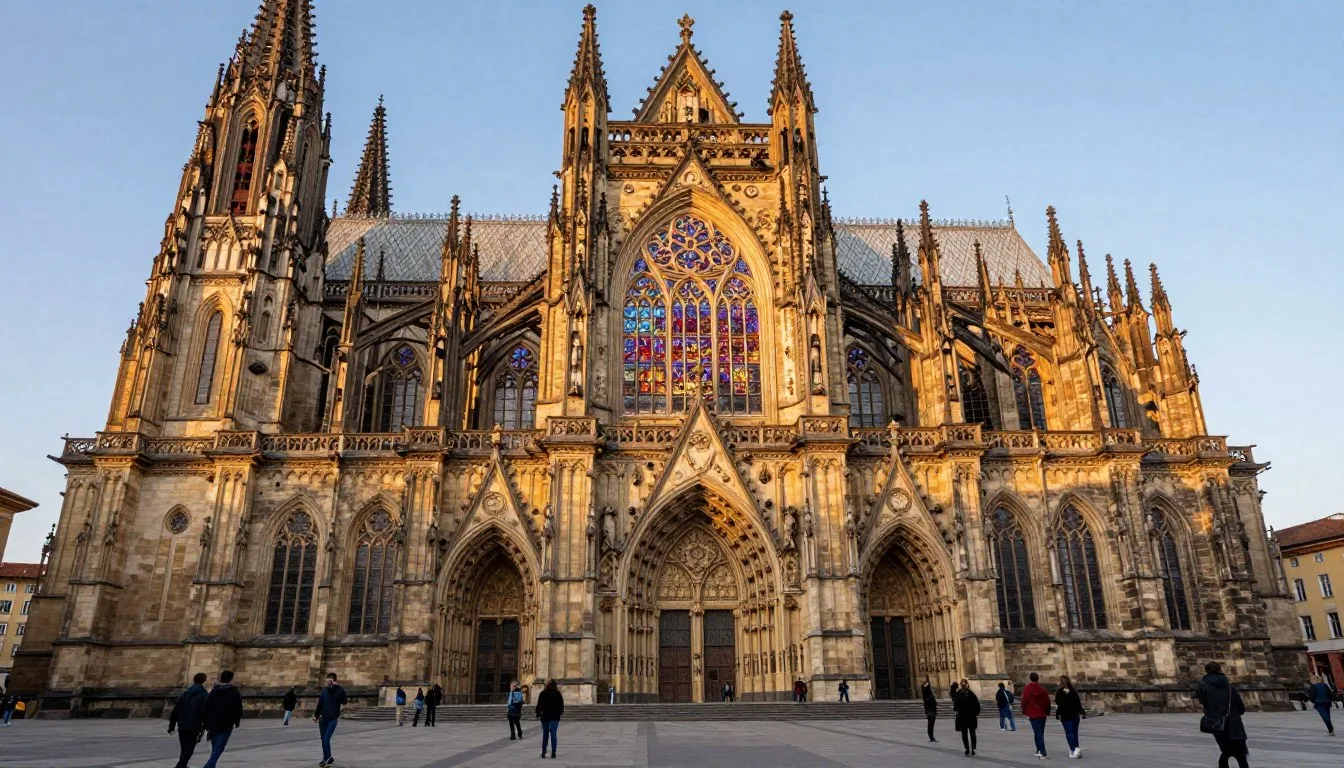
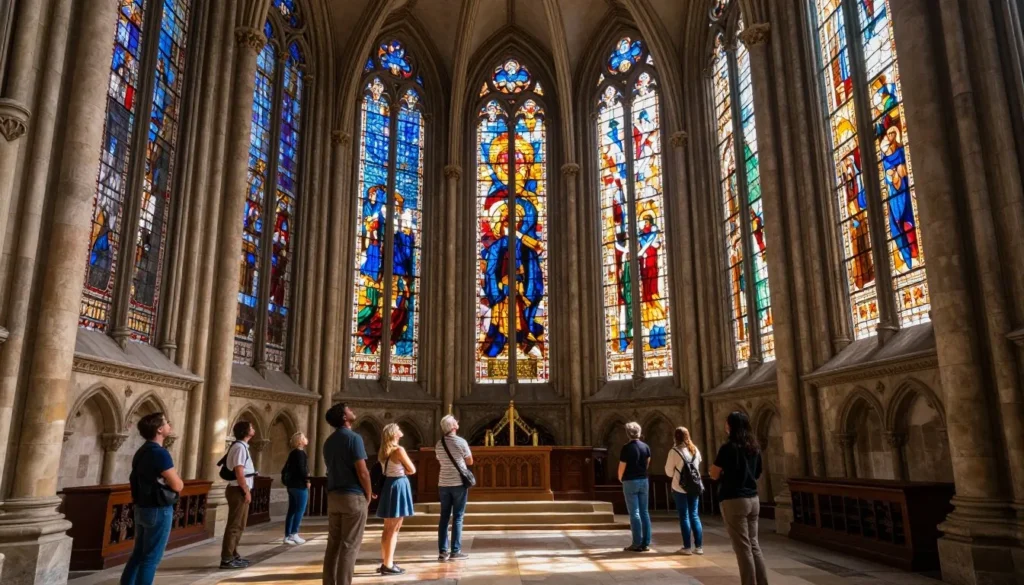
The Cathedral of Santa María de Regla dominates Leon’s skyline with its magnificent Gothic spires and represents the pinnacle of Spanish Gothic architecture. Construction began in the 13th century on the site of Roman baths and an earlier Romanesque church. The cathedral’s most stunning feature comprises over 125 stained glass windows covering approximately 1,800 square metres, creating an interior bathed in kaleidoscopic light.
Walking inside feels like entering a jewel box, with sunlight transforming the space throughout the day. The windows date primarily from the 13th to 16th centuries and depict biblical scenes, saints, and medieval life in remarkable detail. Art historians consider this collection among the finest medieval stained glass anywhere in Europe.
The cathedral museum houses religious art, manuscripts, and treasures accumulated over centuries. Don’t miss the intricate choir stalls carved in walnut, showcasing exceptional medieval craftsmanship. The cloister provides a peaceful retreat with beautiful carved capitals and a small garden. Guided tours offer deeper understanding of the cathedral’s art, architecture, and history.

Basilica of San Isidoro
The Royal Basilica of San Isidoro stands as one of Spain’s most important Romanesque monuments. This church of San Isidoro was built in the 11th century to house the remains of Saint Isidore of Seville and served as the royal pantheon for the Kingdom of León monarchs. The building perfectly exemplifies Romanesque style with its solid stone construction and rounded arches.
The Royal Pantheon beneath the church earns the title “Sistine Chapel of Romanesque art” thanks to its extraordinary 12th-century frescoes. These vibrant paintings cover the vaulted ceiling depicting biblical scenes, the agricultural calendar, and celestial imagery in remarkably preserved colors. The intimate space creates powerful connection with medieval spirituality and artistic achievement.
The attached museum displays the church’s treasury, including precious chalices, manuscripts, and reliquaries. The collection includes the Chalice of Doña Urraca, a stunning example of medieval goldsmith work. Beautiful cloisters and the library containing ancient manuscripts round out this exceptional site. Audio guides enhance your visit with detailed explanations of the art and history.

Casa Botines
This striking building designed by Antoni Gaudí stands as one of only three structures the famous Catalan architect created outside Catalonia. Constructed between 1891 and 1894 as a commercial building and residence, Casa Botines showcases Gaudí’s distinctive neo-Gothic style with his characteristic organic forms and imaginative details.
The building’s four cylindrical towers topped with conical spires create a fairy-tale appearance that contrasts beautifully with surrounding traditional architecture. The facade features intricate stonework, wrought iron balconies, and a sculpture of Saint George slaying the dragon above the main entrance. Gaudí’s genius manifests in the functional design that maximized natural light throughout the interior.
Today Casa Botines houses the Museum Casa Botines Gaudí, showcasing both the building’s architecture and rotating art exhibitions. Visitors can explore the original commercial spaces, private apartments, and rooftop to appreciate Gaudí’s revolutionary approach to urban architecture. The museum provides excellent context about the building’s history and Gaudí’s broader work.
Convento de San Marcos
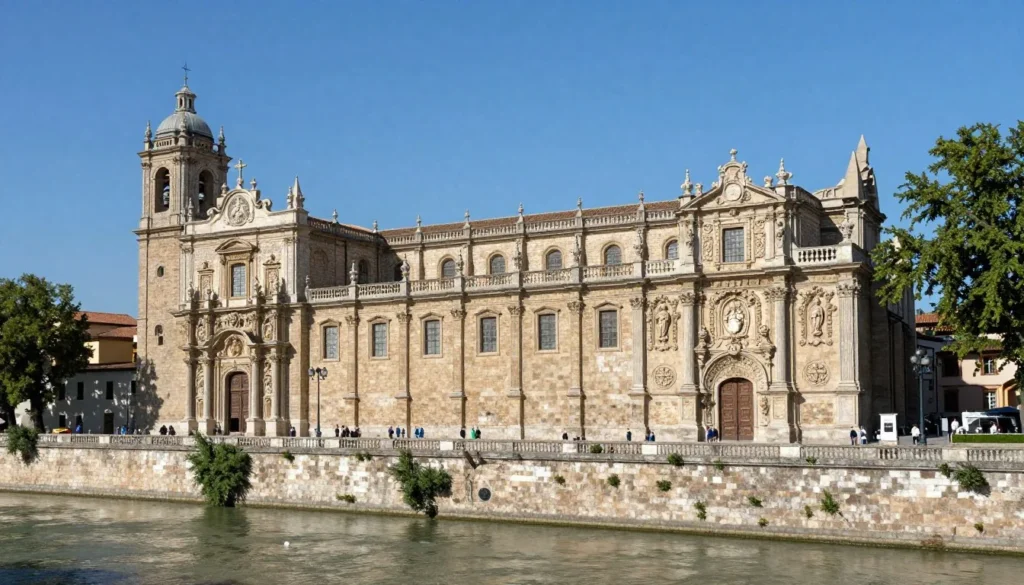
The Monastery of San Marcos presents one of Spain’s finest Renaissance buildings with its spectacular 100-metre facade overlooking the Bernesga River. Originally founded in the 12th century as a modest hospice for Camino de Santiago pilgrims, the building was dramatically rebuilt in the 16th century in magnificent Renaissance style by the Order of Santiago.
The facade features intricate plateresque stonework covered in medallions, sculptures, and decorative elements that reward close examination. The main entrance showcases exceptional carved detail depicting religious and historical scenes. Walking along the riverside promenade offers wonderful views of this architectural masterpiece and photo opportunities.
Part of the building now operates as a luxury parador hotel, whilst another section houses an archaeological museum displaying artifacts from across León province. The church attached to the monastery contains an impressive baroque choir and beautiful sacristy. The cloisters, with their elegant arches and peaceful atmosphere, provide a tranquil escape from the bustling city.
Historic Walls and Gates
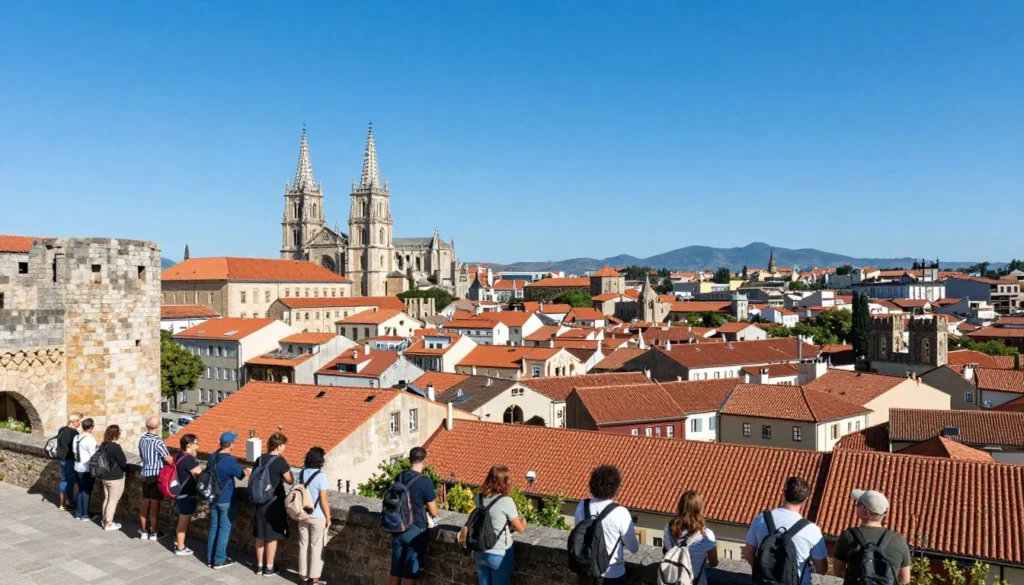
Leon’s Roman walls, originally constructed in the 1st century AD, still partially encircle the old town. These ancient fortifications have been rebuilt and modified over centuries, incorporating Roman, medieval, and later additions. Walking along sections of these historic walls offers unique perspectives of the city and tangible connection to its Roman origins.
Several gates pierce the walls, including the Arco de la Cárcel and remnants near the cathedral. The walls demonstrate the strategic importance Leon held throughout history, from Roman military outpost to capital of the medieval Kingdom of León. Information panels along the route explain the walls’ evolution and significance through different historical periods.
Museums, Cultural Spots & Festivals
MUSAC – Museum of Contemporary Art
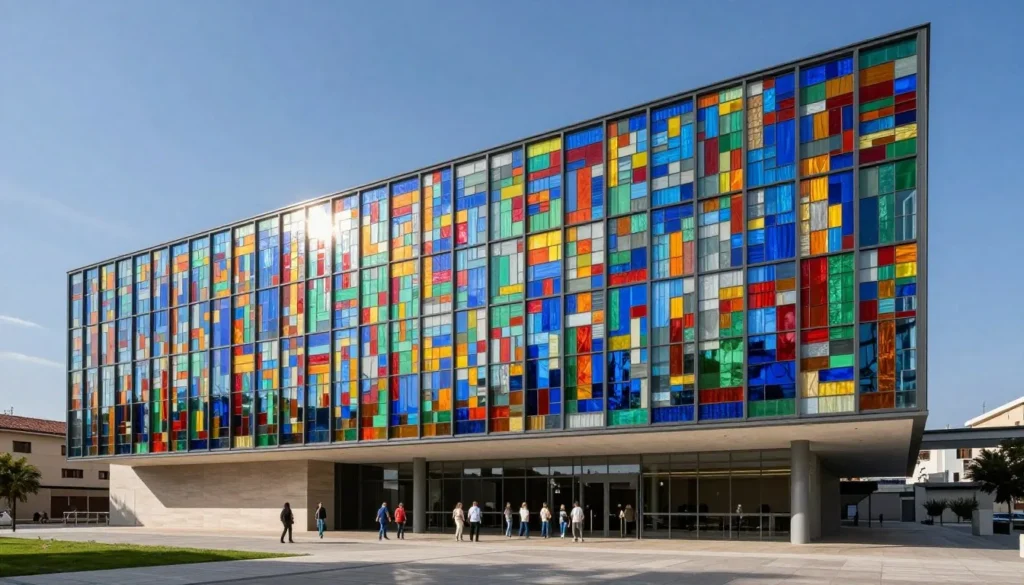
The Museum of Contemporary Art of Castile and León (MUSAC) provides striking counterpoint to Leon’s medieval heritage. This award-winning contemporary building features a facade composed of 3,351 colored glass panels creating a pixelated rainbow effect inspired by the cathedral’s stained glass. The museum opened in 2005 and quickly established itself as northern Spain’s premier contemporary art venue.
MUSAC’s collection focuses on Spanish and international art from the 1980s onward, with particular emphasis on emerging artists. Rotating exhibitions ensure fresh experiences with each visit, covering diverse media including painting, sculpture, photography, video art, and installations. The museum’s programming includes film screenings, concerts, workshops, and lectures that enrich Leon’s cultural landscape.
The building itself deserves exploration, with its innovative use of space and natural light. Large exhibition halls flow into each other, whilst outdoor courtyards integrate nature into the gallery experience. Free admission on Sunday mornings makes contemporary art accessible to everyone. Check their website for current exhibitions and special events throughout the year.
Leon Museum
The provincial museum occupies a modern building integrating parts of the former Convento de San Marcos. Collections span from prehistoric times through the Roman period and medieval era to contemporary León province. Archaeological finds include impressive Roman mosaics, sculptures, and everyday objects that illuminate life in ancient Legio.
Medieval sections showcase religious art, including carved capitals, altar pieces, and paintings from churches throughout the region. The Romanesque and Gothic collections help visitors understand the artistic flowering that occurred during Leon’s golden age. Well-designed displays with English translations make the museum accessible to international visitors.
Teatro Real Leon
This beautiful theatre from the late 19th century hosts performances ranging from classical music and opera to contemporary dance and theatre. The ornate interior features plush red velvet seating and elaborate gilded decoration typical of the era’s grand theatres. Attending a performance here adds cultural dimension to your Leon visit whilst supporting the city’s vibrant arts scene.
The theatre’s season runs from September through June, with reduced programming during summer months. International touring productions frequently stop here, alongside performances by local companies. Even if you don’t attend a show, the building’s exterior on Calle de la Rua merits admiration for its elegant architecture.
Nature & Outdoor Experiences
Camino de Santiago
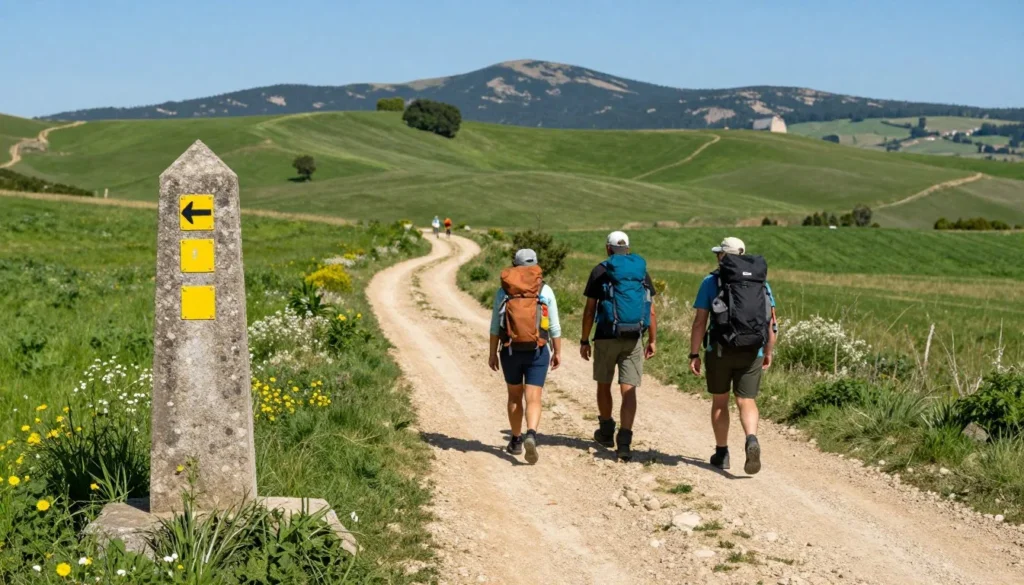
Leon serves as a significant stage on the Camino de Santiago pilgrimage route Santiago de Compostela. Thousands of pilgrims pass through the city annually, following the yellow arrows that mark the way to Santiago. Whether you’re completing the full pilgrimage or simply walking a section, experiencing the Camino provides profound connection to centuries of spiritual tradition.
The city marks the approximate halfway point for pilgrims on the Camino Francés (French Way), making it important resting place. Many pilgrims spend an extra day here recovering strength whilst exploring the city’s remarkable monuments. The route Santiago passes through Leon’s historic centre, creating interesting encounters between pilgrims and tourists throughout the area.
Day-walkers can experience a section of the Camino by hiking to nearby villages and returning by bus. The stretch from León to Hospital de Órbigo covers approximately 30 kilometres through pleasant countryside dotted with small towns. Local tour operators offer guided walks along scenic portions of the route, providing historical context and cultural insights.
River Bernesga Path
The Bernesga River flows through Leon, and pleasant pathways along its banks offer peaceful walking and cycling routes. These riverside trails provide green escape from urban streets whilst keeping you close to the city centre. The paths connect parks and green spaces, creating network perfect for morning jogs or evening strolls.
Several bridges cross the river, including the medieval Puente de San Marcos near the famous monastery. Walking these routes reveals different perspectives of the city’s architecture and allows you to appreciate how the river shaped Leon’s development. Local families frequently use these paths for recreation, giving glimpses of everyday Leonese life.
Las Médulas
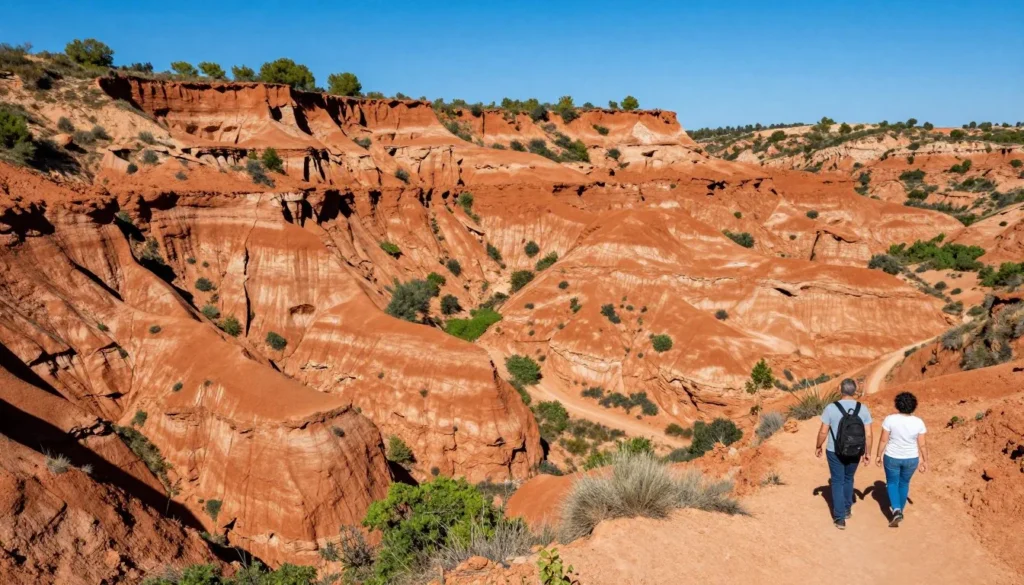
This extraordinary landscape in the El Bierzo region, about 125 kilometres from Leon, showcases the world’s largest Roman gold mine. The Romans used hydraulic mining techniques on massive scale, fundamentally reshaping the terrain into spectacular red-orange formations that seem almost alien. UNESCO recognized Las Médulas as a World Heritage Site for its archaeological and natural significance.
Hiking trails wind through the site, offering stunning views of the unusual geology created by ancient mining operations. The contrast between rust-colored earth and green chestnut forests creates dramatic scenery unlike anywhere else in Spain. Several viewpoints provide panoramic vistas perfect for photography and contemplation of human ambition’s lasting impact on landscape.
A small interpretation centre explains the Roman mining techniques and the site’s historical importance. Guided tours help visitors understand how the Romans diverted entire rivers to extract gold from the mountains. Most visitors approach Las Médulas as a day trip from Leon by car, though organized tours depart regularly from the city.
Picos de Europa
These dramatic mountains lie approximately 100 kilometres north of Leon and offer some of Spain’s most spectacular mountain scenery. The Picos de Europa National Park features jagged limestone peaks, deep gorges, and traditional mountain villages. While reaching the park requires dedicated travel time, the stunning landscapes reward the effort for nature enthusiasts.
Activities in the Picos range from gentle valley walks to challenging mountain climbing. Cable cars at Fuente Dé whisk visitors to high viewpoints, whilst numerous trails accommodate various fitness levels. The park supports diverse wildlife including Cantabrian brown bears, wolves, and chamois. Spring and early summer bring wildflower displays across the alpine meadows.
Travel With Children
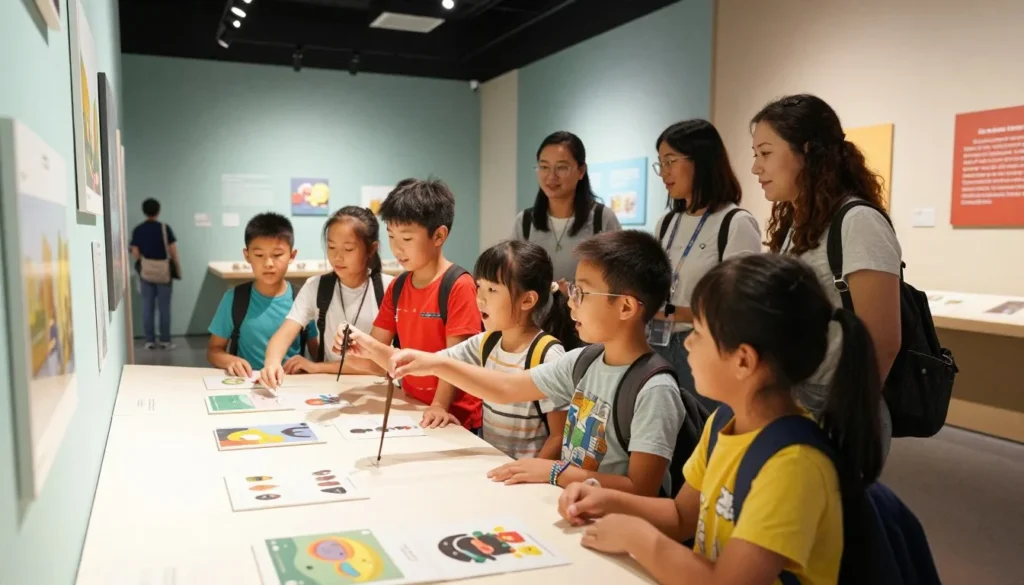
Leon welcomes families with children through its combination of engaging attractions, safe streets, and child-friendly culture. The compact historic centre allows easy exploration without exhausting little legs, whilst numerous parks provide playgrounds for burning off energy. Spanish culture embraces children in restaurants and public spaces, making family travel relaxed and enjoyable.
The cathedral captivates children with its colorful stained glass windows, especially when sunlight creates rainbow patterns across the floor. Many kids enjoy the challenge of spotting different biblical scenes and animals hidden in the glass. The museum at San Isidoro features medieval armor and treasures that spark young imaginations, transforming history into tangible adventure.
Several parks throughout the city offer playgrounds, open spaces for games, and shaded areas for picnics. The Parque de Quevedo, located near the city centre, features play equipment suitable for various ages, fountains, and plenty of space for running around. The riverside paths provide flat, safe routes perfect for teaching children to ride bikes or simply enjoying nature.
Interactive exhibits at MUSAC engage older children interested in art, whilst the contemporary building itself fascinates with its unusual architecture and colors. The museum often hosts family-friendly workshops during school holidays, combining creativity with cultural education. Check their schedule when planning your visit.
Many restaurants offer children’s menus, though Spanish dining hours require adjustment for families accustomed to earlier meals. The tapas tradition actually works wonderfully with children, allowing them to try small portions of different dishes without committing to full meals. Most establishments welcome children until reasonably late in the evening, reflecting Spanish family dining culture.
A ride on the tourist train provides fun way for children to see the city whilst resting tired feet. The train ride departs from Plaza San Marcelo and tours the historic centre with recorded commentary. The journey takes approximately 45 minutes and helps orient families to the city layout whilst keeping children entertained.
Family Travel Tip: Visit attractions in the morning when children feel fresh, then enjoy a relaxed lunch followed by playground time or a siesta. This pattern matches Spanish daily rhythms and keeps everyone happy.
Money Saving Tips
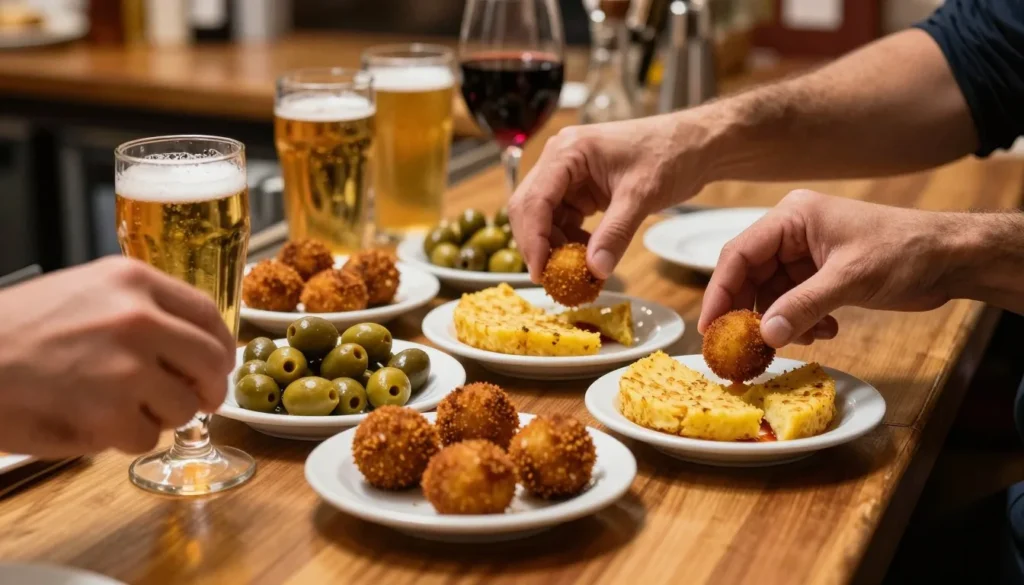
Leon rewards budget-conscious travelers with excellent value compared to Spain’s coastal tourist destinations. The generous tapas tradition means you can enjoy substantial meals simply by ordering drinks at various bars. Each drink typically comes with a free tapa, so hopping between three or four establishments creates a satisfying dinner at the cost of beverages alone.
Many major attractions offer free admission days or reduced-price hours. The cathedral charges no entry fee to enter for prayer (viewing the main nave), though accessing the museum and cloisters requires tickets. MUSAC offers free admission Sunday mornings, allowing culture enthusiasts to explore contemporary art without spending. Check individual attraction websites for free entry times.
The city’s compact size eliminates transportation costs for most visitors. Walking between attractions saves money whilst letting you discover charming streets and unexpected corners. When you do need transport, purchasing a ten-trip bus card instead of individual tickets cuts costs significantly. Most hotels outside the immediate historic centre charge considerably less whilst remaining within easy walking distance.
Lunch menus (menú del día) at restaurants provide exceptional value, typically offering three courses plus bread and drink for €10-15. These set menus represent how locals eat affordably whilst enjoying restaurant quality. The same restaurants charge significantly more for dinner à la carte, making lunch the smart choice for your main meal.
Shopping at the central market (Mercado del Condado) allows you to assemble picnics from local produce, cheese, and cured meats at fraction of restaurant prices. Many parks and plazas offer pleasant picnic spots. Bakeries sell delicious bread and pastries perfect for breakfast in your accommodation, avoiding hotel breakfast charges.
Traveling during shoulder seasons (May-June, September-October) means lower accommodation rates, fewer crowds at attractions, and better availability at popular restaurants. Some hotels offer significant discounts when booking directly rather than through booking platforms. Always ask about available promotions or longer-stay discounts.
Budget-Friendly Highlight: The combination of free tapas, affordable accommodation, and walkable attractions makes Leon one of Spain’s best-value destinations. A couple can enjoy a comfortable visit for approximately €60-80 daily including lodging, meals, and activities.
✓ Check 30,000+ Local Sightseeing Tours Worldwide
Safety & Local Customs

Leon ranks as one of Spain’s safest cities, with low crime rates and friendly atmosphere. Violent crime remains extremely rare, and most visits proceed without any safety concerns. Standard precautions against pickpocketing make sense in crowded areas like the plaza mayor and during festivals, but theft occurs far less frequently than in larger Spanish cities.
The barrio húmedo becomes lively during evening hours as locals enjoy tapas and drinks, but the atmosphere stays good-natured. Solo travelers, including women, generally feel safe walking through the historic centre even late at night. Well-lit streets and active nightlife mean you’re rarely alone. Trust your instincts and stick to busy, illuminated streets after dark.
Spanish dining hours differ significantly from northern European and North American customs. Lunch typically occurs between 14:00-16:00, whilst dinner rarely begins before 21:00. Many restaurants close between lunch and dinner service. Adjusting to this schedule enriches your cultural experience and ensures you find establishments open when you want to eat.
Greeting people with “Buenos días” (good morning), “Buenas tardes” (good afternoon), or “Buenas noches” (good evening) shows basic courtesy. Shop owners and restaurant staff appreciate these simple greetings. Learning a few basic Spanish phrases enhances interactions, though many people in the tourism industry speak some English.
The siesta tradition persists in Leon, with many smaller shops closing between 14:00-17:00. Banks, government offices, and some businesses follow this pattern. Plan shopping and practical errands for morning or late afternoon to avoid frustration. Larger stores and shopping centres typically stay open all day.
Spaniards generally dress more formally than casual tourists. While no strict dress codes apply, wearing appropriate clothing when visiting churches shows respect. Cover shoulders and avoid very short shorts or skirts in religious buildings. The cathedral occasionally refuses entry to inappropriately dressed visitors.
Tipping culture in Spain differs from North America. Service charges are typically included in restaurant bills, though leaving small change (€1-2) or rounding up shows appreciation for good service. Taxi drivers don’t expect tips but appreciate rounding fares to the nearest euro. Hotel porters might receive €1-2 for carrying bags.
Visitor Comments About Leon
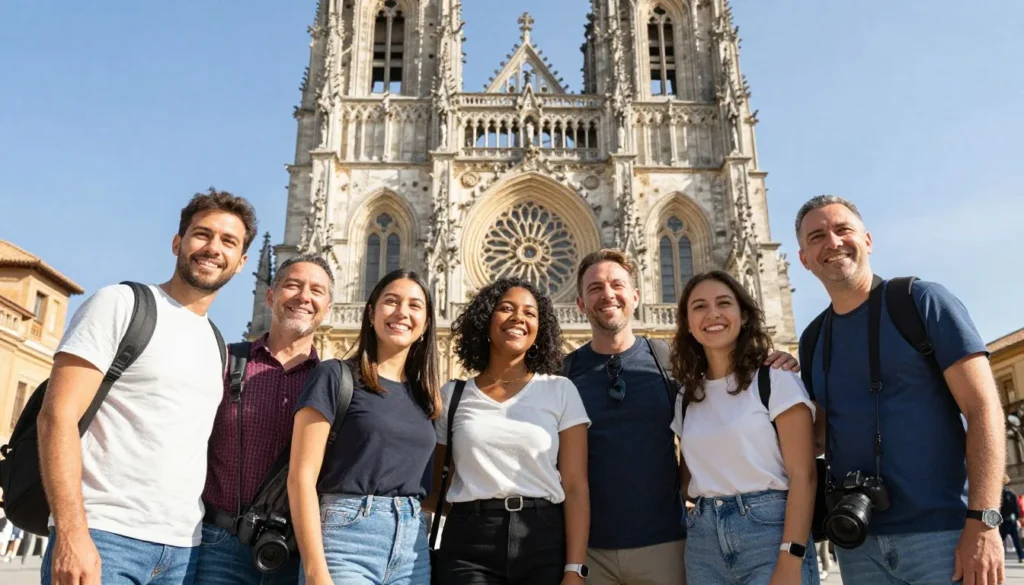
“Leon exceeded all expectations! The cathedral’s stained glass left us speechless, and the free tapas tradition made evening dining both delicious and affordable. We found the city refreshingly authentic compared to overcrowded tourist spots elsewhere in Spain. The locals were welcoming, and we felt we experienced the real Spain.”
“As someone who walked the Camino, Leon provided the perfect rest day. The combination of incredible monuments, excellent food, and comfortable accommodation recharged both body and spirit. San Isidoro’s frescoes particularly moved me. I would return to Leon specifically rather than just passing through.”
“Traveling with our two children, we appreciated Leon’s safe, walkable streets and engaging attractions. The kids loved the colorful cathedral windows and modern art museum. Free tapas meant we could try different places without breaking the budget. A wonderful family-friendly destination that deserves more recognition.”
Additional Nearby Destinations

Castrillo de los Polvazares
This perfectly preserved village lies about 50 kilometres west of Leon and transports visitors to another era. The entire town maintains traditional Maragato architecture with distinctive stone buildings and narrow streets. Castrillo de los Polvazares earned recognition as one of Spain’s most beautiful villages, and walking its cobbled lanes feels like stepping into the past.
The village specializes in cocido maragato, a unique multi-course stew served in reverse order from traditional Spanish practice. Several restaurants prepare this hearty dish using time-honored recipes. The unusual medieval layout and well-preserved architecture make Castrillo worth visiting even if you skip the meal. The journey from Leon takes about 45 minutes by car.
Astorga
Located 47 kilometres southwest of Leon, Astorga combines Roman heritage with another Antoni Gaudí masterpiece. The Episcopal Palace designed by Gaudí resembles a fairy-tale castle with turrets and intricate stonework. Today it houses the Museum of the Ways, exploring pilgrimage routes including the Camino Santiago. The adjacent cathedral blends Gothic and baroque styles magnificently.
Astorga produces the famous mantecadas (butter cakes) and chocolate, with numerous shops selling these local specialties. Roman walls encircle parts of the old town, and archaeological remains include sections of the ancient forum. The town makes an easy half-day excursion from Leon by car or bus.
Ponferrada
This industrial town 100 kilometres west of Leon surprises visitors with its impressive Templar castle. The Knights Templar built this fortress in the 12th century to protect pilgrims on the Camino Santiago. The castle’s towers and battlements dominate the town, and visitors can explore various sections whilst learning about Templar history.
Ponferrada serves as the gateway to the beautiful Bierzo wine region, known for Mencía wines. The surrounding area offers stunning natural landscapes including the spectacular Las Médulas Roman mines. The town provides good base for exploring this western section of León province.
Valladolid
The regional capital sits 130 kilometres south of Leon and merits a day trip for history enthusiasts. Valladolid served briefly as Spain’s capital in the early 17th century, and magnificent Renaissance buildings reflect this prestigious past. The National Sculpture Museum houses one of Europe’s finest collections of polychrome wood sculpture.
The city offers excellent restaurants, shopping, and vibrant cultural scene. Casa Cervantes, where the famous author lived, operates as a museum. The cathedral, though never completed, impresses with its soaring architecture. Frequent trains connect Valladolid and Leon, making public transport visits straightforward.
Practical Travel Tips
Spain uses the Euro (€), and Leon has numerous ATMs throughout the historic centre where you can withdraw cash using international cards. Most restaurants, hotels, and larger shops accept credit cards, though smaller establishments and market vendors prefer cash. Carrying some small bills proves useful for tapas bars and purchases at the market.
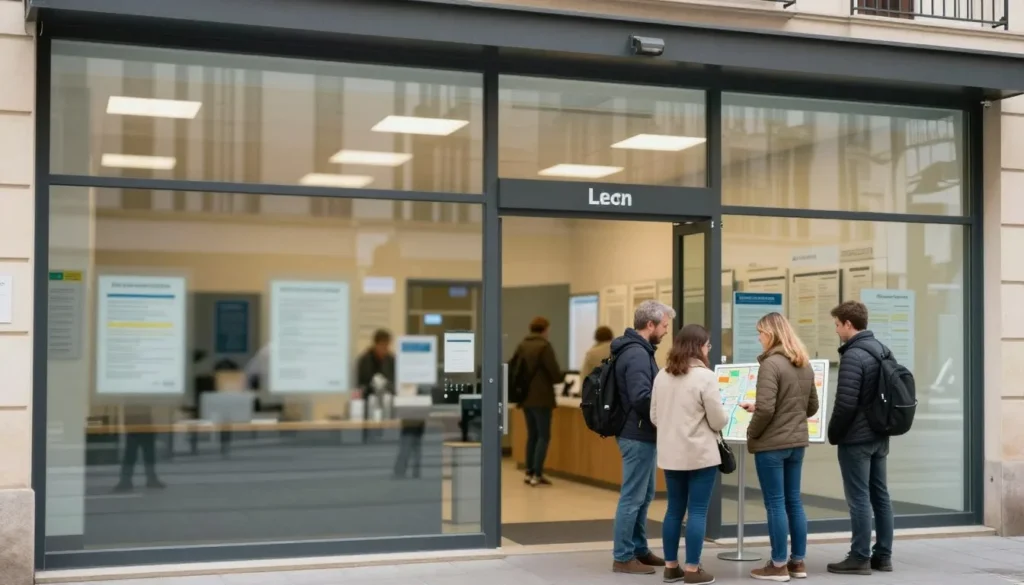
The main tourist information office occupies a modern building on Plaza de la Regla, directly opposite the cathedral. Staff provide free city maps, event schedules, and recommendations. They can assist with accommodation bookings and organize guided tours. Opening hours typically run Monday-Saturday 10:00-14:00 and 16:00-19:00, with reduced Sunday hours.
Free Wi-Fi is available at most hotels, restaurants, and cafes throughout Leon. The city also provides free public Wi-Fi in major squares and tourist areas. Connection quality varies, but suffices for basic communication and navigation. Consider purchasing a Spanish SIM card if you need reliable data throughout your stay.
Pharmacies (farmacias) identified by green crosses operate throughout the city and stock familiar medications plus products you might forget. Staff often speak some English and can recommend appropriate remedies for minor ailments. At least one pharmacy stays open 24 hours on rotation; check posted schedules or ask your hotel for the current location.
Public restrooms exist at major attractions, museums, and the bus station. Bars and cafes allow customers to use facilities, though purchasing a coffee shows courtesy. Carry tissues or toilet paper as some facilities lack proper supplies. Standards generally meet expectations, especially at tourist sites and better establishments.
Electrical outlets in Spain use Type C and Type F plugs with 230V/50Hz current. Travelers from the UK need adapters, whilst those from North America require both adapters and voltage converters for devices not rated for 230V. Most hotels provide adapters at reception if you forget yours.
Leon’s tap water meets EU safety standards and is perfectly safe to drink. However, the mineral content differs from other regions, sometimes affecting taste. Many locals prefer bottled water, which costs very little at supermarkets. Restaurants typically serve bottled water unless you specifically request tap water (agua del grifo).
Emergency numbers in Spain include 112 for general emergencies, 091 for national police, and 061 for medical emergencies. The Hospital de León provides comprehensive medical services and maintains an emergency department. Your travel insurance should cover unexpected medical needs, though EU residents can use the European Health Insurance Card for basic treatment.
Learning basic Spanish phrases enhances your experience and shows respect for local culture. Essential phrases include “por favor” (please), “gracias” (thank you), “¿habla inglés?” (do you speak English?), and “la cuenta, por favor” (the bill, please). Most people appreciate efforts to communicate in Spanish even if your pronunciation isn’t perfect.
Photography is generally permitted at most outdoor locations and inside museums, though some exhibitions prohibit flash photography or photography entirely. Always check posted signs or ask permission. Religious services in churches should not be photographed out of respect. The cathedral charges a small fee for photography within the interior.
Your Leon Adventure Awaits
Leon reveals itself as a city where history breathes through stained glass windows, where Roman walls stand testament to centuries of stories, and where generous tapas traditions welcome you into authentic Spanish culture. This remarkable destination offers treasures that rival Spain’s most famous cities yet retains an intimate, accessible character that makes exploration pure joy.
From the luminous cathedral that has inspired pilgrims for centuries to Gaudí’s fairy-tale Casa Botines, from ancient San Isidoro’s Romanesque perfection to the cutting-edge contemporary art at MUSAC, Leon bridges past and present with grace. The city rewards curiosity with unexpected discoveries around every corner of its atmospheric streets.
Whether you arrive as a Camino pilgrim seeking spiritual renewal, a history enthusiast hungry for architectural wonders, a food lover ready to explore Castile León’s culinary traditions, or a family seeking authentic Spanish experiences, Leon welcomes you with open arms and generous spirit. The city’s compact size, safety, excellent value, and genuine warmth create the perfect conditions for memorable travel.
Start planning your Leon adventure today. Walk where Roman legions marched, gaze upon medieval stained glass masterpieces that transform sunlight into poetry, taste the region’s exceptional cuisine, and discover why this historic city deserves its place among Spain’s most captivating destinations. Your journey to Leon promises experiences that will enrich your understanding of Spanish heritage whilst creating memories to treasure forever.