
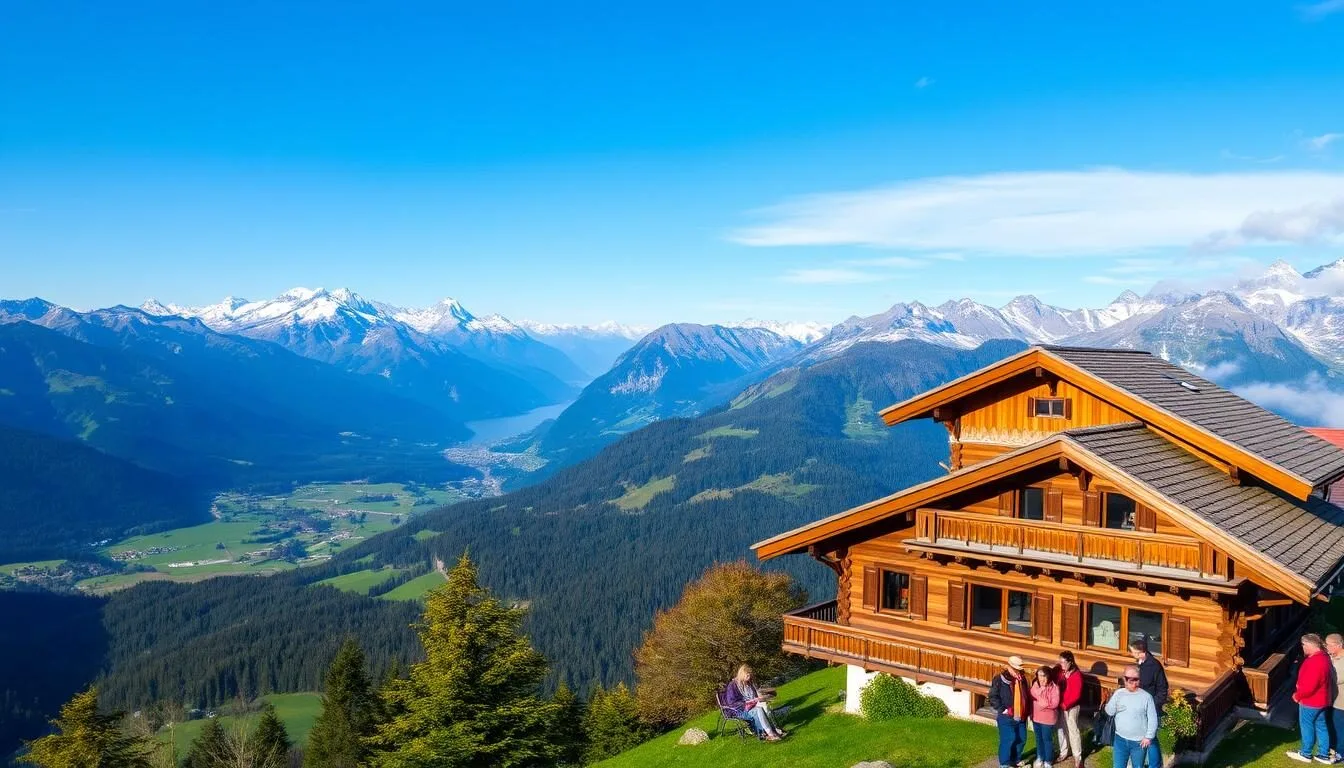
Did you know that Switzerland has the world’s steepest cogwheel railway, climbing at a jaw-dropping 48-degree angle up Mount Pilatus? This engineering marvel is just one of countless wonders in a country that packs more breathtaking experiences per square kilometer than almost anywhere else on earth. From chocolate-making workshops to hiking trails that inspired Tolkien’s Middle Earth, Switzerland offers extraordinary adventures that will transform your travel bucket list forever.
Getting There & Planning Your Journey
Switzerland is exceptionally well-connected to the rest of Europe and the world. The country has three major international airports: Zurich Airport (ZRH), Geneva Airport (GVA), and EuroAirport Basel-Mulhouse-Freiburg (BSL). Zurich serves as the largest gateway with connections to over 150 destinations worldwide.
When planning your Swiss adventure, consider purchasing a Swiss Travel Pass, which offers unlimited travel on the country’s extensive train, bus, and boat network. This pass also includes free entry to over 500 museums and discounts on many mountain excursions.
For the most seamless experience, plan your itinerary around geographical regions rather than trying to cover the entire country in one trip. Switzerland may be small (41,285 km² or 15,940 square miles), but its diverse landscapes and attractions deserve dedicated exploration.
Essential Planning Tips
- Book accommodations 3-6 months in advance, especially during peak seasons (summer and winter holidays)
- Check operating schedules for mountain excursions as many close during shoulder seasons for maintenance
- Download the SBB Mobile app for real-time train information and mobile tickets
- Consider travel insurance that covers mountain rescue, particularly if you plan on hiking or skiing
- Pack layers regardless of season – mountain weather can change rapidly
Best Time to Visit & Weather Tips
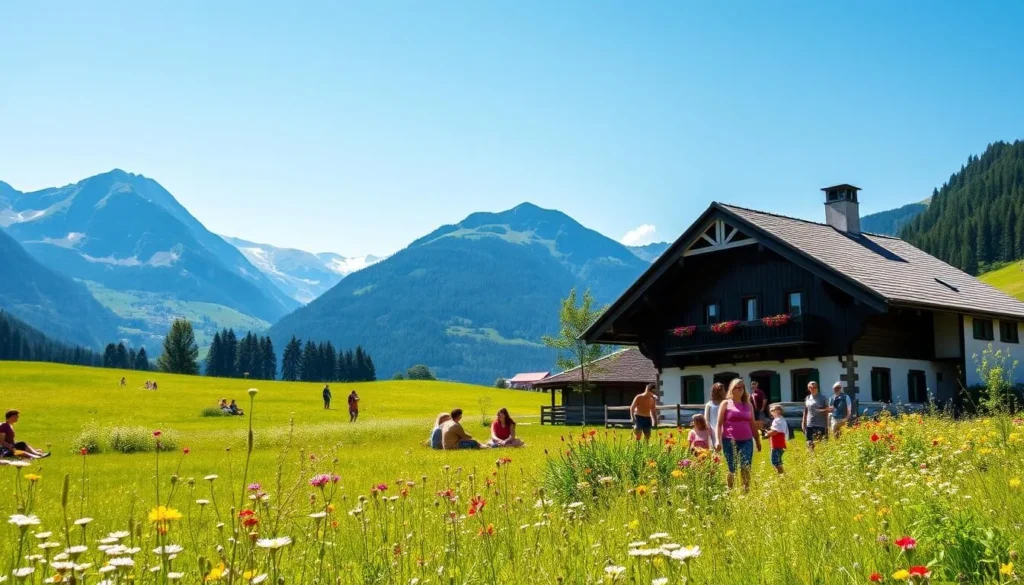
Switzerland offers distinct experiences across all four seasons, each with its own charm and advantages. Your ideal time to visit depends largely on the activities you’re most interested in experiencing.
Recommended Seasons
Summer (June to August)
Peak hiking season with temperatures ranging from 18-28°C (65-82°F). Mountain passes are open, alpine flowers bloom, and outdoor festivals abound. Lake swimming is refreshing, with water temperatures reaching 20-24°C (68-75°F). This is the busiest and most expensive season.
Fall (September to October)
A magical time with fewer crowds, pleasant hiking temperatures of 10-20°C (50-68°F), and stunning foliage, especially in the larch forests. Many mountain facilities remain open, and you’ll find harvest festivals and fresh local produce.
Winter (December to March)
Prime skiing season with temperatures ranging from -5 to 5°C (23-41°F) in mountain areas. Christmas markets, fondue experiences, and winter wonderland scenery make this a magical time. Expect higher prices in ski resorts but deals in cities.
Spring (April to May)
A shoulder season with blooming valleys, temperatures from 8-18°C (46-64°F), and waterfalls at their most powerful due to snowmelt. Many mountain excursions may be closed for maintenance, but cities and lower elevations are delightful.
Seasons to Avoid
November and early December, along with late March to mid-April, are considered the “between seasons” periods when many mountain facilities close for maintenance. Weather can be unpredictable, with rain in the valleys and unstable conditions for outdoor activities. If you’re specifically coming for mountain experiences, these periods are best avoided.
Weather Tip: Mountain weather can change rapidly in Switzerland. Always check forecasts before excursions and pack layers regardless of season. The website MeteoSwiss provides the most accurate local forecasts.
Getting Around Locally
Switzerland boasts one of the world’s most efficient and comprehensive public transportation systems, making it remarkably easy to explore the country without a car.
Swiss Rail Network
The backbone of Swiss transportation is its exceptional rail network. Trains run with legendary Swiss precision – a delayed train is a rare occurrence. The system connects virtually every town and village, with services typically running hourly or half-hourly between major destinations.
Scenic train routes like the Glacier Express, Bernina Express, and GoldenPass Line are attractions in themselves, offering panoramic views through oversized windows or open-air carriages.
Local Transportation Options
- Buses: Complement the train network, reaching smaller villages and hiking trailheads
- Boats: Regular services operate on all major lakes, offering both transportation and sightseeing
- Cable Cars & Funiculars: Connect valley towns to mountain destinations, with over 500 mountain transport systems throughout the country
- PostBuses: The iconic yellow buses serve rural areas, including spectacular mountain routes
- City Transportation: Major cities have excellent tram and bus networks included in many travel passes
Transportation Passes
Consider these money-saving options:
- Swiss Travel Pass: Unlimited travel on trains, buses, and boats, plus free museum entry
- Half-Fare Card: 50% discount on most transportation for a lower initial investment
- Regional Passes: Like the Tell Pass (Central Switzerland) or Berner Oberland Pass
- City Cards: Many cities offer cards that include local transportation and attractions
Where to Stay
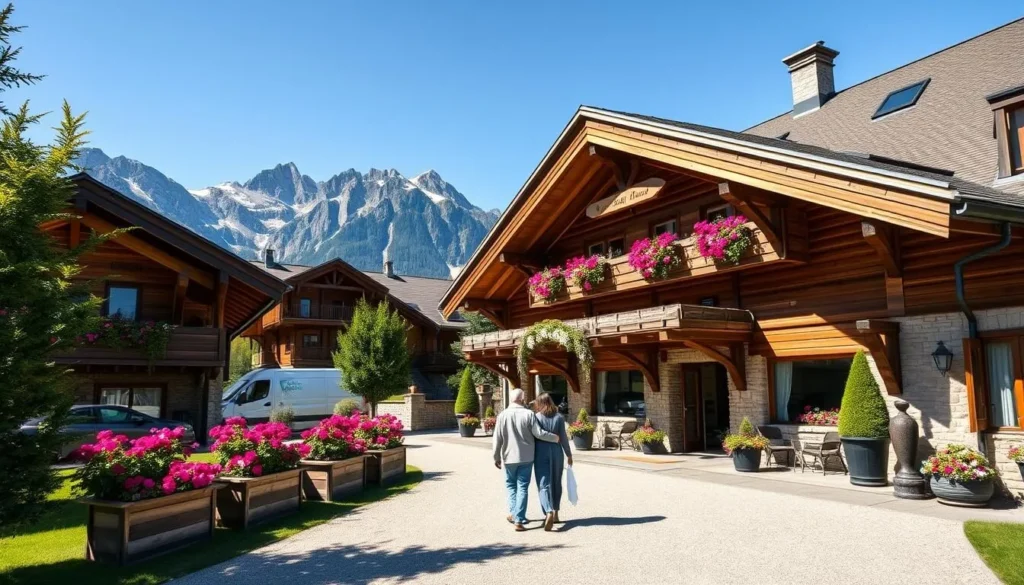
Switzerland offers accommodation options ranging from luxury palaces to charming family-run inns. While the country has a reputation for being expensive, there are options for every budget if you know where to look.
Luxury Experiences
Switzerland excels in luxury hospitality, with historic palace hotels in most major destinations. Properties like the Victoria-Jungfrau in Interlaken, Badrutt’s Palace in St. Moritz, and the Beau-Rivage in Geneva offer impeccable service, spa facilities, and often spectacular views. Expect prices starting from 500 CHF (approximately 550 USD) per night.
Mid-Range Options
For comfortable accommodation without the palace price tag, consider:
- Boutique Hotels: Smaller, design-focused properties offering personalized service
- Mountain Lodges: Traditional Swiss chalets with modern amenities
- Family-Run Hotels: Often providing excellent value with a local touch
Mid-range accommodations typically cost between 150-300 CHF (165-330 USD) per night.
Budget-Friendly Choices
Switzerland can be explored on a budget with these options:
- Hostels: The Swiss Hostel Association maintains high-quality properties throughout the country
- Mountain Huts: Basic but atmospheric accommodation in alpine settings
- Farm Stays: Experience rural Swiss life with accommodation on working farms
- Vacation Rentals: Often more economical for families or longer stays
Budget accommodations range from 30-120 CHF (33-132 USD) per person per night.
Unique Stays
For a truly memorable experience, consider:
- Mountain Hut Adventures: Hike to remote huts like Berggasthaus Aescher, built into a cliff face
- Zero Star Hotel: An open-air “room” in the Alps with butler service but no walls or ceiling
- Historic Castles: Several Swiss castles offer guest accommodations
- Igloo Villages: Available in winter at locations like Zermatt and Gstaad
Booking Tip: Reserve accommodations well in advance for summer (June-August) and winter holiday periods (Christmas/New Year and February). Many mountain hotels close during shoulder seasons (November and April-May).
Dining & Local Cuisine
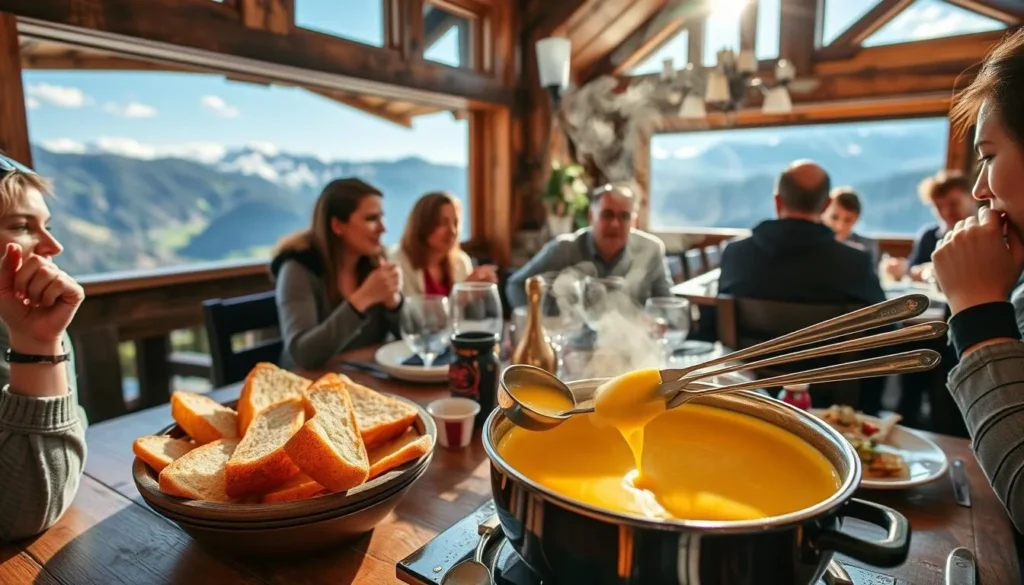
Swiss cuisine is a delightful fusion of German, French, and Italian influences, with each region offering its own specialties. While internationally known for cheese and chocolate, Switzerland’s culinary landscape is diverse and sophisticated.
Must-Try Swiss Dishes
- Fondue: The iconic Swiss dish of melted cheese served in a communal pot with bread for dipping. Traditional versions use Gruyère and Emmental cheese with white wine and kirsch.
- Raclette: Cheese melted by the fire and scraped onto potatoes, pickles, and dried meats.
- Rösti: A crispy potato pancake often served with eggs, bacon, or smoked salmon.
- Zürcher Geschnetzeltes: Sliced veal in a creamy mushroom sauce, a specialty of Zurich.
- Älplermagronen: Alpine macaroni with potatoes, cheese, cream, and caramelized onions.
- Bündnerfleisch: Air-dried beef from Graubünden, similar to Italian bresaola.
Regional Specialties
Switzerland’s diverse regions each offer distinctive culinary traditions:
German-Speaking Region
Hearty dishes like sausages, rösti, and Zürich-style veal. Don’t miss the bread variety – Switzerland has over 200 types of bread!
French-Speaking Region
Refined cuisine with French influences. Try filets de perche (perch fillets) around Lake Geneva and meringues with double cream from Gruyère.
Italian-Speaking Region
Mediterranean flavors dominate in Ticino. Sample risotto, polenta, and chestnut-based desserts.
Mountain Regions
Hearty alpine cuisine designed to fuel hikers and skiers. Look for cheese-based dishes and dried meats that store well at altitude.
Sweet Treats
Switzerland’s reputation for chocolate is well-deserved, but there’s more to discover:
- Swiss Chocolate: Visit chocolatiers like Lindt, Cailler, or smaller artisanal producers for tastings
- Zuger Kirschtorte: A layered cake with kirsch liqueur from Zug
- Basler Läckerli: Spiced honey cookies from Basel
- Vermicelles: Chestnut puree dessert resembling spaghetti
- Engadiner Nusstorte: Caramelized walnut tart from the Engadin valley
Dining Practicalities
Eating out in Switzerland can be expensive, with main courses in restaurants typically costing 25-45 CHF (27-50 USD). Consider these budget-friendly options:
- Self-catering with supermarket products (Migros and Coop are major chains)
- Lunch menus (“Tagesmenu/Menu du jour”), which offer better value than dinner
- Street food at weekly markets
- University cafeterias, which are often open to the public
Tipping: Service is included in Swiss restaurant prices. While tipping isn’t expected, rounding up the bill or adding 5-10% for exceptional service is appreciated.
Attractions, Sightseeing & Activities
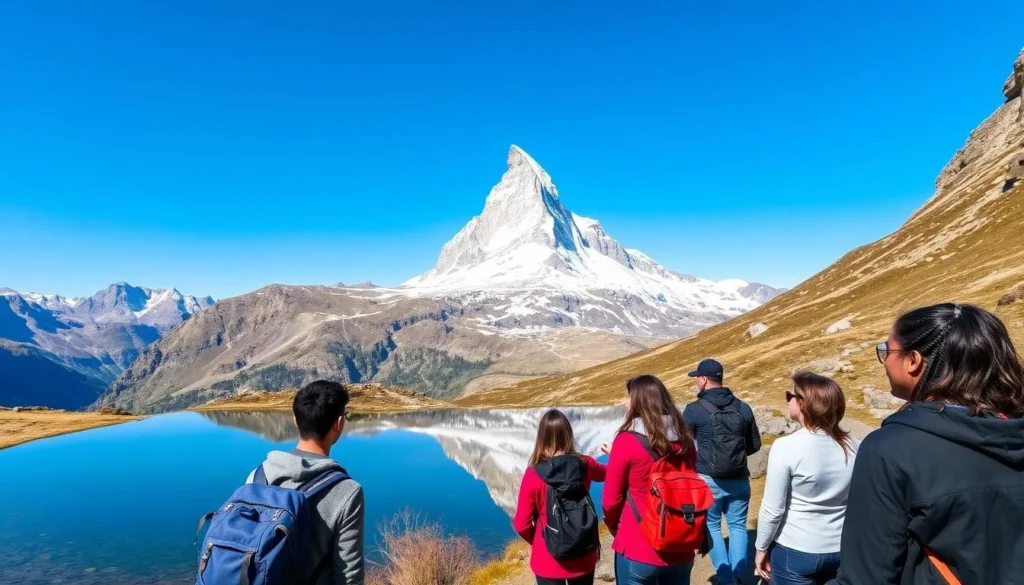
Switzerland packs an astonishing variety of world-class attractions into its compact territory. From engineering marvels to natural wonders, these are the experiences that should top your Switzerland best things to do list.
Iconic Swiss Experiences
- The Matterhorn: Marvel at Switzerland’s most recognizable peak from Zermatt, a car-free alpine village. Take the Gornergrat railway for spectacular views of the mountain and surrounding glaciers.
- Jungfraujoch – Top of Europe: Ascend to Europe’s highest railway station at 3,454 m (11,332 ft) for breathtaking alpine panoramas, an ice palace, and year-round snow activities.
- Rhine Falls: Experience the power of Europe’s largest waterfall near Schaffhausen, with viewing platforms that bring you thrillingly close to the thundering water.
- Lake Geneva: Cruise on crystal-clear waters surrounded by vineyards, mountains, and elegant cities. The lake covers 58,000 hectares (143,000 acres) and offers activities from swimming to wine tasting in the Lavaux vineyards.
- Château de Chillon: Explore Switzerland’s most visited historic monument, a medieval castle on a small island near Montreux that inspired Lord Byron’s poetry.
Urban Highlights
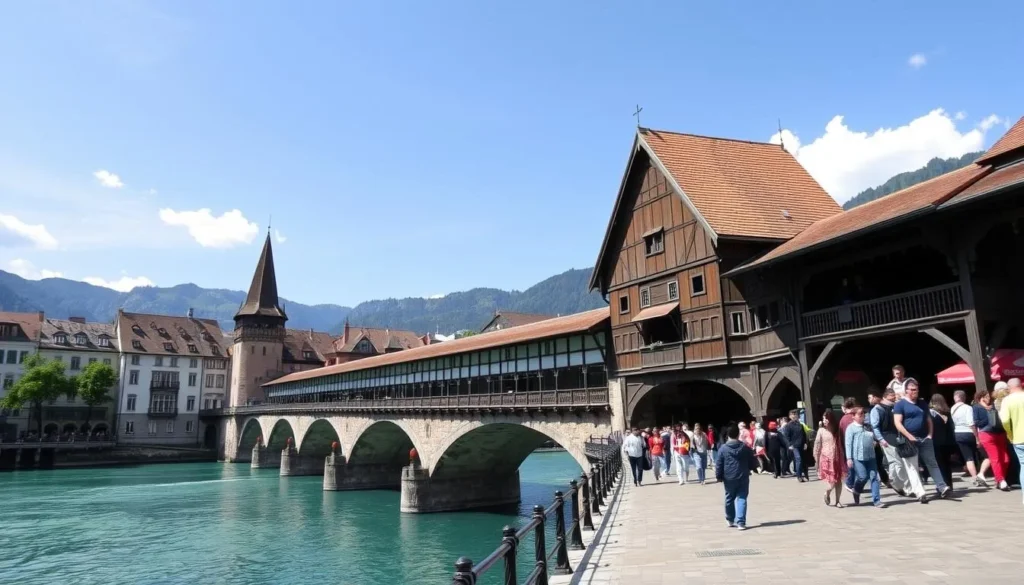
Switzerland’s cities offer a perfect blend of historic charm and modern sophistication:
- Lucerne: Wander across the 14th-century Chapel Bridge, admire the poignant Lion Monument, and enjoy the lakeside setting framed by mountains.
- Bern: Explore the UNESCO-listed medieval old town with its 6 km of arcaded shopping streets, elaborate fountains, and the Zytglogge clock tower.
- Zurich: Discover Switzerland’s largest city with its perfect blend of historic guild houses, world-class museums, and vibrant urban culture.
- Geneva: Visit the international city with its iconic Jet d’Eau fountain shooting water 140 m (460 ft) into the air and elegant lakeside promenades.
- Basel: Experience the art capital of Switzerland, home to over 40 museums and the world-famous Art Basel fair.
Hidden Gems
Beyond the famous attractions, these lesser-known spots offer authentic Swiss experiences:
- Lauterbrunnen Valley: Walk among 72 waterfalls in this valley that inspired Tolkien’s Rivendell.
- Appenzell: Discover colorfully painted buildings and living traditions in this charming eastern Swiss region.
- Valle Verzasca: Swim in the emerald waters of this river valley in Ticino, famous for its double-arched stone bridge.
- Gruyères: Visit this medieval town that gave its name to the famous cheese, complete with a castle and quirky H.R. Giger museum.
- Aletsch Glacier: Hike alongside Europe’s largest glacier, stretching 23 km (14 miles) through the Alps.
Money-Saving Tip: Many Swiss cities offer visitor cards that include free public transportation and discounted or free attraction entry. These are often provided by hotels or available at tourist information centers.
Museums, Cultural Spots & Festivals
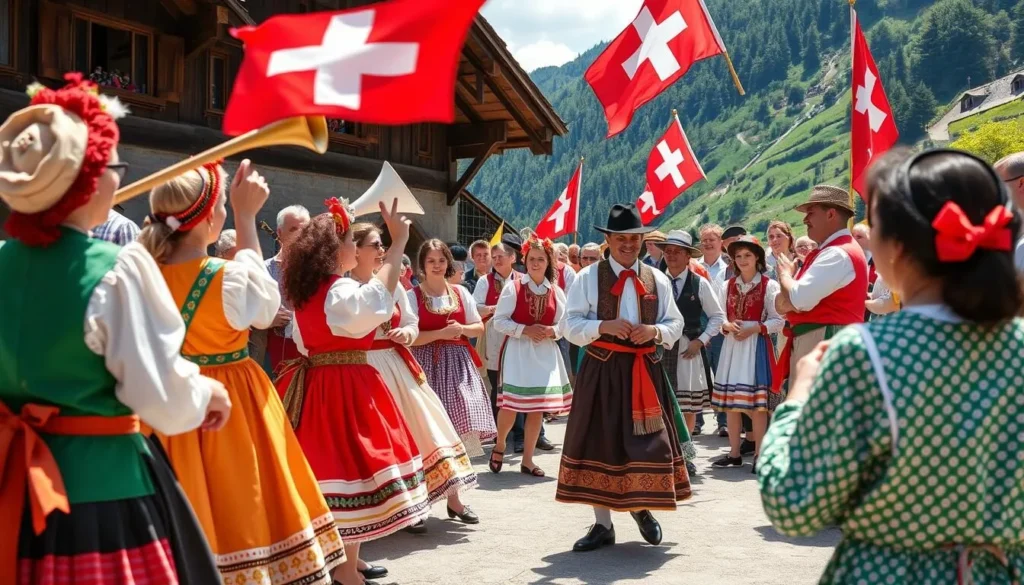
Switzerland’s cultural landscape is as diverse as its geography, with a rich heritage of traditions alongside cutting-edge contemporary arts. The country boasts over 900 museums, from world-class art collections to quirky specialized exhibitions.
Must-Visit Museums
- Swiss National Museum (Zurich): Housed in a castle-like building, this comprehensive collection tells the story of Swiss cultural history from prehistoric times to the present.
- Fondation Beyeler (Basel): Switzerland’s most visited art museum showcases an exceptional collection of modern and contemporary works in a stunning Renzo Piano-designed building.
- Olympic Museum (Lausanne): An interactive celebration of Olympic history in the city that hosts the International Olympic Committee.
- Zentrum Paul Klee (Bern): Dedicated to Switzerland’s famous artist, the undulating building designed by Renzo Piano is an architectural masterpiece itself.
- Chaplin’s World (Vevey): Explore Charlie Chaplin’s former mansion and studio, where he spent the last 25 years of his life.
- International Red Cross and Red Crescent Museum (Geneva): A thought-provoking look at humanitarian action and the history of this Swiss-founded organization.
Living Traditions
Switzerland maintains vibrant cultural traditions that visitors can experience:
- Alphorn Playing: These wooden instruments up to 4 meters long produce a haunting sound that carries across alpine valleys.
- Yodeling: Originally used for communication between mountain villages, yodeling has evolved into a sophisticated musical art form.
- Flag Throwing: A spectacular traditional skill where performers toss and catch elaborate flags in synchronized routines.
- Schwingen: Swiss wrestling matches held in sawdust rings, where competitors wear special breeches and try to pin their opponent’s shoulders to the ground.
Major Festivals
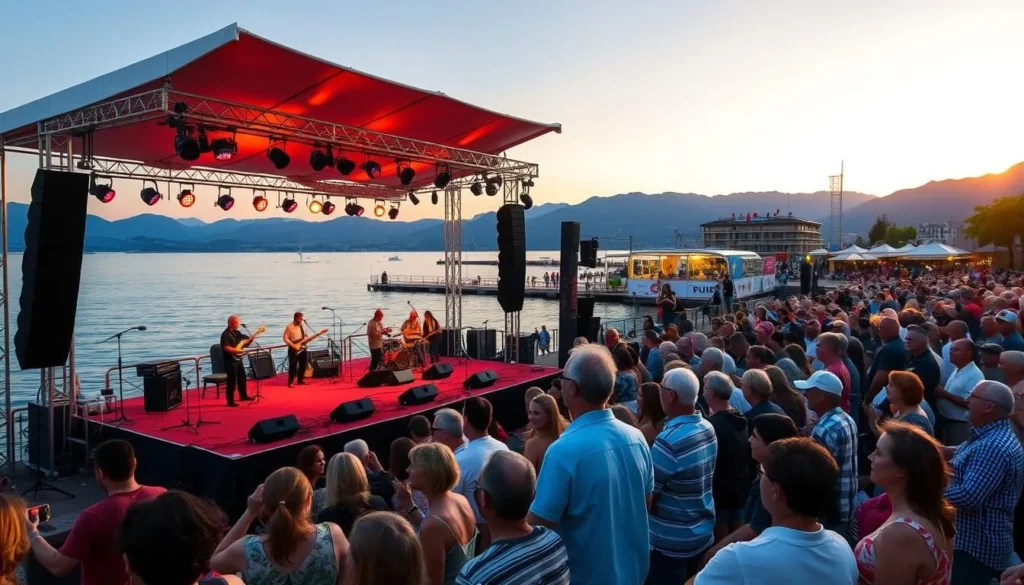
Time your visit to coincide with these spectacular events:
- Fasnacht (Basel): Switzerland’s largest carnival begins at 4am on the Monday after Ash Wednesday with the “Morgestraich” when all city lights are extinguished and lantern parades begin.
- Montreux Jazz Festival (July): One of the world’s most prestigious music festivals, held on the shores of Lake Geneva.
- Locarno Film Festival (August): An international film festival with outdoor screenings in the Piazza Grande.
- Fête de l’Escalade (Geneva, December): Commemorates the city’s defeat of a surprise attack by the Duke of Savoy in 1602 with parades, mulled wine, and chocolate cauldrons.
- Alpabzug/Désalpe (September): Watch decorated cows being brought down from summer pastures, with farmers in traditional dress and celebrations in various alpine villages.
Contemporary Arts
Beyond traditional culture, Switzerland has a vibrant contemporary arts scene:
- Art Basel: One of the world’s premier art fairs, held annually in June.
- Lucerne Festival: A prestigious classical music festival attracting top international orchestras.
- Locarno Dance Festival: Contemporary dance performances in spectacular settings.
- Design Miami/Basel: A global forum for innovative design held alongside Art Basel.
Museum Tip: The Swiss Museum Pass (190 CHF/~210 USD for one year) grants unlimited access to over 500 museums nationwide and can pay for itself with just a few visits to major institutions.
Sports, Nature & Outdoor Experiences
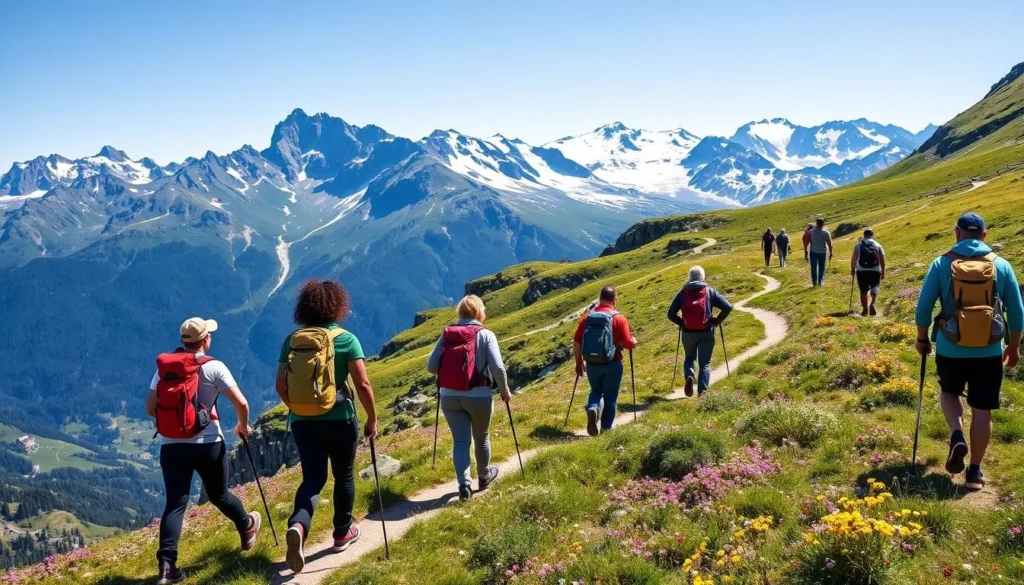
Switzerland’s spectacular natural landscapes provide the perfect playground for outdoor enthusiasts year-round. From world-class skiing to serene lake swimming, the country offers outdoor activities for every interest and ability level.
Hiking Paradise
With over 65,000 km (40,000 miles) of marked trails, Switzerland is a hiker’s dream. The extensive network ranges from gentle valley walks to challenging alpine routes:
- Via Alpina: A long-distance trail crossing Switzerland with 20 stages through the northern Alps.
- Five Lakes Hike (Zermatt): A moderate day hike with views of the Matterhorn reflected in alpine lakes.
- Eiger Trail: Walk directly beneath the imposing north face of this famous peak.
- Swiss National Park: Explore 80 km (50 miles) of trails through Switzerland’s only national park, home to ibex, chamois, and golden eagles.
- Aletsch Glacier Panorama Trail: Hike alongside Europe’s largest glacier with views of multiple 4,000 m peaks.
The Swiss hiking trail system is exceptionally well-marked with yellow signposts indicating destinations and walking times rather than distances.
Winter Sports
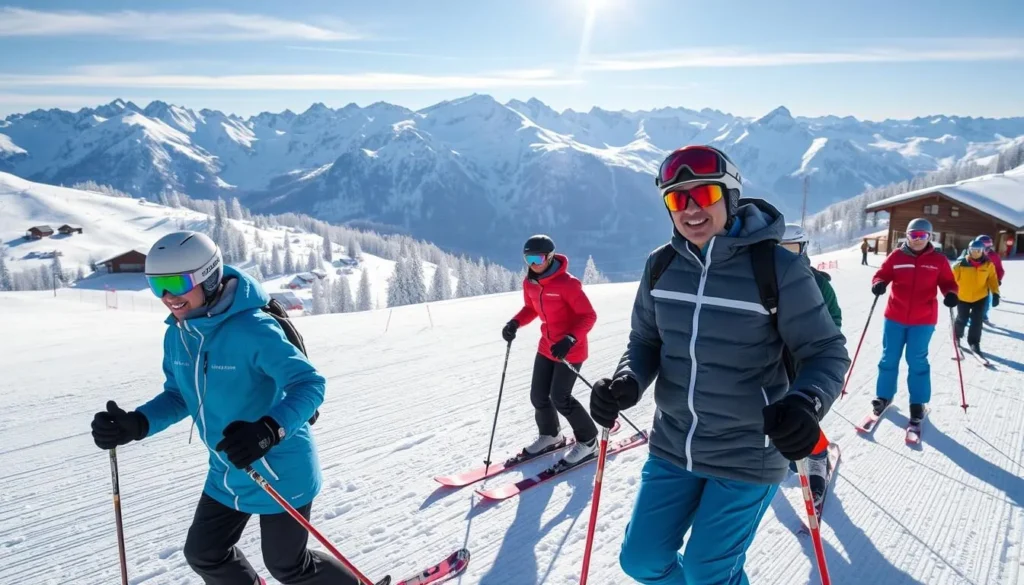
Switzerland invented winter tourism in the 1860s and remains a premier destination for snow sports:
- Skiing & Snowboarding: Over 200 ski areas cater to all levels, from beginners to experts seeking challenging off-piste terrain.
- Top Resorts: Zermatt, Verbier, St. Moritz, Davos-Klosters, and Grindelwald-Wengen offer extensive terrain and world-class facilities.
- Cross-Country Skiing: Over 5,500 km (3,400 miles) of trails wind through snowy forests and valleys.
- Winter Hiking: 9,000 km (5,600 miles) of prepared winter walking paths for non-skiers.
- Unique Experiences: Try sledding on traditional wooden toboggans, snowshoeing through pristine forests, or ice skating on frozen lakes.
Water Activities
Switzerland’s 1,500 lakes provide refreshing alternatives during warmer months:
- Swimming: Clean, clear lakes reach pleasant temperatures of 20-24°C (68-75°F) in summer.
- Sailing: Lake Geneva, Lake Zurich, and Lake Lucerne offer ideal conditions for sailing and windsurfing.
- Stand-Up Paddleboarding: A peaceful way to explore smaller alpine lakes with mountain backdrops.
- River Swimming: Join locals floating down rivers in cities like Bern, where the Aare River becomes a natural water park in summer.
- Boat Cruises: Historic paddle steamers and modern vessels offer scheduled services on major lakes.
Adventure Sports
For adrenaline seekers, Switzerland offers world-class adventure opportunities:
- Paragliding: Soar above alpine landscapes with tandem flights available for beginners.
- Mountain Biking: Extensive trail networks and bike parks cater to all skill levels.
- Canyoning: Descend mountain streams by jumping, sliding, and rappelling through gorges.
- Via Ferrata: Protected climbing routes with fixed cables allow access to dramatic rock faces.
- Skydiving: Experience freefall with views of the Alps, particularly popular in Interlaken.
Safety Tip: Mountain weather can change rapidly. Always check forecasts, inform someone of your route, and carry appropriate gear when hiking or participating in mountain activities.
Safety, Etiquette & Local Customs
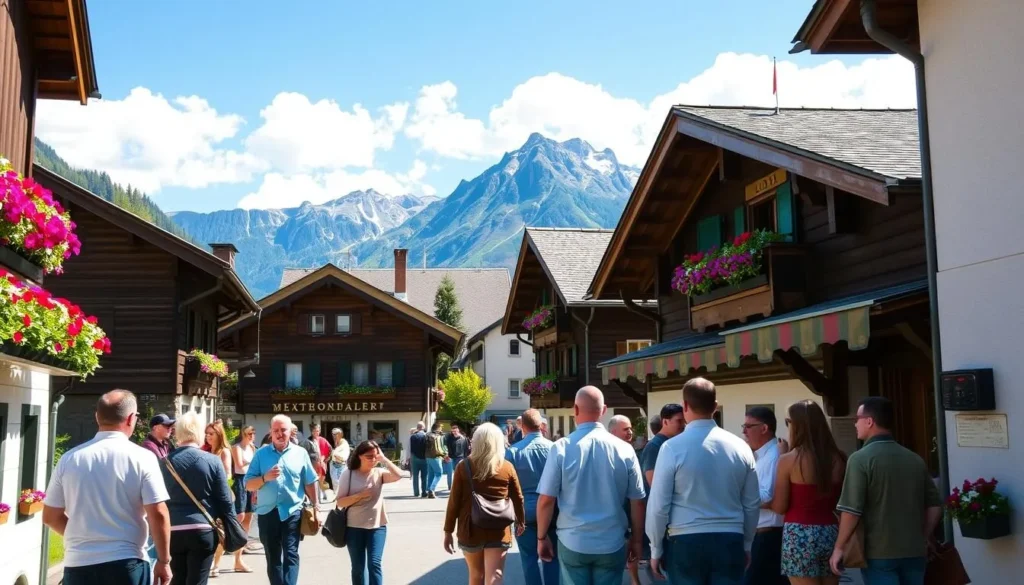
Switzerland is consistently ranked among the safest countries in the world for travelers. Crime rates are low, public transportation is reliable, and infrastructure is exceptionally well-maintained. However, as with any destination, it’s important to understand local customs and safety considerations.
Safety Considerations
- Mountain Safety: The alpine environment requires respect. Check weather forecasts before excursions, stay on marked trails, and carry appropriate gear.
- Winter Conditions: Snow and ice can create hazardous conditions. Follow avalanche warnings and ski only on designated slopes.
- Swimming: While Swiss lakes and rivers are generally clean and safe, be aware of currents, especially in rivers.
- Emergency Services: The emergency number throughout Switzerland is 112. Mountain rescue is highly professional but can be expensive without appropriate insurance.
- Health: Tap water is excellent quality and safe to drink throughout the country. The healthcare system is world-class but expensive for visitors without insurance.
Swiss Etiquette
Swiss society values politeness, punctuality, and respect for privacy:
- Greetings: A firm handshake is the standard greeting. In French-speaking regions, friends may exchange cheek kisses (three in Geneva, two elsewhere).
- Punctuality: Being on time is extremely important in Swiss culture. Arrive 5-10 minutes early for appointments.
- Noise: Keep noise levels down, especially in residential areas and on public transportation. Many apartment buildings enforce quiet hours (typically 10pm-7am).
- Recycling: Switzerland has strict recycling regulations. Sort your waste according to local guidelines.
- Tipping: Service is included in bills. While tipping isn’t expected, rounding up or adding 5-10% for exceptional service is appreciated.
Language Etiquette
Switzerland has four national languages: German (spoken by 63%), French (23%), Italian (8%), and Romansh (less than 1%).
- Learn basic greetings in the language of the region you’re visiting.
- In German-speaking Switzerland, “Grüezi” (hello) and “Merci” (thank you) are commonly used.
- Most Swiss in tourist areas speak excellent English, but attempting a few words in the local language is always appreciated.
- When entering a shop, it’s polite to greet the staff with a simple “Grüezi,” “Bonjour,” or “Buongiorno.”
Dining Customs
Swiss dining etiquette combines elements from its neighboring countries:
- Wait for the host to say “En Guete” (German) or “Bon Appétit” (French) before starting your meal.
- Keep your hands (but not elbows) on the table during meals.
- When eating fondue, don’t lose your bread in the pot – tradition says you must buy a round of drinks if you do!
- Finish everything on your plate; leaving food is considered impolite.
Cultural Tip: The Swiss value their privacy and tend to be reserved with people they don’t know well. Don’t be offended by what might seem like aloofness – it’s simply respect for personal boundaries.
Visitor Comments About Switzerland
“The Swiss Travel Pass was worth every franc! We traveled from Zurich to Lucerne, then to Interlaken and Zermatt over 8 days. The panoramic train journeys were attractions in themselves, and we loved being able to hop on and off boats on Lake Lucerne. Don’t miss the early morning hike from Männlichen to Kleine Scheidegg – we had the trail almost to ourselves with perfect views of the Eiger, Mönch, and Jungfrau.”
“We visited Switzerland in September and it was perfect – fewer crowds but still beautiful weather. The highlight was definitely the Aletsch Glacier hike from Bettmerhorn. The scale of the glacier is impossible to capture in photos! We also loved the food – we had raclette in a small mountain restaurant in Gruyères that was simply unforgettable. My tip: learn a few basic phrases in the local language; the Swiss really appreciate the effort.”
“Switzerland exceeded our expectations in every way. We traveled with our children (ages 8 and 10) and found it incredibly family-friendly. The transportation system is amazingly efficient – even remote mountain villages were easily accessible. The children loved the Trümmelbach Falls in Lauterbrunnen and making their own chocolate at the Lindt Home of Chocolate in Zurich. Be prepared for the costs though – we saved by staying in apartments with kitchens and picnicking for lunch.”
Additional Nearby Destinations
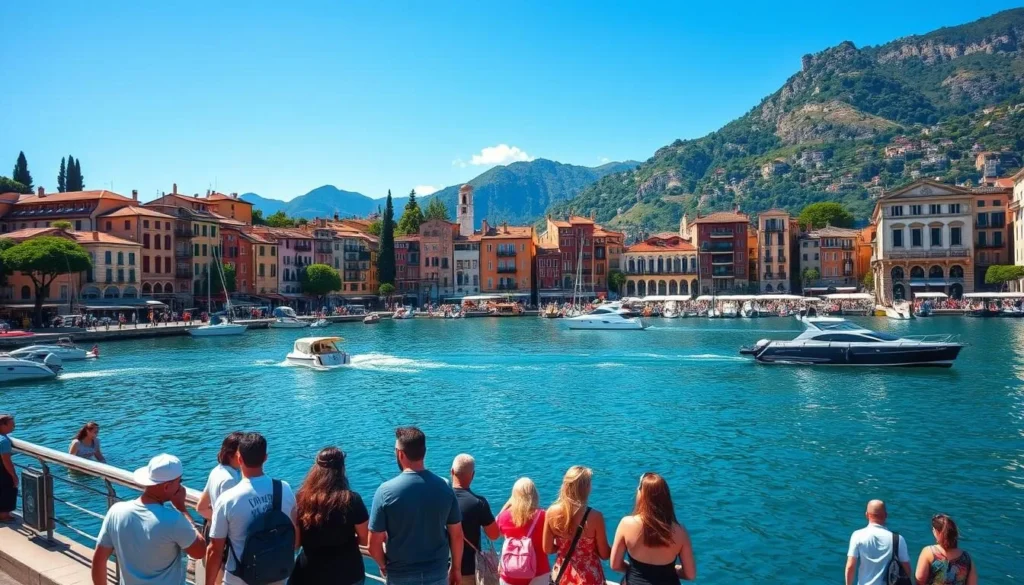
Switzerland’s central location in Europe makes it an ideal base for exploring neighboring countries, many of which are just a short train ride away.
Northern Italy
Just across Switzerland’s southern border lies the Italian Lake District and some of Italy’s most beautiful cities:
- Lake Como: Reach this glamorous lake from Lugano in just 30 minutes by train.
- Milan: Italy’s fashion capital is only 3 hours from Zurich by direct train.
- Venice: Connect via Milan for a longer but worthwhile journey to this unique city of canals.
France
From Geneva or Basel, France is easily accessible:
- Chamonix & Mont Blanc: Just 1 hour from Geneva by bus or car.
- Colmar: This picturesque Alsatian town is only 45 minutes from Basel.
- Lyon: France’s gastronomic capital is 2 hours from Geneva by train.
- Paris: The TGV high-speed train connects Paris to Geneva, Basel, and Zurich in 3-4 hours.
Germany
Switzerland’s northern neighbor offers fascinating destinations close to the border:
- Black Forest: This scenic region begins just across the Rhine from Basel.
- Lake Constance: Shared by Switzerland, Germany, and Austria, the lake offers charming towns like Konstanz and Meersburg.
- Munich: Reach Bavaria’s capital in about 4 hours from Zurich.
Austria & Liechtenstein
To Switzerland’s east:
- Liechtenstein: This tiny principality is an easy day trip from Zurich.
- Innsbruck: The capital of Austria’s Tyrol region is 3.5 hours from Zurich.
- Salzburg: Mozart’s birthplace can be reached in about 5-6 hours from eastern Switzerland.
Travel Tip: The Swiss Travel Pass includes the “Swiss Transfer Ticket,” which covers travel to certain border destinations. Check if your destination is included before purchasing separate tickets.
Practical Travel Tips
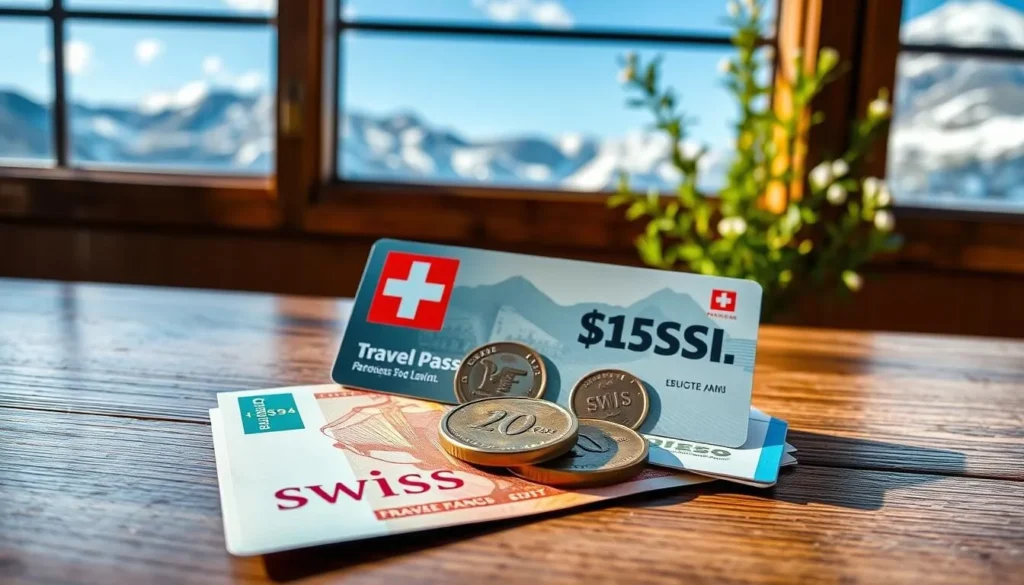
These practical insights will help you navigate Switzerland smoothly and make the most of your visit.
Money Matters
- Currency: Switzerland uses the Swiss Franc (CHF), not the Euro. While some businesses accept Euros, you’ll receive change in Swiss Francs at unfavorable exchange rates.
- Cash vs. Cards: Credit cards are widely accepted, but some smaller establishments and mountain huts may be cash-only. Always carry some cash.
- ATMs: Widely available and generally offer better exchange rates than currency exchange offices.
- Tipping: Service is included in prices. Rounding up the bill or adding 5-10% for exceptional service is appreciated but not expected.
- Tax Refunds: Non-EU visitors can claim VAT refunds on purchases over 300 CHF from a single store in a single day.
Connectivity
- Wi-Fi: Widely available in hotels, restaurants, and public spaces. Many train stations and some trains offer free Wi-Fi.
- Power: Switzerland uses Type J plugs (three round pins), though many outlets also accept European Type C plugs. The voltage is 230V.
- Mobile Coverage: Excellent throughout the country, even in many mountain areas.
Packing Essentials
Regardless of when you visit, these items are recommended:
- Layers: Weather can change quickly, especially in the mountains.
- Good Walking Shoes: Even city visits involve cobblestone streets and hills.
- Rain Jacket: Precipitation can occur year-round.
- Sunglasses & Sunscreen: UV radiation is stronger at altitude.
- Adapter Plug: For Type J Swiss outlets.
- Water Bottle: Tap water is excellent, and there are fountains everywhere.
Transportation Tips
- SBB Mobile App: Download this official Swiss railway app for timetables, tickets, and real-time updates.
- Seat Reservations: Not required on most trains but recommended for popular scenic routes like the Glacier Express.
- Luggage: Major stations have lockers and staffed luggage offices. Many hotels offer luggage transfer services between cities.
- Car Rentals: Only necessary if visiting very remote areas. Parking can be expensive and limited in cities.
Saving Money
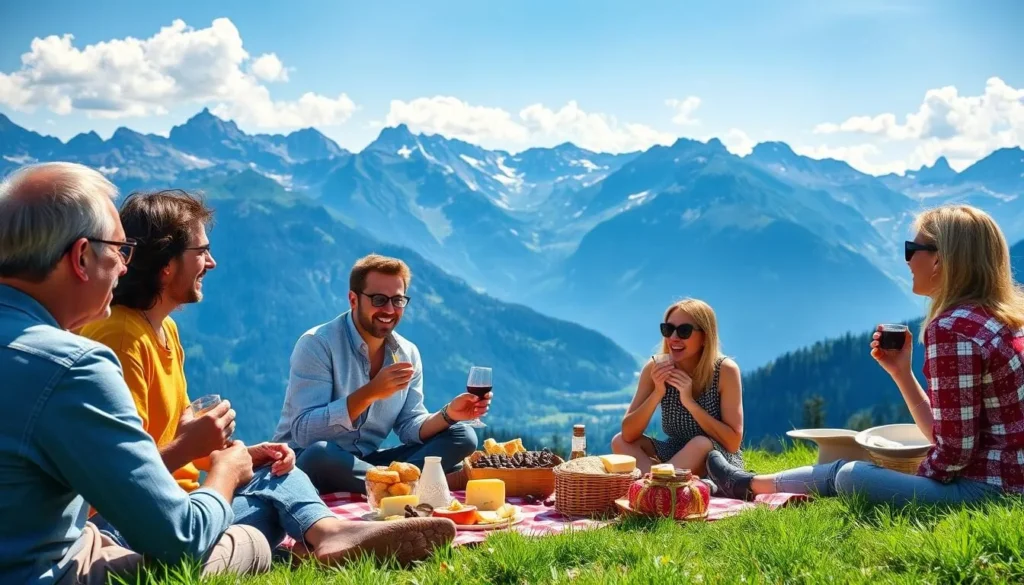
Switzerland’s reputation as an expensive destination is not undeserved, but these strategies can help manage costs:
- Travel Passes: Calculate whether a Swiss Travel Pass, Half-Fare Card, or regional pass best suits your itinerary.
- Accommodation: Consider mountain hostels, farm stays, or vacation rentals instead of hotels.
- Dining: Lunch menus offer better value than dinner. Self-catering from supermarkets (Migros, Coop, Aldi, Lidl) can save substantially.
- Water: Carry a refillable bottle – tap water is excellent, and there are thousands of public fountains.
- Free Activities: Hiking trails, public beaches, and many museums on specific days offer free entry.
Opening Hours: Most shops close by 7pm on weekdays, 5pm on Saturdays, and remain closed on Sundays (except in train stations and tourist areas). Plan accordingly, especially for grocery shopping.
Unforgettable Alpine Adventures Await
Switzerland stands as a masterpiece of natural beauty and human ingenuity, where pristine landscapes meet clockwork precision. From the moment you witness the sun illuminating the Matterhorn at dawn to your first taste of melted raclette cheese scraped directly onto your plate, Switzerland engages all your senses in an unforgettable symphony of experiences.
Whether you’re hiking through flower-filled alpine meadows, riding panoramic trains through impossible terrain, or simply savoring the tranquility of a crystal-clear mountain lake, Switzerland rewards travelers with moments of pure wonder. This compact country packs in more diversity and quality experiences than destinations many times its size, making it a place you’ll find yourself dreaming of long after you’ve returned home.
As you plan your Swiss adventure, remember that the true luxury of Switzerland lies not just in its five-star hotels or precision timepieces, but in its accessibility to natural grandeur and cultural richness that belongs to everyone. The Switzerland best things to do are those that connect you with the country’s essence – its stunning landscapes, living traditions, and the remarkable harmony between humans and nature that makes Switzerland truly unique.
The above is subject to change.
Check back often to TRAVEL.COM for the latest travel tips and deals.
0 Comments