
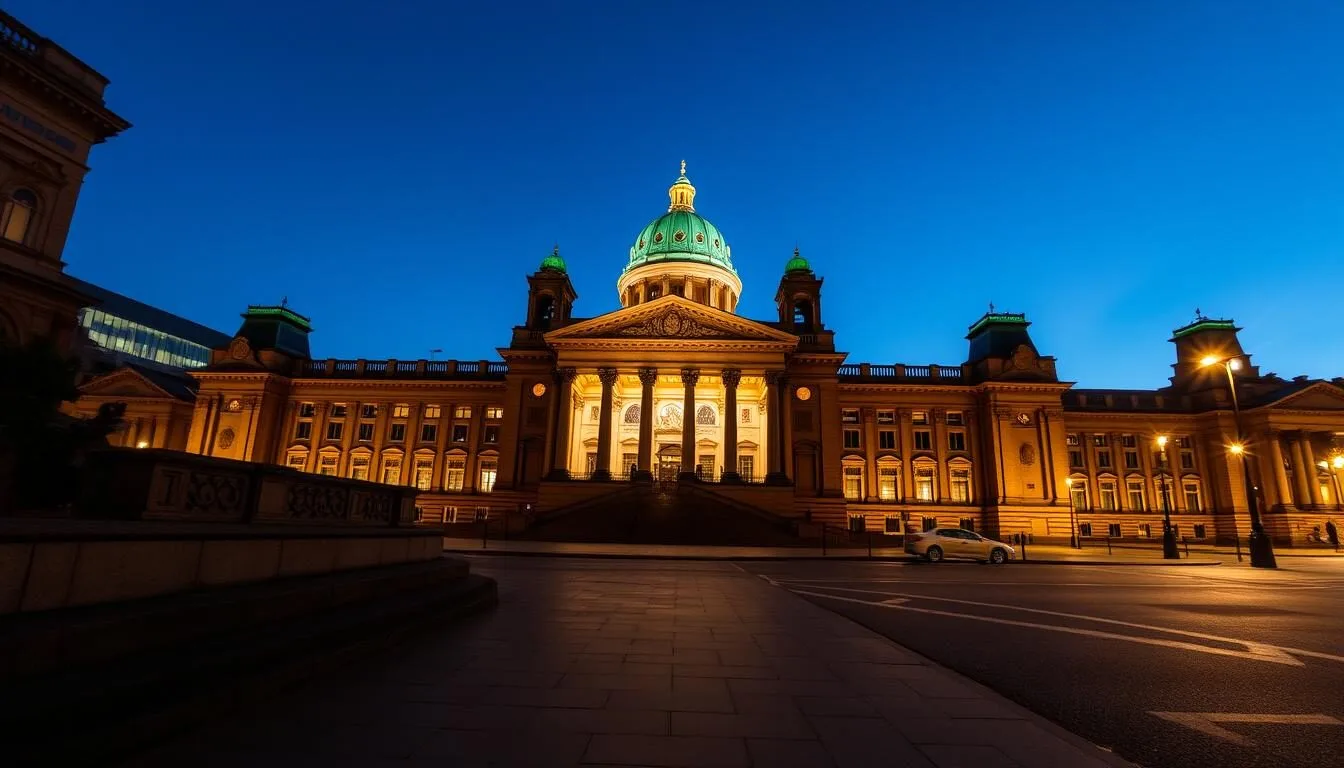
Did you know that Belfast shipyards built over 1,700 vessels, including the legendary Titanic? This Northern Ireland capital has transformed from an industrial powerhouse into a vibrant cultural hub where history and modernity blend seamlessly. Once overlooked by travelers in favor of Dublin, Belfast now stands proudly as one of Europe’s most exciting destinations with its rich maritime heritage, political history, and thriving food scene.
Getting There & Planning Your Journey
Belfast is served by two airports: Belfast International Airport (28 km/17 miles from the city center) and George Best Belfast City Airport (just 5 km/3 miles from downtown). Most international travelers arrive via Dublin Airport, followed by a convenient 2-hour bus or train journey north.
From mainland UK, Belfast is accessible via ferry services from Liverpool and Cairnryan in Scotland. The journey takes approximately 2-3 hours and offers a scenic approach to the city. If you’re already in Ireland, regular train and bus services connect Dublin to Belfast in about 2 hours.
Best Time to Visit Belfast & Weather Tips
Belfast experiences a temperate maritime climate with mild temperatures year-round, though rain is common throughout the year. For the best balance of pleasant weather and manageable crowds, plan your visit carefully.
Recommended Months to Visit Belfast
May to September (Best Overall)
- Temperatures range from 15-20°C (59-68°F)
- Longer daylight hours (up to 17 hours in June)
- Lower rainfall compared to winter months
- Outdoor festivals and events in full swing
- Busier tourist season with higher prices
April and October (Shoulder Season)
- Temperatures around 10-15°C (50-59°F)
- Fewer tourists and lower accommodation rates
- Most attractions still open with shorter queues
- Occasional rain showers but still pleasant
- Beautiful spring blooms or autumn colors
Months to Avoid
November through February brings shorter days, more frequent rain, and temperatures between 3-8°C (37-46°F). While Christmas markets and indoor attractions remain appealing, outdoor sightseeing can be less enjoyable. If you do visit during winter, pack waterproof clothing and layers.
“I visited Belfast in late September and hit the sweet spot—warm enough for walking tours but cool enough to enjoy cozy pubs. The city wasn’t overcrowded, and I never waited in line for attractions.”
Getting Around Belfast
Belfast is a compact city with most major attractions within walking distance of the city center. For visitors staying longer or wanting to explore further afield, several transportation options are available.
Walking
The most popular way to explore central Belfast. Most attractions in the Cathedral Quarter, City Centre, and Titanic Quarter are within a 20-30 minute walk of each other.
Hop-On Hop-Off Bus
An excellent introduction to the city with 1-2 day tickets available. Routes cover all major attractions with informative commentary about Belfast’s history.
Metro Bus Service
Comprehensive network covering the greater Belfast area. The Metro day ticket offers unlimited travel and is good value for visitors planning multiple journeys.
For those planning day trips to attractions like Giant’s Causeway or the Game of Thrones filming locations, consider renting a car or booking an organized tour. Belfast’s roads are well-maintained, though parking in the city center can be limited and expensive.
Where to Stay in Belfast
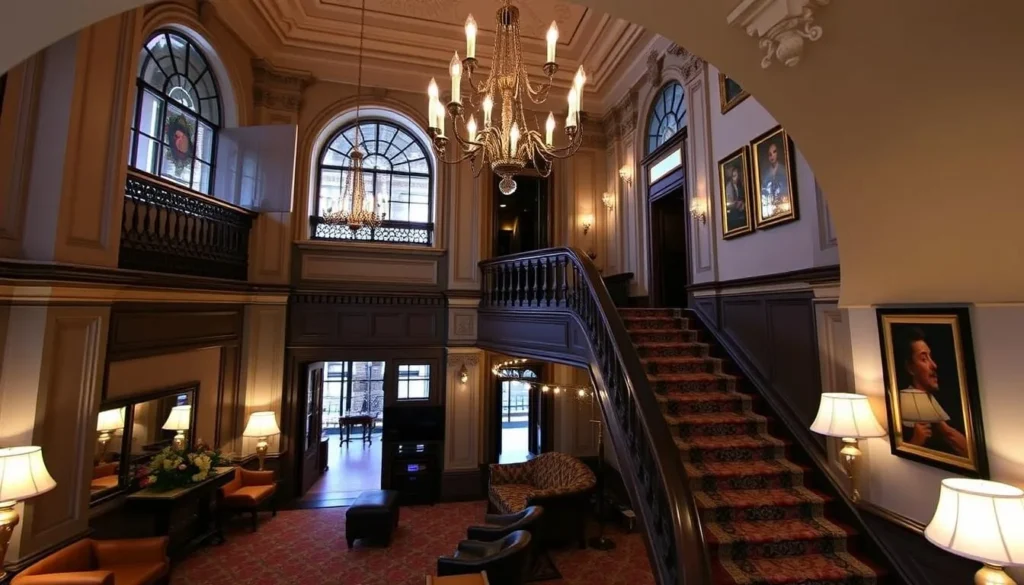
Belfast offers accommodation options for every budget, from luxury hotels in historic buildings to cozy guesthouses and modern hostels. The city’s compact nature means that staying in any central neighborhood puts you within easy reach of major attractions.
Best Areas to Stay in Belfast
Cathedral Quarter
The cultural heart of Belfast with cobbled streets, historic pubs, restaurants, and street art. Perfect for nightlife lovers and those wanting to experience Belfast’s buzz.
City Centre
Convenient location near shopping, Belfast City Hall, and transportation hubs. Offers a range of accommodation from budget to luxury options.
Titanic Quarter
Modern waterfront area home to Titanic Belfast. Quieter than the city center with contemporary apartments and hotels offering harbor views.
“We stayed at the Malmaison in the Cathedral Quarter and couldn’t have picked a better location. Everything was within walking distance, and the converted Victorian warehouse had so much character!”
Dining & Local Cuisine in Belfast
Belfast’s food scene has undergone a remarkable transformation in recent years, with innovative chefs showcasing Northern Ireland’s exceptional local produce. From traditional Irish fare to international cuisine, the city offers dining experiences for every palate and budget.
Must-Try Belfast Dishes
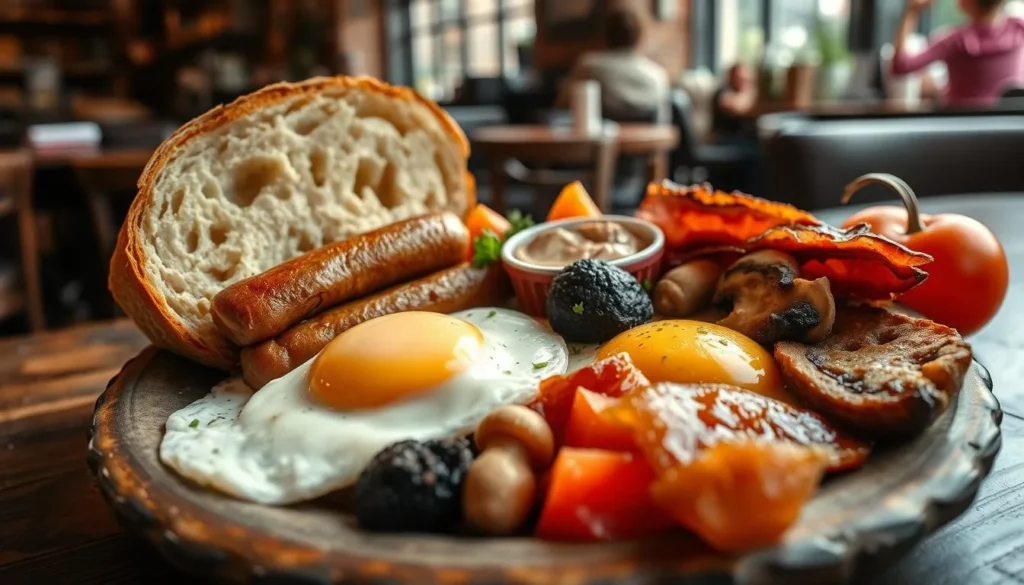
- Ulster Fry – Belfast’s hearty breakfast featuring soda bread, potato bread, bacon, sausage, eggs, and black pudding
- Belfast Bap – A large, floury bread roll typically filled with bacon or sausage
- Dulse – Dried seaweed snack with a distinctive salty flavor
- Champ – Creamy mashed potatoes mixed with spring onions
- Yellowman – A chewy honeycomb toffee often paired with dulse
Top Food Experiences in Belfast
St. George’s Market
Dating back to 1604, this Victorian covered market operates Friday through Sunday. Sample local specialties, international street food, and fresh produce while enjoying live music.
Cathedral Quarter Restaurants
Home to some of Belfast’s finest dining establishments, from Michelin-starred restaurants to casual eateries serving contemporary Irish cuisine.
Food Tours
Join a guided food tour to sample Belfast’s culinary highlights while learning about the city’s history and culture from knowledgeable local guides.

Attractions, Sightseeing & Activities in Belfast
Belfast offers a fascinating mix of historical sites, cultural attractions, and unique experiences that tell the story of this resilient city. From world-class museums to political murals, here are the top things to do in Belfast, Northern Ireland.
Must-Visit Attractions in Belfast
Titanic Belfast
The world’s largest Titanic visitor experience, located on the site where the famous ship was built. Interactive exhibits tell the story of the Titanic from construction to tragic sinking. Book tickets in advance to avoid disappointment.
Belfast City Hall
This magnificent Baroque Revival building offers free guided tours of its ornate interior. The surrounding grounds feature memorials, sculptures, and the Titanic Memorial Garden.
Crumlin Road Gaol
A 19th-century prison that housed both republican and loyalist prisoners during the Troubles. Guided tours take you through the cells, execution chamber, and underground tunnel that connected to the courthouse.
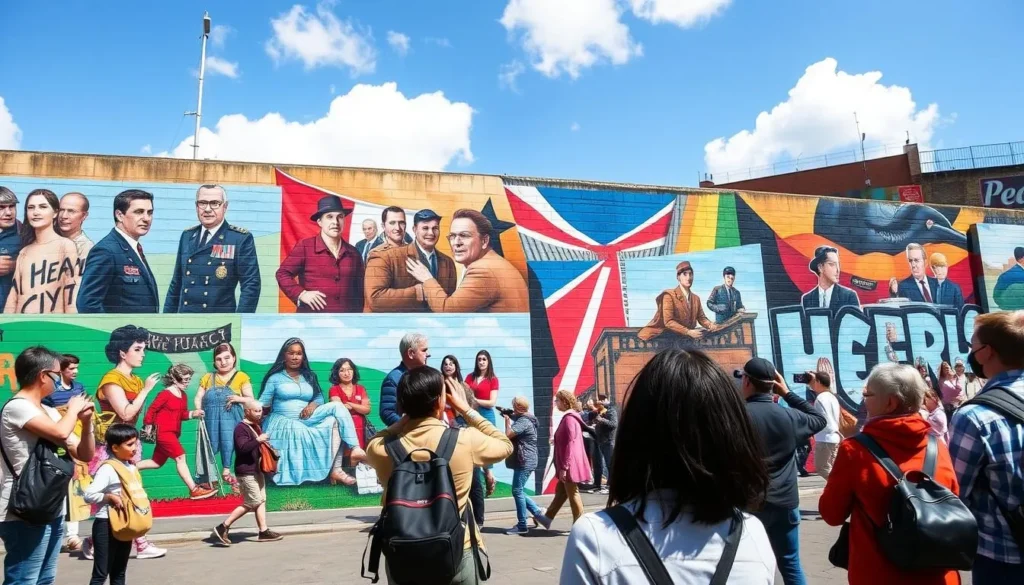
Unique Belfast Experiences
Black Taxi Tour
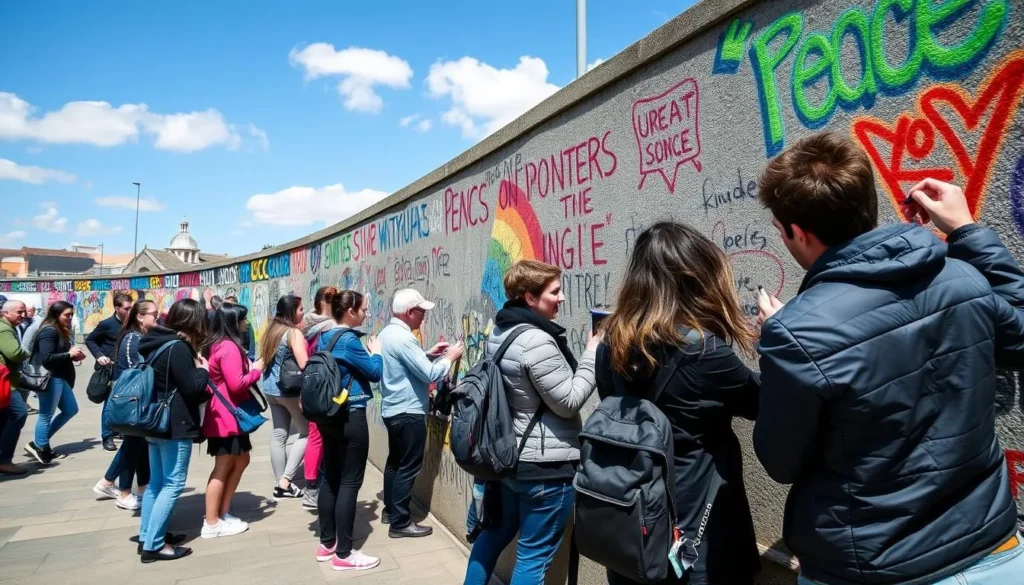
Take a tour with a local taxi driver who lived through the Troubles. Visit both republican and unionist neighborhoods to see political murals and the Peace Walls while hearing personal stories about Belfast’s complex history.
SS Nomadic
The last remaining White Star Line vessel and Titanic’s tender ship. Fully restored to her 1911 glory and docked near Titanic Belfast, offering a glimpse into maritime history.
Cave Hill Country Park
Hike to the summit for panoramic views over Belfast and Belfast Lough. The hill’s distinctive profile, known as “Napoleon’s Nose,” reportedly inspired Jonathan Swift’s Gulliver’s Travels.
“The Black Taxi Tour was the highlight of our Belfast trip. Our driver grew up during the Troubles and shared personal stories that no history book could capture. It gave us a much deeper understanding of the city.”
Museums, Cultural Spots & Festivals in Belfast
Belfast’s rich cultural scene reflects its industrial heritage, political history, and artistic renaissance. The city hosts numerous festivals throughout the year celebrating everything from music and film to food and literature.
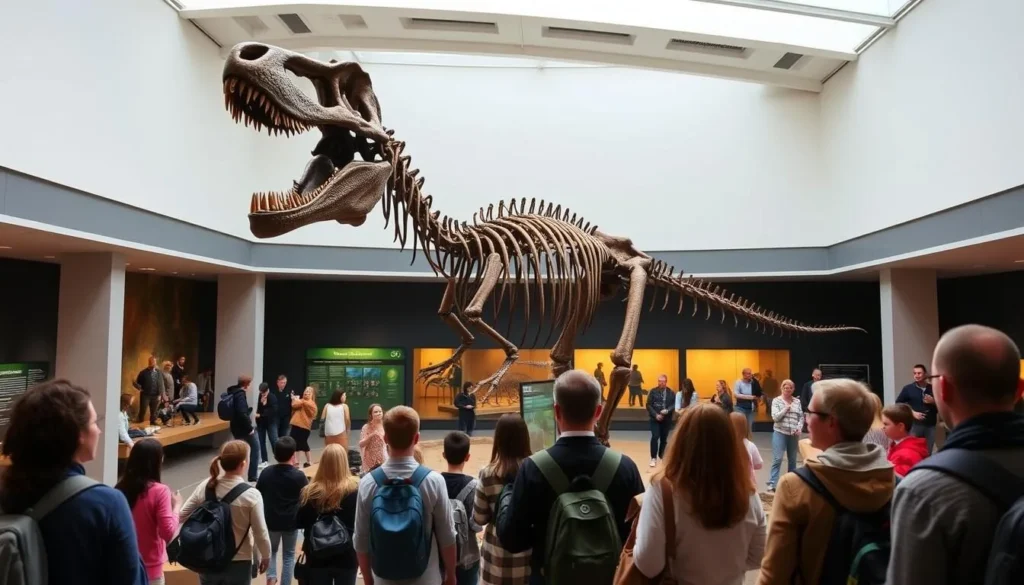
Top Museums in Belfast
Ulster Museum
Northern Ireland’s premier museum covering art, history, and natural sciences. Highlights include Egyptian mummies, dinosaur fossils, and an extensive collection of Irish art. Free admission.
Ulster Folk Museum
Located just outside Belfast, this open-air museum recreates life in early 20th century Ulster with historic buildings, costumed guides, and traditional crafts demonstrations.
HMS Caroline
A World War I light cruiser and the last surviving ship from the Battle of Jutland. Now a floating museum in Belfast’s Titanic Quarter with interactive exhibits about naval warfare.
Belfast Festivals Worth Planning Around
- Belfast International Arts Festival (October) – The city’s largest arts festival featuring theater, dance, music, and visual arts
- Belfast Film Festival (April) – Showcasing independent cinema from around the world
- Cathedral Quarter Arts Festival (May) – Music, comedy, theater, and visual arts in Belfast’s cultural district
- Belfast Maritime Festival (May/June) – Celebrating the city’s maritime heritage with tall ships, water activities, and food stalls
- Culture Night Belfast (September) – Free cultural events across the city with late-night opening hours
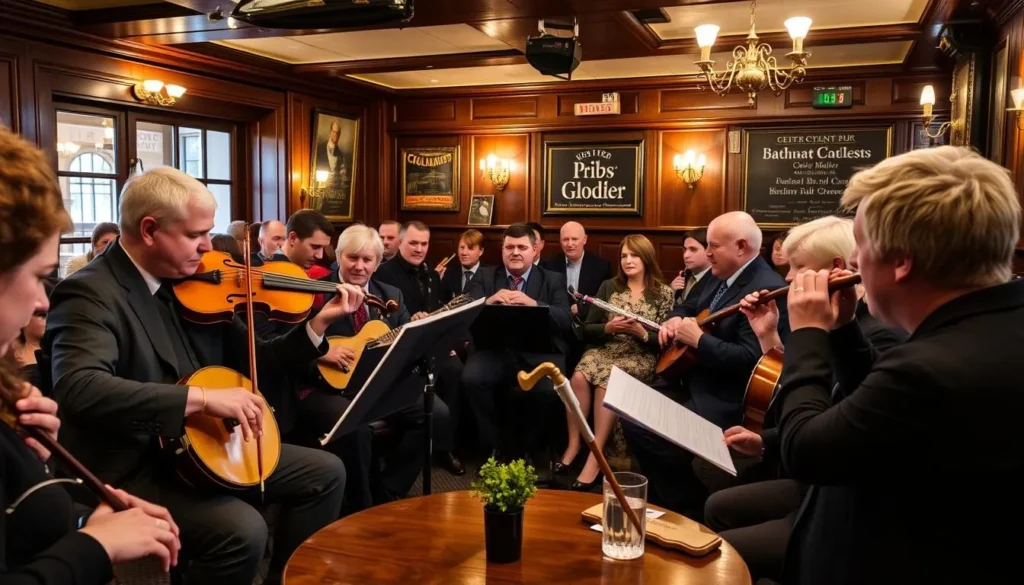
Sports, Nature & Outdoor Experiences
While Belfast is known for its urban attractions, the city and surrounding areas offer plenty of outdoor activities and natural beauty. From city parks to nearby mountains and coastal paths, there’s something for every nature lover and outdoor enthusiast.

Best Outdoor Spaces in Belfast
Botanic Gardens
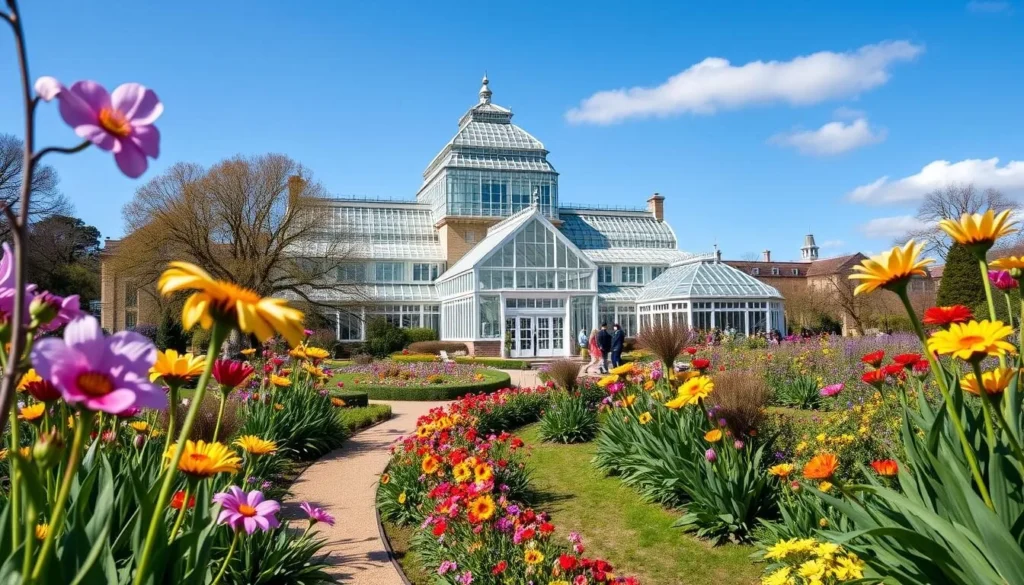
Victorian park home to the Palm House, a cast iron and glass structure filled with exotic plants. Perfect for a leisurely stroll or picnic near Queen’s University.
Stormont Estate
The grounds of Northern Ireland’s Parliament Buildings offer 407 acres (165 hectares) of woodland and walking trails just a short drive from the city center.
Lagan Valley Regional Park
A 11 mile (18 km) linear park following the River Lagan from Belfast to Lisburn. Popular with walkers, runners, and cyclists.
Day Trips from Belfast
Some of Northern Ireland’s most spectacular natural attractions are within easy reach of Belfast, making for perfect day trips:
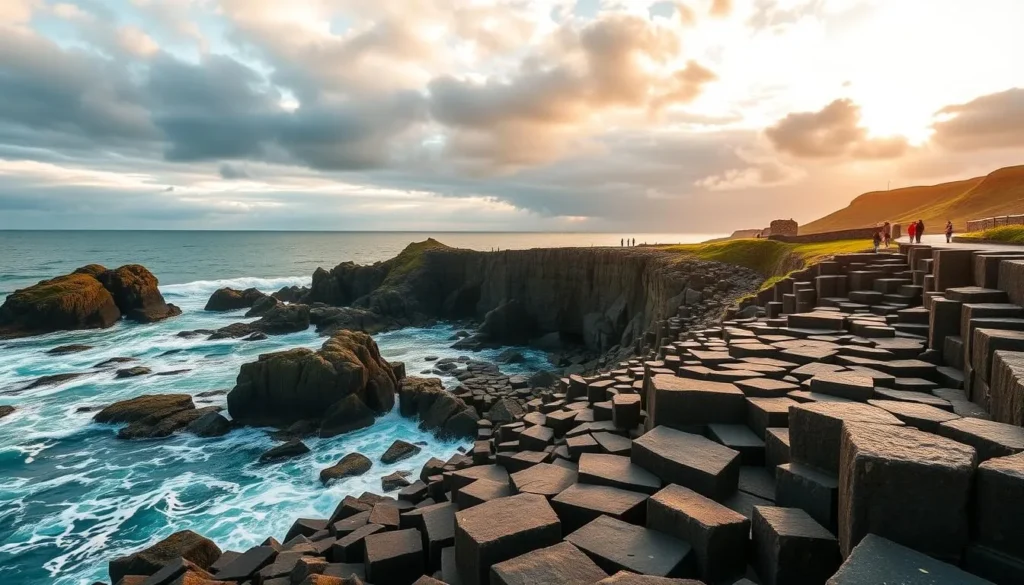
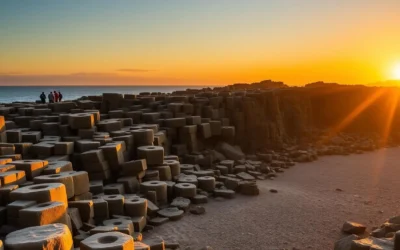
- Giant’s Causeway – UNESCO World Heritage Site featuring 40,000 interlocking basalt columns, about 1.5 hours from Belfast
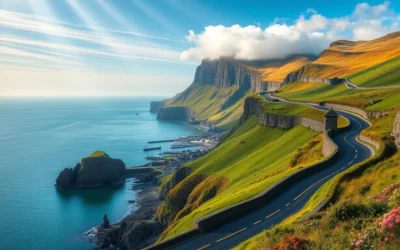
- Causeway Coastal Route – One of the world’s most scenic drives with dramatic cliffs, historic castles, and charming villages
- Mourne Mountains – Northern Ireland’s highest mountain range, offering hiking trails for all abilities
- Game of Thrones Filming Locations – Visit the Dark Hedges, Cushendun Caves, and other sites featured in the popular TV series
“We took a day trip to the Giant’s Causeway and along the Causeway Coastal Route. The landscapes were breathtaking, and having a guide explain the geology and folklore made it so much more meaningful than going alone.”
Safety, Etiquette & Local Customs
Belfast has transformed dramatically since the end of the Troubles in the late 1990s and is now considered one of the safest cities in the UK. However, as with any destination, it’s helpful to understand local customs and etiquette.
Safety Tips for Belfast
- Belfast is generally very safe for tourists, with low crime rates in areas frequented by visitors
- As in any city, be aware of your surroundings and keep valuables secure, especially in crowded areas
- While political tensions have eased significantly, avoid wearing clothing with obvious political or sectarian symbols
- It’s safe to visit areas like the Falls Road and Shankill Road during daylight hours, but joining a guided tour provides valuable context
- Northern Ireland uses the British Pound (£), not the Euro used in the Republic of Ireland
Local Customs and Etiquette
Pub Culture
Pubs are central to Belfast’s social life. It’s customary to order and pay at the bar rather than wait for table service. Tipping is not expected for drinks, but appreciated for food service (10-15%).
Political Discussions
While locals are generally open to discussing the region’s history, be sensitive when asking about politics or the Troubles. Listen more than you speak on these topics.
Greetings
Belfast locals are known for their warmth and humor. A friendly “hello” or “how are you?” is appreciated. Don’t be surprised by conversations with strangers – it’s part of the culture.
Important: When crossing between Northern Ireland and the Republic of Ireland, remember you’re crossing an international border, even though there are no physical checkpoints. Different currencies and slightly different driving rules apply.
Visitor Comments About Belfast
Here’s what travelers from around the world have to say about their experiences in Belfast:
“I was hesitant to visit Belfast because of its troubled past, but I’m so glad I did. The city has this incredible energy – part gritty history, part forward-looking optimism. The Titanic Museum exceeded all expectations, and the food scene was a delightful surprise.”
“Don’t miss St. George’s Market on the weekend! We spent hours sampling local foods, listening to live music, and chatting with vendors. It gave us a real sense of Belfast’s community and culture in one vibrant space.”
“The Black Taxi tour was the highlight of our trip. Our driver grew up during the Troubles and shared personal stories that made history come alive. It’s a must-do for understanding Belfast’s complex past and hopeful future.”
“We used Belfast as a base for exploring Northern Ireland and it worked perfectly. The city itself has enough to keep you busy for 2-3 days, and day trips to the Causeway Coast were easy to arrange. The people were incredibly friendly everywhere we went.”
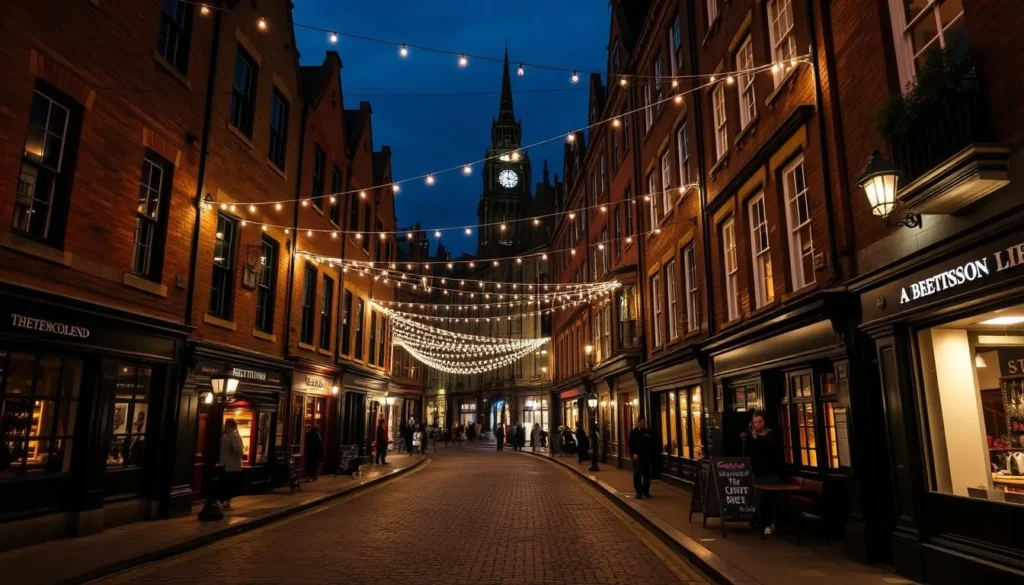
“The Cathedral Quarter at night is magical – cobbled streets, fairy lights, and the sound of traditional music spilling from pubs. We bar-hopped from The Duke of York to The Dirty Onion and had the best craic (fun) with locals who were eager to share their city’s stories.”
“As a solo female traveler, I felt completely safe exploring Belfast. The compact city center made it easy to walk everywhere, and locals were always willing to point me in the right direction or recommend hidden gems not in my guidebook.”
Practical Travel Tips for Belfast
Make the most of your Belfast adventure with these insider tips:
Money & Payments
- Northern Ireland uses the British Pound (£)
- Major credit cards are widely accepted
- ATMs are plentiful throughout the city
- Some places may accept Euros but at poor exchange rates
- Keep some cash handy for small purchases and tipping
Getting Connected
- UK power outlets use three-pin plugs (Type G)
- Free WiFi is available in most cafes, restaurants, and hotels
- Consider a UK SIM card for data if staying longer
- Belfast City Hall offers free public WiFi
- Download offline maps before your trip
Time-Saving Tips
- Book Titanic Belfast tickets online to avoid queues
- Visit popular attractions early morning or late afternoon
- The Belfast Visitor Pass includes public transport and discounts
- Sunday mornings are quieter for exploring the city center
- Many museums close on Mondays
Suggested Itineraries
2 Days in Belfast
Day 1: City Hall, St. George’s Market (if weekend), Black Taxi Tour, Cathedral Quarter exploration
Day 2: Titanic Belfast, SS Nomadic, Ulster Museum, Botanic Gardens
3-4 Days in Belfast
Add: Crumlin Road Gaol, Cave Hill hike, day trip to Giant’s Causeway and Causeway Coastal Route
Why Belfast Should Be Your Next Destination
Belfast has emerged from its troubled past as one of Europe’s most captivating cities. With its rich maritime heritage, vibrant cultural scene, and warm hospitality, Northern Ireland’s capital offers an authentic travel experience that combines history, culture, and natural beauty.
From the world-class Titanic Belfast to the political murals that tell the story of the city’s complex history, from the lively pubs of the Cathedral Quarter to the stunning landscapes just beyond the city limits, Belfast rewards visitors with unexpected discoveries at every turn.
Whether you’re drawn by the history, the food, the scenery, or simply the legendary Irish welcome, Belfast promises a memorable journey through a city that continues to reinvent itself while honoring its past. The only question is: when will you experience it for yourself?
0 Comments