
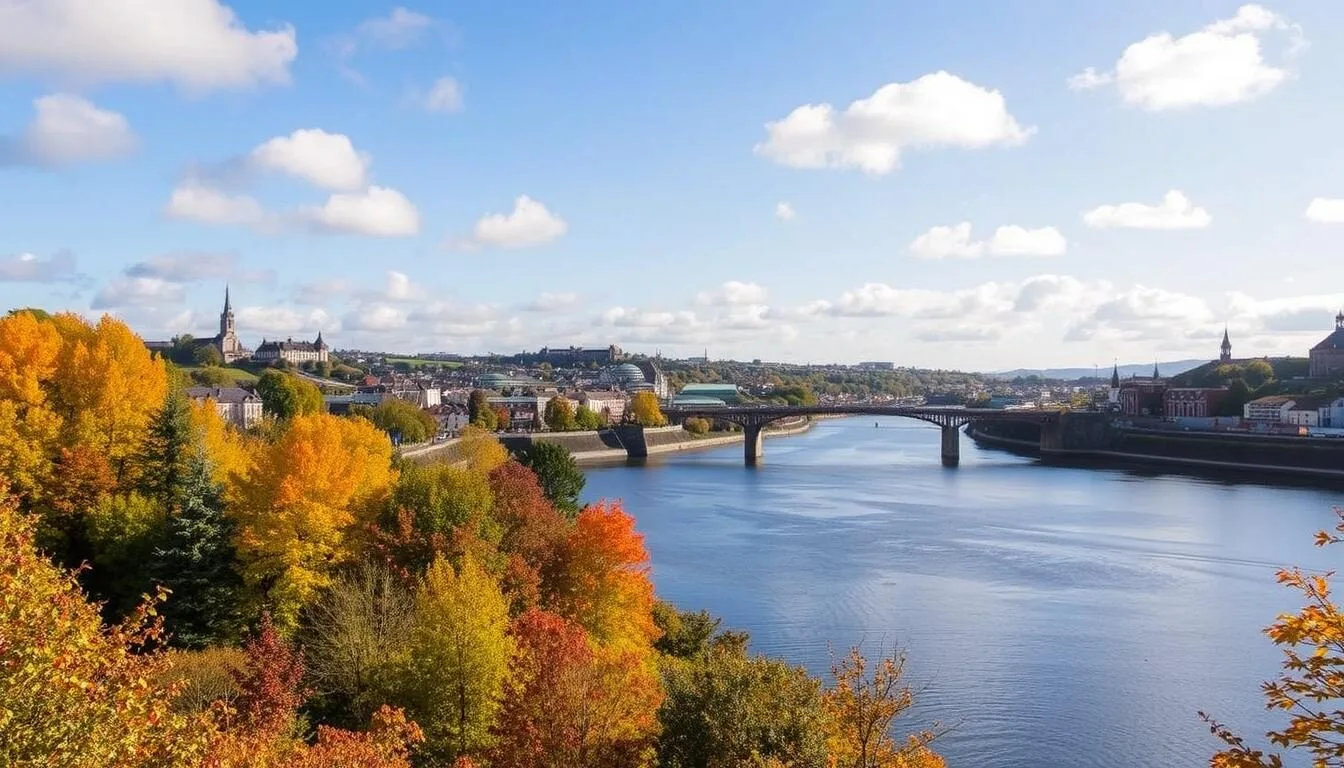
Did you know that Derry is the only completely walled city in Ireland and one of the finest examples of a walled city in all of Europe? These 400-year-old walls have never been breached, earning Derry its nickname “The Maiden City.” As you walk the historic 1.6 km (1 mile) circuit atop these remarkably preserved walls, you’ll be literally stepping through centuries of fascinating and often turbulent history that has shaped not just this city, but the entire island of Ireland.
Getting There & Planning Your Journey
Derry is well-connected to major cities in the UK and Ireland, making it easily accessible for international travelers. The city has its own airport, City of Derry Airport, which offers flights to and from several UK destinations. Belfast International Airport, about 113 km (70 miles) away, provides more international connections.
If you’re traveling from elsewhere in Ireland, Bus Éireann and Translink operate regular services to Derry. From Belfast, the journey takes approximately 1.5 hours by bus or 2 hours by train – a route famously described by Michael Palin as “one of the most beautiful rail journeys in the world” as it hugs the stunning north coast.
Best Time to Visit & Weather Tips
Derry experiences a temperate maritime climate with mild, wet winters and cool summers. The weather can be unpredictable year-round, so packing layers and rain gear is always advisable regardless of when you visit.
| Season | Months | Temperature | Advantages | Disadvantages |
| Spring | March-May | 7-14°C (45-57°F) | Fewer tourists, blooming landscapes | Frequent rain showers |
| Summer | June-August | 12-18°C (54-64°F) | Longest daylight hours, festivals | Peak tourist season, higher prices |
| Autumn | September-November | 8-15°C (46-59°F) | Halloween festival, beautiful colors | Increasing rainfall |
| Winter | December-February | 3-8°C (37-46°F) | Christmas markets, fewer tourists | Short daylight hours, cold |
The best time to visit Derry is from May to September when temperatures are milder and daylight hours are longer. October is also an excellent time to visit if you want to experience Derry’s famous Halloween festival, considered one of the best in Europe. For those seeking to avoid crowds, April-May and September offer pleasant weather with fewer tourists.
Getting Around Locally
Derry is a compact city with most attractions within walking distance of each other, especially within the walled city center. This pedestrian-friendly layout makes exploring on foot not just possible but preferable for experiencing the historic atmosphere.
For longer journeys or trips to attractions outside the city center, Translink operates local bus services throughout Derry. Single fares typically range from £1.50-£2.50 depending on the distance. Day tickets offering unlimited travel are available for around £4.50.
Taxis are readily available and provide a convenient option, especially in the evenings. You can either hail them on the street or book through local companies like City Cabs or Foyle Taxis. A typical journey within the city costs between £5-£10.
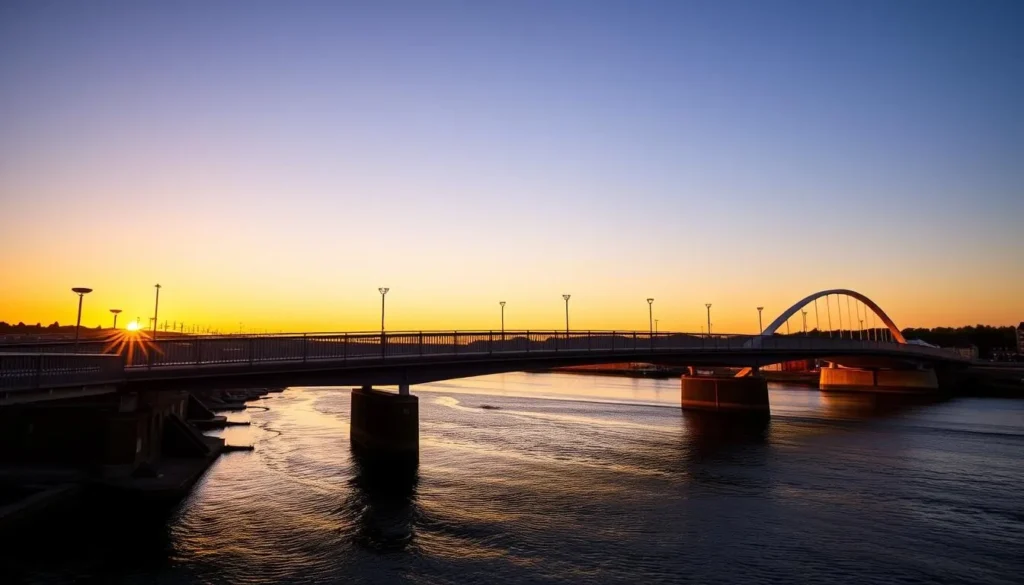
The Peace Bridge, an iconic symbol of the city, connects the “cityside” (primarily nationalist/Catholic west bank) with the “waterside” (primarily unionist/Protestant east bank). This pedestrian and cycle bridge not only provides practical passage across the River Foyle but also represents the city’s journey toward peace and unity.
Where to Stay
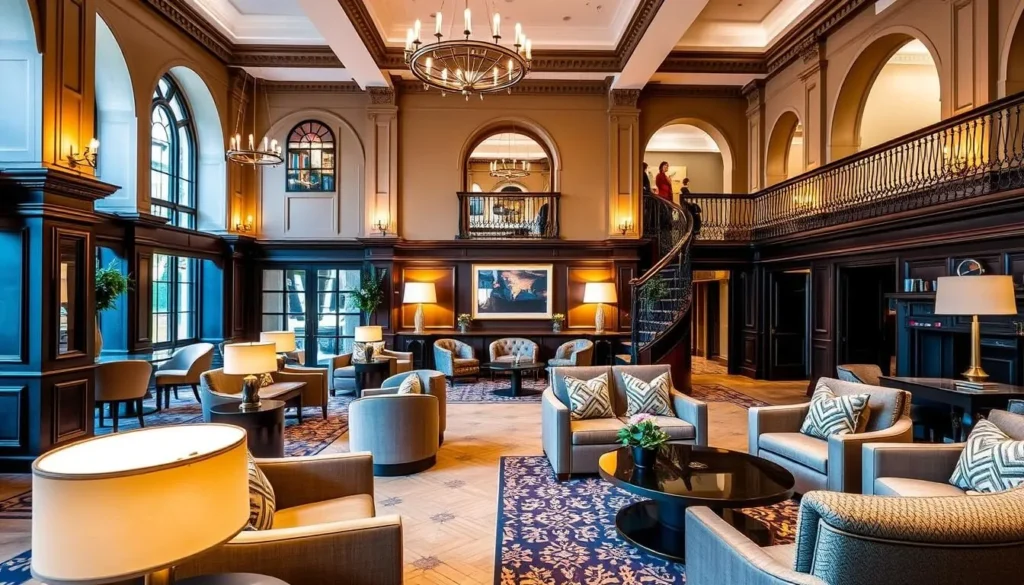
Derry offers accommodation options to suit every budget and preference, from luxury hotels to cozy B&Bs. Staying within or near the walled city center puts you within walking distance of most attractions, restaurants, and pubs.
Luxury Options
The Bishop’s Gate Hotel and Shipquay Boutique Hotel offer elegant accommodations within the historic city walls. These 4-star properties feature luxurious rooms, fine dining restaurants, and excellent service, with prices ranging from £120-£200 per night.
Mid-Range Options
The City Hotel Derry and Maldron Hotel Derry provide comfortable, modern rooms with river or city views. Located near major attractions, these hotels offer good value at £80-£120 per night, often including breakfast and leisure facilities.
Budget-Friendly Options
For travelers on a budget, Hostel Connect and numerous B&Bs throughout the city offer clean, comfortable accommodations from £25-£70 per night. Many include home-cooked Irish breakfasts and the warm hospitality Derry is known for.
Dining & Local Cuisine
Derry’s food scene has flourished in recent years, offering everything from traditional Irish fare to international cuisine. The city’s proximity to both the Atlantic Ocean and fertile farmland ensures fresh, high-quality ingredients in many establishments.
Must-Try Local Dishes
Top Dining Spots
For fine dining, Brown’s in Town and Artis by Phelim O’Hagan offer sophisticated menus featuring local ingredients with a modern twist. The Walled City Brewery combines craft beer with excellent gastropub fare, while Soda & Starch in the Craft Village provides casual dining in a charming setting.
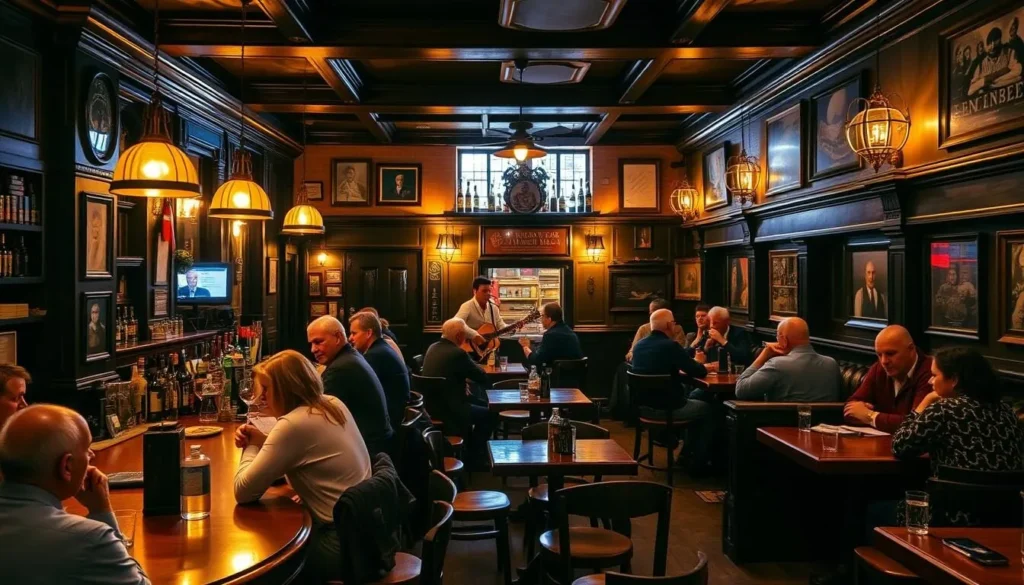
Don’t miss Peadar O’Donnell’s or Badger’s Bar for traditional pub grub accompanied by live music. For coffee and light bites, The Pickled Duck and Primrose Café are local favorites.
“You haven’t truly experienced Derry until you’ve enjoyed a pint and some live music in one of the pubs along Waterloo Street, followed by a late-night Ulster Fry to soak it all up.”
Attractions, Sightseeing & Activities
The Historic City Walls
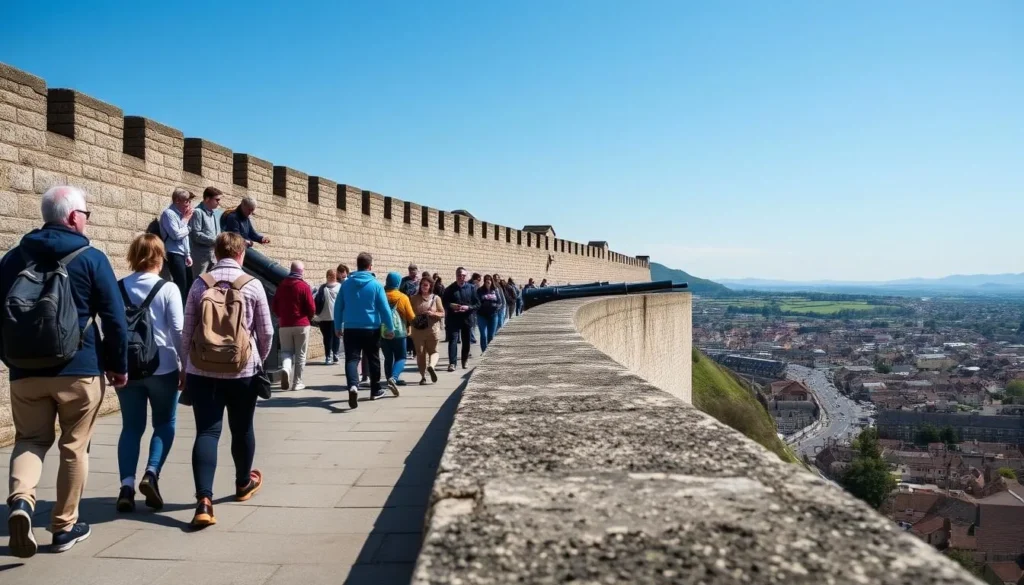
Built between 1613 and 1618, Derry’s walls stand as the most complete set of city walls in Ireland and among the finest in Europe. The 1.6 km (1 mile) walkway offers spectacular views and passes key historic sites including the four original gates (Bishop’s Gate, Ferryquay Gate, Butcher Gate, and Shipquay Gate) and later additions (Magazine Gate, Castle Gate, and New Gate).
Walking the walls provides an excellent orientation to the city and its history. While self-guided tours are possible with information panels along the route, guided tours offer deeper insights into the walls’ significance and the city’s complex past.
The Peace Bridge & Ebrington Square
The curved pedestrian Peace Bridge, opened in 2011, symbolically and physically connects the predominantly Catholic “cityside” with the predominantly Protestant “waterside.” This elegant structure has become an icon of Derry’s journey toward reconciliation.
Cross the bridge to reach Ebrington Square, a former military barracks transformed into a public space hosting events, exhibitions, and the popular Walled City Brewery. The square offers excellent views back toward the walled city.
The Bogside & Political Murals
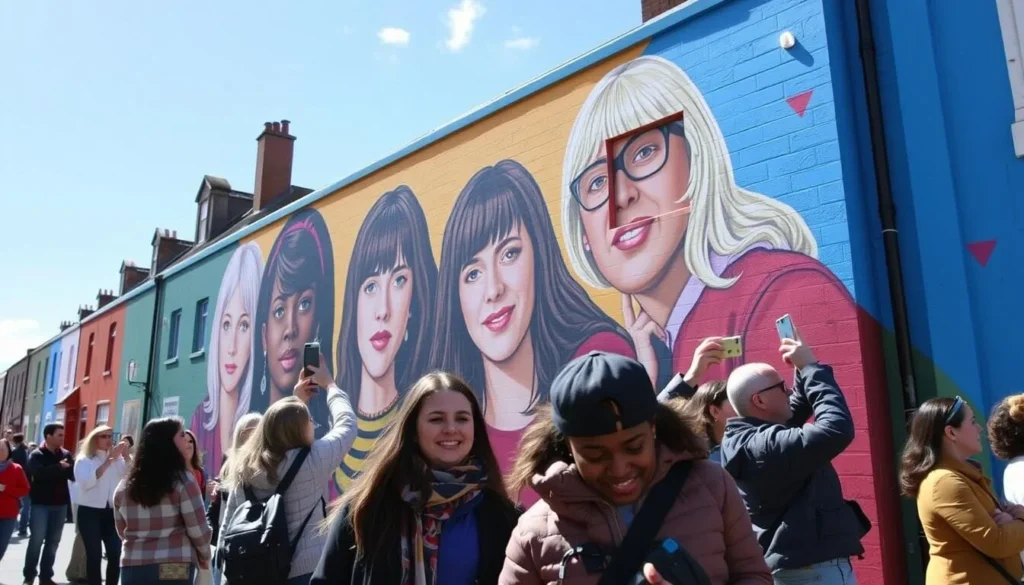
The Bogside area, just outside the city walls, was the epicenter of many key events during the Troubles, including Bloody Sunday in 1972. Today, powerful murals commemorate these events, including the famous “You Are Now Entering Free Derry” wall.
A guided Bogside tour provides essential context for understanding this complex period of history. The Museum of Free Derry offers further insights through exhibits featuring original artifacts, photographs, and personal testimonies.
The Guildhall
This stunning neo-Gothic building with its distinctive clock tower houses the city council chambers and a cultural space. Built in 1887 and extensively restored in 2013, the Guildhall features magnificent stained glass windows depicting the city’s history. The building hosts a free exhibition on the Plantation of Ulster, a pivotal period that shaped Northern Ireland’s demographics and politics.
The Derry Girls Mural
Fans of the hit comedy series “Derry Girls” shouldn’t miss the large mural depicting the show’s main characters on the side of Badger’s Bar. This has quickly become one of the city’s most photographed spots and celebrates the show’s affectionate portrayal of life in Derry during the 1990s.
Museums, Cultural Spots & Festivals
Tower Museum
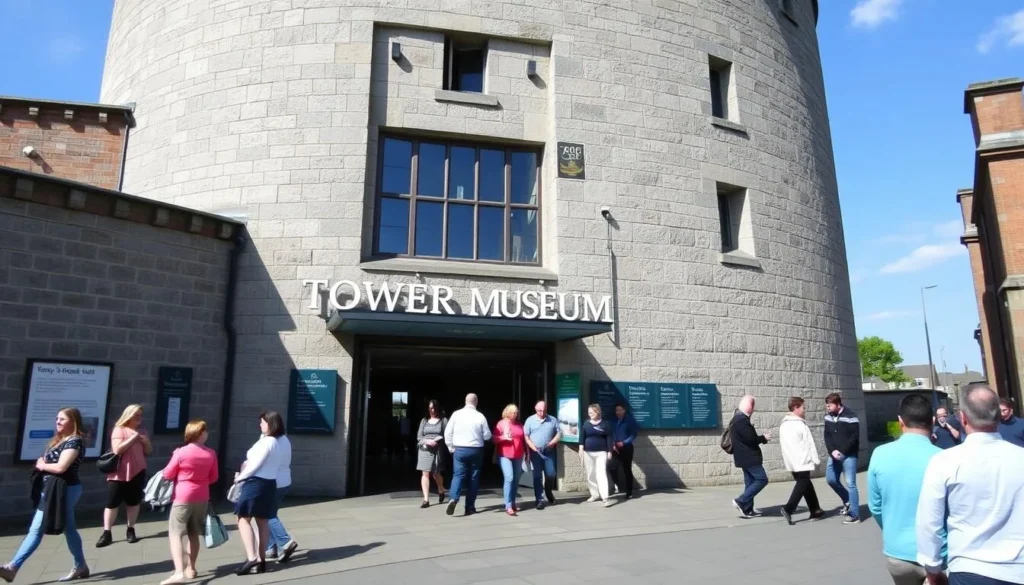
Located within the historic walls, the Tower Museum houses two permanent exhibitions: “The Story of Derry” traces the city’s development from prehistoric times to the present, while “An Armada Shipwreck” tells the fascinating tale of La Trinidad Valencera, a Spanish Armada ship that sank off the Donegal coast in 1588 and was discovered in 1971.
Don’t miss the rooftop viewing platform, which offers panoramic views across the city and River Foyle.
Museum of Free Derry
This powerful museum in the Bogside documents the civil rights movement and the Troubles in Derry, with a particular focus on Bloody Sunday. Through personal artifacts, photographs, and multimedia displays, it tells the story from the perspective of those most affected by these events.
The Siege Museum
Located in the Apprentice Boys Memorial Hall, this museum explores the 1688-1689 Siege of Derry, a pivotal event in Irish history when the city held out against the forces of King James II for 105 days. The museum also explains the traditions of the Apprentice Boys of Derry, an organization that commemorates the siege annually.
Festivals & Events
| Festival | When | Description |
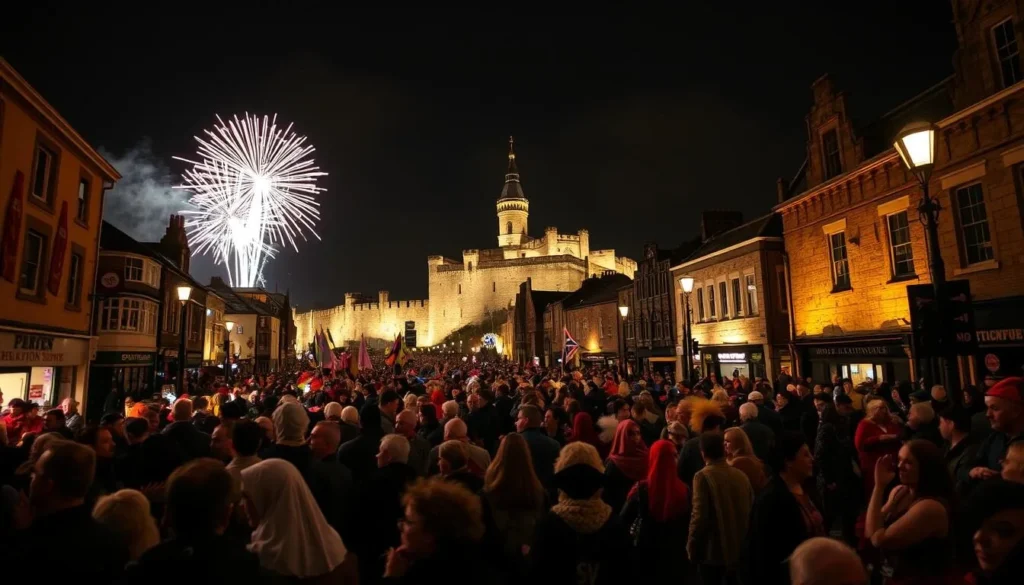
| Derry Halloween | October 28-31 | Europe’s largest Halloween festival featuring parades, fireworks, music, and thousands in costume throughout the walled city. |
| City of Derry Jazz Festival | Late April/Early May | Five days of jazz performances across various venues, attracting international artists and thousands of music lovers. |
| Foyle Maritime Festival | July (biennial) | Celebration of Derry’s maritime heritage with tall ships, water activities, markets, and spectacular evening events. |
| Foyle Film Festival | November | Oscar-affiliated festival screening international films and hosting workshops and masterclasses. |
| St. Patrick’s Day | March 17 | Parade and family-friendly celebrations throughout the city center. |
Sports, Nature & Outdoor Experiences
River Foyle Activities

The River Foyle offers various water-based activities for outdoor enthusiasts. Far and Wild operates guided paddleboarding tours that provide a unique perspective of the city from the water. Kayaking and fishing are also popular on the river, with Atlantic salmon making their way upstream during migration seasons.
Parks and Green Spaces
St. Columb’s Park on the Waterside offers 70 acres of woodland, open spaces, and walking trails. The park includes a walled garden, sports facilities, and the ruins of a 15th-century church. On the cityside, Brooke Park provides a peaceful retreat with a Victorian-style bandstand, ornamental ponds, and play areas.
Nearby Natural Attractions
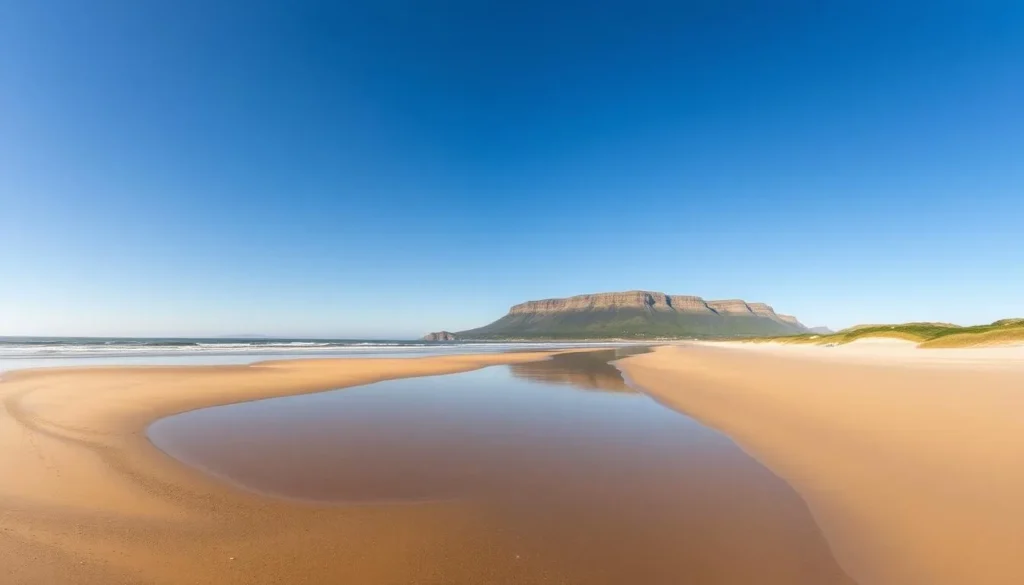
Just a short drive from Derry, you’ll find some of Northern Ireland’s most stunning natural landscapes:
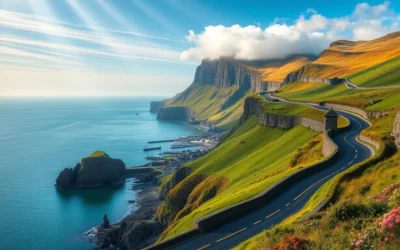
For those with more time, the world-famous Giant’s Causeway and the stunning Causeway Coastal Route are within an hour’s drive, making Derry an excellent base for exploring Northern Ireland’s natural wonders.
Safety, Etiquette & Local Customs
Derry today is a safe, welcoming city that has transformed dramatically since the peace process. However, understanding some aspects of local culture and history can enhance your visit.
Name Sensitivity
The city officially has two names: “Londonderry” (the official name) and “Derry” (commonly used by locals). This dual naming reflects the city’s complex history and divided communities. Locals often humorously refer to it as “Stroke City” (Derry/Londonderry). As a visitor, using either name is generally acceptable, though you may notice that nationalists/Catholics tend to use “Derry” while unionists/Protestants often prefer “Londonderry.”
Political Sensitivity
While discussing the Troubles and local politics is not taboo, approach such conversations with sensitivity and an open mind. Avoid making assumptions or expressing strong political opinions, especially regarding Northern Ireland’s constitutional status.
Safety Tips
Local Customs
Irish hospitality is legendary, and you’ll likely find Derry people warm and welcoming. Pub culture is an important part of social life – don’t be surprised if locals strike up conversations. Tipping (10-15%) is customary in restaurants but not required in pubs unless you’re ordering food.
If invited to someone’s home, bringing a small gift like wine or chocolates is appreciated. When in pubs, buying a round of drinks when it’s your turn is standard practice among friends.
Visitor Comments About Derry
“Walking the walls gave me such a sense of history. Our guide was passionate and knowledgeable, bringing the past to life. Don’t miss the Tower Museum for even more context!”
“The Halloween festival exceeded all expectations – it’s unlike anything I’ve experienced elsewhere. The entire city becomes a giant costume party with amazing atmosphere.”
“We used Derry as a base to explore the Causeway Coast and Donegal. Perfect location, and the city itself has enough to keep you busy for 2-3 days. The people were incredibly friendly.”
Practical Travel Tips
Currency & Payment
Communication
Useful Phrases
Planning Your Stay
Conclusion
Derry (Londonderry) offers visitors a unique blend of fascinating history, vibrant culture, and warm hospitality. From walking the historic walls to experiencing world-class festivals, this resilient city has transformed itself into one of Northern Ireland’s most engaging destinations. Its compact size makes it easy to explore, while its strategic location provides an excellent base for discovering the natural wonders of the Causeway Coast and Donegal. Whether you’re interested in history, culture, outdoor activities, or simply soaking up the atmosphere in traditional pubs, Derry rewards visitors with authentic experiences and stories you’ll be sharing long after your return home.

0 Comments