
Getting There & Planning Your Journey
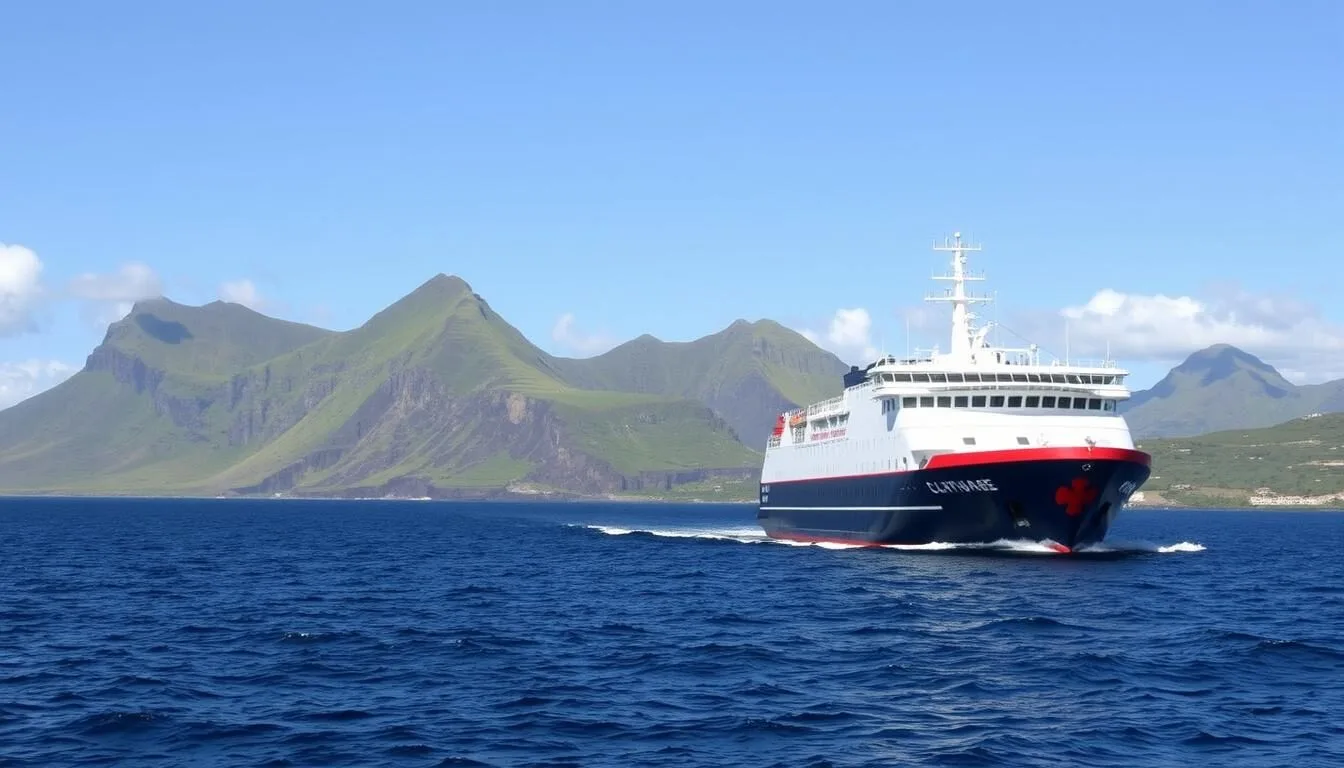
Reaching Pitcairn Island requires careful planning and patience. There are no airports on the island, making sea travel the only option. The journey typically begins with a flight to Tahiti, followed by another flight to Mangareva in the Gambier Islands of French Polynesia.
From Mangareva, you’ll board the MV Claymore II, Pitcairn’s dedicated passenger/cargo vessel that makes the 32-hour journey to the island approximately once every three months. This ship is the island’s lifeline, bringing supplies, mail, and the rare visitors who make the trek.
Advance planning is essential as the shipping schedule is limited. You’ll also need to apply for a visitor visa through the Pitcairn Islands Immigration Office. Stays are typically between 4-14 days, determined by the ship’s schedule.
Best Time to Visit Pitcairn Island
Pitcairn enjoys a moderate tropical climate with temperatures ranging from 17°C to 26°C (63°F to 79°F) year-round. However, some seasons offer better conditions than others for this remote destination.
Recommended Months
- April to June: Mild temperatures and generally calm seas
- September to October: Another excellent period with pleasant weather
- December to January: Summer in the Southern Hemisphere with warmer temperatures
Months to Avoid
- July to August: Cooler temperatures and potentially rougher seas
- February to March: Higher chance of tropical storms and heavy rainfall
- November: Transitional month with unpredictable weather patterns
The shipping schedule ultimately determines when you can visit, so you’ll need to plan around available sailings rather than just ideal weather conditions.
Getting Around Locally
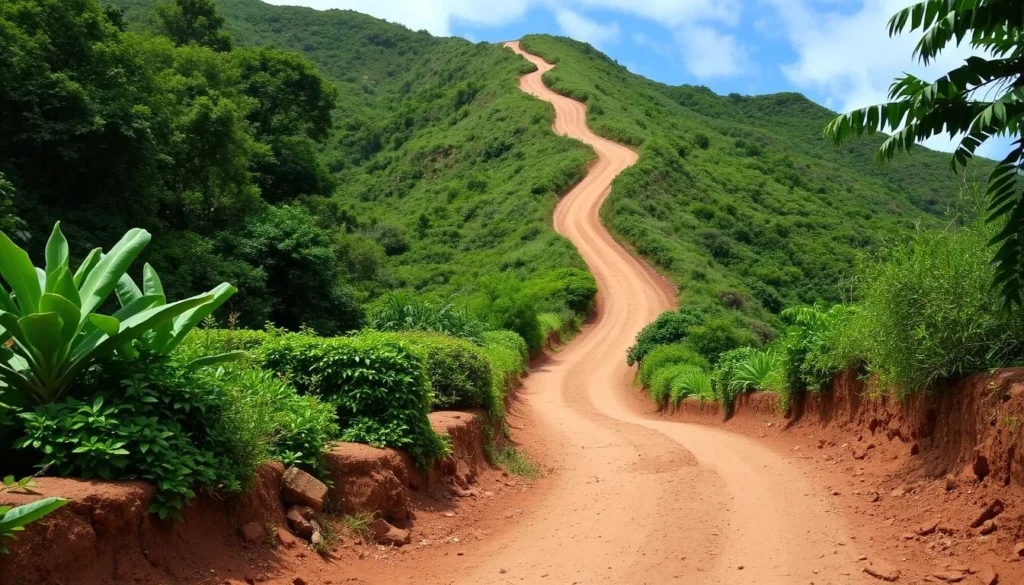
Pitcairn Island is small, measuring just 3.2 km (2 miles) long and 1.6 km (1 mile) wide. The island’s only settlement, Adamstown, is located above Bounty Bay and accessed via the aptly named “Hill of Difficulty” road.
Transportation options on the island include:
- Walking: The island is small enough to explore on foot, though the terrain is hilly
- Quad bikes: The primary motorized transportation on the island
- Longboats: Used for fishing and to ferry people between ships and shore
The island has one paved road leading from Bounty Bay through Adamstown, with the rest being dirt tracks. Most locals use quad bikes to navigate the rugged terrain, and visitors can arrange to borrow or rent one during their stay.
Where to Stay
Pitcairn has no hotels or resorts. Instead, visitors stay in homestays with local families or in a few self-contained guest houses. This arrangement provides an authentic experience and the chance to learn about island life directly from residents.

Accommodation options include:
Homestays
Stay with a local family in their home. Meals are typically included, offering a chance to enjoy authentic Pitcairn cuisine and hospitality. Prices range from NZ$80-150 (US$55-100) per night including meals.
Self-Contained Units
A few private cottages and apartments are available for those preferring more independence. These typically include kitchen facilities. Prices range from NZ$100-200 (US$65-130) per night.
All accommodation must be arranged in advance through the Pitcairn Islands Tourism office, as options are extremely limited. Bookings should be made at least three months before your planned visit.
Dining & Local Cuisine
Pitcairn’s cuisine is a unique blend of British and Polynesian influences, heavily reliant on locally grown produce and freshly caught seafood. With no restaurants or cafes, meals are enjoyed in homestays or at community gatherings.

Local specialties include:
- Pilhi: A traditional dish made from mashed bananas and sweet potatoes
- Fresh fish: Including nanwee, white fish, moi, snapper, and wahoo
- Tropical fruits: Bananas, papayas, mangoes, breadfruit, and citrus grown in the fertile island soil
- Pitcairn honey: World-renowned for its exceptional quality and purity
“Pitcairn honey is among the purest in the world due to the island’s disease-free bee population. It’s so exceptional that it’s become a favorite of Queen Elizabeth II and Prince Charles.”
Community feasts are a highlight of any visit, especially when celebrating birthdays or the arrival of ships. These gatherings feature an abundance of local dishes shared among the entire island population.
Attractions, Sightseeing & Activities
Despite its small size, Pitcairn offers several fascinating attractions, particularly for those interested in history, nature, and marine life.
Historical Sites
- Bounty Bay: Where the HMS Bounty was burned and sunk in 1790
- Adamstown: The island’s only settlement, home to historical artifacts from the Bounty
- Christian’s Cave: Where Fletcher Christian, leader of the mutiny, reportedly watched for passing ships
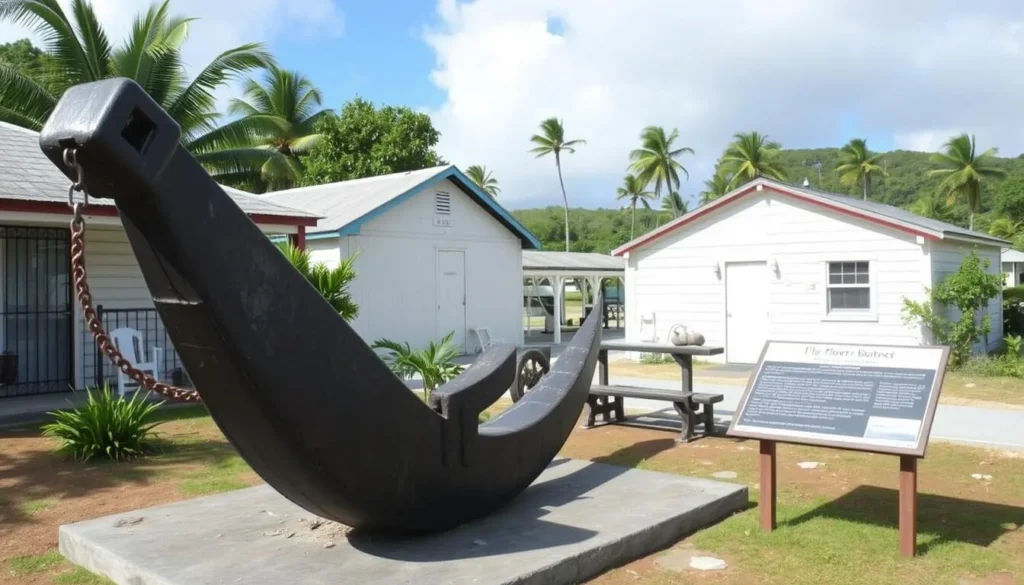
- The Bounty’s anchor: On display in the town square
Natural Attractions
- St. Paul’s Pool: A natural tidal pool offering protected swimming
- Highest Point: A hike to the island’s peak provides panoramic views
- Down Rope: A cliff area with ancient Polynesian petroglyphs
Museums, Cultural Spots & Festivals
Pitcairn’s cultural offerings are intimate and authentic, reflecting the island’s unique history and small population.
Museums and Cultural Sites
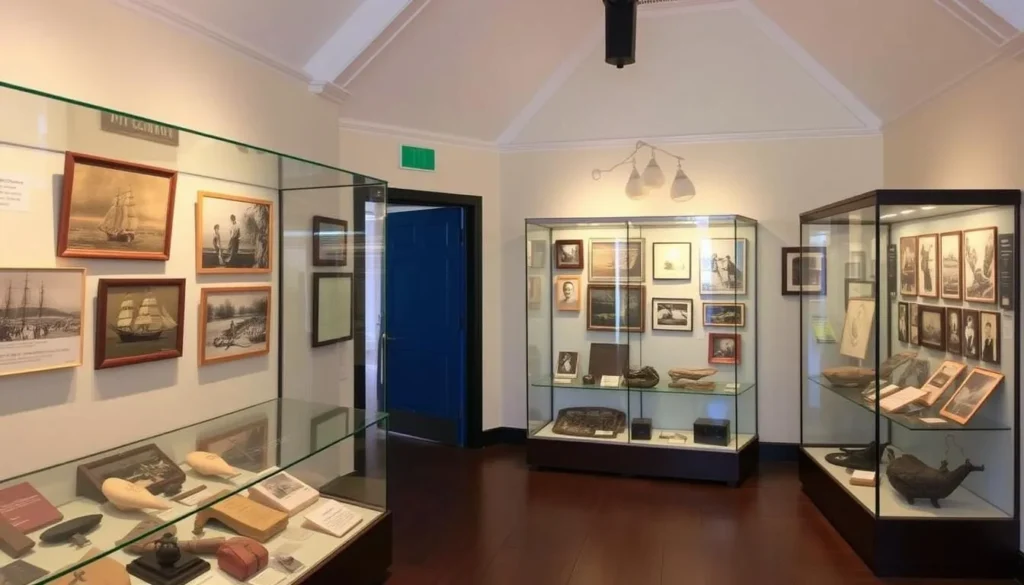
- Pitcairn Island Museum: Houses artifacts from the Bounty and items documenting island life
- Seventh-day Adventist Church: Built in 1954, it remains central to island life
- Library: Contains books about Pitcairn’s history and the Bounty mutiny
- Craft Market: Where locals sell handmade souvenirs and crafts
Cultural Events
- Bounty Day (January 23): Commemorates the burning of the HMS Bounty
- Public Dinners: Community gatherings for birthdays or ship arrivals
- Handicraft Demonstrations: Watch locals create traditional crafts
The Pitkern language, a unique creole derived from 18th-century English and Tahitian, is still spoken by islanders alongside standard English. Visitors may pick up a few phrases during their stay.
Sports, Nature & Outdoor Experiences
Pitcairn’s pristine environment offers excellent opportunities for nature lovers and outdoor enthusiasts.
Marine Activities
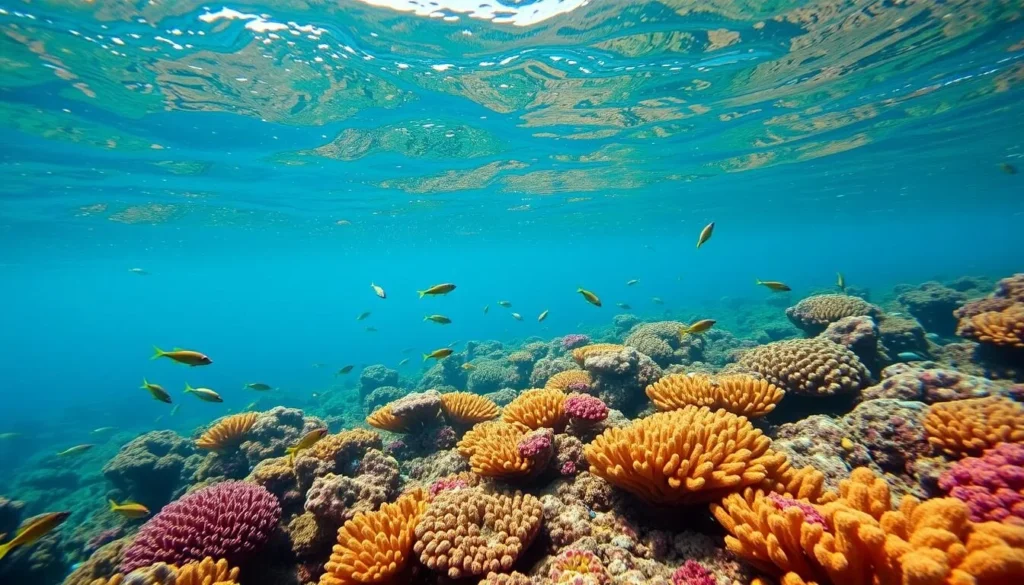
- Snorkeling: The clear waters around Pitcairn offer excellent visibility
- Swimming: St. Paul’s Pool provides a protected area for swimming
- Fishing: Join locals for traditional fishing expeditions
Land-Based Activities
- Hiking: Explore the island’s trails through lush vegetation
- Bird Watching: Spot native species like the Pitcairn Island Warbler
- Botanical Exploration: Discover unique plant species found only on Pitcairn
Pitcairn is part of one of the world’s largest marine reserves, with the surrounding waters designated as a sanctuary for endangered sharks and other marine life. The pristine environment offers a glimpse of untouched nature rarely seen elsewhere.
Safety, Etiquette & Local Customs
Visiting Pitcairn requires respect for local customs and awareness of practical considerations in this remote location.
Safety Considerations
- Medical facilities are basic – bring any necessary medications
- There is no ATM or bank – bring sufficient cash (New Zealand dollars)
- Internet access is limited and expensive
- The terrain can be challenging – wear appropriate footwear
Etiquette & Customs
- Observe the Sabbath (Saturday) as a day of rest out of respect for Adventist traditions
- “Public work” is a community tradition – visitors may be invited to participate
- Ask permission before taking photographs of residents
- Bring small gifts for hosts – useful items are appreciated
The island community is close-knit, and visitors are generally welcomed warmly. Showing genuine interest in local culture and history is appreciated.
Visitor Comments About Pitcairn Island
“Visiting Pitcairn was like stepping back in time. The islanders’ hospitality was incredible, and learning about their unique way of life firsthand was the highlight of my Pacific journey.”
“The journey to Pitcairn is challenging, but absolutely worth it. Where else can you have dinner with the entire population of a country? The stories, the history, and the untouched beauty of the island make it truly special.”
“Snorkeling in the crystal-clear waters around Pitcairn and seeing the remains of the Bounty underwater was a once-in-a-lifetime experience. The island’s honey is also incredible – I brought several jars home!”
Practical Travel Tips
Essential Items to Pack
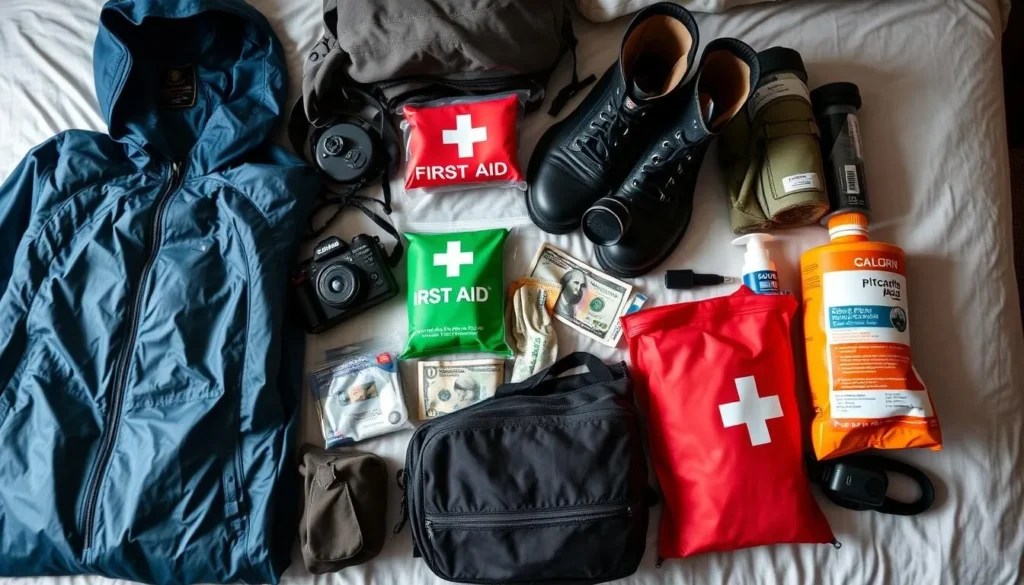
- Waterproof gear – weather can change quickly
- Sturdy walking shoes for the hilly terrain
- Sunscreen and insect repellent
- Basic first aid supplies
- Cash in New Zealand dollars
- Prescription medications (enough for extended stay in case of delays)
Communication
- Internet access is available but limited and expensive (NZ$100 for 2GB)
- There is no mobile phone service
- Satellite phones work for emergency communication
Souvenirs Worth Buying
- Pitcairn honey – certified disease-free and world-renowned
- Handcrafted wooden items, especially those made from miro wood
- Pitcairn postage stamps – popular with collectors
- Woven baskets and tapa cloth
Pro Tip: Book your journey well in advance (6-12 months) as the shipping schedule is limited and accommodations fill quickly. The Pitcairn Islands Tourism website (www.visitpitcairn.pn) provides the most up-to-date information on ship schedules and visa requirements.
Experience the Last Frontier of British Territory in the Pacific
Pitcairn Island offers a truly unique travel experience that few will ever have the privilege to enjoy. From its fascinating history as the refuge of the Bounty mutineers to its pristine natural environment and warm community spirit, this remote British Overseas Territory rewards those willing to make the journey with authentic experiences impossible to find elsewhere.
While reaching Pitcairn requires determination and careful planning, those who make the effort will join an exclusive group of travelers who have experienced one of the world’s most isolated and intriguing destinations. Whether you’re fascinated by maritime history, drawn to untouched natural environments, or simply seeking an adventure far from the beaten path, Pitcairn Island promises memories that will last a lifetime.
The above is subject to change.
Check back often to TRAVEL.COM for the latest travel tips and deals.





0 Comments