

Hotels by Trip.com
Flights by Trip.com
Did you know the United Kingdom packs more than 11,000 miles of coastline into its compact borders? That’s more than Brazil or Mexico! This island nation may be small in size, but it delivers an astonishing variety of experiences. From the misty Scottish Highlands to Cornwall’s sun-drenched beaches, from world-class museums to charming countryside villages, the UK offers a lifetime of adventures in a space you could drive across in a day.
Getting There & Planning Your Journey
The United Kingdom is well-connected to the world through several major international airports. London Heathrow (LHR) and London Gatwick (LGW) serve as the primary gateways, though Manchester (MAN), Edinburgh (EDI), and Birmingham (BHX) also welcome international flights. From North America, expect flights to take between 7-10 hours depending on your departure city.
UK entry requirements vary by nationality. EU citizens can enter with just an ID card, while most other visitors need a valid passport. Some nationalities require a visitor visa – check the UK government website for the most current requirements.
When planning your UK itinerary, consider that while the country looks small on a map, travel between regions can take time. A focused trip to one or two regions often proves more satisfying than trying to see everything at once. For first-time visitors, a classic route might include London (3-4 days), Edinburgh (2-3 days), and either the Lake District or Bath/Cotswolds (2-3 days).
Best Time to Visit & Weather Tips
The United Kingdom experiences four distinct seasons, each offering a different perspective on this diverse nation. The weather is famously changeable – locals joke you can experience all four seasons in a single day!
Recommended Seasons to Visit
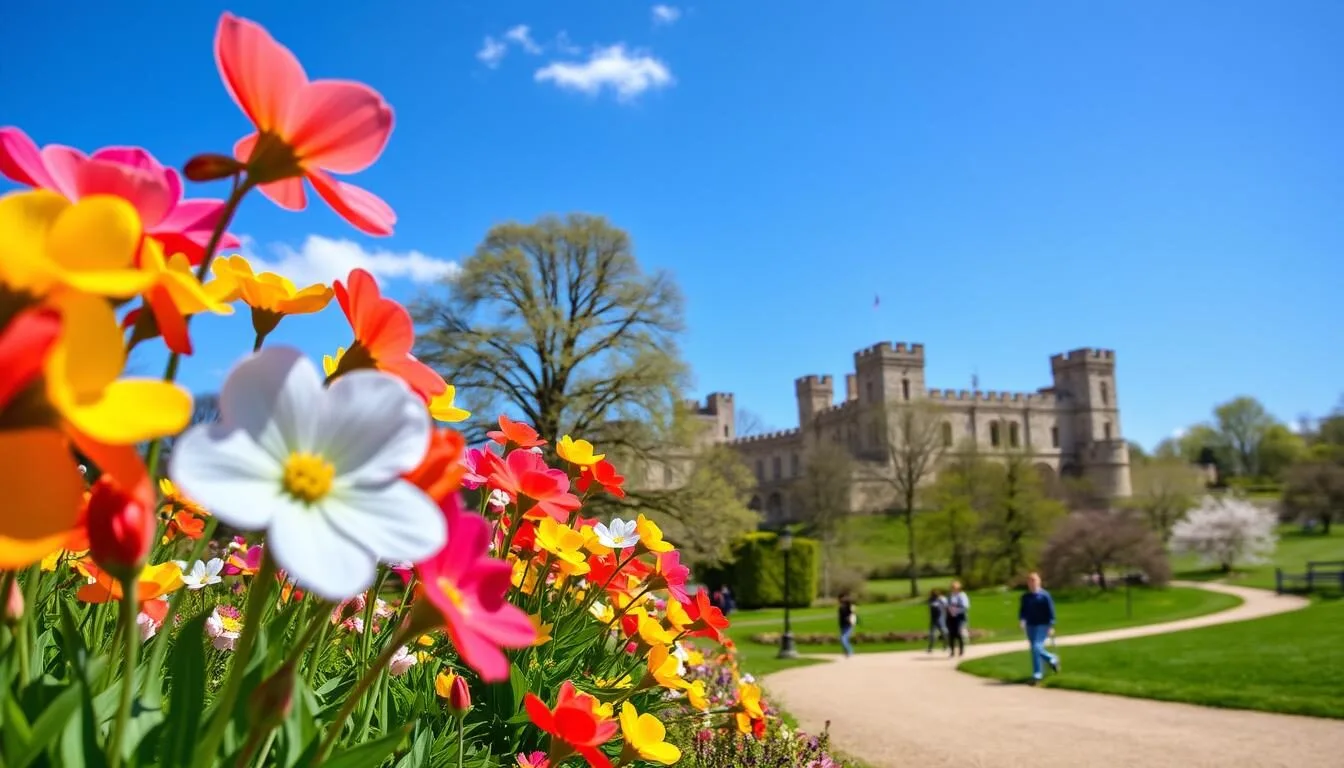
- Late Spring (May-June): Mild temperatures of 15-20°C (59-68°F), blooming gardens, and fewer crowds make this an ideal time. The countryside bursts with color, and daylight extends into the evening.
- Summer (July-August): Peak tourist season with temperatures averaging 18-23°C (64-73°F). Expect the fullest calendar of festivals and events, but also the largest crowds and highest prices.
- Early Autumn (September-October): Comfortable temperatures of 11-18°C (52-64°F) with beautiful fall colors in rural areas. Tourist attractions remain open but with fewer visitors.
Seasons to Approach with Caution
- Winter (December-February): Temperatures range from 2-7°C (36-45°F), with shorter daylight hours and some rural attractions closed. However, Christmas markets and festive decorations create a magical atmosphere in cities.
- Early Spring (March-April): Often rainy with unpredictable temperatures of 7-13°C (45-55°F). Some attractions may still operate on limited winter hours.
Regardless of when you visit, pack layers and always bring a waterproof jacket. The British weather can change rapidly, and being prepared will ensure you stay comfortable while exploring.
Getting Around Locally
The United Kingdom offers excellent transportation options that make getting around relatively straightforward, though not always inexpensive.
Public Transportation
Britain’s rail network connects most major towns and cities, with frequent services on main routes. Book tickets in advance through National Rail for the best prices – tickets purchased on the day of travel can be significantly more expensive. In London, the iconic Underground (or “Tube”) provides comprehensive coverage, while cities like Manchester, Glasgow, and Newcastle have their own metro systems.
Buses offer a more economical option for both city and intercity travel. Companies like National Express and Megabus connect major destinations at a fraction of train costs, though journeys take longer. In cities, local bus networks are extensive but can be confusing for visitors – use apps like Citymapper or Google Maps to navigate.
Driving in the UK
Renting a car gives you the freedom to explore rural areas where public transport is limited. Remember that Britons drive on the left side of the road, which requires adjustment for visitors from right-side driving countries. Rural roads can be narrow and winding, especially in places like Cornwall, the Scottish Highlands, and Wales.
For navigating within cities, walking is often the best option, as historic centers tend to be compact and pedestrian-friendly. Taxis and rideshare services like Uber are widely available in urban areas but can be scarce in rural regions.
Where to Stay

The United Kingdom offers accommodation options to suit every budget and preference, from luxury hotels to homey bed and breakfasts.
City Accommodations
Major cities like London, Edinburgh, and Manchester offer the full spectrum of lodging choices. International hotel chains cluster in city centers, while boutique hotels provide more character, often in historic buildings. Budget travelers can choose from hostels, university accommodations (available during summer breaks), and increasingly popular pod hotels that offer compact but comfortable rooms.
Check 30,000+ Local Sightseeing Tours Worldwide
✓ Numerous languages and currencies are available
Countryside Retreats
The British countryside is famous for its charming bed and breakfasts (B&Bs), where you’ll typically enjoy a comfortable room in a family home and wake up to a hearty full English breakfast. For a truly memorable experience, consider staying in a historic property – organizations like the National Trust and the Landmark Trust preserve and rent out everything from lighthouses to medieval towers.
Unique Stays
For something different, try glamping in shepherd’s huts in Sussex, converted railway carriages in Northumberland, or treehouses in Wales. In Scotland, you can even stay in castle hotels for a taste of aristocratic living.
Accommodation prices vary dramatically by location and season. London is consistently expensive, while provincial cities offer better value. In all popular tourist areas, prices spike during summer and school holidays, so book well in advance if traveling during these periods.
Dining & Local Cuisine
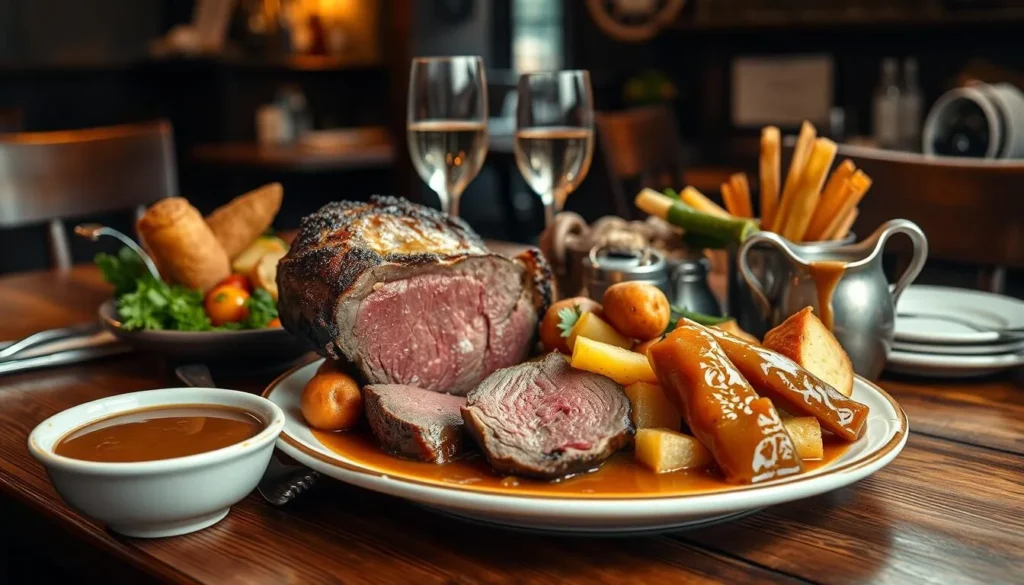
British cuisine has undergone a remarkable renaissance in recent decades, shedding its formerly poor reputation. Today, the UK food scene blends traditional comfort foods with innovative modern cooking and diverse international influences.
Must-Try British Classics
- Sunday Roast: The cornerstone of British dining – roasted meat (typically beef, chicken, or lamb) served with Yorkshire pudding, roast potatoes, vegetables, and rich gravy. Best enjoyed in a traditional pub on Sunday afternoon.
- Fish and Chips: Crispy battered fish with thick-cut fries, traditionally served with mushy peas and doused in salt and vinegar. Seek out dedicated “chippies” rather than tourist traps for the authentic experience.
- Full English Breakfast: A hearty morning meal featuring eggs, bacon, sausage, baked beans, grilled tomato, mushrooms, and toast. Regional variations include the Full Scottish (with black pudding and tattie scones) and the Full Welsh (with laverbread).
- Afternoon Tea: An elegant tradition of tea served with finger sandwiches, scones with clotted cream and jam, and pastries. For a special experience, book at historic hotels like The Ritz or Claridge’s in London.
- Regional Specialties: Try Cornish pasties in Cornwall, haggis in Scotland, Welsh rarebit in Wales, and Lancashire hotpot in northern England.
Drinking Culture
The pub (public house) remains central to British social life. These establishments serve not just drinks but often excellent “pub grub” in a convivial atmosphere. Real ale, a traditional British beer served from casks, is experiencing a revival alongside the craft beer movement. For non-alcoholic options, try a cream tea in Devon or Cornwall – a pot of tea with scones, clotted cream, and jam.
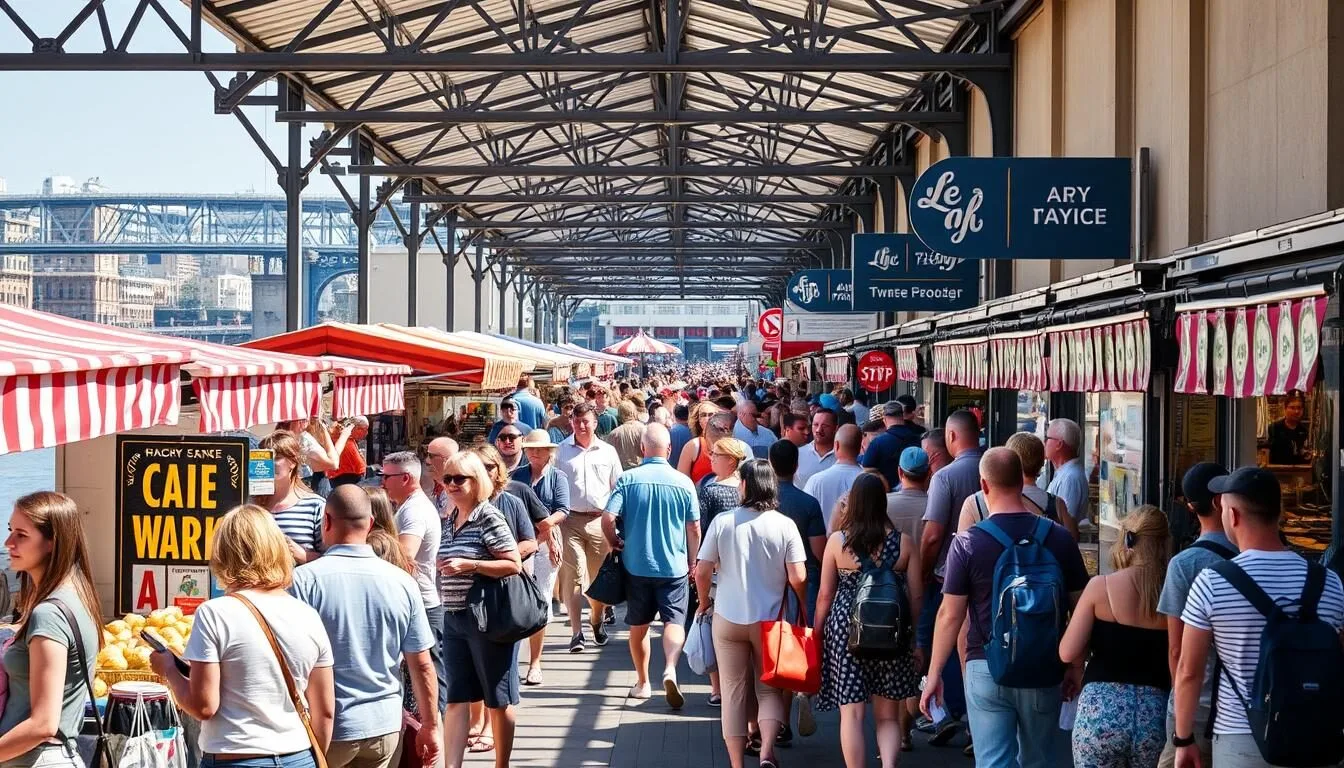
In cities, you’ll find every international cuisine imaginable, from high-end restaurants to street food markets. London’s Borough Market, Edinburgh’s Stockbridge Market, and Cardiff’s Riverside Market are excellent places to sample local and international flavors.
Attractions, Sightseeing & Activities

The United Kingdom offers an extraordinary range of attractions that reflect its rich history, diverse landscapes, and vibrant culture. Here are some of the best things to do across the country:
Historic Landmarks
- Stonehenge: This mysterious prehistoric stone circle in Wiltshire dates back over 5,000 years and continues to captivate visitors with its enigmatic presence and astronomical alignment.
- Tower of London: A historic castle on the Thames that has served as a royal palace, prison, treasury, and now houses the Crown Jewels.
- Edinburgh Castle: Perched atop an extinct volcano, this imposing fortress dominates Scotland’s capital city and offers spectacular views.
- Roman Baths: Remarkably preserved ancient thermal spa in the city of Bath, where you can explore the temple, sacred spring, and Roman bathing complex.
- Hadrian’s Wall: Built by the Romans to mark the northern boundary of their empire, this 73-mile stone wall stretches across northern England.
Royal Experiences
- Buckingham Palace: The Queen’s official London residence opens its State Rooms to visitors during summer months. Don’t miss the Changing of the Guard ceremony.
- Windsor Castle: The oldest and largest occupied castle in the world, serving as both a royal home and a working palace.
- Balmoral Castle: The Scottish Highland retreat of the Royal Family, with gardens and grounds open to visitors from April to July.
Urban Explorations
- London Eye: This giant observation wheel offers panoramic views over London and the Thames.
- Royal Mile: Edinburgh’s historic thoroughfare connecting Edinburgh Castle to Holyrood Palace, lined with shops, pubs, and attractions.
- The Beatles Story: Liverpool’s tribute to its most famous sons, with memorabilia and interactive exhibits about the Fab Four.
- Cardiff Bay: The revitalized waterfront district of Wales’ capital, featuring the striking Wales Millennium Centre for performing arts.
Museums, Cultural Spots & Festivals

The United Kingdom boasts some of the world’s finest museums and a year-round calendar of vibrant cultural events that showcase its rich heritage and contemporary creativity.
World-Class Museums
- British Museum (London): Home to one of the world’s most comprehensive collections of human history, culture, and art, spanning two million years. The Rosetta Stone and the Elgin Marbles are among its treasures.
- National Gallery (London): Houses masterpieces from the 13th to the 19th centuries, including works by Van Gogh, Monet, da Vinci, and Turner.
- Tate Modern (London): Britain’s national museum of modern and contemporary art, housed in a converted power station on the banks of the Thames.
- National Museum of Scotland (Edinburgh): Explores Scotland’s history, culture, and people, from prehistoric times to the present day.
- V&A Dundee: Scotland’s first design museum and the only V&A museum outside London, celebrating the country’s design heritage.
Cultural Experiences
- Shakespeare’s Globe (London): A reconstruction of the original Globe Theatre, offering authentic performances of Shakespeare’s plays.
- Stratford-upon-Avon: Shakespeare’s birthplace, where you can visit his childhood home and see Royal Shakespeare Company productions.
- Hay-on-Wye: The “town of books” in Wales hosts the renowned Hay Festival of Literature & Arts each spring.
- The Royal Albert Hall (London): This iconic venue hosts everything from classical concerts to rock shows in its magnificent circular auditorium.
Must-Experience Festivals
- Edinburgh Festival Fringe (August): The world’s largest arts festival transforms Scotland’s capital into a creative playground with thousands of performances across hundreds of venues.
- Glastonbury Festival (June): The legendary music festival that combines world-class performances with a unique atmosphere of creativity and counterculture.
- Notting Hill Carnival (August Bank Holiday): Europe’s biggest street festival celebrates Caribbean culture with vibrant parades, music, and food in west London.
- Highland Games (throughout summer): Traditional Scottish sporting events featuring competitions like caber tossing, hammer throwing, and highland dancing.
- Bonfire Night (November 5): Commemorates the failed Gunpowder Plot with fireworks displays and bonfires across the country, with Lewes in Sussex hosting particularly spectacular celebrations.
Sports, Nature & Outdoor Experiences

The United Kingdom’s varied landscapes offer countless opportunities for outdoor adventures, from gentle countryside rambles to challenging mountain climbs.
National Parks and Natural Wonders
- Lake District: England’s largest national park features 16 major lakes and England’s highest peak, Scafell Pike (978 m/3,209 ft). The area inspired poets like Wordsworth and remains one of the best places to visit in England for hiking, boating, and simply soaking in spectacular scenery.
- Scottish Highlands: A wilderness of mountains, glens, and lochs, offering everything from gentle walks to serious mountaineering. Don’t miss the dramatic landscapes of Glencoe and the Isle of Skye.
- Snowdonia: Wales’ adventure capital centers around Mount Snowdon (1,085 m/3,560 ft), with hiking trails for all abilities and the option of a mountain railway to the summit.
- Giant’s Causeway: Northern Ireland’s most famous natural landmark features 40,000 interlocking basalt columns, the result of an ancient volcanic eruption.
- Jurassic Coast: This 95-mile stretch of southern English coastline spans 185 million years of geological history, with dramatic cliffs and formations like Durdle Door.
Sporting Traditions
- Football: Experience the passion of the world’s most popular sport by attending a Premier League match or taking a stadium tour at iconic venues like Manchester United’s Old Trafford or Liverpool’s Anfield.
- Tennis at Wimbledon: The world’s oldest and most prestigious tennis tournament takes place for two weeks in late June and early July. Even if you can’t secure tickets to the main courts, you can join the famous queue for grounds passes.
- Golf: Play a round at the sport’s birthplace, St Andrews in Scotland, or one of the many historic courses throughout the UK.
- Cricket: This quintessentially English game is best experienced at Lord’s in London or during a county match at a smaller ground, where you can enjoy a leisurely day in the sunshine (weather permitting!).
Coastal Adventures
- Surfing in Cornwall: The southwest peninsula offers the UK’s best surfing, with Fistral Beach in Newquay being the epicenter of British surf culture.
- Sea Kayaking in Pembrokeshire: Paddle along Wales’ stunning coastline, exploring caves, arches, and remote beaches.
- Wild Swimming: Join the growing movement of outdoor swimmers at locations like the Lake District’s Wastwater or Scotland’s Fairy Pools on the Isle of Skye.
Safety, Etiquette & Local Customs
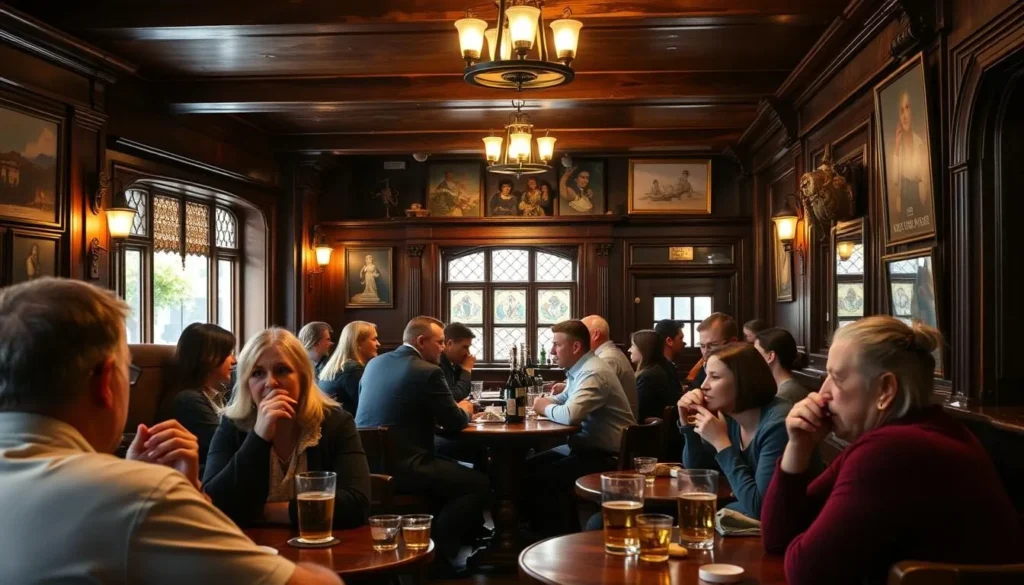
The United Kingdom is generally a safe and welcoming destination for travelers, with low crime rates and friendly locals. However, understanding a few cultural norms will help you navigate British society smoothly.
Safety Tips
- Emergency Services: Dial 999 for police, fire, or ambulance in emergencies. For non-emergency police matters, dial 101.
- Healthcare: The National Health Service (NHS) provides emergency care to visitors, but comprehensive travel insurance is strongly recommended to cover any medical needs.
- Urban Safety: Major cities are generally safe, but take normal precautions against pickpocketing in crowded tourist areas, especially in London.
- Road Safety: Remember that the UK drives on the left. Take extra care when crossing roads if you’re from a right-side driving country.
- Weather Preparedness: If hiking in mountainous areas like the Scottish Highlands or Lake District, be prepared for rapidly changing weather conditions, even in summer.
British Etiquette
- Queuing: The British take standing in line very seriously. Always join the end of any queue and wait your turn.
- Personal Space: Britons generally prefer a bit more personal space than in some other cultures. Avoid standing too close in conversation.
- Politeness: “Please,” “thank you,” and “sorry” are used frequently. Saying “sorry” often functions as an all-purpose expression that can mean “excuse me” or acknowledge a minor inconvenience.
- Tipping: In restaurants, a 10-15% tip is customary for good service, though many establishments add a service charge automatically. Tipping is not expected in pubs when ordering at the bar, but is appreciated for table service.
- Pub Etiquette: In pubs, you typically order and pay at the bar rather than waiting for table service. When in a group, buying a “round” (drinks for everyone) is common practice.
Cultural Awareness
The United Kingdom comprises four distinct nations – England, Scotland, Wales, and Northern Ireland – each with its own identity. Avoid referring to the entire UK as “England,” which can offend Scots, Welsh, and Northern Irish people. Similarly, be aware that the Republic of Ireland is a separate country from the UK.
The British are known for their reserve and understatement. They often use irony and self-deprecating humor, which can sometimes be misinterpreted by visitors. They generally avoid discussing money, and asking someone what they earn would be considered rude.
Visitor Comments About the United Kingdom

“I was worried about the famous British weather, but we visited in May and had gorgeous sunshine almost every day. The Lake District was one of the most beautiful places I’ve ever hiked – those views across Windermere were worth every step!”
“Don’t make the mistake we did trying to cram too much into one trip. We spent 10 days racing between London, Edinburgh, the Cotswolds, and Bath, and felt like we were always on a train. Next time, we’ll pick one region and explore it properly.”
“The locals were so much friendlier than the stereotype suggests! We got lost in a small village in Yorkshire, and a couple not only gave us directions but walked us halfway to our destination while sharing stories about the area’s history.”
“Edinburgh during the Fringe Festival was absolute magic. Yes, it was crowded and accommodations were expensive, but the energy of the city and the quality of performances made it all worthwhile. Book well in advance if you’re planning to go in August!”
Practical Travel Tips
Money Matters
- Currency: The British pound (£) is the official currency. While Scotland and Northern Ireland issue their own banknotes, these are the same currency and legal tender throughout the UK.
- Payment Methods: Credit and debit cards are widely accepted, with contactless payment common for small purchases. Keep some cash for small businesses in rural areas.
- ATMs: Widely available in cities and towns, most do not charge for withdrawals, though your home bank might.
- VAT Refunds: Non-EU visitors can claim back the 20% Value Added Tax on certain purchases. Ask for a VAT refund form when shopping.
Connectivity
- Electricity: The UK uses 230V power with three-pin plugs (Type G). Bring an adapter if your devices use different plugs.
- Wi-Fi: Widely available in accommodations, cafes, and many public spaces. Most pubs and restaurants offer free Wi-Fi.
- Mobile Service: Consider purchasing a local SIM card for data if staying more than a few days. Major providers include EE, Vodafone, and Three.
Travel Hacks
- London Transport: Get an Oyster card or use a contactless payment card for the best fares on London public transport. Avoid traveling during rush hours (7:30-9:30 AM and 5-7 PM).
- Museum Passes: Many national museums in the UK are free, including the British Museum, National Gallery, and Tate Modern.
- Rail Savings: If planning multiple train journeys, consider a BritRail pass. For specific routes, booking 12+ weeks in advance can save significantly.
- Accommodation Alternatives: Beyond hotels, consider university accommodations during summer, holiday cottages for longer stays, or home exchanges.
Conclusion
The United Kingdom packs an extraordinary wealth of experiences into its compact borders. From the bustling streets of London to the misty peaks of the Scottish Highlands, from world-class museums to cozy village pubs, this island nation rewards visitors with unforgettable memories and unexpected discoveries.
Whether you’re tracing the footsteps of literary giants, exploring ancient castles, hiking dramatic coastlines, or simply savoring a perfect cup of tea, the UK offers something for every traveler. Its blend of tradition and innovation, history and contemporary culture creates a destination that reveals new layers with each visit.
Pack your umbrella, bring your curiosity, and prepare to be charmed by the United Kingdom’s timeless appeal and surprising diversity. As the British themselves might say – it’s absolutely brilliant!
Related Posts
Coming Soon: Clickable Maps