

Did you know that Beirut has been destroyed and rebuilt seven times throughout its history, earning it the nickname “The Phoenix City”? This resilient Mediterranean gem blends ancient history with modern vibrancy, offering visitors a unique cultural experience unlike anywhere else in the Middle East. From Roman ruins and Ottoman architecture to world-class cuisine and buzzing nightlife, Beirut’s contrasts create an irresistible allure for travelers seeking authentic experiences.
Getting There & Planning Your Journey
Beirut-Rafic Hariri International Airport (BEY) serves as the main gateway to Lebanon, with direct flights available from major European, Middle Eastern, and some Asian cities. Most visitors will need to obtain a visa, which can often be arranged upon arrival for many nationalities.
When planning your trip, consider that Lebanon is a small country, making Beirut an excellent base for exploring beyond the city. Many of Lebanon’s attractions, including Byblos, Jeita Grotto, and the Bekaa Valley, can be visited as day trips from the capital.
Best Time to Visit Beirut & Weather Tips

When to Go
The ideal times to visit Beirut are during spring (April to June) and fall (September to November) when temperatures are pleasant, ranging from 20°C to 28°C (68°F to 82°F). These shoulder seasons offer comfortable weather for exploring the city and fewer crowds than the peak summer months.
Seasons to Consider
- Spring (April-June): Mild temperatures around 22°C (72°F) with blooming flowers and greenery. Perfect for outdoor activities and sightseeing.
- Summer (July-August): Hot and humid with temperatures reaching 32°C (90°F). Beaches are crowded, and the city can feel overwhelming. However, this is when Beirut’s nightlife and festivals are at their peak.
- Fall (September-November): Warm days and cool evenings with temperatures around 25°C (77°F). An excellent time for exploring both the city and surrounding areas.
- Winter (December-March): Mild but rainy with temperatures between 10°C and 18°C (50°F to 64°F). Some attractions may have limited hours, but you’ll encounter fewer tourists.
Local Tip: If you’re planning to visit during Ramadan, be aware that some restaurants and attractions may have adjusted hours, though Beirut is more relaxed about this than other Middle Eastern cities.
Getting Around Beirut
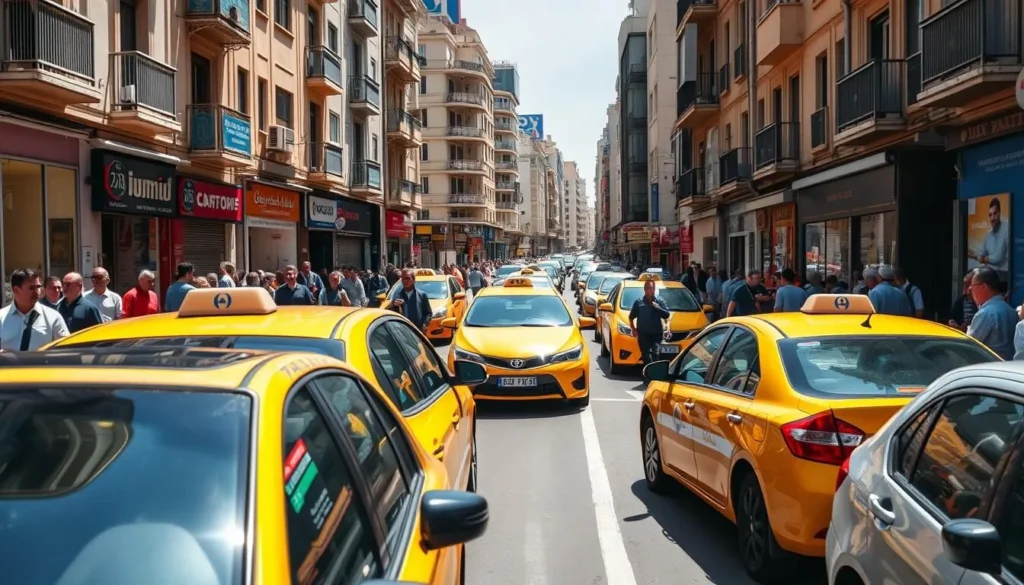
Navigating Beirut can be an adventure in itself. The city lacks a comprehensive public transportation system, but there are several ways to get around:
Transportation Options
- Taxis: The most common way to get around. “Service” taxis operate as shared rides along fixed routes (flag one down and tell the driver your destination). Regular taxis should use meters, but always negotiate the fare before getting in if they don’t.
- Ride-sharing: Uber and Careem operate in Beirut and offer a convenient alternative to traditional taxis.
- Walking: Many of Beirut’s neighborhoods like Hamra, Gemmayzeh, and Mar Mikhael are pedestrian-friendly and best explored on foot.
- Rental Cars: If you plan to explore beyond Beirut, renting a car gives you flexibility. However, be prepared for chaotic traffic and aggressive driving styles.
Where to Stay in Beirut
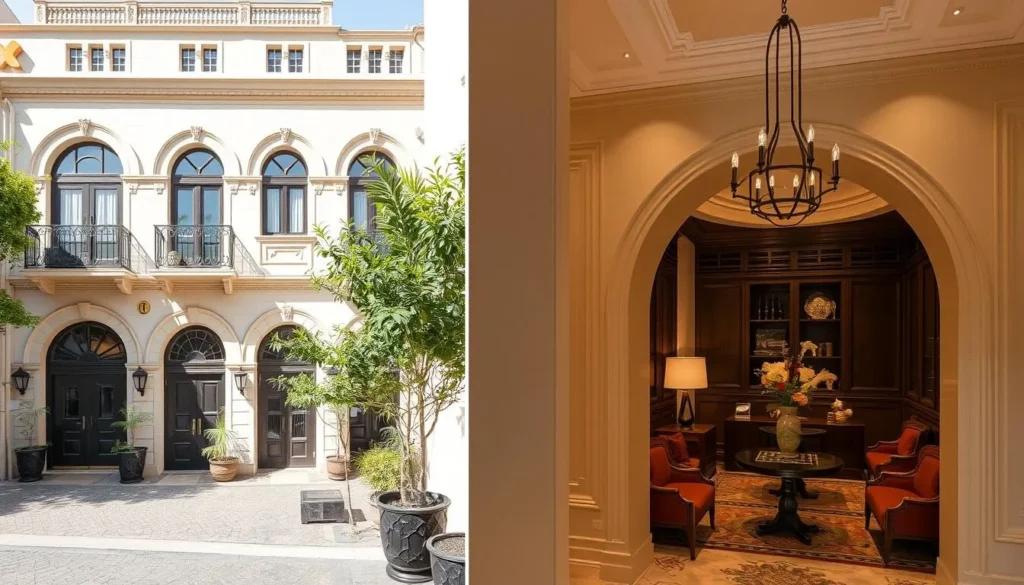
Beirut offers a range of accommodations to suit every budget and preference. Each neighborhood has its own distinct character, so choose based on what you want to experience:
Best Neighborhoods for Visitors
- Hamra: The commercial heart of Beirut with universities, shops, restaurants, and cafes. Great for first-time visitors who want to be central.
- Gemmayzeh & Mar Mikhael: Trendy neighborhoods with colonial architecture, art galleries, boutiques, and Beirut’s best nightlife. Perfect for young travelers and night owls.
- Downtown (Solidere): The reconstructed city center with upscale shopping, restaurants, and historic sites. Convenient but can feel less authentic.
- Achrafieh: An upscale residential area with elegant buildings, boutique hotels, and a more local feel. Good for those seeking a quieter stay.
Accommodation Types
Luxury Options
- Four Seasons Hotel Beirut
- Le Gray Beirut
- Phoenicia Hotel Beirut
Mid-Range & Boutique
- Albergo Hotel
- Hotel Saifi Urban Gardens
- The Smallville Hotel
Dining & Local Cuisine in Beirut

Beirut is a food lover’s paradise, renowned for its exceptional cuisine that blends Mediterranean flavors with Middle Eastern traditions. Lebanese food culture centers around mezze—small shareable plates that allow you to sample a variety of dishes in one meal.
Must-Try Lebanese Dishes
- Mezze: Start with classics like hummus, baba ghanoush (eggplant dip), tabbouleh (parsley salad), and warak enab (stuffed vine leaves).
- Kibbeh: Lebanon’s national dish—minced meat mixed with bulgur wheat and spices, either raw (kibbeh nayyeh) or fried in torpedo shapes.
- Manakish: A breakfast flatbread topped with za’atar (thyme mix), cheese, or minced meat.
- Shawarma: Thinly sliced marinated meat (chicken or beef) wrapped in thin bread with garlic sauce and pickles.
- Knafeh: A sweet cheese pastry soaked in sugar syrup, often enjoyed for breakfast or dessert.
Where to Eat in Beirut
Traditional Lebanese
- Em Sherif
- Tawlet
- Liza Beirut
Street Food & Casual
- Barbar
- Falafel Sahyoun
- Ichkhanian Bakery
Modern & Fusion
- Baron
- Mayrig (Armenian-Lebanese)
- Lux
Dining Tip: Restaurants often offer set mezze menus that provide an excellent introduction to Lebanese cuisine. Don’t be shy about asking for recommendations—Lebanese hospitality means staff are usually happy to guide you.
Top Attractions & Sightseeing in Beirut Lebanon
Beirut offers a fascinating mix of ancient history, cultural landmarks, and natural beauty. Here are the must-see attractions that should be on every visitor’s itinerary:
Historical Sites
- Beirut National Museum: Housing an impressive collection of archaeological artifacts spanning prehistory to the Ottoman era. Don’t miss the Phoenician sarcophagi and the Byzantine mosaics.
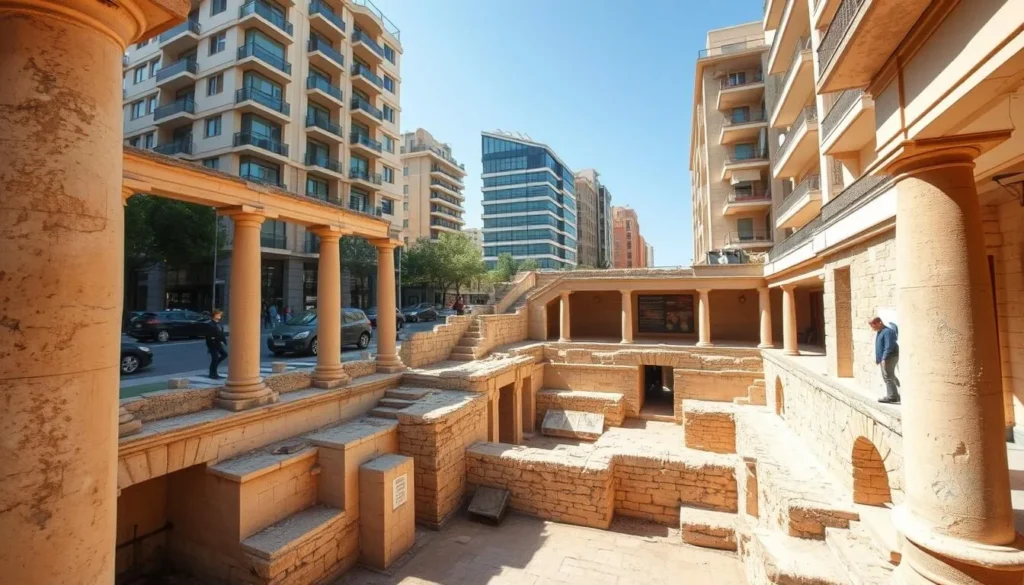
- Roman Baths: Located in downtown Beirut, these well-preserved ruins offer a glimpse into the city’s Roman past when it was known as Berytus.
- Martyrs’ Square: A historic square that has witnessed many pivotal moments in Lebanese history, including the Cedar Revolution.
Natural Landmarks
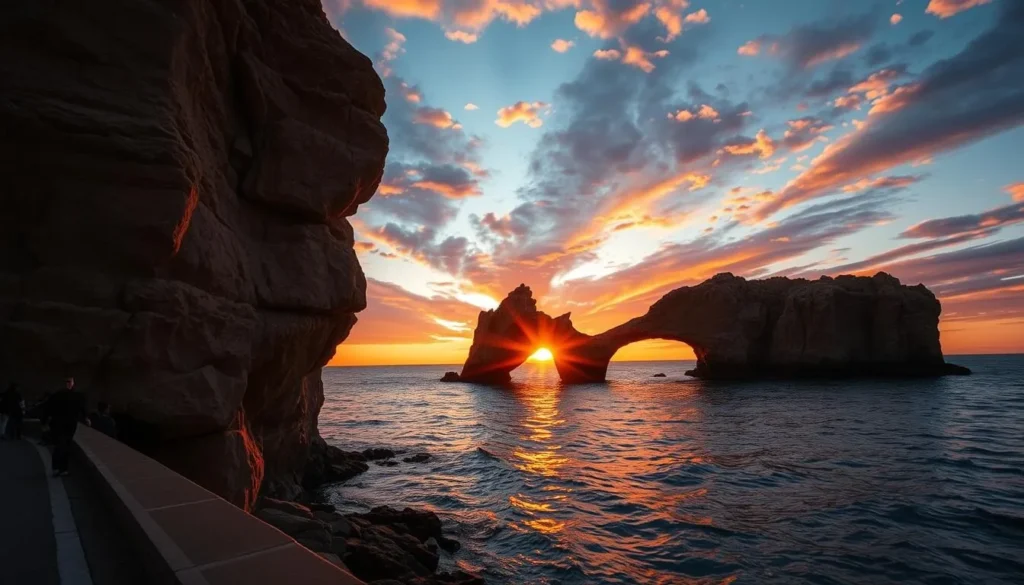
- Pigeon Rocks (Raouche): These iconic natural rock formations rising from the Mediterranean Sea are Beirut’s most famous natural landmark. Visit at sunset for breathtaking views.
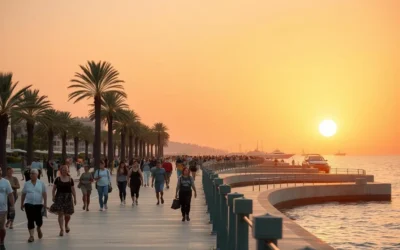
- Beirut Corniche: A 4.8 km (3 mi) seaside promenade perfect for walking, jogging, or people-watching. Stretching from Ramlet al-Baida to Ain el-Mreisseh, it offers stunning Mediterranean views.
- Horsh Beirut: The city’s largest urban park, offering a green escape from the bustling streets.
Cultural Experiences
- Beirut Souks: A modern shopping district built on the site of the ancient souks, combining contemporary architecture with traditional Middle Eastern market elements.
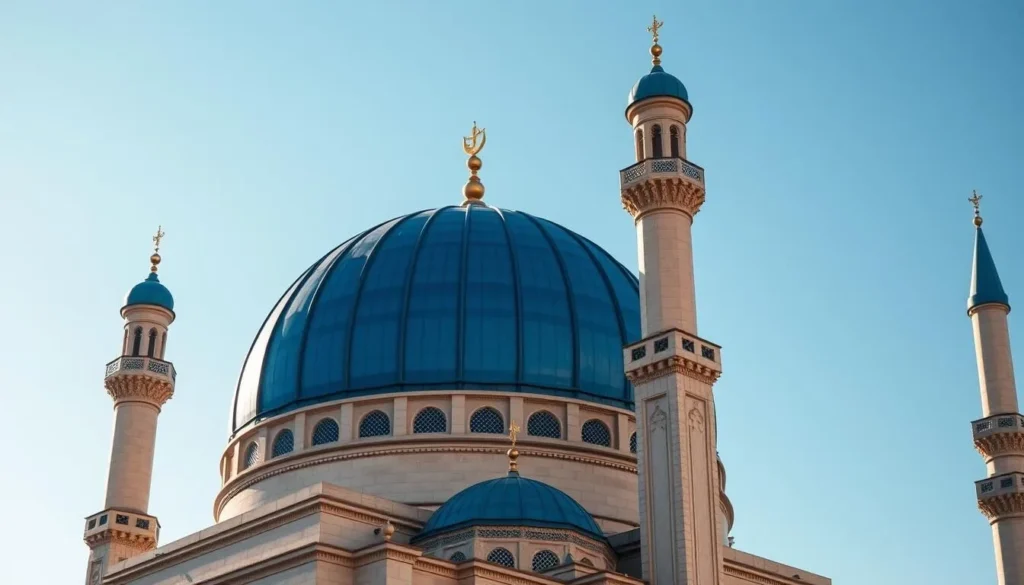
- Mohammad Al-Amin Mosque: An impressive blue-domed mosque in downtown Beirut, also known as the Blue Mosque.
- St. George Maronite Cathedral: Located next to the Al-Amin Mosque, symbolizing Lebanon’s religious diversity.
Museums, Cultural Spots & Festivals

Beirut’s rich cultural landscape is reflected in its excellent museums and vibrant arts scene. The city has experienced a cultural renaissance in recent years, with new galleries, performance spaces, and cultural events emerging regularly.
Must-Visit Museums
- Sursock Museum: Housed in a stunning 19th-century mansion, this museum showcases modern and contemporary art with a focus on Lebanese artists.
- MIM Mineral Museum: One of the world’s finest collections of minerals and gems, displayed with spectacular lighting that brings out their natural beauty.
- Beirut Art Center: A contemporary art space hosting rotating exhibitions by local and international artists.
- AUB Archaeological Museum: Located on the American University of Beirut campus, featuring artifacts from Lebanon’s ancient civilizations.
Cultural Districts
- Gemmayzeh: A historic neighborhood with colonial-era buildings now housing art galleries, design studios, and cultural spaces.
- Saifi Village: Known as the “Quartier des Arts,” this colorful neighborhood is home to numerous galleries and artisan workshops.
- Badaro: An emerging cultural district with bookshops, record stores, and creative spaces.
Annual Festivals & Events
- Beirut International Film Festival: Showcasing independent films from around the world (October).
- Beirut Art Fair: A major contemporary art event featuring galleries from the Middle East, North Africa, and beyond (September).
- Beiteddine Art Festival: Held in the magnificent Beiteddine Palace in the nearby Chouf Mountains, featuring international music and performance acts (July-August).
- Beirut Design Week: Celebrating Lebanon’s thriving design scene with exhibitions, workshops, and talks (May-June).
Cultural Tip: Many museums in Beirut offer free admission on certain days of the month. Check their websites before visiting to take advantage of these opportunities.
Outdoor Experiences & Day Trips from Beirut
While Beirut itself offers plenty to explore, some of Lebanon’s most spectacular attractions lie just beyond the city limits. The country’s compact size means you can experience mountains, ancient ruins, and coastal towns all in easy day trips from the capital.
Natural Wonders Near Beirut
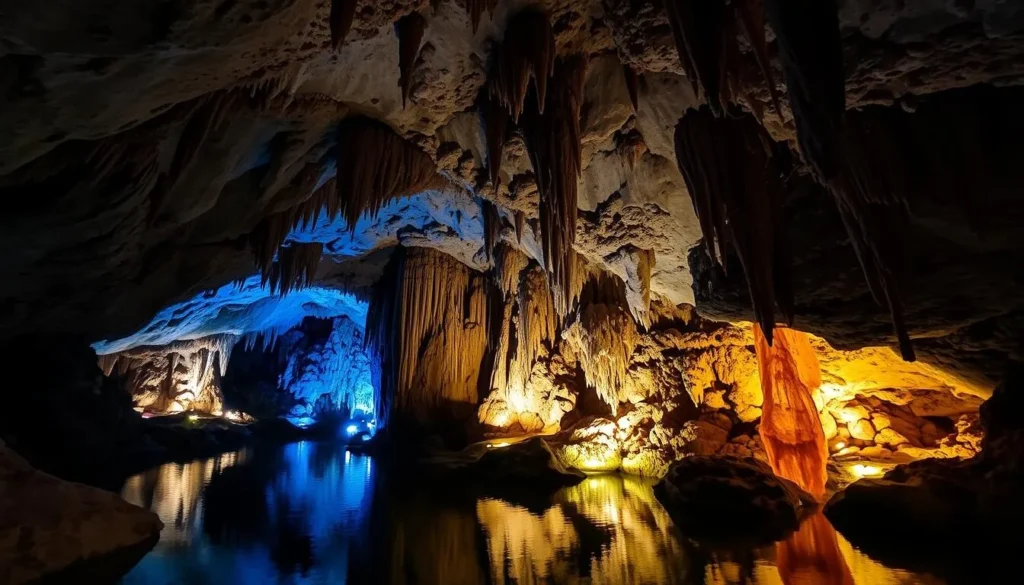
- Jeita Grotto: Just 18 km (11 mi) north of Beirut, these spectacular limestone caves feature some of the world’s largest stalactites. The lower grotto is explored by boat along an underground river, while the upper grotto offers a walking path among dramatic formations.
- Harissa: Take the scenic cable car (télépherique) up to this mountain village for panoramic views of the Bay of Jounieh and visit the Our Lady of Lebanon statue.
- Chouf Cedar Reserve: Home to some of the oldest cedar trees in the world, including specimens estimated to be 2,000 years old. Located about 40 km (25 mi) from Beirut in the Chouf Mountains.
Historic Sites & Ancient Cities
- Byblos (Jbeil): One of the oldest continuously inhabited cities in the world (7,000+ years), featuring a Crusader castle, ancient harbor, and charming old souk. Located 37 km (23 mi) north of Beirut.
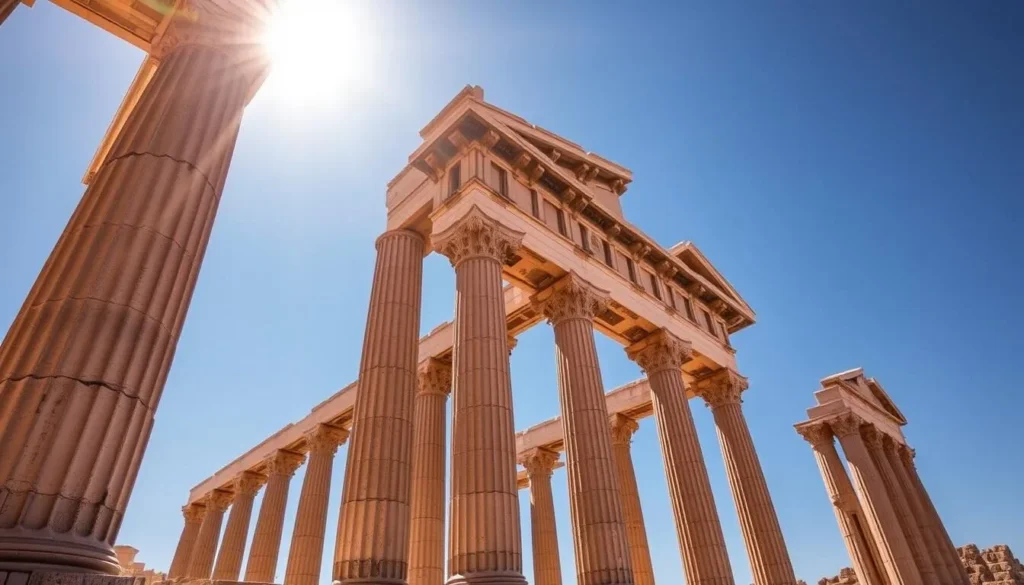
- Baalbek: Home to some of the most impressive Roman temple ruins in the world, including the Temples of Jupiter and Bacchus. Located in the Bekaa Valley, about 85 km (53 mi) from Beirut.
- Sidon (Saida): A historic coastal city with a sea castle, traditional souks, and a soap museum. Located 40 km (25 mi) south of Beirut.
Beaches & Coastal Towns
- Batroun: A charming coastal town known for its Phoenician sea wall, beach clubs, and lemonade. About 50 km (31 mi) north of Beirut.
- Tyre: Features stunning beaches and important archaeological sites, including a well-preserved Roman hippodrome. Located 83 km (52 mi) south of Beirut.
- Anfeh: Often called “Little Greece” for its white and blue houses, this fishing village offers a peaceful escape. Located near Batroun.
Beirut’s Legendary Nightlife
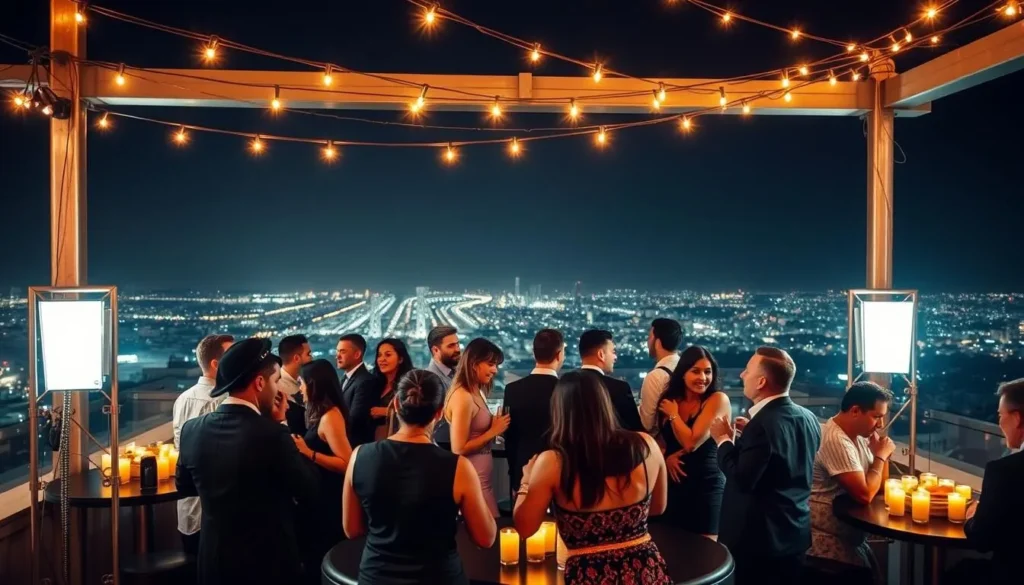
Beirut’s reputation as the party capital of the Middle East is well-deserved. The city’s nightlife is legendary, offering everything from sophisticated rooftop bars and lounges to energetic nightclubs that stay open until dawn.
Nightlife Districts
- Mar Mikhael: The epicenter of Beirut’s nightlife, with countless bars and pubs lining Armenia Street. The atmosphere is relaxed and bohemian, with many venues featuring outdoor seating.
- Gemmayzeh: Adjacent to Mar Mikhael, this area offers slightly more upscale options, including cocktail bars and lounges in beautiful historic buildings.
- Hamra: Popular with university students and offering more affordable options, from casual pubs to shisha cafes.
- Downtown: Home to high-end clubs and rooftop bars with spectacular views, particularly around Uruguay Street.
Types of Venues
- Rooftop Bars: Iris, The Gärten, and SkyBar offer stunning views and sophisticated atmospheres.
- Cocktail Bars: Dragonfly, Central Station, and Anise serve creative concoctions in stylish settings.
- Live Music Venues: Metro Al Madina, Radio Beirut, and Salon Beyrouth showcase local talent across various genres.
- Nightclubs: B018, The Grand Factory, and AHM attract international DJs and a fashionable crowd.
Nightlife Tip: Beirut’s nightlife starts late—most people don’t head out until after 10 PM, and clubs don’t get busy until midnight or later. Dress to impress, as many venues have dress codes, particularly the upscale clubs.
Safety, Etiquette & Local Customs

Despite its turbulent history, Beirut is generally safe for tourists who exercise common sense. Understanding local customs and etiquette will enhance your experience and show respect for Lebanese culture.
Safety Considerations
- Political Situation: Check your country’s travel advisories before visiting and stay informed about current events.
- Areas to Avoid: Some southern suburbs of Beirut (Dahieh) and areas near the Syrian and Israeli borders are best avoided.
- Street Safety: Beirut has low rates of violent crime against tourists. Exercise normal precautions regarding belongings and be aware of your surroundings.
- Traffic: The greatest danger in Beirut is often the chaotic traffic. Be extremely cautious when crossing streets.
Cultural Etiquette
- Dress Code: Lebanon is more liberal than many Middle Eastern countries, but modest dress is appreciated, especially when visiting religious sites. In Beirut, Western-style clothing is common.
- Religious Respect: When visiting mosques, women should cover their hair, shoulders, and knees. Men should wear long pants. Remove shoes before entering.
- Photography: Ask permission before photographing people, and avoid taking pictures of military installations or checkpoints.
- Politics: Lebanese politics are complex and sensitive. Avoid political discussions unless initiated by locals who seem open to such conversations.
Social Customs
- Greetings: A handshake is the common greeting between men. Between men and women, wait for the woman to extend her hand first. Close friends may greet with kisses on the cheek (usually three).
- Hospitality: Lebanese hospitality is legendary. If invited to someone’s home, bringing a small gift like sweets or flowers is appreciated.
- Dining Etiquette: It’s customary to leave a small amount of food on your plate to show you’ve had enough. Refusing offered food or drink can be considered impolite.
- Tipping: A service charge is often included in restaurant bills, but an additional 5-10% tip is customary. Round up taxi fares.
Cultural Tip: Lebanese people are generally warm and helpful to visitors. Don’t hesitate to ask for directions or recommendations—many locals speak English or French and are happy to assist tourists.
Practical Travel Tips for Beirut
Essential Information
- Currency: Lebanese Pound (LBP), though US dollars are widely accepted. Due to economic fluctuations, check the current situation regarding currency before your trip.
- Language: Arabic is the official language, but English and French are widely spoken, especially in tourist areas.
- Electricity: 220V, 50Hz. Type C and G plugs are common.
- Internet & Mobile: Wi-Fi is available in most hotels, cafes, and restaurants. Local SIM cards can be purchased at the airport or in mobile shops (bring your passport).
- Emergency Numbers: Police: 112, Ambulance: 140, Fire: 175
Money Matters
- ATMs: Widely available in Beirut, though it’s advisable to carry some cash, especially when traveling to smaller towns.
- Credit Cards: Accepted in most hotels, restaurants, and larger shops in Beirut, but smaller establishments may only accept cash.
- Tipping: 10-15% in restaurants if service charge isn’t included. Round up taxi fares.
Health & Wellness
- Water: Stick to bottled water for drinking.
- Healthcare: Beirut has excellent private hospitals with English-speaking staff. Travel insurance is strongly recommended.
- Pharmacies: Well-stocked and often have staff who speak English. Many medications are available without prescription.
Communication Tips
- Basic Arabic Phrases:
- Hello: Marhaba
- Thank you: Shukran
- Yes: Na’am
- No: La
- Please: Min fadlak (to men), Min fadlik (to women)
- Excuse me: Law samaht
- Addressing People: Lebanese people appreciate politeness. Use titles like “Mr.” (Sayed) or “Mrs.” (Sayeda) when addressing older people or in formal situations.
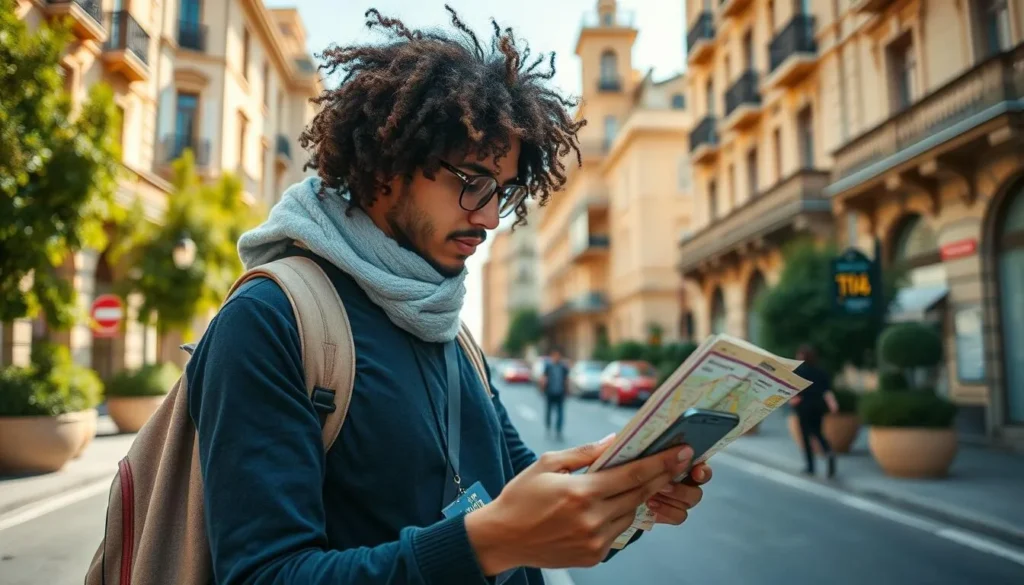
Practical Tip: Save the address of your accommodation in both English and Arabic to show taxi drivers. Also, download offline maps of Beirut before your trip, as they can be invaluable for navigation.
Experience the Magic of Beirut

Beirut is a city of remarkable contrasts and resilience—where ancient history meets contemporary culture, where East blends with West, and where traditions thrive alongside innovation. From exploring Roman ruins and Ottoman architecture to savoring world-class cuisine and experiencing legendary nightlife, Beirut offers a multifaceted experience that will captivate even the most seasoned travelers.
What makes Beirut truly special, however, is its people. Despite the challenges they’ve faced, Lebanese are known for their warmth, hospitality, and joie de vivre. Their ability to embrace life and find beauty amid adversity is perhaps the city’s greatest lesson to visitors.
As you wander through Beirut’s vibrant neighborhoods, feast on its delicious cuisine, and connect with its welcoming locals, you’ll discover why this Mediterranean gem has been enchanting visitors for millennia. The Phoenix City continues to rise, reinvent itself, and inspire—making now the perfect time to experience its magic for yourself.
The above is subject to change.
Check back often to TRAVEL.COM for the latest travel tips and deals.
0 Comments