
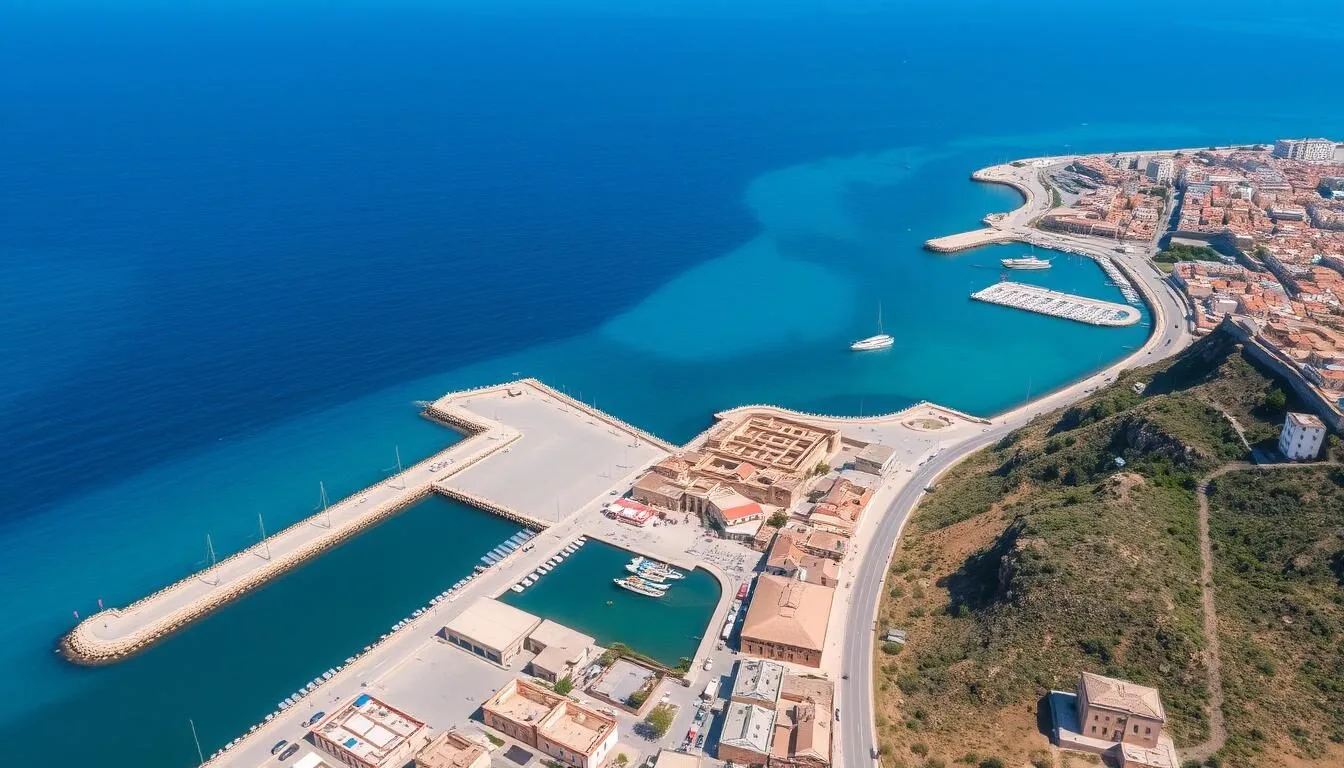
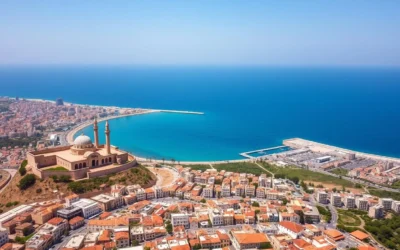
Did you know Sidon (Saida) is one of the oldest continuously inhabited cities in the world, with a history stretching back over 6,000 years? This ancient Phoenician port city on Lebanon’s Mediterranean coast was once famous for its purple dye and glass manufacturing, treasured by royalty throughout the ancient world. Today, Sidon offers travelers a fascinating blend of Phoenician, Roman, Byzantine, Ottoman, and Crusader influences, all while remaining refreshingly authentic and untouristy compared to many Mediterranean destinations.
Getting There & Planning Your Journey
Most international travelers reach Sidon by first flying into Beirut’s Rafic Hariri International Airport. From there, Sidon is approximately 45 kilometers (28 miles) south along the coastal highway.
Once you arrive in Beirut, you have several transportation options to reach Sidon:
Public Transportation
- Shared taxis (known locally as “service”) depart from Beirut’s Cola transportation hub
- Regular buses run between Beirut and Sidon (approximately 1-1.5 hours)
- Cost: 5,000-10,000 Lebanese pounds (approximately $3-6 USD)
Private Transportation
- Private taxis from Beirut airport or city center
- Rental cars for more flexibility in exploring the region
- Cost: $30-50 USD for private taxi, rental cars vary
For the most authentic experience, consider spending at least one full day in Sidon. While many visitors come on a day trip from Beirut, staying overnight allows you to experience the city’s evening atmosphere and explore at a more relaxed pace.
Best Time to Visit & Weather Tips
Sidon enjoys a typical Mediterranean climate with hot, dry summers and mild, rainy winters. The best times to visit are during spring (April to June) and autumn (September to November) when temperatures are pleasant and ideal for sightseeing.
| Season | Temperature | Precipitation | Crowd Level | Recommendation |
| Spring (Apr-Jun) | 18-27°C (64-81°F) | Low | Moderate | Highly Recommended |
| Summer (Jul-Aug) | 27-32°C (81-90°F) | Very Low | High | Good for beaches |
| Autumn (Sep-Nov) | 19-29°C (66-84°F) | Low to Moderate | Moderate | Highly Recommended |
| Winter (Dec-Mar) | 10-17°C (50-63°F) | High | Low | Less Ideal |
Traveler Tip: If visiting during Ramadan (dates vary yearly), be aware that some restaurants and attractions may have modified hours, though tourist sites generally remain open.
Getting Around Locally
Sidon’s historic center is compact and best explored on foot. Most major attractions like the Sea Castle, Soap Museum, and Old Souks are within walking distance of each other.
For longer distances or trips to nearby attractions like the Temple of Eshmun (about 5km north of the city), consider these options:
- Local Taxis: Readily available and relatively inexpensive. Always agree on the fare before starting your journey.
- Service Taxis: Shared taxis that operate on fixed routes within the city.
- Walking: The most enjoyable way to experience Sidon’s historic charm and narrow alleyways.
Local Insight: The Arabic name for the city is “Saida” (صيدا), which you’ll need to know when asking for directions or taking taxis.
Where to Stay (lodging options)
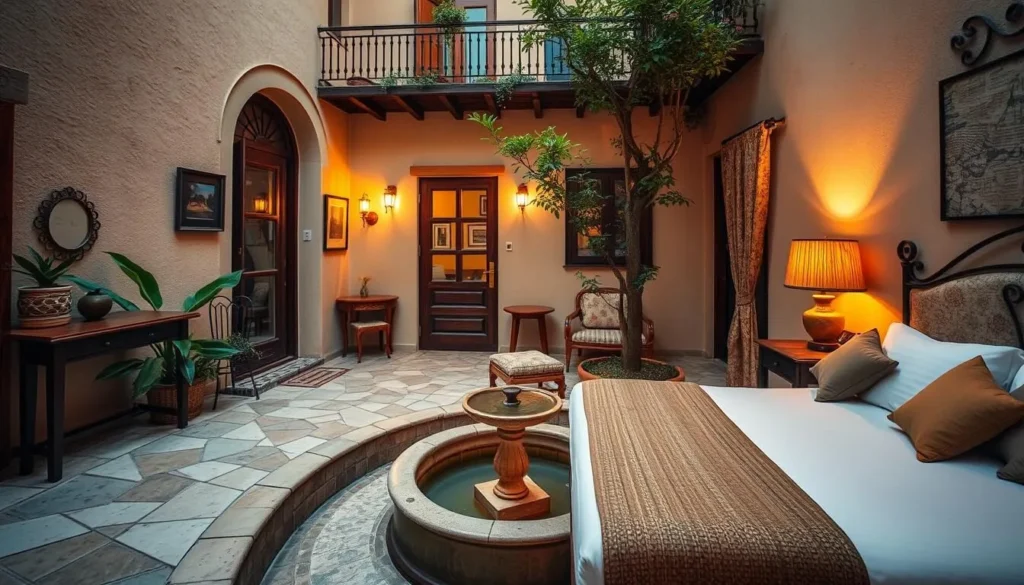
While Sidon doesn’t offer the same range of accommodations as Beirut, you’ll find several charming options from boutique hotels to guesthouses. Most are located near the historic center, providing easy access to the main attractions.
Budget Options
- Guesthouses in the Old City
- Small family-run hotels
- Price range: $30-60 USD per night
Mid-Range Options
- Boutique hotels with traditional architecture
- Renovated historic buildings
- Price range: $60-120 USD per night
Luxury Options
- Upscale hotels with sea views
- Resort-style accommodations
- Price range: $120-200+ USD per night
Traveler Tip: For an authentic experience, consider staying in a renovated traditional Lebanese house in the Old City. These boutique accommodations often feature beautiful courtyards and traditional architecture.
Dining & Local Cuisine
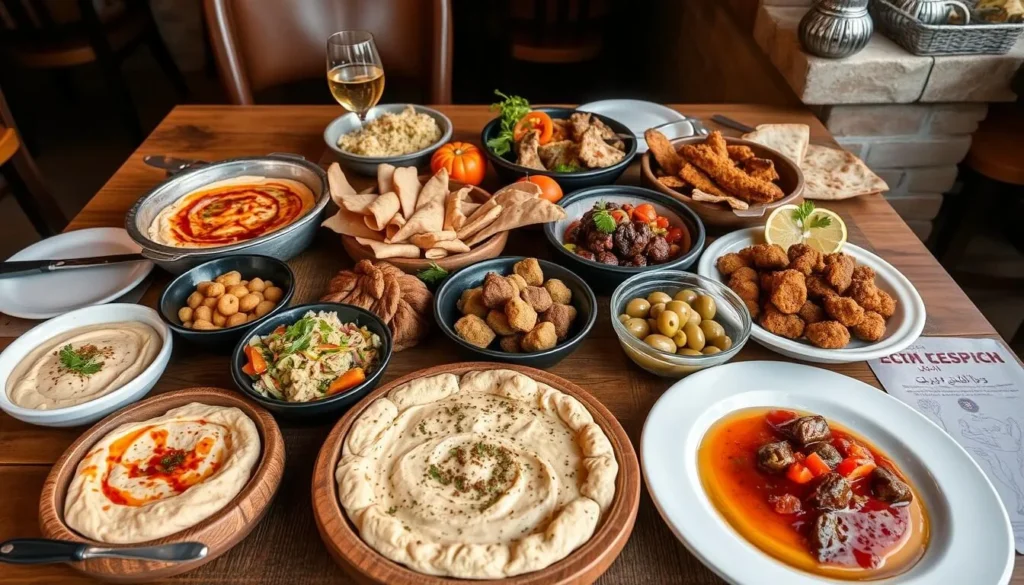
Sidon offers an excellent opportunity to experience authentic Lebanese cuisine, with an emphasis on fresh seafood given its coastal location. From street food stalls in the souks to seaside restaurants along the Corniche, you’ll find delicious options at every price point.
Must-Try Local Dishes
- Sayadieh: A traditional fish and rice dish with caramelized onions and tahini sauce
- Kibbeh: Lebanon’s national dish made with bulgur, minced onions, and finely ground meat
- Manakish: Lebanese flatbread topped with za’atar (thyme mixture), cheese, or ground meat
- Hummus and Tabbouleh: Classic Lebanese mezze staples
- Falafel: Crispy chickpea fritters served in pita bread with fresh vegetables
- Knafeh: Sweet cheese pastry soaked in sugar syrup
- Baklava: Layered pastry with nuts and honey
- Lebanese Coffee: Strong, cardamom-infused coffee served in small cups
Where to Eat in Sidon
Street Food
The Old Souks offer numerous small stalls selling falafel, shawarma, and sweet treats. Don’t miss Falafel Abou Rami near the Sea Castle, known for some of the best falafel in Lebanon.
Mid-Range Restaurants
Several restaurants along the Corniche serve excellent seafood and traditional Lebanese cuisine with views of the Mediterranean. Most offer extensive mezze selections.
Sweet Shops
Sidon is famous for its traditional sweets. Visit Al Baba Sweets to try local specialties like baklava, maamoul (date-filled cookies), and knafeh.
Dining Tip: Lebanese meals typically begin with mezze (small appetizers) shared among the table. Don’t fill up too quickly, as main courses follow!
Attractions, Sightseeing & Activities
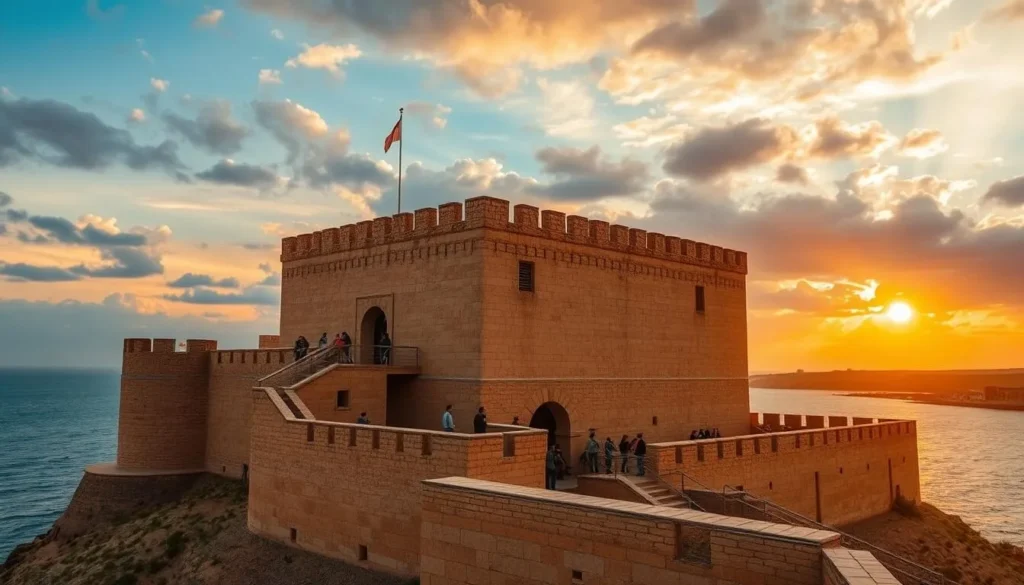
Sidon is packed with historical sites spanning thousands of years of civilization. Here are the must-see attractions that showcase the best things to do in Sidon, Lebanon:
Top Historical Sites
Sidon Sea Castle
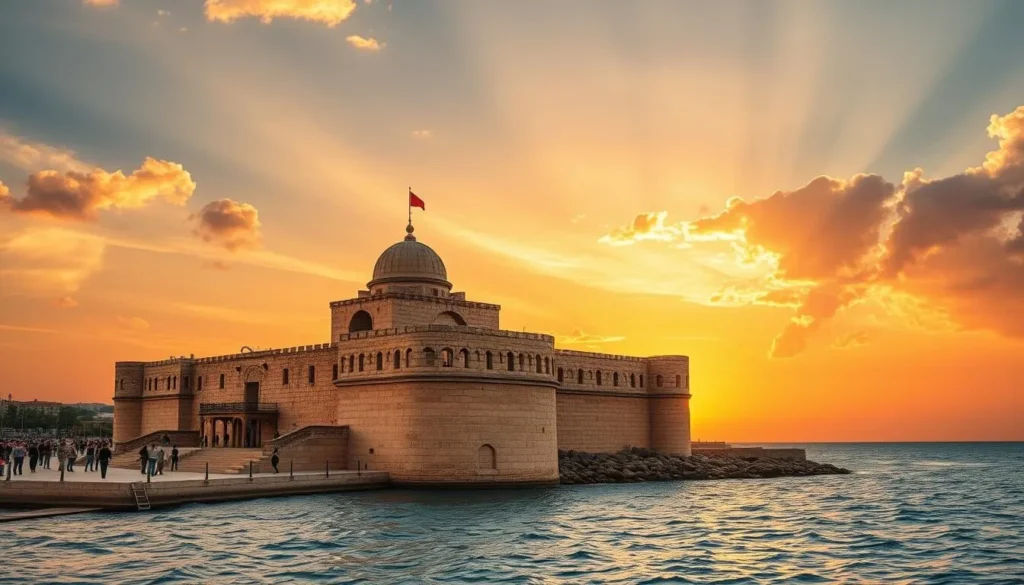
This 13th-century Crusader fortress sits on a small island connected to the mainland by a stone causeway. Built using stones from Roman ruins, it offers panoramic views of the Mediterranean and the city.
Learn More
Khan el-Franj
This beautifully preserved 17th-century caravanserai (merchant inn) was built during the Ottoman era to accommodate French merchants. Its elegant two-story structure surrounds a peaceful courtyard.
Debbane Palace
An 18th-century Ottoman mansion that showcases the elegant lifestyle of Sidon’s wealthy merchant families. The palace features beautiful frescoes, traditional furniture, and a rooftop offering views of the old city.
Museums and Cultural Sites
Sidon Soap Museum
Housed in an old soap factory dating back to the 17th century, this museum documents the traditional soap-making process that Sidon was famous for. You can see the original equipment and purchase handmade olive oil soap.
Temple of Eshmun
Located about 5km northeast of Sidon, this ancient Phoenician temple dedicated to the god of healing dates back to the 7th century BCE. It’s one of Lebanon’s best-preserved Phoenician sites.
Learn More

Markets and Urban Exploration
Old Souks
Get lost in the labyrinthine alleys of Sidon’s medieval souks, where you’ll find everything from spices and sweets to textiles and handicrafts. The atmosphere remains authentically local rather than tourist-oriented.
Corniche
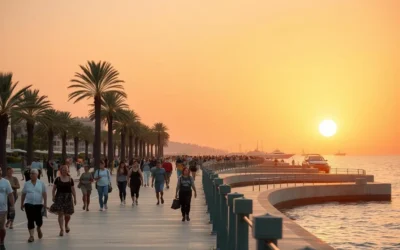
Sidon’s seaside promenade is perfect for an evening stroll. Watch fishermen bring in their catch, enjoy street food, or simply take in views of the Mediterranean and the Sea Castle.
Saint Louis Castle
Also known as the Land Castle, these ruins sit on a hill overlooking the city. Though less preserved than the Sea Castle, they offer interesting historical context and city views.
Visitor Tip: Most historical sites in Sidon charge a small entrance fee (typically 5,000-10,000 Lebanese pounds, or $3-6 USD). Many are open from 8:00 AM to 6:00 PM, though hours may vary seasonally.
Museums, Cultural Spots & Festivals

Beyond the major attractions, Sidon offers several specialized museums and cultural experiences that provide deeper insights into the city’s rich heritage.
Museums and Heritage Sites
- Hammam al-Jadeed: This 17th-century Ottoman bathhouse has been preserved as a museum, offering a glimpse into traditional bathing culture.
- Khan Sacy: A historic caravanserai that once served as military barracks during the Ottoman period.
- Great Mosque (Al-Omari Mosque): Originally built as the Church of St. John during the Crusader period, it was converted to a mosque in the 13th century and features a blend of architectural styles.
Cultural Experiences
Traditional Crafts
Sidon maintains several traditional crafts, including soap making, woodworking, and copper crafting. Some workshops welcome visitors to observe artisans at work.
Culinary Workshops
Some local organizations offer cooking classes where you can learn to prepare traditional Lebanese dishes using fresh ingredients from the souks.
Festivals and Events
Sidon hosts several cultural events throughout the year:
- Sidon International Festival (Summer): Features music performances, cultural exhibitions, and food events.
- Ramadan Nights (During Ramadan): The city comes alive after sunset with special food markets, lantern displays, and cultural performances.
- Heritage Days (Spring): Celebrates local traditions with demonstrations of traditional crafts, music, and dance.
Cultural Tip: When visiting religious sites like the Great Mosque, dress modestly with shoulders and knees covered. Women may need to cover their hair.
Sports, Nature & Outdoor Experiences
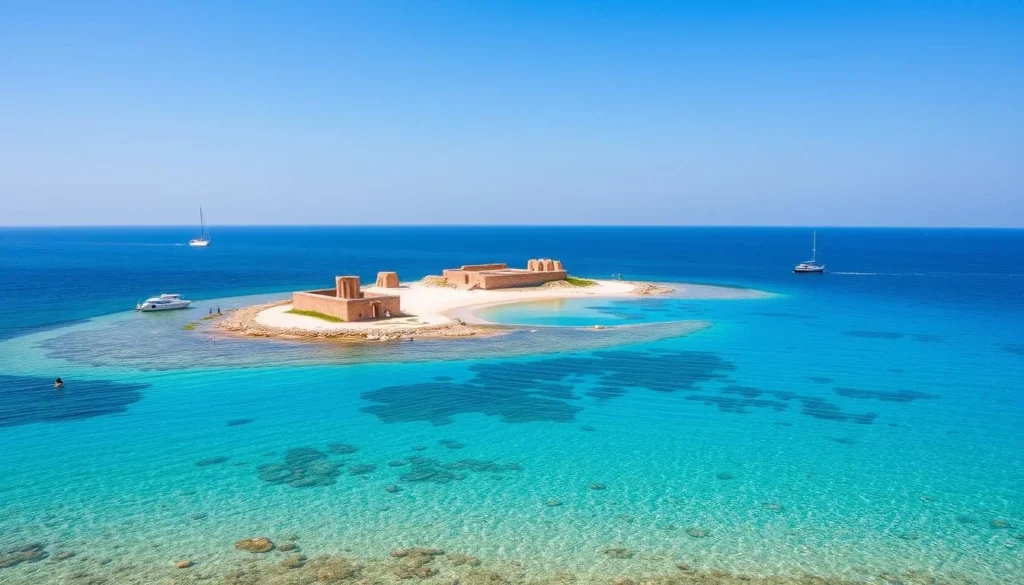
While Sidon is primarily known for its historical attractions, the city’s coastal location offers several opportunities for outdoor activities and natural experiences.
Beaches and Water Activities
Public Beach
Sidon’s public beach offers a place to swim and relax. While not as pristine as some of Lebanon’s northern beaches, it’s a pleasant spot to cool off during summer months.
El Zireh Island
This small island off Sidon’s coast is accessible by boat. It features sandy beaches, clear waters ideal for swimming, and remnants of ancient structures.
Fishing
Sidon remains an active fishing port. Early risers can watch fishermen bring in their morning catch at the harbor, and some local operators offer recreational fishing trips.
Nature and Parks
- Awali River: Located near the Temple of Eshmun, this river offers pleasant walking paths and picnic spots.
- Hariri Garden: A public park near the Corniche that provides green space and sea views.
Day Trips from Sidon
Tyre (Sour)
About 40 minutes south of Sidon, Tyre boasts impressive Roman ruins including a hippodrome, necropolis, and triumphal arch, along with beautiful beaches.
Jezzine
This mountain town about an hour east of Sidon is famous for its dramatic waterfall, pine forests, and traditional cutlery craftsmanship.
Adventure Tip: For diving enthusiasts, some operators in Sidon offer scuba trips to explore underwater archaeological sites and marine life. The waters around Sidon contain ancient shipwrecks and artifacts.
Safety, Etiquette & Local Customs
Sidon is generally a safe city for tourists, though it’s always important to exercise normal precautions and respect local customs, particularly as it’s a more traditional city than Beirut.
Safety Considerations
- Check travel advisories before your trip, as the political situation in Lebanon can change.
- Avoid discussing sensitive political topics, particularly regarding regional conflicts.
- Keep valuables secure and be aware of your surroundings, especially in crowded areas like the souks.
- Use reliable transportation options, particularly when traveling at night.
Cultural Etiquette
Dress Code
Sidon is more conservative than Beirut. Both men and women should dress modestly, especially when visiting religious sites. Women should cover shoulders and knees, and may need to cover their hair when entering mosques.
Social Customs
Lebanese people are known for their hospitality. If invited into someone’s home, bringing a small gift like sweets is appreciated. Greetings are important – a handshake is common, though some may greet with kisses on the cheek among friends.
Religious Considerations
Sidon has a mixed Muslim and Christian population. Respect religious practices, particularly during holy periods like Ramadan, when eating, drinking, and smoking in public during daylight hours should be avoided.
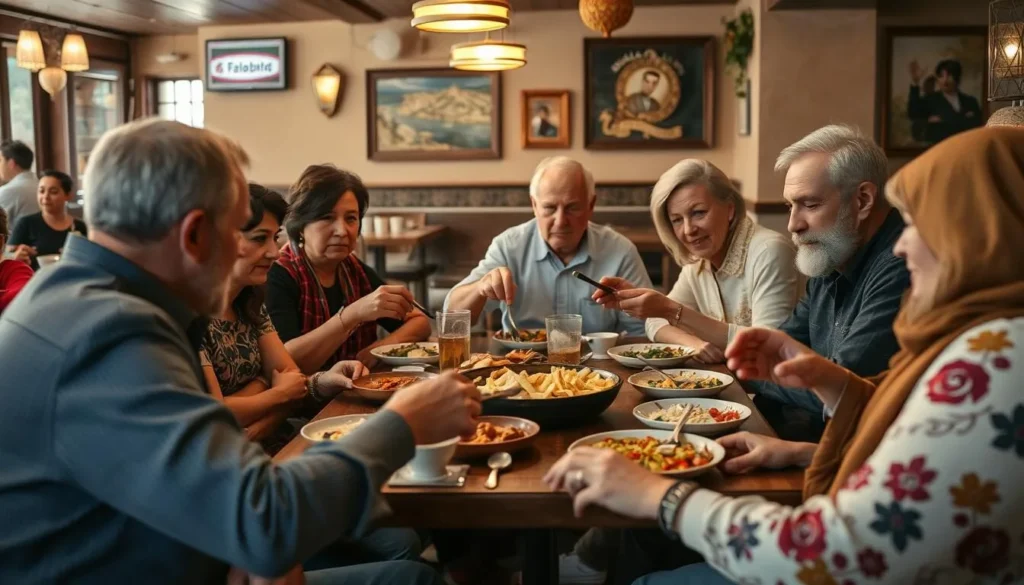
Cultural Insight: Lebanese culture places great emphasis on family and community. You’ll notice multi-generational families dining together and socializing, especially in the evenings and on weekends.
Practical Travel Tips

Here are some essential tips to help you make the most of your visit to Sidon:
Money and Payments
- The official currency is the Lebanese Pound (LBP), but US dollars are widely accepted.
- Due to Lebanon’s economic situation, it’s advisable to bring cash rather than relying on cards.
- ATMs are available but may have withdrawal limits.
- Small denominations are useful for markets, taxis, and small purchases.
Communication
Language
Arabic is the official language, but many people in the tourism industry speak English or French. Learning a few basic Arabic phrases will be appreciated by locals.
Internet and Phone
Purchase a local SIM card upon arrival in Lebanon for affordable data and calls. Wi-Fi is available in most hotels and many cafes.
Essential Items to Pack
- Comfortable walking shoes for exploring the cobblestone streets and archaeological sites
- Modest clothing that covers shoulders and knees
- Sunscreen, sunglasses, and a hat for sun protection
- A light scarf for women to cover their hair when visiting mosques
- A reusable water bottle to stay hydrated
Photography
Always ask permission before photographing people, especially in the markets. Some religious sites may restrict photography, and military installations should never be photographed.

0 Comments