
Hotels by Trip.com
Flights by Trip.com
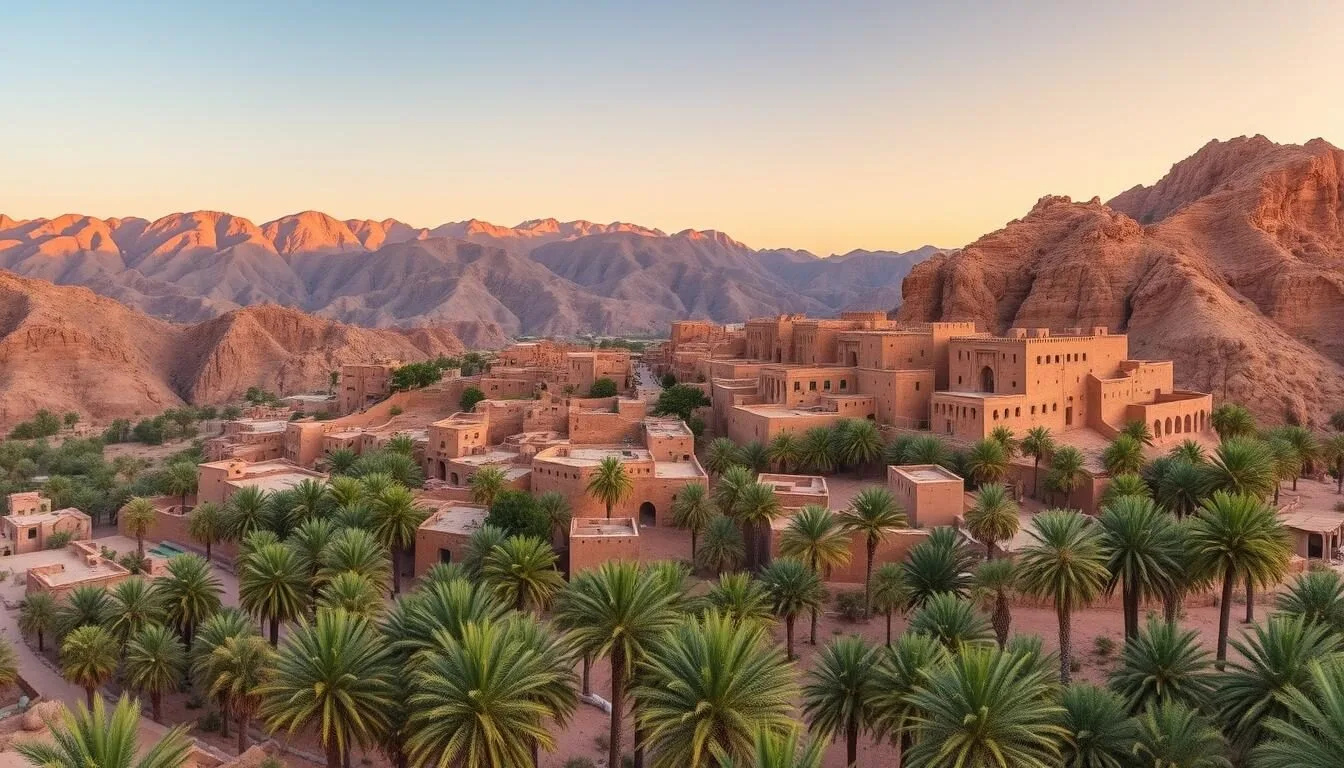
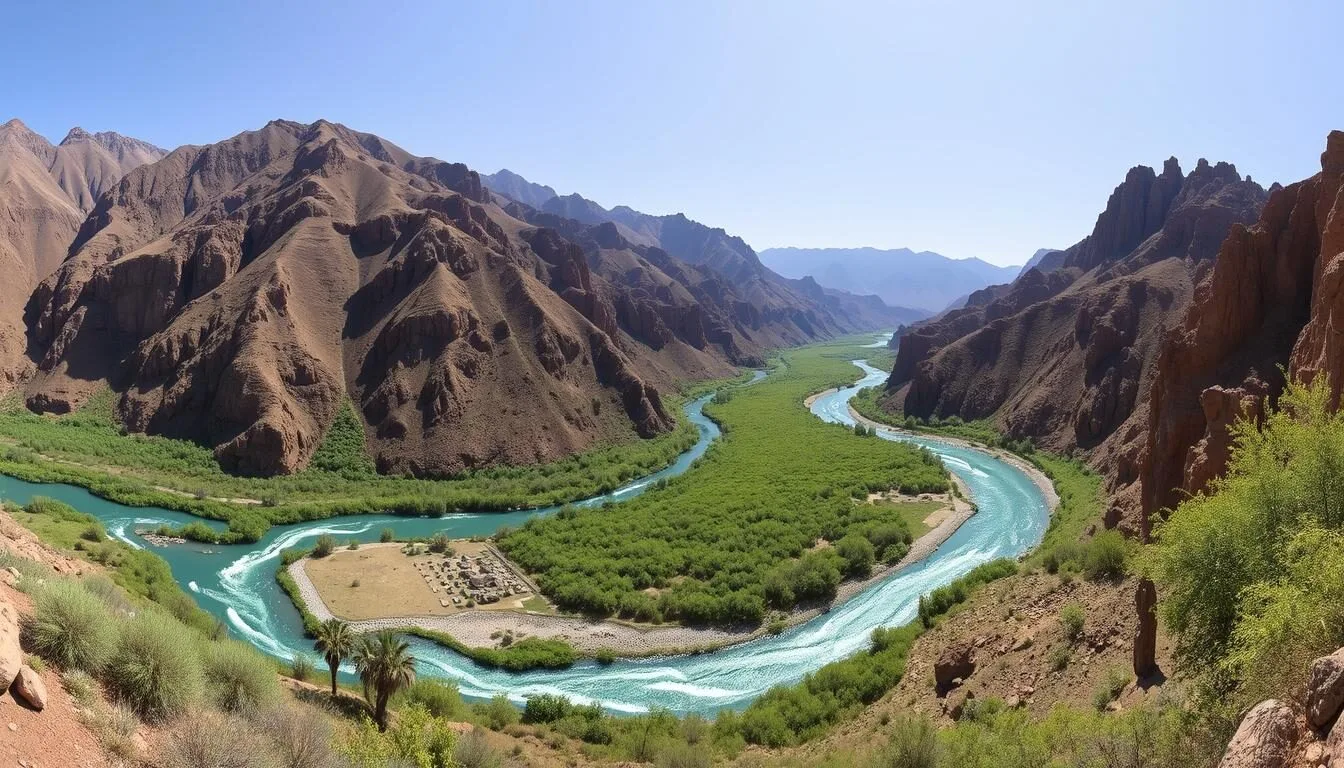
Did you know that Misfah al Abriyyin’s ancient falaj irrigation system has been sustaining its lush date palm oases for over 2,500 years? This remarkable 300-year-old mountain village, perched 1,000 meters above sea level in Oman’s Al Hajar Mountains, offers visitors a rare glimpse into traditional Omani village life that has remained largely unchanged for centuries. With its labyrinth of narrow alleyways, traditional mud-brick houses, and terraced gardens, Misfah al Abriyyin presents an authentic cultural experience that feels like stepping back in time.
• •
Getting There & Planning Your Journey
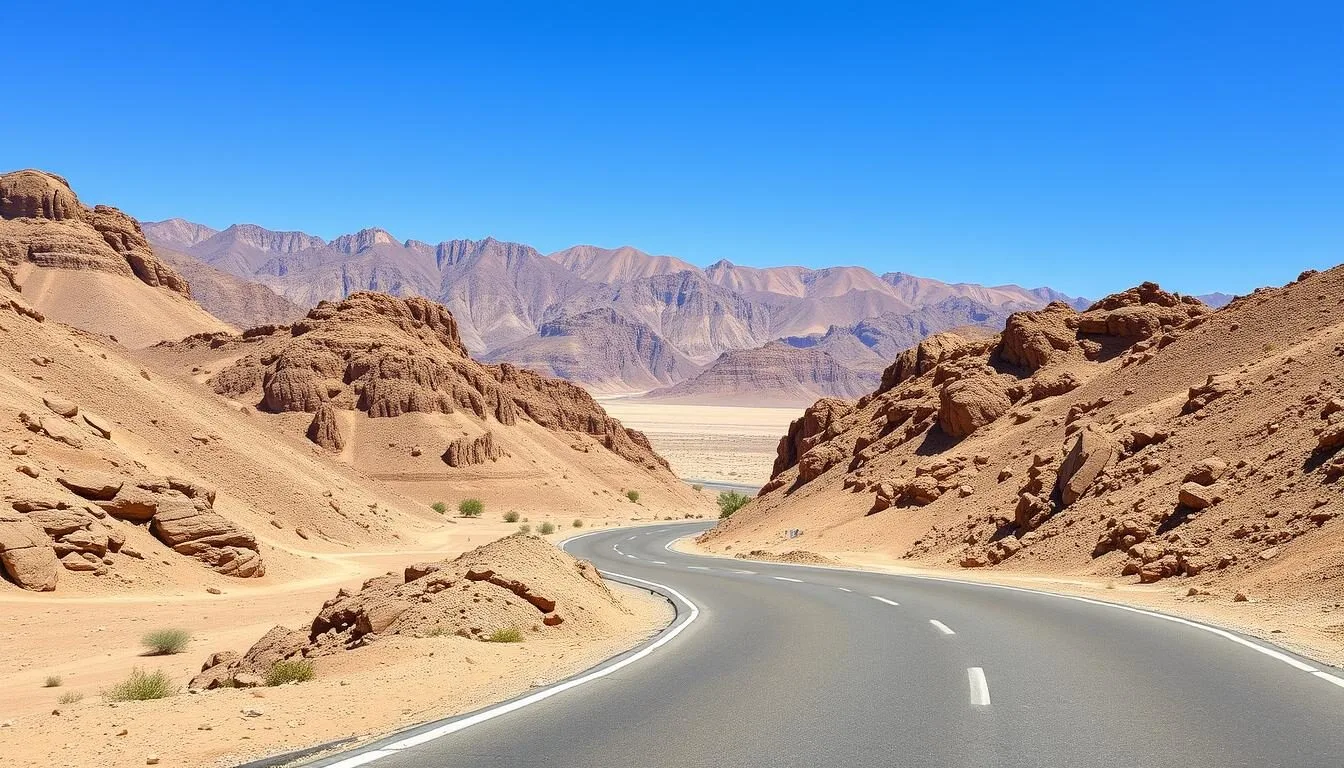
Misfah al Abriyyin is located in the foothills of Jebel Shams, Oman’s highest mountain. The village is approximately 200km from Muscat International Airport (a 2.5-hour drive) and just 55km from Nizwa (a 50-minute drive). The good news for travelers is that you don’t need a 4×4 vehicle to reach the village, as the road is fully paved all the way to the entrance.
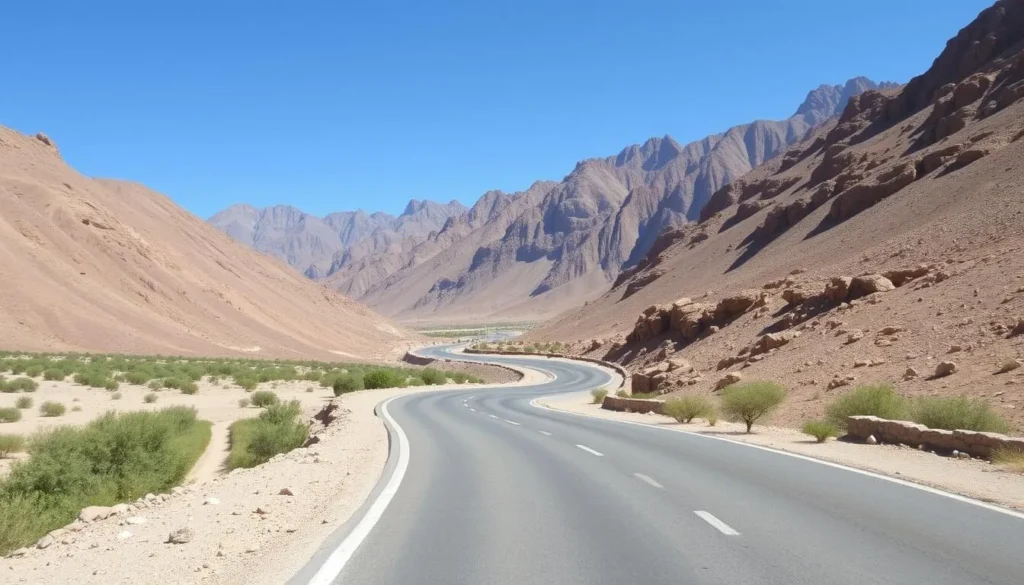
If you’re coming from Nizwa, consider making stops at Jabreen Castle and Bahla Fort along the way, both UNESCO World Heritage sites that complement your cultural exploration of the region. For those without a car, hiring a taxi from Nizwa is your best option, as public transportation to the village is limited.
When planning your visit, allocate at least 3-4 hours to explore the village properly. However, to truly experience the magic of Misfah al Abriyyin, consider staying overnight in one of the traditional guesthouses.
Best Time to Visit & Weather Tips
The ideal time to visit Misfah al Abriyyin is between October and April when temperatures are moderate and comfortable. During these months, you can expect pleasant daytime temperatures ranging from 20-30°C (68-86°F) and cooler evenings around 10-15°C (50-59°F). The village’s elevation of 1,000 meters above sea level provides a welcome respite from the intense heat that affects lower-lying areas of Oman.
| Season | Months | Temperature | Considerations |
| Winter | November – February | 15-25°C (59-77°F) | Perfect hiking weather, bring a light jacket for evenings |
| Spring | March – April | 20-30°C (68-86°F) | Comfortable temperatures, blooming vegetation |
| Summer | May – September | 30-40°C (86-104°F) | Hot days, early morning visits recommended |
| Fall | October | 25-35°C (77-95°F) | Transitional period, cooling temperatures |
If you’re planning to stay overnight, note that evenings can be quite cool between November and March due to the elevation, so pack a light sweater or jacket. Weekdays are generally less crowded than weekends, offering a more peaceful experience of the village.
Traveler Tip: The date harvest season (August-September) can be an interesting time to visit, though temperatures are higher. You’ll see locals harvesting dates from the palm groves, offering a glimpse into traditional agricultural practices.
Getting Around Locally
Misfah al Abriyyin is a pedestrian-only village, with narrow pathways and staircases that have remained unchanged for centuries. Once you arrive, you’ll need to park your vehicle at the designated parking area at the top of the village and explore on foot.
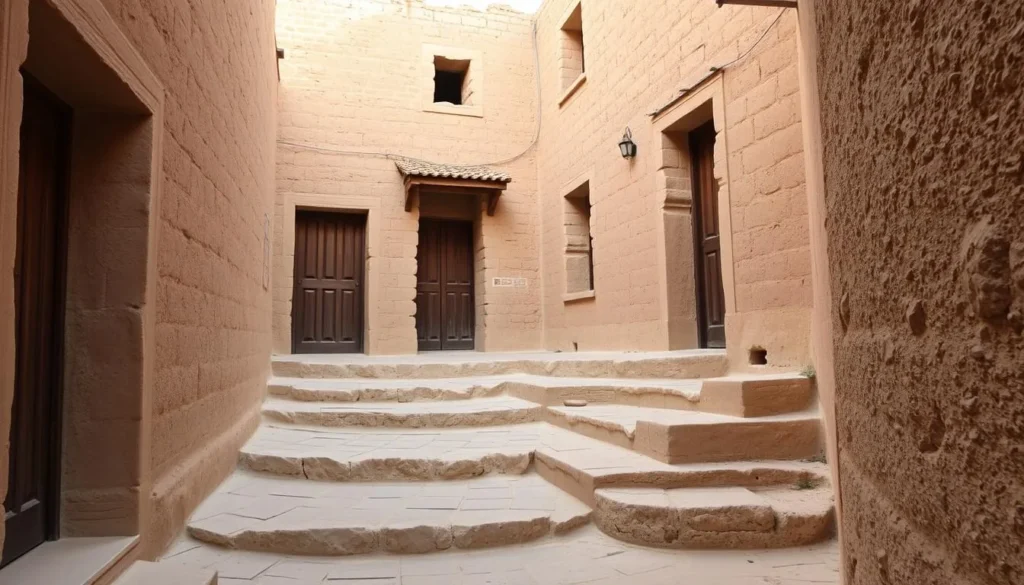
The village is built on the mountainside, so expect plenty of steps and some steep sections. Comfortable walking shoes with good grip are essential, as some of the stone surfaces can be slippery. If you’re staying at one of the guesthouses deeper in the village, most accommodation providers will help transport your luggage from the parking area.
Walking Trails in Misfah al Abriyyin
There are three marked walking trails that help you navigate the village and its surroundings:
- Garden and Wadi Walk (W9) – The main trail that takes you through the date palm gardens and along the wadi (dry riverbed). This circular route offers spectacular views of the village and surrounding mountains.
- Staircase Trail (W9a) – A short 350-meter trail with steep staircases that provides access to some of the more hidden parts of the village.
- W9c Trail – An extension of the Garden and Wadi Walk that takes you deeper into the palm groves and offers views of the ancient falaj irrigation system.
Most visitors can complete the main Garden and Wadi Walk in about 1-2 hours, depending on how often you stop to take photos or explore side paths. The terrain can be challenging in places, but the spectacular views make it worthwhile.
Accessibility Note: Due to the many steps and uneven terrain, Misfah al Abriyyin is unfortunately not easily accessible for visitors with mobility limitations.
Check 30,000+ Local Sightseeing Tours Worldwide
✓ Numerous languages and currencies are available
Where to Stay
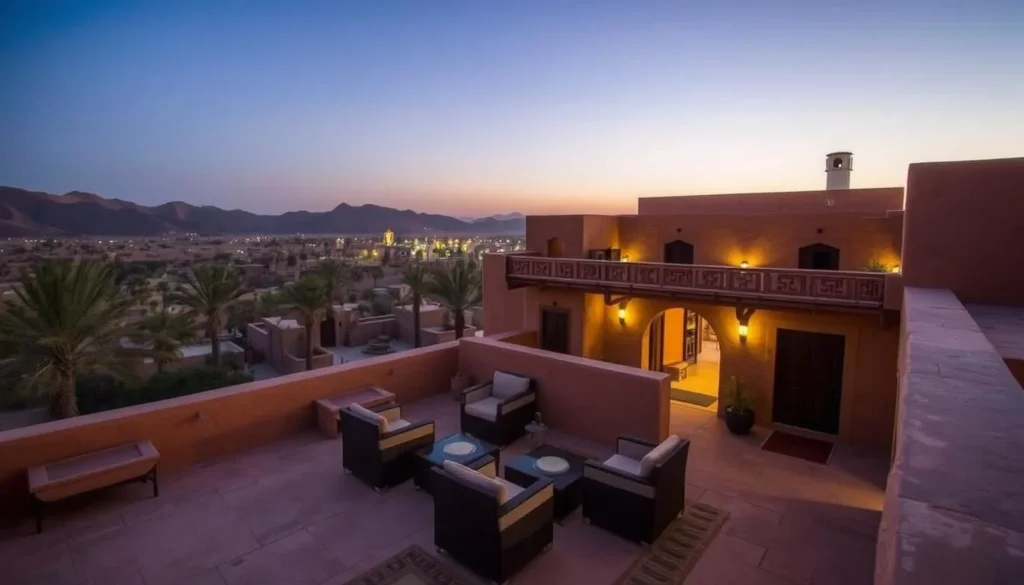
Staying overnight in Misfah al Abriyyin is highly recommended to fully experience the village’s charm, especially after day-trippers have departed. The accommodation options are all family-owned guesthouses set in restored traditional buildings, offering an authentic glimpse into Omani village life.
Misfah Old House
The most well-known accommodation in the village, located in the heart of the date palm plantations. Rooms feature traditional Omani decor, and the property includes a restaurant with panoramic views. Half-board (dinner and breakfast) is typically included.
Misfah Hospitality Inn
A family-run guesthouse created from two traditional homes. Features comfortable ensuite rooms, a rooftop restaurant, and cultural activities including talks about the village’s history. The owner, Abdullah, is known for his hospitality and knowledge of local traditions.
Bait Baityn
A simpler but charming option higher up in the village. Offers traditional rooms with modern amenities like air conditioning. The half-board option includes authentic Omani meals prepared by local families, and the staff provides excellent service, including luggage assistance.
Most accommodations in Misfah al Abriyyin operate on a half-board basis, including dinner and breakfast. The meals typically feature traditional Omani dishes prepared with local ingredients, offering a culinary dimension to your cultural experience.
Booking Tip: These guesthouses are small with limited rooms and are very popular, especially during peak season (November-February). Book well in advance to secure your stay.
Dining & Local Cuisine
The dining scene in Misfah al Abriyyin revolves around traditional Omani cuisine, with most meals served at guesthouses or the village’s charming rooftop cafes. If you’re staying overnight, your accommodation will typically provide half-board meals featuring authentic local dishes.
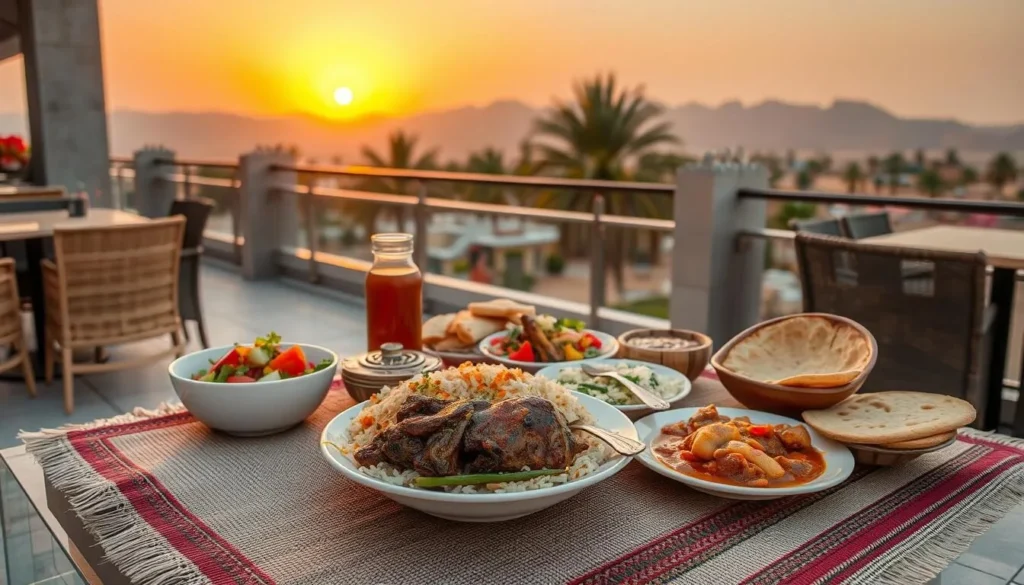
Rooftop Cafes
The village has several rooftop cafes that offer spectacular views along with refreshments:
- Rogan Cafe – Offers panoramic views of the date palm plantations. Try their coffee, hibiscus juice, and crepes while enjoying the peaceful surroundings.
- Bun Alhisn Cafe (formerly Halwa Coffee) – Located at the top of the Hissen Al-Misfah hotel, this cafe provides incredible views over the village and valley. Their iced coffees are particularly refreshing after exploring in the heat.
- Alstromeria Cafe – Situated near the visitor parking area, this cafe is convenient for a quick refreshment before or after your village tour.
Local Specialties to Try
When dining in Misfah al Abriyyin, look out for these traditional Omani dishes:
- Shuwa – A traditional Omani dish of spiced meat (usually goat or lamb) wrapped in banana leaves and slow-cooked in an underground fire pit. The village has a communal shuwa pit that’s used during festivals.
- Omani Bread – Fresh flatbread often served with honey or date syrup produced from the village’s date palms.
- Omani Pancakes – Thin pancakes drizzled with locally-produced date syrup, often served at breakfast.
- Dates – The village is known for its date production, and you’ll find various types of fresh and dried dates available.
Cultural Note: If invited to join a local meal, it’s customary to eat with your right hand. Most tourist establishments will provide utensils, but embracing local customs can enhance your cultural experience.
Attractions, Sightseeing & Activities
Misfah al Abriyyin offers a wealth of cultural and natural attractions that showcase traditional Omani village life and the ingenious ways locals have adapted to their mountainous environment.
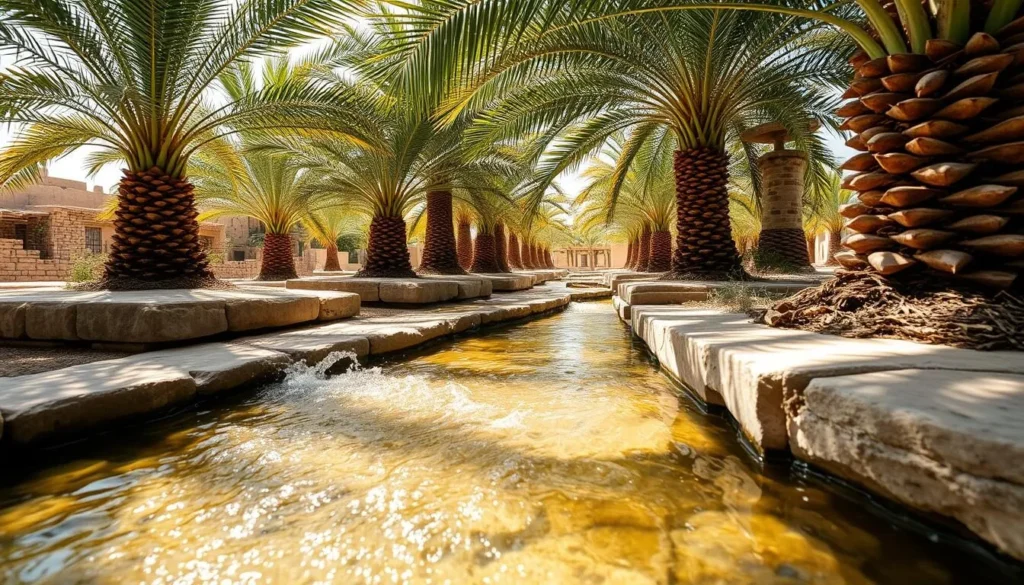
Must-See Attractions
- Ancient Falaj Irrigation System – Dating back over 2,500 years, this remarkable water management system channels mountain spring water through the village to nourish the terraced gardens. Follow the water channels to see how they distribute water throughout the settlement.
- Traditional Mud-Brick Architecture – The village’s houses are built from natural materials including mud, stone, and palm wood. Notice how they’re constructed directly into the mountainside, creating a harmonious blend with the natural landscape.
- Date Palm Plantations – The lush gardens are filled with date palms and other fruit trees, creating a stark contrast with the arid mountains. The terraced plantations are particularly photogenic.
- Rogan Castle – This ancient fortress sits above the village and dates back approximately 1,500 years to the Persian era. While partially in ruins, it offers historical context and panoramic views.
- Painted Gates and Doorways – As you wander through the village, notice the beautifully painted wooden doors and gates, each with unique designs and colors that reflect the owner’s personal style.
Activities in Misfah al Abriyyin
Explore the Walking Trails
Follow the marked trails through the village and surrounding landscape. The Garden and Wadi Walk (W9) is particularly rewarding, taking you through the date plantations and down into the wadi, with spectacular views of the village from across the valley.
Visit the Shuwa Pit
Seek out the communal shuwa pit, a deep hole used for cooking the famous Omani dish during festivals. It’s located near the Misfat Hospitality Inn – turn right down the hill in front of the inn and follow the signs to Rogan’s cafe.
Photography
The village offers countless photographic opportunities, from the intricate falaj system to the traditional architecture and panoramic mountain views. The best light for photography is during the golden hours of early morning and late afternoon.
Cultural Experiences
Some guesthouses offer cultural activities such as talks about the village’s history or demonstrations of traditional crafts. Ask at your accommodation about available experiences.
Museums, Cultural Spots & Festivals
While Misfah al Abriyyin is a living museum in itself, there are specific cultural spots that provide deeper insight into the village’s heritage and traditions.
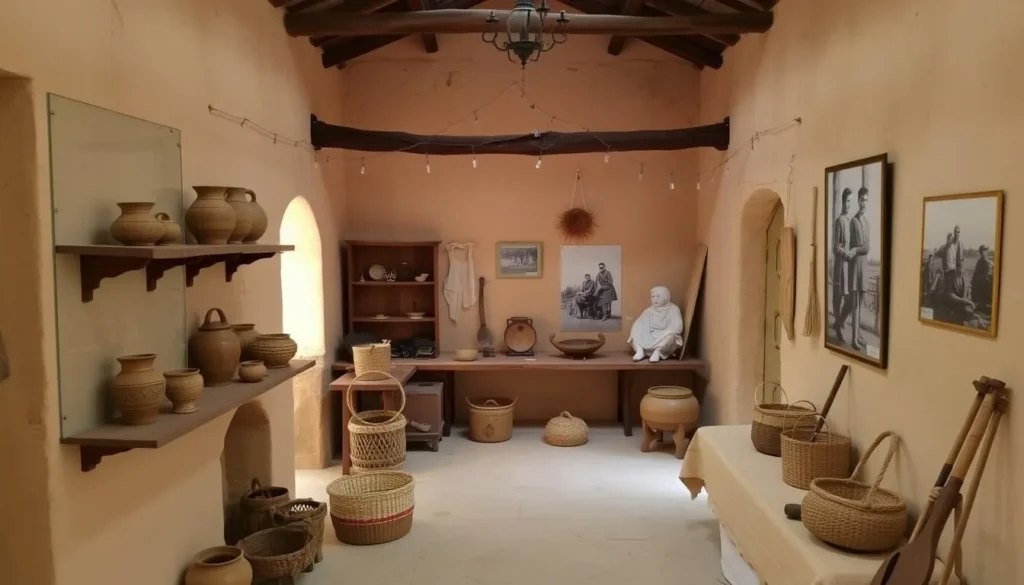
Local Museums and Heritage Displays
- Misfah Hospitality Inn Museum – The owner, Abdullah, maintains a small museum showcasing artifacts and information about the village’s history and traditional way of life. The museum includes agricultural tools, household items, and historical photographs.
- Heritage House Displays – Many of the guesthouses feature displays of traditional items and furnishings that offer glimpses into historical Omani domestic life. These include antique radios, televisions, and household implements from the early days of Oman’s modernization.
Cultural Experiences
Several cultural activities can enhance your understanding of local traditions:
- Rose Water Distillation – If visiting during the right season, you may observe the traditional process of distilling rose water, which has been practiced in Omani mountain villages for generations.
- Traditional Honey Production – Local shops sell honey produced in the surrounding mountains using traditional beekeeping methods.
- Handicrafts – Look for locally made pottery, woven mats, and other handicrafts in the small family-run shops near the top of the village.
Festivals and Celebrations
If your visit coincides with an Omani festival, you may witness special celebrations in the village:
- Eid al-Fitr and Eid al-Adha – During these important Islamic festivals, the village comes alive with celebrations. The communal shuwa pit is used to prepare the traditional feast, and you may be invited to join in the festivities.
- National Day (November 18) – Oman’s National Day is celebrated throughout the country, including in Misfah al Abriyyin, with decorations and special events.
While there are no formal performance venues in the village, cultural demonstrations are sometimes arranged for visitors, particularly for larger groups or during peak tourist seasons.
Sports, Nature & Outdoor Experiences
The mountainous setting of Misfah al Abriyyin provides excellent opportunities for nature lovers and outdoor enthusiasts. While the village itself is the main attraction, the surrounding landscape offers additional adventures.
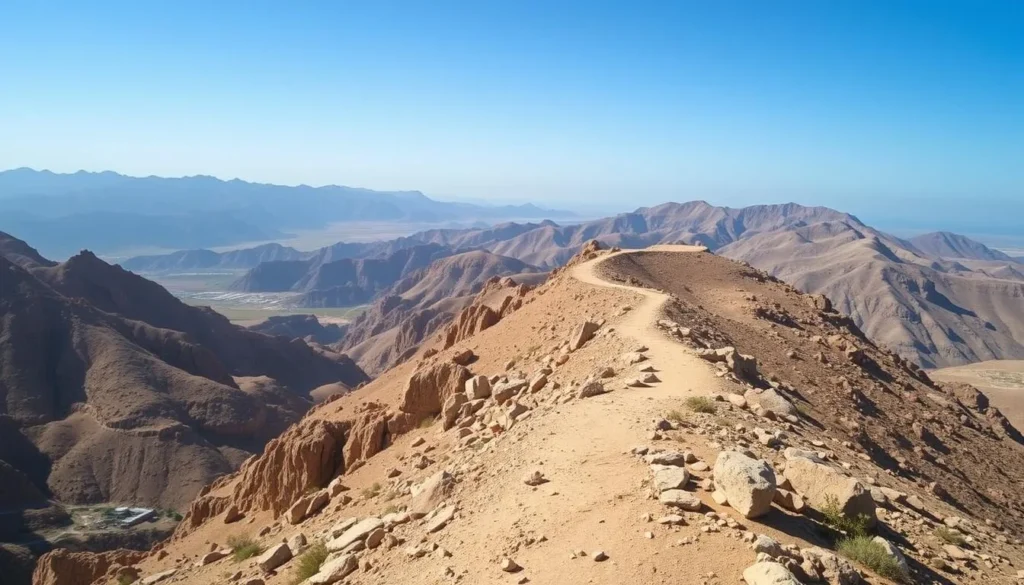
Hiking and Walking
The marked trails in and around Misfah al Abriyyin cater to different fitness levels:
- Garden and Wadi Walk (W9) – This main trail (approximately 2.5km) takes you through the village, down into the wadi, and up the other side, offering spectacular views. The trail involves some steep sections with stairs.
- Extended Mountain Trails – For more adventurous hikers, the W9 trail continues beyond the village into the surrounding mountains. These longer routes should only be attempted with proper preparation and preferably with a local guide.
Nature Observation
The unique ecosystem around Misfah al Abriyyin supports diverse wildlife and plant species:
- Birdwatching – The date palm oasis attracts various bird species. Early morning is the best time for birdwatching.
- Flora – Besides date palms, the gardens contain pomegranates, bananas, and other fruit trees. The contrast between the lush plantations and the arid mountains creates a unique ecological setting.
- Falaj Ecosystem – The water channels support small fish and frogs. Look carefully in the calmer sections of the falaj to spot tiny fish darting about.
Nearby Natural Attractions
If you have additional time, consider visiting these natural sites near Misfah al Abriyyin:
- Jebel Shams – Oman’s highest mountain and the “Grand Canyon of Arabia” is about an hour’s drive from Misfah. The dramatic gorge offers spectacular hiking opportunities.
- Al Hoota Cave – Located near Al Hamra (about 20 minutes from Misfah), this is Oman’s only show cave open to the public, featuring an underground lake and impressive formations.
- Wadi Ghul – This impressive wadi (valley) offers beautiful scenery and hiking opportunities, with abandoned villages clinging to the mountainsides.
Adventure Tip: If planning extended hikes in the area, consider hiring a local guide who can enhance your experience with knowledge about the terrain and local history.
Safety, Etiquette & Local Customs
Respecting local customs and traditions is essential when visiting Misfah al Abriyyin. The village maintains its traditional way of life, and visitors are expected to behave appropriately.
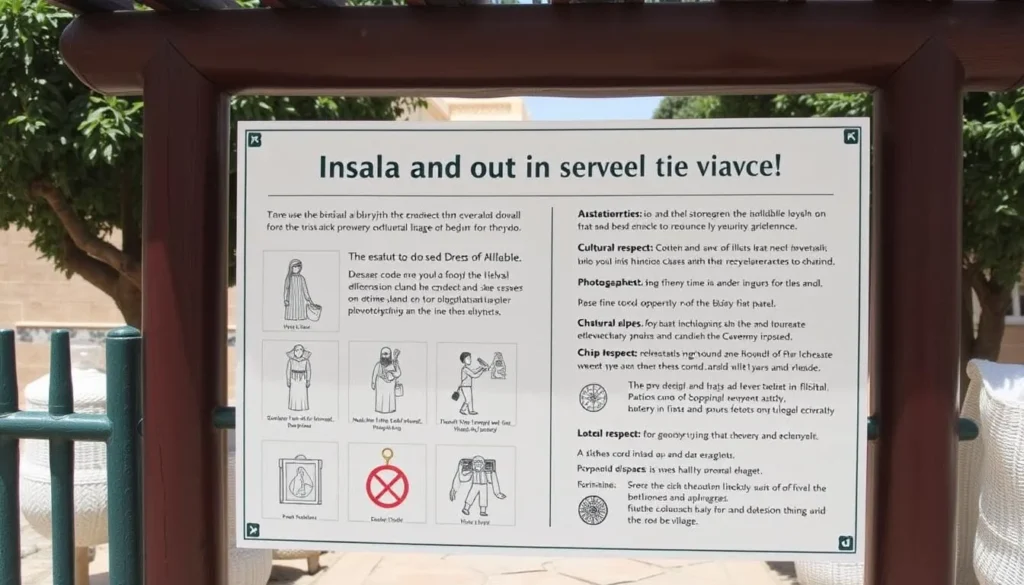
Dress Code
Oman is a conservative Muslim country, and appropriate dress is important, especially in traditional villages:
- Both men and women should cover shoulders and knees.
- Women may want to bring a light scarf to cover their hair in more conservative areas, though this is not strictly required in tourist areas.
- Avoid tight or revealing clothing out of respect for local sensibilities.
Photography Guidelines
While Misfah al Abriyyin is very photogenic, be mindful of these photography rules:
- Do not photograph local people without explicit permission, especially women.
- Avoid photographing private homes that are still inhabited (look for “private residence” signs).
- The small mosque in the village should not be photographed from the inside.
Cultural Respect
Follow these guidelines to show respect for local customs:
- Do not enter the small mosque if you are not Muslim.
- Do not swim in the bathing pools or falaj water channels in the village.
- Never pick fruit from the trees or gardens, as these are private property and sources of livelihood.
- Keep noise levels down, especially during prayer times and in the evening.
- If invited into a local home, remove your shoes before entering.
Safety Considerations
While Misfah al Abriyyin is generally very safe, keep these points in mind:
- The pathways can be uneven and slippery, even when dry. Wear appropriate footwear with good grip.
- Bring sun protection, as shade can be limited on some parts of the trails.
- Carry sufficient water, especially if hiking during warmer months.
- If staying overnight between September and April, bring mosquito repellent.
- During winter months (November-March), bring a light jacket for the cool evenings.
“Misfat al Abriyeen remains an untouched gem, offering visitors a rare opportunity to immerse themselves in the authentic charm of traditional Omani village life.”
Practical Travel Tips
These final practical tips will help you make the most of your visit to Misfah al Abriyyin:

Planning Your Visit
- Duration – While you can visit as a day trip, staying overnight is highly recommended to experience the village after day-trippers leave and to see the sunset and sunrise.
- Timing – If visiting as a day trip, arrive early in the morning or late afternoon for the best light and fewer crowds.
- Itinerary Integration – Combine your visit with nearby attractions like Nizwa, Jebel Shams, Al Hoota Cave, and Bahla Fort for a comprehensive 2-3 day itinerary of the region.
Practical Facilities
Facilities in the village are basic but adequate:
- ATMs – There are no ATMs in the village. The nearest ones are in Al Hamra or Nizwa, so bring sufficient cash.
- Wi-Fi – Most guesthouses and some cafes offer free Wi-Fi, though connection speeds may be limited.
- Mobile Coverage – Mobile phone coverage is generally good in the village.
- Toilets – Public toilets are limited; use facilities at your accommodation or at cafes when purchasing refreshments.
What to Pack
Essential items for your visit to Misfah al Abriyyin:
- Comfortable walking shoes with good grip
- Modest clothing covering shoulders and knees
- Sun hat, sunglasses, and sunscreen
- Water bottle (refillable)
- Light jacket or sweater if staying overnight (November-March)
- Mosquito repellent (September-April)
- Camera with extra batteries
- Small backpack for day hikes
- Cash in Omani Rials
Final Thoughts on Misfah al Abriyyin
Misfah al Abriyyin offers a rare opportunity to step back in time and experience traditional Omani village life in a spectacular mountain setting. From the ingenious falaj irrigation system that has sustained life here for millennia to the warm hospitality of local guesthouse owners, the village provides an authentic cultural experience that contrasts beautifully with Oman’s more modern attractions.
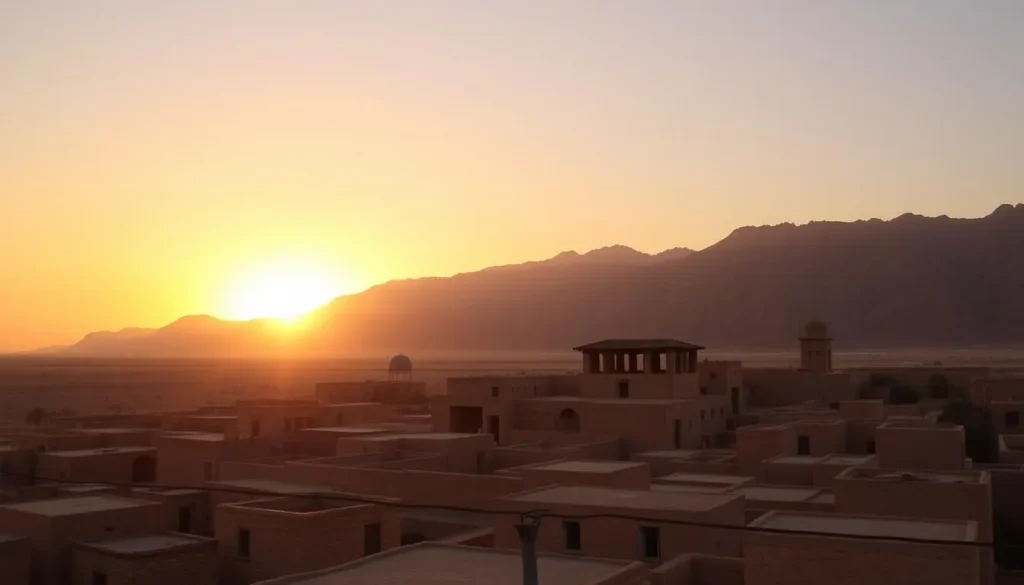
While the village has embraced some aspects of tourism in recent years, it has managed to maintain its authentic character and charm. By staying overnight, exploring the walking trails, engaging with local hosts, and simply taking time to absorb the peaceful atmosphere, you’ll gain insights into a way of life that has endured for centuries.
As you plan your broader Oman itinerary, consider Misfah al Abriyyin not just as a quick photo stop, but as a destination worthy of deeper exploration. In this remarkable village, perched between earth and sky, you’ll discover the soul of traditional Oman and create memories that will last long after your journey ends.
Related Posts

Coming Soon: Clickable Maps