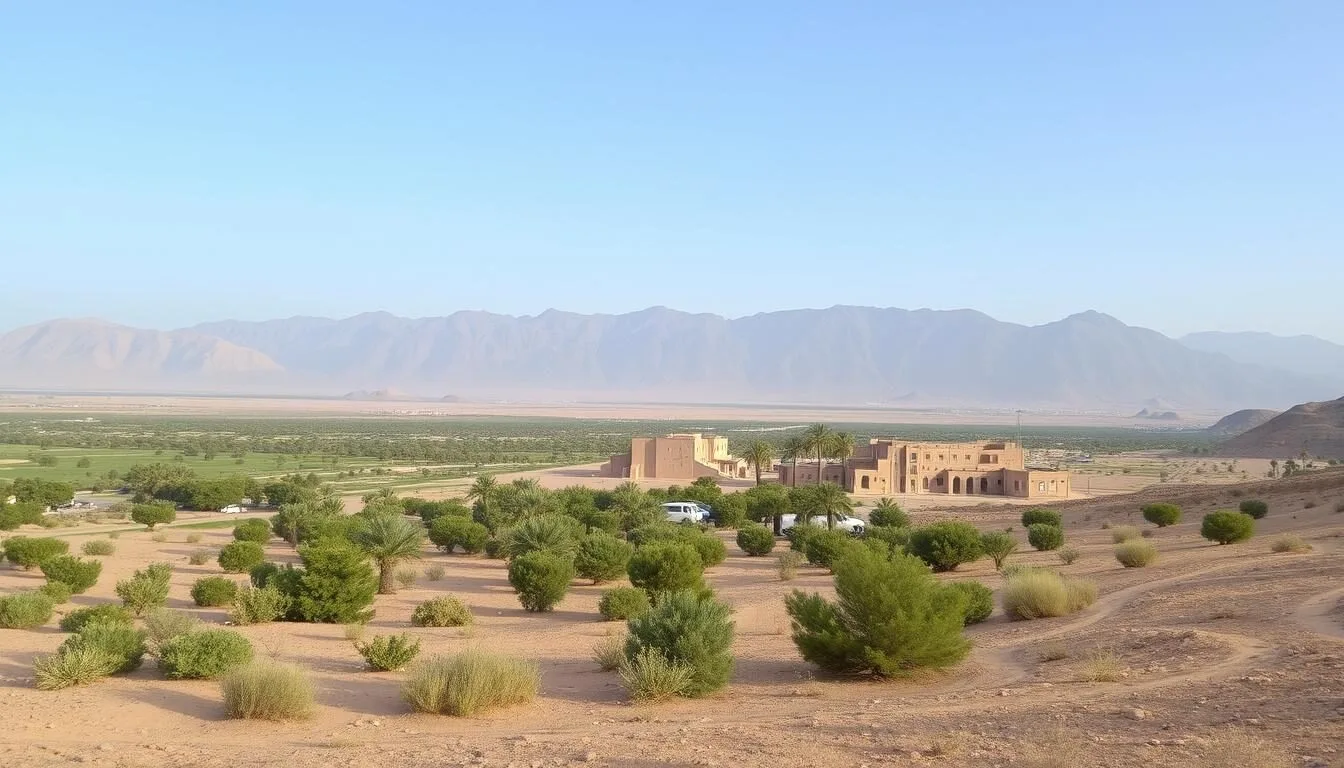
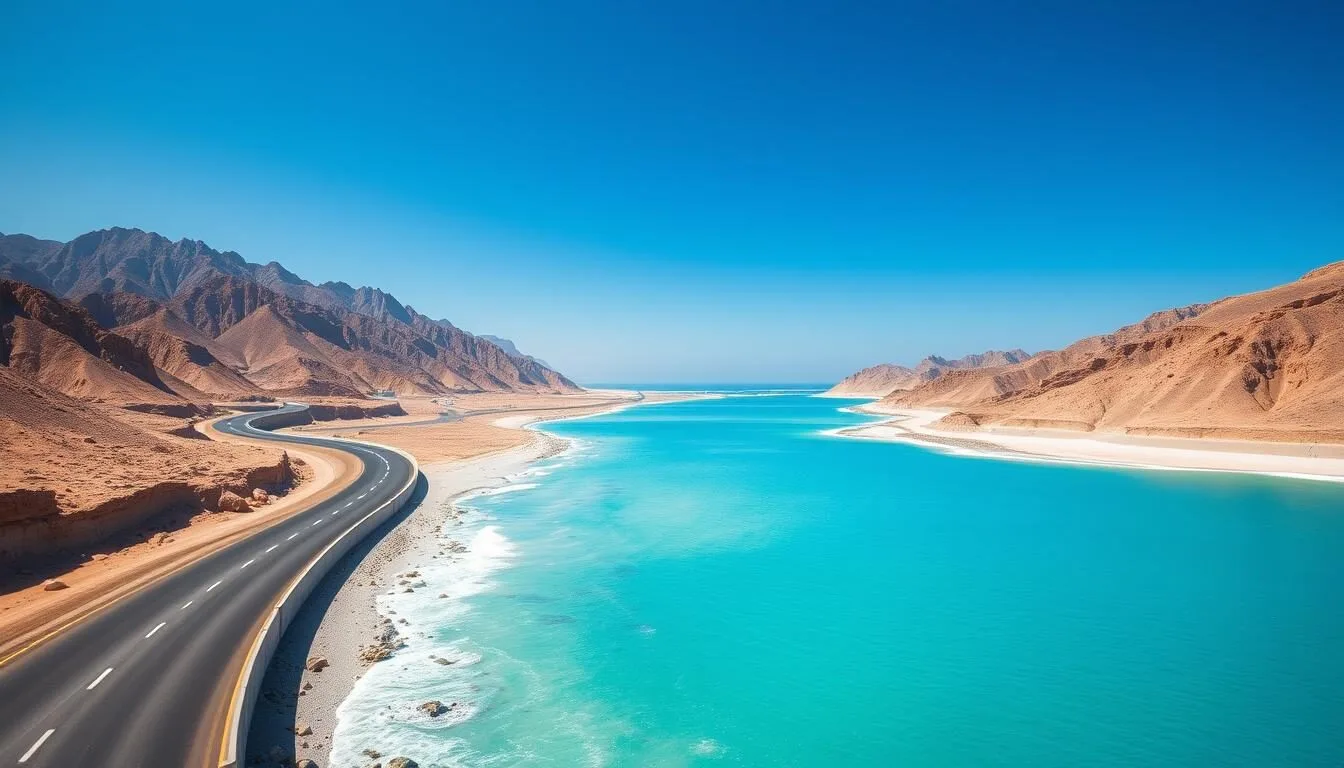
Did you know that Muscat is one of the few capital cities in the world where skyscrapers are prohibited by law? This architectural restriction has preserved Oman’s capital as a stunning blend of traditional Arabian aesthetics and modern amenities, where whitewashed buildings nestle between rugged mountains and the turquoise Gulf of Oman. As you explore this understated gem of the Arabian Peninsula, you’ll discover a city that offers authentic cultural experiences without the overwhelming commercialization of its neighboring Gulf capitals.
Getting There & Planning Your Journey
Muscat International Airport serves as the main gateway to Oman, with direct flights available from major cities across Europe, Asia, and the Middle East. The airport underwent a complete renovation in 2018, making it one of the most modern and efficient in the region.
Most visitors to Oman require a visa, but the process has been simplified in recent years. Many nationalities can apply for an e-visa online through the Royal Oman Police website, with options for single-entry tourist visas valid for 10 or 30 days. The application process is straightforward, but be sure to apply at least a week before your planned arrival.
When planning your itinerary, allow at least 2-3 days to explore Muscat itself, plus additional time if you want to take day trips to nearby attractions like Nizwa, Wadi Shab, or the Bimmah Sinkhole. Many travelers use Muscat as their base for exploring northern Oman before heading to other regions like Salalah in the south.
Best Time to Visit & Weather Tips
The ideal time to visit Muscat is between October and April when temperatures are pleasant, ranging from 75°F to 85°F (24°C to 29°C) during the day. This period offers comfortable conditions for exploring outdoor attractions and wandering through souqs without the extreme heat of summer.
Summer months (May to September) bring intense heat with temperatures regularly exceeding 100°F (38°C) and high humidity, especially in July and August. If you visit during this period, plan outdoor activities for early morning or evening, and spend the hottest part of the day in air-conditioned museums or shopping malls.
Rainfall is minimal throughout the year, though occasional brief showers may occur during winter months. The Khareef (monsoon) season affects the southern Dhofar region around Salalah but has little impact on Muscat.
| Season | Months | Temperature | Crowd Level | Notes |
| Winter | December-February | 65-80°F (18-27°C) | High | Peak tourist season, perfect weather |
| Spring | March-April | 75-90°F (24-32°C) | Medium | Excellent conditions, fewer tourists |
| Summer | May-September | 90-110°F (32-43°C) | Low | Very hot and humid, budget prices |
| Fall | October-November | 75-90°F (24-32°C) | Medium | Temperatures begin to cool, good value |
Pack light, breathable clothing but also bring modest attire for visiting religious sites. A light jacket or shawl can be useful for cooler evenings in winter months or heavily air-conditioned indoor spaces. Don’t forget sunscreen, sunglasses, and a hat for protection against the strong Arabian sun.
Getting Around Locally
Navigating Muscat presents some challenges as the city stretches along the coastline for over 40km, with distinct districts separated by mountains and wadis. Understanding your transportation options is essential for an enjoyable visit.
Taxis
Taxis are the most common way for tourists to get around Muscat. Orange-white taxis are readily available but operate without meters, so negotiate the fare before starting your journey. Expect to pay around 5-10 OMR for trips between major attractions. For convenience, save the contact of a reliable driver for your entire stay.
Ride-Sharing Apps
Careem operates in Muscat and offers a more convenient alternative to traditional taxis with set pricing. Download the app before your trip for easier transportation.
Rental Cars
Renting a car gives you the most flexibility, especially if you plan to explore beyond Muscat. Roads are well-maintained, signage is in both Arabic and English, and fuel is inexpensive. International driving licenses are required.
Public Buses
Mwasalat operates public buses connecting major areas of Muscat. While inexpensive (typically 500 baisa per trip), routes and schedules can be limited for tourist purposes.
Hop-On Hop-Off Bus
The Big Bus Tour operates in Muscat during the peak tourist season (October to April), offering a convenient way to see major attractions with commentary in multiple languages. It’s particularly useful for first-time visitors wanting an overview of the city.
Where to Stay
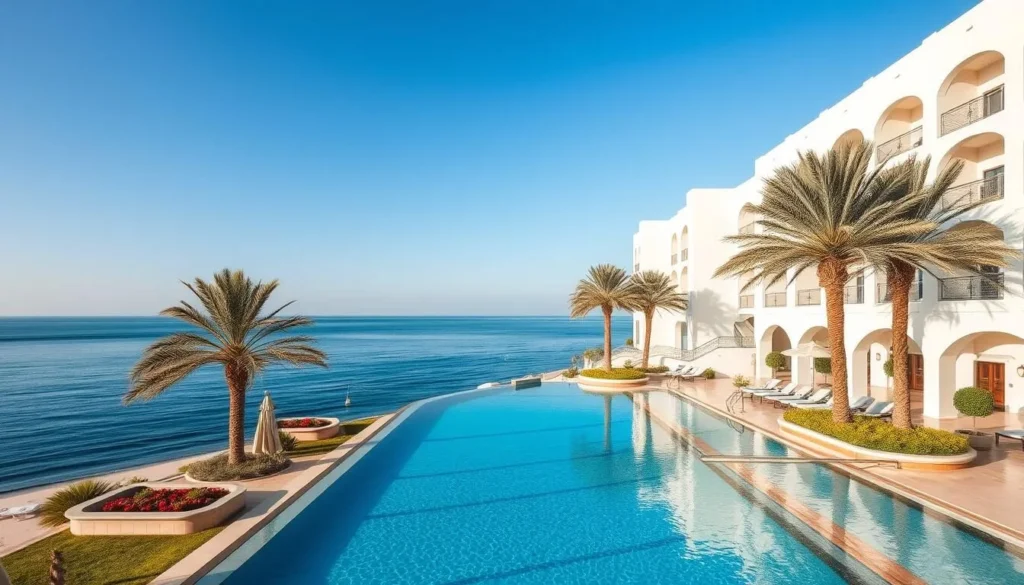
Muscat’s accommodation options are spread across several districts, each offering a different experience. Most luxury hotels are concentrated along the beaches in Qurum and Al Khuwair, while budget options are more common in Ruwi and Mutrah.
Luxury
The Chedi Muscat and Al Bustan Palace offer world-class amenities with stunning beachfront locations. Expect private beaches, multiple swimming pools, and exceptional service, with rates starting from $300 per night.
Mid-Range
Hotels like the Crowne Plaza Muscat and Radisson Blu provide comfortable accommodations with good facilities at more moderate prices, typically $100-200 per night. Many offer pool access and are within easy reach of attractions.
Budget
Mutrah Hotel and Muscat Holiday Hotel offer simple but clean rooms from $50-80 per night. These budget options may lack luxury amenities but provide convenient bases for exploring the city.
For families, the Shangri-La Barr Al Jissah Resort offers excellent facilities including a lazy river, kids’ club, and multiple restaurants. Business travelers might prefer the Grand Hyatt or Sheraton Oman for their central locations and business facilities.
During peak season (December to February), book your accommodation at least 2-3 months in advance to secure the best options and rates. Many hotels offer significant discounts during the summer months when tourist numbers drop due to the heat.
Dining & Local Cuisine
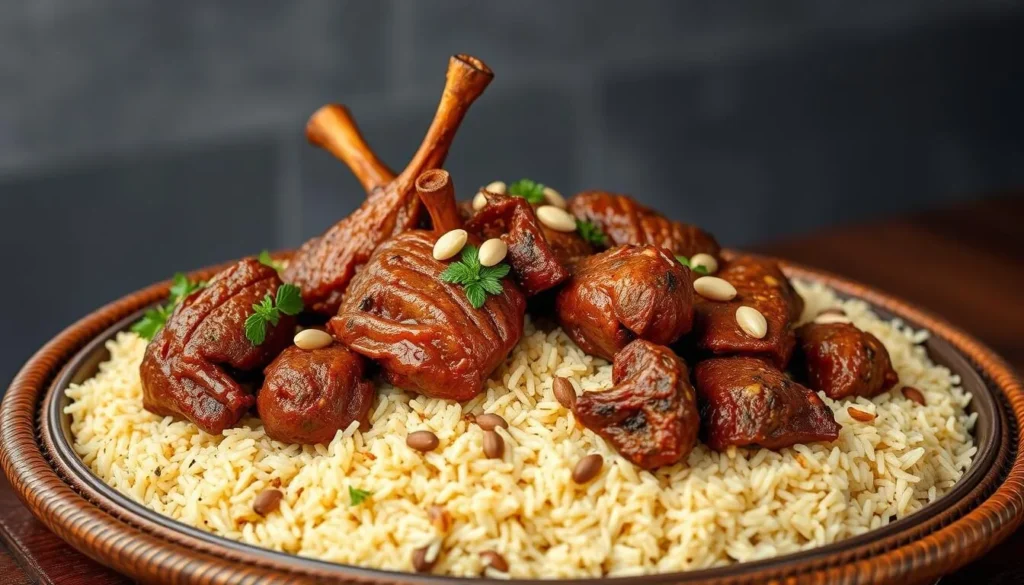
Omani cuisine reflects the country’s trading history, with influences from India, Persia, East Africa, and the Arabian Peninsula. While exploring Muscat, you’ll encounter dishes that have been perfected over centuries.
Must-Try Omani Dishes
- Shuwa – Oman’s national dish consisting of marinated lamb or goat slow-cooked in an underground sand oven
- Majboos – Spiced rice with meat similar to biryani
- Mashuai – Grilled kingfish with lemon rice
- Harees – Wheat mixed with meat, similar to porridge
- Omani Halwa – A gelatinous sweet made with saffron, cardamom, and nuts
- Kahwa – Omani coffee served with dates and often flavored with cardamom
Where to Eat in Muscat
Fine Dining
The Beach Restaurant at The Chedi offers seafood in a romantic beachfront setting. Bait Al Bahr at Shangri-La serves excellent Omani seafood with views of the Gulf of Oman.
Mid-Range
Kargeen Caffe in Madinat Qaboos offers traditional Omani dishes in a charming setting with outdoor seating. D’Arcy’s Kitchen in Shatti Al Qurum is popular for international cuisine and breakfast.
Budget
Turkish House Restaurant in Ruwi serves affordable Middle Eastern fare. Fast Food ‘n’ Juice Centre offers inexpensive Indian and Arabic dishes popular with locals.
For an authentic experience, visit Mutrah Souq in the evening and follow the locals to small restaurants serving freshly caught seafood. The Fish Market in Mutrah is also worth visiting in the morning to see the day’s catch and have it cooked at nearby restaurants.
Dining Tip: During Ramadan, many restaurants close during daylight hours or only serve takeaway. Evening dining after iftar (breaking of the fast) is lively and festive, but reservations are essential.
Alcohol is only available in licensed hotel restaurants and bars. Non-alcoholic alternatives include fresh fruit juices, laban (buttermilk), and the ubiquitous karak chai (sweet, spiced tea).
Attractions, Sightseeing & Activities
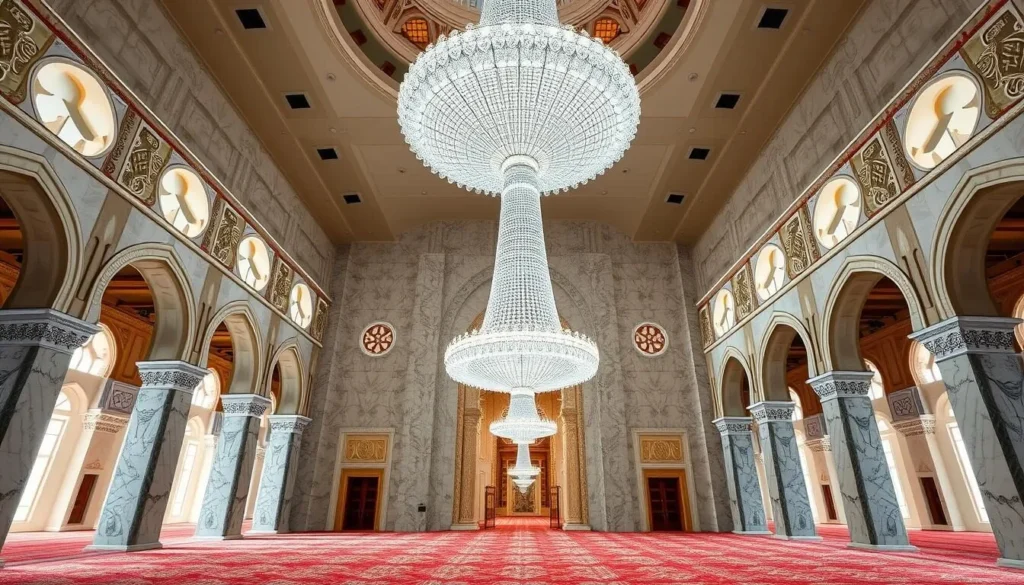
Sultan Qaboos Grand Mosque
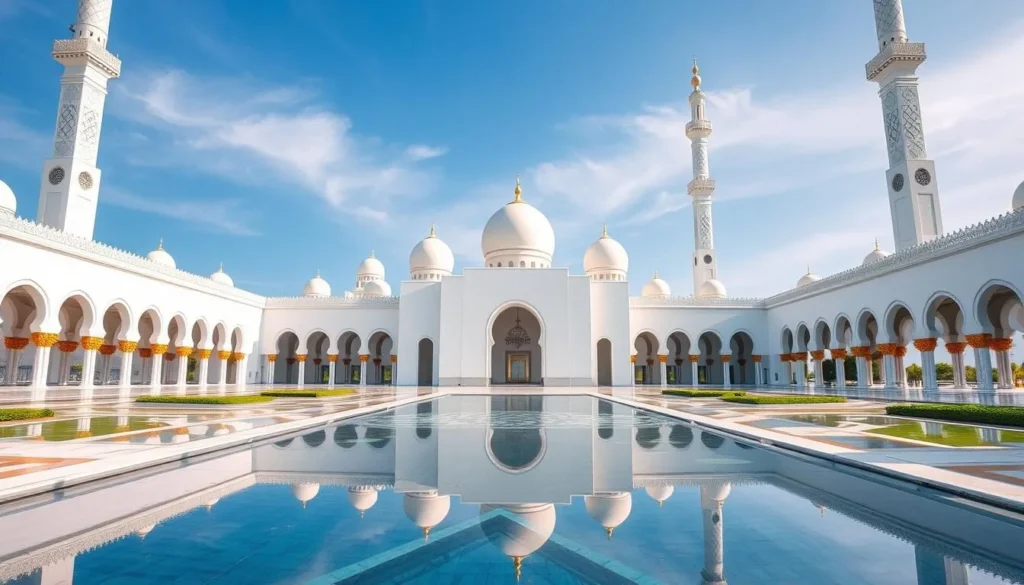
The crown jewel of Muscat’s attractions, this stunning mosque can accommodate 20,000 worshippers. Its main prayer hall features the second-largest hand-woven carpet in the world and a magnificent 14-meter-tall chandelier. Non-Muslims can visit from Saturday to Thursday, 8:00 AM to 11:00 AM. Women must cover their hair, arms, and legs, while men should wear long pants and shirts with sleeves.
Mutrah Corniche & Souq
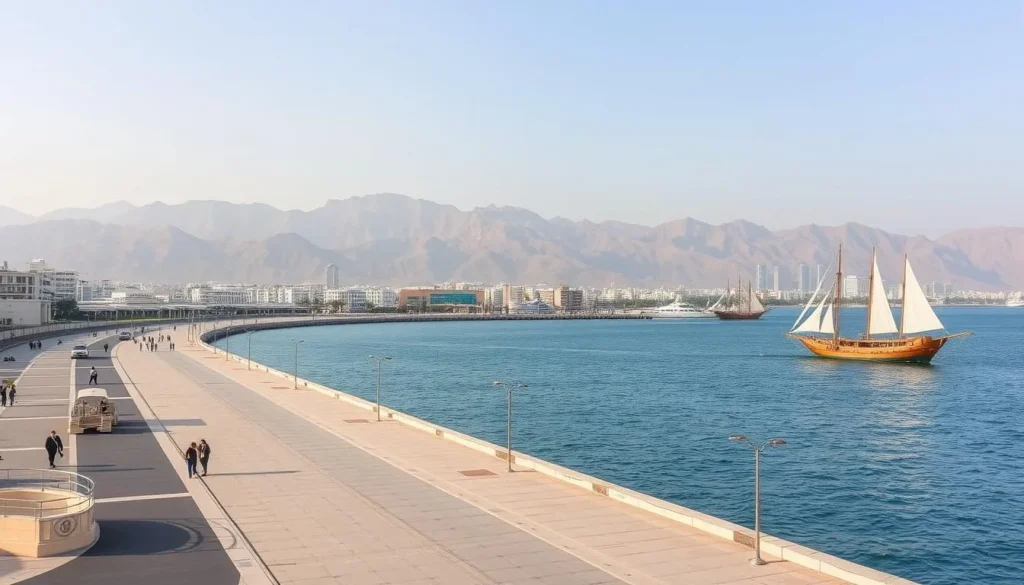
The picturesque Mutrah Corniche offers a delightful waterfront promenade with views of traditional dhow boats and the harbor. The adjacent Mutrah Souq is one of the oldest marketplaces in the Arab world, where you can shop for frankincense, silver jewelry, traditional textiles, and Omani handicrafts. Visit in the evening when the souq comes alive with locals and the scent of spices and incense fills the air.
Royal Opera House
This magnificent cultural venue showcases Oman’s commitment to arts and culture. Even if you don’t attend a performance, the building itself is worth visiting for its stunning contemporary Omani architecture. Guided tours are available from Saturday to Thursday, offering insights into the venue’s design and facilities.
Old Muscat & Al Alam Palace
Old Muscat is home to Al Alam Palace, the ceremonial palace of Sultan Haitham bin Tariq. While visitors cannot enter the palace, the striking blue and gold columned facade makes for excellent photos. Nearby, you’ll find the National Museum of Oman, which chronicles the country’s rich heritage through interactive exhibits and historical artifacts.
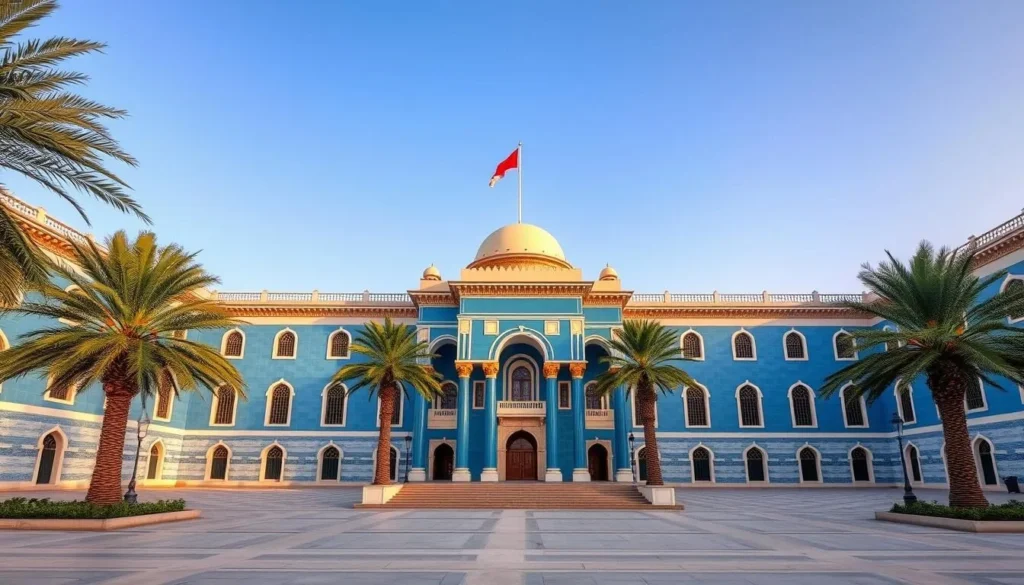
The striking blue and gold columns of Al Alam Palace, the ceremonial palace of Oman’s Sultan
Bait Al Zubair Museum
This private museum houses an impressive collection of Omani artifacts, including traditional weapons, jewelry, and household items. The museum offers valuable insights into Omani culture and heritage in a more intimate setting than the National Museum.
Qurum Beach
Muscat’s most popular beach stretches for 4 kilometers along the coast, offering a place to relax and enjoy the sun. The beach is lined with cafes and restaurants, making it ideal for a leisurely day by the sea. Remember to dress modestly even at the beach, as Oman is a conservative country.
Museums, Cultural Spots & Festivals
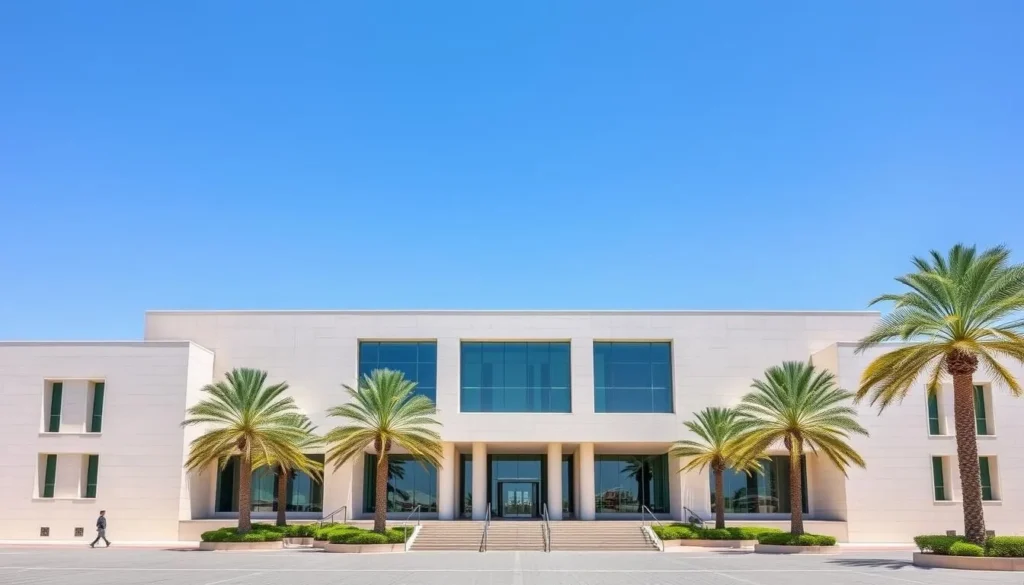
National Museum
Located in Old Muscat opposite Al Alam Palace, the National Museum houses over 7,000 artifacts showcasing Oman’s cultural heritage. Fourteen permanent galleries cover maritime history, arms and armor, currency, and traditional lifestyles. The museum uses state-of-the-art technology to create an engaging experience for visitors of all ages.
Bait Al Baranda
This restored early 20th-century building houses exhibits on Muscat’s geological origins and human history. Interactive displays make this museum particularly engaging for families with children.
Omani French Museum
Housed in the former French Consulate, this small museum documents the long-standing relationship between Oman and France, with exhibits dating back to the 17th century.
Festivals & Events
| Festival | When | What to Expect |
| Muscat Festival | January-February | Oman’s largest cultural event featuring traditional performances, handicraft exhibitions, and food stalls at Naseem Gardens and Al Amerat Park |
| Eid Al Fitr | Varies (end of Ramadan) | Public celebrations, special prayers, family gatherings, and festive meals |
| Eid Al Adha | Varies (approximately 70 days after Ramadan) | Four-day celebration with special prayers, animal sacrifice, and distribution of meat to the poor |
| National Day | November 18 | Commemorates Oman’s independence with parades, fireworks, and cultural performances |
If your visit coincides with the Muscat Festival, don’t miss this opportunity to experience Omani culture at its most vibrant. The festival showcases traditional crafts, music, dance, and cuisine from across the sultanate.
Cultural Tip: Many museums in Muscat close between 1:00 PM and 4:00 PM, and most are closed on Fridays. Check opening hours before planning your visit, especially during Ramadan when schedules may change.
Sports, Nature & Outdoor Experiences
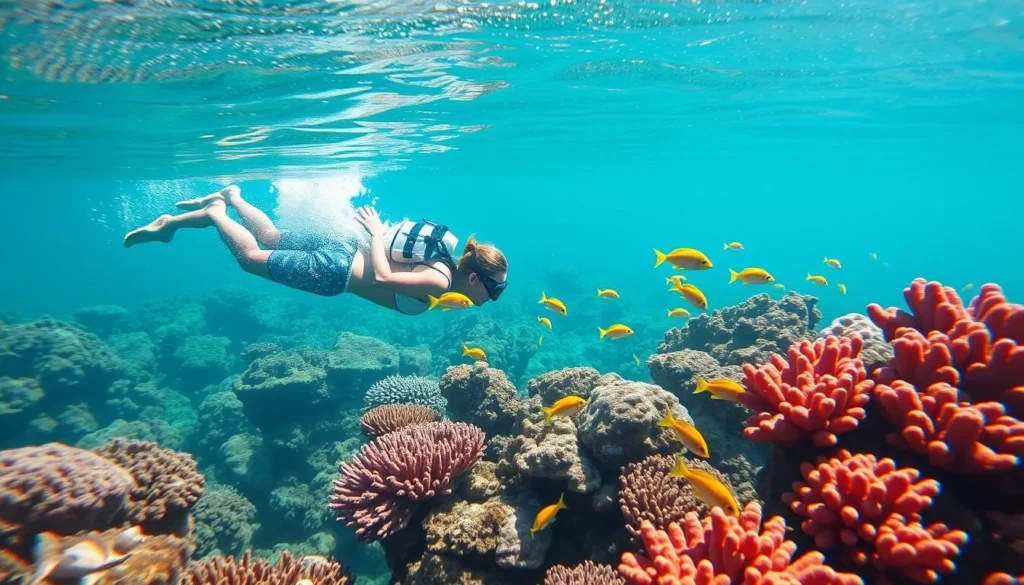
Daymaniat Islands
This protected archipelago about 18km off Muscat’s coast offers some of Oman’s best snorkeling and diving experiences. The nine uninhabited islands feature pristine beaches, crystal-clear waters, and vibrant coral reefs teeming with marine life. Boat trips to the islands can be arranged from Al Mouj Marina or Bandar Al Rowdha.
Wadi Adventures
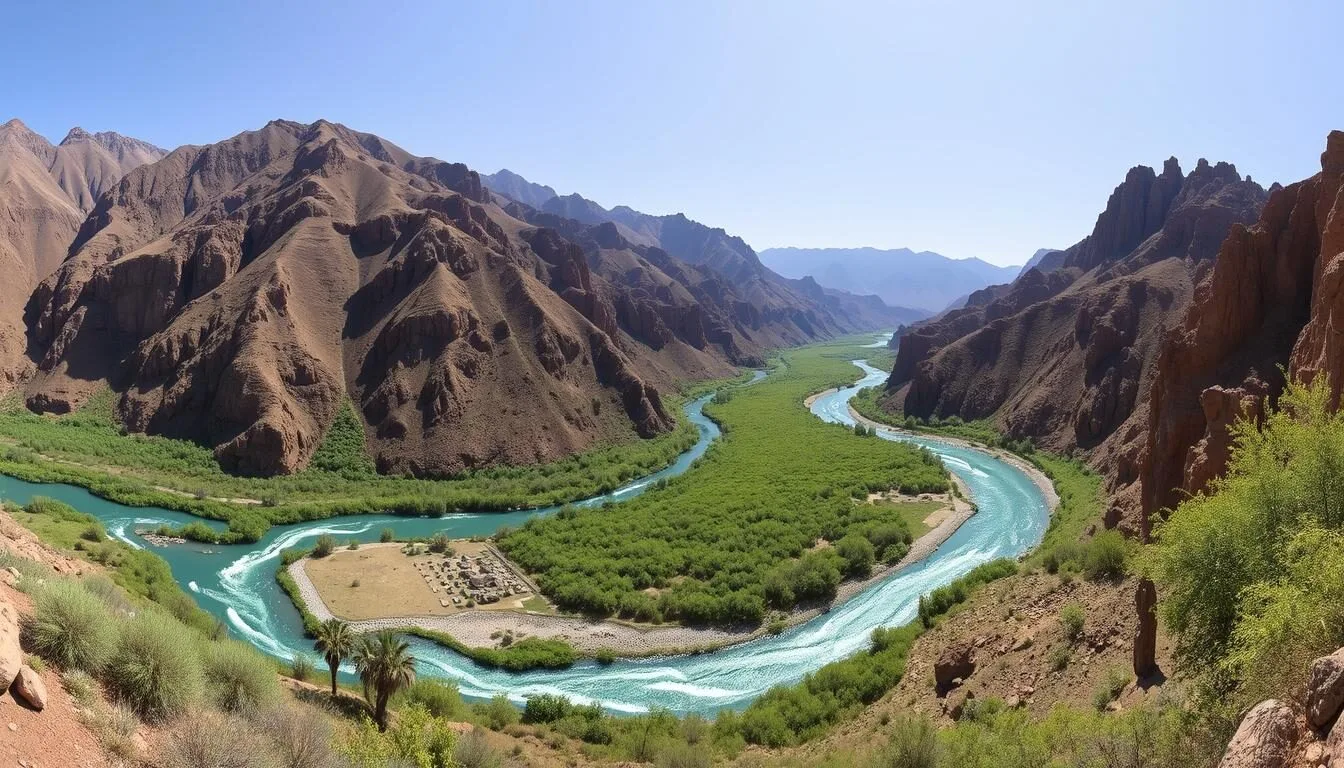
Several wadis (dry riverbeds or oases) are within day-trip distance from Muscat. Wadi Shab and Wadi Tiwi offer hiking opportunities through dramatic landscapes with natural pools for swimming. These excursions provide a refreshing contrast to city sightseeing.
Dolphin Watching
The waters off Muscat are home to several dolphin species, including spinner, common, and bottlenose dolphins. Morning boat tours from Marina Bandar Al Rowdha offer high chances of spotting these playful mammals in their natural habitat.
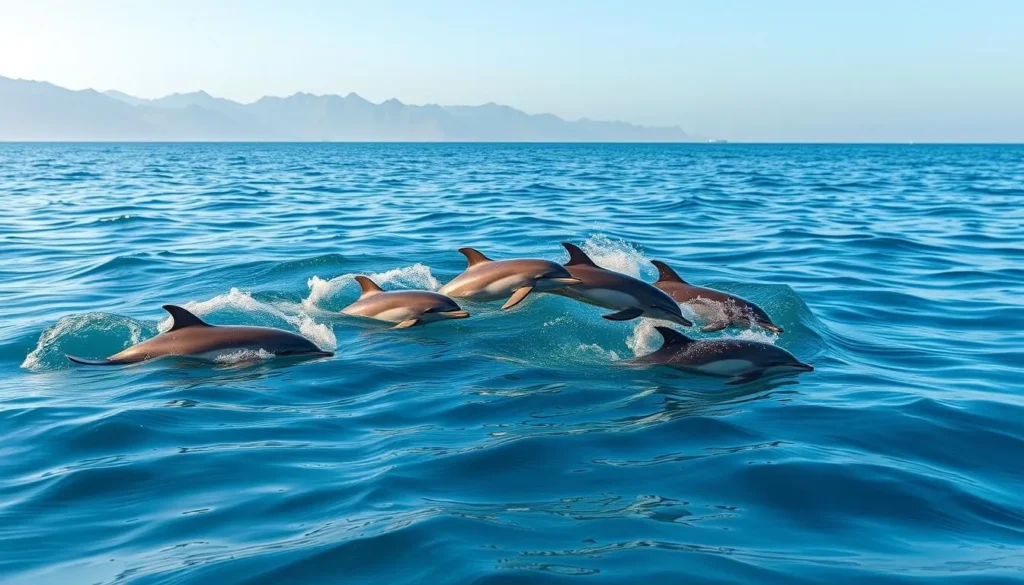
Spinner dolphins are commonly spotted during morning boat tours from Muscat
Desert Experiences
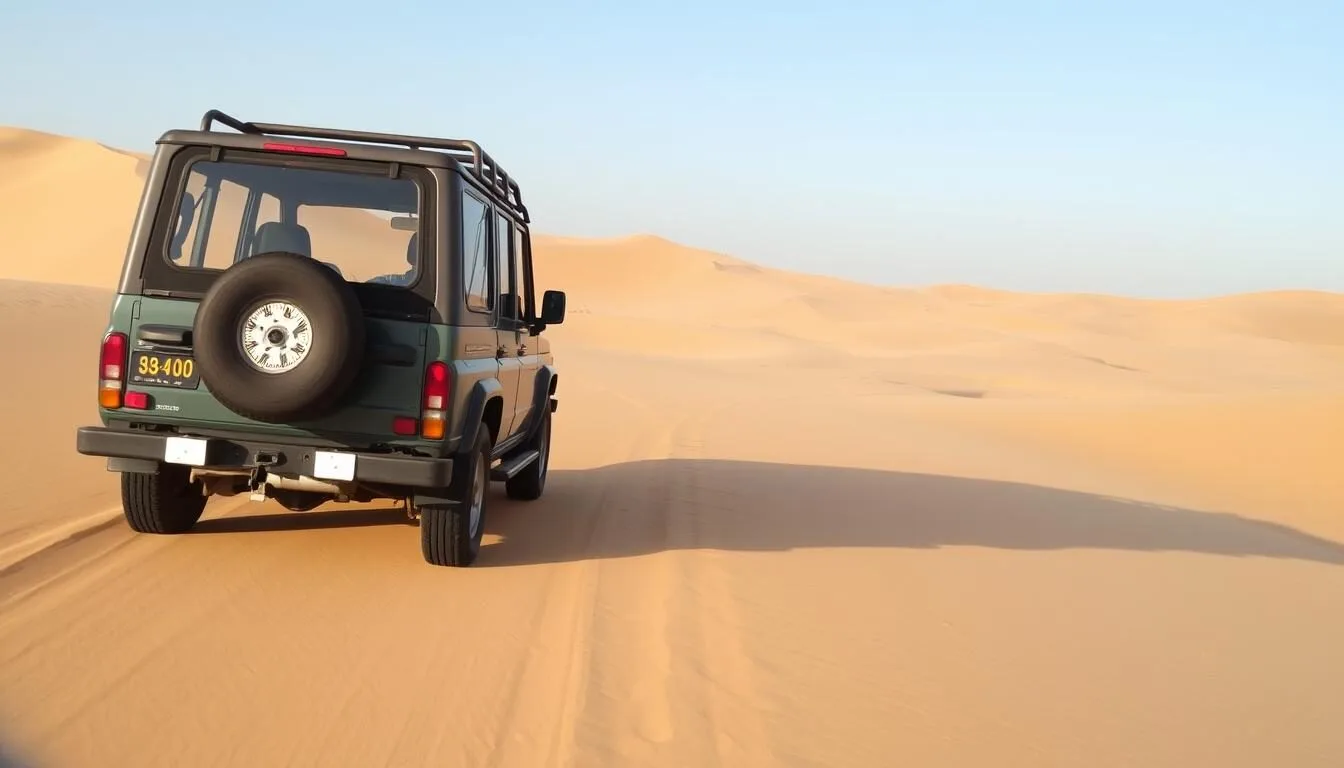
While the famous Wahiba Sands (now called Sharqiya Sands) require an overnight trip from Muscat, shorter desert experiences can be arranged to nearby dunes. Activities include dune bashing, camel rides, and visits to Bedouin camps.
Hiking
The Hajar Mountains surrounding Muscat offer excellent hiking opportunities. Popular trails include Jebel Akhdar (Green Mountain) and the more challenging Jebel Shams (Oman’s highest peak). For something closer to the city, try the Sa’al Steps hike up Jebel Khoneh for panoramic views of Muscat.
Golf
Muscat boasts several world-class golf courses, including the Greg Norman-designed Almouj Golf at The Wave and Ghala Golf Club, Oman’s oldest course. These venues offer challenging play with stunning mountain backdrops.
Safety, Etiquette & Local Customs
Safety
Muscat is considered one of the safest cities in the Middle East, with low crime rates and friendly locals. Standard travel precautions apply: keep valuables secure, be aware of your surroundings, and avoid isolated areas at night. The biggest safety concerns are related to heat (dehydration, sunburn) during summer months.
Dress Code
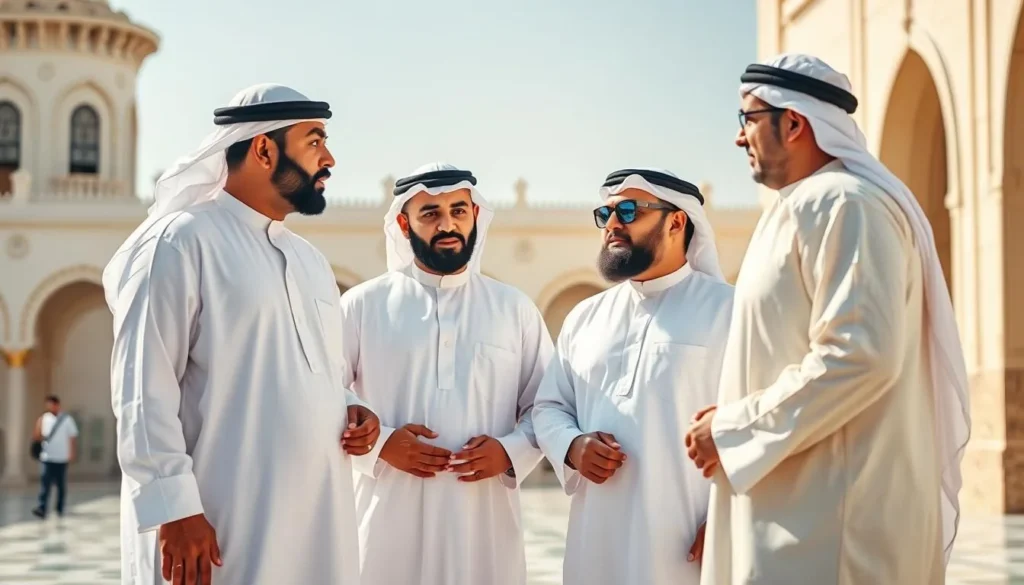
Oman is a conservative Muslim country, and modest dress is expected. For women, shoulders and knees should be covered in public places. Men should wear long pants and shirts with sleeves. At beaches and hotel pools, standard swimwear is acceptable, though extremely revealing attire should be avoided.
Religious Customs
During Ramadan, eating, drinking, and smoking in public during daylight hours is prohibited, even for non-Muslims. Many restaurants close during the day or offer takeaway only. Be respectful around mosques, particularly during prayer times, and remember that non-Muslims cannot enter mosques outside designated visiting hours.
Etiquette Tip: When visiting Omani homes or meeting locals, it’s customary to remove your shoes before entering. Accept offered coffee and dates as a sign of respect, and use your right hand for eating and passing items.
Photography
Always ask permission before photographing local people, especially women. Avoid photographing government buildings, military installations, and airports. At cultural sites, check whether photography is permitted; some museums and historic buildings restrict or charge for photo privileges.
Alcohol & Substances
Alcohol is only available in licensed hotel restaurants and bars. Public intoxication is not tolerated and can result in arrest. Drug offenses carry severe penalties, including lengthy prison sentences.
Practical Travel Tips
Currency & Money
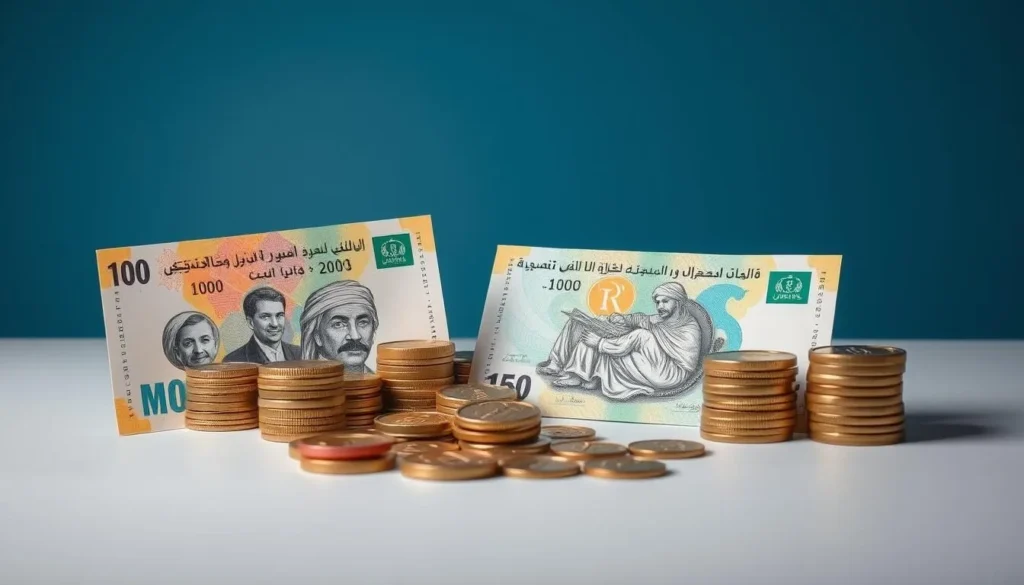
The Omani Rial (OMR) is one of the world’s highest-valued currencies, with 1 OMR equivalent to approximately $2.60 USD. ATMs are widely available in Muscat, and credit cards are accepted at most hotels, restaurants, and larger shops. Keep some cash on hand for taxis, souqs, and smaller establishments.
Language
Arabic is the official language, but English is widely spoken in tourist areas, hotels, and restaurants. Learning a few basic Arabic phrases like “shukran” (thank you) and “ma’a salama” (goodbye) is appreciated by locals.
Internet & Connectivity
Wi-Fi is available in most hotels, cafes, and restaurants. For mobile connectivity, you can purchase a local SIM card from providers like Ooredoo or Omantel at the airport or in shopping malls. Bring your passport for registration.
Tipping
Tipping is not obligatory in Oman but is becoming more common in tourist areas. In restaurants, a 10% service charge is often included; if not, 10% is appropriate. For taxi drivers, rounding up the fare is sufficient. Hotel porters typically receive 1 OMR per bag.
Business Hours
Government offices typically operate from 7:30 AM to 2:30 PM, Sunday through Thursday. Shopping malls are usually open from 10:00 AM to 10:00 PM, with some closing briefly for Friday prayers. Many smaller shops close for a midday break from around 1:00 PM to 4:00 PM.
Is Muscat safe for solo female travelers?
Yes, Muscat is generally very safe for solo female travelers. Omani culture is respectful, and harassment is rare. However, modest dress is expected, and it’s advisable to be cautious in isolated areas after dark, as in any city.
Do I need a 4×4 vehicle to explore Muscat?
For Muscat itself, a standard car is sufficient as roads are well-maintained. However, if you plan day trips to wadis, mountains, or desert areas, a 4×4 is recommended and sometimes essential.
Can I visit Muscat during Ramadan?
Yes, but be aware that restaurants may be closed during daylight hours, and eating, drinking, or smoking in public is prohibited until sunset. Evening hours are lively after iftar (breaking of the fast), and it can be a culturally enriching time to visit.
Day Trips from Muscat
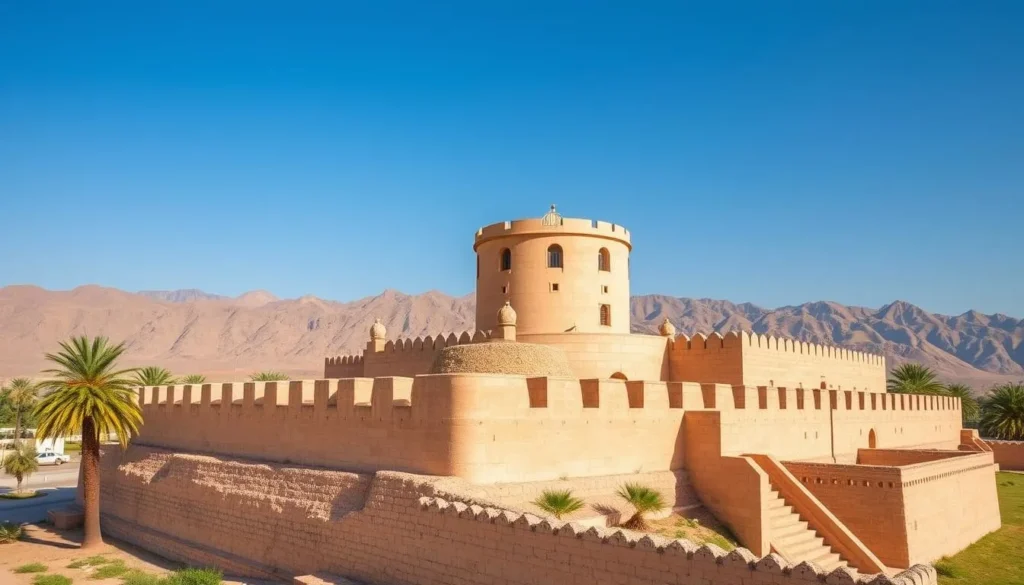
While Muscat offers plenty to explore, some of Oman’s most spectacular attractions lie within easy day-trip distance of the capital.
Nizwa (1.5 hours)
Oman’s former capital is home to the impressive 17th-century Nizwa Fort and a bustling souq famous for its Friday livestock market. The surrounding area features ancient villages and date plantations.
Bimmah Sinkhole (1.5 hours)
This natural wonder is a limestone crater filled with turquoise water, perfect for a refreshing swim. Combine with visits to Wadi Shab and Wadi Tiwi for a full day of natural attractions.
Jebel Akhdar (2 hours)
The “Green Mountain” offers dramatic landscapes, ancient villages, and terraced farms. In spring, the mountain slopes are covered with damask roses used to make Omani rosewater.
For these day trips, consider hiring a driver or joining an organized tour, as navigation can be challenging and some areas require 4×4 vehicles. Most hotels can arrange tours with reputable operators.
Ready for Your Muscat Adventure?
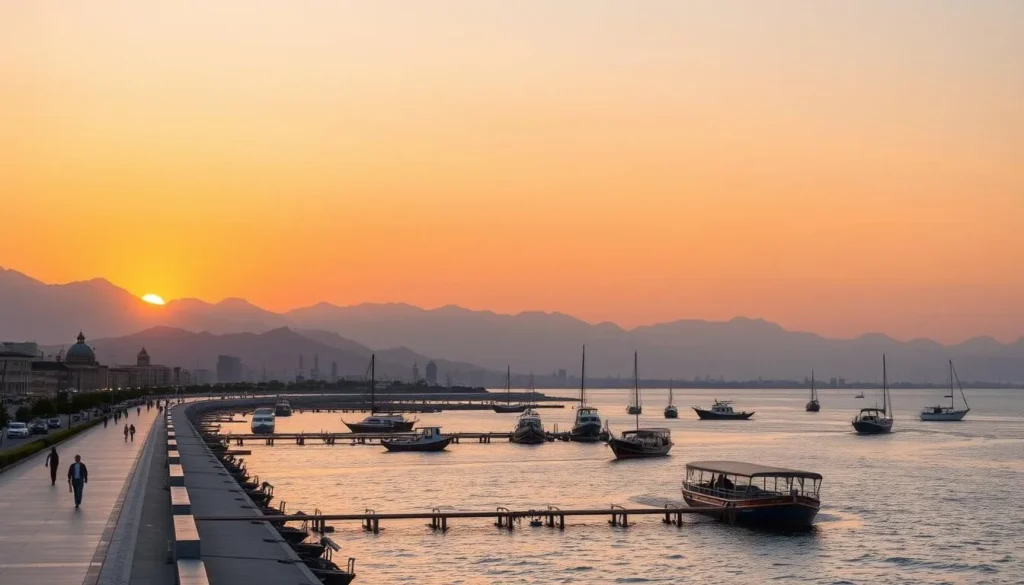
Muscat offers a perfect blend of cultural richness, natural beauty, and modern comforts that make it an ideal destination for travelers seeking authentic Arabian experiences. From the architectural splendor of Sultan Qaboos Grand Mosque to the bustling energy of Mutrah Souq, from mountain adventures to seaside relaxation, Oman’s capital rewards visitors with unforgettable memories.
Unlike its flashier neighbors in the Gulf, Muscat maintains a deep connection to its heritage while embracing thoughtful development. This balance creates a uniquely welcoming atmosphere where travelers can experience traditional Omani hospitality alongside world-class amenities.
Whether you’re drawn by history, culture, outdoor adventures, or simply the allure of experiencing a different way of life, Muscat welcomes you with open arms and endless discoveries. Pack your bags, respect local customs, and prepare to be charmed by this gem of the Arabian Peninsula.