
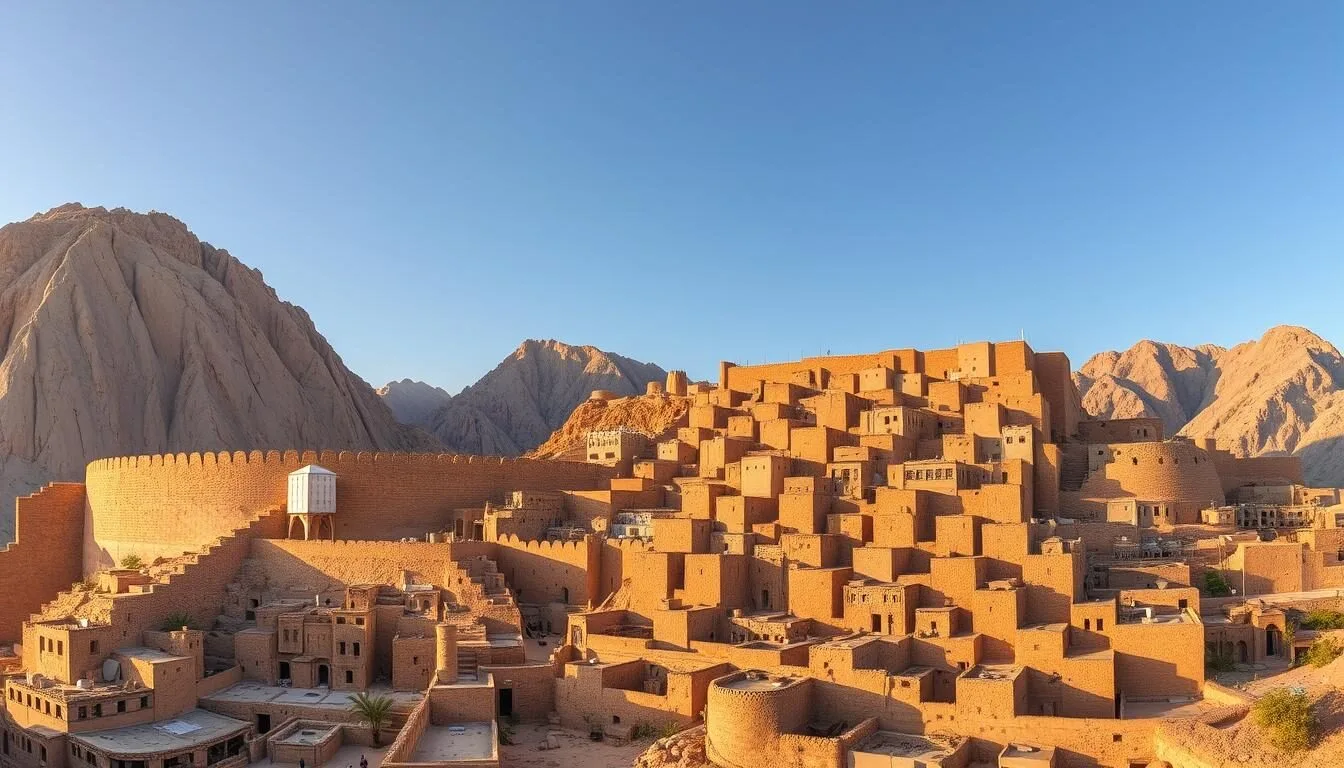
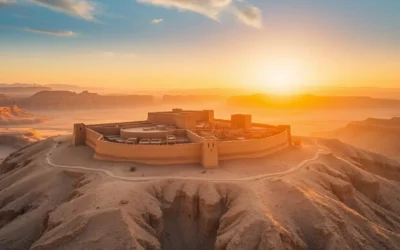
Perched atop a granite mountain and surrounded by a 2,000-meter stone wall that has remained unconquered throughout history, Thula stands as one of Yemen’s five most significant historical cities. This 3,000-year-old fortress city, with roots tracing back to the ancient Sabaean and Himyarite periods, offers visitors a rare glimpse into Yemen’s rich architectural heritage with its 600 multi-story stone houses, intricate water systems, and remarkable preservation.
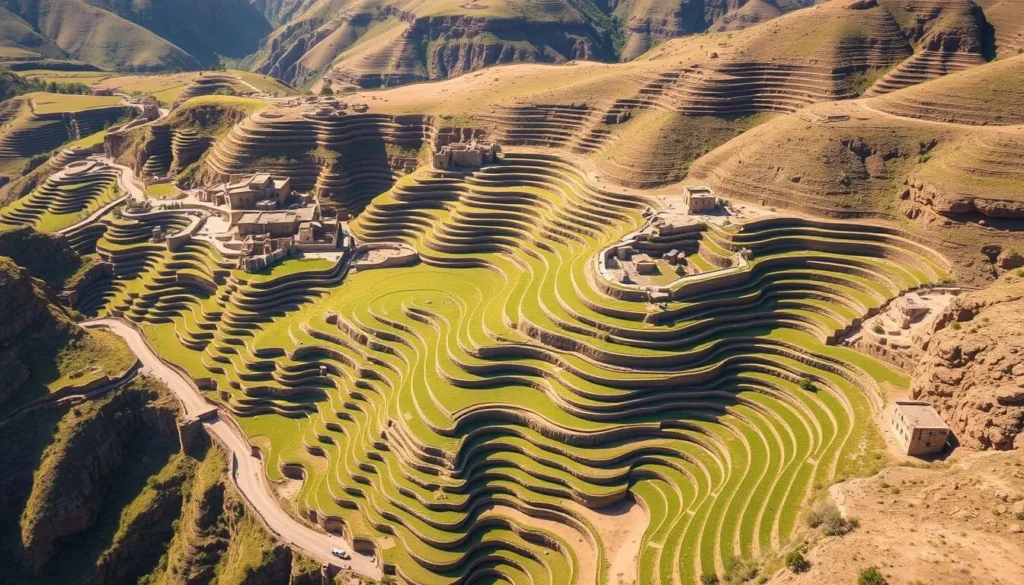
Unlike many historical sites that have been abandoned to time, Thula remains a living, breathing community where ancient traditions continue alongside daily life. The city’s remarkable water distribution system—which gave Thula its name meaning “abundance of water”—still functions today, feeding the terraced fields and orchards that surround this mountain fortress.
Getting There & Planning Your Journey
Reaching Thula requires some careful planning, especially given Yemen’s current situation. The city is located approximately 54 kilometers northwest of Sana’a, Yemen’s capital. Most international visitors arrive via flights to Sana’a International Airport, though service may be limited due to ongoing circumstances.

Important travel considerations include:
- Special permits are often required for travel within Yemen, including visits to Thula
- Hiring a local guide is highly recommended and sometimes mandatory
- Check travel advisories before planning your trip
- Arrange transportation from Sana’a in advance
- Bring sufficient cash as ATMs are limited
The journey from Sana’a to Thula takes approximately 1.5 hours by car through stunning mountainous landscapes. The road conditions are generally good, though you’ll encounter checkpoints along the way where documentation may be checked.
Best Time to Visit & Weather Tips
Thula enjoys a relatively pleasant climate year-round due to its elevation of approximately 3,000 meters above sea level. This mountain setting provides cooler temperatures than many other parts of Yemen.
| Season | Months | Temperature | Conditions | Recommendation |
| Spring | March-May | 15-25°C (59-77°F) | Mild, occasional rain | Excellent time to visit, apricot trees in bloom |
| Summer | June-August | 20-30°C (68-86°F) | Warm days, cool nights | Good for exploring, bring sun protection |
| Autumn | September-November | 15-25°C (59-77°F) | Pleasant, harvest season | Ideal for photography and cultural experiences |
| Winter | December-February | 10-20°C (50-68°F) | Cool, occasional rain | Less crowded, bring warm clothing |
The best time to visit Thula is during spring (March to May) when the surrounding apricot orchards are in bloom, creating a stunning pink landscape against the stone city. Autumn (September to November) is also pleasant, with mild temperatures ideal for exploring the steep streets and historical sites.
Packing Tip: Despite warm daytime temperatures, evenings in Thula can be quite cool due to the elevation. Pack layers and a light jacket even when visiting during summer months.
Getting Around Locally
Thula is a compact city best explored on foot. The narrow, winding streets and stone staircases that connect different levels of this mountain settlement aren’t suitable for vehicles. Comfortable walking shoes are essential as you’ll be navigating uneven stone surfaces and steps.
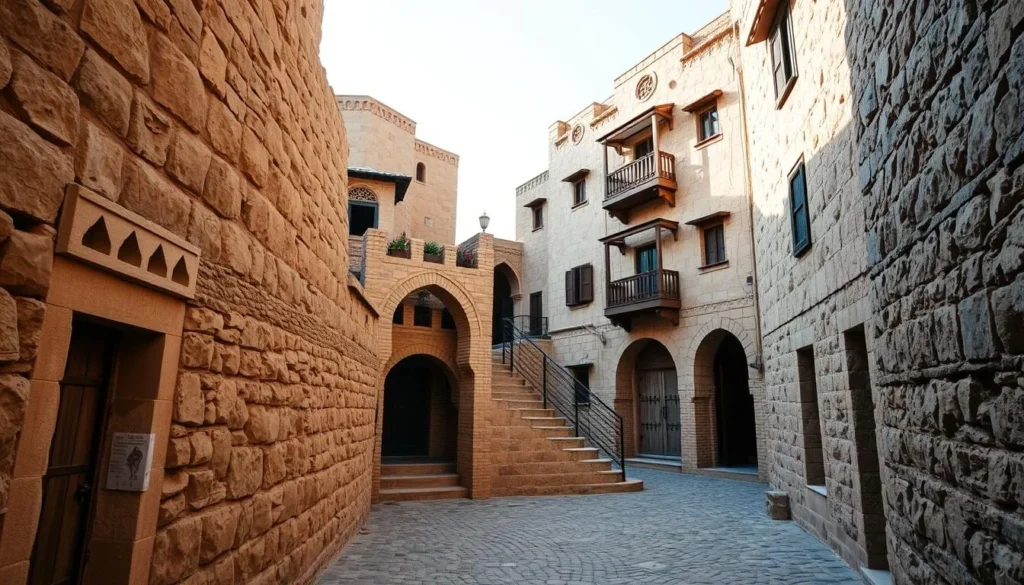
Key points about navigating Thula:
- The city is built on different levels ascending the mountain
- Stone staircases connect the various quarters
- The central area contains the main mosque, souks, and public buildings
- The Husn al-Churab fortress (Crow Fortress) sits at the top, accessible via a stone path
- Allow approximately one hour to climb to the fortress, taking breaks along the way
A local guide is invaluable for navigating the labyrinthine streets and providing historical context. Many guides can be arranged through accommodations in Sana’a before departing for Thula.
Where to Stay
Accommodation options in Thula itself are limited. Most visitors choose to stay in Sana’a and make a day trip to Thula. However, for those wanting to experience the magic of this ancient city at different times of day, there are a few options:

Guesthouses
A few local families offer traditional guesthouse accommodations in restored historic homes. These provide an authentic experience with basic amenities. Expect traditional Yemeni hospitality, home-cooked meals, and insights into local life. Arrangements usually need to be made through a local guide or tour operator.
Nearby Hotels
The nearby city of Amran (approximately 20km away) offers more conventional hotel accommodations. While not as atmospheric as staying in Thula itself, these provide more modern facilities and can serve as a convenient base for exploring the region.
Accommodation Tip: If staying in Sana’a and making a day trip to Thula, consider leaving early in the morning to maximize your time exploring the ancient city. The journey takes approximately 1.5 hours each way.
Dining & Local Cuisine
Experiencing Yemeni cuisine is an essential part of any visit to Thula. The region is known for its distinctive flavors and traditional cooking methods that have remained unchanged for centuries.

Local Specialties
- Saltah – Yemen’s national dish, a meat stew with fenugreek foam and sahawiq (spicy tomato salsa)
- Mandi – Spiced rice with tender meat, traditionally cooked in underground pits
- Fahsa – A hearty meat stew similar to saltah but with a different preparation method
- Bint Al-Sahn – A layered honey cake, often served with tea
- Yemeni Coffee – Traditionally spiced with cardamom and served in small cups
Where to Eat
Dining options in Thula are limited but authentic:
- Local Homes – Some families offer meals to visitors, arranged through guides
- Small Eateries – Simple establishments near the central souk serve traditional dishes
- Picnic Options – Bringing supplies for a picnic in the orchards surrounding the city
“The food in Yemen isn’t just sustenance—it’s a cultural experience that tells the story of this ancient land through flavors that have remained unchanged for centuries.”
Many visitors choose to have breakfast and dinner in Sana’a if making a day trip, with lunch in Thula to experience the local cuisine. Water is precious in this mountain city, so remember to bring your own or purchase bottled water locally.
Attractions, Sightseeing & Activities
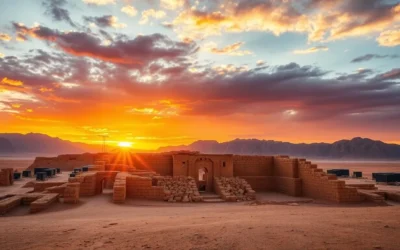
Thula offers a wealth of historical and architectural treasures to explore. The entire city is essentially an open-air museum where history comes alive through its preserved structures and continuing traditions.

Must-See Attractions
- City Walls and Gates – The 1.6km defensive wall with 26 watchtowers and 9 gates
- Husn al-Churab Fortress – The “Crow Fortress” atop the mountain, offering panoramic views
- Ancient Mosques – Several historic mosques with distinctive Yemeni architectural features
- Traditional Souks – Markets with over 100 stalls selling local crafts and produce
- Water Cisterns – Ancient water storage systems that have functioned for centuries
- Qamariya Windows – Distinctive stained glass windows adorning the stone houses

Suggested Itinerary
- Begin at the main gate and explore the city walls
- Visit the central area with its mosque and souks
- Explore the narrow alleyways and traditional houses
- Observe the ancient water systems and cisterns
- Climb to the Husn al-Churab fortress (allow 1 hour)
- Enjoy the panoramic views from the fortress
- Visit the surrounding orchards and terraced fields
A full exploration of Thula requires at least 4-6 hours. For those with limited time, focus on the central area and the climb to the fortress for the best overview of this remarkable city.
Cultural Insights & Local Life
Thula isn’t just a historical monument—it’s a living community where ancient traditions continue alongside daily life. Understanding the cultural context enhances any visit to this remarkable city.

Cultural Significance
Thula holds immense historical importance in Yemen. Known as “the city of kings,” it was considered unconquerable throughout much of its history. The city’s strategic importance meant that controlling Thula symbolically represented control of Yemen itself. Its remarkable preservation offers insights into traditional Yemeni architecture, engineering, and social organization.
Local Life
Despite its ancient origins, Thula remains a functioning community where:
- Traditional farming practices continue on surrounding terraced fields
- Ancient water distribution systems are still maintained and extended
- Craftspeople practice traditional skills passed down through generations
- Social gatherings and community decision-making follow historical patterns
“Thula is not a museum; it’s a living testament to the ingenuity of our ancestors. We don’t preserve these buildings and systems just to show visitors—we live in them, use them, and pass them on to our children.”
Recent archaeological discoveries have revealed an even older underground city beneath Thula—a network of rooms, caverns, and streets inside the central mountain. While research has been temporarily halted due to regional circumstances, these findings suggest that Thula’s history may be even richer than previously understood.
Safety, Etiquette & Local Customs
Visiting Yemen requires careful consideration of safety and cultural sensitivities. Being well-informed and respectful enhances both your security and the quality of your experience.
Important: Always check current travel advisories before planning a trip to Yemen. The security situation can change rapidly, and certain areas may be unsafe for visitors. Consult your country’s foreign ministry or state department for the most up-to-date information.
Cultural Etiquette
- Dress Modestly – Both men and women should cover shoulders and knees; women should consider wearing a headscarf
- Photography – Always ask permission before photographing people, especially women
- Religious Respect – Remove shoes when entering mosques; non-Muslims may not be permitted in some religious sites
- Greetings – Men greet men with handshakes; it’s best to wait for women to extend their hand first
- Right Hand – Use your right hand for eating, giving, and receiving items

Practical Safety Tips
- Travel with a reputable local guide who knows the area and current conditions
- Maintain copies of important documents (passport, permits) separate from originals
- Carry sufficient cash as ATMs are limited or non-existent
- Stay hydrated but drink only bottled or purified water
- Respect checkpoints and comply with requests from authorities
- Avoid political discussions or photographing military/government facilities
Local Custom: Yemeni hospitality is legendary. If invited into someone’s home, it’s considered polite to accept. Bring a small gift (non-alcoholic) as a token of appreciation. Declining food or drink can be considered impolite, so at least take a small amount.
Practical Travel Tips
These final practical considerations will help you make the most of your visit to Thula while navigating the unique challenges of traveling in Yemen.
Communication
- Arabic is the official language; English is limited outside major cities
- Learning a few basic Arabic phrases is highly appreciated
- Mobile coverage can be spotty; consider a local SIM card in Sana’a
- Download offline maps and translation apps before your trip
Money Matters
- The Yemeni Rial (YER) is the local currency
- Exchange money in Sana’a before traveling to Thula
- Carry small denominations for purchases in local markets
- Credit cards are rarely accepted; rely on cash
Health Considerations
- Bring any necessary medications as pharmacies are limited
- Pack a basic first aid kit including stomach remedies
- Use sun protection—the mountain elevation intensifies UV exposure
- Stay hydrated but avoid tap water and ice
Is it possible to visit Thula as a day trip from Sana’a?
Yes, many visitors experience Thula as a day trip from Sana’a. The journey takes approximately 1.5 hours each way, leaving ample time to explore the city. Starting early in the morning is recommended to maximize your time in Thula.
What should I wear when visiting Thula?
Modest clothing that covers shoulders and knees is essential. Women should consider wearing a headscarf. Comfortable walking shoes with good grip are necessary for navigating the stone streets and staircases.
Do I need special permits to visit Thula?
Yes, special permits are typically required for travel within Yemen, including visits to historical sites like Thula. These should be arranged in advance, often through a local tour operator or guide who can handle the necessary paperwork.
Experience the Timeless Wonder of Thula
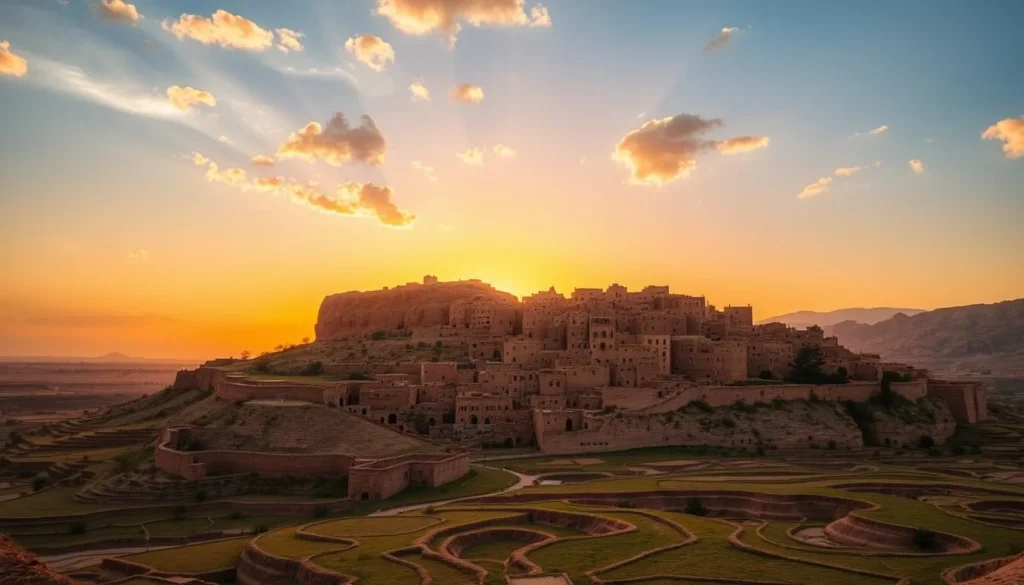
Thula stands as a remarkable testament to Yemen’s rich architectural and cultural heritage. This ancient fortress city, with its ingenious water systems, impressive stone houses, and strategic mountain setting, offers visitors a journey through time that few destinations can match.
Despite the challenges of traveling in Yemen, those who make the journey to Thula are rewarded with an authentic experience of a living historical treasure—a place where ancient traditions continue and the rhythms of life have remained largely unchanged for centuries. As you walk the narrow stone streets and gaze out from the Crow Fortress across the terraced landscape, you’ll connect with a remarkable civilization that has withstood the test of time.
The above is subject to change.
Check back often to TRAVEL.COM for the latest travel tips and deals.




0 Comments