Hotels by Trip.com
Flights by Trip.com
Did you know that Zabid once housed over 200 mosques and Islamic schools, earning it the title of the intellectual capital of Yemen for centuries? This ancient city, located in western Yemen along the Red Sea coastal plain, stands as one of the Arabian Peninsula’s most significant historical treasures. The city derives its name from the Arabic word meaning “to increase” or “to grow,” reflecting its historical role as a center where knowledge and culture flourished throughout the Islamic world.
Zabid represents a living testament to Islamic civilization, designated as a UNESCO World Heritage site in 1993. This guide explores everything you need to know about visiting this remarkable destination, from practical travel information to the best attractions and cultural experiences awaiting discovery.
Getting There & Planning Your Journey
Reaching Zabid requires careful planning due to Yemen’s current security situation. The closest major airport is Sana’a International Airport, located approximately 226 km (140 miles) northeast of Zabid. However, due to the ongoing civil war and security concerns, international flights to Yemen remain severely limited. Many travelers currently access Yemen through neighboring countries on the Arabian Peninsula.
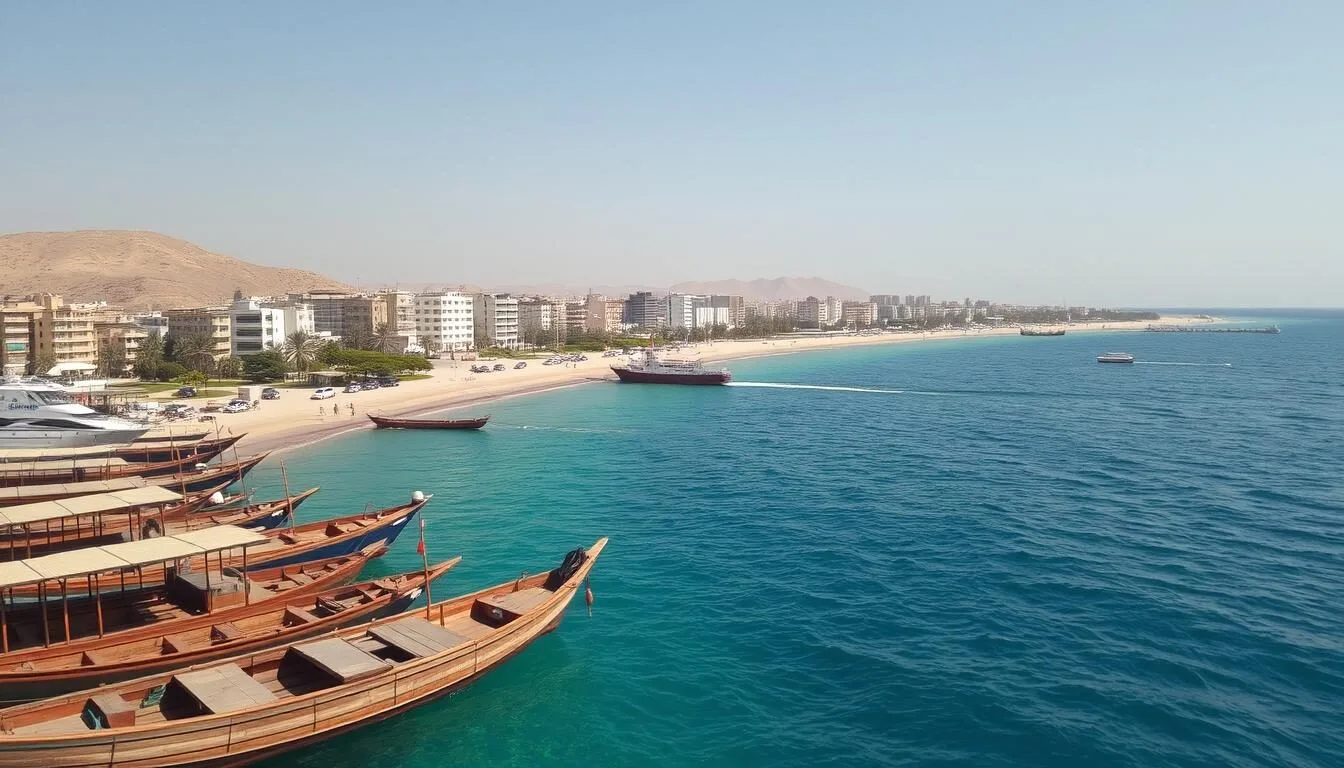
Hodeidah International Airport, situated about 90 km (56 miles) northwest of Zabid near the port city of Hodeidah on the Red Sea coast, serves as an alternative entry point. This airport occasionally operates domestic flights, though services remain unpredictable due to the ongoing crisis in the country.
Important Travel Advisory: The security situation in Yemen remains extremely volatile. Most governments, including the United States government, strongly advise against all travel to Yemen. Before planning any trip, consult your country’s travel advisories and consider the serious risks involved.
For those who do travel to the region, road access from Hodeidah to Zabid typically takes approximately two to three hours, depending on security checkpoints and road conditions. The journey passes through the Tihama coastal plain, offering views of the Arabian Sea and Gulf of Aden region.
Travel insurance that covers high-risk destinations is absolutely essential. Standard travel insurance policies typically exclude Yemen due to the civil war and ongoing conflict between various factions including the Yemeni government and opposing forces. Specialized insurance providers may offer coverage, though premiums reflect the elevated risk level.
Planning Timeline: Allow at least three to six months for trip planning. This includes securing appropriate visas, arranging specialized travel insurance, coordinating with local contacts or tour operators familiar with the current situation, and monitoring security developments across different governorates of Yemen.
Best Time to Visit & Weather Tips
Recommended Travel Months
The optimal time to visit Zabid falls between November and March when temperatures become more moderate along the Red Sea coastal plain. During these months, daytime temperatures typically range from 24°C to 30°C (75°F to 86°F), making exploration of the old city more comfortable.
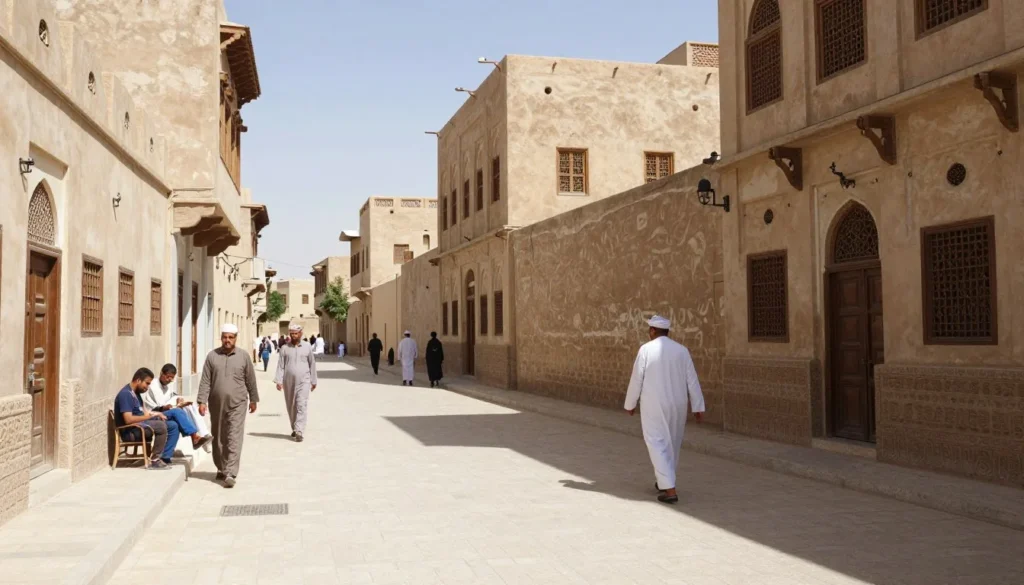
December through February represents the peak comfort period. The weather during these months offers the most pleasant conditions for walking tours through Zabid’s historic districts and exploring outdoor archaeological sites. Humidity levels from the nearby Arabian Sea remain relatively moderate compared to summer months.
Months to Avoid
The summer months from June through September bring extreme heat to the Tihama plain where Zabid sits. Temperatures frequently exceed 40°C (104°F), combined with high humidity from the Red Sea. These conditions make outdoor exploration challenging and potentially dangerous without proper precautions.
✓ Check 30,000+ Local Sightseeing Tours Worldwide
April and May mark the transition into hot weather, with temperatures steadily climbing. October sees the gradual cooling, though heat often persists into this month. The rainy season, though minimal in this arid region, occasionally brings brief but intense storms between March and May.
Weather Preparation Tips
- Pack lightweight, breathable clothing that respects local customs and Islamic traditions
- Bring sun protection including wide-brimmed hats, sunglasses, and high-SPF sunscreen
- Carry sufficient water supplies for any outdoor activities in this desert climate
- Plan indoor activities during peak afternoon heat hours, typically between 12:00 and 15:00
- Consider loose-fitting, light-colored garments that reflect heat while maintaining modesty
Notable Annual Festivals
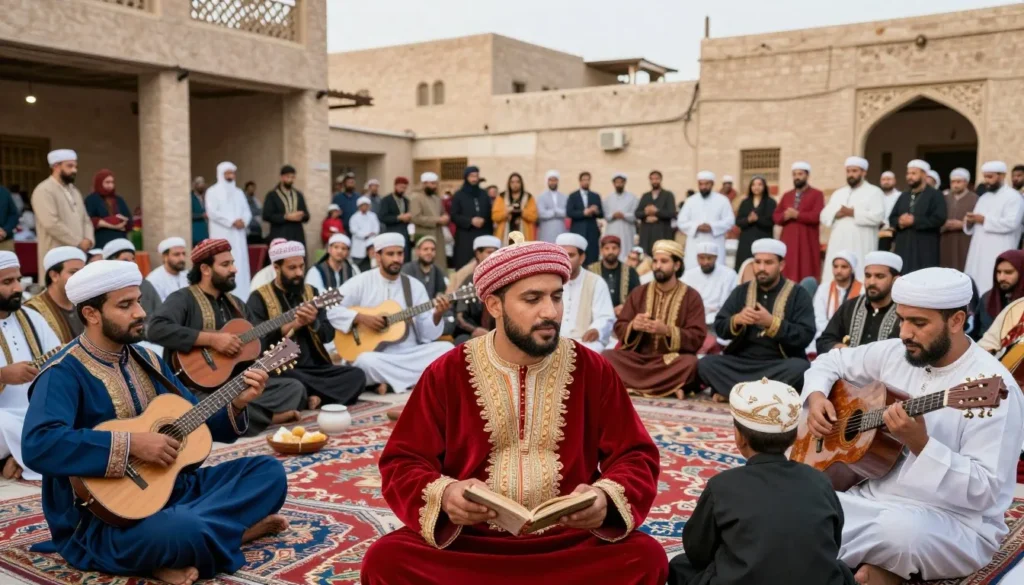
Zabid’s cultural calendar centers around Islamic observances and traditional celebrations rooted in centuries of history. Due to the current crisis affecting Yemen, many festivals have been suspended or significantly scaled back. However, understanding these cultural events provides insight into Zabid’s rich heritage.
Islamic Holy Days
Eid al-Fitr and Eid al-Adha represent the two major Islamic celebrations observed throughout Zabid. These festivals follow the Islamic lunar calendar, so dates shift approximately eleven days earlier each year on the Gregorian calendar. During these periods, the city comes alive with special prayers, family gatherings, and traditional feasts.
The holy month of Ramadan transforms daily life in Zabid, with fasting observed from dawn to sunset. Evening iftar meals break the daily fast, and the city’s mosques become centers of increased spiritual activity. Visitors should note that restaurant operations and daily rhythms shift significantly during this month.
Traditional Cultural Events
Historically, Zabid hosted annual celebrations marking its Islamic scholarly heritage. The city’s reputation as a center of learning in the Islamic world led to gatherings of scholars and students, though such events have been disrupted by Yemen’s ongoing civil war.
Festival Contact Information: Due to the current security situation and the impact of the civil war on government institutions, reliable contact information for festival organizers in Zabid remains difficult to obtain. The Yemen Arab Republic’s former tourist office structures have been significantly affected by the crisis. Travelers should coordinate with any local contacts well in advance and recognize that event schedules remain highly unpredictable given the volatile security state.
Local market days, though not festivals in the traditional sense, provide glimpses into Zabid’s living culture. These weekly gatherings bring communities together for commerce and social exchange, continuing traditions that date back centuries across the Arabian Peninsula.
Getting Around Locally
Transportation within Zabid primarily consists of walking through the old city’s narrow streets, designed centuries ago for pedestrian traffic and donkey carts rather than modern vehicles. The compact historic center makes most attractions accessible on foot within a twenty to thirty-minute walk from any central point.
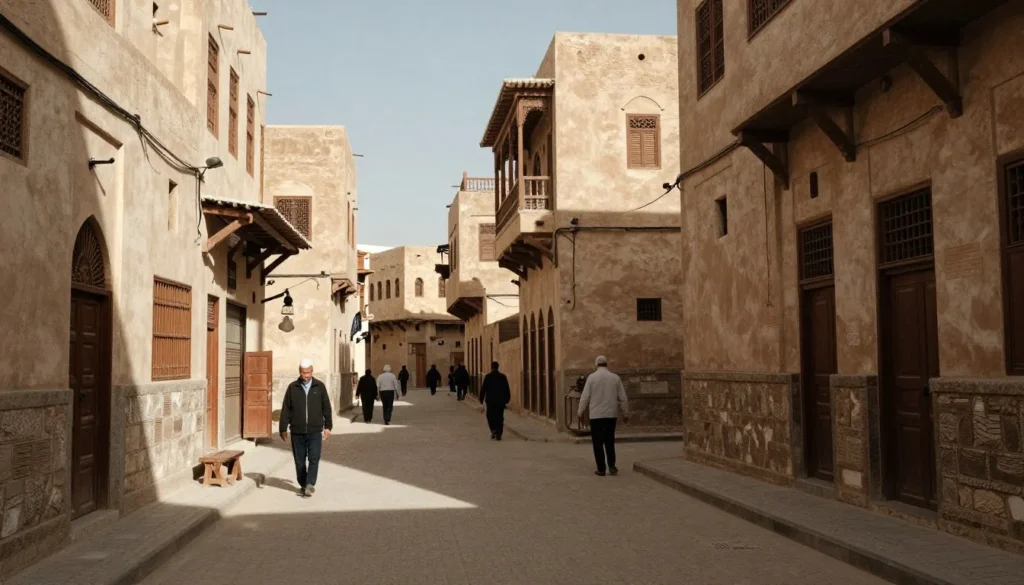
Local taxis and shared vehicles operate for longer distances or travel to nearby areas outside the historic center. However, transportation services have been significantly impacted by fuel shortages and the general economic crisis affecting Yemen. Negotiating fares in advance is standard practice, as metered taxis are virtually non-existent.
Walking in Zabid
Exploring Zabid on foot offers the most authentic experience of this ancient city. The old city’s layout follows traditional Islamic urban design principles, with winding streets providing shade and channeling breezes through the settlement. Comfortable walking shoes are essential, as many streets feature uneven surfaces and traditional paving.
Early morning or late afternoon walks prove most pleasant, avoiding the intense midday heat common to the Tihama coastal plain. The compact scale means visitors can easily navigate without vehicles, though a local guide helps unlock the stories behind Zabid’s architectural treasures and provides important cultural context.
Local Transportation Options
- Shared taxis for travel between Zabid and nearby cities like Hodeidah
- Private vehicle hire with driver through local contacts or accommodations
- Walking for all destinations within the historic old city center
- Bicycle rental occasionally available, though infrastructure remains limited
Safety Note: Always coordinate local transportation through trusted sources. The security situation requires careful planning for any movement, and independent travel outside established routes is strongly discouraged. Checkpoints operated by various factions may appear on roads throughout different governorates.
Where to Stay
Accommodation options in Zabid have diminished significantly due to Yemen’s ongoing civil war and the dramatic reduction in tourism over recent years. The city once offered several guesthouses and small hotels catering to visitors interested in its UNESCO World Heritage status, but many have closed or operate sporadically.
Traditional Guesthouses
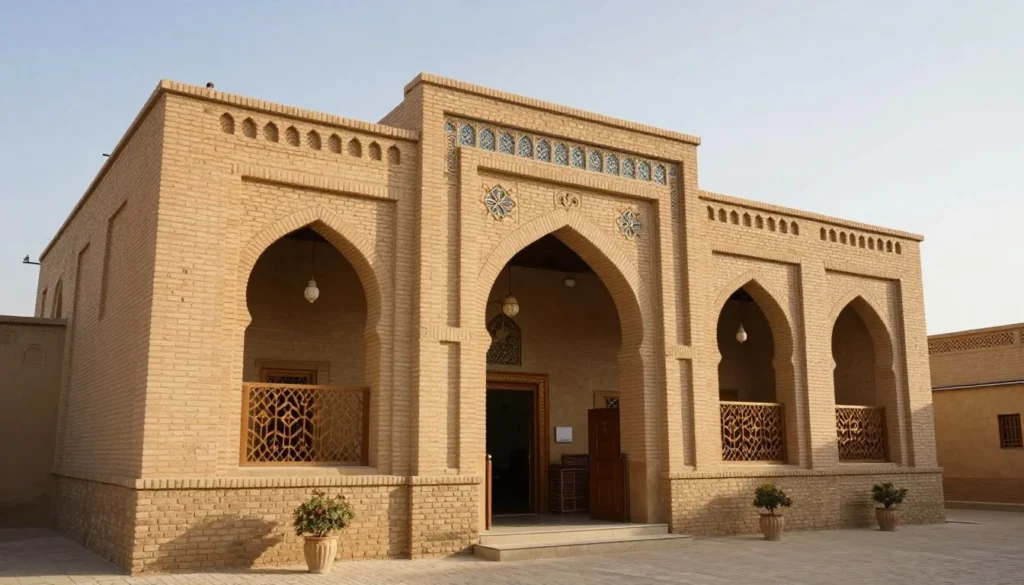
A few traditional guesthouses within the old city continue operating, offering basic but authentic accommodations in restored historic buildings. These establishments provide the most immersive experience, with architecture dating back centuries and traditional Yemeni hospitality when services are available.
Rooms typically feature simple furnishings, reflecting both traditional styles and the practical realities of Yemen’s current economic crisis. Amenities may be basic, with intermittent electricity and water supplies common challenges. However, staying within the historic center puts all major attractions within walking distance.
Alternative Accommodation Strategies
Some travelers arrange accommodation through personal contacts, local family connections, or organizations working in the area. This approach requires advance coordination and cultural sensitivity but can provide more stable lodging options than commercial establishments.
Hodeidah, the larger port city on the Red Sea approximately 90 km (56 miles) from Zabid, offers additional hotel options, though the civil war has impacted services there as well. Day trips from Hodeidah to Zabid remain possible when security conditions permit.
Booking Considerations: Advance reservations for accommodation in Zabid or anywhere in Yemen require direct contact with establishments, as online booking platforms generally do not cover Yemeni properties due to the crisis. Confirm arrangements multiple times before travel, and maintain flexible backup plans. Payment typically requires cash in Yemeni rials, as international credit card systems rarely function in the country.
What to Expect
- Basic amenities with potential interruptions to electricity and water services
- Traditional Yemeni hospitality and cultural authenticity
- Limited or no internet connectivity in most accommodations
- Shared bathroom facilities common in smaller guesthouses
- Opportunities to experience traditional Yemeni home life and architecture
- Cultural exchange with local hosts when circumstances allow
Dining & Local Cuisine
Zabid’s culinary traditions reflect centuries of cultural exchange along Red Sea trade routes, blending Arabian, African, and South Asian influences into distinctive Yemeni cuisine. Despite hardships from the ongoing crisis, food remains central to social life and cultural identity in this historic city.

Traditional Dishes to Try
Saltah ranks as Yemen’s national dish, a hearty stew typically served bubbling hot in a traditional clay pot called a madara. The base contains meat, vegetables, and fenugreek foam, creating a complex flavor profile that defines Yemeni cuisine. Each family and restaurant adds unique variations to this beloved staple.
Mandi, another signature dish, features slow-cooked meat (typically lamb or chicken) prepared in underground ovens with fragrant rice. The cooking method imparts a distinctive smoky flavor, while traditional spice blends reflect Zabid’s historical role in the spice trade between the Arabian Peninsula and beyond.
Bint al-sahn, a sweet honeyed bread, appears at celebrations and special occasions. Layers of thin dough are baked until golden, then drenched in honey and clarified butter, creating a rich dessert that showcases Yemeni baking traditions dating back centuries.
Local Dining Experiences
Small local restaurants and food stalls in Zabid’s markets offer the most authentic dining experiences. These establishments serve traditional foods prepared using time-honored methods, though hygiene standards may differ from international expectations. Eating where locals eat provides cultural insight while supporting community food vendors.

Coffee culture holds special significance in Yemen, considered the birthplace of coffee cultivation. Traditional coffee ceremonies involve roasting, grinding, and brewing coffee with cardamom and other spices. These social rituals provide opportunities for cultural exchange and conversation.
Dietary Considerations
- All food is halal, prepared according to Islamic dietary laws
- Vegetarian options available, though meat features prominently in traditional cuisine
- Spice levels vary, with many dishes incorporating hot peppers and bold flavors
- Fresh produce from local markets supplements prepared dishes
- Tap water should be avoided; bottled water essential for foreign visitors
Food Safety: The ongoing crisis has impacted food security across Yemen. While Zabid’s markets continue operating, variety and availability fluctuate. Travelers with sensitive stomachs should exercise caution. Stick to thoroughly cooked foods, avoid raw vegetables washed in local water, and peel fruits yourself. Bringing digestive remedies and rehydration solutions is advisable.
Attractions, Sightseeing & Activities
Zabid’s designation as a UNESCO World Heritage site in 1993 recognizes its outstanding universal value as an Islamic center of learning and architectural achievement. The old city contains remarkable examples of traditional Yemeni architecture and Islamic heritage, though preservation challenges have increased during Yemen’s civil war.
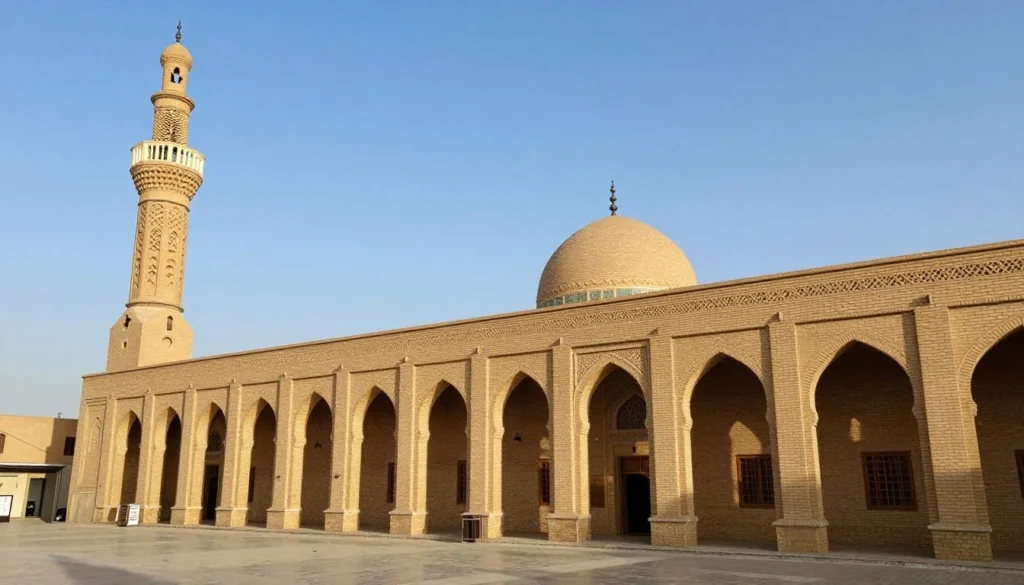
The Great Mosque of Zabid
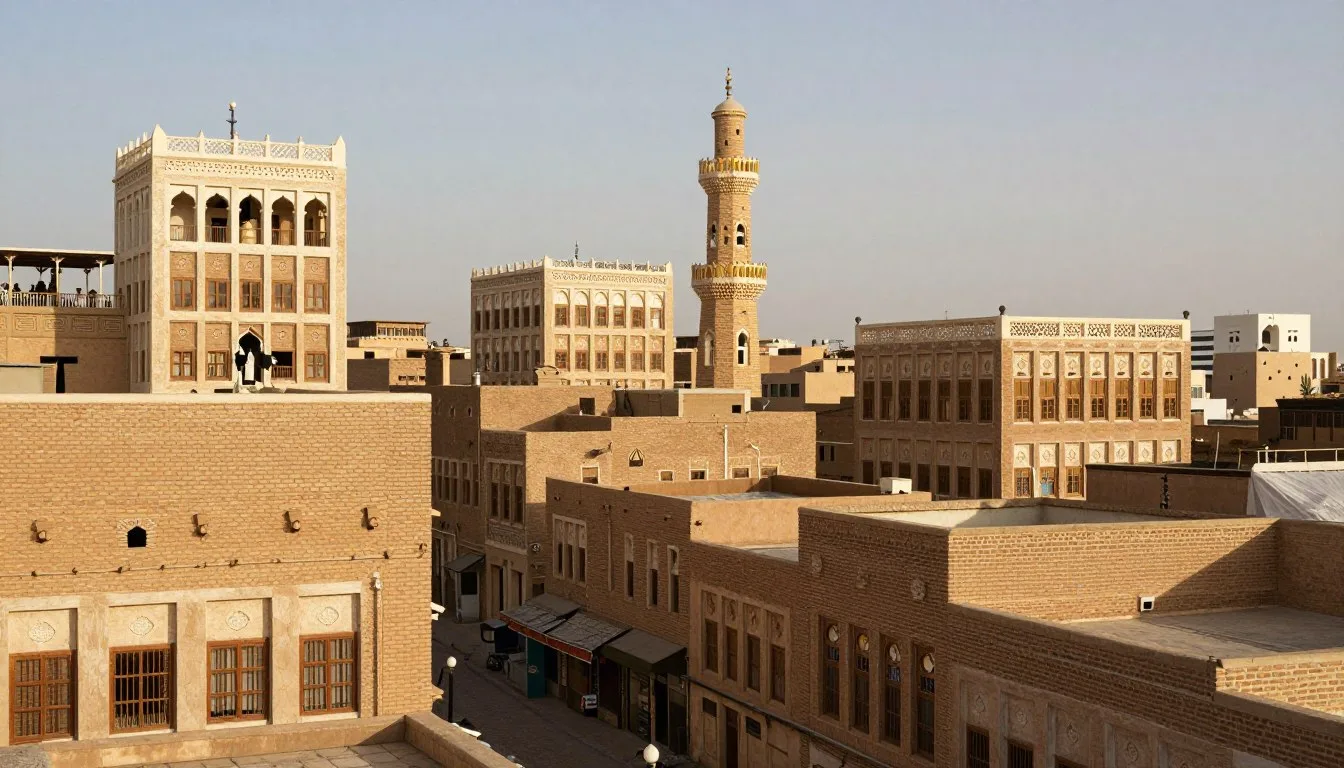
The Great Mosque, also known as Al-Asha’ir Mosque, stands as Zabid’s most significant religious monument. Founded in the 9th century during the Ziyadid dynasty rule, this mosque represents one of Yemen’s oldest and most historically important Islamic structures. The building’s distinctive architecture features traditional Yemeni brickwork and design elements that influenced construction across the region.
The mosque’s minaret rises above the old city, serving as both a call to prayer tower and a landmark visible throughout Zabid. Non-Muslim visitors should respect prayer times and may not be permitted inside during services or, in some cases, at all. Photography restrictions typically apply, and modest dress covering arms and legs is mandatory in the vicinity.
Historic Madrasas and Islamic Schools
Zabid once housed over eighty Islamic schools, earning its reputation as an intellectual capital of the Islamic world for centuries. While many have fallen into disrepair, several madrasas still stand as testaments to the city’s scholarly heritage. These buildings showcase traditional Islamic educational architecture, with courtyards, study halls, and intricate decorative elements.
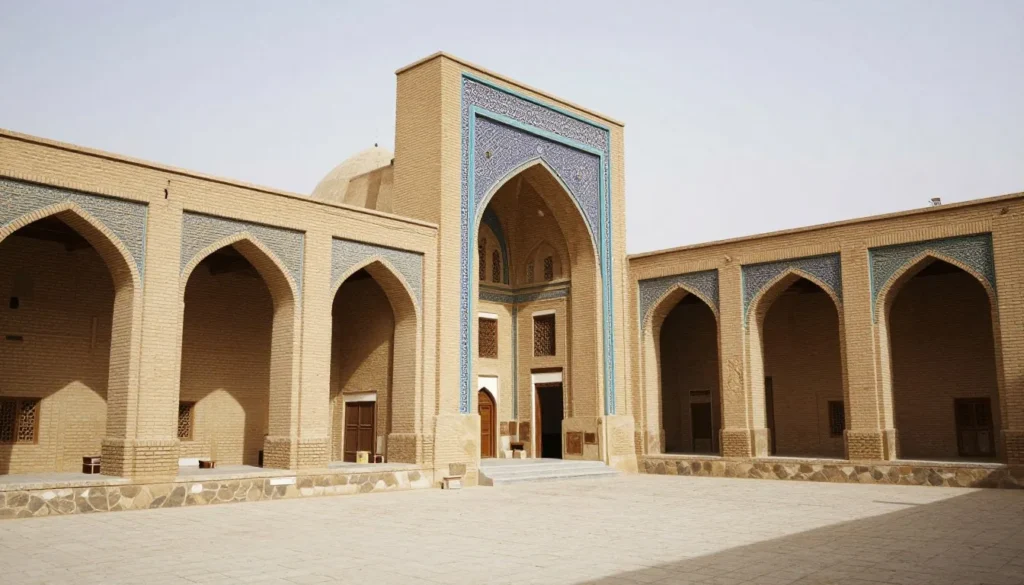
The Al-Iskandari Madrasa and Madrasa al-Nahrawi number among the most notable examples. Walking through these historic buildings provides glimpses into Yemen’s rich intellectual tradition and the role Zabid played in Islamic scholarship spanning theology, law, mathematics, and astronomy.
Old City Walking Tours
Wandering through Zabid’s old city reveals layers of history in its narrow streets, traditional houses, and public spaces. The urban layout follows traditional Islamic city planning principles, with residential quarters, market areas, and religious buildings creating a cohesive whole developed over centuries.
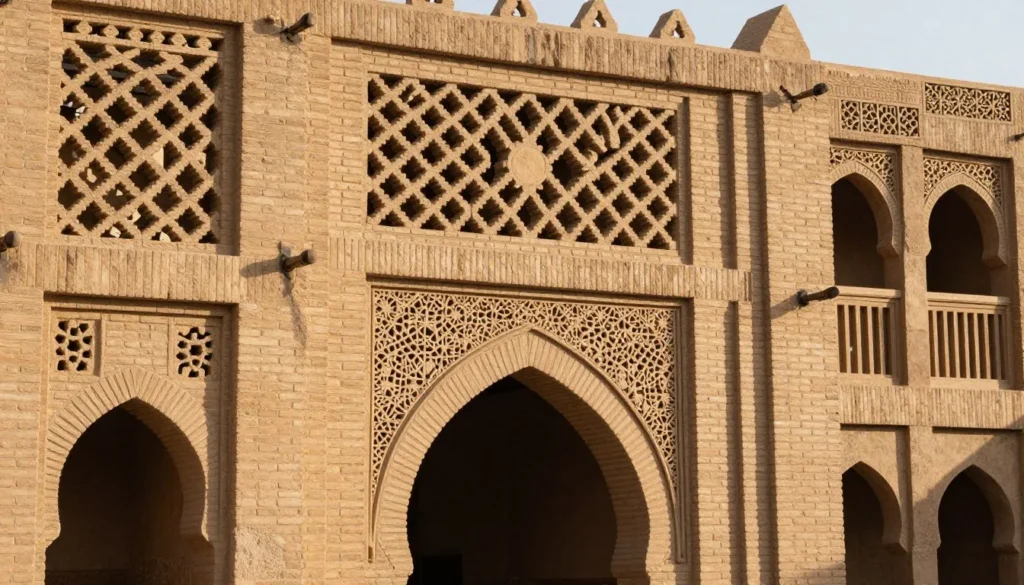
Traditional Yemeni houses in Zabid typically feature brick construction with distinctive geometric patterns and decorative elements. Many buildings show remarkable craftsmanship in their brickwork, wooden doors, and architectural details. However, maintenance challenges during the prolonged crisis have left some structures in deteriorating condition.
City Gates and Fortifications
Historic gates once controlled access to Zabid, part of fortification systems that protected the city for centuries. While some gates have been lost to time and development, remaining examples showcase traditional defensive architecture and the city’s strategic importance in controlling the coastal plain between the Red Sea and Yemen’s interior highlands.
Museums, Cultural Spots & Festivals
Zabid’s cultural institutions have faced significant challenges during Yemen’s ongoing civil war. Museums and formal cultural centers operate sporadically if at all, with collections potentially damaged or inaccessible. However, the city itself functions as a living museum where traditional life continues amid historic surroundings.
Cultural Heritage Sites
The entire old city of Zabid received UNESCO World Heritage designation, recognizing that the urban fabric itself represents cultural heritage of outstanding universal value. This means every street, traditional house, and public space contributes to the site’s significance as an exceptionally well-preserved Islamic city.
UNESCO placed Zabid on its List of World Heritage in Danger in 2000 due to deterioration of historic buildings, and the situation has worsened during Yemen’s civil war. Despite these challenges, the city retains authentic character and architectural integrity that few places in the Arabian Peninsula can match.
Traditional Markets
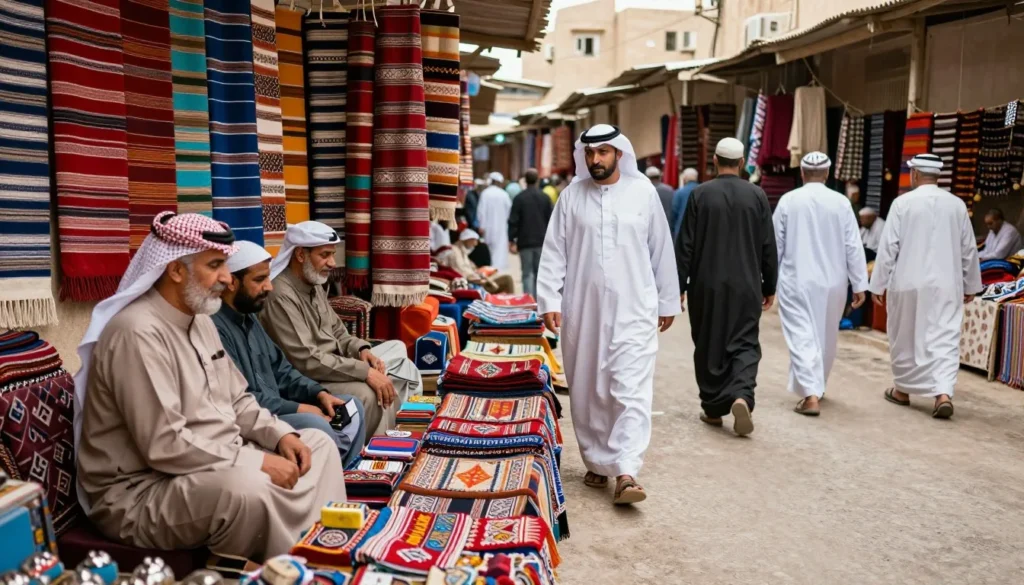
Zabid’s souqs (markets) provide living cultural experiences where traditional commerce continues much as it has for centuries. Vendors sell spices, textiles, traditional clothing, household goods, and food products. These markets offer insights into daily life and economic activities that sustain communities during difficult times.
The market areas showcase traditional craftsmanship, including textiles, metalwork, and agricultural products from the surrounding Tihama plain. Bargaining remains standard practice, conducted with courtesy and patience as part of social exchange rather than mere transaction.
Architectural Documentation
For visitors interested in Islamic architecture and urban studies, Zabid offers exceptional opportunities to observe traditional building techniques, urban planning concepts, and architectural details developed over centuries. Photography of general architecture is typically acceptable, though always ask permission before photographing people or private properties.
Cultural Sensitivity: Zabid remains a conservative community where Islamic customs guide daily life. Women should wear modest clothing covering arms, legs, and hair. Men should avoid shorts and sleeveless shirts. During prayer times, avoid walking in front of mosques or making noise near religious buildings. Ramadan brings additional considerations around eating, drinking, and smoking in public during daylight hours.
Nature & Outdoor Experiences
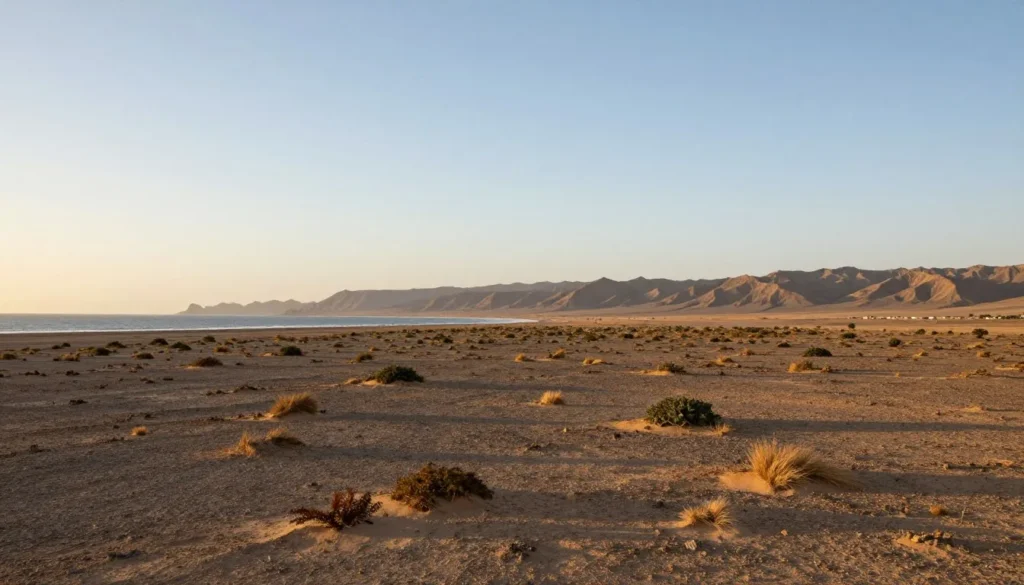
While Zabid itself is primarily an urban heritage site, the surrounding Tihama coastal plain and proximity to the Red Sea offer natural environments to explore. The landscape represents Yemen’s western coastal region, characterized by hot, arid conditions and dramatic scenery where desert meets sea.
Tihama Plain Landscape
The Tihama forms a narrow coastal plain running along Yemen’s western Red Sea coast. This geographic region features unique desert ecology adapted to extreme heat and minimal rainfall. The landscape transitions from coastal areas near the Arabian Sea through agricultural zones supported by seasonal wadis (dry riverbeds that flow during rains) to the base of Yemen’s highland escarpment.
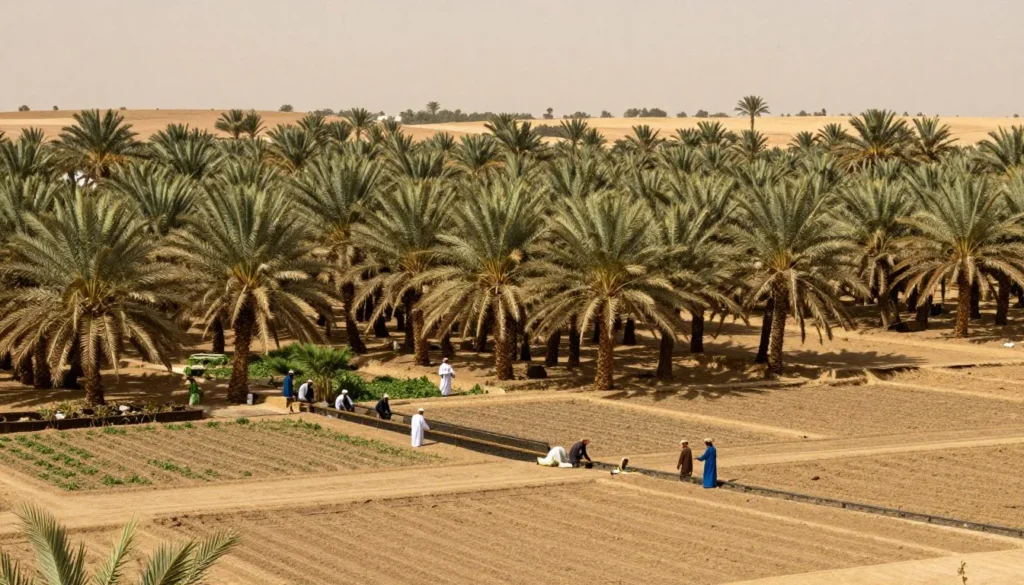
Traditional agriculture in the region includes cotton, which historically made Zabid wealthy as a center of textile production, along with millet, sorghum, and date palms where water allows cultivation. Observing these agricultural practices provides context for understanding how communities have adapted to challenging environmental conditions for generations.
Red Sea Coast Access
The Red Sea coastline lies approximately 40 km (25 miles) west of Zabid, accessible through the port city of Hodeidah. Yemen’s Red Sea coast features coral reefs, marine life, and beaches, though tourism infrastructure has essentially disappeared during the country’s civil war. The ongoing conflict includes maritime security issues affecting the Red Sea and Gulf of Aden regions.
Outdoor Safety Considerations: Yemen’s security situation makes traveling outside established urban areas extremely risky. Armed conflict affects many regions, and landmines pose dangers in some areas. Independent outdoor excursions are strongly discouraged. The extreme heat of the Tihama plain presents additional health risks during much of the year. Any outdoor activities require careful planning, local guidance, and constant security awareness.
Desert Adaptation
For those interested in environmental science and desert ecology, the Tihama offers examples of human adaptation to extreme climates. Traditional architecture in Zabid reflects centuries of knowledge about managing heat, from building orientation and thick brick walls to wind-catching tower designs that provide natural ventilation.
Travel With Children
Traveling to Yemen with children requires extremely careful consideration given the current security crisis, limited medical infrastructure, and challenging conditions throughout the country. Most government travel advisories explicitly warn against bringing children to Yemen under present circumstances.
Critical Consideration: The United States government and most other nations strongly advise against all travel to Yemen, particularly with children. The ongoing civil war, humanitarian crisis, limited medical care, security threats, and basic infrastructure challenges create an environment highly unsuitable for family travel.
Challenges for Family Travel
Yemen’s ongoing conflict has devastated healthcare infrastructure across the country. Hospitals and clinics struggle with shortages of medicines, equipment, and staff. Pediatric care, already limited before the crisis, has deteriorated significantly. Diseases including cholera periodically break out due to collapsed sanitation systems and contaminated water supplies.
The extreme heat of the Tihama plain where Zabid sits poses particular risks for children. Temperatures exceeding 40°C (104°F) during summer months can cause heat exhaustion, dehydration, and heat stroke more rapidly in children than adults. Limited access to clean water compounds these dangers.
Educational Aspects
For families with older children in unique circumstances requiring travel to Yemen, Zabid’s history offers educational value. The city’s role as an Islamic center of learning, its architectural heritage, and cultural traditions provide lessons about Islamic civilization, urban development, and cultural preservation.
However, these educational benefits cannot outweigh the serious safety and health risks. Virtual learning through documentaries, academic resources, and cultural organizations provides safer alternatives for children to learn about Zabid and Yemen’s rich heritage.
Practical Considerations
- No specialized children’s facilities or services available
- Limited food options suitable for picky eaters or special dietary needs
- Extreme heat requiring constant hydration and shade
- Walking-intensive exploration through uneven historic streets
- No emergency medical services meeting international standards
- Security situation inappropriate for exposing children to potential dangers
Money Saving Tips
Travel to Yemen involves unique financial considerations shaped by the ongoing crisis, collapsed banking infrastructure, and economic chaos affecting the country. Understanding monetary realities helps visitors prepare appropriately while recognizing that cost savings should never compromise safety or security.
Cash-Based Economy
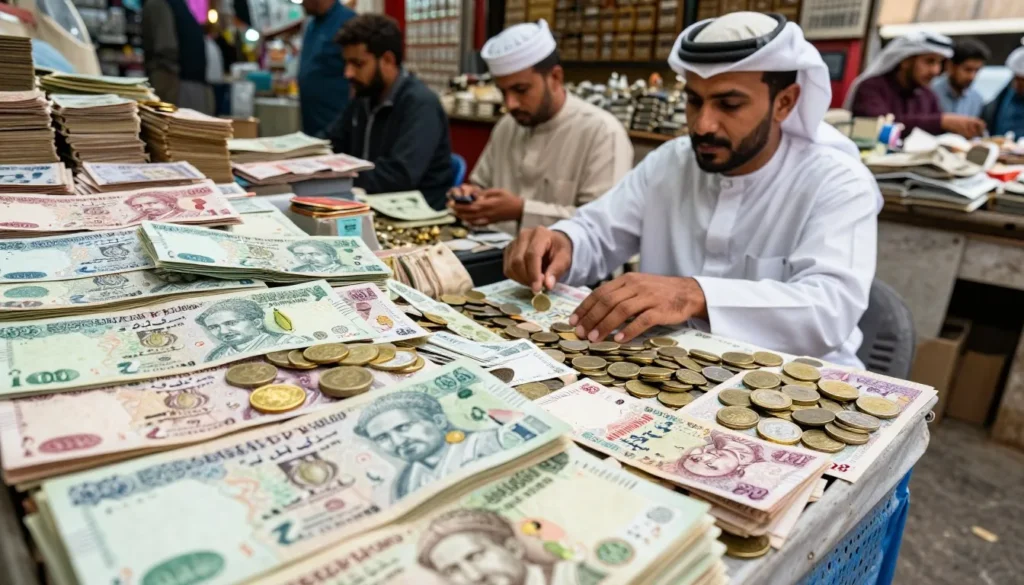
Yemen operates almost entirely on cash due to the collapse of banking infrastructure during the civil war. International credit cards do not work, ATMs rarely function, and money transfers through services like Western Union operate sporadically at best. Visitors must bring sufficient physical cash for their entire stay.
The Yemeni rial has experienced significant devaluation during the crisis, with exchange rates fluctuating dramatically. Multiple exchange rates exist simultaneously due to the division between the internationally recognized government and other controlling factions. Understanding current exchange rate realities requires up-to-date local knowledge.
Budget Travel Strategies
Eating at local restaurants and food stalls rather than hotels provides authentic experiences at lower costs while supporting local food vendors. Simple traditional meals including rice, flatbread, vegetables, and occasional meat cost significantly less than attempting to maintain international dining standards.
Accommodation in basic guesthouses within the old city typically costs less than attempting to find more modern facilities, though options remain extremely limited regardless of budget. The few operating establishments have essentially no competition, limiting opportunities for cost comparison shopping.
Practical Money Management
- Bring US dollars or euros in good condition for exchange into Yemeni rials
- Exchange money through trusted contacts rather than street changers
- Carry cash in multiple secure locations to minimize loss risk
- Negotiate rates for services and transportation before engaging
- Keep small denomination bills for daily purchases and tips
- Budget for higher costs than pre-crisis Yemen travel guides suggest
Financial Reality Check: While Yemen’s economic collapse means some local goods and services may seem inexpensive by international standards, actual travel costs often exceed expectations. Limited options, transportation challenges, security considerations, and the need for specialized assistance all increase expenses. Budget at least double what older travel resources suggest, and maintain emergency cash reserves.
Safety & Local Customs
Safety considerations dominate any discussion of travel to Yemen, where a complex civil war involving the Yemeni government, Houthi forces, Southern separatists, various tribal militias, and external actors has created an extremely dangerous security environment affecting all regions including Zabid.
Critical Security Warning: The US Department of State maintains a Level 4 Travel Advisory for Yemen – Do Not Travel. Similar advisories from governments worldwide cite terrorism, civil unrest, armed conflict, kidnapping, landmines, and inadequate healthcare. The security situation remains highly volatile with no areas considered safe for tourists.
Current Security Situation
Yemen’s civil war began intensifying in 2014-2015 and continues affecting the entire country. Zabid and the surrounding Tihama coastal plain have seen shifting control between various factions. Active combat, checkpoints, armed groups, and general lawlessness create constant dangers.
✓ Check 30,000+ Local Sightseeing Tours Worldwide
The humanitarian crisis resulting from years of war has created food insecurity, disease outbreaks, and economic collapse. Infrastructure including electricity, water systems, telecommunications, and roads has deteriorated significantly. Government services barely function across most of Yemen.
Specific Threats
- Armed conflict and crossfire between opposing factions
- Kidnapping targeting foreign nationals for ransom or political purposes
- Terrorism from groups including Al-Qaeda in the Arabian Peninsula (AQAP) and ISIS
- Landmines and unexploded ordnance in formerly contested areas
- Checkpoint violence and arbitrary detention by various armed groups
- Limited or no ability for governments to assist citizens in Yemen
Cultural Customs and Etiquette
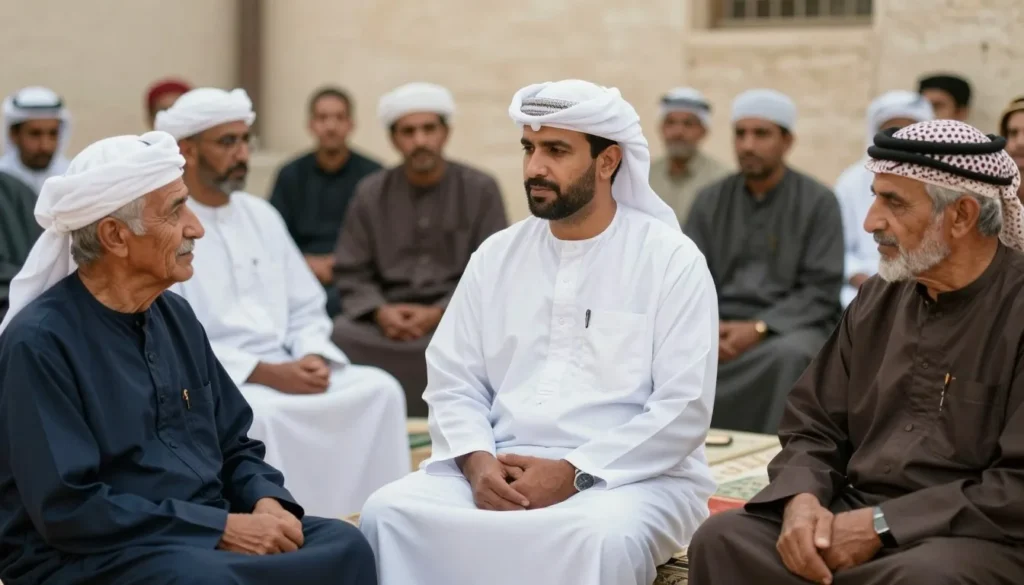
Zabid and Yemen generally remain deeply conservative societies where Islamic law and traditions guide daily life. Visitors must show profound respect for local customs, particularly regarding dress, gender interactions, and religious practices.
Women should wear modest clothing covering arms, legs, and hair at all times in public. Many foreign women wear full abaya (black robe) and headscarf to minimize attention. Men should wear long trousers and shirts with sleeves. Revealing clothing is completely unacceptable and may provoke hostile reactions.
Social Interactions
Gender segregation remains normal in Zabid’s conservative society. Men and women typically do not interact socially unless they are related. Foreign visitors should respect these boundaries, with particular awareness that physical contact between unrelated men and women is inappropriate, including handshakes.
Photography requires sensitivity and permission. Always ask before photographing people, particularly women. Many individuals will refuse, and this decision must be respected completely. Photographing government buildings, military facilities, checkpoints, or security personnel is prohibited and potentially dangerous.
Health and Medical Safety
Yemen’s healthcare system has collapsed during the civil war. Hospitals lack basic supplies, medications, and functioning equipment. Cholera, dengue fever, malaria, and other diseases periodically outbreak due to destroyed sanitation infrastructure and contaminated water supplies throughout the country.
Medical Evacuation: If serious illness or injury occurs in Yemen, medical evacuation to neighboring countries with adequate healthcare represents the only viable option. However, such evacuations are extremely difficult to arrange due to the security situation, limited flights, and the need for special permissions. Travel insurance that covers medical evacuation from war zones is essential but expensive and difficult to obtain.
Visitor Comments About Zabid
“Zabid represents one of the most authentic historical experiences I’ve encountered, though the challenges of visiting Yemen cannot be overstated. The Islamic architecture and scholarly heritage feel frozen in time, but the security situation and humanitarian crisis weigh heavily. This is not typical tourism, but rather bearing witness to both remarkable cultural heritage and the tragic toll of war on communities and their treasures. The warmth of the few people I met contrasted sharply with the difficult circumstances everyone endures.”
— C.C., St. Louis
“My time in Zabid revealed layers of Islamic history that few places can match. Walking through streets where scholars studied centuries ago creates profound connections to the past. However, I must emphasize the extreme difficulty and danger of reaching Zabid currently. The deterioration of buildings, lack of basic services, and omnipresent security concerns transform what should be straightforward cultural tourism into something approaching humanitarian observation. Only those with compelling reasons and extensive Middle East experience should consider traveling to Yemen now.”
— D.K., Lynchburg
“Zabid’s architectural heritage deserves its UNESCO recognition, though the World Heritage in Danger listing barely captures how precarious the situation has become. The old city maintains remarkable authenticity precisely because development ceased, but this results from economic collapse rather than preservation planning. Traditional life continues in the shadows of the civil war, and residents maintain dignity despite extraordinary hardships. Visiting requires extensive planning, local contacts, security awareness, and acceptance that you’re not a typical tourist but rather a witness to both cultural richness and human suffering.”
— T.T., Oxnard
Additional Nearby Destinations
Understanding Zabid’s regional context helps appreciate its historical significance within Yemen and the broader Arabian Peninsula. However, the current security crisis makes visiting any locations in Yemen equally dangerous, and this section serves primarily educational rather than practical travel planning purposes.
Hodeidah
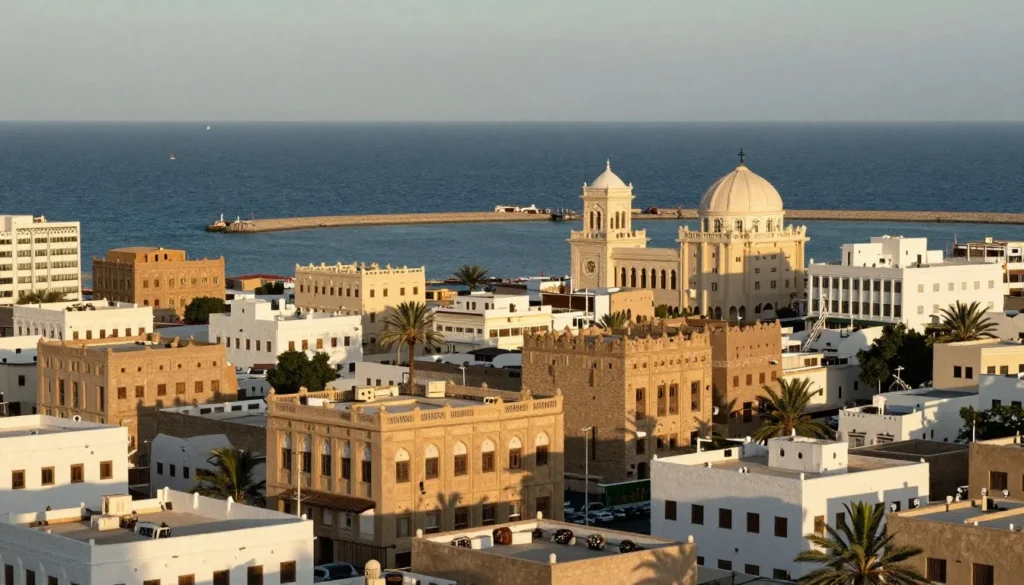
Hodeidah, approximately 90 km (56 miles) northwest of Zabid, serves as Yemen’s principal Red Sea port city. This strategic port on the Arabian Sea has been heavily affected by the civil war, experiencing sieges, combat, and humanitarian crisis. Historically, Hodeidah connected Yemen to trade routes across the Red Sea to Africa and through the Arabian Peninsula.
The city features traditional architecture including historic buildings from Yemen’s Ottoman period and later developments. However, war damage and the ongoing conflict have devastated infrastructure and cultural sites. Hodeidah’s strategic importance as the main port through which humanitarian aid enters Yemen has made it a focal point of military activity.
Mocha
Mocha (Al-Mukha), located south along the Red Sea coast, gave its name to the coffee trade that made Yemen famous worldwide for centuries. This historic port city once exported Yemeni coffee to Europe, where “mocha” became synonymous with coffee itself. The town represents Yemen’s pivotal role in introducing coffee to the global economy.
Like much of Yemen, Mocha has suffered from the war, though its historic significance as the origin point of international coffee trade remains part of global cultural heritage. The journey from Zabid to Mocha passes through the Tihama plain, showcasing Yemen’s coastal geography.
Taiz
Taiz, Yemen’s third-largest city, lies approximately 120 km (75 miles) southeast of Zabid in the highland region. This cultural capital features important Islamic architecture, museums, and traditional markets. However, Taiz has experienced some of the worst fighting in Yemen’s civil war, with prolonged sieges causing immense suffering and destruction.
The city’s location at the base of Jebel Sabir mountain gives it strategic importance and historically made it a prosperous center linking Yemen’s coast with interior highlands. Cultural institutions and historic sites have been damaged during years of urban warfare.
Sana’a
Yemen’s capital, Sana’a, located approximately 226 km (140 miles) northeast in the highland region, ranks among the world’s oldest continuously inhabited cities. Its Old City holds UNESCO World Heritage status for distinctive tower houses decorated with geometric patterns. However, Sana’a has been heavily affected by the civil war, with control contested and airstrikes damaging historic buildings.
Regional Travel Warning: All of Yemen remains equally dangerous for travelers. The security situation across different governorates fluctuates, with no area offering safe conditions for tourism. Movement between cities requires navigating multiple checkpoints controlled by various armed factions, dramatically increasing risks. These destinations are mentioned for educational context about Yemen’s geography and cultural heritage, not as practical travel recommendations under current circumstances.
Practical Travel Tips
Documentation and Legal Requirements
Visiting Yemen requires a visa obtained before travel, as visa-on-arrival services do not operate given the current crisis. The process requires contacting Yemeni embassies or consulates, though many have reduced operations. The internationally recognized government controls official diplomatic channels, though their authority within Yemen itself is contested.
Multiple factions control different regions of Yemen, each potentially imposing their own requirements for travel through areas under their authority. Documentation that satisfies one group may not be recognized by others, creating complex legal situations for foreign visitors moving through the country.

Communication Challenges
Telecommunications infrastructure in Yemen has deteriorated significantly. Internet connectivity is sporadic, slow, and unreliable throughout the country. International phone services function intermittently. Many mobile networks have been disrupted by infrastructure damage, fuel shortages affecting cell towers, and deliberate service interruptions.
Maintaining contact with family, embassies, or contacts outside Yemen presents constant challenges. Satellite phones offer more reliable communication but require special permits and raise security concerns as armed groups may view such equipment suspiciously.
Travel Insurance Realities
Standard travel insurance explicitly excludes Yemen due to government travel warnings and the active conflict. Specialized high-risk insurance exists but costs significantly more than typical policies while providing limited coverage. Medical evacuation insurance becomes critical but extremely expensive, and providers may still refuse coverage for war zones.
Some policies offer coverage only if travelers are in Yemen for specific professional purposes (journalists, aid workers, researchers) rather than tourism. Reading policy details carefully and understanding exact coverage limitations is essential before traveling.
Embassy and Consular Services
Most countries closed their embassies in Yemen during the civil war. The United States, United Kingdom, and many other nations have no diplomatic presence in the country and explicitly state they cannot assist citizens who travel to Yemen. This leaves visitors without normal consular support systems available in most destinations.
Some countries maintain limited contact with Yemen through embassies in neighboring nations like Saudi Arabia, but practical assistance for citizens in Yemen remains minimal to non-existent. Travelers are entirely responsible for their own security and wellbeing.
Language Considerations
Arabic is the official language of Yemen. English is not widely spoken outside of contexts involving international organizations or educated urban populations. Learning basic Arabic phrases helps with daily interactions and shows cultural respect. Local dialects differ from Modern Standard Arabic taught in most language courses.
Essential Preparations
- Register with your embassy before travel (though assistance will be extremely limited)
- Provide detailed itinerary to family or colleagues outside Yemen
- Bring sufficient cash for entire stay plus emergencies
- Pack comprehensive medical kit including antibiotics and emergency medications
- Prepare for extreme heat with appropriate clothing and sun protection
- Accept that plans will change due to security situations
- Understand extraction options are extremely limited if situations deteriorate
- Consider whether any travel purpose truly justifies the serious risks involved
Final Consideration: The vast majority of travel to Yemen currently involves humanitarian workers, journalists, diplomats, researchers, or individuals with family connections – not tourism in any conventional sense. The risks to personal safety, the inability of governments to provide assistance, the humanitarian suffering throughout the country, and the challenges of navigating active conflict zones make tourism inappropriate under current circumstances. This guide provides information for understanding Zabid’s cultural significance, but should not be interpreted as encouraging travel to Yemen during its ongoing crisis.
Location Map
Zabid’s location in western Yemen along the Tihama coastal plain between the Red Sea and highland regions
A Heritage Worth Protecting, A Journey Requiring Wisdom
Zabid stands as an irreplaceable testament to Islamic civilization’s intellectual and architectural achievements. This ancient city, where scholars once gathered from across the Muslim world to study law, theology, mathematics, and sciences, represents cultural heritage of profound importance to human history. Its designation as a UNESCO World Heritage site recognizes significance that transcends national boundaries, belonging to all humanity.
Yet Yemen’s ongoing tragedy casts long shadows over Zabid’s historic streets. The civil war has transformed this city of learning into a place where basic survival challenges daily life. Buildings that survived centuries now face deterioration without maintenance. Communities that once welcomed visitors now struggle with conflict’s consequences affecting every aspect of existence.
For those moved by Zabid’s story, supporting preservation efforts, humanitarian organizations working in Yemen, and cultural institutions documenting the country’s heritage offers meaningful ways to contribute. Perhaps in time, when peace returns to Yemen, Zabid can once again welcome visitors who wish to walk streets where centuries of knowledge were created, preserved, and shared with the world. Until that day, this remarkable city endures – a reminder of both humanity’s capacity for creating enduring beauty and our responsibility to protect such treasures through even the darkest times.