
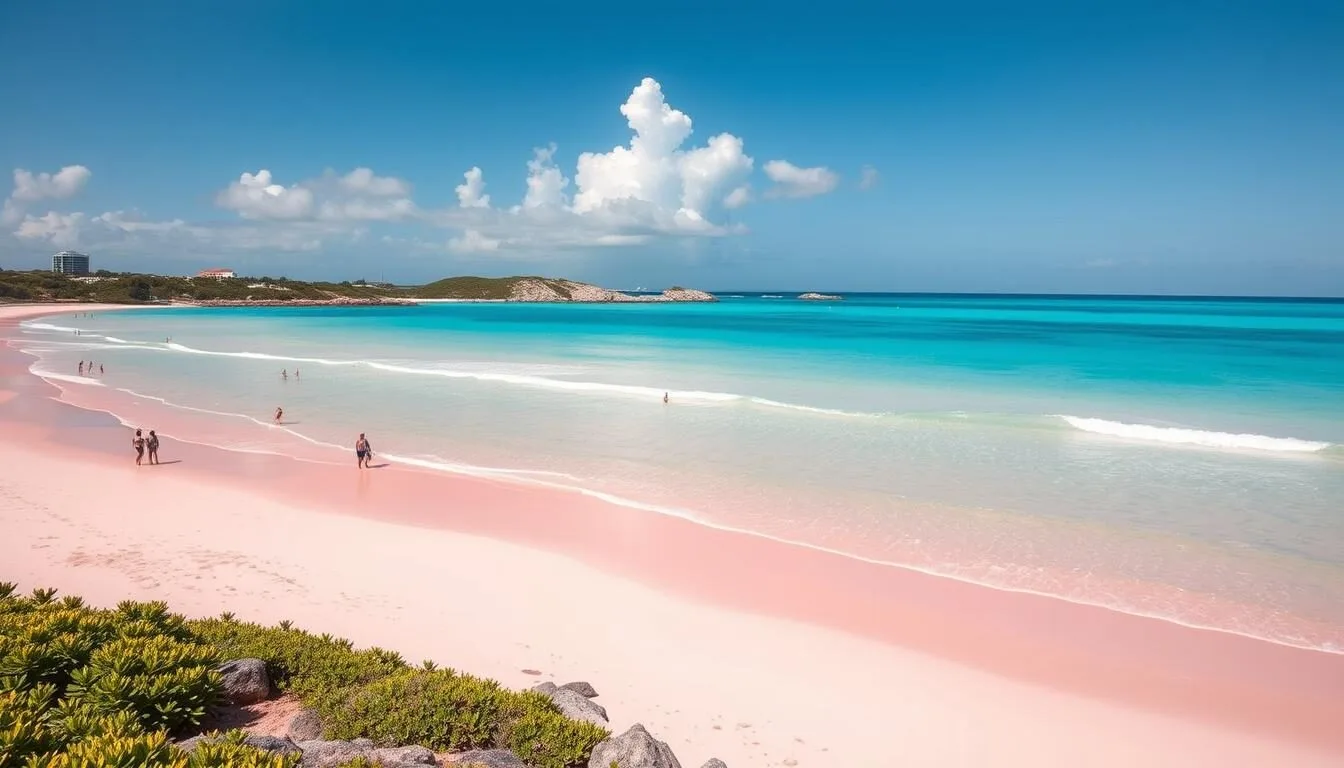
Did you know that despite being commonly associated with the Caribbean, Bermuda actually sits 1,000 km (640 miles) east of North Carolina in the Atlantic Ocean? This geographical quirk means Bermuda experiences a climate pattern quite different from tropical Caribbean islands, making timing your visit crucial for the perfect vacation experience. With its pink-sand beaches receiving over 200 hours of sunshine monthly during summer, yet facing potential hurricanes from June through November, knowing exactly when to book your Bermuda getaway can make all the difference.
Getting There & Planning Your Journey
Bermuda is accessible primarily by air and sea. The L.F. Wade International Airport (BDA) connects the island with major cities in the United States, Canada, and the United Kingdom. Direct flights from New York take just over two hours, making Bermuda an accessible destination for East Coast travelers.
For those preferring a maritime approach, Bermuda is a popular cruise destination, particularly from ports along the U.S. Eastern Seaboard. Cruise season typically runs from April through November, aligning with the island’s most pleasant weather periods.
When planning your journey, remember that Bermuda operates on Atlantic Standard Time (AST), which is one hour ahead of Eastern Standard Time (EST). The island’s currency is the Bermudian dollar (BMD), which is pegged to the U.S. dollar at a 1:1 ratio, and both currencies are accepted throughout the island.
Best Time to Visit & Weather Tips
Understanding Bermuda’s distinct seasons is crucial for planning a weather-savvy trip. Unlike Caribbean destinations that peak during winter, Bermuda’s prime tourist season runs from late spring through early fall when temperatures are warmest.
Winter (December-February)
Weather: 15-21°C (59-70°F), cooler evenings, occasional rainfall
What to Wear: Light layers, sweater or jacket for evenings, light raincoat
Things to Do: Spa treatments, golf, museums, historic sites, restaurant weeks
Pros
- Lowest hotel rates
- Fewer tourists
- Comfortable temperatures for exploring
Cons
- Too cool for swimming
- Some attractions have limited hours
- Occasional rainy days
Spring (March-May)
Weather: 17-24°C (63-75°F), warming trend, low humidity
What to Wear: Light clothing, swimwear, light jacket for evenings
Things to Do: Whale watching, golfing, hiking Railway Trail, Easter kite flying
Pros
- Humpback whale migration (March-April)
- Bermuda International Film Festival
- Moderate crowds
Cons
- Water may still be cool for swimming
- Increasing prices as high season approaches
- Variable weather patterns
Summer (June-August)
Weather: 24-30°C (75-86°F), high humidity, warm water
What to Wear: Light, breathable clothing, swimwear, sun protection
Things to Do: Beach days, snorkeling, sailing, Bermuda Day, Cup Match
Pros
- Perfect beach weather
- Warm ocean temperatures
- Vibrant island festivals
Cons
- Peak prices
- Larger crowds
- Hurricane risk begins
Fall (September-November)
Weather: 20-27°C (68-81°F), gradually cooling, lingering warmth
What to Wear: Light clothing, swimwear, light sweater for evenings
Things to Do: Swimming, water sports, Bermuda World Rugby Classic
Pros
- Fewer tourists after mid-September
- Water remains warm for swimming
- Decreasing hotel rates
Cons
- Peak hurricane season (September-October)
- Some businesses reduce hours
- Variable weather patterns
Best Time to Visit Bermuda
Recommended: April-May and September-October offer ideal combinations of good weather, reasonable prices, and fewer crowds.
Peak Season: June-August provides the warmest temperatures but comes with higher prices and more tourists.
Budget Option: December-February offers the lowest rates but cooler temperatures not suitable for beach activities.
Avoid: Late September-October has the highest hurricane risk, though direct hits are relatively rare.
Getting Around Locally
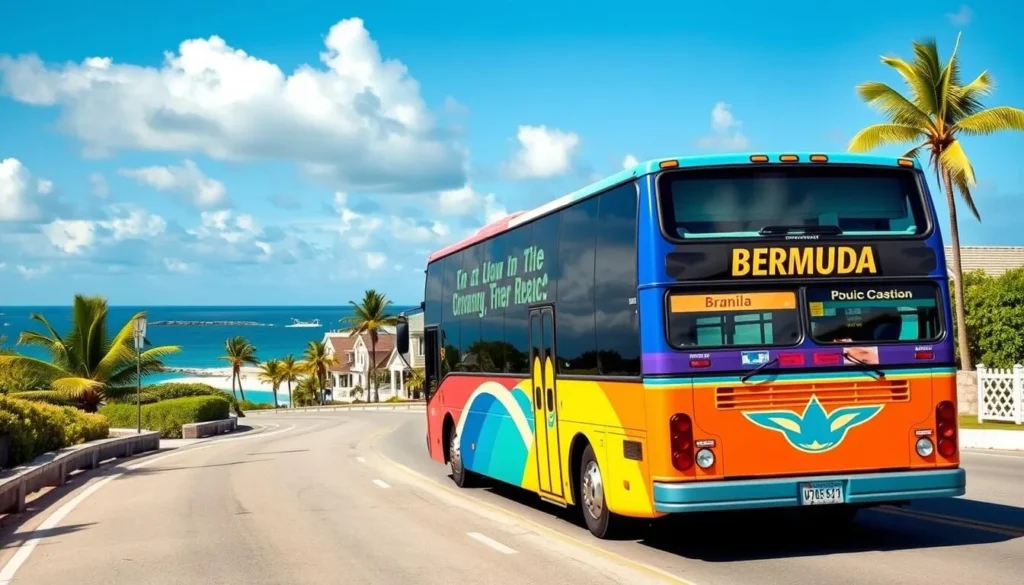
Visitors should note that rental cars are not available in Bermuda. Instead, tourists can rent scooters or electric mini-cars, use the reliable public bus and ferry system, or take taxis. The island’s compact size—just 53.3 sq km (20.6 sq miles)—makes getting around relatively easy.
Public transportation is efficient and affordable, with buses and ferries connecting major points of interest. The Transportation Pass offers unlimited use of buses and ferries, available for 1, 3, or 7 days. Ferries provide a scenic alternative to buses, especially when traveling between Hamilton and the Royal Naval Dockyard.
Where to Stay

Bermuda offers accommodations ranging from luxury resorts to charming boutique hotels and vacation rentals. The island is divided into three main areas for lodging:
Hamilton & Central Parishes
The bustling heart of Bermuda, offering proximity to shopping, dining, and nightlife. Ideal for travelers who want to be close to urban amenities while still having beach access.
Best Weather Months: May-October for warmest temperatures, December-February for budget rates.
Southampton & Western Parishes
Home to Bermuda’s famous pink-sand beaches including Horseshoe Bay. Perfect for beach lovers and those seeking resort amenities with stunning ocean views.
Best Weather Months: June-September for ideal beach conditions, April-May for fewer crowds.
St. George’s & Eastern End
Historic area with colonial charm and quieter beaches. Great for history buffs and those seeking a more authentic, laid-back experience.
Best Weather Months: April-June and September-October for pleasant temperatures and fewer tourists.
Dining & Local Cuisine
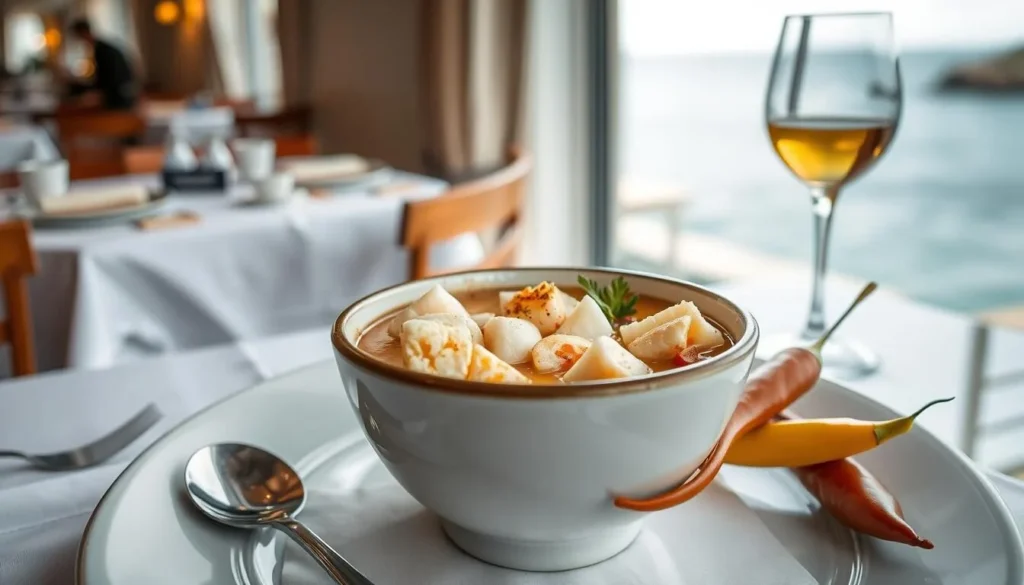
Bermudian cuisine reflects the island’s diverse cultural influences, blending British, Portuguese, Caribbean, and African flavors. Seafood naturally dominates local menus, with fish chowder—enhanced with black rum and sherry peppers—being the national dish.
For budget-conscious travelers, visit during Bermuda Restaurant Weeks in January and February, when restaurants offer prix-fixe menus highlighting local specialties at reduced prices. Summer brings fresh local produce and the best selection of seafood, though at premium prices.
Weather-Based Dining Tips
- Summer (June-August): Enjoy alfresco dining with ocean views; reservations essential during peak season
- Spring/Fall (April-May, September-October): Perfect outdoor dining weather with fewer crowds
- Winter (December-February): Take advantage of Restaurant Weeks; some beachfront venues may have limited hours
Don’t miss trying a Dark ‘n Stormy (dark rum and ginger beer) or a Rum Swizzle, especially refreshing during the humid summer months. For the freshest seafood experience, time your visit between May and August when local fishermen bring in their best catches.
Attractions, Sightseeing & Activities

Bermuda’s attractions vary by season, with weather playing a significant role in activity planning. Here’s how to maximize your experience based on when you visit:
Water-Based Activities (Best: June-September)
- Snorkeling and diving among coral reefs and shipwrecks (visibility peaks in summer)
- Swimming at famous pink-sand beaches like Horseshoe Bay and Elbow Beach
- Sailing and boat tours (most operators run full schedules during summer months)
- Jet skiing and parasailing (available primarily during high season)
Land-Based Activities (Year-Round)
- Exploring Crystal & Fantasy Caves (perfect during occasional rainy days)
- Visiting historic St. George’s, a UNESCO World Heritage site
- Touring the Royal Naval Dockyard and National Museum
- Hiking the Railway Trail (most comfortable in spring and fall)
Seasonal Highlights
- March-April: Humpback whale watching as they migrate north
- Good Friday (varies): Traditional kite flying at Horseshoe Bay Beach
- Late May: Bermuda Day celebrations marking the unofficial start of summer
- Late July/Early August: Cup Match, Bermuda’s biggest cultural celebration
Museums, Cultural Spots & Festivals
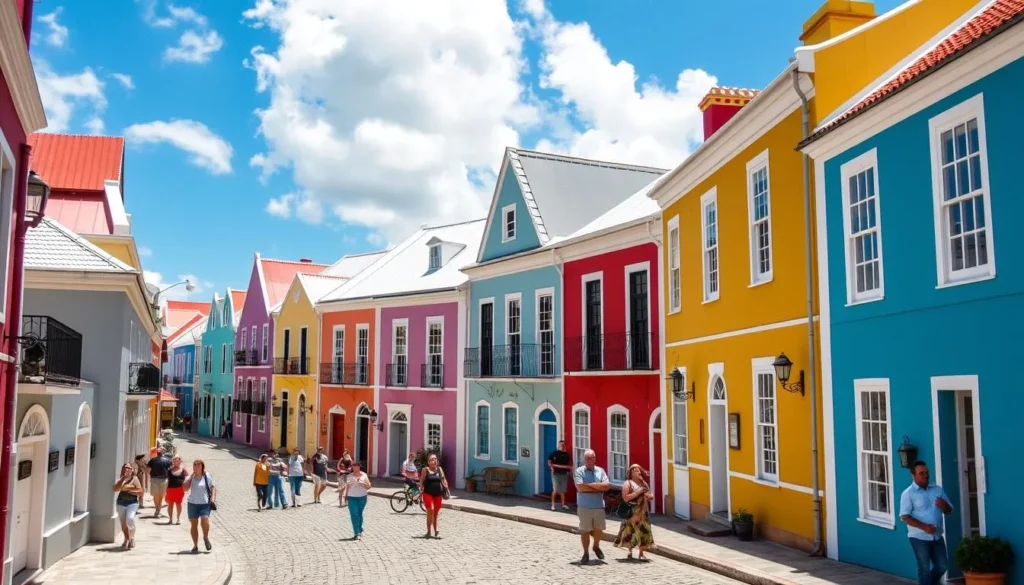
Bermuda’s rich cultural heritage is accessible year-round, making museums and historic sites perfect for days when beach weather isn’t ideal. The island’s British colonial history, maritime traditions, and African heritage create a fascinating cultural landscape.
Weather-Friendly Cultural Experiences
- Bermuda National Gallery in Hamilton (perfect for occasional rainy days)
- National Museum of Bermuda at the Royal Naval Dockyard (partially indoor/outdoor)
- St. Peter’s Church in St. George’s (oldest Anglican church in the Western Hemisphere)
- Bermuda Underwater Exploration Institute (ideal indoor activity during extreme heat or rain)
Seasonal Festivals & Events
- March: Bermuda International Film Festival (indoor venues make this weather-proof)
- April: Peppercorn Ceremony in St. George’s (historic tradition, weather dependent)
- June: Bermuda Heroes Weekend and Carnival (summer celebration)
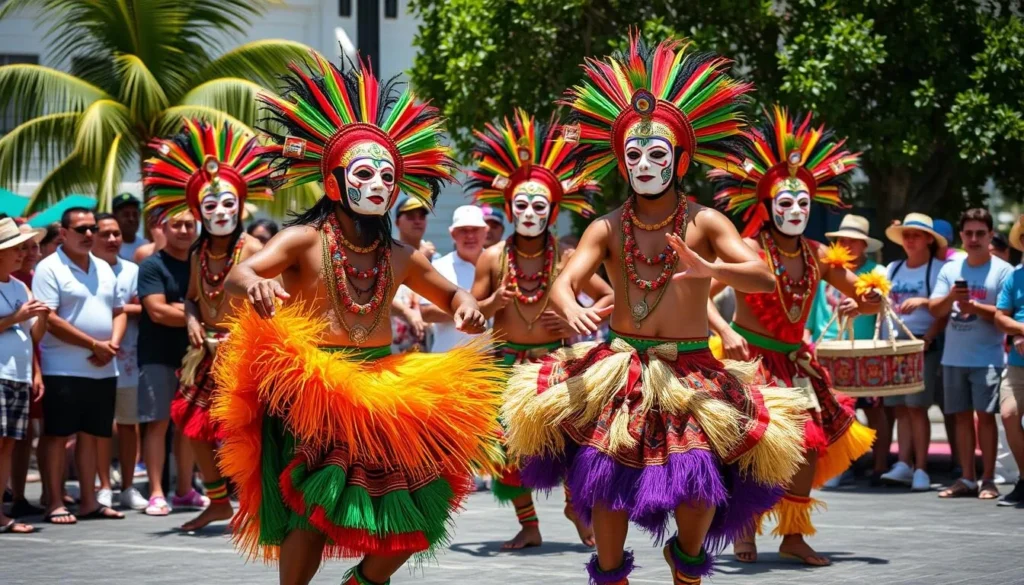
- October: Bermuda Gombey Festival (celebrating traditional dance)
- November: World Rugby Classic (sporting event in cooler temperatures)
For history enthusiasts, the cooler months (November-April) offer comfortable conditions for exploring historic forts like Fort St. Catherine and Fort Scaur, while the Bermuda National Trust Museum provides insight into the island’s role in the American Civil War.
Sports, Nature & Outdoor Experiences

Bermuda’s natural beauty and outdoor activities are heavily influenced by seasonal weather patterns. Timing your visit right can significantly enhance your outdoor experience.
Golf (Best: March-May, October-November)
Bermuda boasts world-class golf courses with stunning ocean views. The shoulder seasons offer ideal golfing weather—warm but not too humid, with fewer rain showers. Port Royal Golf Course and Mid Ocean Club are particularly spectacular in spring when flowers are blooming.
Nature Reserves & Gardens (Best: April-June)
- Spittal Pond Nature Reserve (best for birdwatching in winter and spring)
- Bermuda Botanical Gardens (most colorful during spring)
- Cooper’s Island Nature Reserve (excellent year-round but avoid hurricane season)
- Blue Hole Park (most refreshing during summer heat)
Water Sports by Season
| Activity | Best Season | Water Temp | Notes |
| Swimming | June-October | 24-28°C (75-82°F) | Most comfortable water temperatures |
| Snorkeling | July-September | 26-28°C (79-82°F) | Best visibility during calm summer seas |
| Scuba Diving | June-October | 24-28°C (75-82°F) | Shipwreck visibility peaks in summer |
| Sailing | April-June | 20-24°C (68-75°F) | Reliable winds, fewer storms |
| Whale Watching | March-April | 18-20°C (64-68°F) | Humpback migration period |
Safety, Etiquette & Local Customs
Bermuda is generally very safe for tourists, with low crime rates compared to many other destinations. However, weather-related safety concerns should be considered when planning your trip.
Weather Safety Tips
- Hurricane Season (June-November): Monitor weather forecasts during this period, especially August-October
- Sun Protection: Bermuda’s UV index is high year-round; use SPF 30+ even on cloudy days
- Rip Currents: Check with lifeguards about ocean conditions, especially after storms
- Hydration: Summer humidity can cause rapid dehydration; drink plenty of water
Cultural Etiquette
Bermuda maintains a more formal atmosphere than many tropical destinations, reflecting its British heritage. Business casual attire is appropriate for most restaurants, and beachwear should be confined to beaches and pools. During summer months, the Bermuda shorts with knee-high socks and a blazer represent traditional formal attire for men, though visitors aren’t expected to adopt this style.
Local Customs to Observe
- Greetings: Bermudians are polite and formal; a simple “Good morning/afternoon” is appreciated
- Tipping: 15-20% is standard for restaurants and taxis
- Photography: Ask permission before photographing individuals, especially Gombey dancers
- Driving: Left-side driving is the norm; tourists cannot rent cars but can rent scooters
Practical Travel Tips

What to Pack Based on Season
Summer (June-August)
- Lightweight, breathable clothing
- Multiple swimsuits
- Reef-safe sunscreen
- Wide-brimmed hat
- Light rain jacket
Spring/Fall (Mar-May, Sep-Nov)
- Light layers
- Swimwear
- Light sweater for evenings
- Waterproof phone case
- Comfortable walking shoes
Winter (December-February)
- Light jacket or sweater
- Long pants
- Closed-toe shoes
- Umbrella
- Swimwear for heated pools
Money-Saving Tips by Season
- Winter (December-February): Lowest hotel rates, Restaurant Weeks for dining deals
- Shoulder Seasons (April-May, October-November): Reduced accommodation rates with good weather
- Transportation: Purchase multi-day transportation passes for bus and ferry access
- Dining: Many restaurants offer early bird specials; lunch menus are typically cheaper than dinner
Communication & Connectivity
Bermuda has excellent cell coverage and widely available Wi-Fi. Your phone will likely work, but check with your provider about roaming charges. Many hotels, restaurants, and public spaces offer free Wi-Fi. The Bermuda Weather Service provides accurate local forecasts that are more reliable than general weather apps for planning daily activities.
Final Thoughts: Your Perfect Bermuda Timing

The best time to visit Bermuda ultimately depends on your priorities. For perfect beach weather with warm water, aim for June through August despite higher prices and humidity. For the ideal balance of pleasant temperatures and value, the shoulder seasons of April-May and September-October offer the sweet spot many travelers seek. Winter visitors will find the best deals but should plan for activities beyond swimming.
Regardless of when you choose to visit, Bermuda’s pink beaches, crystal caves, and warm hospitality await. By planning your trip with Bermuda’s unique weather patterns in mind, you’ll maximize your island experience and create memories that last far longer than your suntan. Ready to experience this Atlantic paradise? The perfect Bermuda adventure is just a booking away.
Related Posts

Coming Soon: Clickable Maps