
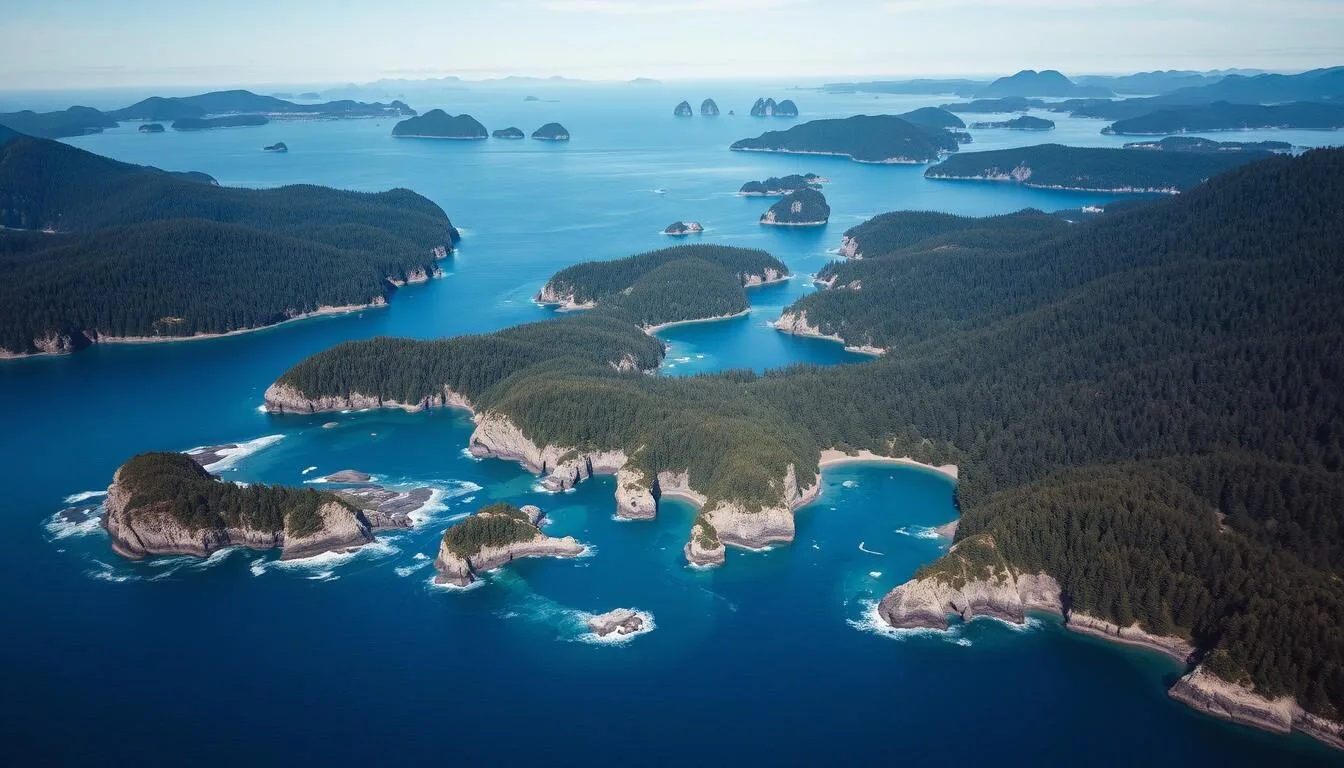
Did you know that Haida Gwaii is home to some of the oldest living cedar trees on the planet, with some giants dating back over 1,000 years? These ancient sentinels have witnessed the rich cultural history of the Haida people, who have inhabited these islands for more than 13,000 years. Known as the “Galapagos of the North,” this remote archipelago off British Columbia’s coast offers a unique blend of pristine wilderness, living Indigenous culture, and transformative experiences that few destinations can match.
Getting There & Planning Your Journey
Reaching Haida Gwaii requires some planning, but the journey is part of the adventure. You have two main options for getting to this remote paradise:
By Air
The quickest way to reach Haida Gwaii is by air. Air Canada offers daily flights year-round from Vancouver International Airport to Sandspit on Moresby Island. Pacific Coastal Airlines provides service between Vancouver and Masset on Graham Island. Flight time is approximately 2 hours from Vancouver.
When planning your flights, consider booking well in advance, especially during the peak summer season when seats fill quickly.
By Ferry
For a more scenic approach, BC Ferries operates year-round service between Prince Rupert and Skidegate on Graham Island. The crossing takes about 7-8 hours through the beautiful Hecate Strait. To reach Prince Rupert, you can drive from elsewhere in British Columbia or take another ferry from Port Hardy on Vancouver Island.
The ferry schedule varies seasonally, with more frequent service in summer. Reservations are strongly recommended, especially if you’re bringing a vehicle.
Entry Requirements
Before visiting Gwaii Haanas National Park Reserve and Haida Heritage Site, you must obtain a permit and attend an orientation session. The number of visitors is limited to protect this sensitive ecosystem, so book your permit well in advance through Parks Canada.
Additionally, all visitors are encouraged to take the Haida Gwaii Pledge, which promotes respectful and sustainable tourism practices on the islands.
Best Time to Visit & Weather Tips
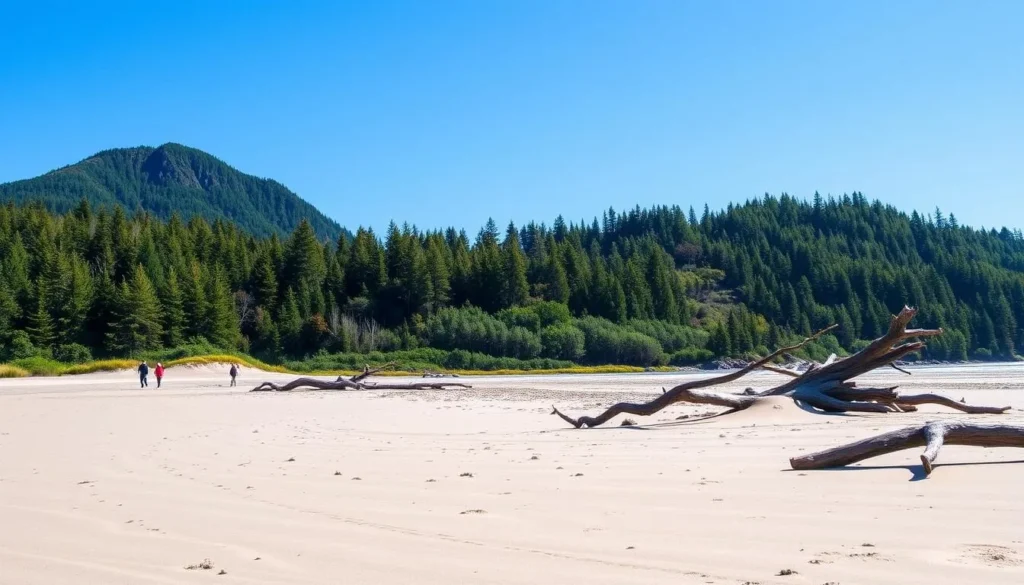
Haida Gwaii experiences a temperate coastal climate with distinct seasons, each offering a different experience:
Summer (June-August)
The peak tourist season brings the warmest and driest weather, with temperatures typically ranging from 15-20°C (59-68°F). Days are long, with up to 16 hours of daylight, perfect for outdoor activities. This is the ideal time for wildlife viewing, hiking, and water activities. However, accommodations and tours book up quickly, so plan well ahead.
Spring & Fall (April-May & September-October)
These shoulder seasons offer fewer crowds and more moderate prices. Spring brings wildflowers and migrating birds, while fall showcases beautiful foliage. Weather can be variable with more frequent rain, but temperatures remain mild. Many locals consider September one of the best months to visit.
Winter (November-March)
The off-season brings stormy weather, with powerful winds and frequent rain. Temperatures rarely drop below freezing, typically ranging from 5-10°C (41-50°F). While many tourism operations close, winter offers a unique opportunity to experience the raw power of nature and connect with local communities. Storm watching becomes a popular activity.
Weather Preparedness
Regardless of when you visit, come prepared for changing conditions. Pack waterproof clothing, layers for warmth, and sturdy footwear. The islands are known for their misty, mystical atmosphere, which is part of their charm. Even in summer, a rain jacket is essential.
Local Tip: Haida Gwaii operates on “island time” – schedules are more relaxed, and weather can affect transportation. Build flexibility into your itinerary and embrace the slower pace as part of the experience.
Getting Around Locally

Navigating Haida Gwaii requires some planning, as public transportation is limited. Here are your options for exploring the islands:
Rental Cars
Renting a vehicle provides the most flexibility for exploring Graham and northern Moresby Islands. Several local companies offer rentals, though fleets are limited, especially in summer. Book well in advance, and be prepared for higher rates than mainland rentals. A standard car is sufficient for most paved roads, but some attractions require 4WD vehicles.
Bicycles & E-Bikes
For the environmentally conscious traveler, cycling is an excellent option for exploring the villages and nearby attractions. Several shops in Masset and Queen Charlotte (now officially renamed Daajing Giids) offer bicycle and e-bike rentals. The main road on Graham Island is relatively flat, making for pleasant cycling.
Water Taxis & Tour Boats
To access Gwaii Haanas National Park Reserve or remote beaches, you’ll need to arrange water transportation. Licensed tour operators provide guided excursions, or you can charter a water taxi for more independent exploration.
Local Shuttles & Taxis
Limited shuttle services operate between communities, particularly connecting ferry terminals with villages. Eagle Transit, a Haida-owned bus charter service, offers customizable group transportation. Advance booking is essential.
Inter-Island Ferry
A small ferry connects Skidegate on Graham Island with Alliford Bay on Moresby Island. The crossing takes just 20 minutes and runs several times daily. This service is essential if you’re flying into Sandspit and need to reach Graham Island.
Navigation Tip: Cell service is limited outside of main communities. Download offline maps before your trip, and consider bringing a paper map as backup.
Where to Stay
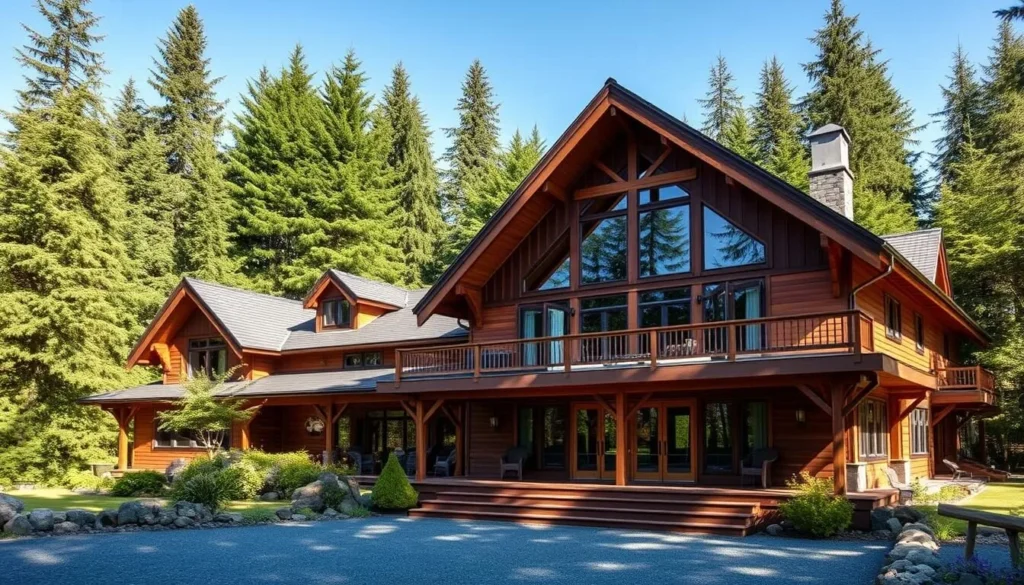
Accommodations on Haida Gwaii range from Indigenous-owned lodges to cozy B&Bs and campgrounds. Booking well in advance is essential, especially during the peak summer season.
Indigenous-Owned Lodges
For an authentic cultural experience, consider staying at one of the Indigenous-owned accommodations:
- Haida House at Tll.aal – Located along the Tlell River, this lodge offers comfortable rooms, cultural tours, and excellent dining featuring local ingredients. Their cabins provide privacy while their main lodge offers a social atmosphere.
- Ocean House at Tlaga Gawtlaas – A luxury eco-lodge accessible only by helicopter, offering all-inclusive packages with guided cultural experiences and gourmet cuisine.
- Hiellen Longhouse Village – Traditional-style longhouses near Tow Hill, offering a unique cultural immersion in comfortable accommodations.
Hotels & B&Bs
Several communities offer smaller accommodations:
- Daajing Giids (formerly Queen Charlotte) – The largest community offers several hotels and B&Bs, including the Skidegate Inlet Retreat and Sea Raven Motel.
- Masset & Old Massett – Northern Graham Island accommodations include JAGS Guesthouse and April’s White Raven House B&B.
- Tlell – This small community between Skidegate and Masset offers charming country accommodations.
Camping & Outdoor Options
For nature enthusiasts:
- Naikoon Provincial Park – Offers both developed campgrounds and backcountry camping at Agate Beach and Misty Meadows.
- Moresby Camp – A base camp for those exploring Gwaii Haanas by kayak.
- Private Campgrounds – Several options exist near communities, offering more amenities than provincial sites.
Booking Tip: Many accommodations require a minimum stay during peak season. Some smaller operations may not appear on major booking sites – check the Haida Gwaii Tourism website for a comprehensive listing.
Dining & Local Cuisine

Haida Gwaii’s cuisine reflects its abundant natural resources and Indigenous heritage. Fresh seafood, foraged ingredients, and local game feature prominently on menus across the islands.
Indigenous Culinary Experiences
For an authentic taste of Haida culture:
- Keenawaii’s Kitchen – Haida Elder Roberta Olson welcomes guests into her home for traditional multi-course meals featuring salmon, herring roe, seaweed, and other local delicacies. Reservations required well in advance.
- Kay Bistro – Located at the Haida Heritage Centre, offering contemporary dishes with traditional ingredients.
- Haida House Restaurant – Features a menu inspired by Indigenous cuisine using locally sourced ingredients.
Local Restaurants
Each community offers dining options:
- Daajing Giids – Blacktail Restaurant serves creative Pacific Northwest cuisine with vegetarian options. Other options include Gather Restaurant and Sapporo for Japanese cuisine.
- Masset – Try Moon Over Naikoon for pizza, Charters Food Truck for burgers, and The Ground Gallery for coffee and baked goods.
- Port Clements – Axe & Anchor offers pub fare with waterfront views, while Buck Snort Café serves hearty breakfasts.
Coffee Shops & Casual Eats
- JAGS Coffee House – Oceanfront café in Skidegate with all-day breakfast and excellent coffee.
- Haida Gwaii Beach Shop – Coffee and baked goods near North Beach.
- Fork in Port – Popular food truck outside Port Clements (Thursday-Sunday only).
Dining Tip: Restaurant hours can be limited and seasonal. Many places close early or operate only certain days of the week. Check current hours and make reservations whenever possible. Some popular spots like Blacktail Restaurant have lines forming before they open.
Local Specialties to Try
Don’t miss these Haida Gwaii culinary experiences:
- Fresh Seafood – Locally caught salmon, halibut, spot prawns, and Dungeness crab.
- K’aaw – Traditional herring roe on kelp, a Haida delicacy.
- Seaweed – Various edible varieties harvested from local waters.
- Wild Berries – Salal, huckleberries, and salmonberries foraged from the forest.
- Venison – Locally hunted deer features on many menus.
Attractions, Sightseeing & Activities

Haida Gwaii offers a wealth of natural and cultural attractions. Here are the must-see highlights for your visit:
Gwaii Haanas National Park Reserve
This remarkable protected area in southern Haida Gwaii combines natural wonders with living cultural heritage. Access is by boat or floatplane only, and permits are required. Key sites include:
- SGang Gwaay (Ninstints) – A UNESCO World Heritage Site featuring ancient totem poles and village remains.
- Hotspring Island (Gandll K’in Gwaayaay) – Natural hot springs in a stunning coastal setting.
- Windy Bay (Hlk’yah GawGa) – Site of the Legacy Pole, the first monumental pole raised in Gwaii Haanas in over 130 years.
Most visitors experience Gwaii Haanas through guided tours with licensed operators. Multi-day excursions allow for a deeper experience of this remote wilderness.
Naikoon Provincial Park
Covering the northeastern tip of Graham Island, this accessible park offers:
- Tow Hill (Taaw Tldáaw) – A dramatic volcanic formation with a boardwalk trail leading to spectacular viewpoints.
- North Beach – Miles of pristine sandy beach perfect for beachcombing and sunset walks.
- Pesuta Shipwreck Trail – A 10km round-trip hike to a 1928 shipwreck.
- Agate Beach – Known for its beautiful stones (though visitors are asked not to collect them).
Cultural Sites
- Haida Heritage Centre at Kay Llnagaay – An award-winning cultural center with museum exhibits, totem poles, and cultural demonstrations.
- Old Massett (Gaw Tlagée) – A traditional Haida village with monumental poles, artists’ studios, and galleries.
- Golden Spruce Trail – A short walk to the site of the legendary Kiidk’yaas, a unique golden-needled spruce tree central to Haida stories.
Museums, Cultural Spots & Festivals
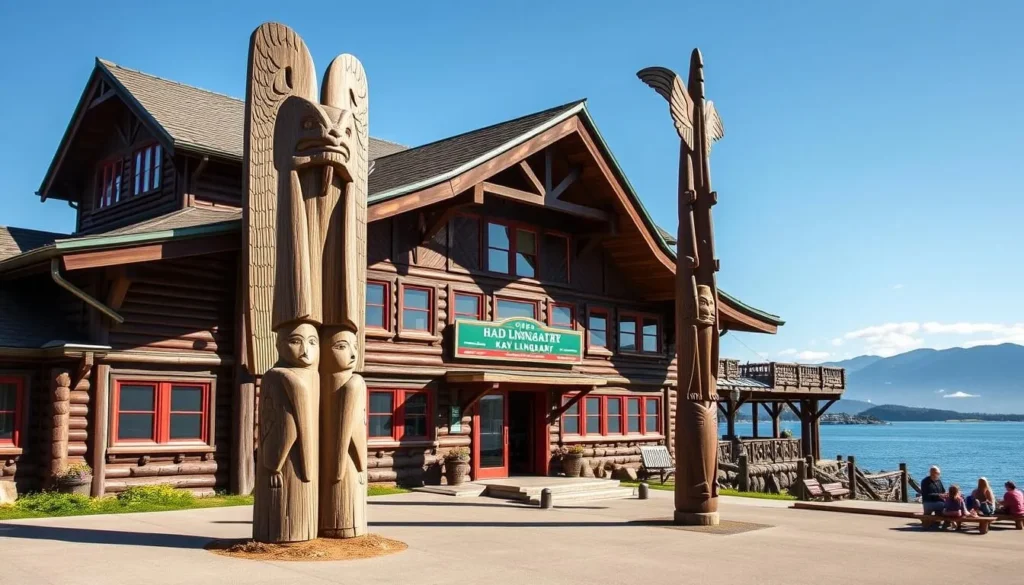
Immersing yourself in Haida culture is essential to understanding these islands. Here are the key cultural experiences to include in your itinerary:
Museums & Cultural Centers
- Haida Gwaii Museum – Located within the Haida Heritage Centre, this museum houses an impressive collection of Haida art and artifacts, telling the story of the islands from a Haida perspective.
- Dixon Entrance Maritime Museum – In Masset, showcasing the maritime history of northern Haida Gwaii.
- Port Clements Museum – Exhibits on logging history and settler life.
Art Galleries & Studios
Haida Gwaii is renowned for its vibrant arts scene, particularly traditional and contemporary Haida art:
- Sarah’s Haida Arts & Jewellery – In Old Massett, featuring work from local Haida artists.
- Gin Kuyaas Haida Art Studio – Traditional-style longhouse gallery showcasing authentic Haida art.
- Crystal Cabin Gallery – Specializing in local argillite carvings and jewelry.
- April White’s Raven House – Home gallery of renowned Haida artist April White.
Cultural Experiences
- Haida Cultural Demonstrations – Watch master carvers, weavers, and artists at work at the Haida Heritage Centre.
- Tluu Xaada Naay Society – Offers cultural tours and demonstrations of traditional practices.
- Haida Style Expeditions – Indigenous-owned tour company providing cultural interpretation during Gwaii Haanas visits.
Annual Events & Festivals
If your visit coincides with these events, they offer unique cultural insights:
- All-Island Music Festival – Typically held in July, featuring local musicians.
- Edge of the World Music Festival – August event showcasing diverse musical talents.
- Tlell Fall Fair – Agricultural exhibition celebrating local food and crafts.
- National Indigenous Peoples Day – June 21st celebrations throughout the islands.
Cultural Respect: When visiting cultural sites, remember you are a guest in Haida territory. Follow all posted guidelines, ask permission before taking photographs of people or private property, and approach cultural experiences with an open mind and respectful attitude.
Sports, Nature & Outdoor Experiences
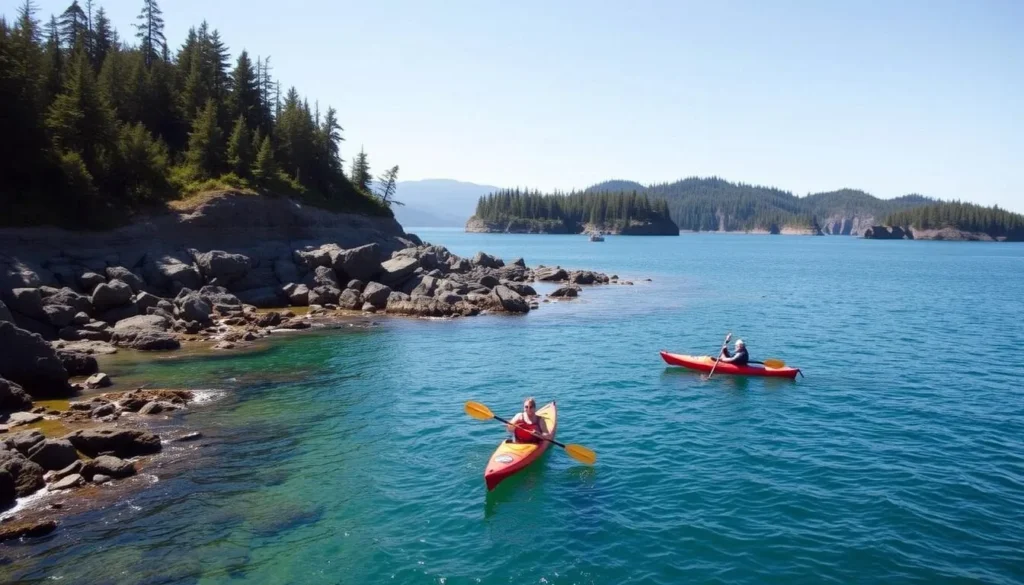
Haida Gwaii’s pristine natural environment offers countless opportunities for outdoor adventure and wildlife encounters:
Hiking & Walking
From easy boardwalk strolls to challenging wilderness treks:
- Spirit Lake Trail – An easy 5km network of trails through mystical forest with cultural significance.
- Pesuta Shipwreck Trail – A moderate 10km round-trip coastal hike.
- Sleeping Beauty Trail – A challenging climb near Daajing Giids with panoramic views.
- Golden Spruce Trail – An easy 20-minute walk to a site of cultural importance.
- Anvil Trail – A moderate 5-6km trail showcasing forest regeneration stages.
Water Activities
- Kayaking – Paddle the protected waters around Graham Island or join a multi-day expedition in Gwaii Haanas.
- Fishing – World-class salmon and halibut fishing in the productive waters surrounding the islands.
- Surfing – North Beach offers consistent waves for experienced surfers (wetsuit required).
- Stand-Up Paddleboarding – Explore calm inlets or freshwater lakes like Mayer Lake.
Wildlife Viewing
Haida Gwaii hosts unique subspecies and abundant marine life:
- Birdwatching – Visit Delkatla Wildlife Sanctuary in Masset for shorebirds and waterfowl.
- Whale Watching – Orcas, humpbacks, and gray whales frequent the waters, especially from February to October.
- Bear Viewing – Haida Gwaii black bears (a unique subspecies) can often be spotted along shorelines.
- Tide Pool Exploration – Discover rich intertidal life at low tide on rocky beaches.
Guided Eco-Tours
For a deeper understanding of the islands’ ecology:
- Haida Style Expeditions – Indigenous-led tours combining cultural knowledge with natural history.
- Moresby Explorers – Zodiac tours of Gwaii Haanas focusing on wildlife and scenery.
- Haida House Guided Experiences – Cultural and nature tours led by knowledgeable local guides.
Safety, Etiquette & Local Customs
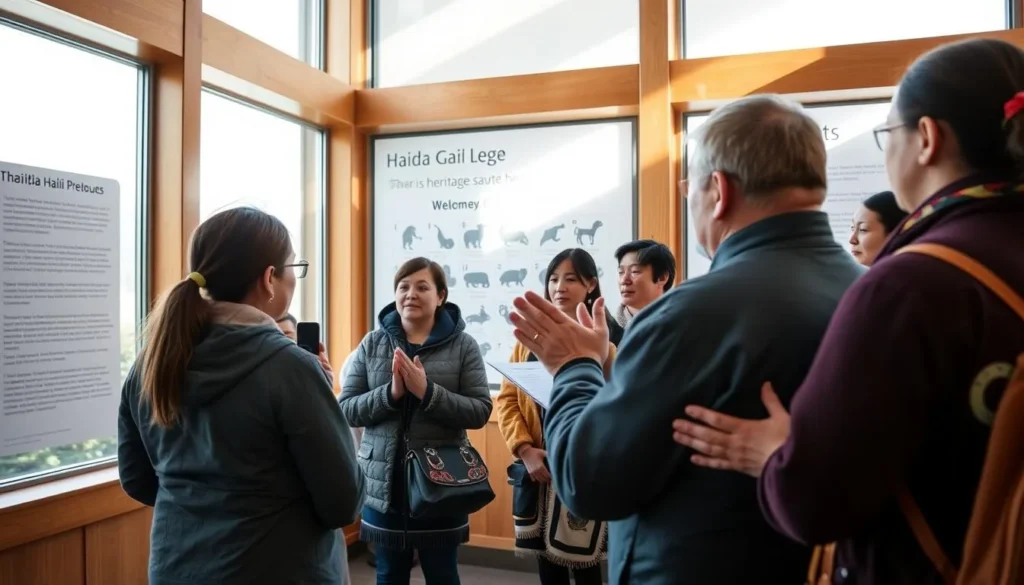
Visiting Haida Gwaii comes with responsibilities to respect both the natural environment and the living Haida culture. Understanding local protocols enhances your experience while ensuring your visit has a positive impact.
Cultural Respect
- Take the Haida Gwaii Pledge – Before arriving, familiarize yourself with the pledge’s four principles: Yahguudang (respect for all living things), Ad kyaanang (asking permission), Tll yahda (making it right), and Gina ‘waadluxan gud ad kwaagid (everything depends on everything else).
- Photography Etiquette – Always ask permission before photographing people, ceremonies, or private property. Some cultural sites may have restrictions on photography.
- Sacred Sites – Treat all locations as potentially sacred. Follow posted guidelines and stay on designated paths.
- Cultural Artifacts – Never disturb or remove cultural items you may find. Report any discoveries to local authorities.
Environmental Stewardship
- Leave No Trace – Pack out all trash and minimize your impact on fragile ecosystems.
- Collection Restrictions – Do not collect agates, shells, plants, or other natural items, even if they appear abundant. This practice goes against Haida beliefs about respecting the interconnectedness of all things.
- Wildlife Distance – Maintain a respectful distance from all wildlife, including marine mammals and bears.
- Invasive Species – Clean hiking boots and gear before arriving to prevent introducing invasive species.
Safety Considerations
- Weather Awareness – Conditions can change rapidly. Check forecasts and be prepared for rain, wind, and fog even in summer.
- Tide Tables – Many beaches and hiking trails are only safely accessible at certain tide levels. Obtain and understand tide tables.
- Communication – Cell service is limited outside communities. Consider renting a satellite phone for remote adventures.
- Bear Safety – Haida Gwaii is home to a unique subspecies of black bear. Make noise while hiking, store food properly, and carry bear spray in backcountry areas.
- Emergency Services – Medical facilities are limited. The main hospital is in Queen Charlotte/Daajing Giids, with health centers in Masset and Sandspit.
Ocean Safety: Haida Gwaii’s waters can be unpredictable with strong currents, large waves, and cold temperatures year-round. Never turn your back on the ocean, be cautious on rocky shorelines, and always wear a life jacket during water activities.
Practical Travel Tips
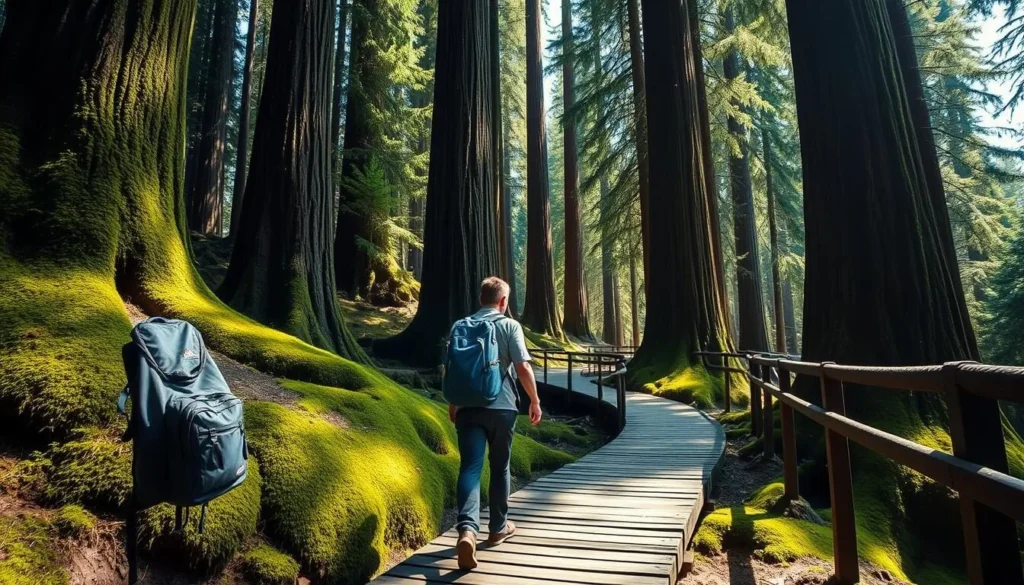
These practical tips will help you make the most of your Haida Gwaii adventure:
Packing Essentials
- Waterproof Clothing – Rain jacket and pants are essential year-round.
- Layered Clothing – Weather can change quickly; bring layers for warmth.
- Sturdy Footwear – Waterproof hiking boots for trails and comfortable shoes for villages.
- Binoculars – For wildlife viewing and birdwatching.
- Reusable Water Bottle – Tap water is safe to drink throughout the islands.
- Insect Repellent – Mosquitoes can be present in summer, especially near forests and wetlands.
- Offline Maps – Download maps before arrival as cell service is limited.
Planning & Logistics
- Advance Bookings – Reserve accommodations, car rentals, and tours months ahead, especially for summer visits.
- Cash – While major communities have ATMs, many smaller businesses accept cash only. Bring sufficient Canadian currency.
- Groceries & Supplies – Major grocery stores are in Masset and Queen Charlotte/Daajing Giids. Prices are higher than mainland, so consider bringing specialty items.
- Fuel – Gas stations are limited to main communities. Always keep your tank at least half full.
- Internet & Cell Service – WiFi is available at most accommodations, but cell coverage is spotty outside villages.
Local Etiquette
- Island Time – Embrace the relaxed pace. Schedules are more flexible here than in urban areas.
- Greetings – A friendly wave to passing vehicles on rural roads is customary.
- Community Events – Visitors are often welcome at community events. Ask locally about what’s happening during your stay.
- Shopping Local – Support Indigenous-owned businesses and local artisans when purchasing souvenirs.
Sustainable Tourism
- Minimize Waste – Bring reusable bags, containers, and utensils to reduce plastic waste.
- Water Conservation – Some communities rely on limited water supplies, especially in summer.
- Support Local – Choose locally owned accommodations, restaurants, and tour operators.
- Give Back – Consider donating 1% of your trip cost to the Haida Stewardship Fund as suggested in the Haida Gwaii Pledge.
Conclusion

Haida Gwaii offers a rare opportunity to experience a place where ancient culture and pristine wilderness exist in harmony. These islands invite you to slow down, connect deeply with nature, and gain perspective on our relationship with the natural world.
Whether you’re kayaking through misty channels, standing in awe before centuries-old totem poles, or simply walking along endless beaches, Haida Gwaii creates memories that will stay with you long after you leave. The islands’ remoteness is not just geographical but also spiritual—a chance to step away from the everyday and experience something truly extraordinary.
By traveling respectfully and mindfully, you’ll not only have a more meaningful experience but also contribute to the preservation of this remarkable place for future generations. Haida Gwaii isn’t just a destination; it’s a transformative journey that changes how you see the world.
Ready to walk among ancient cedars and uncover living history? Use the links above to start planning your Haida Gwaii adventure today!
The above is subject to change.
Check back often to TRAVEL.COM for the latest travel tips and deals.





0 Comments