

Did you know that Baja California’s Sea of Cortez is so rich in marine biodiversity that Jacques Cousteau famously dubbed it “The Aquarium of the World”? This 1,247 km (775 mile) peninsula stretching south from California offers an extraordinary blend of desert landscapes, pristine beaches, and vibrant underwater ecosystems that few destinations can match. Whether you’re seeking adventure, relaxation, or cultural immersion, Baja California delivers unforgettable experiences in a setting where two distinct Mexican states (Baja California and Baja California Sur) showcase the best of Mexico’s natural beauty.
Getting There & Planning Your Journey
Baja California is easily accessible by air, land, or sea, depending on your starting point and preferences. Most international travelers fly into one of the major airports: Tijuana International Airport in the north, or Los Cabos International Airport in the south. If you’re coming from the United States, driving across the border is a popular option, especially for those planning a road trip down the peninsula.
For a comprehensive Baja experience, consider renting a car to explore at your own pace. The main highway, Mexico 1, runs the length of the peninsula and connects major destinations, though some of the most rewarding spots require detours onto unpaved roads. A 4×4 vehicle isn’t strictly necessary for the main attractions, but it opens up more remote beaches and wilderness areas.
If you prefer to let someone else handle the driving, numerous tour operators offer guided excursions to popular destinations. For those with limited time, consider focusing on either the northern region (Ensenada, Valle de Guadalupe) or the southern region (Los Cabos, La Paz) rather than attempting to cover the entire peninsula.

Best Time to Visit Baja California
Baja California enjoys a desert climate with distinct seasonal variations that affect both weather conditions and tourist activities. Choosing the right time to visit depends on your interests and tolerance for heat.
| Season | Months | Weather | Activities | Crowds |
| Winter | December-February | Pleasant 21-27°C (70-80°F) | Whale watching, hiking, surfing | High (peak season) |
| Spring | March-May | Warm 24-32°C (75-90°F) | Beach activities, diving, wine tasting | Moderate |
| Summer | June-August | Hot 32-38°C (90-100°F) | Swimming, water sports, early morning hiking | Low (except beach resorts) |
| Fall | September-November | Warm 24-32°C (75-90°F) | Fishing, diving, cultural events | Low (hurricane season) |
Recommended Months to Visit
The ideal time to visit Baja California is from November to April when temperatures are comfortable and rainfall is minimal. January to March is perfect for whale watching, as gray whales migrate to the lagoons of Baja California Sur to give birth. For wine enthusiasts, August to October coincides with the harvest season in Valle de Guadalupe.
Months to Avoid
The summer months (June-August) can be extremely hot, especially in inland areas, with temperatures regularly exceeding 38°C (100°F). September is the peak of hurricane season, with the highest chance of tropical storms affecting the peninsula, particularly the east coast. If you’re sensitive to heat or want to avoid crowds, it’s best to skip the major holidays like Christmas, New Year’s, and Easter week when Mexican tourists flock to the beaches.

Getting Around Locally
Navigating Baja California requires some planning, as public transportation options are limited outside major cities. Here are your best options for getting around:
Rental Car
Renting a car offers the most flexibility for exploring Baja California. The main highway, Mexico 1, is generally well-maintained, but secondary roads can be rough. Consider a 4×4 vehicle if you plan to visit remote beaches or mountain areas. Always carry extra water, a spare tire, and emergency supplies when driving in remote areas.
Road Trip Tip: Mexican auto insurance is mandatory and U.S. policies typically don’t cover Mexico. Purchase insurance when you rent a car or buy a policy online before crossing the border.
Buses
Long-distance buses connect major cities along the peninsula. Companies like ABC and Aguila offer comfortable service between destinations like Tijuana, Ensenada, La Paz, and Los Cabos. Within cities, local buses (often unmarked) provide affordable transportation but may not follow strict schedules.
Taxis and Ride-Sharing
Taxis are readily available in tourist areas and cities. Negotiate the fare before getting in, as meters are rarely used. Uber operates in some cities like Tijuana and Los Cabos, offering a convenient alternative to traditional taxis.
Flights
For longer distances, consider domestic flights between major cities. Calafia Airlines and Volaris offer service between Tijuana, Loreto, La Paz, and Los Cabos, saving considerable time compared to driving.
Where to Stay in Baja California
Baja California offers diverse accommodation options to suit every budget and travel style. From luxury resorts in Los Cabos to rustic beach camping, you’ll find something that matches your preferences.
Luxury Resorts
The southern tip of the peninsula, particularly Los Cabos, is known for its world-class resorts offering stunning ocean views, infinity pools, and top-notch amenities. Many resorts are all-inclusive, providing a hassle-free vacation experience. La Paz and Loreto also feature upscale properties with beachfront locations.
Boutique Hotels
For a more intimate experience, consider the boutique hotels found in towns like Todos Santos, Valle de Guadalupe, and San José del Cabo. These properties often showcase local architecture, art, and cuisine, providing an authentic cultural experience.
Vacation Rentals
Vacation rentals are increasingly popular throughout Baja California, offering more space and privacy than traditional hotels. Options range from beachfront condos to desert casitas, many with full kitchens and private pools.
Budget Accommodations
Hostels and budget hotels can be found in most towns, providing clean, basic accommodations at affordable prices. These are particularly common in Ensenada, La Paz, and Tijuana.
Camping and RV Parks
Baja California is a paradise for campers and RV enthusiasts. Established campgrounds with facilities are available in popular areas, while beach camping is permitted in many locations, especially along the Sea of Cortez. The app iOverlander is invaluable for finding camping spots throughout the peninsula.

Dining & Local Cuisine
Baja California’s culinary scene is a delightful fusion of traditional Mexican flavors, fresh seafood, and international influences. The peninsula’s unique geography provides access to abundant seafood from both the Pacific Ocean and the Sea of Cortez, while the fertile valleys support vineyards and farms.
Must-Try Baja Specialties
- Fish Tacos – Originating in Ensenada, the authentic Baja fish taco features battered and fried fish topped with cabbage, pico de gallo, and a creamy sauce.
- Puerto Nuevo Lobster – The small town of Puerto Nuevo is famous for its lobster served with rice, beans, and flour tortillas.
- Chocolate Clams – Named for their brown shells, these large clams are often prepared with garlic butter or in ceviche.
- Machaca – Dried, shredded beef rehydrated and cooked with eggs, peppers, and onions.
- Damiana Liqueur – A traditional herbal liqueur made from the damiana plant, believed to have aphrodisiac properties.
Regional Culinary Highlights
Baja Med Cuisine
Centered in Tijuana and Valle de Guadalupe, Baja Med cuisine combines Mexican traditions with Mediterranean and Asian influences. Pioneered by chefs like Javier Plascencia and Miguel Ángel Guerrero, this innovative culinary style showcases local ingredients in creative preparations.
Valle de Guadalupe Wine Country
Mexico’s premier wine region offers exceptional dining experiences at vineyard restaurants. Many feature farm-to-table concepts with ingredients grown on-site, paired with the valley’s outstanding wines. Reservations are essential at popular spots like Fauna, Corazón de Tierra, and Finca Altozano.
Seafood in Coastal Towns
Coastal communities like Ensenada, Loreto, and La Paz are known for their fresh seafood. Look for local specialties like chocolate clams in Loreto, smoked marlin in La Paz, and sea urchin in Ensenada. For an authentic experience, visit the fish markets where vendors serve ceviche, cocktails, and other seafood dishes.

Attractions, Sightseeing & Activities
Baja California offers an incredible variety of attractions and activities, from natural wonders to cultural experiences. Here are some of the top sights and experiences you shouldn’t miss:
Natural Landmarks
- El Arco (The Arch) – This distinctive rock formation at Land’s End in Cabo San Lucas is the peninsula’s most photographed landmark. Take a boat tour to see it up close.
- Balandra Beach – Often ranked among Mexico’s most beautiful beaches, this pristine bay near La Paz features shallow turquoise waters and the famous “Mushroom Rock” formation.
- Sierra de San Francisco – Home to some of the world’s most important prehistoric rock art, these UNESCO-listed cave paintings date back thousands of years.
- Cataviña Boulder Fields – An otherworldly landscape of massive granite boulders and unique desert vegetation, including the cirio (boojum) tree found only in Baja.
Popular Activities
Whale Watching
From December to April, gray whales migrate to the lagoons of Baja California Sur to give birth. Laguna San Ignacio, Magdalena Bay, and Ojo de Liebre offer close encounters with these gentle giants. In the Sea of Cortez, you can also spot blue whales, humpbacks, and whale sharks depending on the season.
Water Sports
The peninsula offers world-class conditions for various water sports. Surf the Pacific breaks at spots like Cerritos, San Miguel, and Todos Santos. Snorkel or dive in the Sea of Cortez, known as “The Aquarium of the World” for its marine biodiversity. Kayak among the islands near Loreto or La Paz, where you might spot sea lions, dolphins, and colorful fish.
Desert Adventures
Explore Baja’s dramatic desert landscapes through hiking, mountain biking, or off-road adventures. The Sierra de la Laguna Biosphere Reserve offers hiking trails through diverse ecosystems, from desert to oak and pine forests. For adrenaline seekers, ATV tours and off-road racing experiences are available in various locations.

Museums, Cultural Spots & Festivals
Beyond its natural beauty, Baja California offers rich cultural experiences that showcase the region’s history, art, and traditions.
Museums & Historical Sites
- Misión de Nuestra Señora de Loreto – Founded in 1697, this was the first permanent mission in the Californias and is considered the “Mother of the Missions.”
- Museo de las Californias – Located in Tijuana’s Cultural Center (CECUT), this museum chronicles the history of the Baja California peninsula from prehistoric times to the present.
- La Paz Cathedral – Built in the late 19th century, this neoclassical church features beautiful architecture and religious artifacts.
- Cave Paintings of Sierra de San Francisco – Take a guided tour to see these remarkable prehistoric rock art sites, some dating back 7,000 years.
Art & Culture
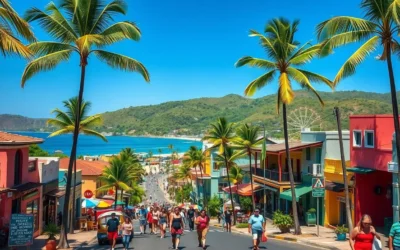
Baja California has a vibrant arts scene, particularly in cities like Tijuana and towns like Todos Santos, which has been designated a “Pueblo Mágico” (Magical Town) for its cultural significance. Galleries showcase works by local and international artists, while artisan markets offer traditional crafts and souvenirs.
Major Festivals & Events
- Baja 1000 (November) – The world’s most famous off-road race traverses the challenging terrain of the peninsula.
- Fiestas de la Vendimia (August) – Valle de Guadalupe’s wine harvest festival features tastings, dinners, and cultural events.
- Carnaval La Paz (February/March) – A vibrant celebration with parades, music, dancing, and food.
- Festival de las Conchas y el Vino Nuevo (April) – Ensenada’s shellfish and wine festival showcases local seafood and new vintage releases.
- Todos Santos Music Festival (January) – Founded by Peter Buck of R.E.M., this event features international and Mexican musicians.

Sports, Nature & Outdoor Experiences
Baja California is an outdoor enthusiast’s paradise, offering diverse ecosystems and landscapes for exploration and adventure.
Marine Encounters
Swimming with Whale Sharks
From October to May, the waters near La Paz become home to whale sharks, the world’s largest fish. Several tour operators offer the chance to snorkel alongside these gentle giants, which can grow up to 12 meters (40 feet) long. This unforgettable experience is conducted with strict guidelines to protect the animals.
Sea Lion Colony at Los Islotes
Near Espíritu Santo Island off La Paz, Los Islotes is home to a colony of over 300 sea lions. Snorkeling or diving with these playful creatures is a highlight for many visitors. The young sea lions are particularly curious and may swim right up to you.
Land Adventures
Hiking in Sierra de la Laguna
This UNESCO Biosphere Reserve in the southern peninsula offers hiking trails through diverse ecosystems, from desert to oak and pine forests. The challenging trek to the summit of Picacho de la Laguna (2,161 m or 7,090 ft) rewards hikers with panoramic views of both coasts.
Sandboarding at El Mogote
Just outside La Paz, the sand dunes of El Mogote provide an exciting venue for sandboarding. Several operators offer equipment rentals and lessons for this thrilling activity that combines elements of snowboarding and surfing.
Surfing Hotspots
Baja California is renowned for its surf breaks, particularly along the Pacific coast. Popular spots include:
- Cerritos Beach – Near Todos Santos, this beach offers consistent waves suitable for all skill levels.
- San Miguel – Just south of Ensenada, this point break is considered one of the best in Baja.
- Scorpion Bay – Located in San Juanico, this legendary right point break can offer rides of up to 300 meters when conditions are right.
- Nine Palms – On the East Cape near San José del Cabo, this spot offers long, mellow waves perfect for longboarding.

Valle de Guadalupe: Mexico’s Wine Country
Located just 90 minutes south of the U.S. border, Valle de Guadalupe has emerged as Mexico’s premier wine region and a must-visit destination for culinary travelers. Often compared to Napa Valley (but with more affordable prices), this valley produces approximately 90% of Mexico’s wines.
Wine Tasting
With over 100 wineries ranging from small family operations to large commercial producers, Valle de Guadalupe offers diverse tasting experiences. Most vineyards welcome visitors without reservations, though booking ahead is recommended for popular spots, especially on weekends. Some standout wineries include:
- Adobe Guadalupe – A boutique winery with an elegant tasting room, horseback riding, and on-site accommodations.
- Casa de Piedra – Founded by Hugo D’Acosta, a pioneer of the region’s wine renaissance, known for innovative blends.
- Monte Xanic – One of the valley’s oldest and most respected wineries, offering stunning views from its lakeside tasting room.
- El Cielo – A modern winery with an impressive architectural design and a range of award-winning wines.
Farm-to-Table Dining
Valle de Guadalupe is as much a culinary destination as a wine region. Restaurants emphasize locally sourced ingredients, often from on-site gardens, paired with regional wines. Reservations are essential at popular establishments, especially during summer months. Don’t miss:
- Fauna – Located at Bruma winery, chef David Castro Hussong offers an ever-changing menu based on seasonal availability.
- Finca Altozano – Chef Javier Plascencia’s open-air restaurant featuring wood-fired cooking and panoramic valley views.
- Deckman’s en El Mogor – Michelin-starred chef Drew Deckman prepares sustainable, locally sourced cuisine in an outdoor kitchen.

Best Beaches in Baja California
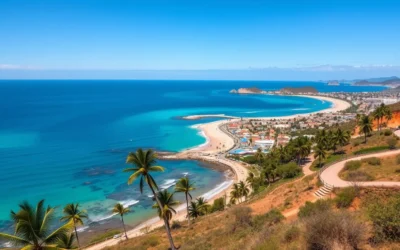
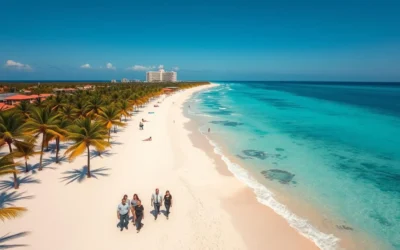
With coastlines on both the Pacific Ocean and the Sea of Cortez, Baja California boasts some of Mexico’s most stunning beaches. Each coast offers a distinct experience: the Pacific side features dramatic surf and cooler waters, while the Sea of Cortez provides calmer, warmer conditions ideal for swimming and snorkeling.
Sea of Cortez Beaches
- Balandra Beach (La Paz) – Often cited as Mexico’s most beautiful beach, this shallow bay features crystal-clear turquoise waters and the famous “Mushroom Rock” formation. The beach is protected as a natural area, limiting daily visitors, so arrive early.
- Playa El Tecolote (La Paz) – A long stretch of white sand with palapa restaurants serving fresh seafood. The beach offers views of Espíritu Santo Island and water sports rentals.
- Playa Santispac (Bahía Concepción) – Part of a series of stunning beaches along Bahía Concepción, this spot offers calm, warm waters perfect for swimming and kayaking. Camping is permitted, making it popular with RV travelers.
- Playa El Requeson (Bahía Concepción) – Famous for its sandbar that connects to a small island at low tide, creating a postcard-perfect scene of white sand and turquoise water.
Pacific Coast Beaches
- Playa Cerritos (Todos Santos) – One of the few safe swimming beaches on the Pacific side, Cerritos also offers consistent waves for surfing. Surf schools, restaurants, and loungers make it accessible for a full day visit.
- Playa San Miguel (Ensenada) – A popular surfing beach with consistent waves suitable for intermediate surfers. The beach is easily accessible from Ensenada.
- Playa La Misión (between Tijuana and Ensenada) – A wide, sandy beach popular with locals. The river mouth creates a shallow area ideal for children.
- Punta Lobos (Todos Santos) – A working fishermen’s beach where you can watch the pangas (fishing boats) launch and return with the day’s catch. The dramatic scenery includes towering cliffs.
Los Cabos Beaches
- Playa del Amor (Lover’s Beach) – Accessible only by boat, this beach near the famous Arch offers swimming on the Sea of Cortez side and views of crashing waves on the Pacific side (Divorce Beach).
- Playa Palmilla (San José del Cabo) – A Blue Flag certified beach with calm waters perfect for swimming and snorkeling. Facilities include restrooms and shade palapas.
- Playa Costa Azul (San José del Cabo) – Known for the Zippers surf break, this beach hosts international surfing competitions. The east end offers gentler conditions for swimming.
Beach Safety Tip: Always check local conditions before swimming, especially on Pacific beaches where strong currents and undertow can be dangerous. Beaches with blue flags are monitored for safety and water quality.

Safety, Etiquette & Local Customs
Baja California is generally safe for tourists, but as with any destination, it’s important to be aware of local conditions and customs to ensure a smooth and enjoyable trip.
Safety Tips
- Road Safety – Drive during daylight hours when possible, as roads are often unmarked and may have hazards like free-ranging livestock. Carry extra water, a spare tire, and emergency supplies when traveling in remote areas.
- Beach Safety – Be cautious when swimming, especially on Pacific beaches where strong currents can be dangerous. Look for and obey warning flags.
- Health Precautions – Drink bottled water and be cautious with street food if you have a sensitive stomach. Carry sunscreen, a hat, and plenty of water to prevent heat-related issues.
- Valuables – Use the same common sense you would in any tourist destination. Don’t display expensive jewelry or electronics, and use hotel safes when available.
Local Etiquette
Mexicans are generally warm and welcoming to visitors. These simple courtesies will be appreciated:
- Learn basic Spanish phrases – even simple greetings and “please” and “thank you” go a long way.
- Greet people when entering shops or restaurants – a simple “Buenos días” (good morning) or “Buenas tardes” (good afternoon) is customary.
- Tipping is expected for services – 15-20% in restaurants, small amounts for hotel housekeeping, and for guides and drivers.
- Dress modestly when visiting churches or small towns away from beach areas.
Cultural Considerations
Baja California has a rich cultural heritage influenced by indigenous peoples, Spanish colonization, and proximity to the United States. Some cultural aspects to be aware of:
- Siesta – Some smaller businesses may close in the afternoon, typically between 2-4 PM, especially in hot weather.
- Meal Times – Lunch (comida) is typically the main meal of the day, eaten between 2-4 PM. Dinner is often served later than in the US, with restaurants busiest after 8 PM.
- Festivals and Holidays – Religious celebrations are important in Mexican culture. Be aware that services may be limited during major holidays, but you might get to experience local festivities.
Border Crossing Tip: When entering Mexico by land, you’ll need to stop at immigration to obtain a tourist card (FMM) if you’re traveling beyond the border zone or staying more than 72 hours. Keep this document safe, as you’ll need to return it when leaving Mexico.
Practical Travel Tips
These practical tips will help you navigate Baja California with ease and make the most of your visit.
Money Matters
- Currency – The Mexican peso (MXN) is the official currency, though US dollars are widely accepted in tourist areas (often at unfavorable exchange rates).
- ATMs – Available in cities and tourist areas, offering better exchange rates than currency exchange booths. Notify your bank of your travel plans to prevent card blocks.
- Credit Cards – Major cards are accepted at hotels, restaurants, and larger stores in tourist areas. Carry cash for smaller establishments and remote locations.
- Tipping – Similar to the US, 15-20% is standard in restaurants. Small tips are appreciated for hotel staff, gas station attendants, and parking attendants.
Communication
- Language – Spanish is the official language, though English is widely spoken in tourist areas. Learning basic Spanish phrases is helpful and appreciated.
- Cell Service – Major US carriers offer Mexico coverage, often for an additional fee. Check your plan before traveling. Local SIM cards are available for unlocked phones.
- Internet – Wi-Fi is common in hotels, restaurants, and cafes in tourist areas but may be limited in remote locations.
Health & Medical
- Travel Insurance – Highly recommended to cover medical emergencies and evacuation if needed.
- Pharmacies – Many medications that require prescriptions in the US are available over the counter in Mexico, often at lower prices.
- Water – Stick to bottled water for drinking and brushing teeth. Most hotels and restaurants use purified water for ice.
What to Pack
- Clothing – Lightweight, breathable fabrics for hot days, plus a light jacket or sweater for cool evenings, especially in winter months.
- Sun Protection – High-SPF sunscreen, sunglasses, and a wide-brimmed hat are essential in this sunny climate.
- Beach Gear – Quick-dry towel, water shoes (for rocky beaches), and snorkeling equipment if you plan to explore underwater.
- Electronics – Mexico uses the same electrical outlets as the US (Type A and B), so no adapters are needed.

Conclusion: Your Baja California Adventure Awaits
From the wine valleys of the north to the pristine beaches of the south, Baja California offers an extraordinary blend of natural beauty, adventure, culinary delights, and cultural experiences. Whether you’re swimming with whale sharks in La Paz, sampling world-class wines in Valle de Guadalupe, or simply relaxing on a secluded beach, this remarkable peninsula delivers unforgettable moments that will call you back again and again.
The magic of Baja California lies in its contrasts: desert landscapes meeting azure waters, traditional fishing villages alongside luxury resorts, and ancient traditions coexisting with innovative cuisine. With proper planning and an adventurous spirit, you’ll discover why travelers have been captivated by this peninsula for generations.
So pack your sunscreen, brush up on your Spanish, and prepare for an incredible journey through one of Mexico’s most diverse and beautiful regions. Your Baja California adventure awaits!
The above is subject to change.
Check back often to TRAVEL.COM for the latest travel tips and deals.


0 Comments