

Hotels by Trip.com
Flights by Trip.com
Did you know that Benito Juarez National Park is home to over 400 species of birds, making it one of Mexico’s most biodiverse protected areas? This natural paradise, nestled in the Sierra Norte mountains of Oaxaca, offers visitors a unique blend of pristine forests, breathtaking viewpoints, and rich cultural heritage that few travelers ever discover.
Just a short drive from Oaxaca City, this ecological treasure provides a refreshing escape from urban life with its misty pine-oak forests, hidden waterfalls, and network of well-maintained hiking trails. Whether you’re an avid hiker, nature photographer, or cultural enthusiast, Benito Juarez National Park promises unforgettable experiences for every type of traveler.
Getting There & Planning Your Journey
Benito Juarez National Park is located approximately 10 km (6.2 miles) northeast of Oaxaca City in southern Mexico. The park is named after Mexico’s beloved 19th-century president and sits within the Sierra Norte mountain range, also known as the Sierra Juárez.
By Air
The nearest airport is Oaxaca International Airport (OAX), which receives flights from major Mexican cities and some international destinations. From there, you’ll need to arrange ground transportation to reach the park. for the best rates and schedules.
By Road
From Oaxaca City, you can reach the park in about 30-40 minutes by car. gives you the most flexibility to explore the area at your own pace. Alternatively, you can take a taxi or colectivo (shared taxi) from the city center.
Local Transportation
If you’re not driving yourself, consider booking a guided tour that includes transportation. Many tour operators in Oaxaca City offer day trips to the park with knowledgeable guides who can enhance your experience with local insights and ecological information.
Best Time to Visit & Weather Tips

Recommended Seasons
Dry Season (November to April)
This is the ideal time to visit Benito Juarez National Park. The weather is pleasant with daytime temperatures averaging 22-26°C (72-80°F) and minimal rainfall. Trails are dry and easily accessible, and visibility from the viewpoints is excellent.
December and January are particularly popular due to comfortable hiking conditions and clear skies perfect for photography. However, early mornings can be chilly with temperatures sometimes dropping to 5-10°C (41-50°F), so bring layers.
Rainy Season (May to October)
While the park is still accessible during the rainy season, afternoon showers are common, particularly in July and August. The upside is that the landscape becomes incredibly lush and waterfalls are at their most impressive.
If you visit during this period, plan your hikes for the morning hours when rain is less likely. The average temperature during this season is 18-24°C (64-75°F), with higher humidity levels.
✓ Check 30,000+ Local Sightseeing Tours Worldwide
Local Tip
October and November offer a sweet spot with decreasing rainfall and comfortable temperatures. You’ll also encounter fewer tourists compared to the peak dry season months of December through February.
What to Pack
- Lightweight, moisture-wicking clothing (even in dry season)
- A light jacket or fleece for mornings and evenings
- Sturdy hiking shoes with good traction
- Rain jacket or poncho (essential during rainy season)
- Sun protection (hat, sunglasses, sunscreen)
- Insect repellent (especially important during and after rainy season)
- Reusable water bottle
Getting Around Locally

Navigating Benito Juarez National Park is relatively straightforward, but it helps to understand your options before arriving. The park covers a significant area, and while some attractions are close to the entrance, others require more planning to reach.
On Foot
Hiking is the primary way to explore the park, with a network of well-marked trails ranging from easy 30-minute walks to challenging full-day treks. Trail maps are available at the visitor center, and most paths are color-coded for easy navigation.
Guided Tours
Local guides can be hired at the park entrance or arranged in advance through your accommodation in Oaxaca City. A guide enhances your experience by pointing out wildlife, explaining the ecosystem, and sharing cultural insights about the region. for the most informative experience.
Mountain Biking
Some trails in the park permit mountain biking. Bikes can be rented in Oaxaca City, but be sure to check which trails allow cycling, as some are designated for hiking only.
“The trails in Benito Juarez National Park offer some of the most accessible yet rewarding hiking experiences in the Oaxaca region. Even a short 2-hour hike rewards you with spectacular views that many travelers to Mexico never get to see.”
Where to Stay
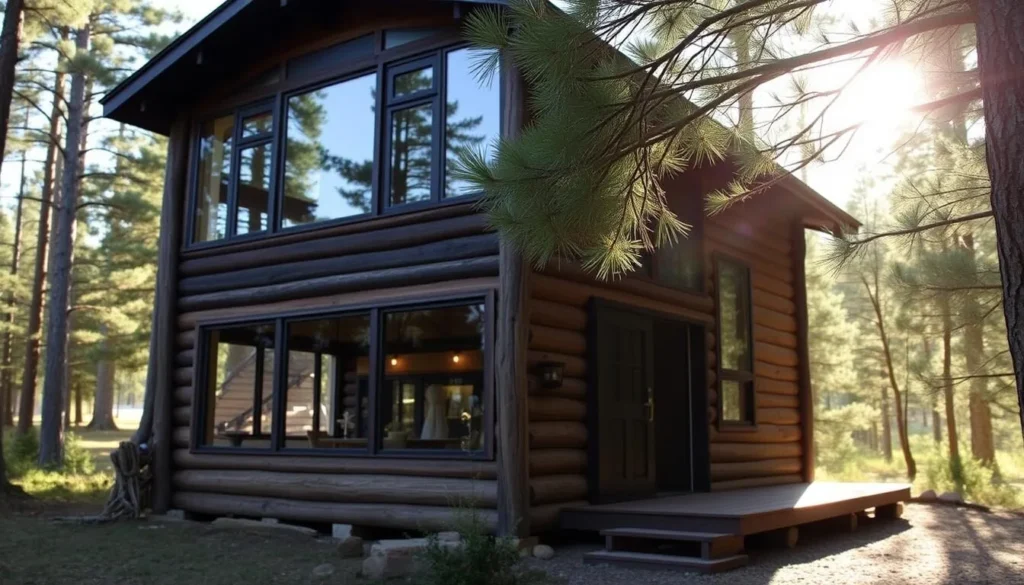
While there are no accommodations within Benito Juarez National Park itself, you have several options nearby that cater to different preferences and budgets.
Oaxaca City
Most visitors choose to base themselves in Oaxaca City, which offers the widest range of accommodations from budget hostels to luxury boutique hotels. Staying in the city allows you to enjoy urban amenities while making day trips to the park.
Budget Options
Hostels and guesthouses in Oaxaca City start around $15-30 USD per night. Popular areas include the historic center and Jalatlaco neighborhood.
Mid-Range
Boutique hotels and B&Bs offer comfortable rooms with local character for $50-100 USD per night, many featuring traditional Oaxacan design elements.
Luxury
High-end accommodations with amenities like pools, spas, and gourmet restaurants range from $150-300+ USD per night.
Nearby Villages
For a more immersive experience, consider staying in one of the small communities near the park:
- San Andrés Huayápam – A tranquil village just 15 minutes from the park entrance with a few small guesthouses and cabins.
- Teotitlán del Valle – Famous for its textiles, this town offers homestays with local weaving families about 30 minutes from the park.
- San Pablo Villa de Mitla – Known for its archaeological site, this town has several mid-range hotels and is about 45 minutes from the park.
Eco-Lodges
Several eco-lodges have been developed near the park boundaries, offering sustainable accommodation options with minimal environmental impact. These typically include meals featuring local ingredients and can arrange guided hikes directly from the property.
Dining & Local Cuisine

Oaxaca is renowned throughout Mexico for its exceptional cuisine, and the area around Benito Juarez National Park offers plenty of opportunities to sample these culinary treasures.
Within the Park
Food options inside the park are limited. There are a few simple food stalls near the entrance that sell snacks, drinks, and sometimes simple meals like quesadillas or tortas. It’s recommended to bring your own picnic supplies or snacks, especially if you plan to hike the longer trails.
Local Specialties to Try
Must-Try Dishes
- Tlayudas – Often called “Oaxacan pizza,” these large, crispy tortillas are topped with beans, cheese, meat, and vegetables.
- Mole Negro – Oaxaca is famous for its seven moles, with the complex, chocolate-tinged mole negro being the most celebrated.
- Memelas – Thick corn tortillas topped with beans, cheese, and salsa.
- Chapulines – For the adventurous eater, these seasoned grasshoppers are a local delicacy.
Beverages
- Mezcal – Oaxaca is the heartland of mezcal production. Many restaurants offer tastings of this smoky agave spirit.
- Chocolate de agua – Traditional Oaxacan chocolate dissolved in water rather than milk.
- Tejate – A pre-Hispanic drink made from maize and cacao, often sold at local markets.
Nearby Dining Options
The villages surrounding the park offer authentic, family-run restaurants where you can sample local specialties at reasonable prices. In San Andrés Huayápam, look for small comedores (eateries) serving home-style Oaxacan cuisine.
Foodie Tip
Sunday is market day in many Oaxacan towns. If your visit coincides, don’t miss the opportunity to sample street food and regional specialties at these vibrant weekly markets.
For a more upscale dining experience, Oaxaca City offers numerous renowned restaurants where traditional recipes are given contemporary interpretations by innovative chefs. Reservations are recommended for the more popular establishments, especially during high season.
Attractions, Sightseeing & Activities

Benito Juarez National Park offers a diverse range of attractions that showcase both natural beauty and cultural heritage. Here are the top sights and activities you shouldn’t miss:
El Mirador Viewpoint
The park’s most famous attraction is this spectacular lookout point that offers panoramic views of Oaxaca City and the surrounding valley. On clear days, you can see for miles across the patchwork of fields, villages, and mountains. It’s especially magical at sunrise or sunset when the changing light casts a golden glow over the landscape.

Hiking Trails
The park features a network of well-maintained trails suitable for various fitness levels:
El Mirador Trail
Difficulty: Easy to Moderate
Length: 2.4 km (1.5 miles) round trip
Duration: 1-1.5 hours
Highlights: Panoramic views of Oaxaca Valley
Cerro del Fortín Loop
Difficulty: Moderate
Length: 6.6 km (4.1 miles)
Duration: 2-3 hours
Highlights: Historic site, city views, diverse vegetation
Sierra Norte Connection
Difficulty: Challenging
Length: 9.2 km (5.7 miles) one way
Duration: 4-5 hours
Highlights: Deep forest, wildlife spotting, waterfalls
Ethnobotanical Garden
Located at the edge of the park, this carefully curated garden showcases the rich plant diversity of Oaxaca state. Over 900 species are displayed, many with traditional medicinal or cultural significance. Guided tours are available and highly recommended to fully appreciate the botanical and cultural importance of the collection.

Waterfall Hikes
Several seasonal waterfalls can be found within the park boundaries. The most accessible is Cascada Chica, a 15-meter (49-foot) fall that’s particularly impressive during and just after the rainy season. For more adventurous hikers, the more remote Cascada Grande requires a challenging 3-hour trek but rewards with a spectacular 30-meter (98-foot) waterfall and natural swimming pool.
Cultural Experiences & Festivals

Beyond its natural beauty, the area around Benito Juarez National Park offers rich cultural experiences that provide insight into Oaxaca’s indigenous heritage and vibrant traditions.
Indigenous Communities
The Sierra Norte region surrounding the park is home to several indigenous communities, primarily Zapotec, who maintain their traditional languages, crafts, and customs. Some communities welcome visitors through community-based tourism initiatives that allow for respectful cultural exchange.
Artisan Workshops
In nearby villages, you can visit workshops where artisans practice traditional crafts:
- Textile Weaving in Teotitlán del Valle – Watch as weavers create intricate rugs and textiles using natural dyes and traditional looms.
- Black Pottery in San Bartolo Coyotepec – See the distinctive burnished black pottery being shaped and fired using pre-Hispanic techniques.
- Alebrijes in San Martín Tilcajete – Observe the creation of these fantastical carved wooden figures that have become symbols of Oaxacan folk art.

Annual Festivals
If your visit coincides with these cultural celebrations, you’re in for a special treat:
Guelaguetza (July)
Oaxaca’s most famous festival celebrates the diversity of the state’s indigenous cultures through dance, music, and costume. The main events take place at the Guelaguetza Auditorium, which is located near the park.
Día de Muertos (November 1-2)
The Day of the Dead is observed throughout Mexico but has special significance in Oaxaca. Cemeteries come alive with candlelight, marigolds, and families honoring their ancestors.
Noche de Rábanos (December 23)
The unique “Night of the Radishes” features intricate sculptures carved from radishes, displayed in Oaxaca City’s main square.
Cultural Centers
The Cultural Center of Santo Domingo, located near the park entrance, houses exhibitions on Oaxacan history, art, and archaeology. The Museum of Cultures of Oaxaca, within the same complex, displays important artifacts including treasures from Monte Albán’s Tomb 7.
Outdoor Activities & Nature Experiences

Benito Juarez National Park is a paradise for nature lovers and outdoor enthusiasts. The park’s diverse ecosystems support a wide range of activities that allow visitors to connect with the natural world.
Wildlife Watching
The park is home to an impressive variety of wildlife. Early morning is the best time for animal sightings, when creatures are most active and human traffic is minimal.
Birdwatching
With over 400 bird species recorded in the region, Benito Juarez National Park is a birdwatcher’s dream. Look for colorful species like the mountain trogon, various hummingbirds, and the striking blue-throated motmot. The best birdwatching spots are along the forest edges and near water sources.
Mammals and Reptiles
While more elusive, the park shelters mammals such as white-tailed deer, coati, and several species of squirrels. Reptiles include various lizards and non-venomous snakes. Remember that wildlife observation requires patience and quiet movement.
Photography
The park offers countless opportunities for nature photography, from sweeping landscapes to macro shots of unique flora. The changing light throughout the day creates different moods—early morning mist adds mystery to forest scenes, while golden hour casts a warm glow over the valley views.

Mountain Biking
Several designated trails in the park are open to mountain bikers, offering exciting rides through varied terrain. Bikes can be rented in Oaxaca City, and some tour operators offer guided mountain biking excursions suitable for different skill levels.
Picnicking
Designated picnic areas with tables and sometimes barbecue facilities are available near the park entrance and at El Mirador viewpoint. These make perfect spots to enjoy a meal surrounded by nature after a morning of hiking.
Eco-Friendly Reminder
Help preserve the park’s natural beauty by practicing Leave No Trace principles: pack out all trash, stay on designated trails, and respect wildlife by observing from a distance.
Practical Travel Tips

Park Information
Hours & Fees
Opening Hours: 8:00 AM to 6:00 PM daily
Entrance Fee: 50 MXN (approximately $2.50 USD) per person
Parking Fee: 30 MXN (approximately $1.50 USD)
Children under 12 and seniors over 60 may qualify for discounted entry. Always carry cash, as credit cards are not accepted at the entrance.
Visitor Center
Located near the main entrance, the visitor center provides trail maps, information about the park’s ecology, and sometimes guided tour arrangements. Rangers can advise on current trail conditions and wildlife sightings.
Restroom facilities are available at the visitor center and near El Mirador viewpoint, but are limited elsewhere in the park.
✓ Check 30,000+ Local Sightseeing Tours Worldwide
Safety Considerations
- Altitude – The park sits at elevations between 1,700-2,300 meters (5,600-7,500 feet). Allow time to acclimatize if coming from sea level, and stay hydrated.
- Weather – Mountain weather can change quickly. Check forecasts before setting out and be prepared for sudden temperature drops or rain, even during the dry season.
- Communication – Cell phone coverage is spotty within the park. Download offline maps and inform someone of your hiking plans.
- Wildlife – While dangerous encounters are rare, be aware of your surroundings and never feed or approach wild animals.
Etiquette & Local Customs
When visiting indigenous communities near the park, observe these respectful practices:
- Ask permission before taking photographs of people or their homes.
- Dress modestly, especially when visiting churches or community buildings.
- Learn a few basic Spanish phrases—even simple greetings are appreciated.
- Support local economies by purchasing handicrafts directly from artisans.
- Respect sacred sites and follow any posted rules or guidance from local residents.
“The communities surrounding Benito Juarez National Park have been stewards of this land for generations. Visitors who approach with respect and curiosity will find warm hospitality and rich cultural exchanges.”
Experience the Magic of Benito Juarez National Park

Benito Juarez National Park offers a perfect blend of natural wonders and cultural richness that makes it a must-visit destination for travelers to Oaxaca. From misty morning hikes to panoramic viewpoints, from encounters with colorful birds to interactions with traditional artisans, the experiences you’ll find here create lasting memories.
Unlike more famous Mexican destinations, this hidden gem provides authentic experiences away from the crowds. The park’s accessibility from Oaxaca City makes it an easy addition to your itinerary, whether you have just a few hours or several days to explore.
As you plan your visit to this spectacular corner of Mexico, remember that the changing seasons bring different charms—from the crystal-clear views of the dry season to the lush, vibrant landscapes after the rains. Whenever you choose to visit, Benito Juarez National Park promises natural beauty, cultural insights, and the warm hospitality that makes Oaxaca special.
Related Posts
Tulum, Mexico: Best Things to Do – Top Picks

Puerto Vallarta, Mexico: Best Things to Do – Top Picks

Puerto Escondido, Mexico: Best Things to Do – Top Picks
Sayulita, Mexico: Best Things to Do – Top Picks

Valle de Guadalupe, Mexico: Best Things to Do – Top Picks

Playa del Carmen, Mexico: Best Things to Do – Top Picks
Coming Soon: Clickable Maps